
Obviously, A Clockwork Orange is not a movie that was shot in NYC; it was shot and set in the London area of the UK. However, I had recently been studying its filming locations and discovered there wasn’t any website that offered a nice, concise list of each spot in chronological order.
So, I decided to do a simple write-up on this site, mostly as a way of consolidating the research I did, but also possibly offering curious web surfers an easy-to-digest breakdown of each filming location from Stanley Kubrick’s seminal piece.
Korova Milk Bar

This was reportedly one of only three sets built for the the film and was shot at an unused factory in a suburb of London. While the general consensus is that it was shot on the corner of Bullhead Road & Elstree Way, there’s been some inconsistencies as to which corner.
Most sites indicate that it was on the west corner where there’s now a Shell gas station, but on the MGM (British) Borehamwood Film Studios Memories Facebook Page, group members believe there was already a petrol station on that corner back when the movie was being made, and that the factories must have been on the east side of the street. One group member claimed he worked as an auto mechanic in 1973-74 at a garage that was on the west corner, further supporting the conclusion that the set was on the east side.
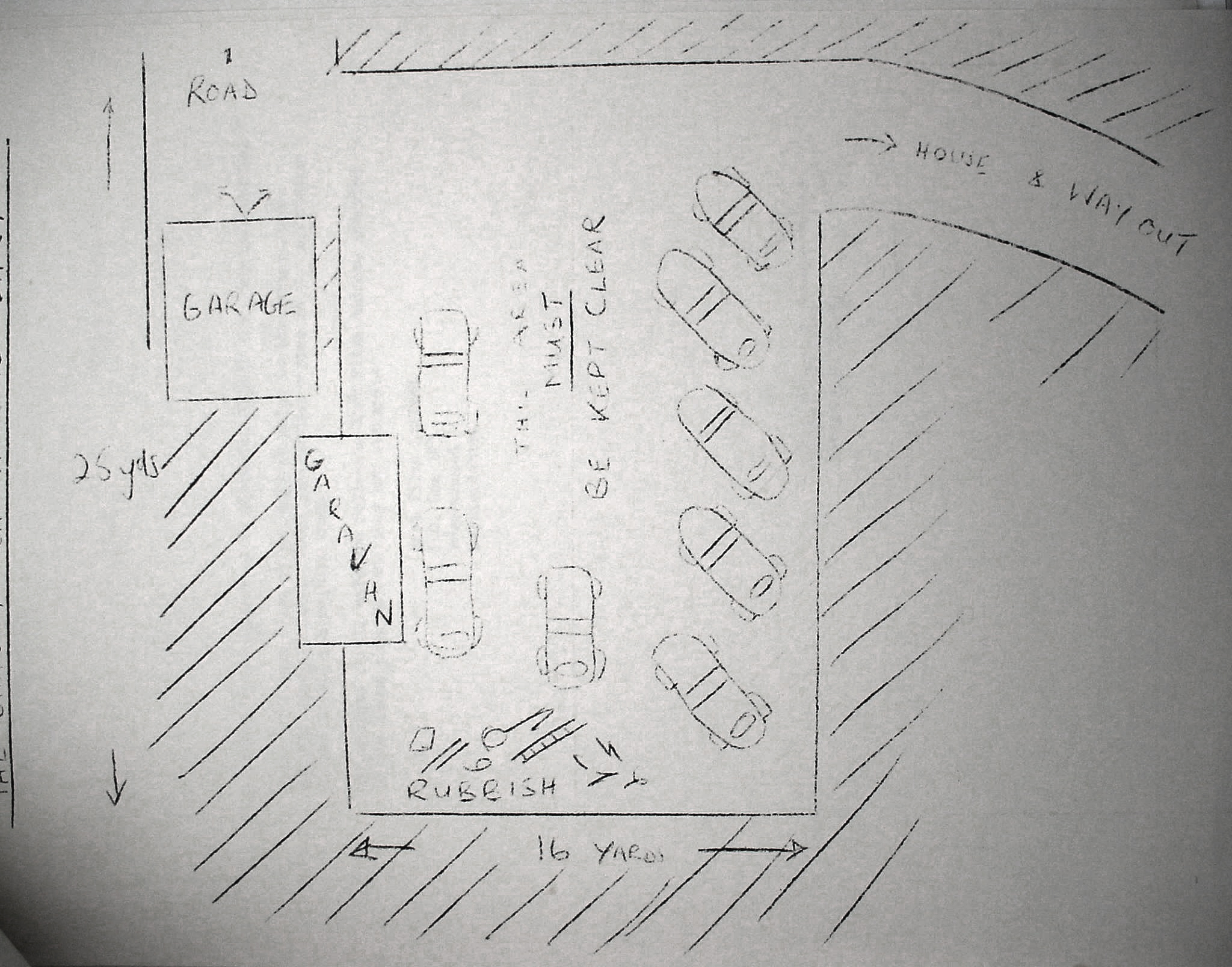
 One of the users provided a scan of one of the original movie call sheets, dated 23rd of Sep 1970, with the following notation “Hawk Films Base, Ex-McKinney Foundation Factory, corner Bullhead Road & Elstree Way, Borehamwood.” The call sheet included a diagram for parking at the ex-MFF (below), although it doesn’t really provide any valuable details.
All in all, it doesn’t really matter too much since it was just a set and the factory is now long gone, but for my “then/now” pictures above, I chose to use the east side of Bullhead Road, which I believe is the more likely location. The block is now occupied with a series of apartment buildings that were constructed 2014-15.
Beating Up a Tramp


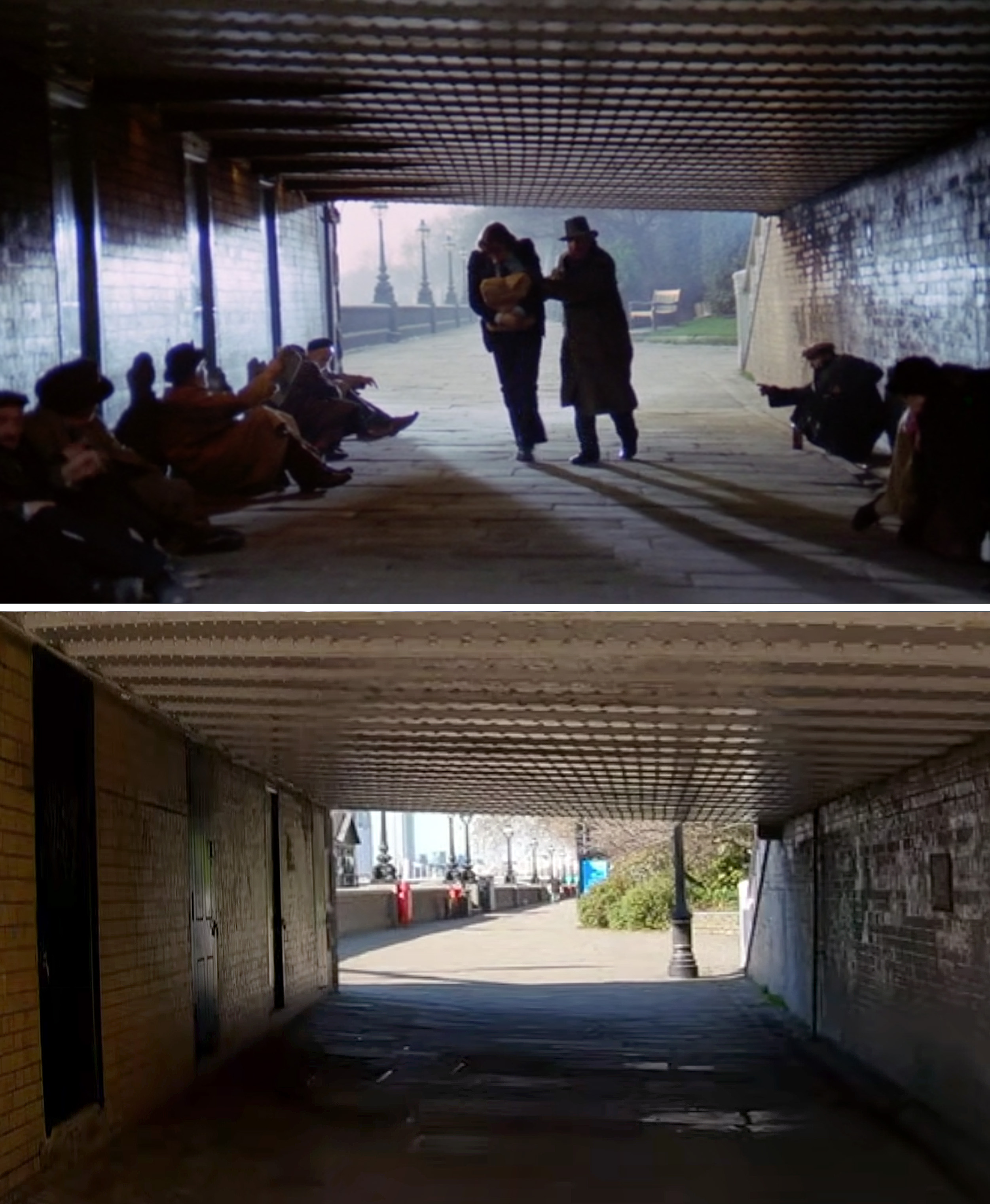
This location has been well-documented as being at a subway underpass at the Wandsworth Roundabout in South London, although there has been a little confusion as to which underpass was used.

But in the end, most have concluded that it was structure no. 19 at the southwest section of the roundabout.

Gang Rumble

This derelict theatre was probably chosen as a filming location because it was slated to be demolished. It was located on Tagg’s Island on the Thames, named after Thomas Tagg, who built a luxurious hotel there in the 1870s. In 1912, a new hotel, named the Karsino, was built on the island for English theatre impresario, Fred Karno, who is best known for discovering Charlie Chaplin. Designed by famed architect, Frank Matcham, the Karsino included a performance area called the Palm Court Concert Pavilion, which is what’s seen in the film.

After the hotel was razed, the island remained fairly derelict for the next ten years or so.
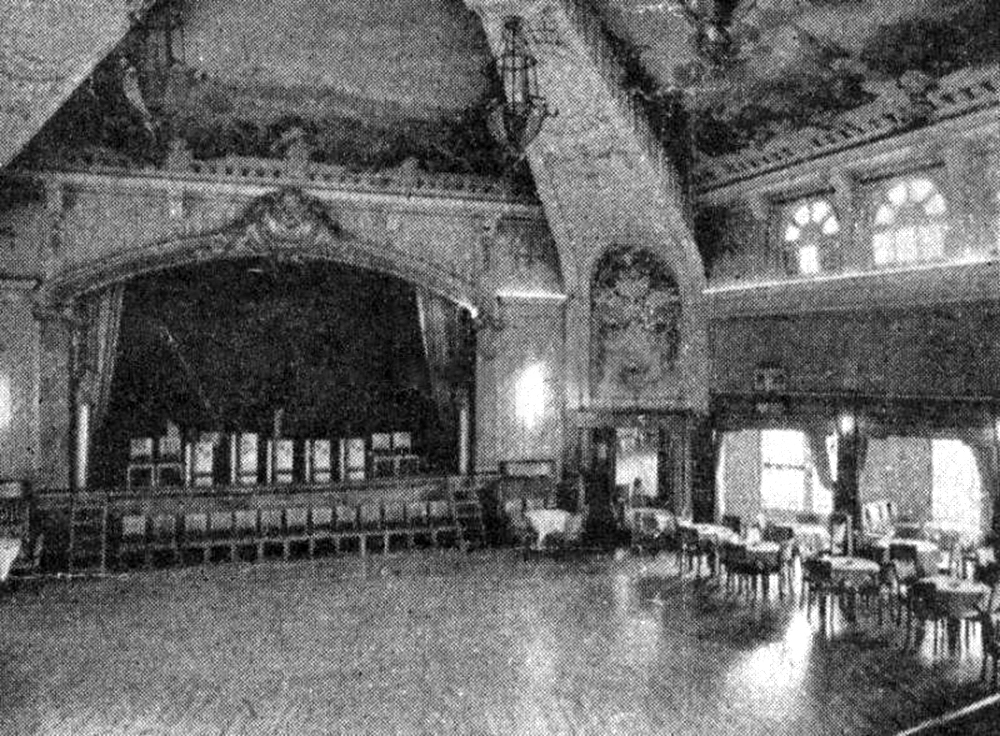
In the 1980s a new bridge was built and the island got cleaned up and excavated. Today, Tagg’s Island has a population of around 100, all of whom reside in moored houseboats on the Thames.
Home (Approach)

The writer’s “HOME” was actually three separate locations, but the road leading up to the residence was shot at Munden, a countryside house and estate in Hertfordshire, just north of London.
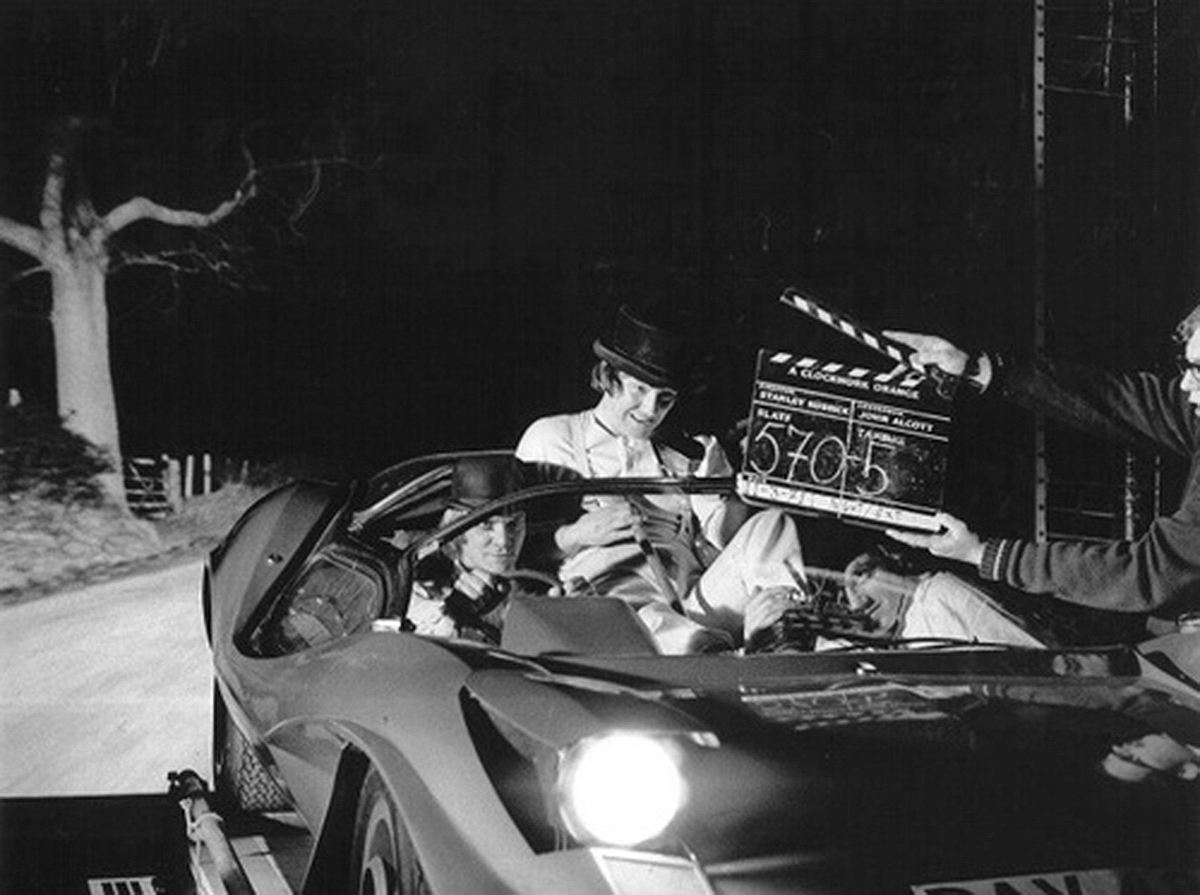
The estate has been used in several other film and TV productions and is open to the public for walking and cycling.
Home (Exterior)

While the approach was shot in Hertfordshire, the exteriors of the HOME itself were shot at the New House in Shipton-under-Wychwood, Oxfordshire. Built in 1963-64, the innovatively designed New House is made up of five linked pavilions overlooking the bucolic Japanese Garden, which was featured in the film.
Home (Interior)
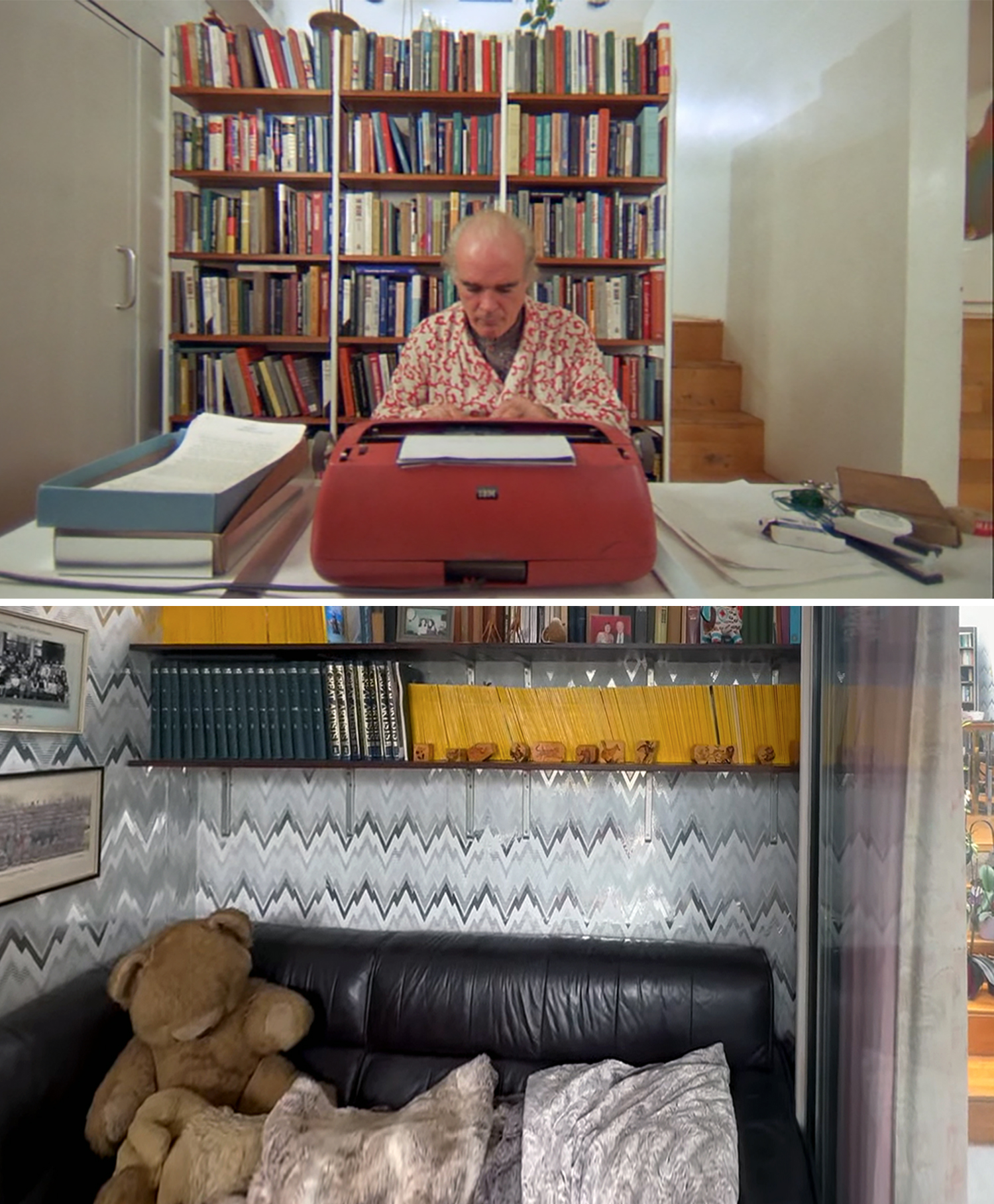

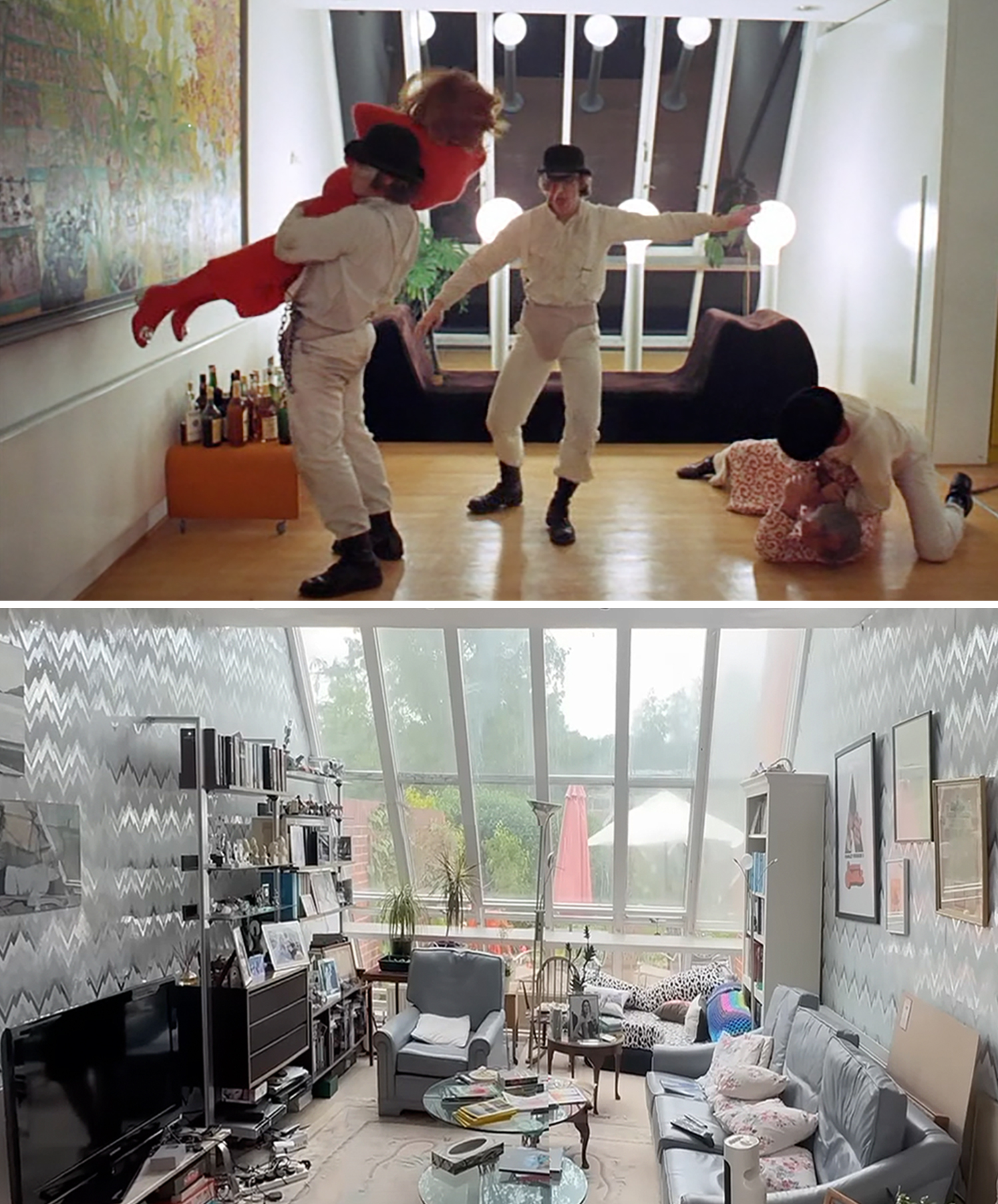


The Skybreak House (aka, Jaffe House) in Radlett is the third location for this HOME setting and was used for all the interior scenes. (The two exceptions were the bathroom and the entrance, which were sets built in that factory in Borehamwood.)

Completed in 1965, the house is divided into three strips, the first of which is the main living area and where the action from this film primarily takes place. The other two sections comprise of the kitchen, bathrooms and bedrooms, connected via sliding panels.

One interesting thing about the modern photos of the Skybreak House (taken in 2024 by Sean Clark) is that they show how the decor almost looks like it was inspired by the movie. In particular, the current wallpaper looks very similar to what appeared in Alex’s flat. (See below.)

And one interesting thing about the set decorations in these scenes — in a small case of nepotism, the large painting of a garden that’s on the left wall of the bottom level was apparently painted by Stanley Kubrick’s wife, Christiane.
Alex’s Flat (Exterior)

These dystopian looking exteriors were shot at Thamesmead, one of London’s largest postwar social housing schemes constructed in the 1960s. Made up of striking brutalist architecture, this “space-age city” on the Thames’s Erith Marshes was considered a visionary solution to the city’s housing crisis.

But within a decade, it became a vast, dismal wasteland, and consequently a perfect setting for A Clockwork Orange. In the movie, Alex marches southbound on Wagtail Walk, basically paralleling Harrow Manorway.

Thamesmead is currently undergoing extensive regeneration by British housing association Peabody who promise to create 20,000 new homes and improve the community facilities. In the “then/now” images above, you can see this work-in-process as viewed from Harrow Manorway.
Alex’s Flat (Interior)

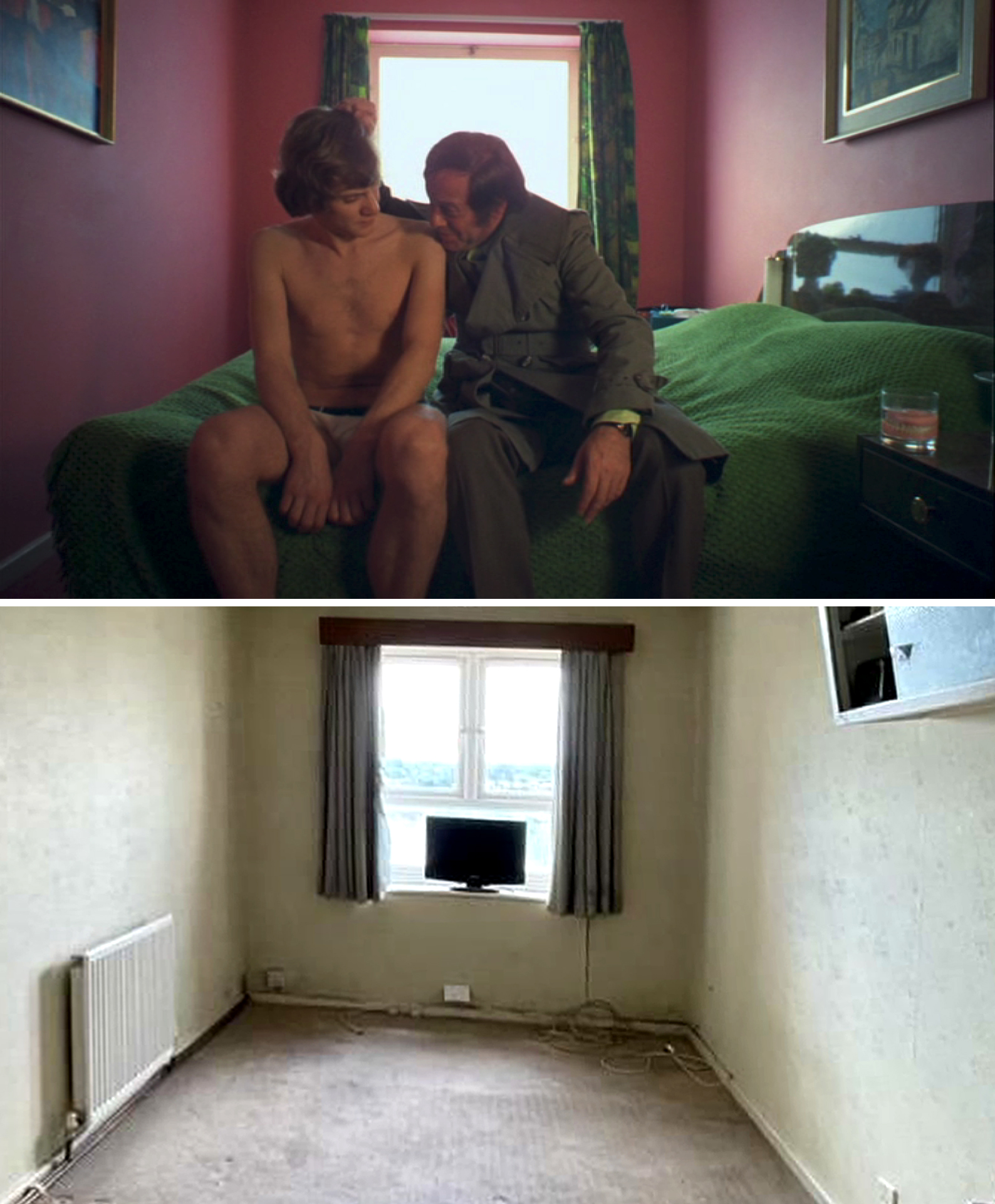


Like the writer’s home, Alex’s home was made up of three different locations. As indicated above, the exterior setting was at Thamesmead, but the lobby was in Tower D at Brunel University. The tower’s lobby looks very similar to how it appeared in 1971, the biggest changes being a paint job and the addition of a storage unit across from the stairs.
The apartment interiors were shot at the Canterbury House, an apartment tower in Borehamwood (which was supposedly chosen for its close proximity to Kubrick’s home).

The flat used in the film was number 100, and unfortunately I couldn’t find any images of the place, but I did find some of another unit in the building which has a similar layout. It’s not a perfect match, but you can get a sense of what the flat is like.

All the rooms seem to have very similar layouts as the film, including the window placement in the kitchen with a narrow shelf at its base.

You can see the number 100 on the door in a later scene when Alex returns home. I found a 2015 video on YouTube that showed part of the hallway outside the flat and it appears the door has remained fairly unchanged.
Record Store

Now a McDonald’s, the “record store” was really Chelsea Drugstore.

Arranged over three floors, Chelsea Drugstore was really more than a pharmacy; it also was a bar/restaurant where local rock stars would come hangout. In fact, the shop is mentioned in several rock songs, most notably the Rolling Stones’ hit, You Can’t Always Get What You Want.

Although you don’t see it in the film, the building’s exterior was as striking as the interior — a sleek, modern design with large, rounded windows. And while the inside of the McDonald’s looks very different from the film, it still has the same support columns which you can see in the “then/now” images above.
Flat Block Marina


Probably the most iconic image from the film, the pure simplicity of this slow motion scene makes it so wonderful.
Shot not too far from the exterior location of Alex’s flat, the action takes place in the Thamesmead housing complex on the west shore of Southmere Lake. While the artificial lake and walkway are about the same today as they were 1971 (albeit, a bit more rundown), the buildings in the far background were part of the group that got knocked down in 2014 to make way for the new modern housing.

According to news sources, the iconic Southmere Lake is currently being revitalised, so it seems as though it will remain in place, but it’s hard to predict how much of the original Binsey Walk will be retained. So, it’s possible that this location will be much less recognizable in the near future.
The Duke of New York

The chalet-looking interiors of “The Duke of New York” were shot at the Old Leather Bottle in Stonegrove, Edgware. At the time, the pub was popular as a steakhouse, but as the years rolled on, it became more known as a place to score drugs.
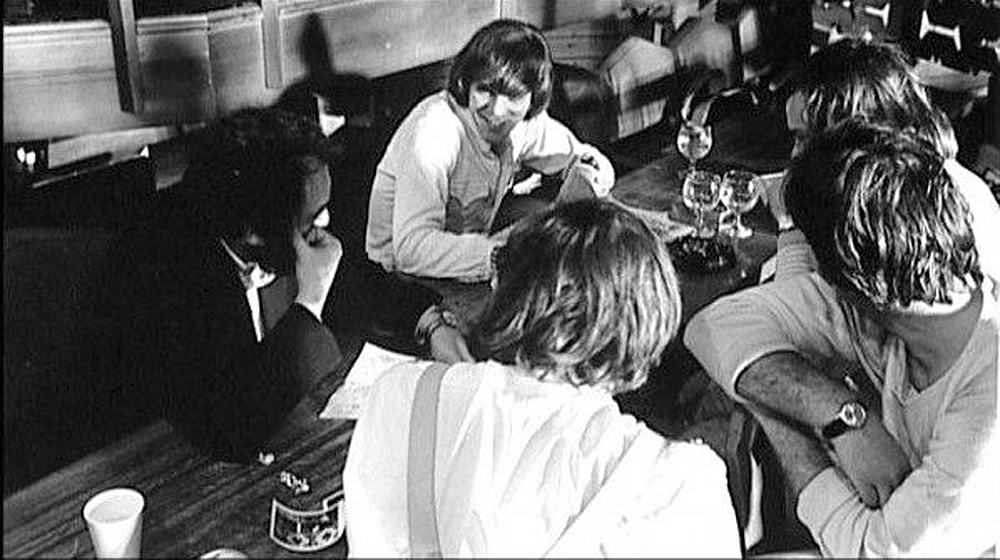

Trying to clean up its reputation, the pub was eventually renamed the Bottle and Dragon, and began serving Thai food. However, it never seemed to catch on and they ended up closing their doors on October 8, 2002.

Developers tore down the building and replaced it with 20 flats and a medical center whose design is similar to the old pub.
The Cat Lady
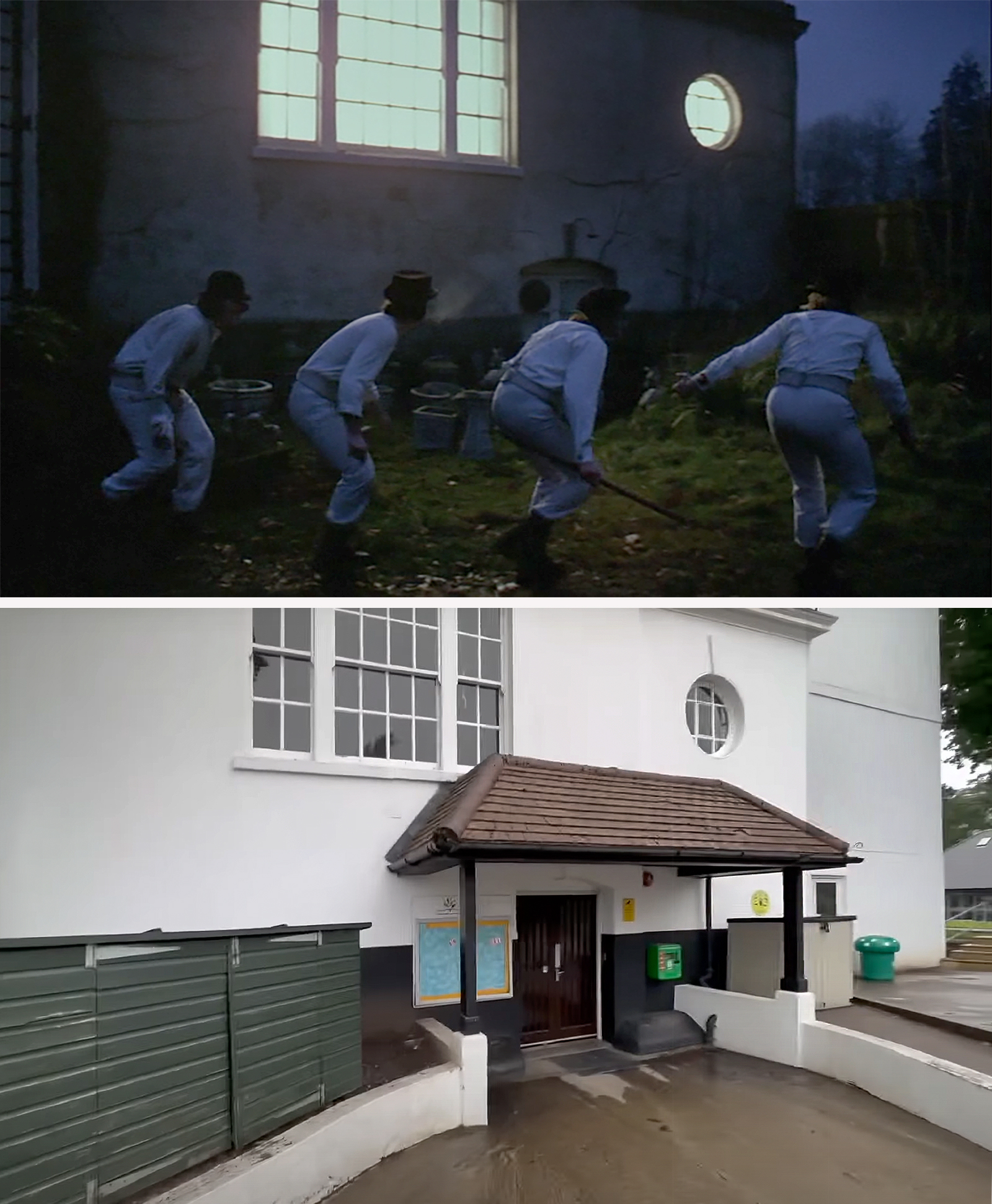
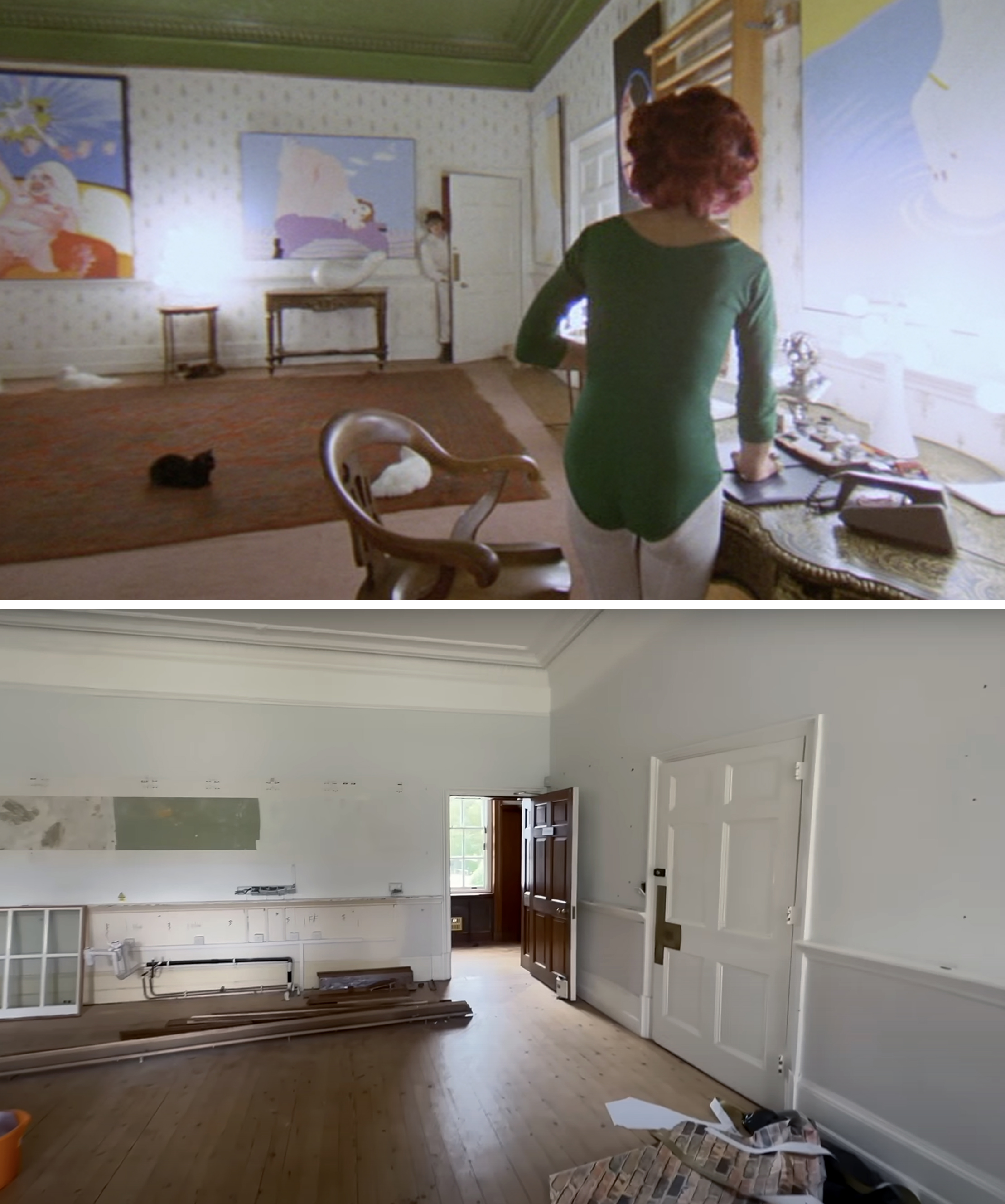

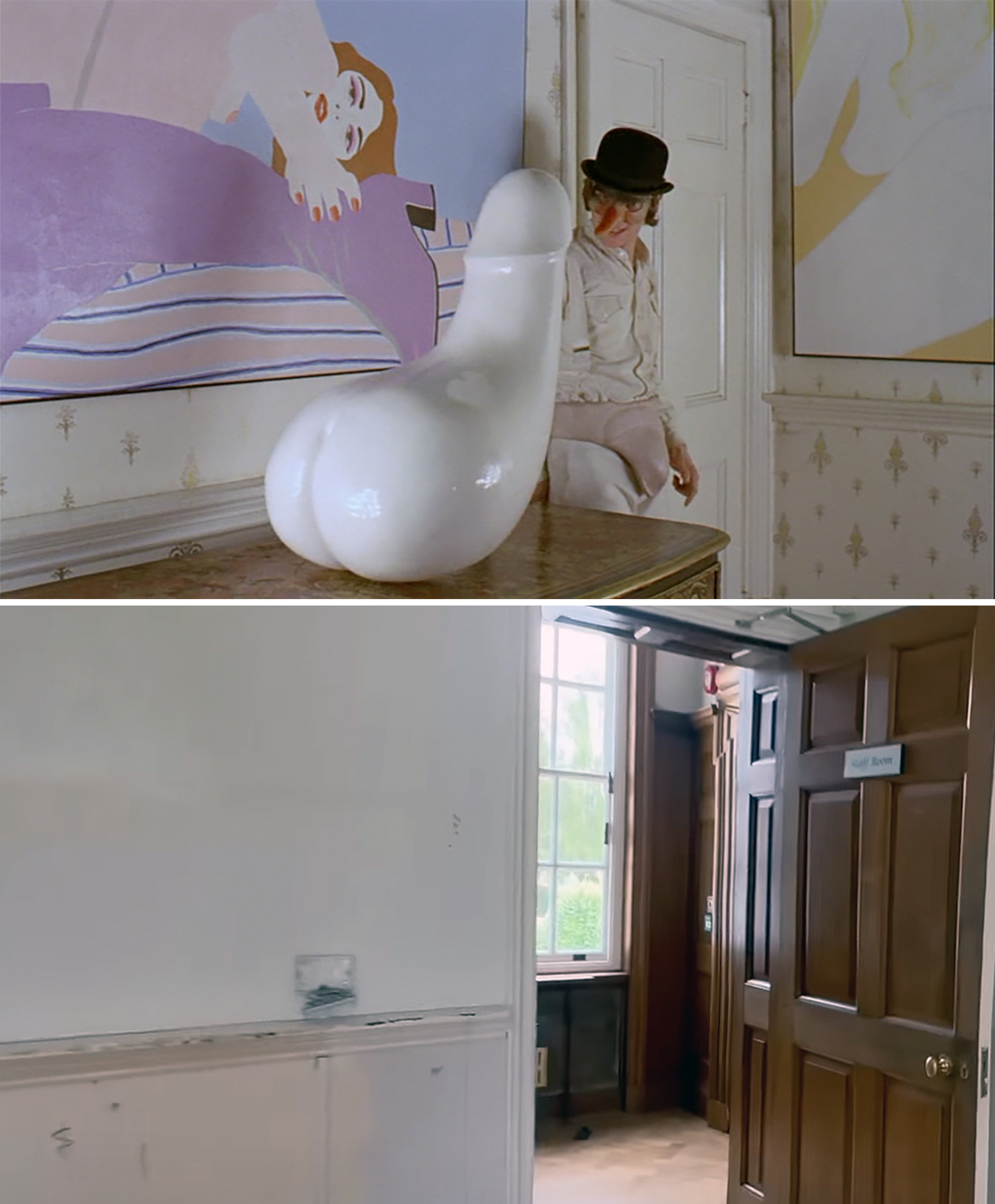

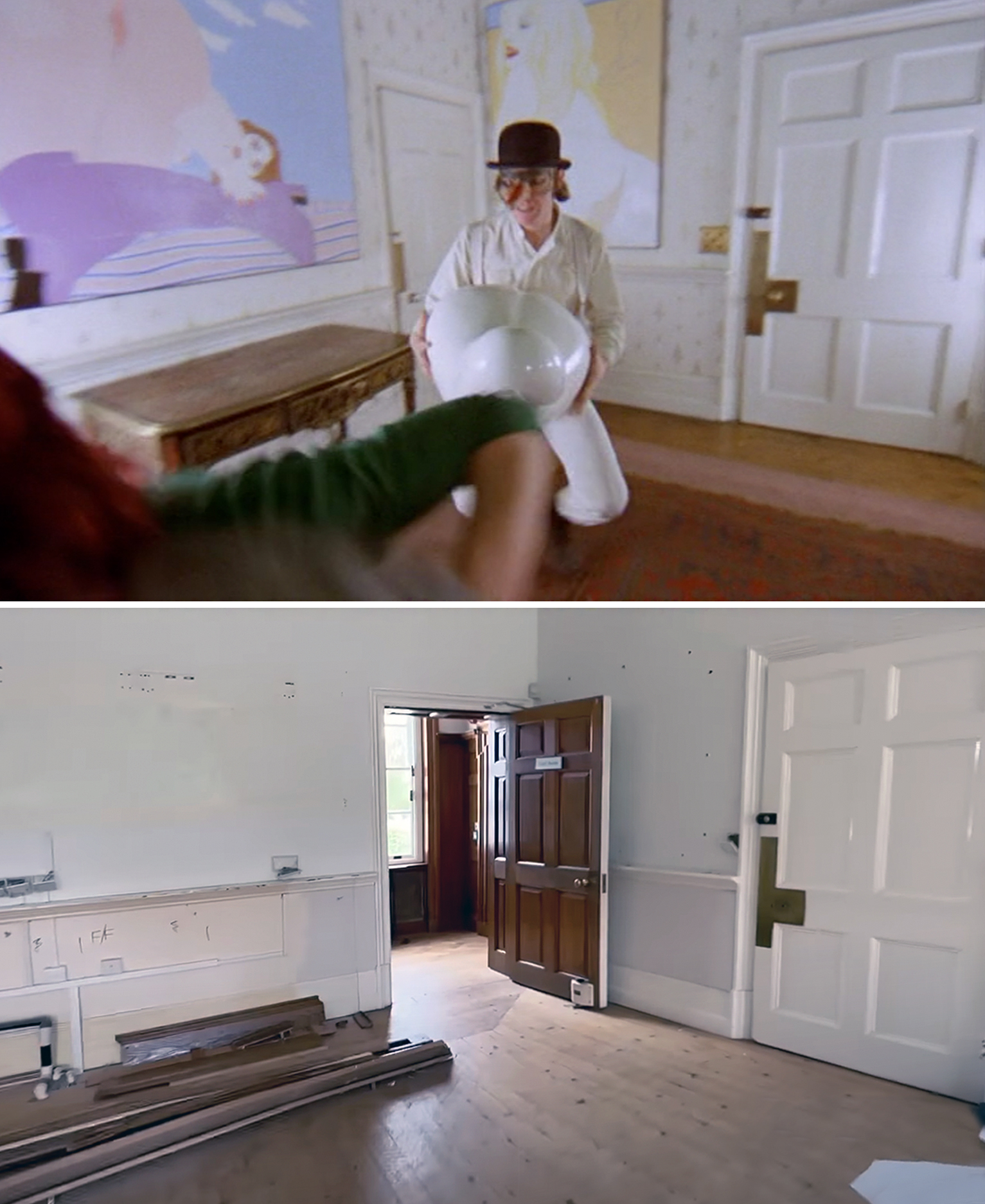

The building used in this sequence is the Manor Lodge School, an independent primary school for children aged 4-11 years old.

At the time this movie was made, the property was a health farm called, Shenley Lodge (which I believe was owned by British war spy, Eddie Chapman).
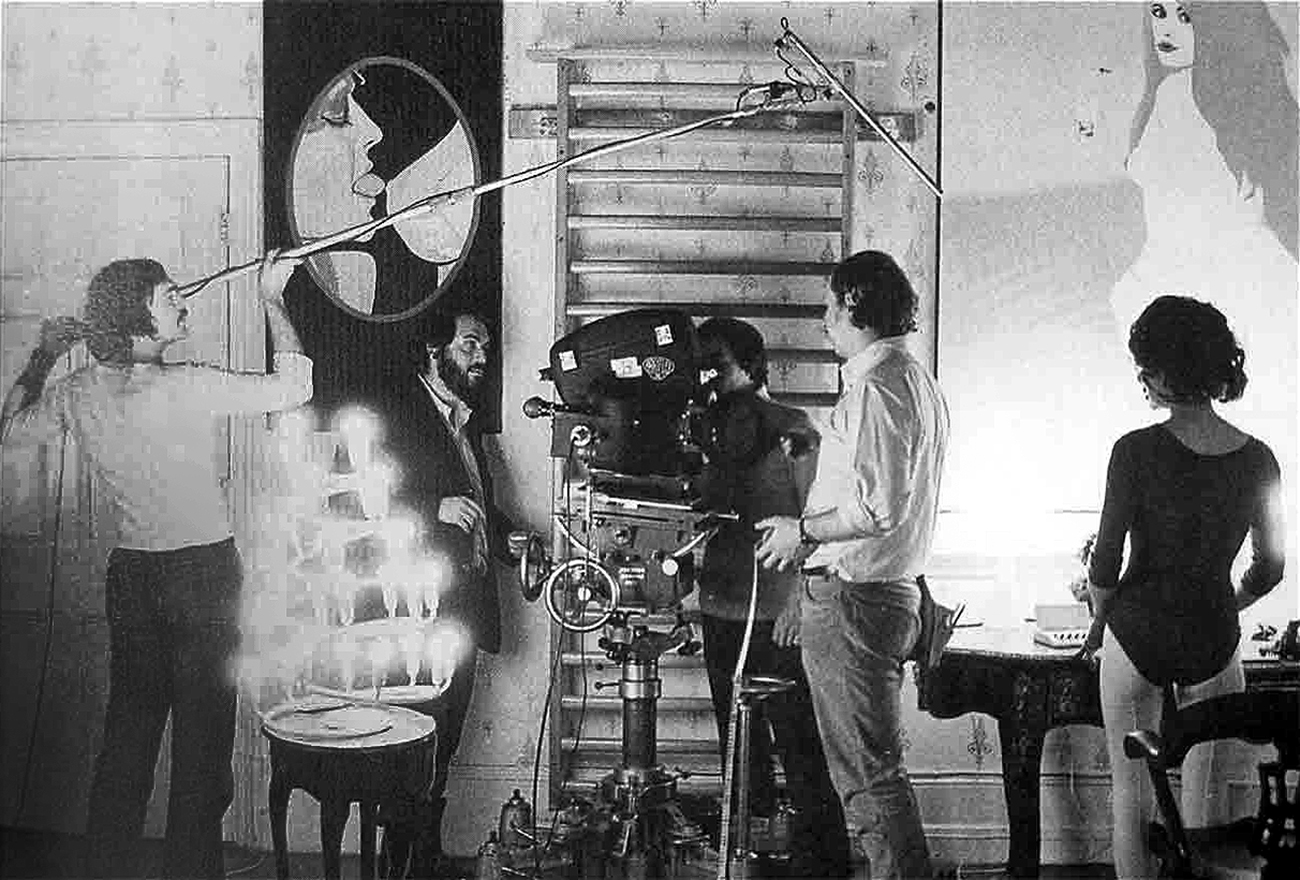
The dojo room is more or less the same today as it was back in the 1970s. One difference is the fireplaces are now enclosed in cabinets. The room looks more like the movie today than it did a decade ago when it was painted a gaudy pink.
Parkmoor Prison

The initial aerial shot of the fictional “Parkmoor Prison” was of the Wandsworth Prison. However, when it came to the interiors, it’s been said that they were filmed at Woolwich Barracks Prison in Woolwich., although, in the DVD commentary, Malcolm McDowell described it as “the arsenal.”
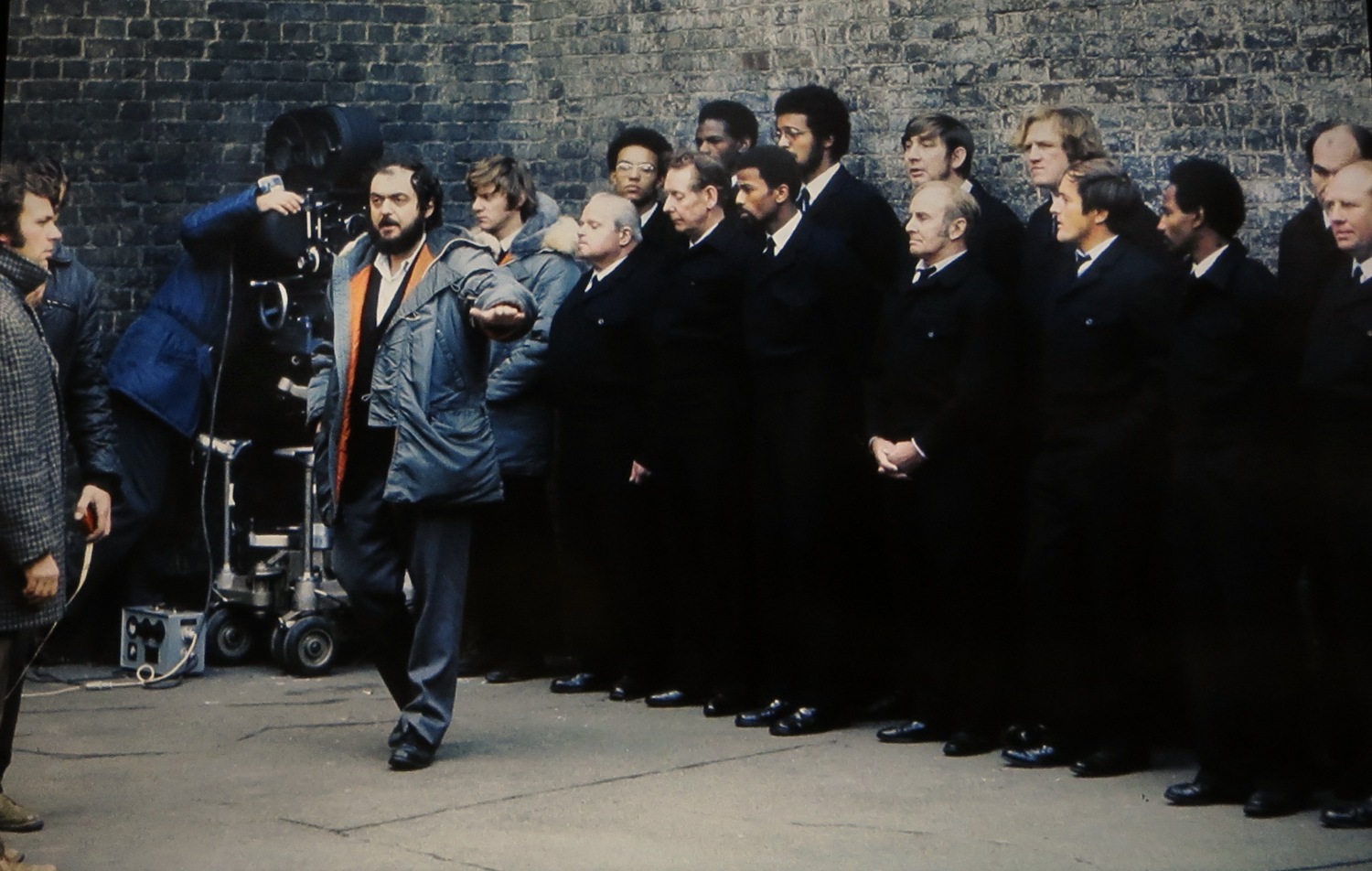
I’m not sure if he was referring to the Royal Arsenal located just to the north of the Barracks, but I decided to look at all the buildings in this area. I was trying to see if I could find any place that had windows matching the ones seen in the sermon scene, but couldn’t find anything.

Since I have very little practical knowledge of the UK, that was about the extent of my research. I know some of the military buildings have been torn down so perhaps the ones used in the film are now gone. If anyone out there knows more details of this Wandsworth institution, please let me know.

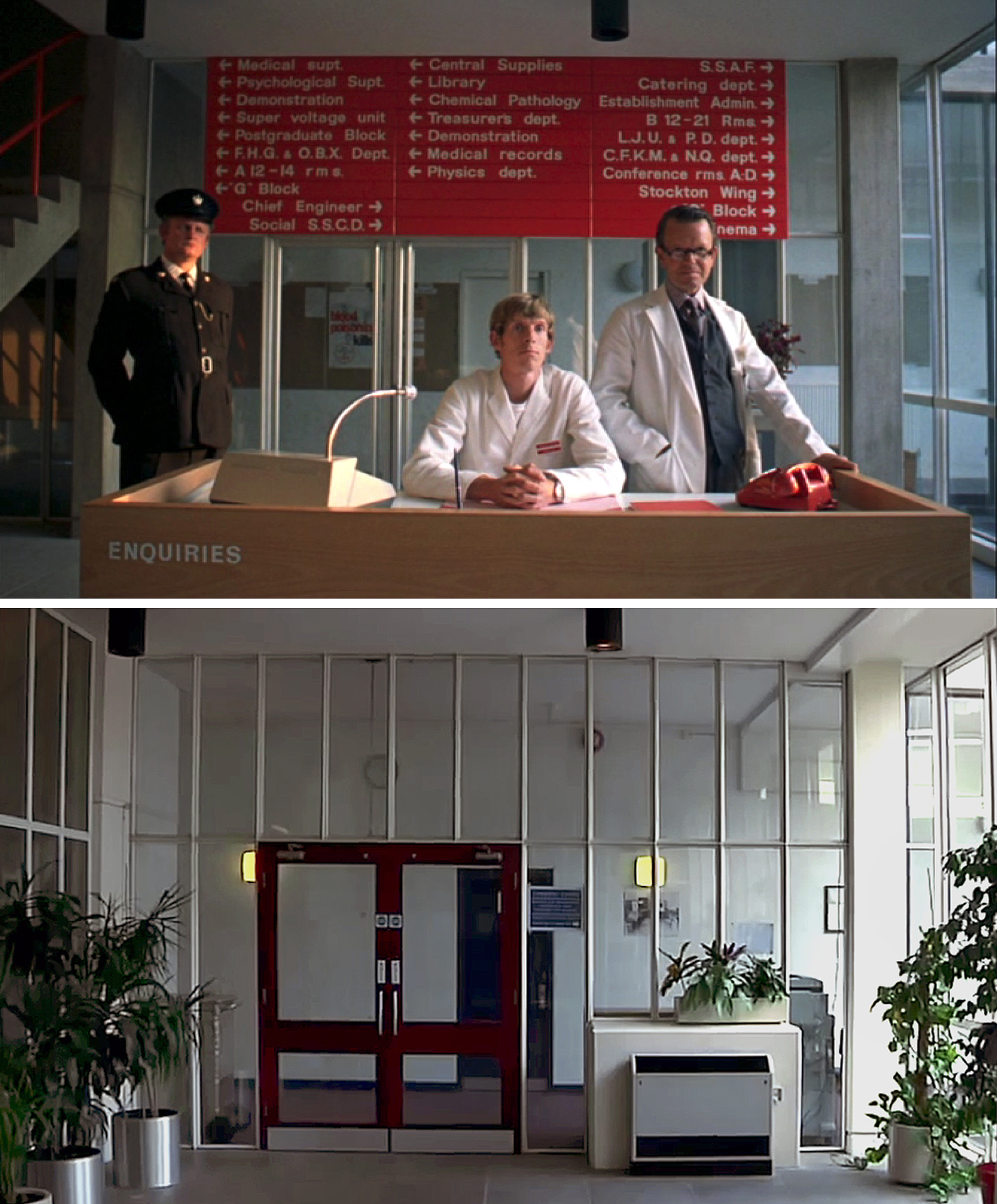
That being said, it’s pretty indisputable that the check-in area for the prison was a set built in that ex-factory in Borehamwood. 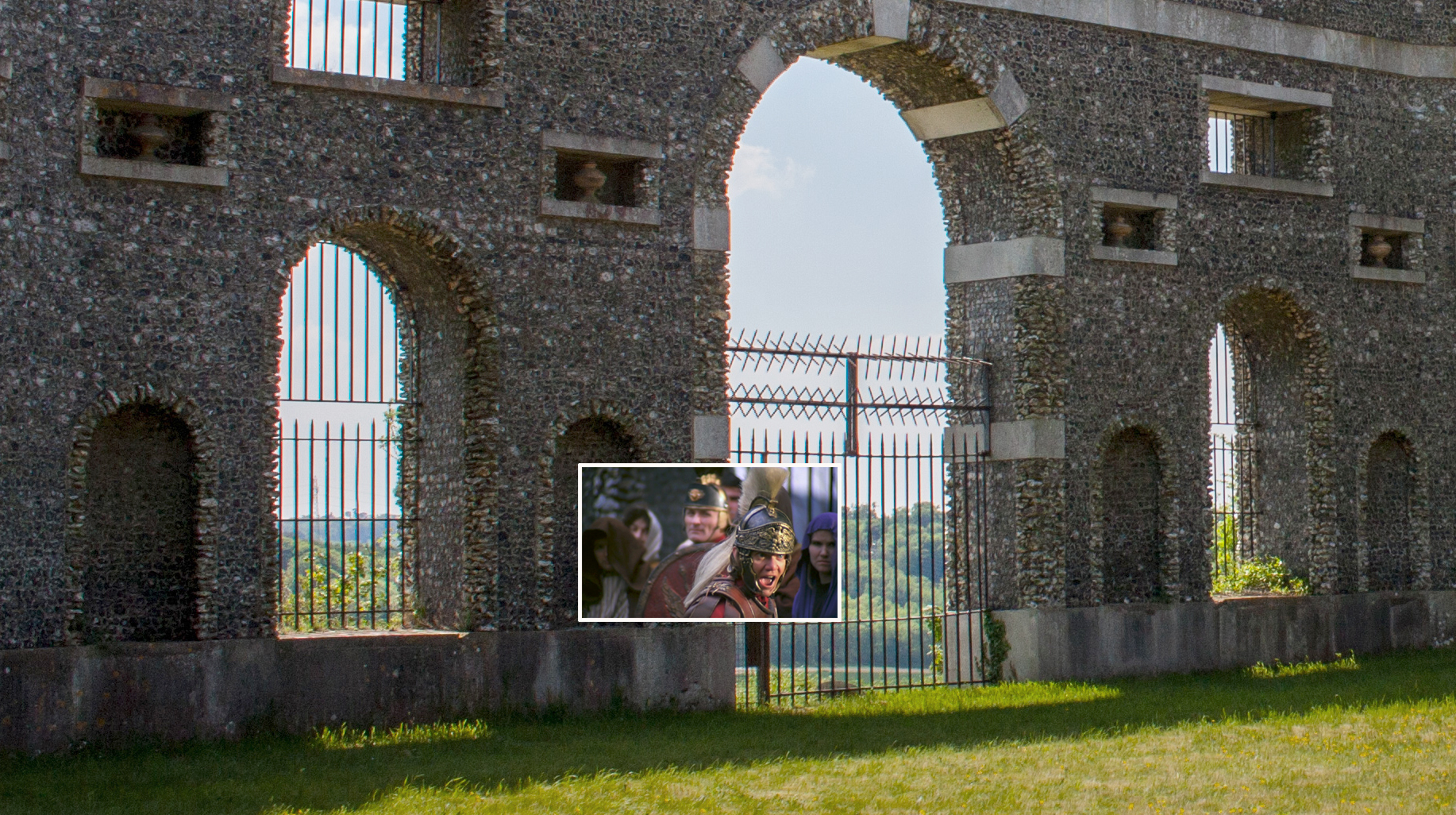
The Roman fantasy Alex daydreams about in the prison library was filmed in the Dashwood Mausoleum at the top of West Wycombe Hill, Buckinghamshire.
Ludovico Medical Facility (Admissions)
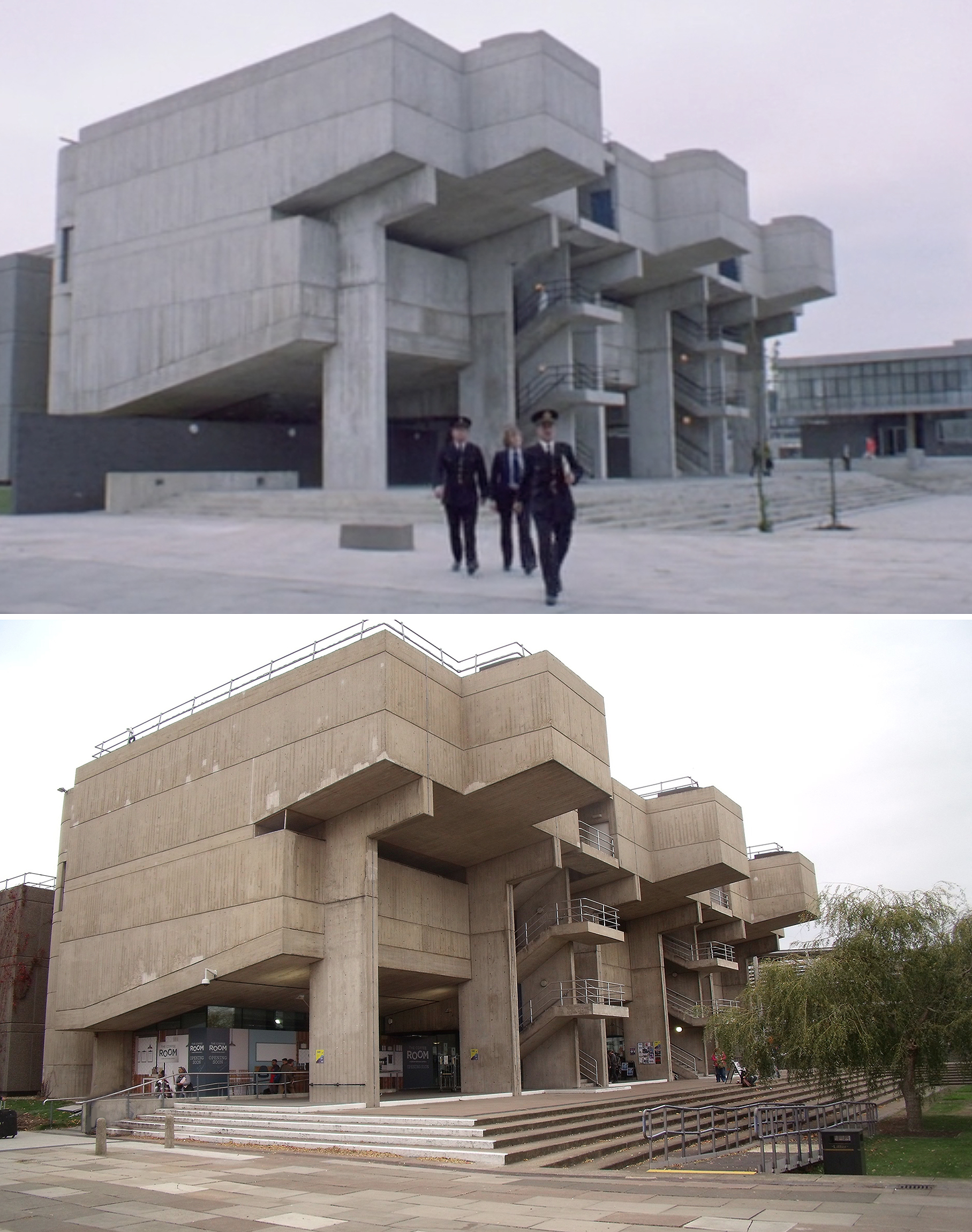

While the Lecture Centre seen in the background when they first arrive at “Ludovico” is still around today, sadly, the Mathematics Building they go into is no more. The building (later named after John Crank) got razed in 2018 to make way for new facilities.
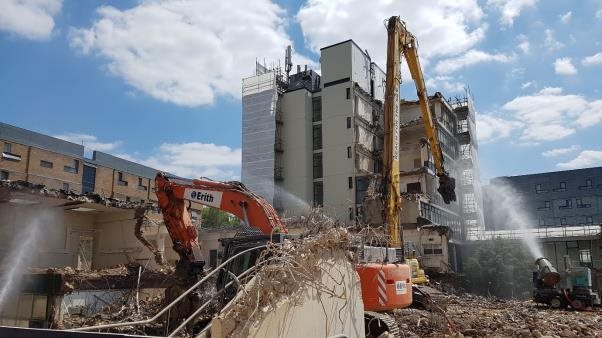
Completed in 1968 in the heart of the campus, the now-demolished building used to house the Department of Mathematics, the Department of Computer Science and the Division of Statistics and Operations Research.

A new Learning and Teaching Centre was supposed to be completed on the site in 2021, but as far as I can tell, as of this writing, it’s still a work-in-progress.
Ludovico Medical Facility (Treatment)

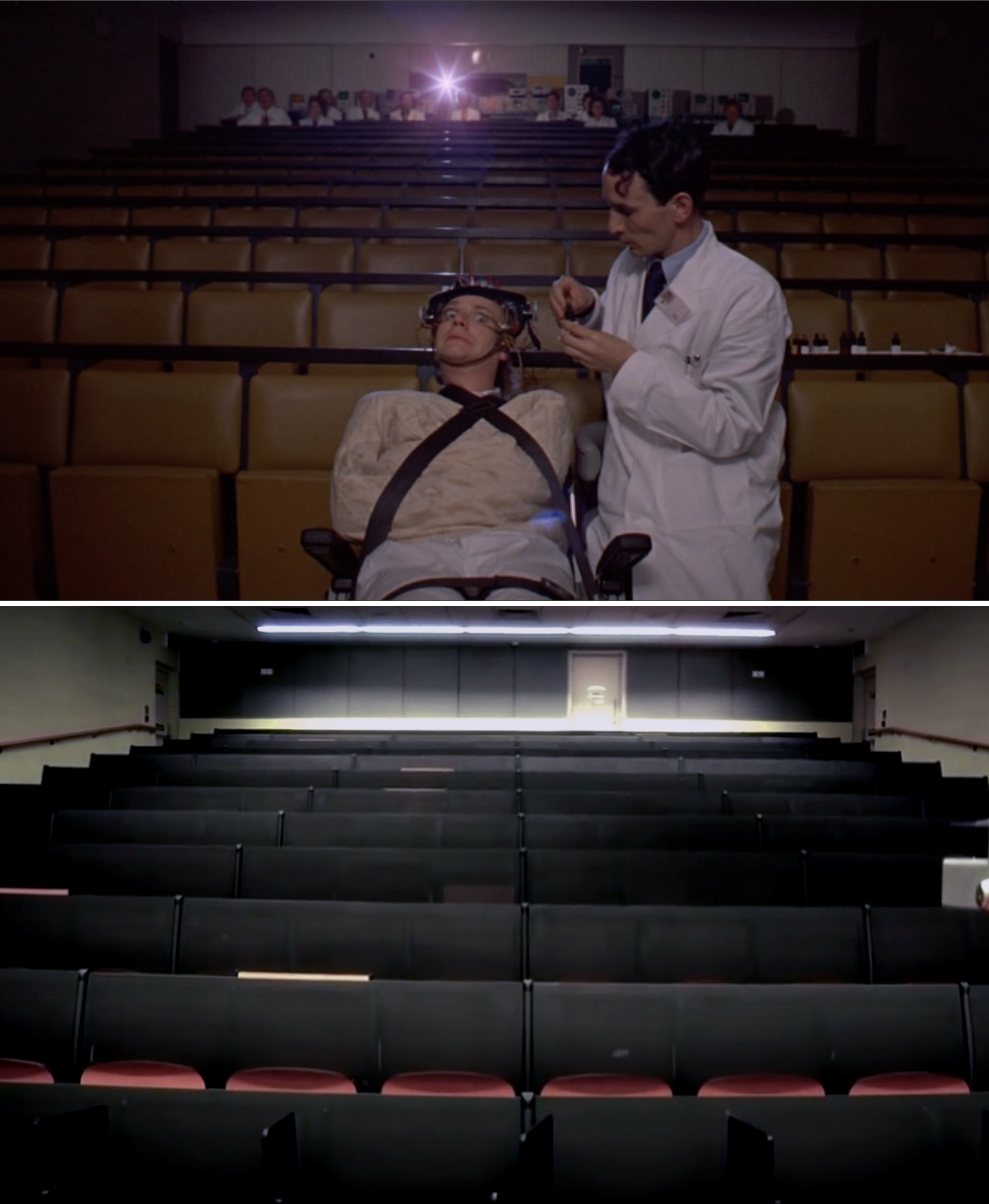
It’s been widely known for some years now that Alex’s “aversion therapy” was filmed in the Lecture Theatre at Brunel University.


However, I was only able to find one source (that 2015 YouTube video I mentioned earlier) that indicated where Alex’s room was located. In the video, they show the outside of the location —a residence hall on the campus— although, they don’t indicate exactly where it is.
However, based on the view from the window in the movie, I determined that Alex’s room was at Chepstow Hall, most likely on the third floor.

Plus, based on the shape of the window, I figured it had to be one of the corner units.
It might be noted, like with Alex’s home interiors, the “now” image I used above was from a random room in Chepstow Hall, and not necessarily the one used in the film. But you can see how little has changed in these college residences.
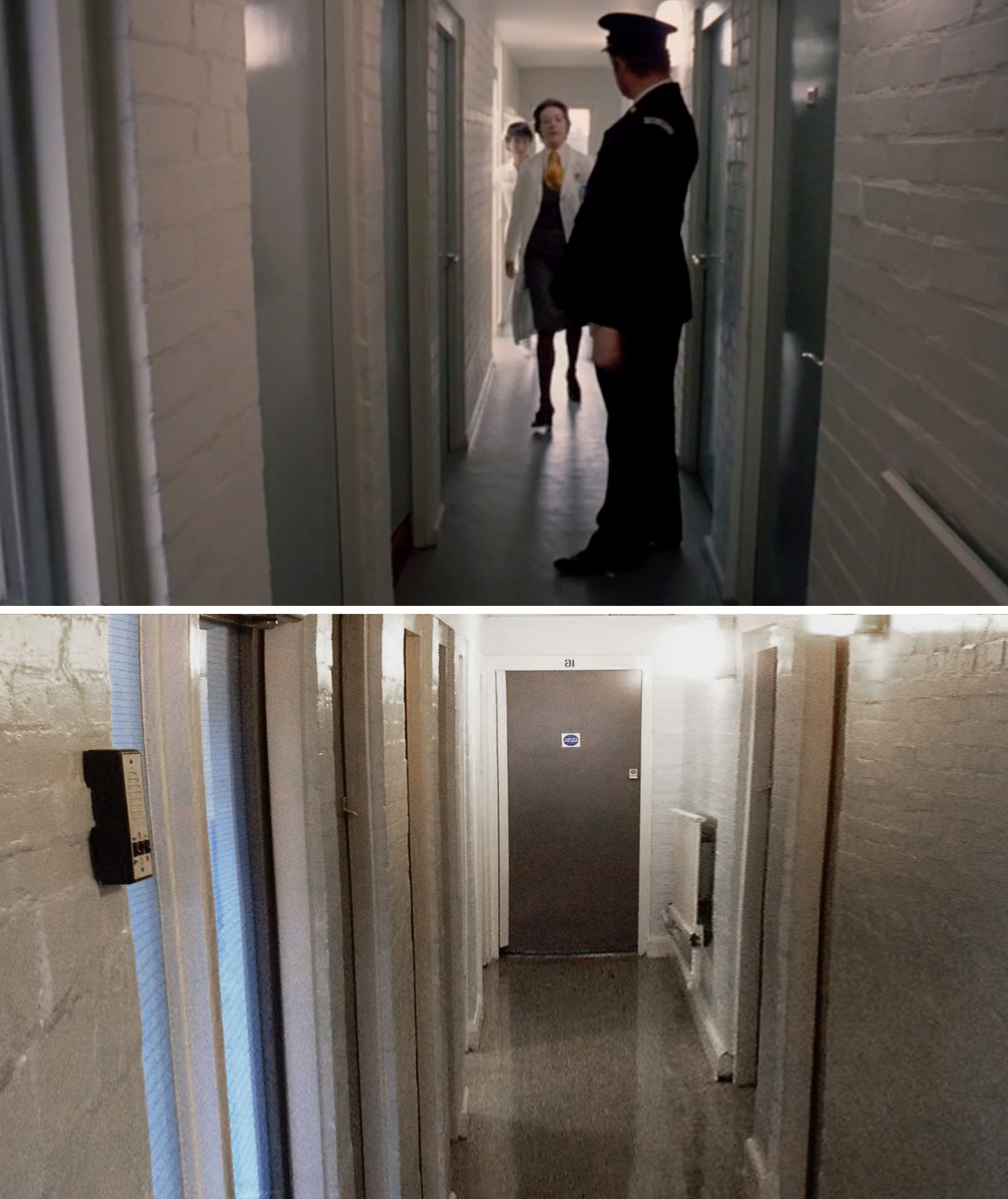
I also found a random photo of one of the hallways in the building, which shows similarities with the film, and further substantiates we found the right place.
Presentation


This scene was shot in the newly-built library and Nettlefold Hall in West Norwood, London. Designed in the modernist style, this community complex remained the same for the next 40 years or so, until thieves stole the copper roof in June 2011. Afterwards, plans were made to reconstruct the building, transforming it into a four screen cinema, along with a re-born library/community space, complete with a bar and cafe.

By 2018, the new library and cinema were open with Screen 1 occupying the former Nettlefold Hall space — still sporting the concave ceiling and exposed metalwork. A historic photograph is on display outside the auditorium, and below the Screen 1 signage is a plaque commemorating the filming of A Clockwork Orange there.
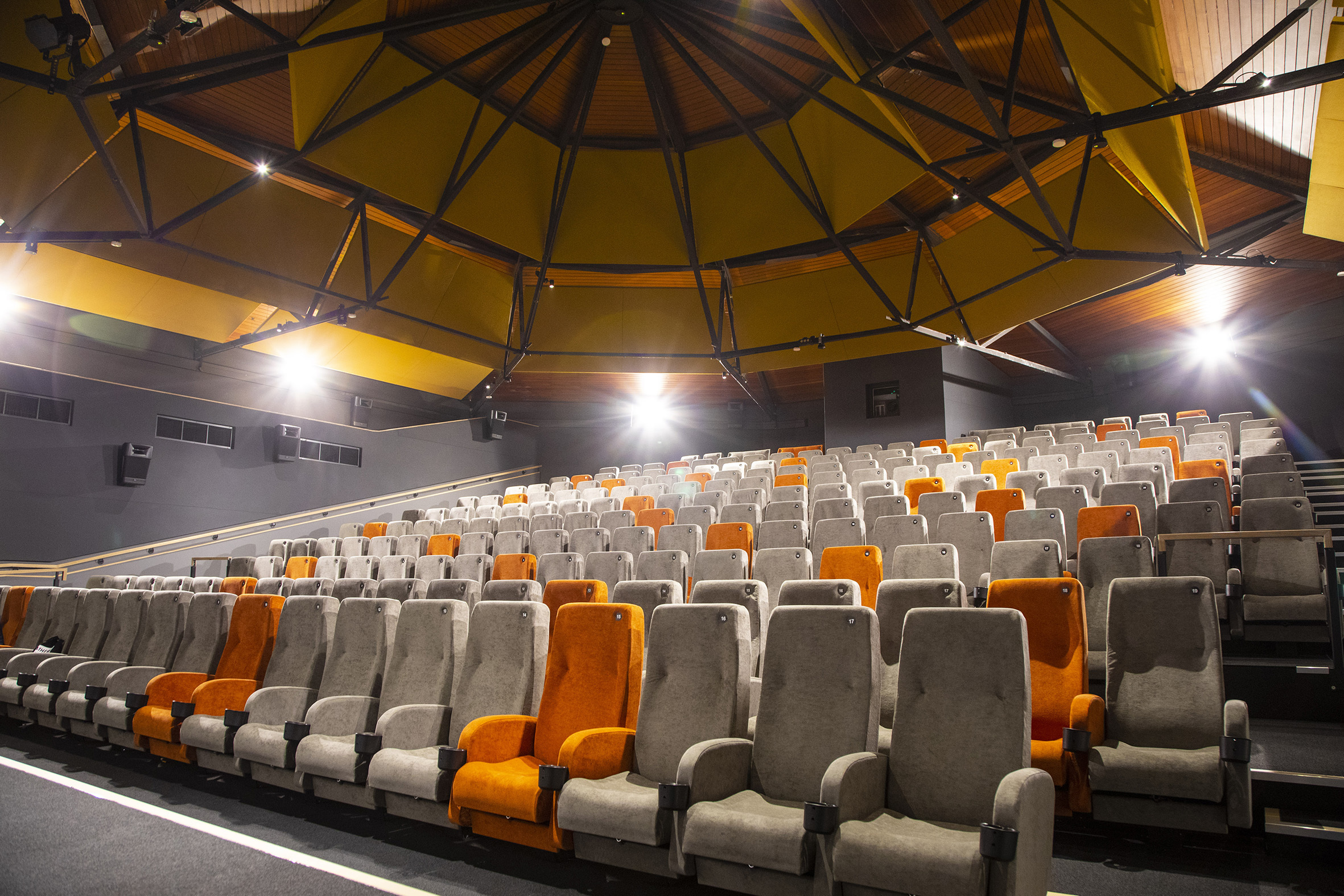
As a nice extra tribute, in auditorium #1, mixed in with the predominantly grey seating are a few chairs colored orange.
Bums Attack
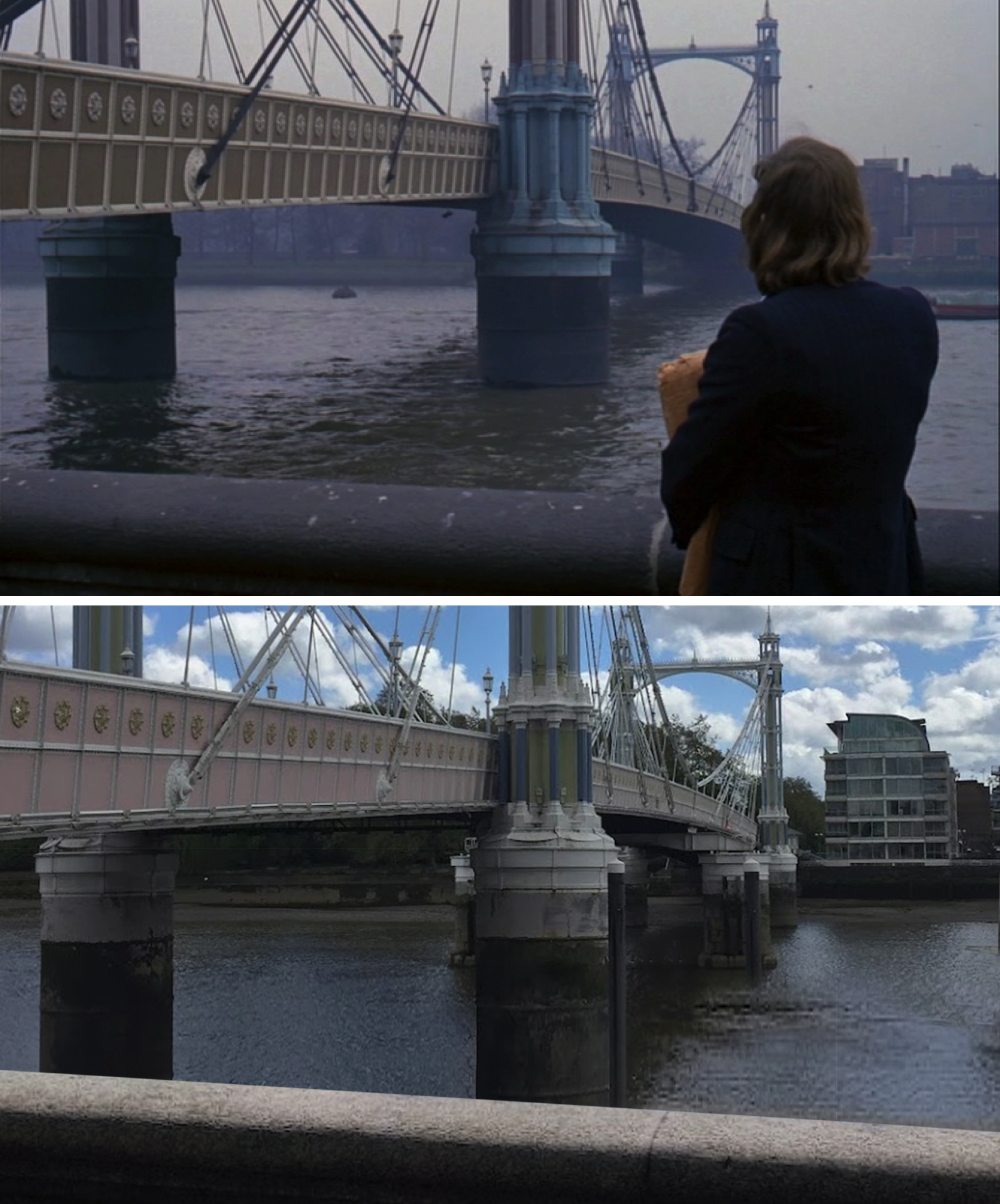
Cops Attack

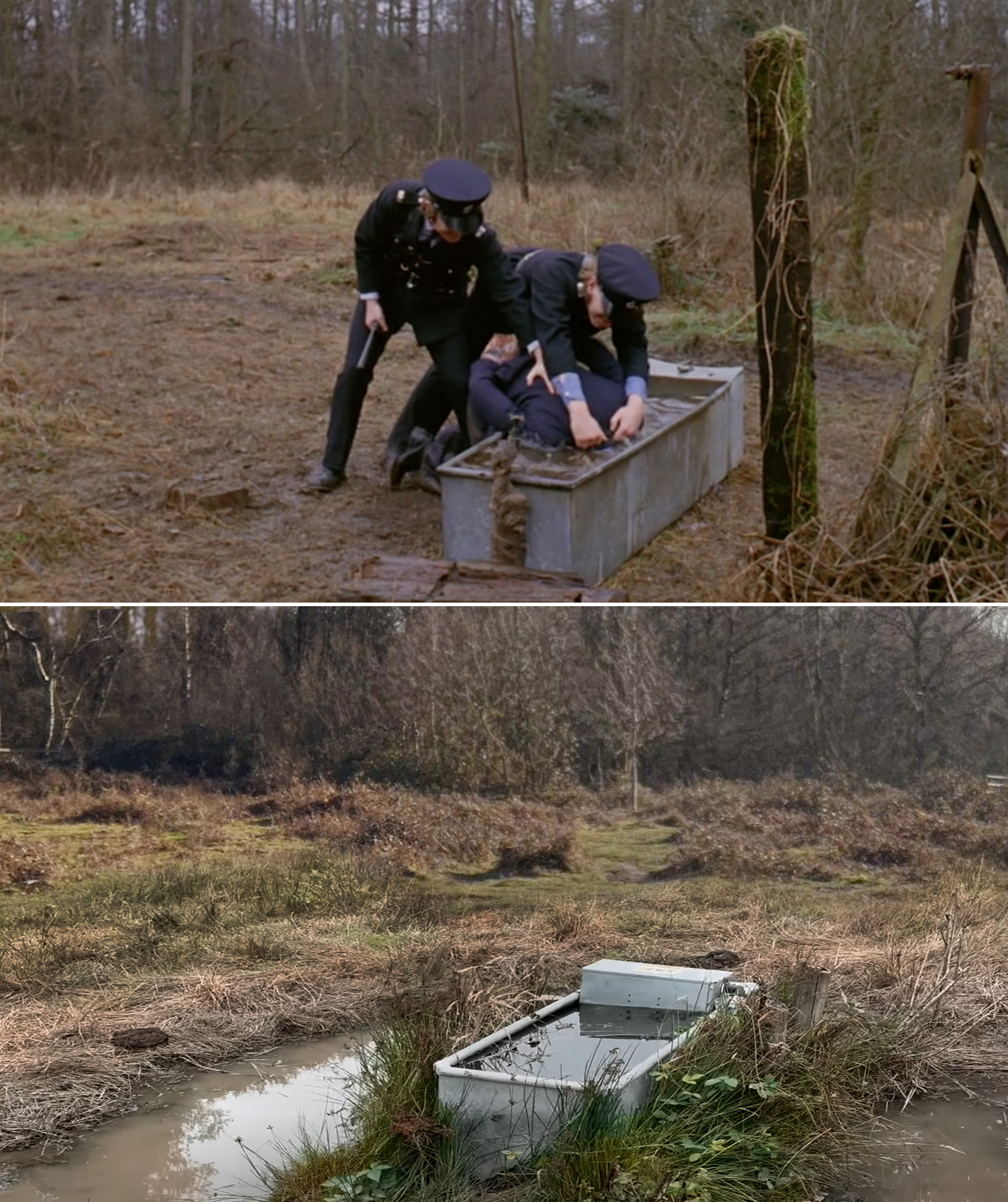
I assume based on old call sheets from the production, the consensus has become that they filmed the scene where Dim and Georgie torture Alex in a trough in Bricket Wood Common near the Munden House, and not too far from the “HOME” entrance.
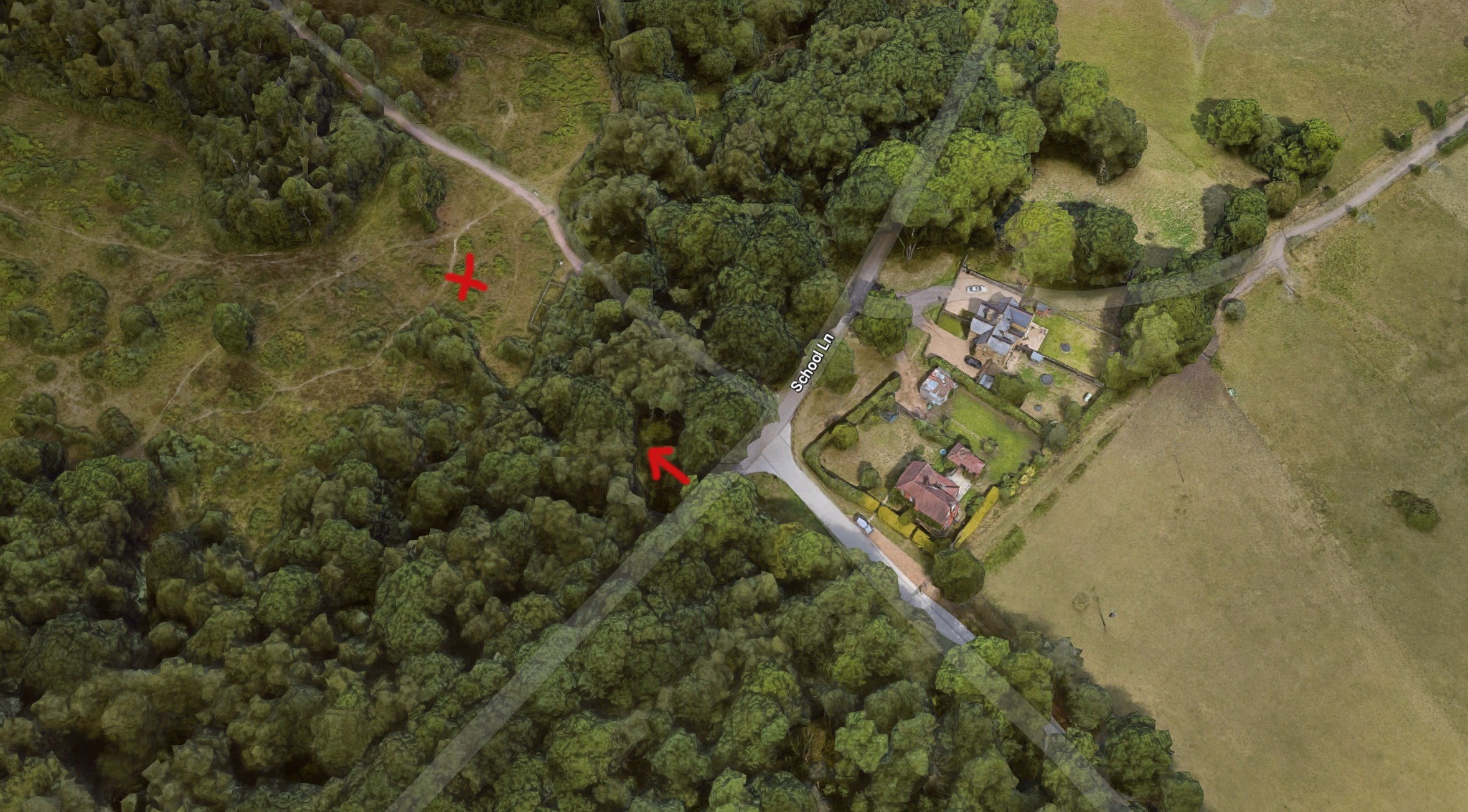
The folks in the 2015 YouTube video thought that Alex’s former droogs walked him northwest from School Lane on a dirt road that’s just a bit north of the Munden House entrance. But I believe they took him on a path just south of that (indicated with the red arrow above). They then end up in an open meadow (indicated with a red X) where they nearly drown him in a trough.
At first, I assumed that the shot of the Police Landrover driving up the road was also shot here, but based on the fact there are houses along that stretch of road that would’ve appeared in the scene, it was likely shot somewhere else. According to Clockwork fan, Paul Sexton, who spent many years in the northwest area outside London and has studied the call sheet from that day’s shoot, he believes they shot the Landrover stuff on the same property but on a different roadway. His conclusion is they shot that part of this scene on Otterspool Lane, which leads from underneath the M1 motorway in Watford to Wall Hall in Aldenham.


A golf course has since been established there, so the vastly-developed land today is very different from the early seventies, which might account for different tree formations and the lane appearing narrower today than it did in the film. However, Paul seems pretty confident that it was shot on Otterspool, roughly at the spot depicted in the images above. (He thought it was also possible they shot it at another spot about 100 yards west on the lane, but he’s leaning more towards the area shown above.)
However, horror movie historian, Sean Clark, has another theory. He postulates that it was indeed shot on School Lane near the path, but actually coming from the reverse direction and parking on the opposite side of the road.
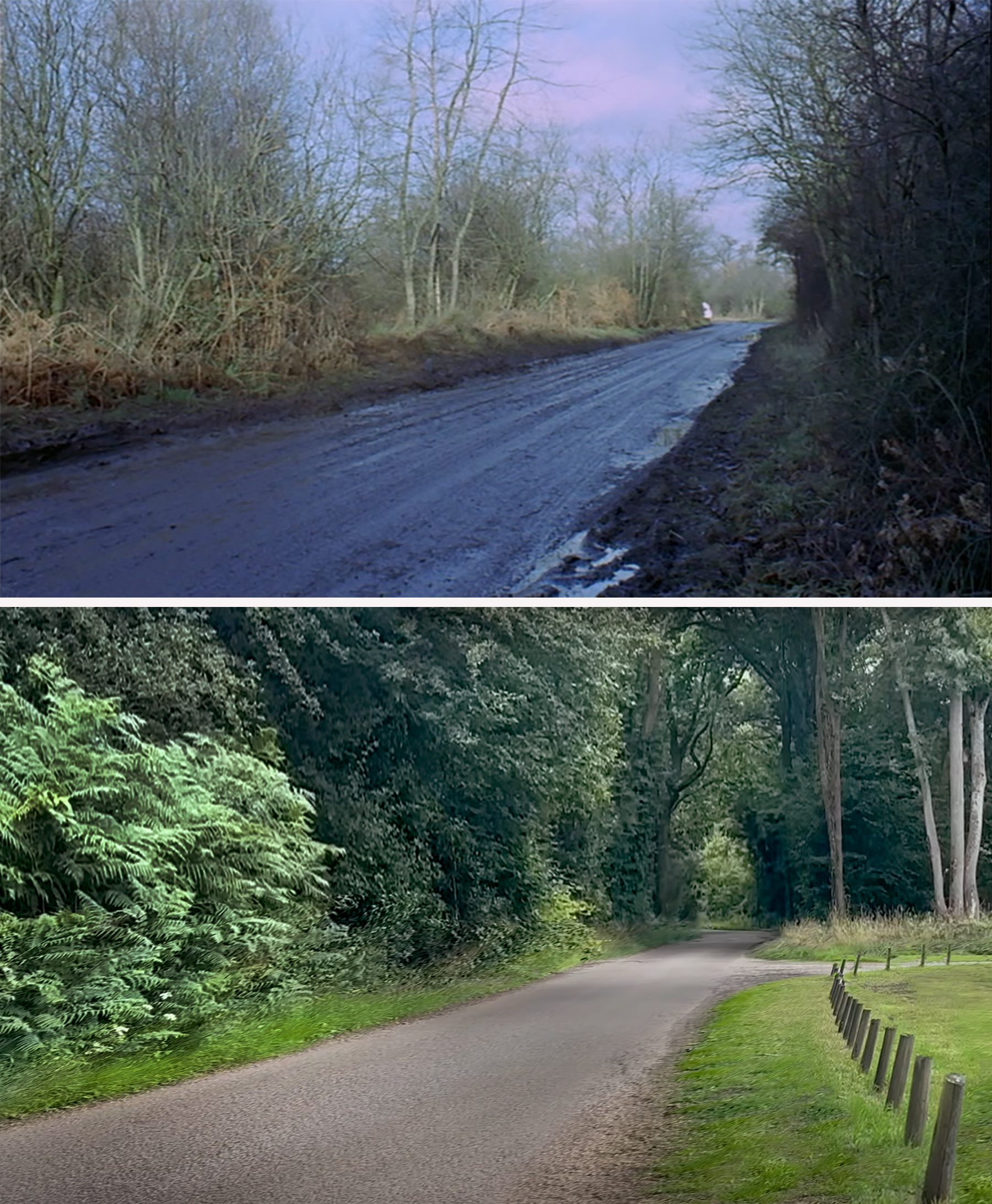

It’s hard to know which theory is correct, and unless someone unearths a specific production map or detailed notes, it will probably be impossible to ever get the exact spot. But I think that the “now” pictures of the trough part are fairly close to where the action took place and “now” pictures of the landcover part, at the very least, represent the general filming vicinity.
Tortured by Beethoven
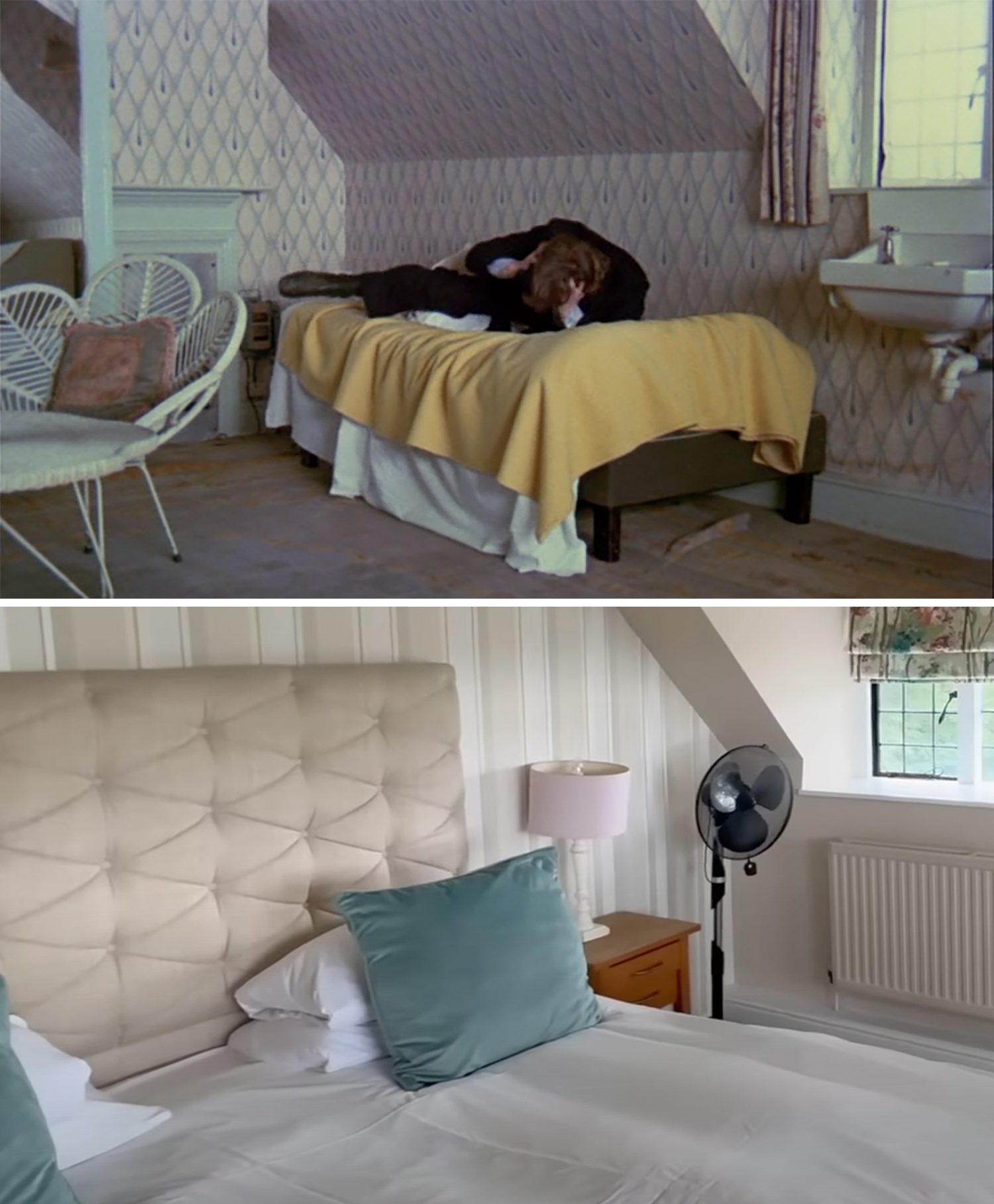

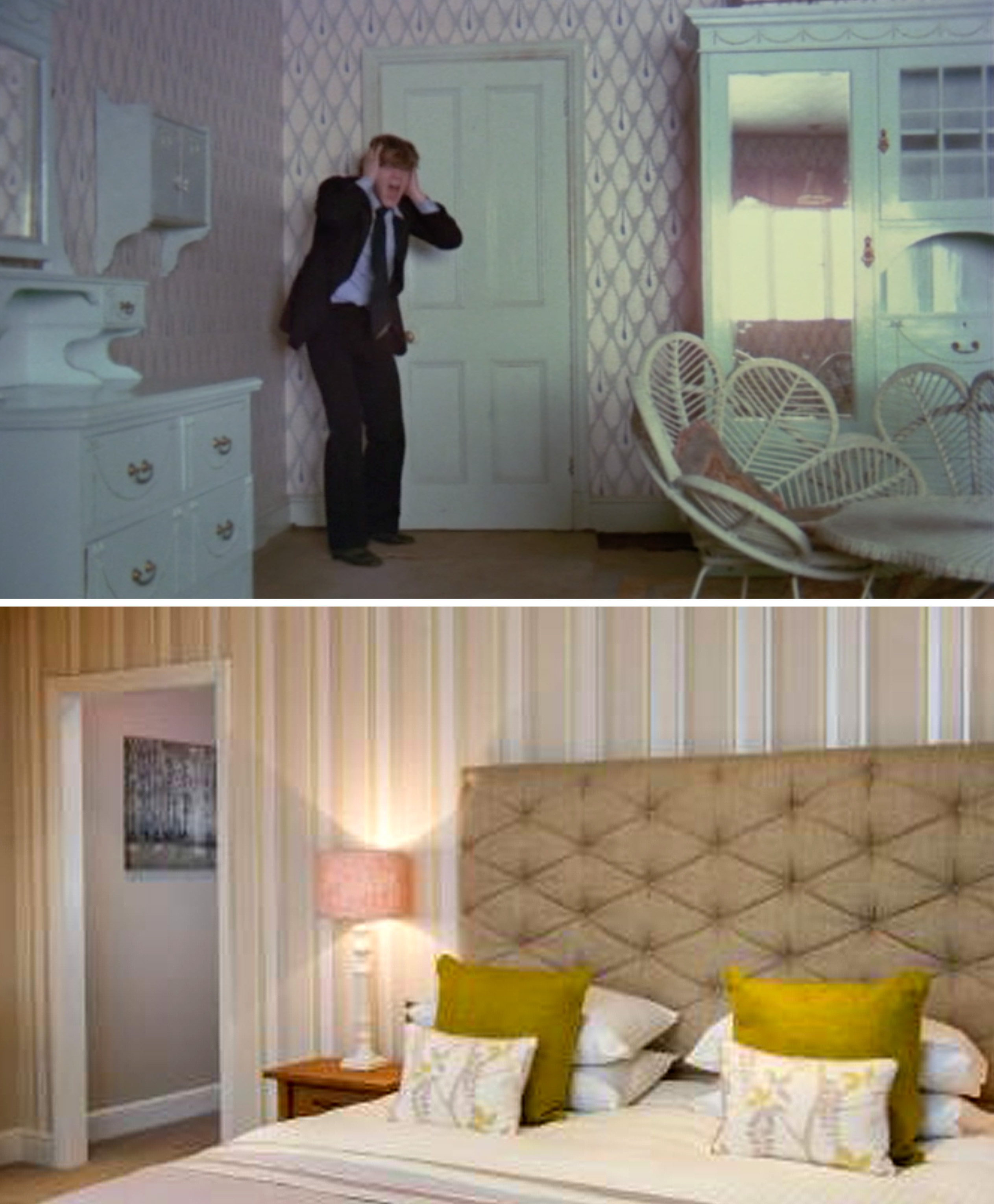


While this scene were Alex tries to “snuff it” was shot at the Manor Elstree (formerly known as the Edgwarebury Hotel), I never quite understood where it was supposed to be taking place in the story. After Alex passes out in the “HOME,” one of the guests tells the writer’s manservant to “get the car,” but it’s unclear as to where they’re planning on taking him.

Regardless, it’s been documented that the scene took place in room 10 of the hotel, aka the “Piccadilly Room,” which is on the top floor of the building. The room got a bit updated since 1971, including the addition of a wall near the entrance, but the pitched ceiling and expansive window still match the film nicely.

If viewed from the backyard, you can see the room’s large window on the far right.
Hospital

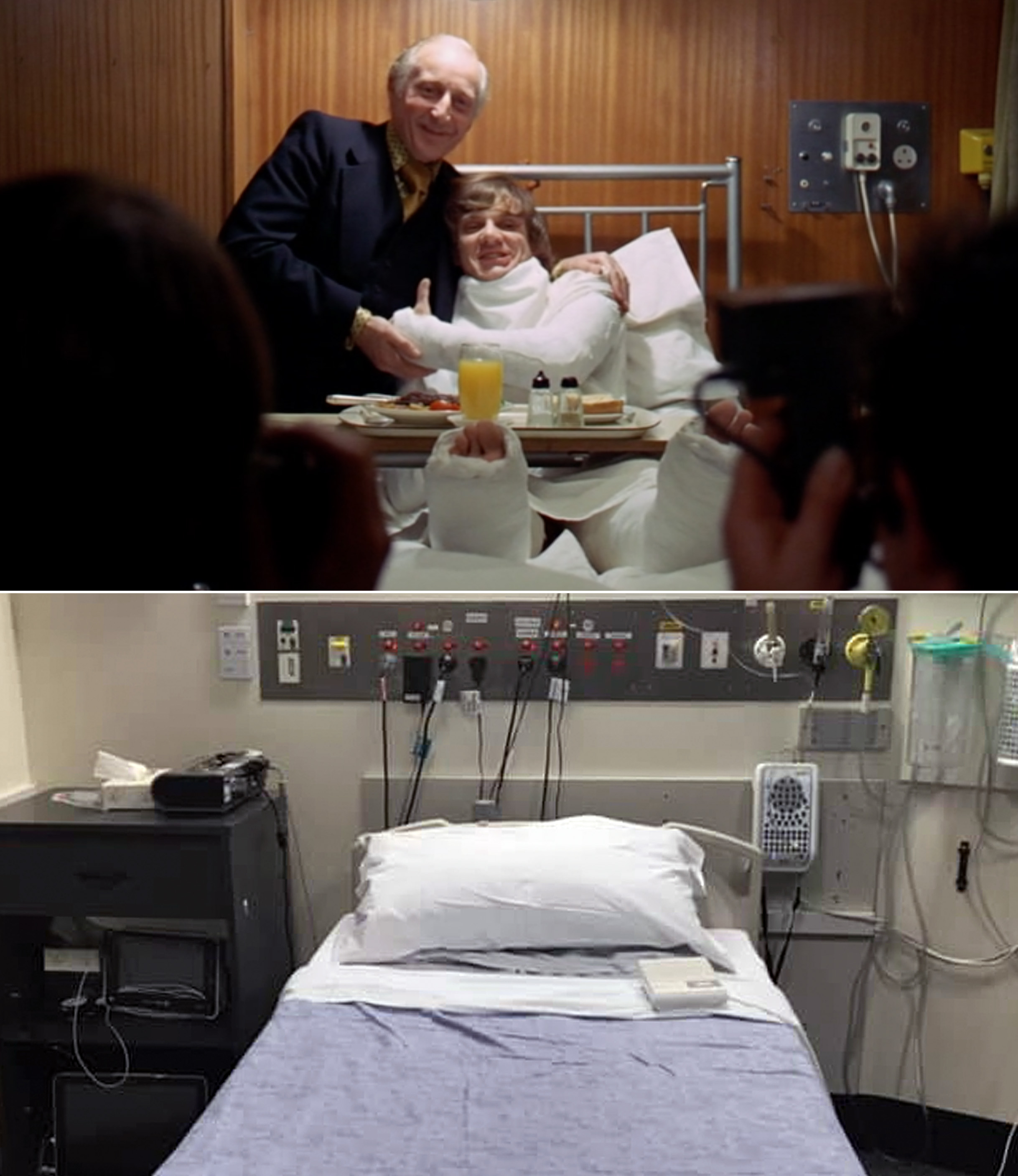
Like a few other hard-to-get-to interiors from this film, these “now” pictures of the hospital were randomly picked and are simply representations of the basic look of the location. I couldn’t find specific documentation of which wing was used in the film, but it was most certainly in one of the original buildings, in what is presently designated as, “Zone A”

Based on the windows and the view outside it, they were probably on the second floor in the south end of the complex.
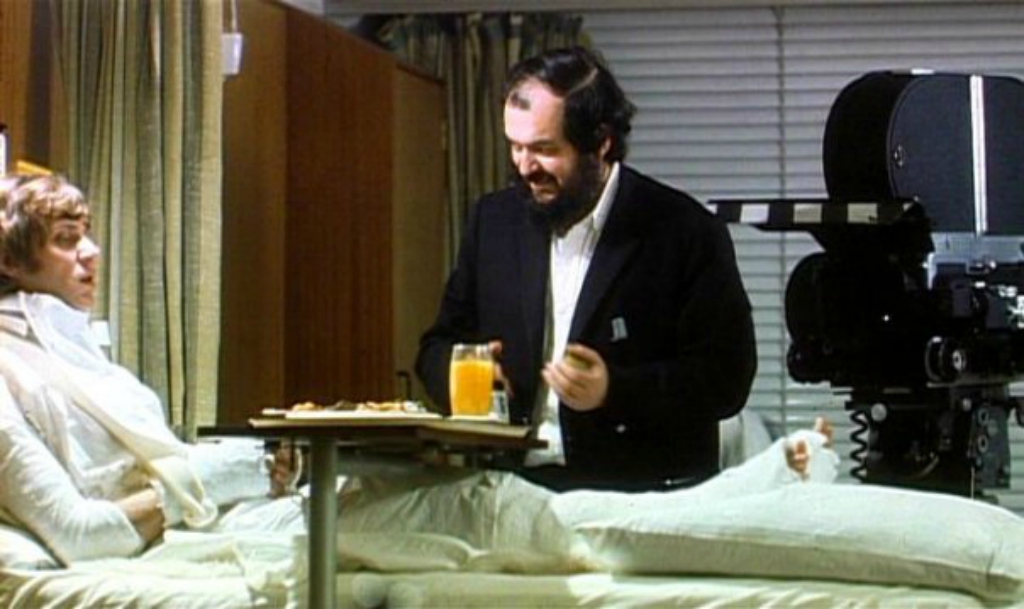

And with that, this look into A Clockwork Orange is complete. Fortunately, thanks to meticulous Kubrick archives, pretty much all the locations are well-documented.
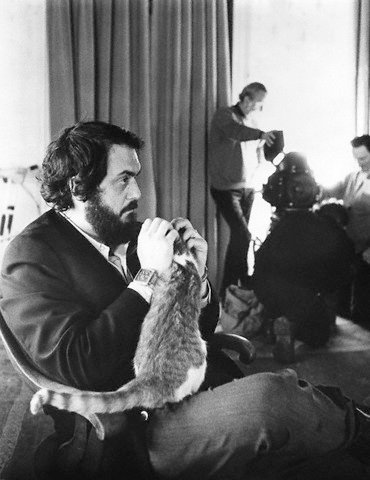 Even though this is not a NYC film, I felt a certain obligation to give it the full “NYCinFilm” treatment, doing my best to cover all the bases.
The reason being, if I had to list the titles that truly affected ne as a young moviegoer, this would be near the top. I remember my mother taking me to go see it at the local college when I was 15, and it completely blew me away. It made me realize there was a whole other way films could be made that didn’t fit in that typical Hollywood mold.
And to be fair, I always thought of London as New York City’s older (more pompous) brother.


You probably won’t ever see this, nor will I see a response – but this is AWESOME. Thanks for taking the time and effort to document this.
LikeLiked by 1 person
Thanks! Like I said in the intro, lots of Kubrick fans did the hard work finding these spots… I just wanted to create a place that lays them all out in chronological order.
LikeLike