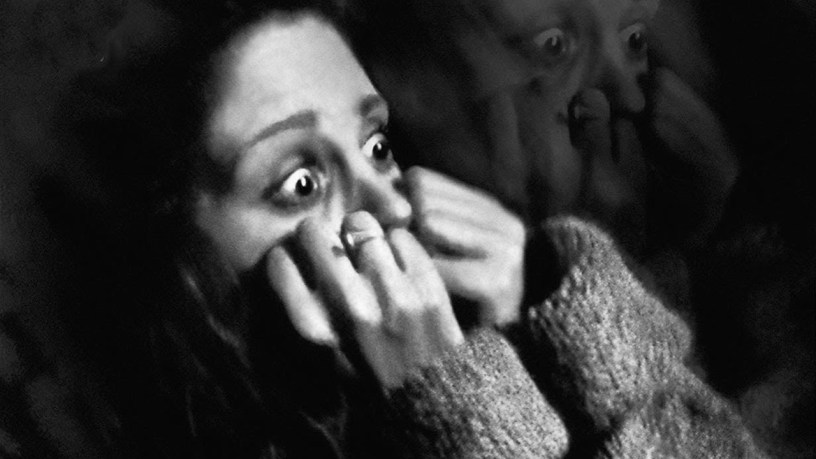
Released during the height of the Golden Age of slasher films, He Knows You’re Alone is about a jilted groom-turned-maniac who stalks and kills random brides-to-be. While a modest success during its release, this horror movie is largely forgotten today, but does hold a small place in cinema history for casting future Oscar-winner Tom Hanks in his very first feature film role.
Seemingly taking place in some generic small town, He Knows You’re Alone was actually filmed on New York’s Staten Island, over a period of just 18 days in December of 1979. While not a perfect movie, He Knows You’re Alone has always held a very special place in my heart, probably because I saw it dozens of times on cable while growing up. Plus, I’m always a fan of any movie that uses one of the city’s lesser-known boroughs — specifically, the Bronx or Staten Island.
So, just in time for Halloween, let’s take a look at this atmospheric horror film taking place in a rural-looking NYC.
Movie Theater Kill
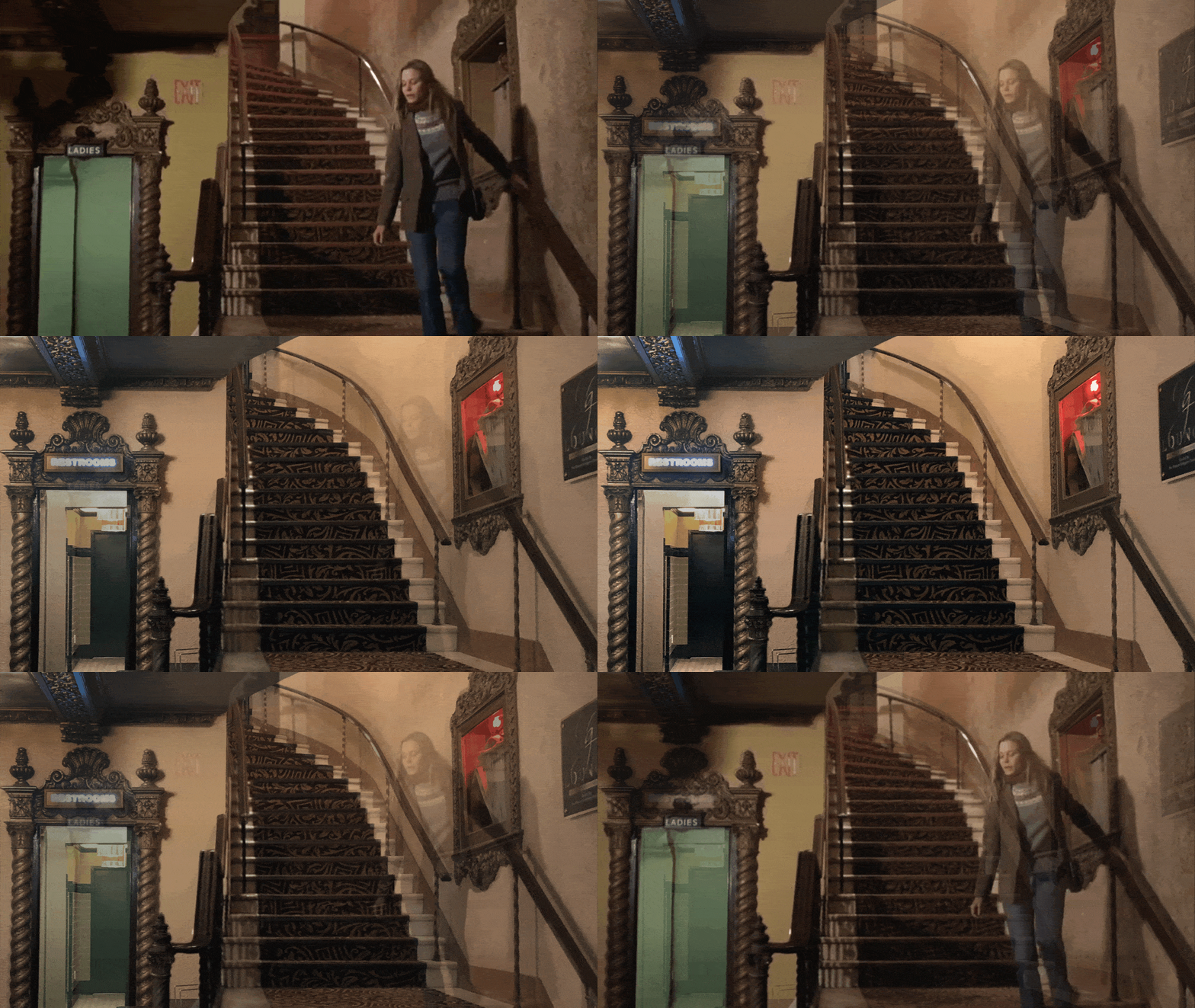
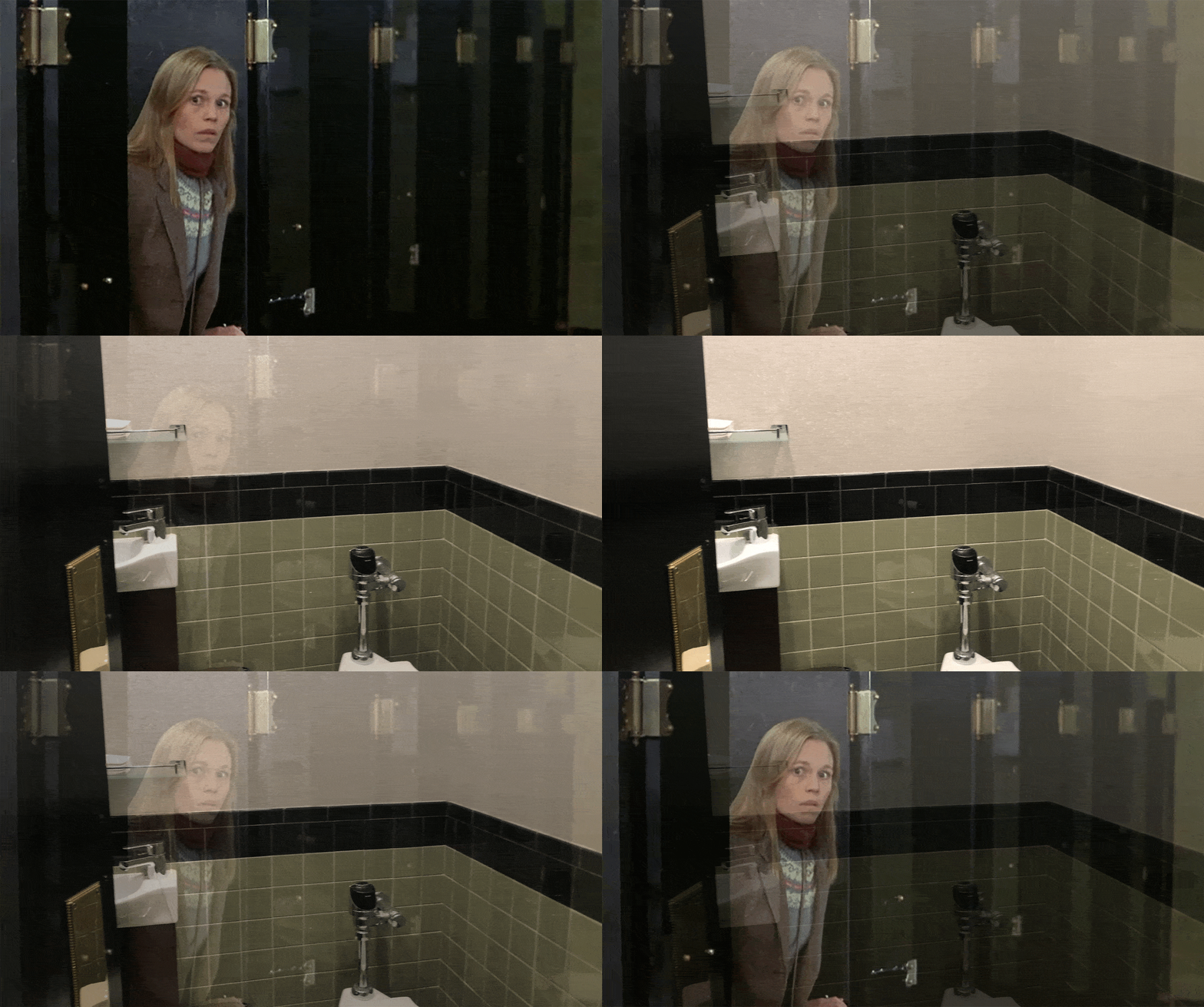
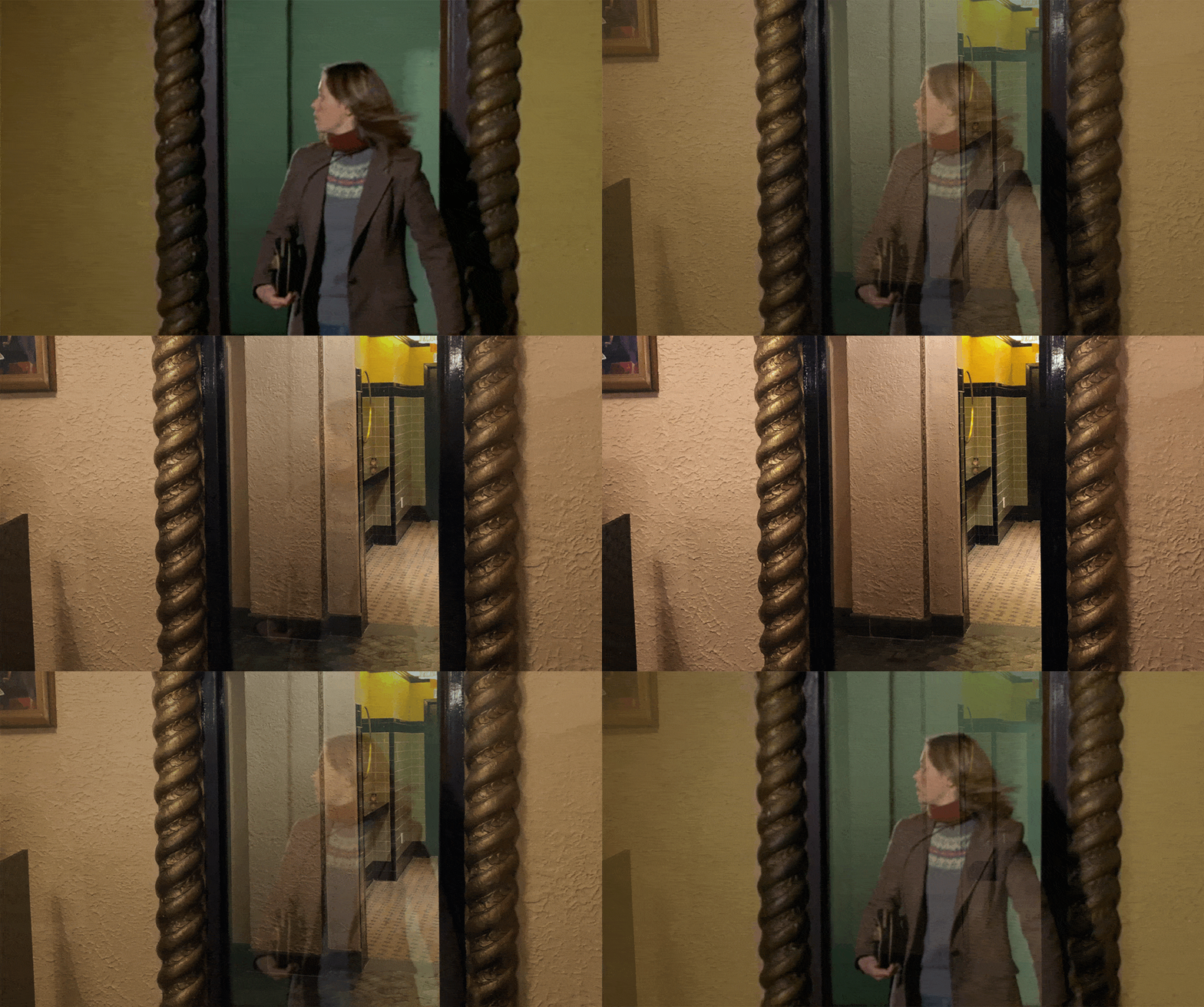
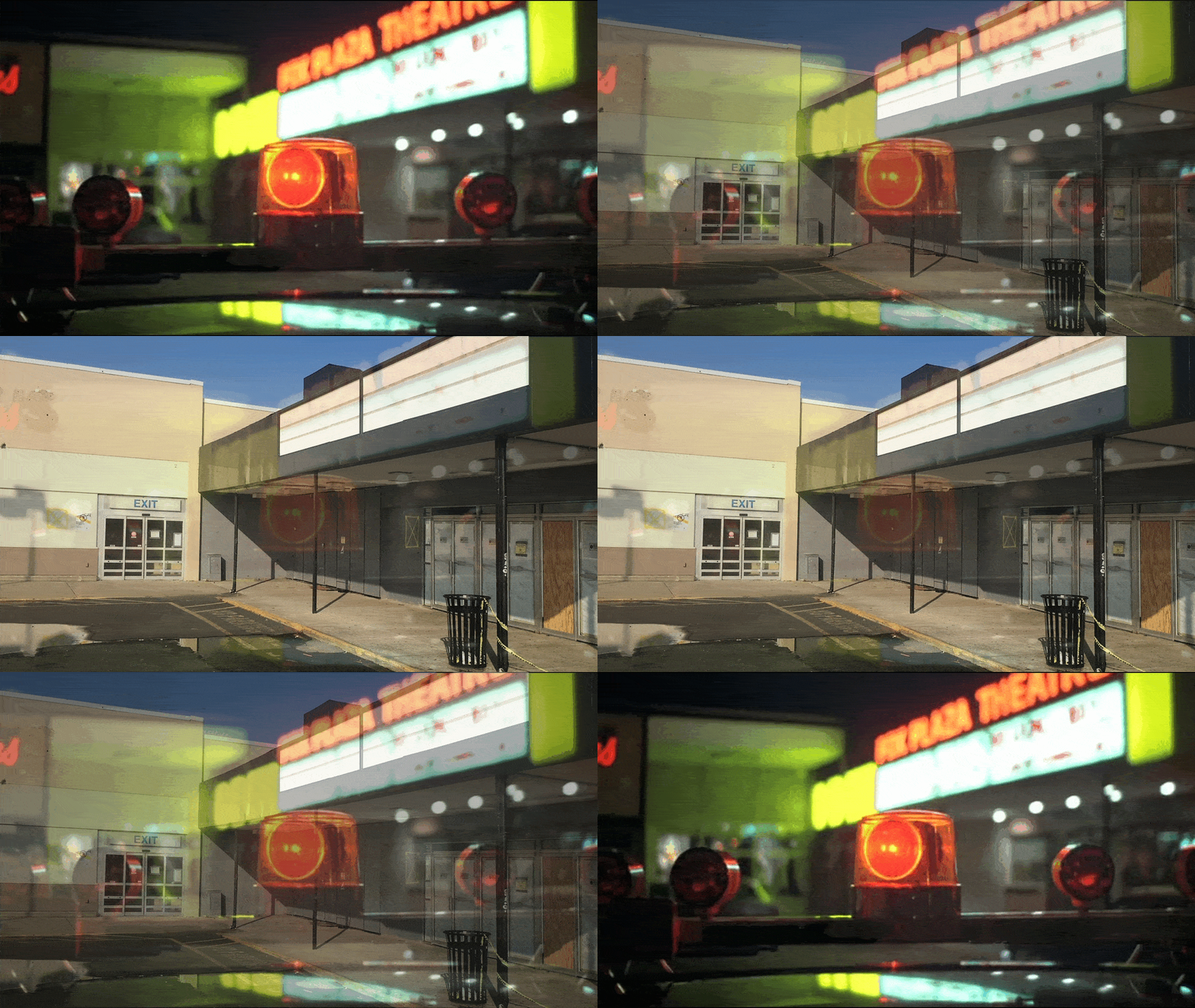
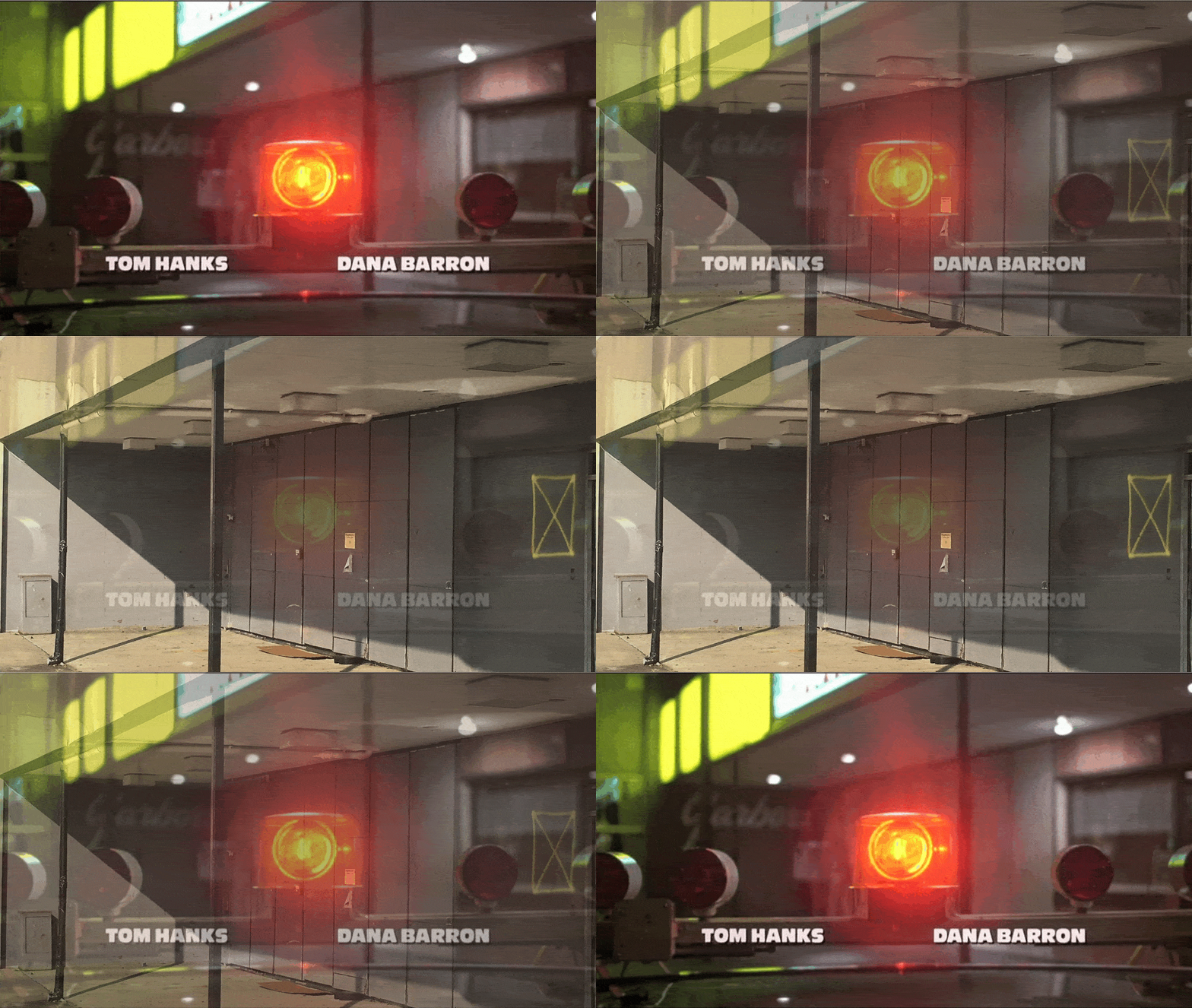
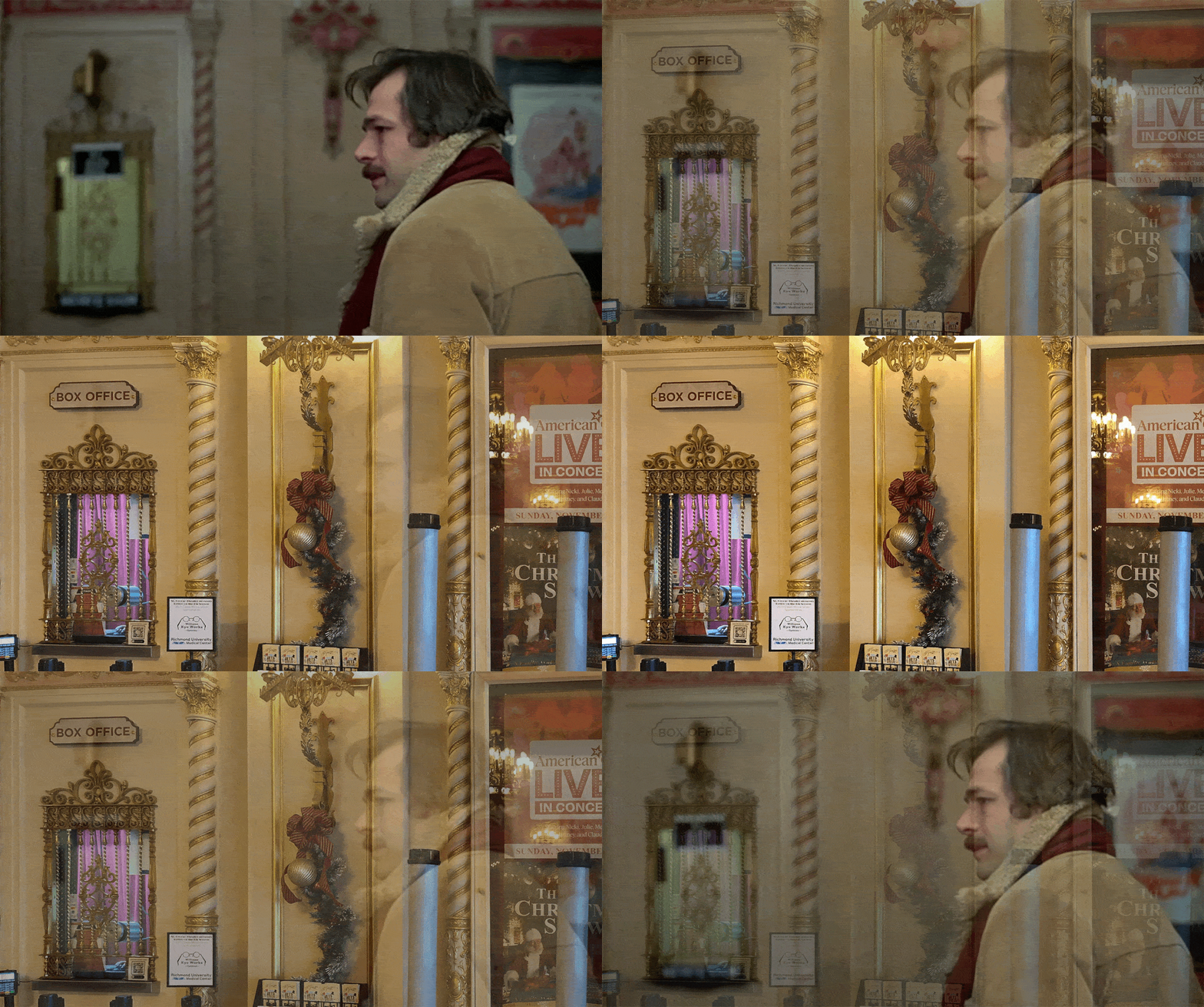
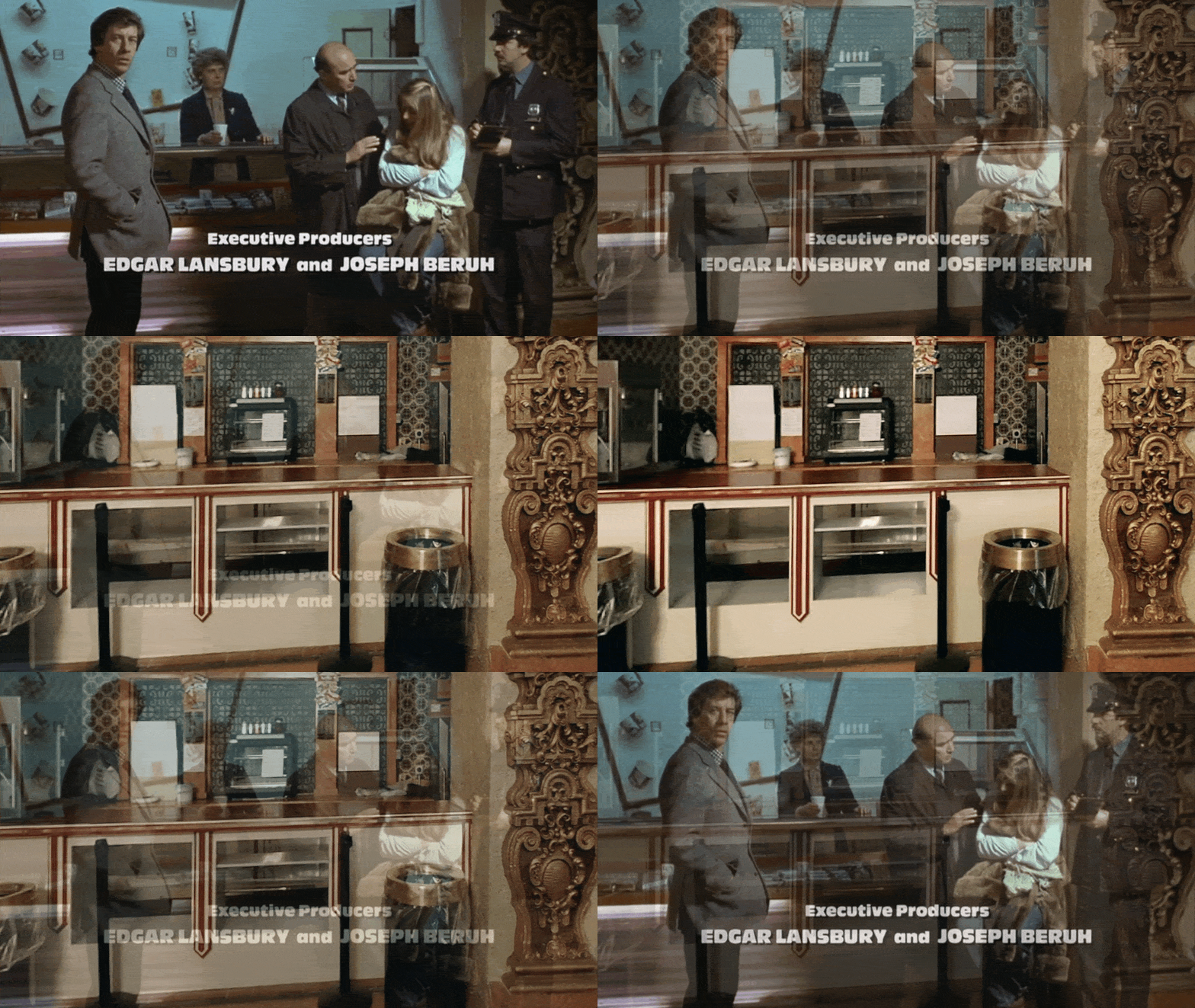
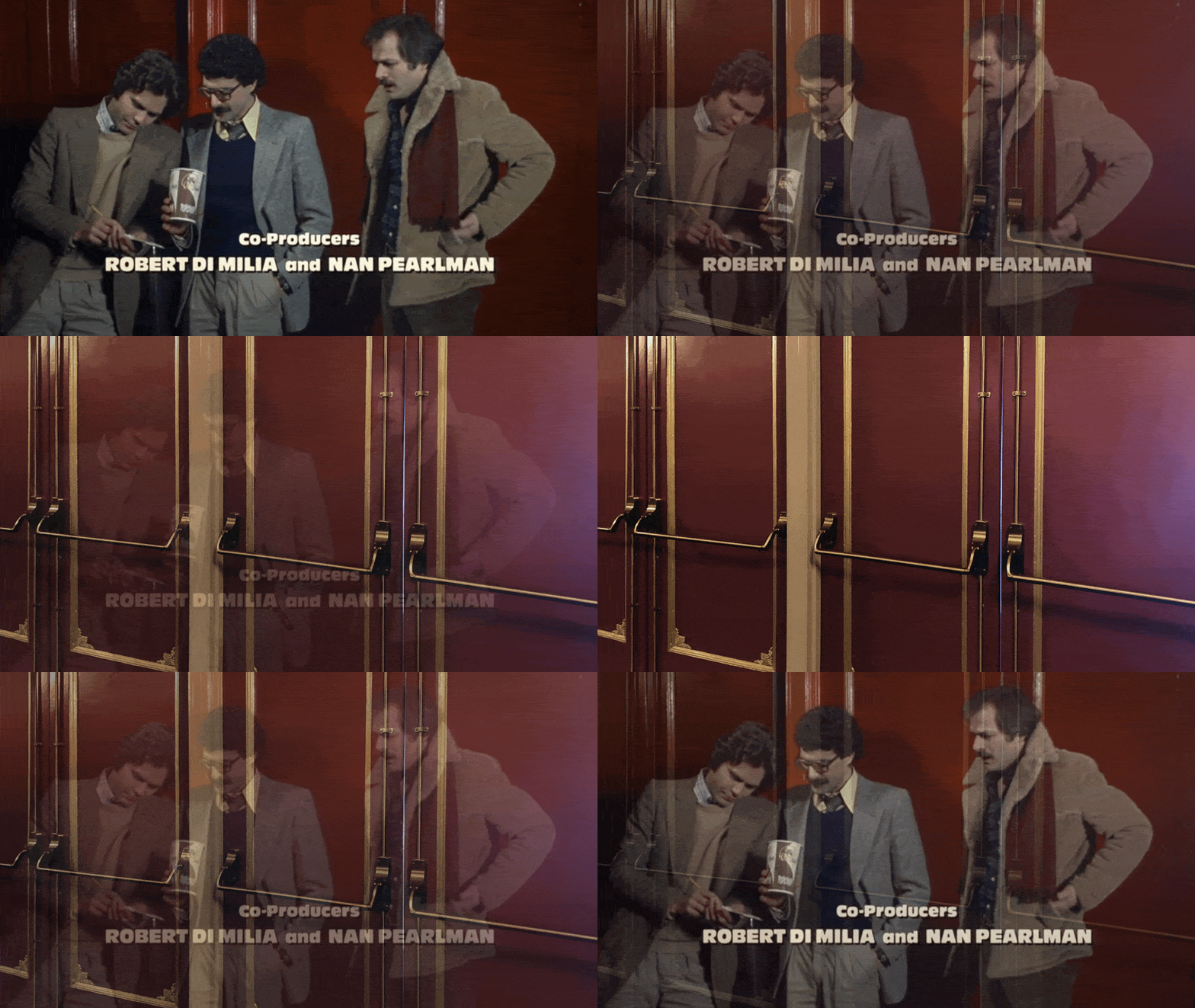
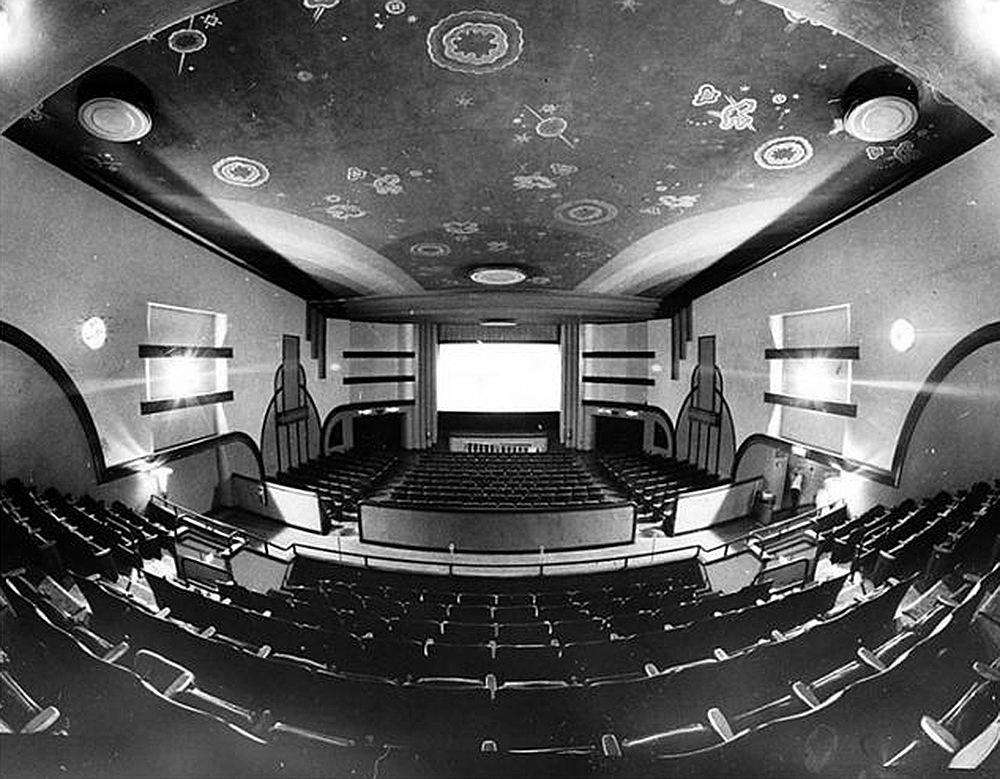
This opening sequence, whose murder scene likely inspired the beginning to Wes Craven’s Scream 2, was made up of three different locations. While info on the web varies a bit, the exteriors were definitely shot at the former Hylan Plaza Cinemas.
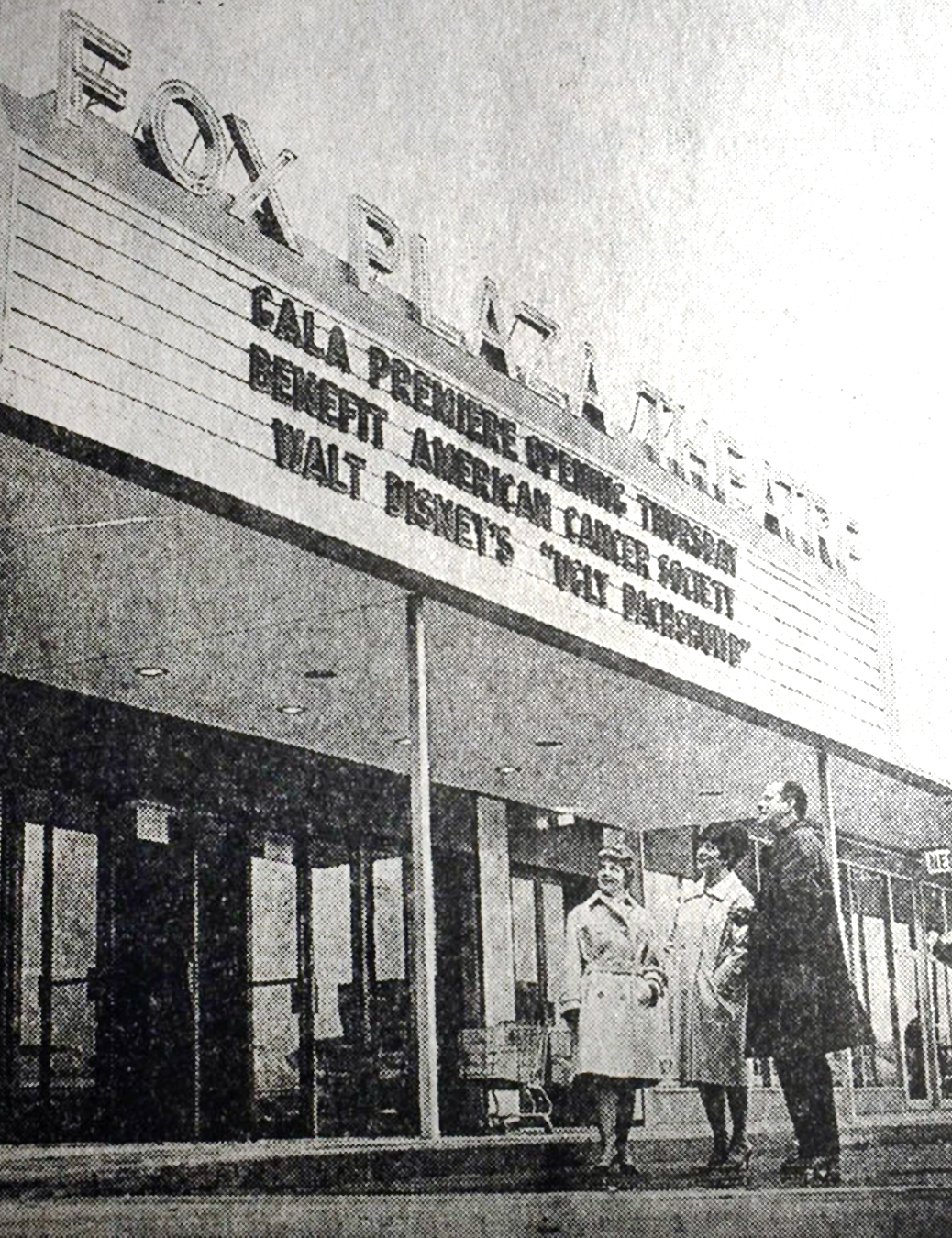
Located in the New Dorp district of Staten Island, the 1,150-seat movie theater first opened in 1966, under the name Fox Plaza Theatre.
By the time He Knows You’re Alone was being filmed, the theater’s name had been changed to Hylan Plaza and been converted into twin theaters. About 15 years later, the theater got subdivided again, this time into 5 screens (although the original plan was to expand it to 7 screens).
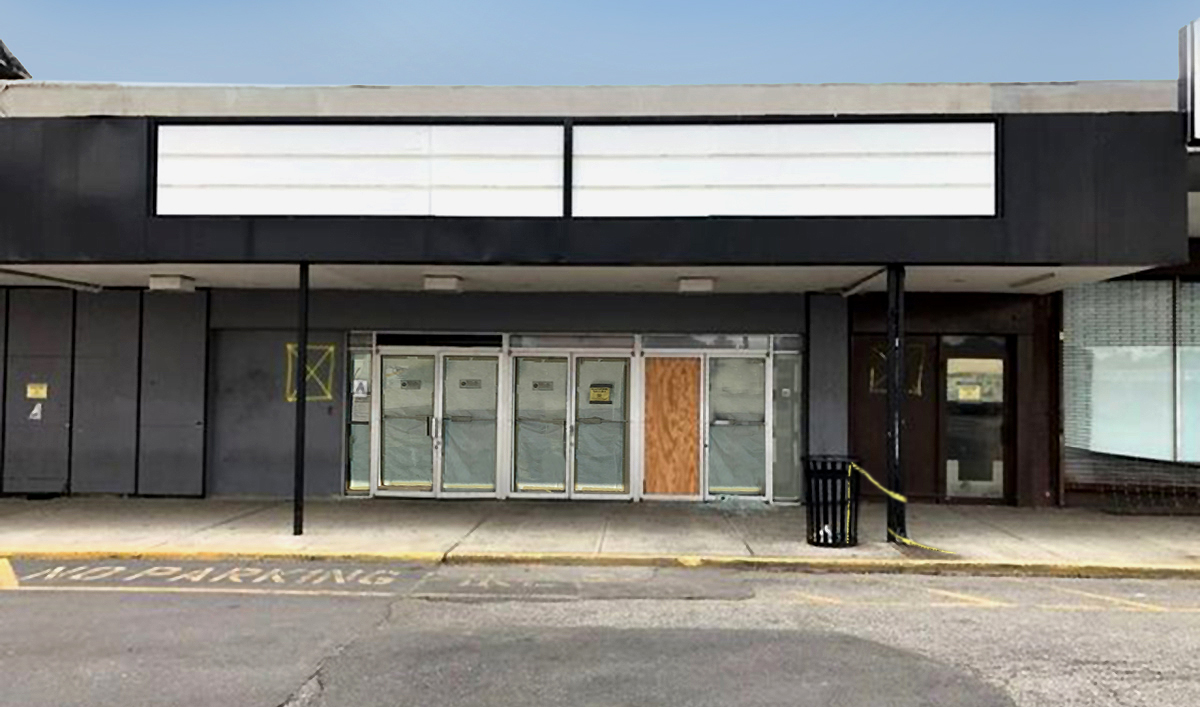
Then in January of 2017, after 50 years of business, Hylan was forced to close its doors as plans were being made to demolish the entire shopping center. Today, there’s a large indoor mall called the Boulevard on that site, which has an upscale theater in it called the Alamo Drafthouse Cinema.
Luckily —although unbeknownst to me at the time— I was able to take pictures of the old theater months before it was torn down.
As to the interior scenes from this sequence, most of them were shot at the magnificently ornate St. George Theatre, located not too far from the Staten Island ferry terminal. A palatial 2,800-seat theater designed in both Spanish and Italian Baroque styles, the St. George opened its doors on December 4, 1929 as a movie & vaudeville house.
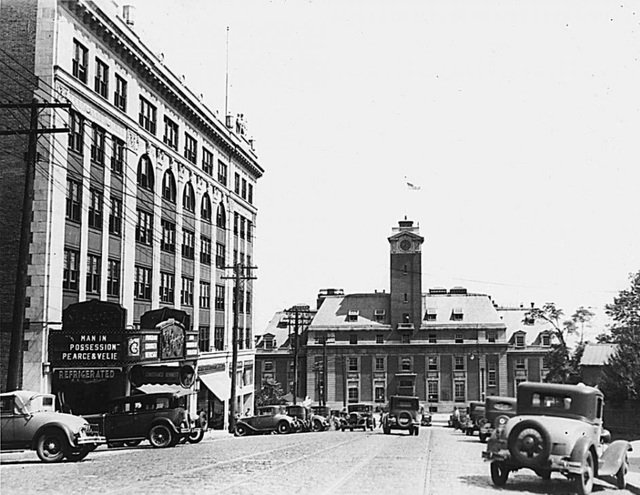
After its opening, the St. George Theatre became an immediate success, rivaling many of its more famous Manhattan competitors. The theater operated as a movie & vaudeville house through WWII, seeing such stars as as Al Jolson, Kate Smith and Guy Lombardo on its stage, then continued as a movie house until 1978. But at the time He Knows You’re Alone was being filmed, the theater was going through a transitional phase, trying its hand at being a dinner theatre, a nightclub and even an antiques showroom — none of which were major successes.
For the rest of the 20th century, the St. George more or less remained shuttered, continuously facing possible destruction. Thankfully, in 2004, a not-for-profit organization was formed and was able to raise the funds needed to save the building and open it to the public again.
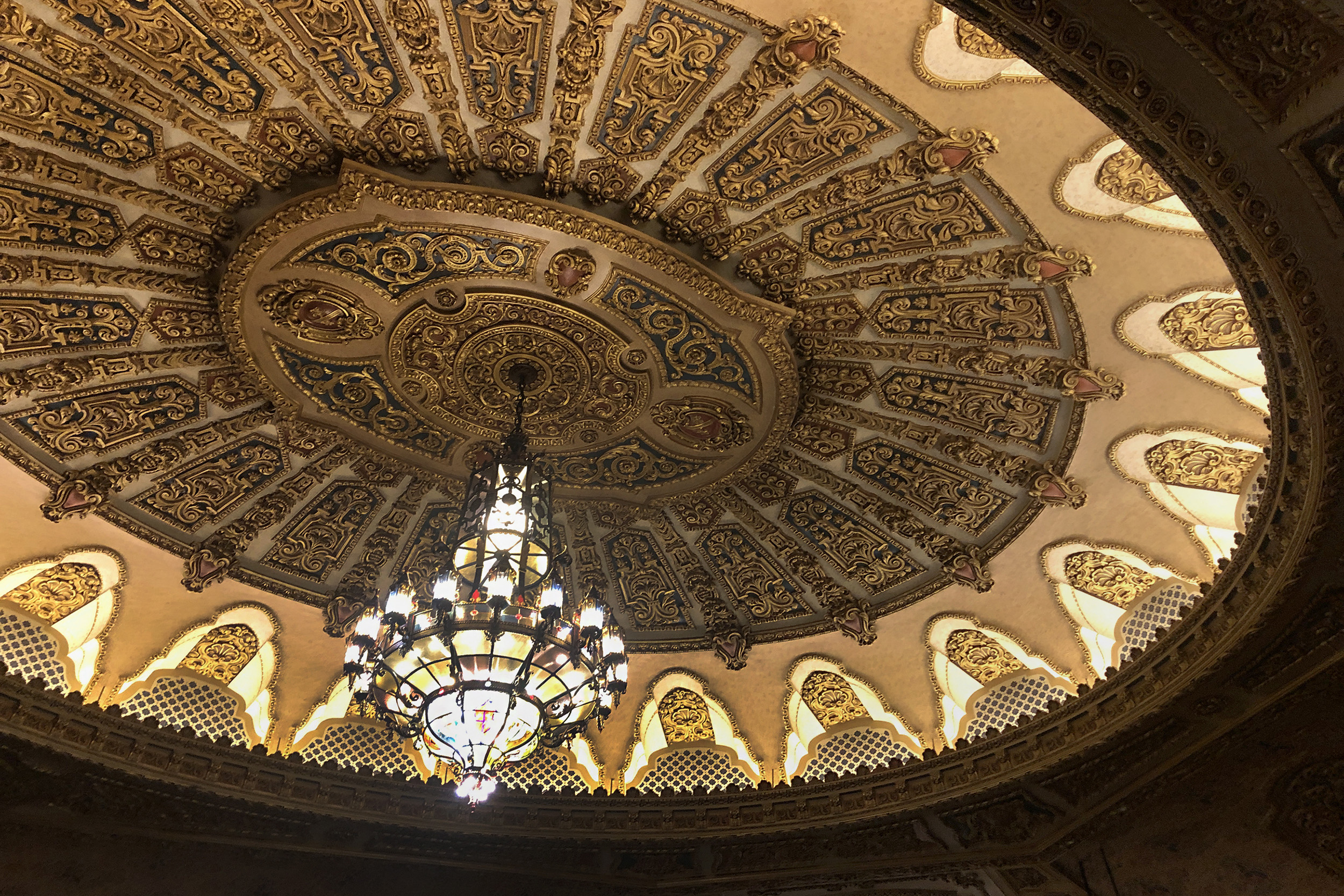
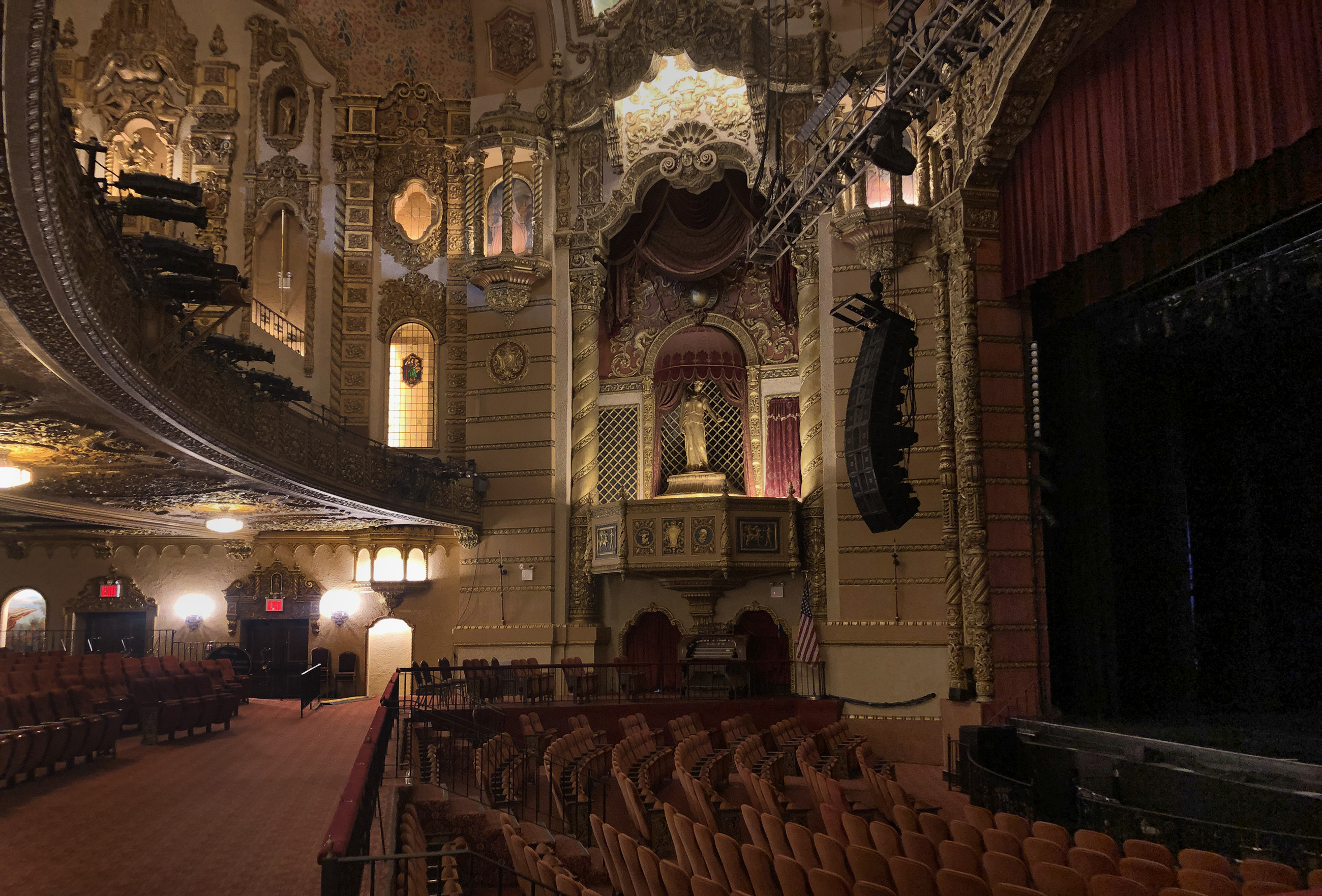
Today, it serves as a cultural arts center that hosts a variety of live programs and special events, including annual screenings of classic films.
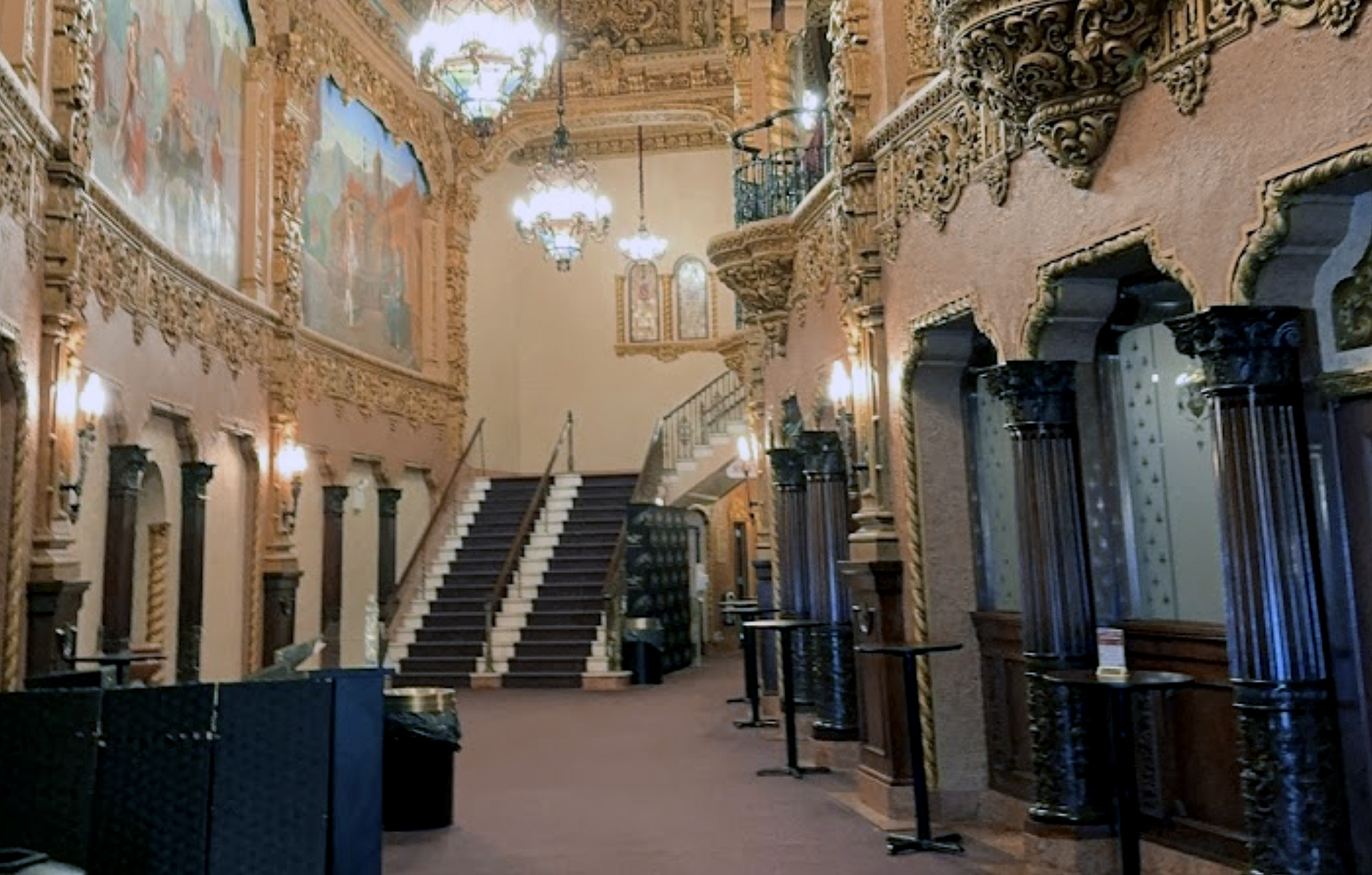
While I was certain they filmed these specific parts at St. George Theatre, I couldn’t figure out where the restroom was that the woman went into. None of the online pictures of the theater’s stairs matched what appeared in the movie.
It wasn’t until I visited the site in person and given a tour that I discovered that the bathroom was in the basement, which is now a lounge area. And the bathrooms have since been remodeled with a different configuration, so the “then/now” image above was just a random angle.
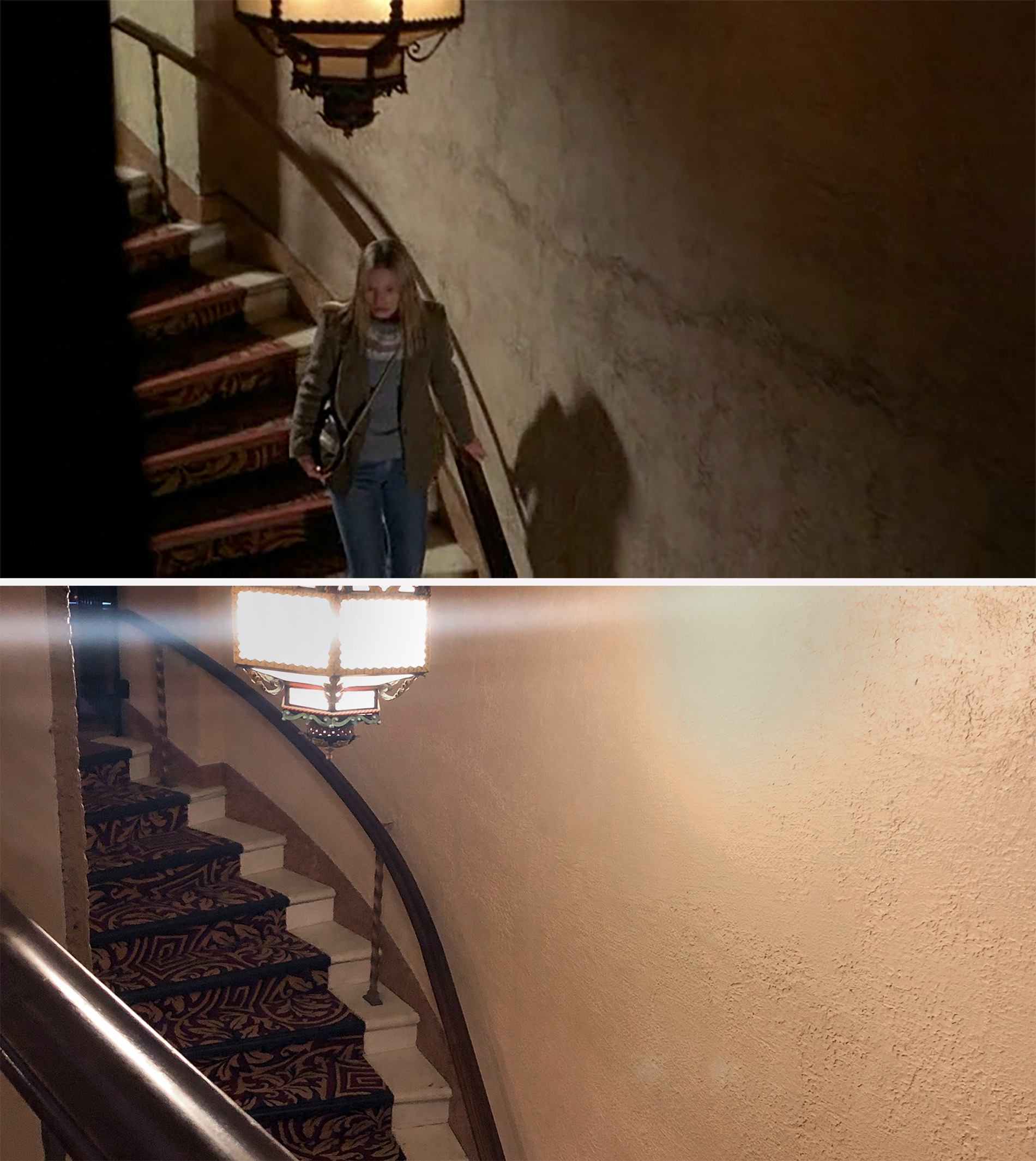
But it was good to finally verify exactly where the action took place in this grand theater.
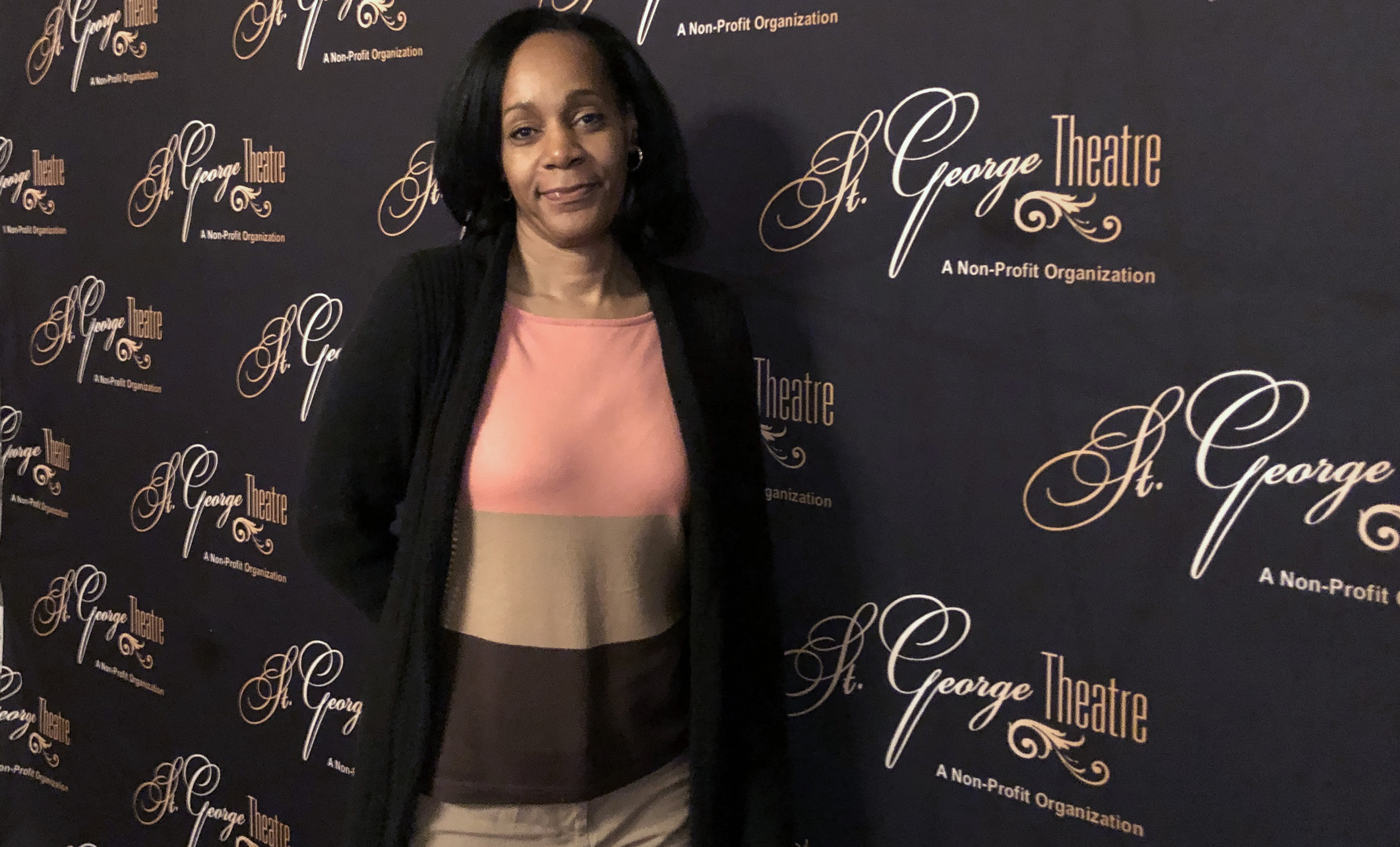
Aside from He Knows You’re Alone, the St. George Theatre was also used in the finale of the 2003 Jack Black film, School of Rock and Woody Allen’s 2017 period drama, Wonder Wheel.
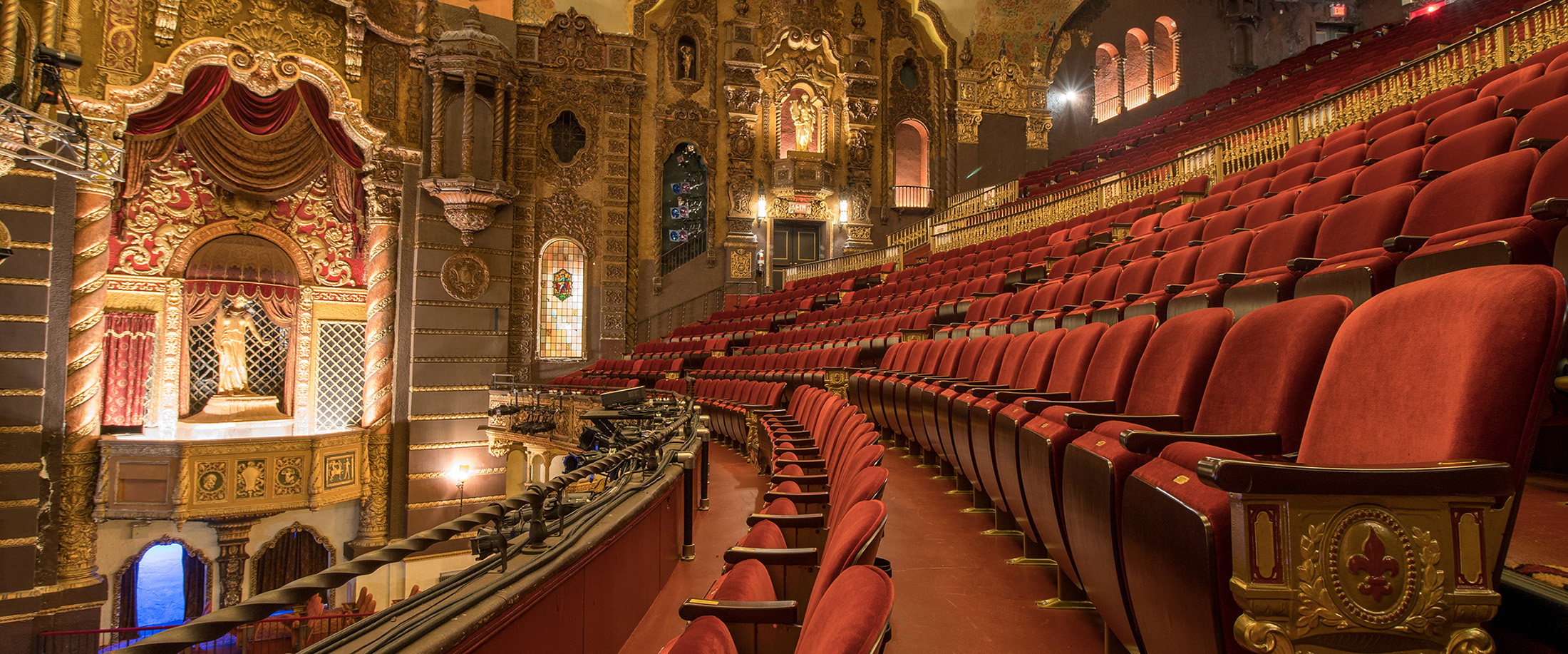
As to the actual killing scene where the victim was stabbed through the back of her chair, some sources say it was done at the former Lane Theater in New Dorp, but it’s hard to know if this is true. One thing’s for sure, it was not shot at the St. George since that theater has seating that clearly does not match the scene.
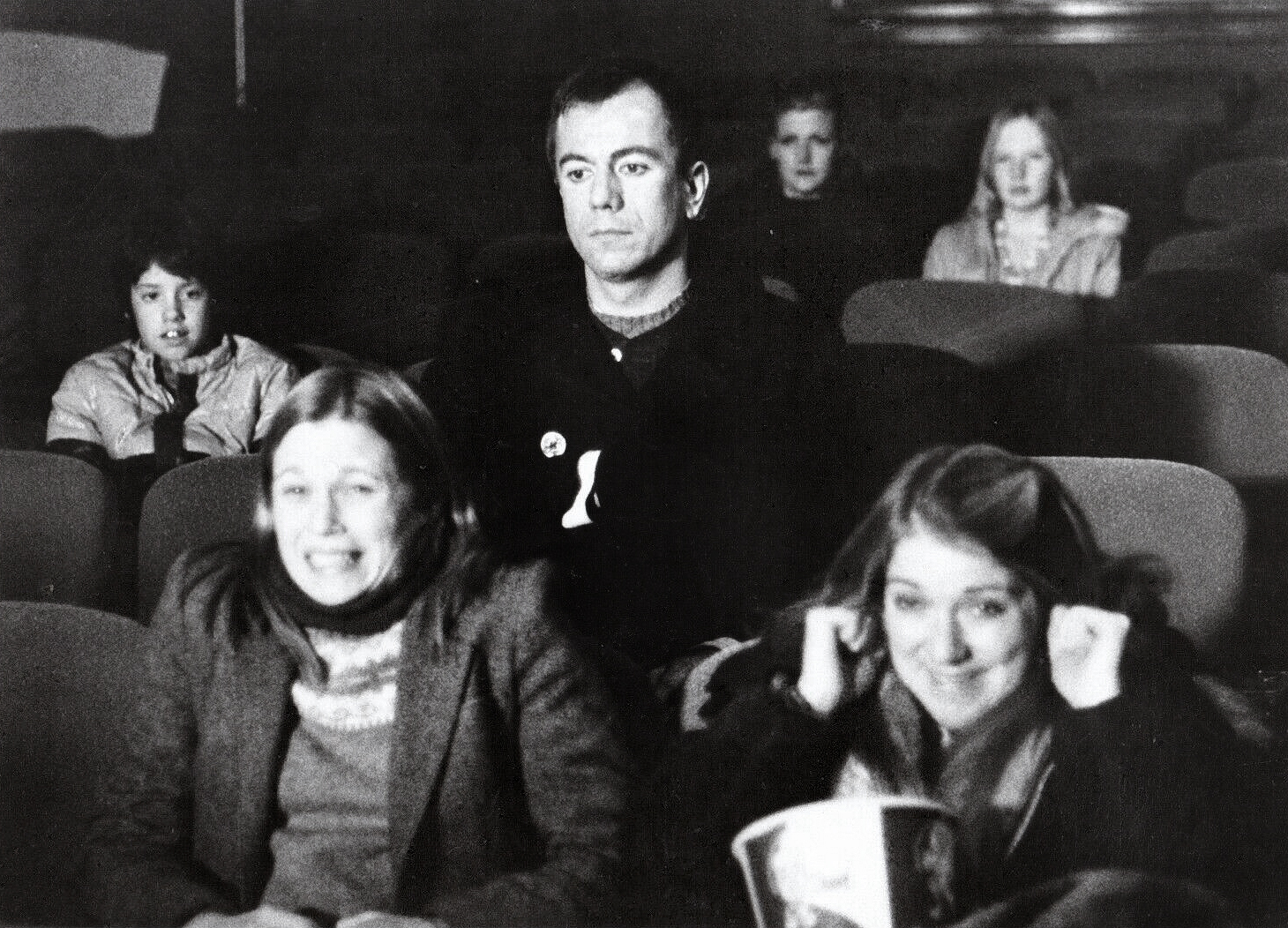
However, since I haven’t been able to confirm this location with any reliable sources, and since you can’t see any real details in this part of the sequence (aside from the seats which have since been removed from the space), I decided to not include it with my “then/now” images above.

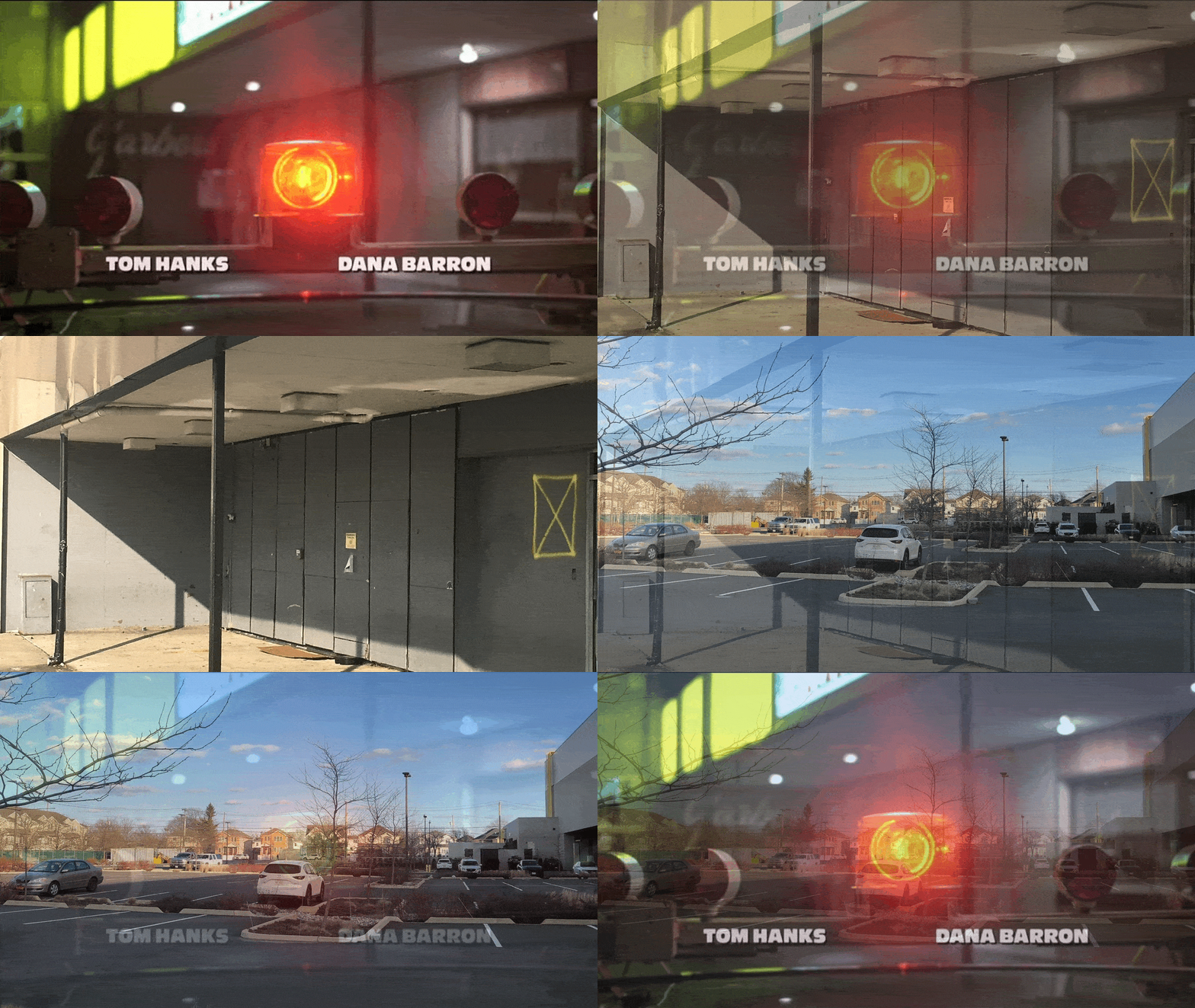
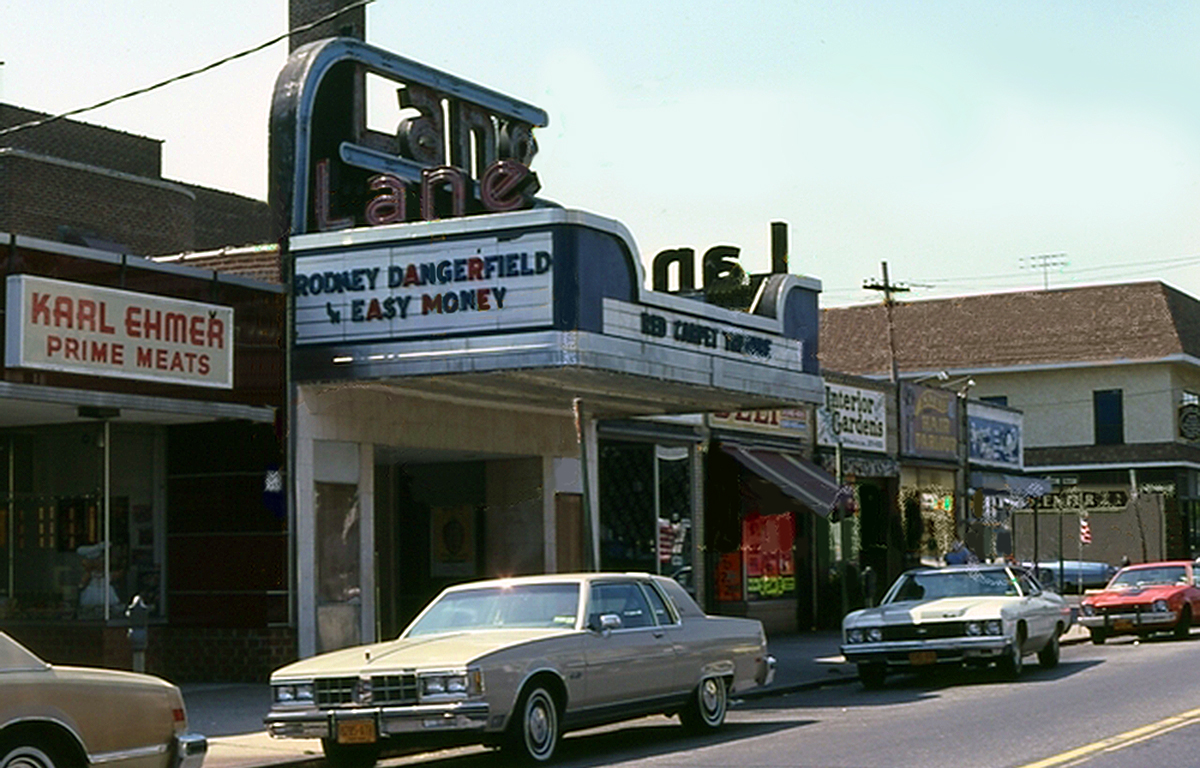
That being said, it’s certainly plausible they shot it at the Lane since they shot a good portion of the film in that area of Staten Island. This included one scene that took place directly outside of the building (see “Window Shopping” below), at which time it was still operating as a movie theater.

The Lane was a simple little theater that opened in 1938 and lasted until 1990 (although, judging by its appearance in a circa 1984 tax photo, the theater was not in continuous operation during that period). After it stopped showing movies, the Lane was used as a concert hall and nightclub, followed by a short stint as a comedy club. Finally, in 2012, the space was converted into the Crossroads Church, which is still there today.
Even after all of these different incarnations, many of the movie theater’s original flourishes remain intact, including its streamlined marquee and neon sign — both of which have been landmarked since 1988.
The Elk Lodge
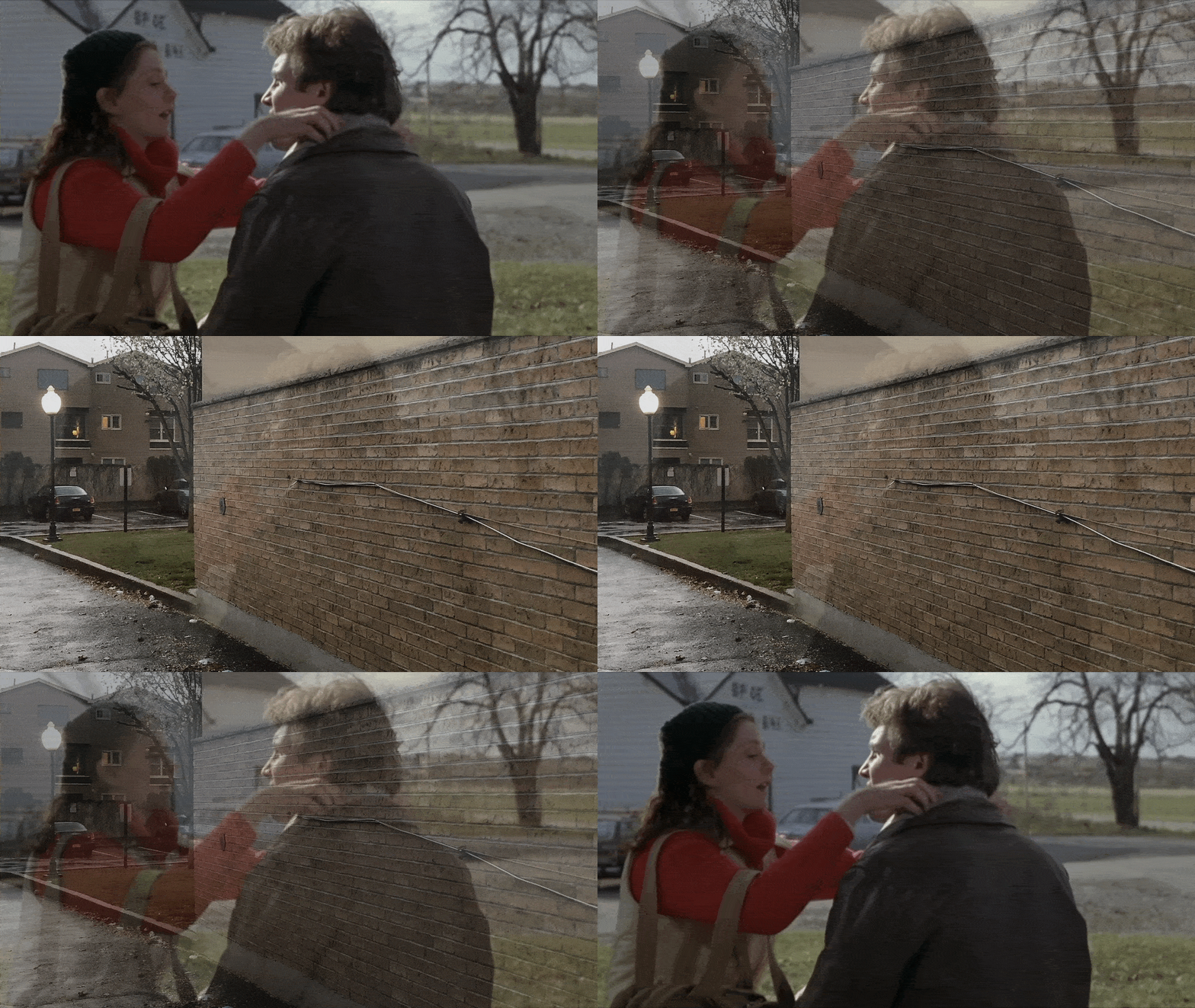
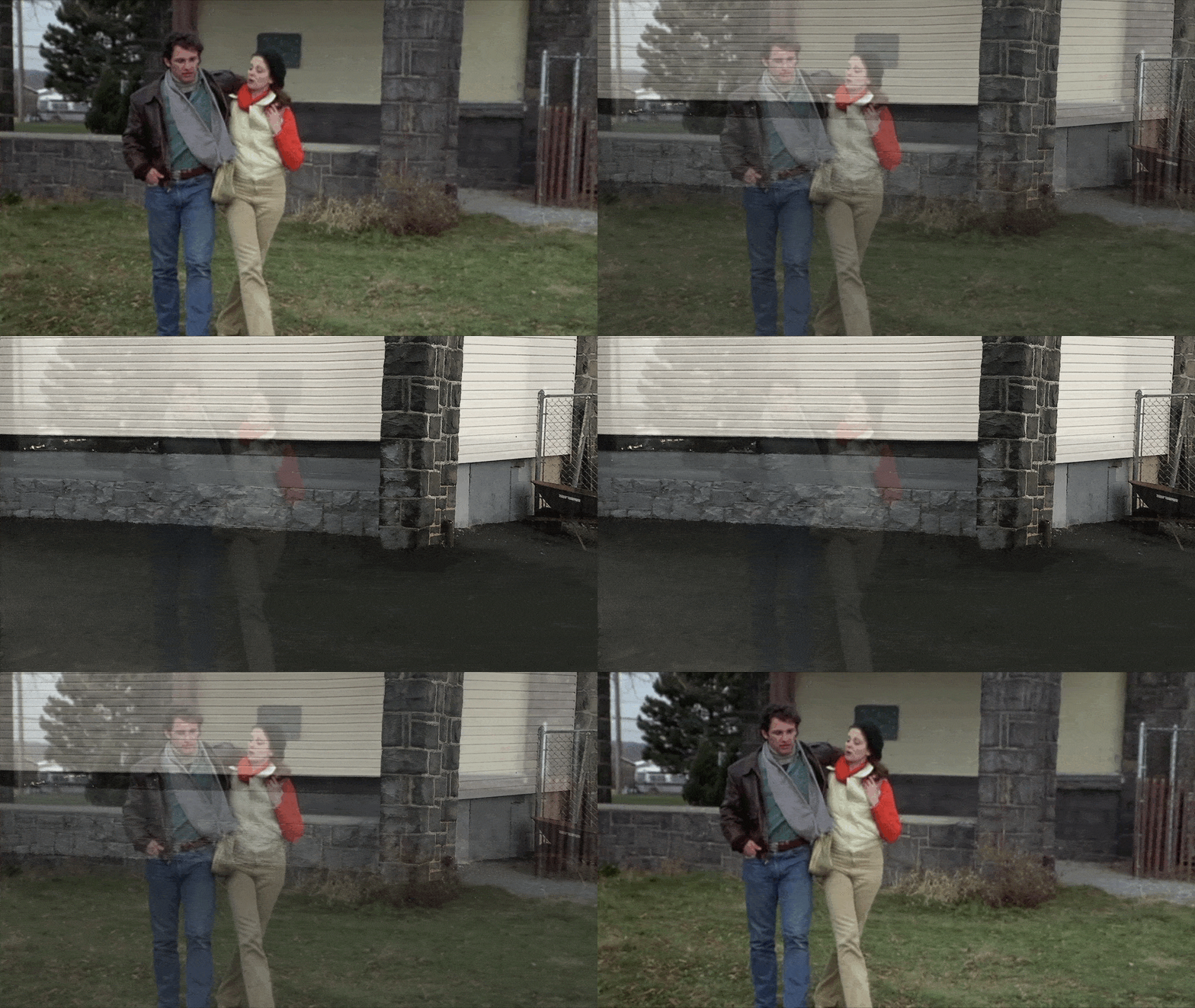
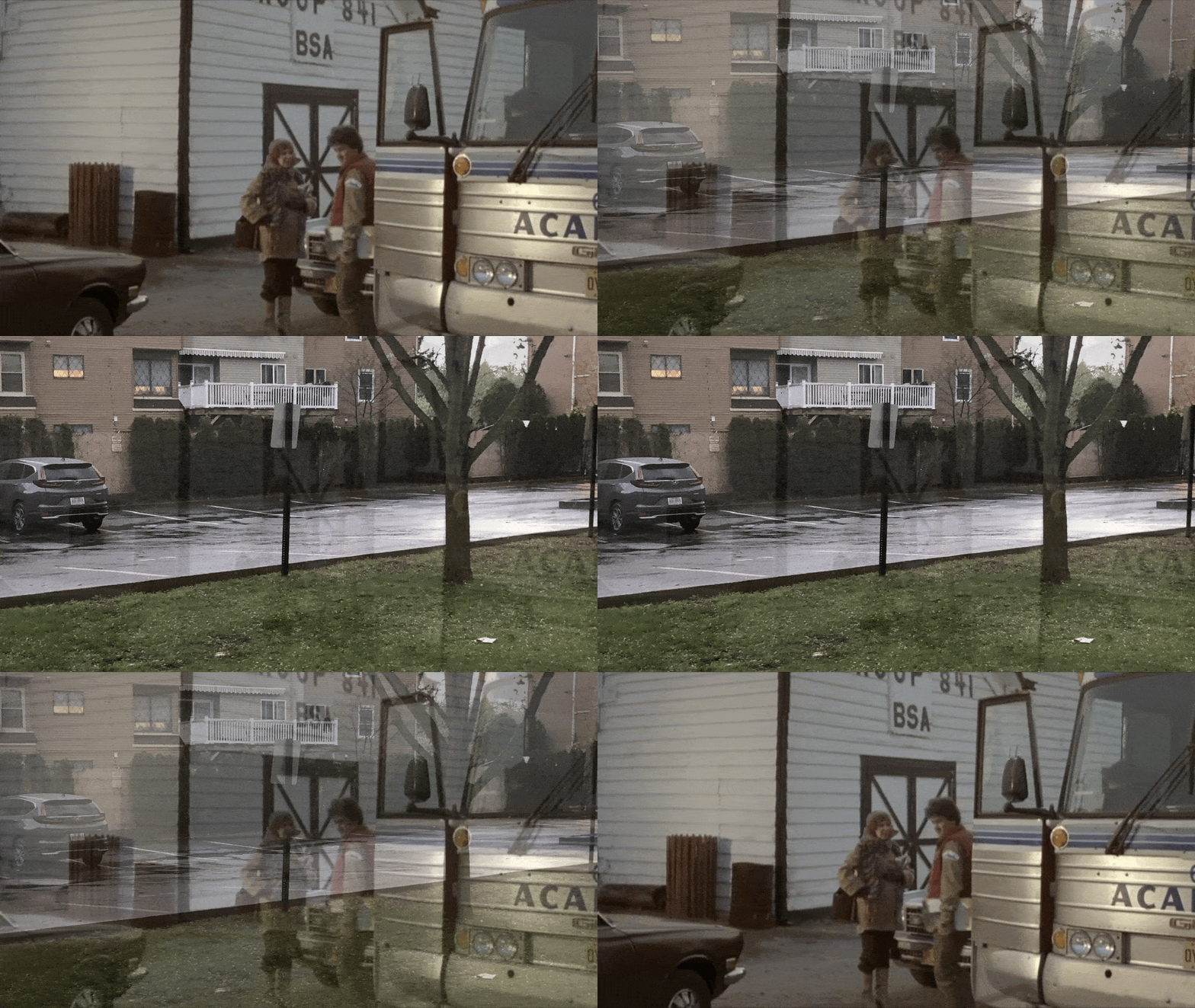
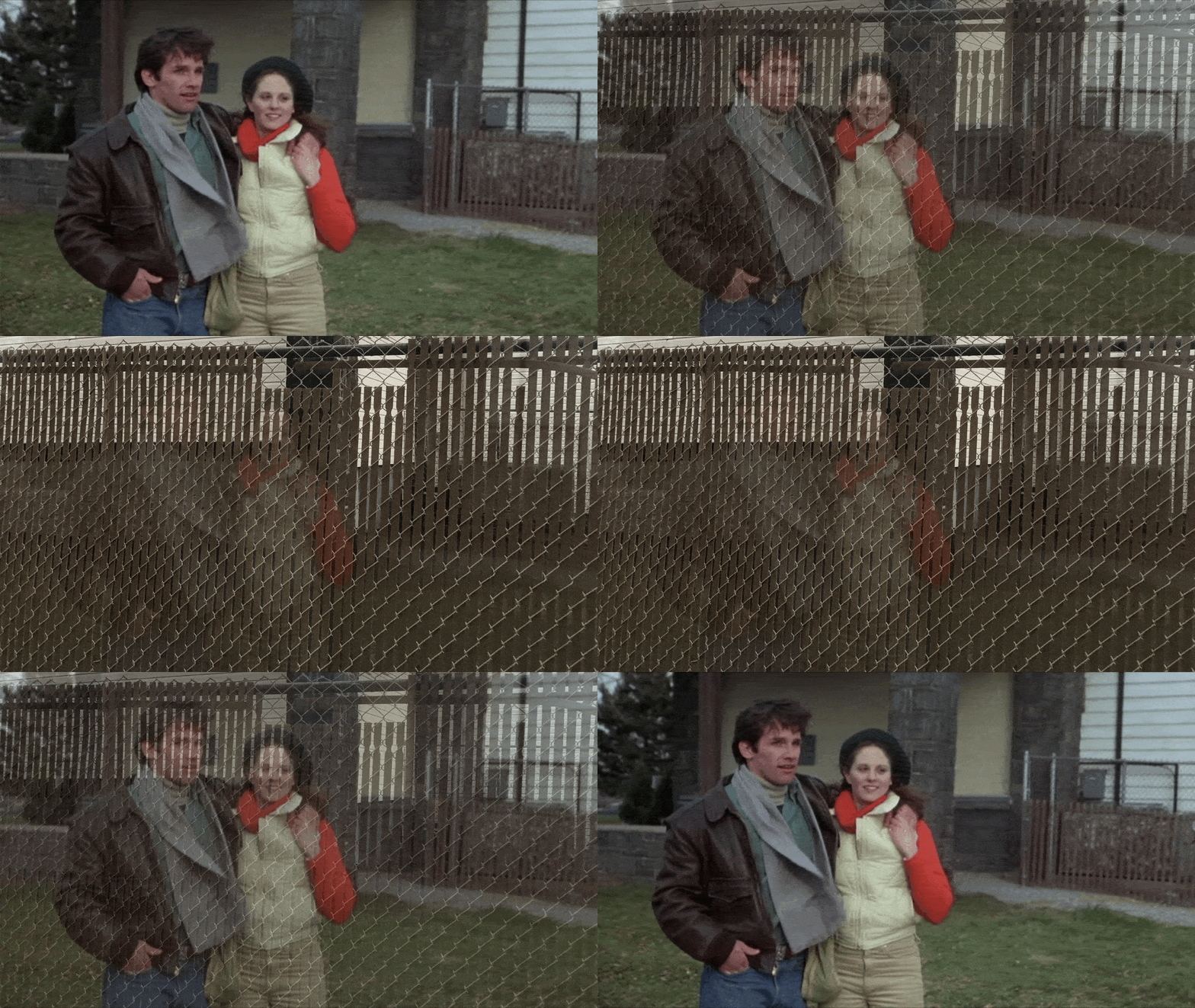
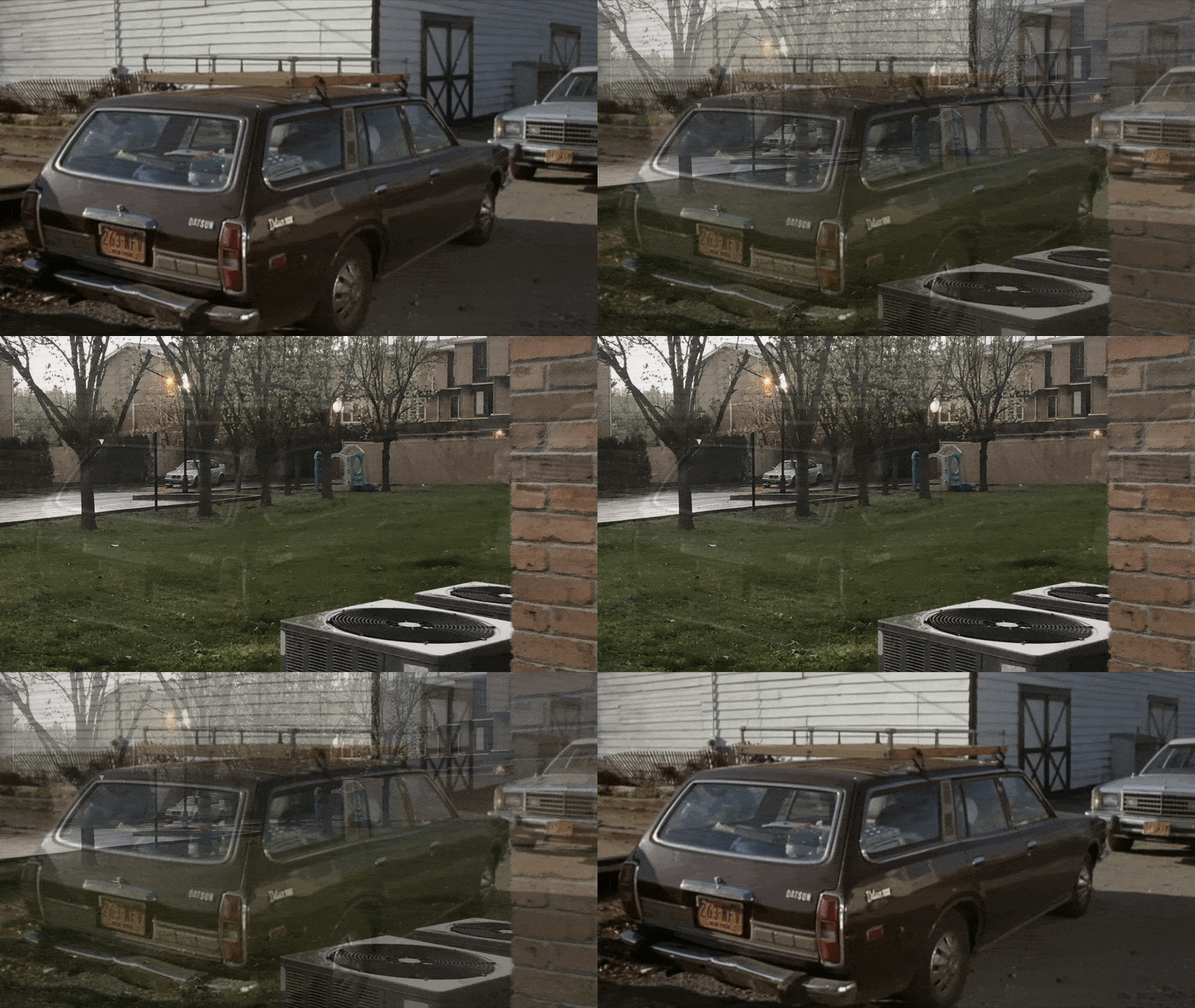
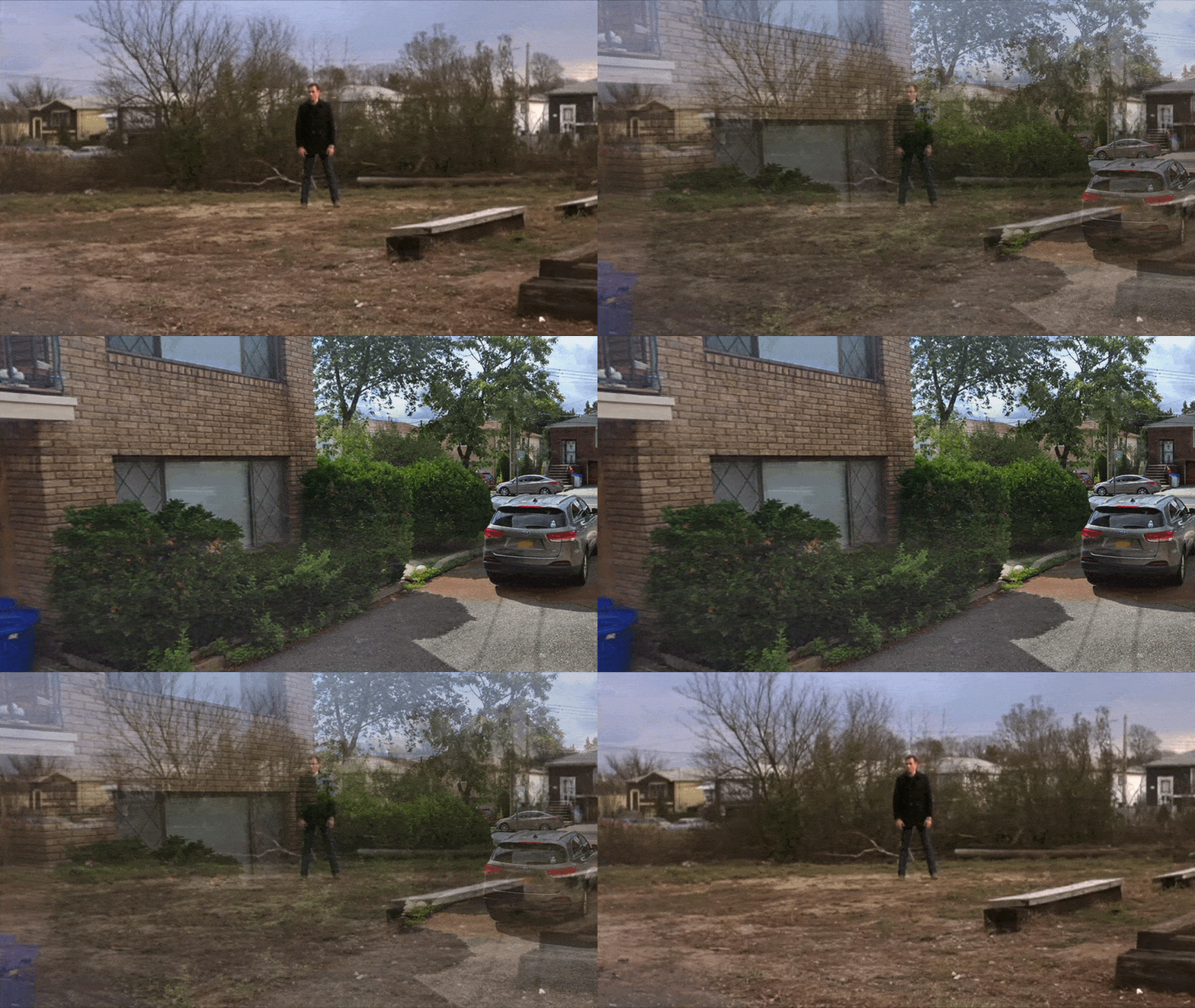
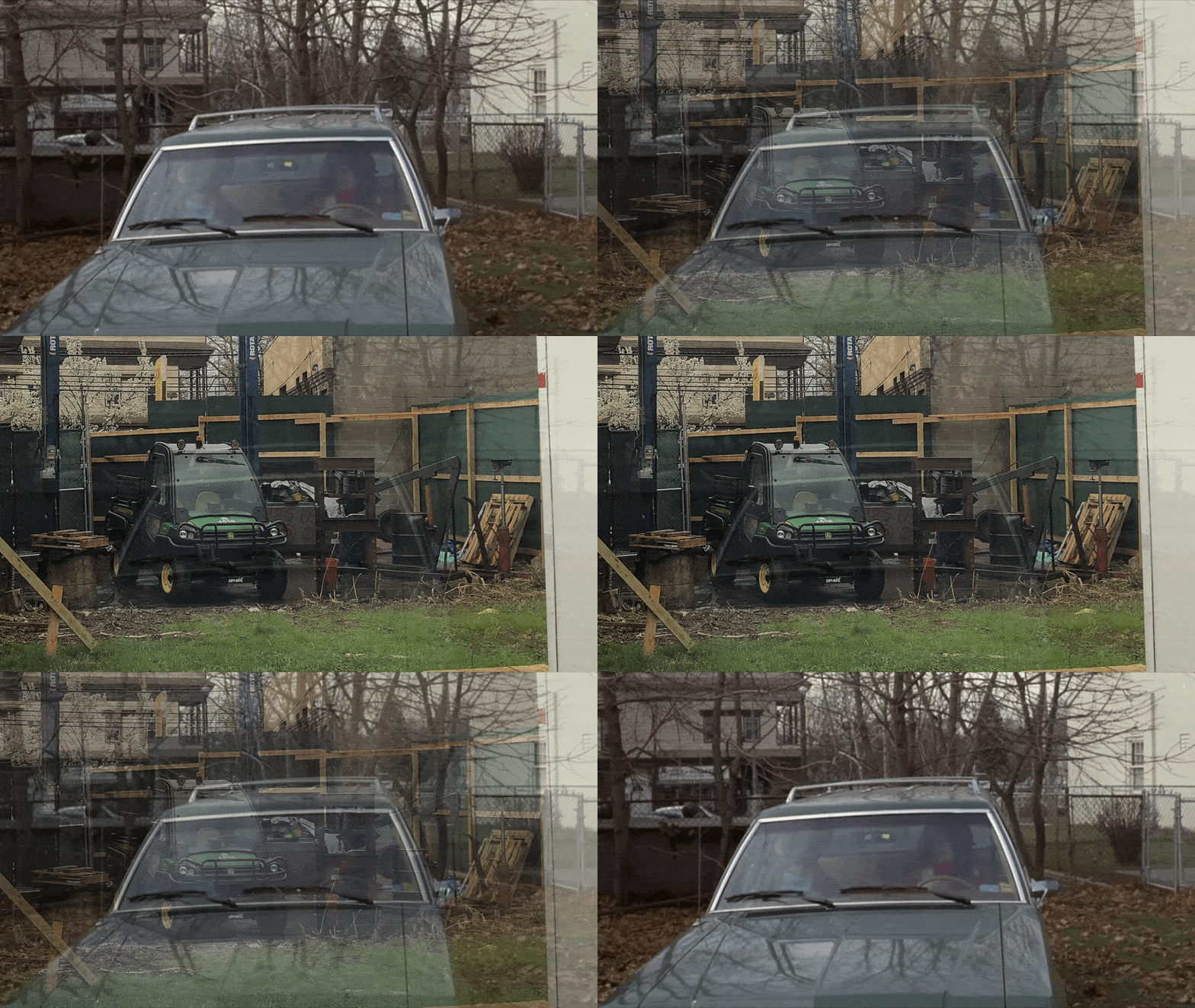
Because the landscape was so rural, this was one of the more perplexing locations to figure out, but was one of the most intriguing ones as well — so I was determined to find it!
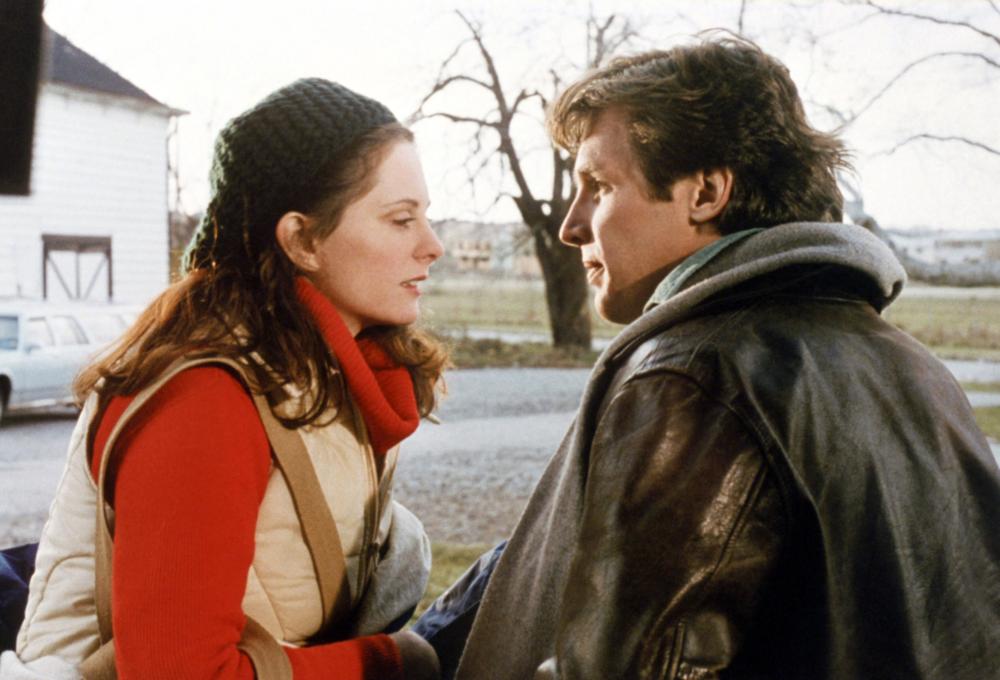 To figure out this location, the only real clue I had to go on was the cryptic numbering and lettering on the side of the white barn-like structure (third “then/now” image above). I eventually figured out the lettering BSA stood for Boy Scouts of America, and I assumed the 841 was their troop number.
With that, I thought it would be somewhat easy to find out where that troop was headquartered in the 1970s, but the only Troop 841 I could find a reference to was in Rhode Island.
Finally, I asked Blakeslee, my research partner, to take a stab at it, and he eventually came back with an address on Richmond Avenue. He found it after noticing some additional lettering at the top of the building that said BPOE, which he figured out stood for Benevolent and Protective Order of Elks. And it turns out. the 841 was the lodge number for the Elks who had a charter with the local Boy Scouts.

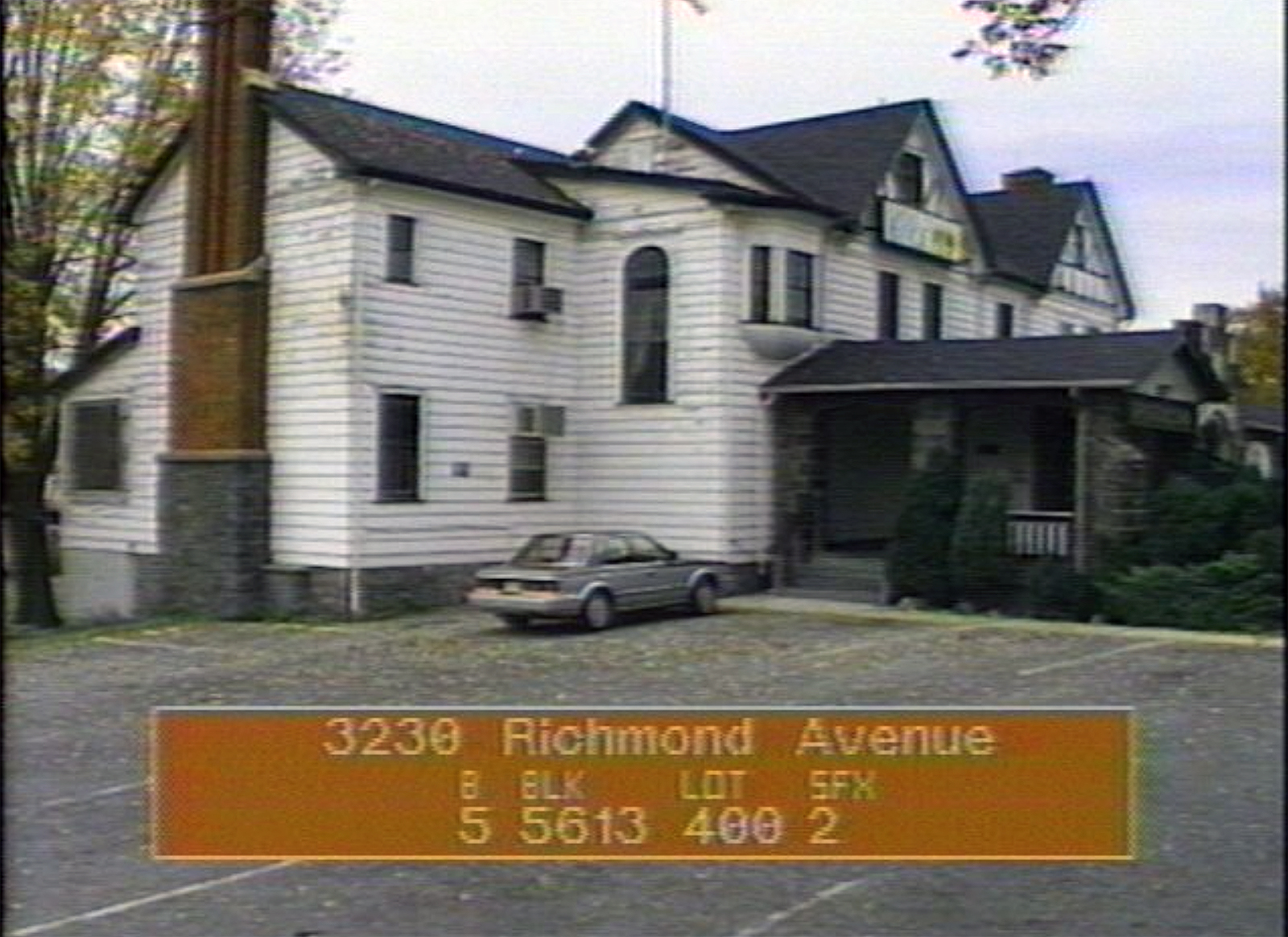
When I checked out the location in Google Street View, it looked promising, but I wasn’t able find any specific matching elements. Then, after I went through the 1980s tax records of that area, I found an image that matched the barn-like structure in the film.
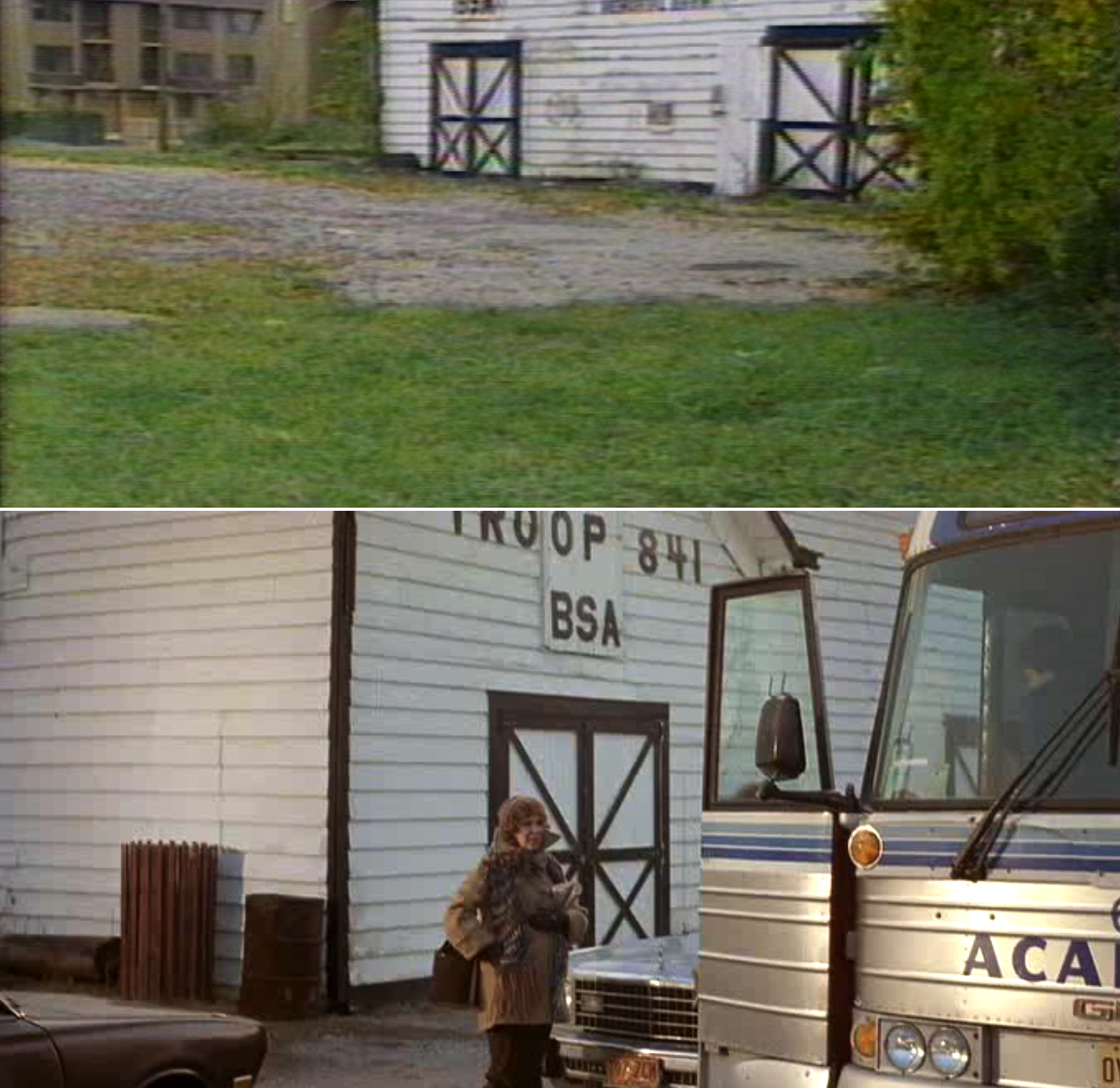
Unfortunately, the tax photo was unlabeled, so even though it confirmed I had the corrected block, it didn’t help me nail down any exact filming spot.
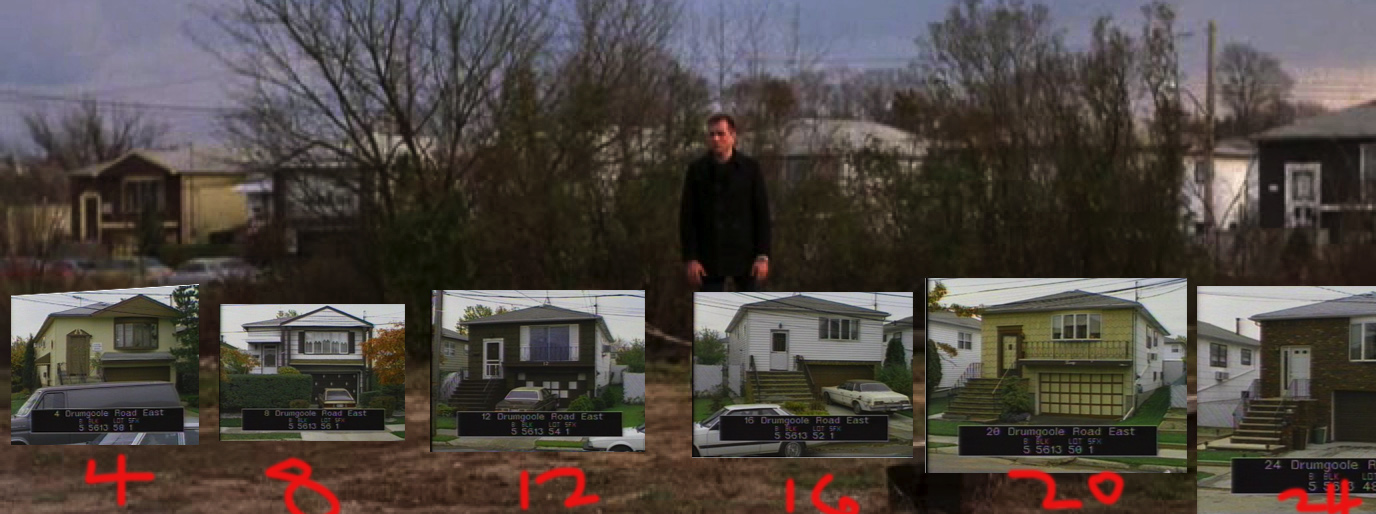
When I finally made it to the location in person, I managed to match up the row of houses on Drumgoole Road that appeared behind the killer in one of the shots. Several condos have since gone up on the empty lots, so they now mostly block the views of those houses.
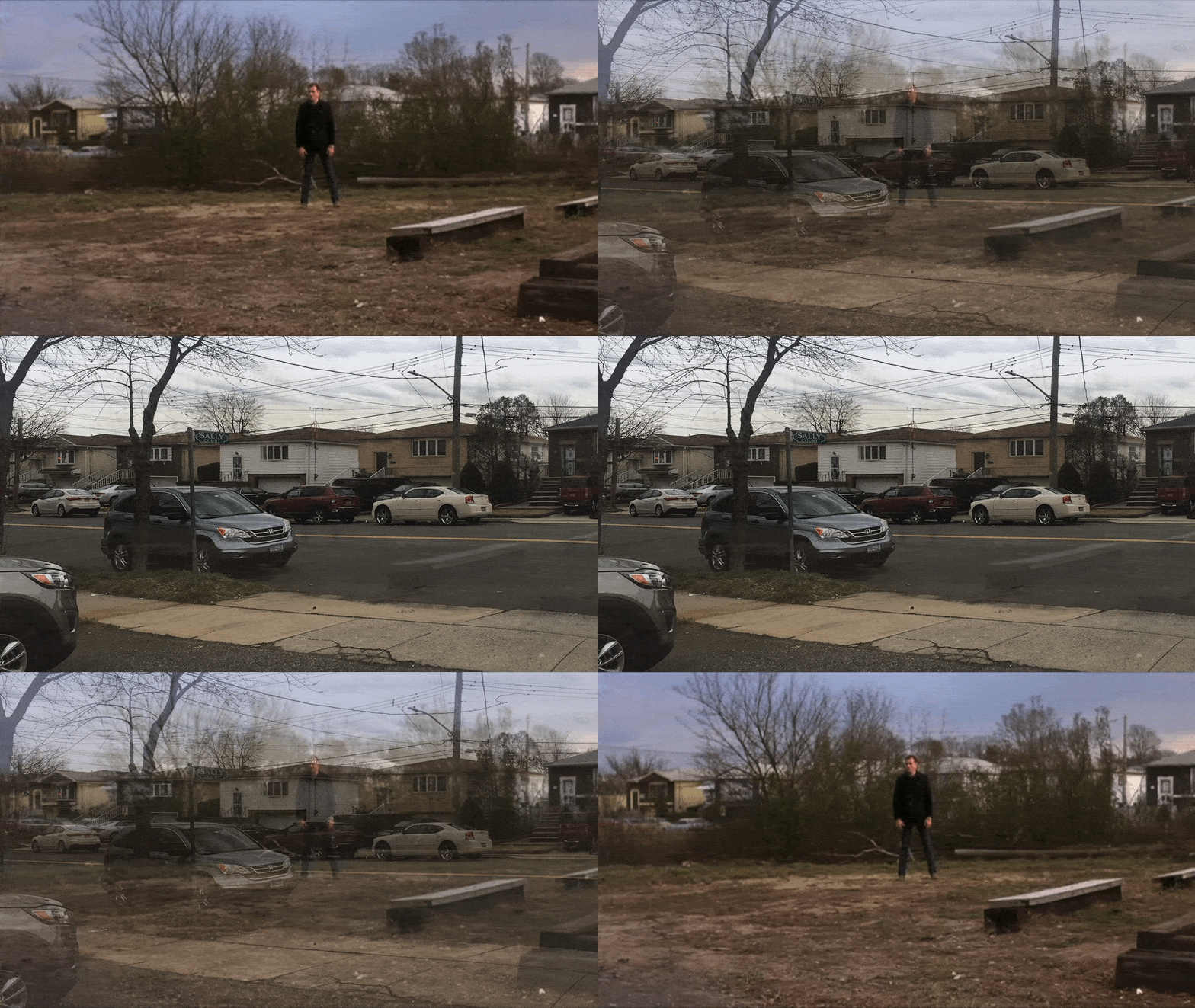
If I moved closer to the road, I was able to get a better view of those extant houses, although it was technically the wrong vantage point from what was used in the movie.
After visiting the location and looking around, I was pretty sure the Boy Scouts center had been torn down, but that the adjacent Elks Lodge had survived, albeit with some major modifications.
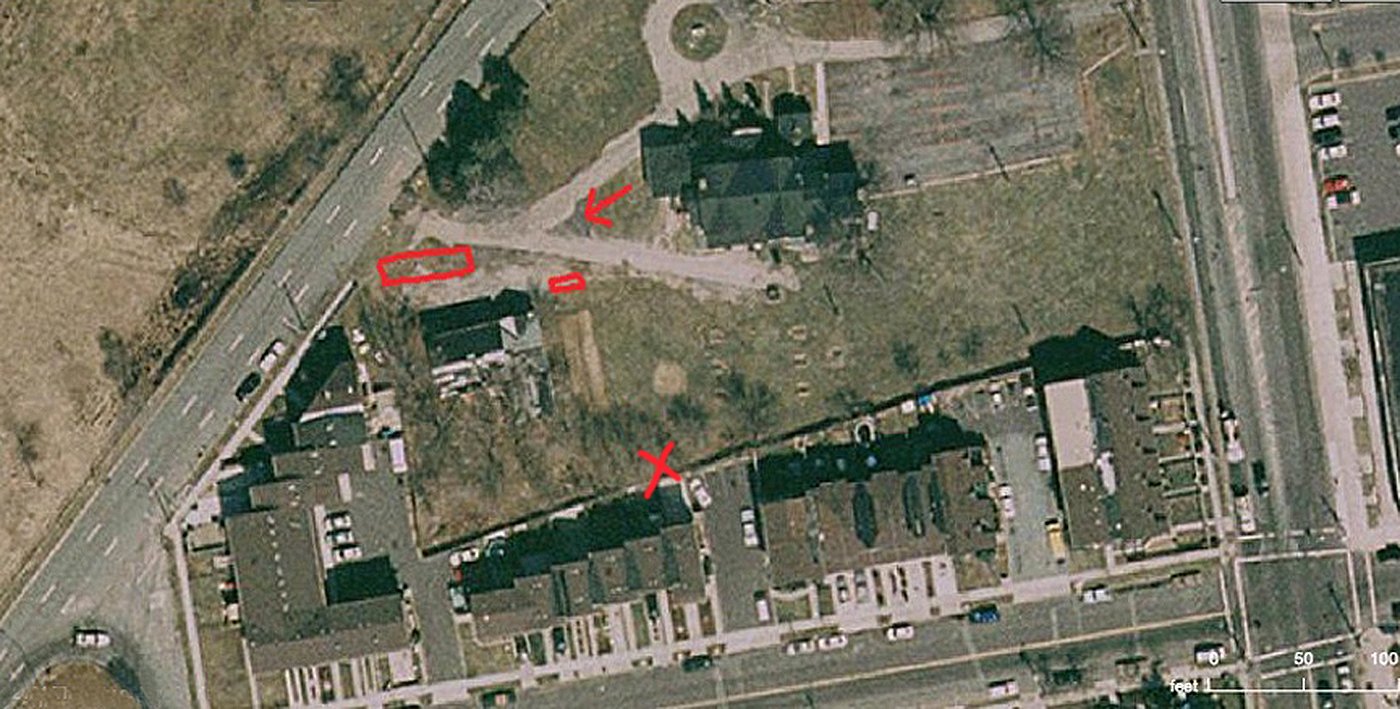
With so many changes to the property, including the addition of numerous condos, I had trouble getting my bearings and figuring out where exactly the camera was pointing in this scene.
A few days later, after studying all the tax photos I could find, and consulting old satellite images of the vicinity, I finally got a pretty accurate fix on where all the action took place.
But one part that kept puzzling me was the last shot from this scene where the women get into their car. Since I knew that the area had changed quite a bit since 1980, I thought it was possible the building in the background had since been demolished. But frustratingly enough, I couldn’t find any matches when I looked through the old tax photos.
Just as the vexing nature of this location was reaching a high point, a breakthrough came! I suddenly realized it might’ve been shot at a different location altogether. Almost immediately after that epiphany, I got a strong feeling that the building in the background might be the same one that appeared in the following “Dance Studio” scene.
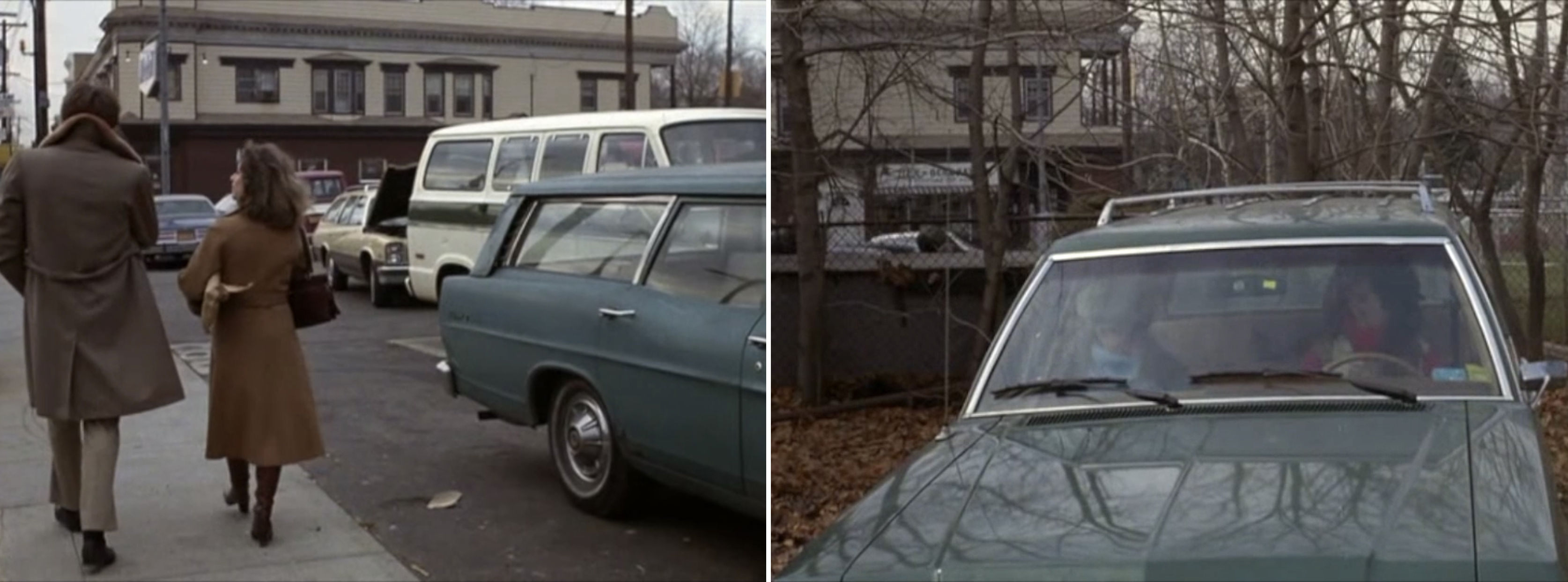
So with my fingers crossed, I checked out that other scene and quickly determined the building was, in fact, a match.
The Dance Studio
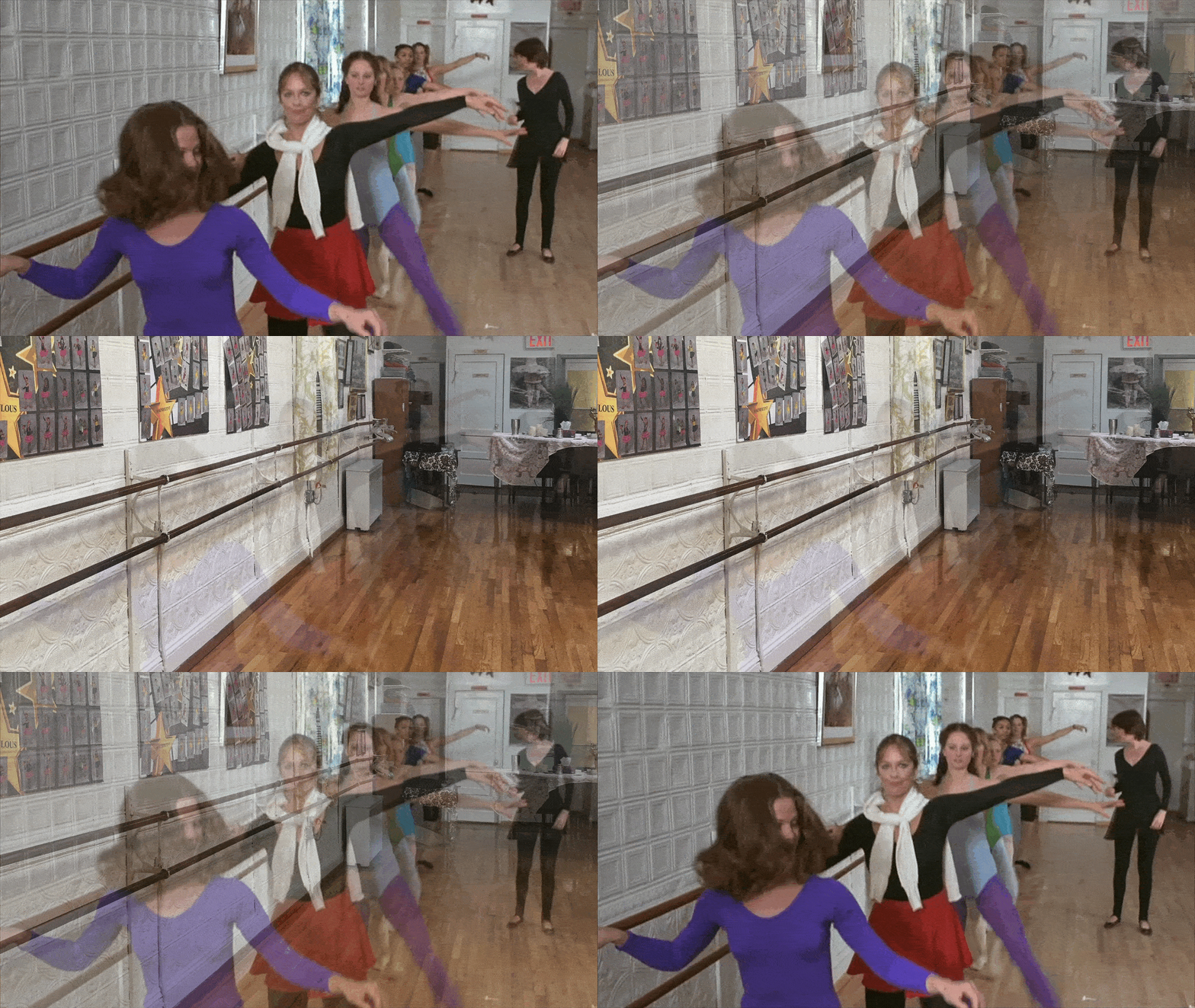
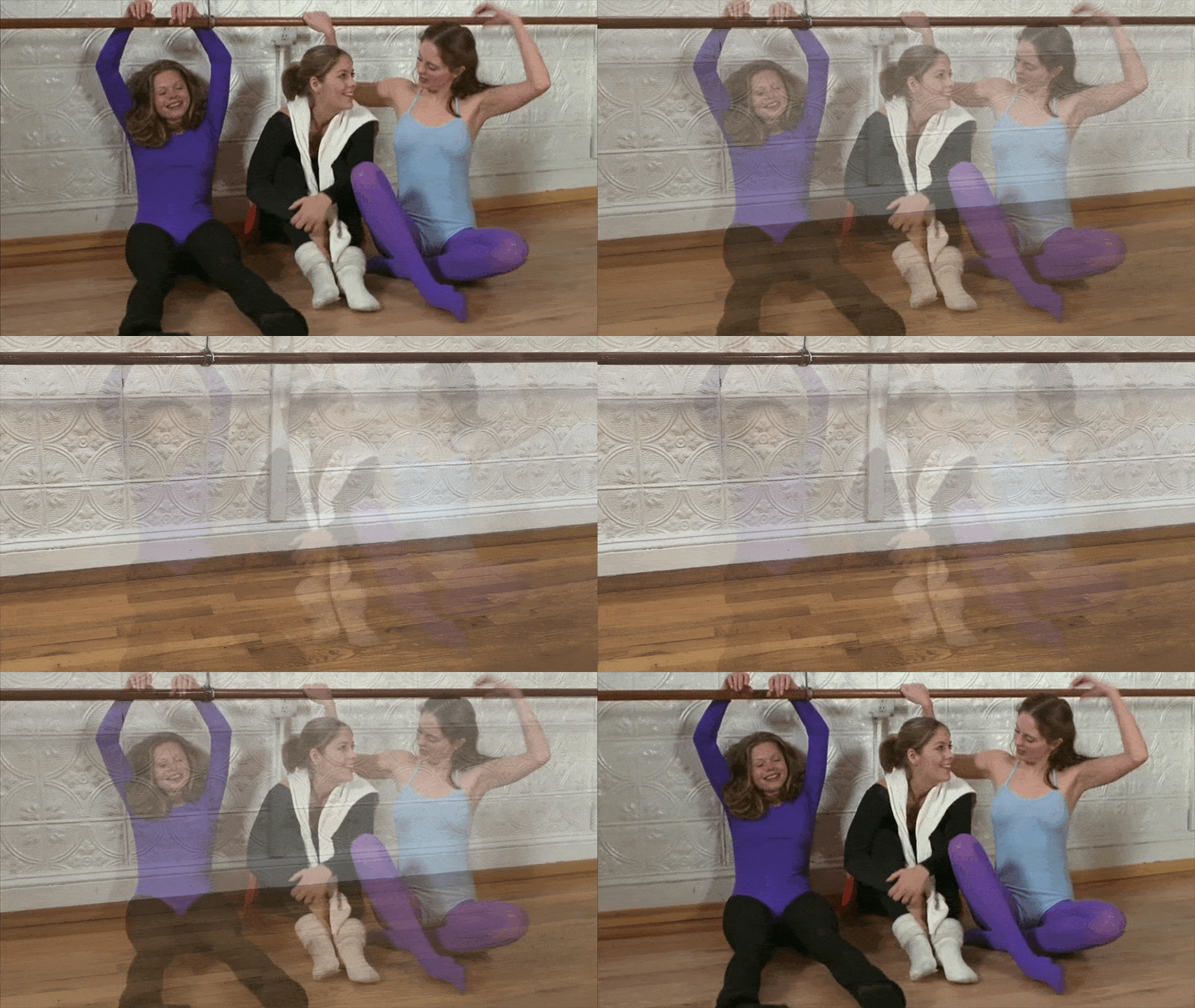
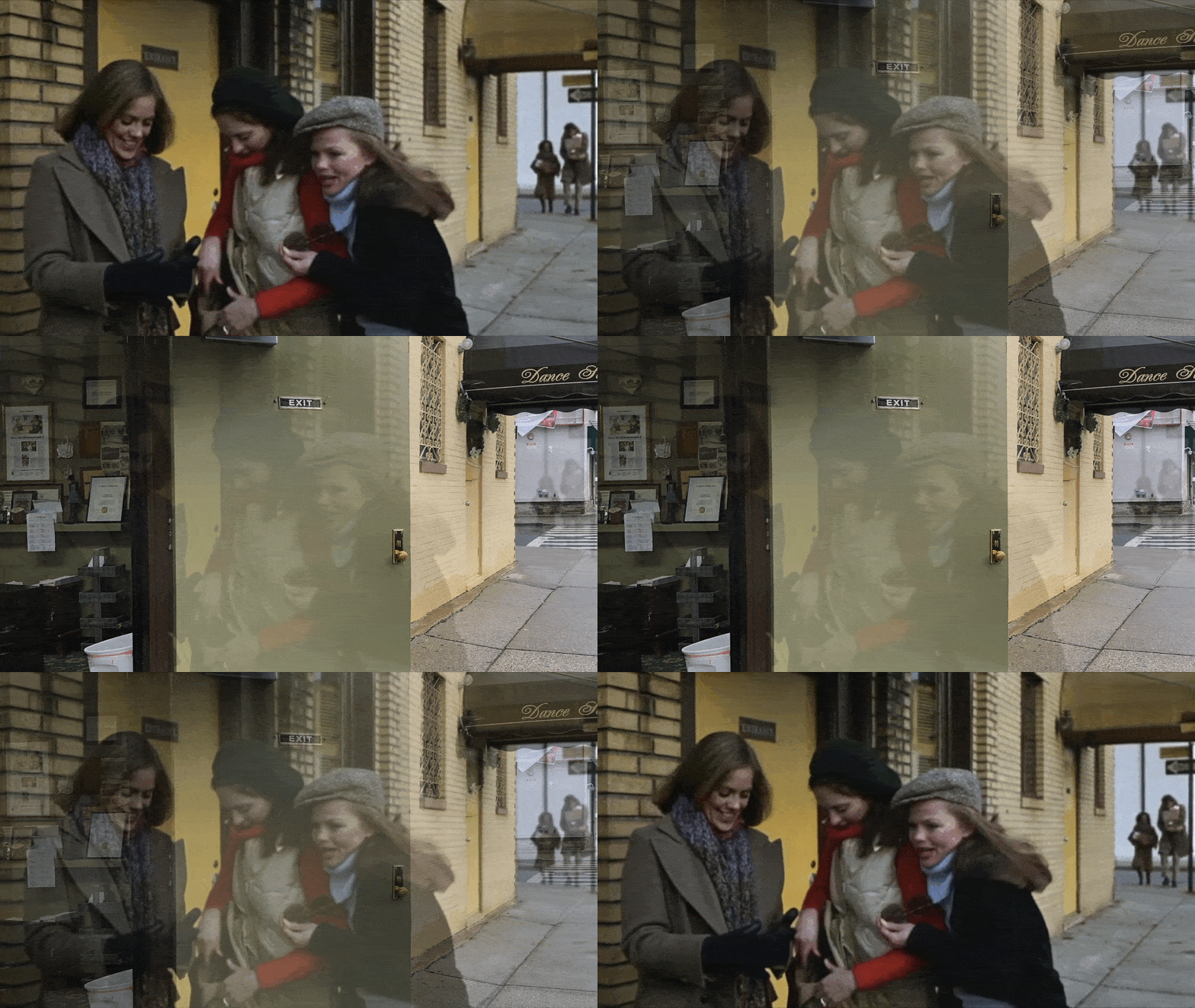
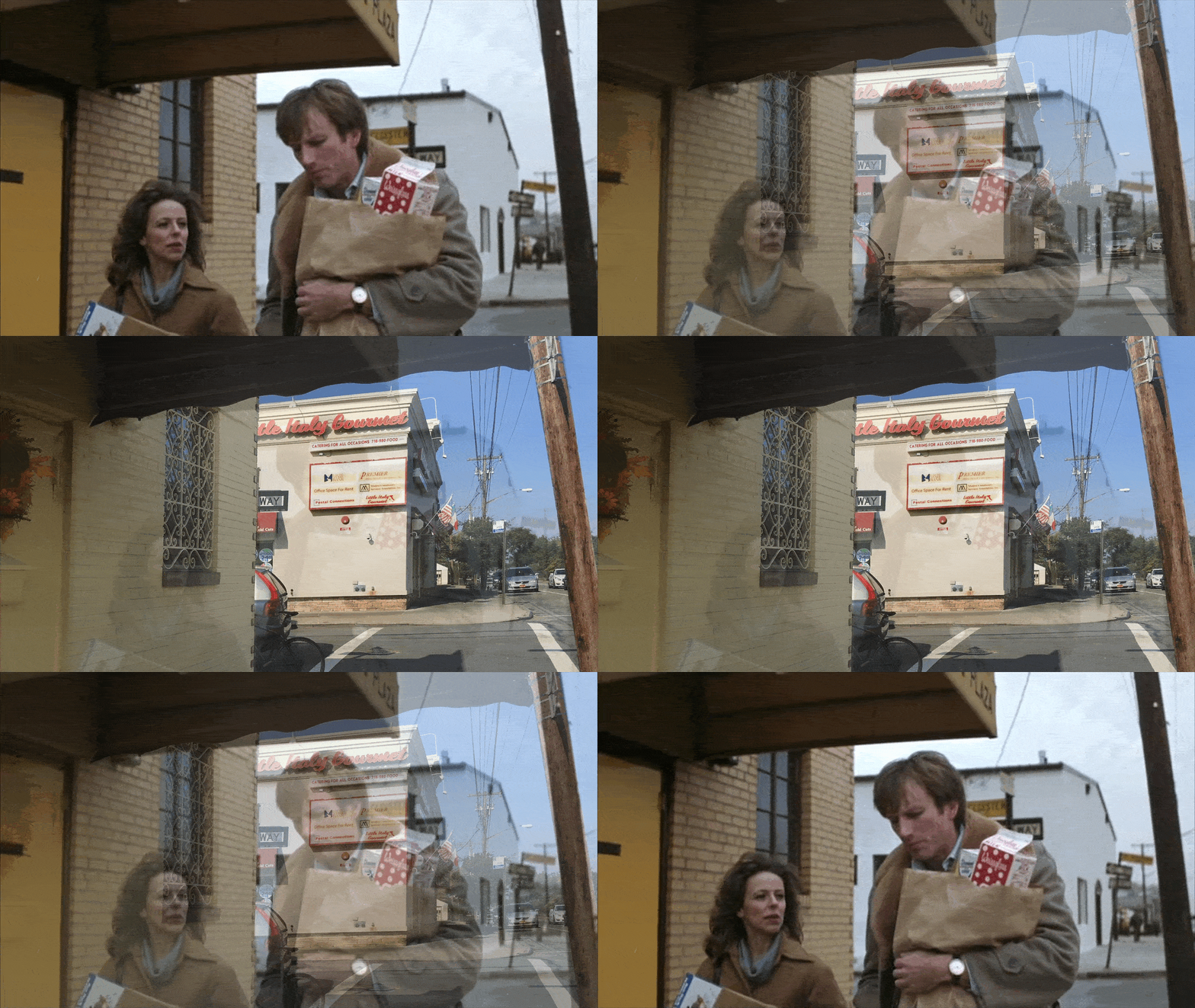
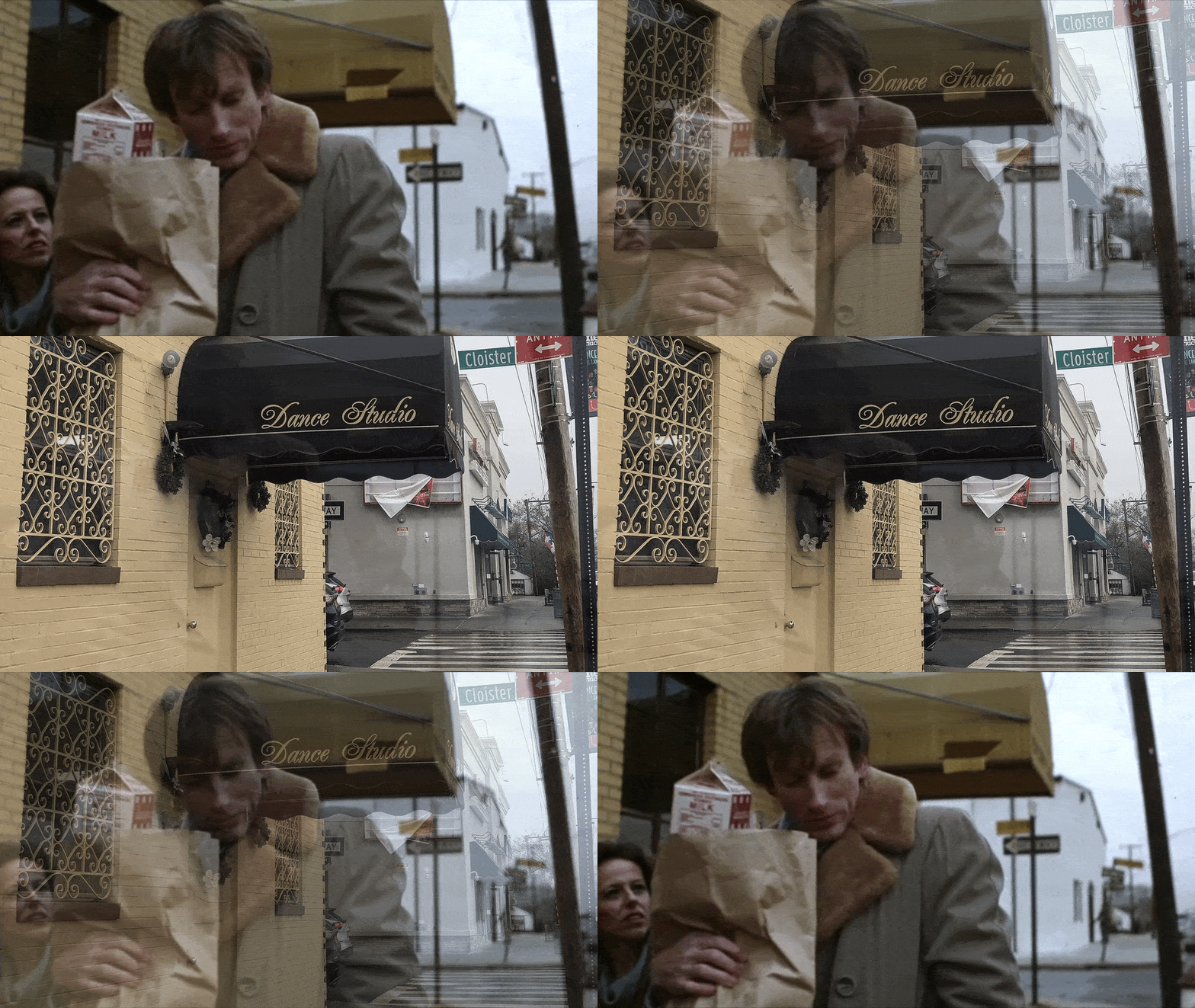
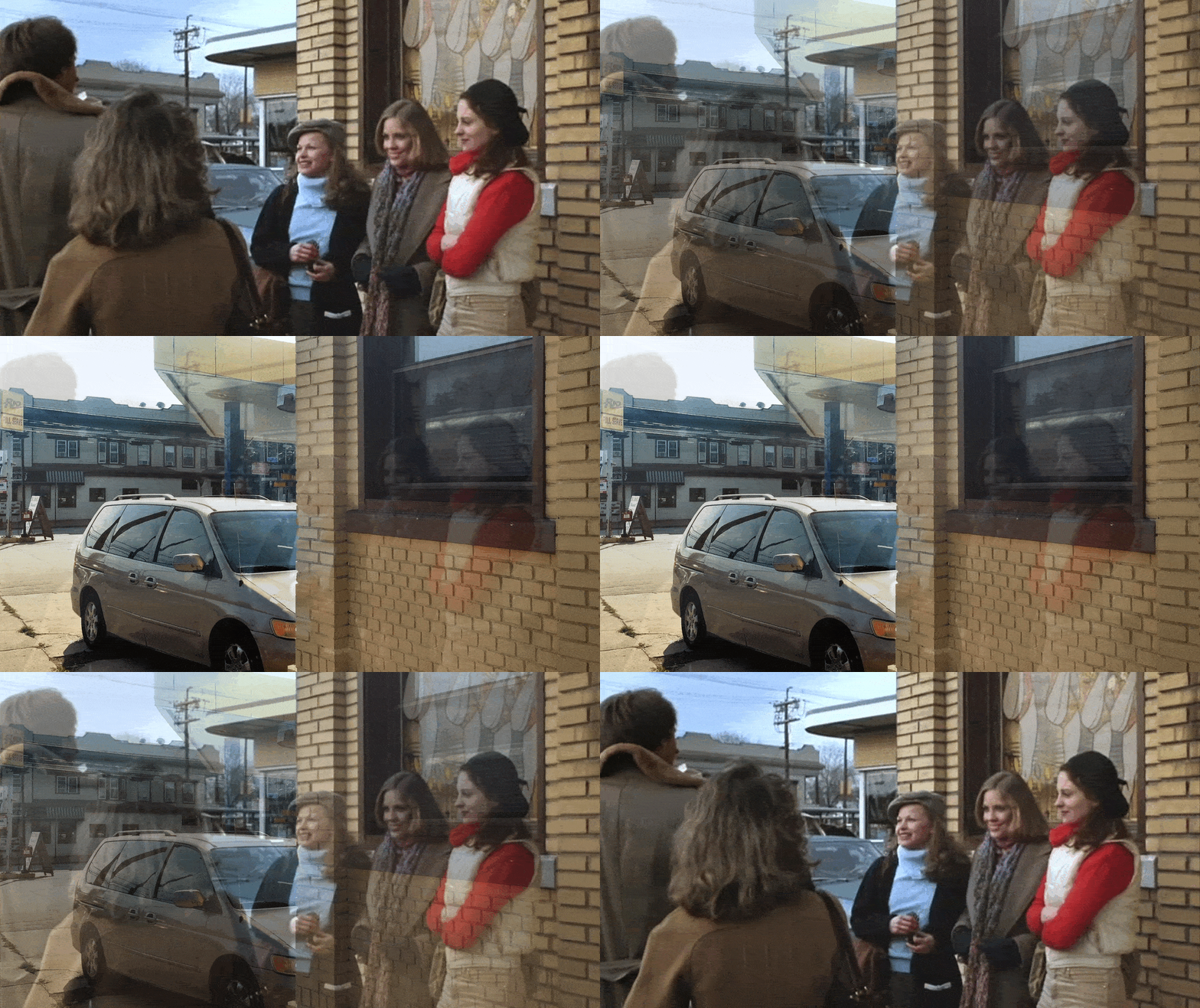
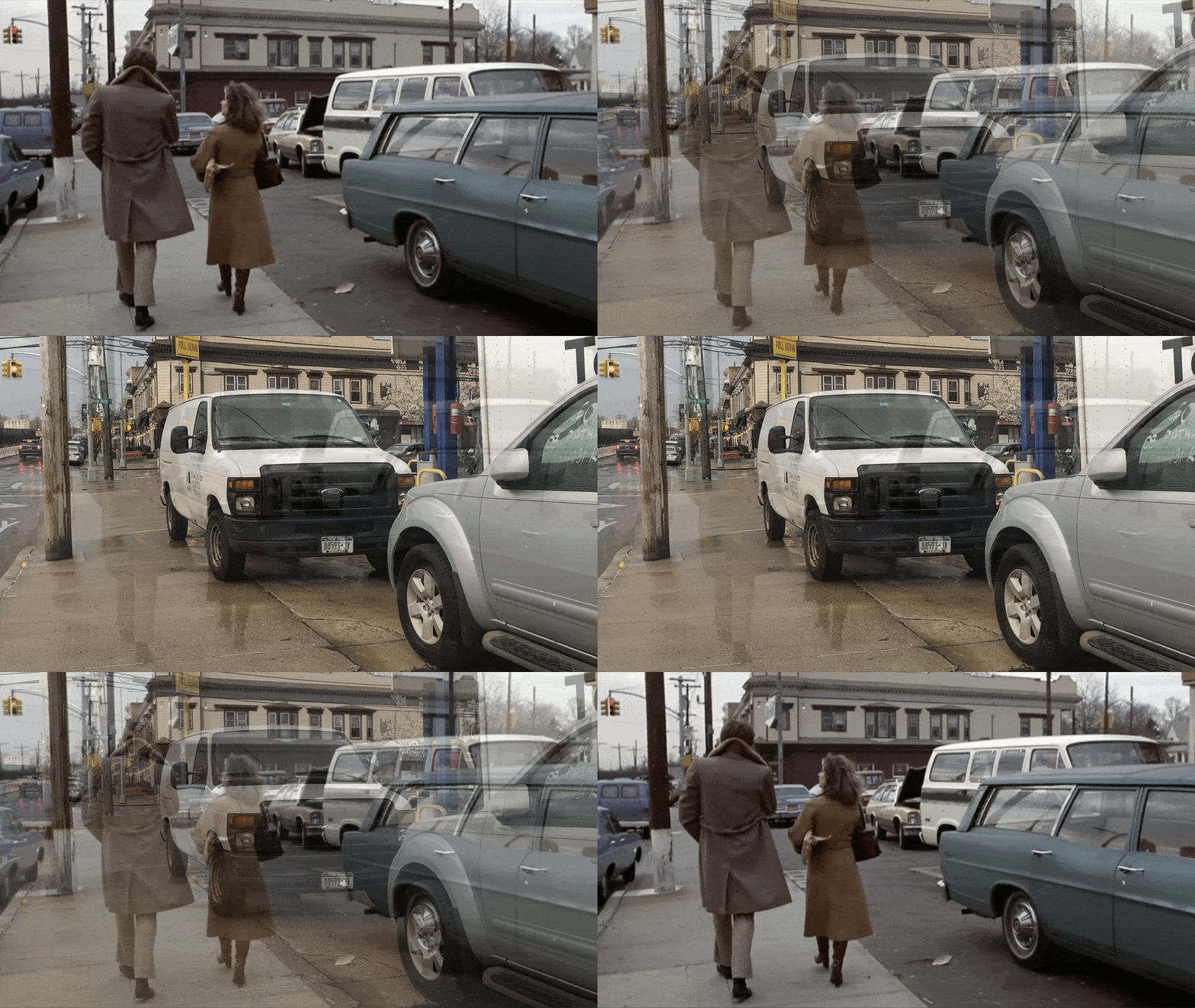
This dance studio location was pretty easy to identify, thanks in no small part to a Cloister Place street sign that can plainly be seen in the background when the three characters exit the building.
As you can tell from the “then/now” images above, the dance studio featured in this scene is still in operation today and has hardly changed since 1979. Named after its founder, “Mrs. Rosemary’s” dance school, just off of New Dorp Lane, has been teaching and lecturing thousands of dance students and educators on Staten Island since 1959.
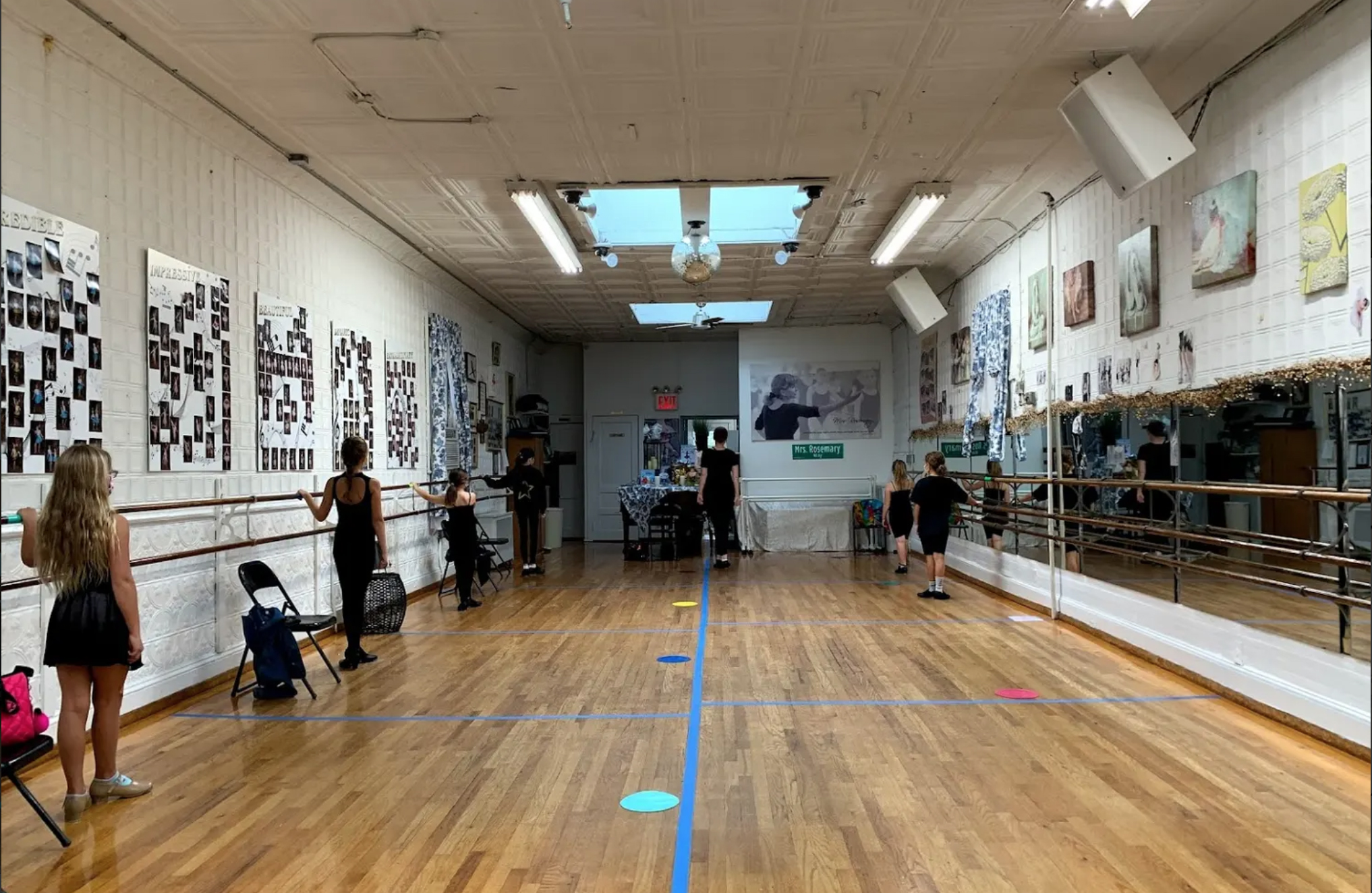
Coincidentally, “Mrs. Rosemary” Cappozalo had another peripheral connection to this movie. Turns out, it was she who was the main force behind the campaign to save the St. George Theatre (featured in the opening sequence to this film), donating her time and life savings to the cause.
Mrs. Rosemary passed away in 2009, but by the looks of things, the studio continues to be a Staten Island stronghold under the leadership of her three daughters.
Window Shopping
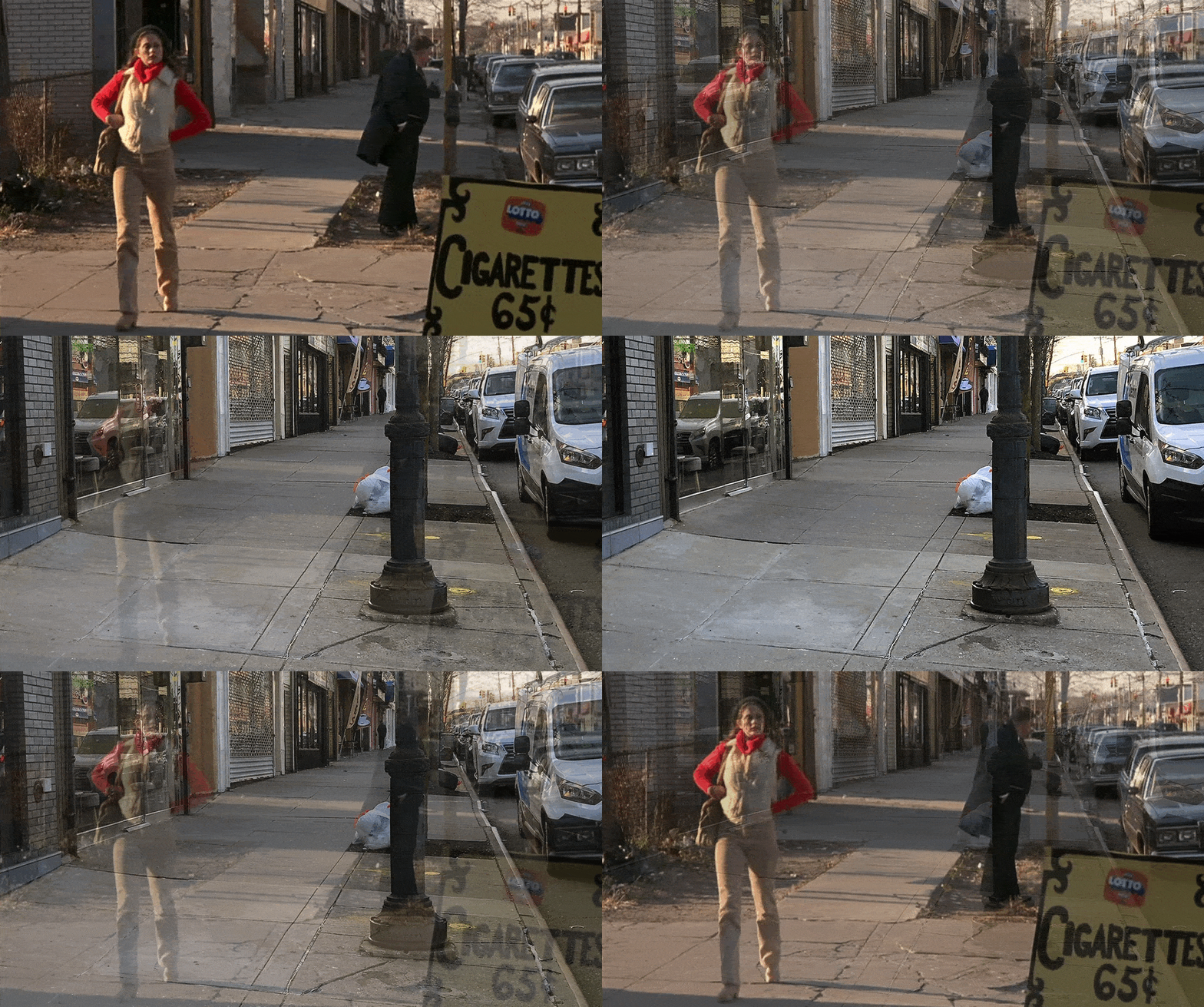
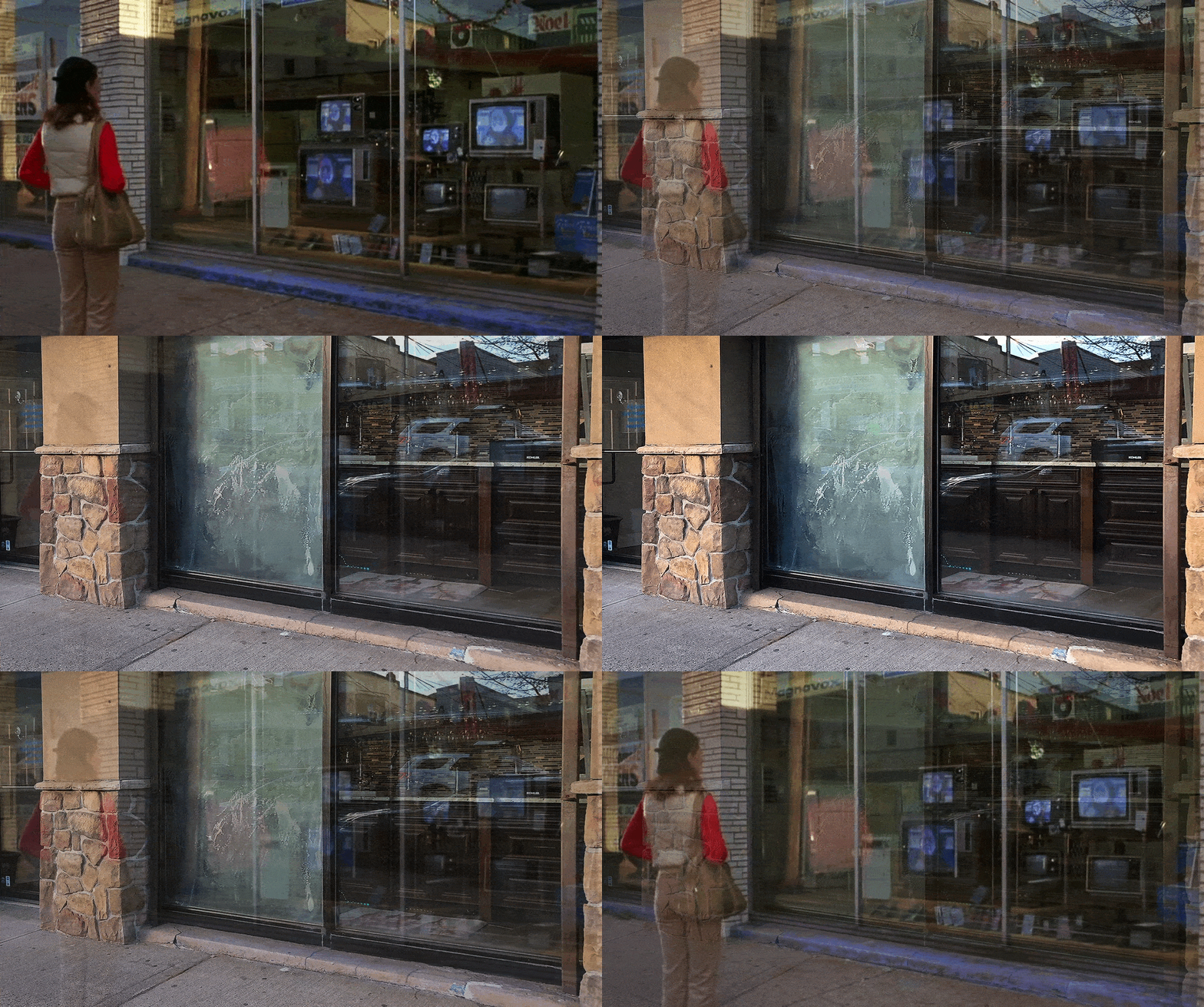
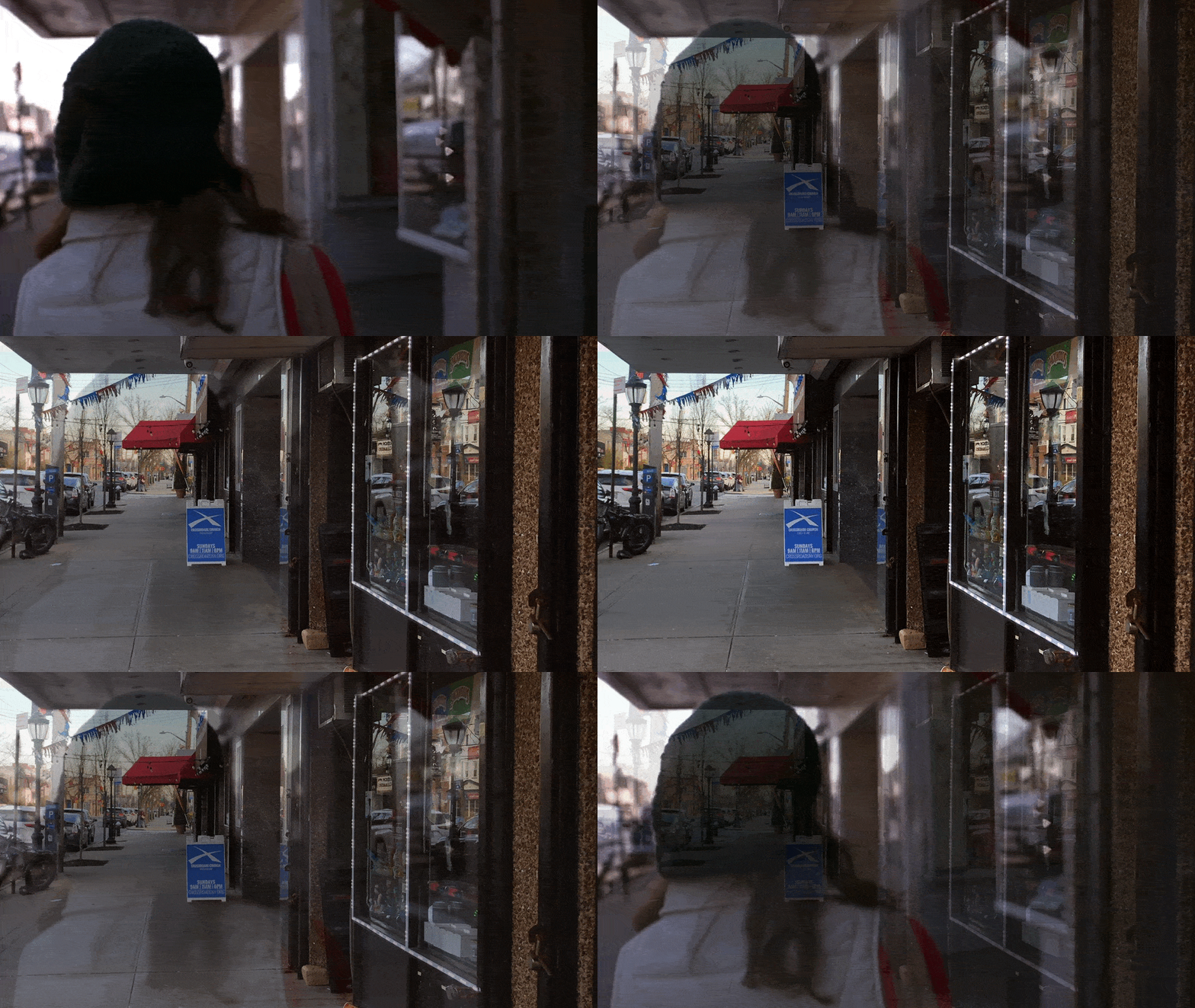
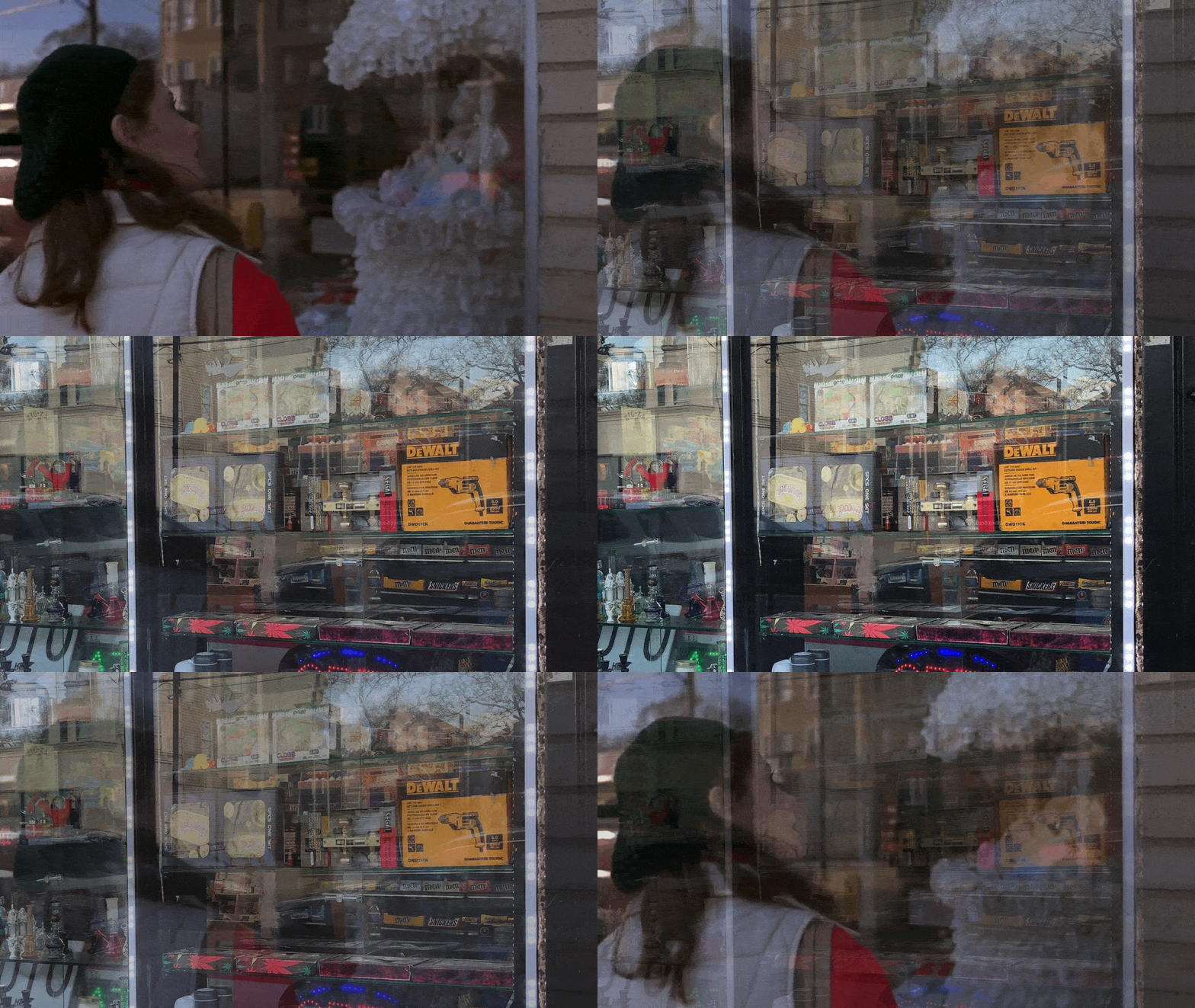
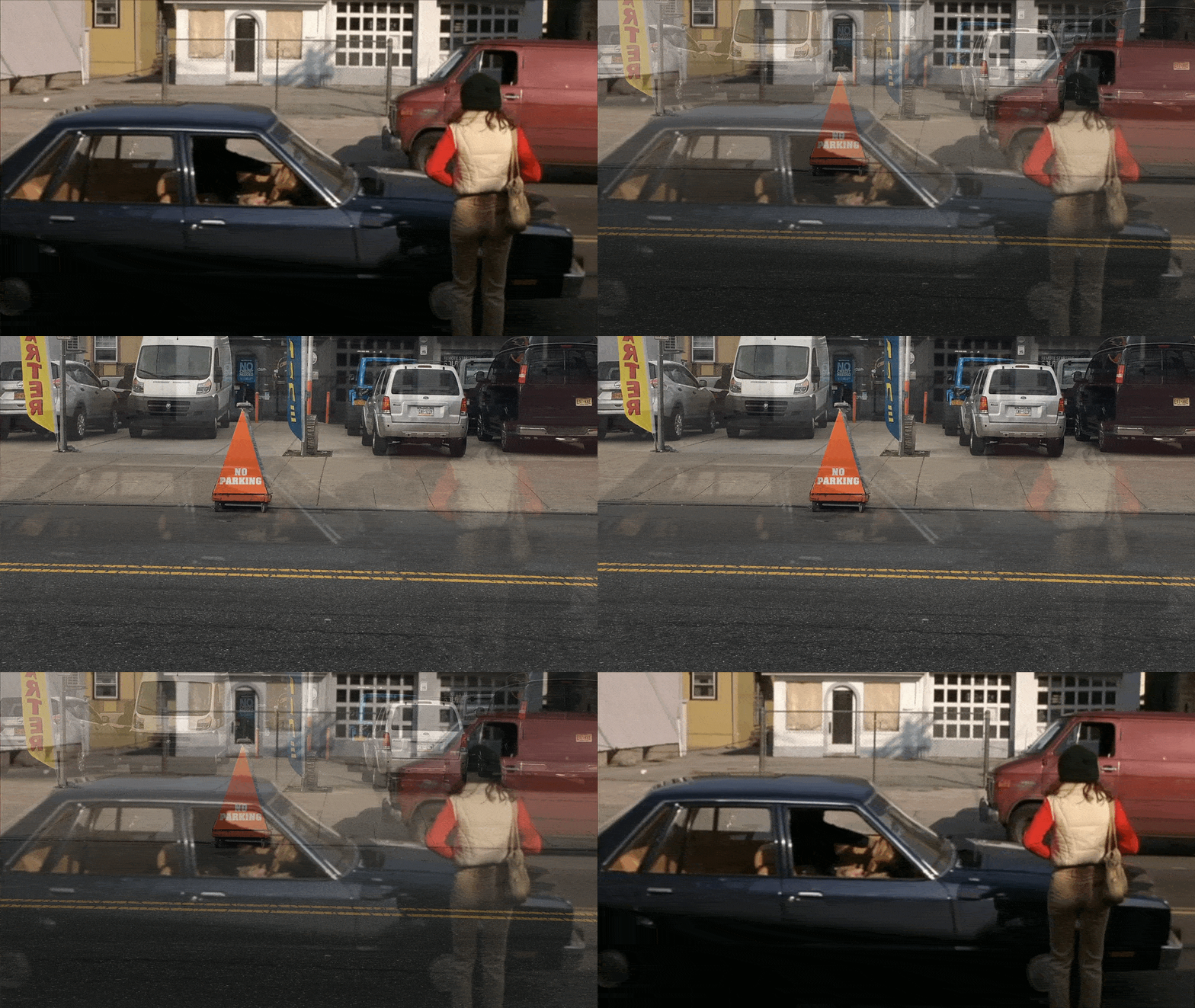
This short sequence of Amy going window shopping was basically made up of three different locations, all of which I figured took place on New Dorp Lane since that’s the major retail strip in that part of Staten Island.
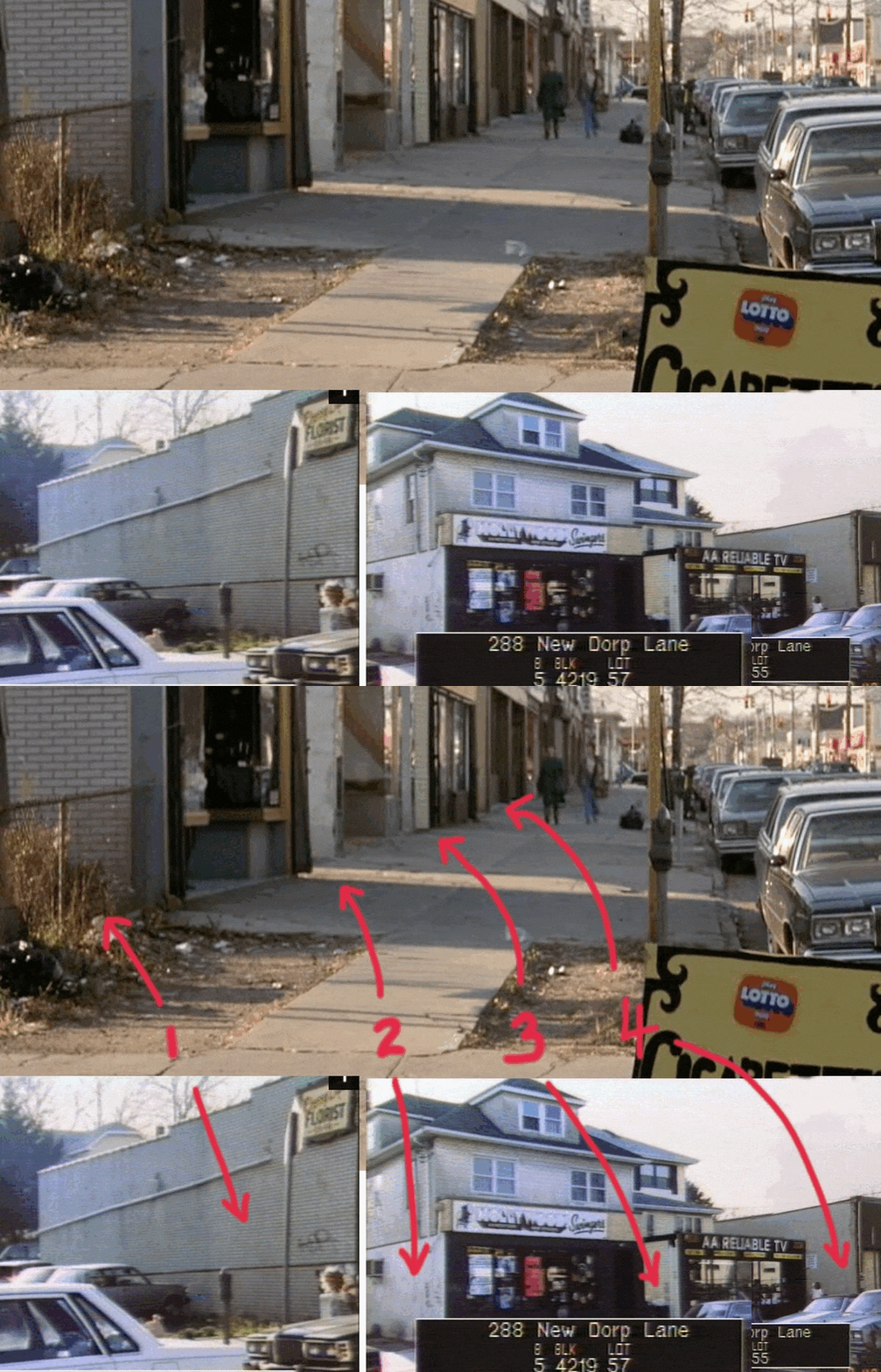
In the first shot where Amy passes a guy struggling with a parking meter, the location was a little tricky to figure out but I eventually got there. The biggest clue to go on was the open lot that appeared next to the actors.
After sifting through the 1980s tax photos of New Dorp Lane, I found one of an open lot at no. 294 whose neighboring building had a white brick wall that looked like the one in the film. Then, after looking at tax pics of other addresses on that block, I could see several matching elements, including a series of narrow alleyways in between the buildings.
The second bit where Amy looks at TV sets in a store window was the very last location I found for this film, and like the previous bit, I guessed it took place on New Dorp Lane. So, the first thing I did was virtually cruise up and down the street in Google Street View looking for a matching building. But after several passes, I couldn’t find anything that stood out.
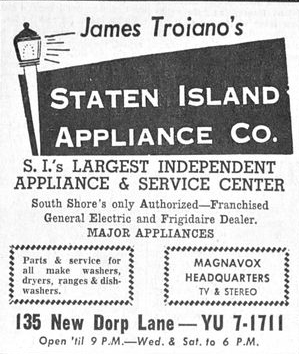
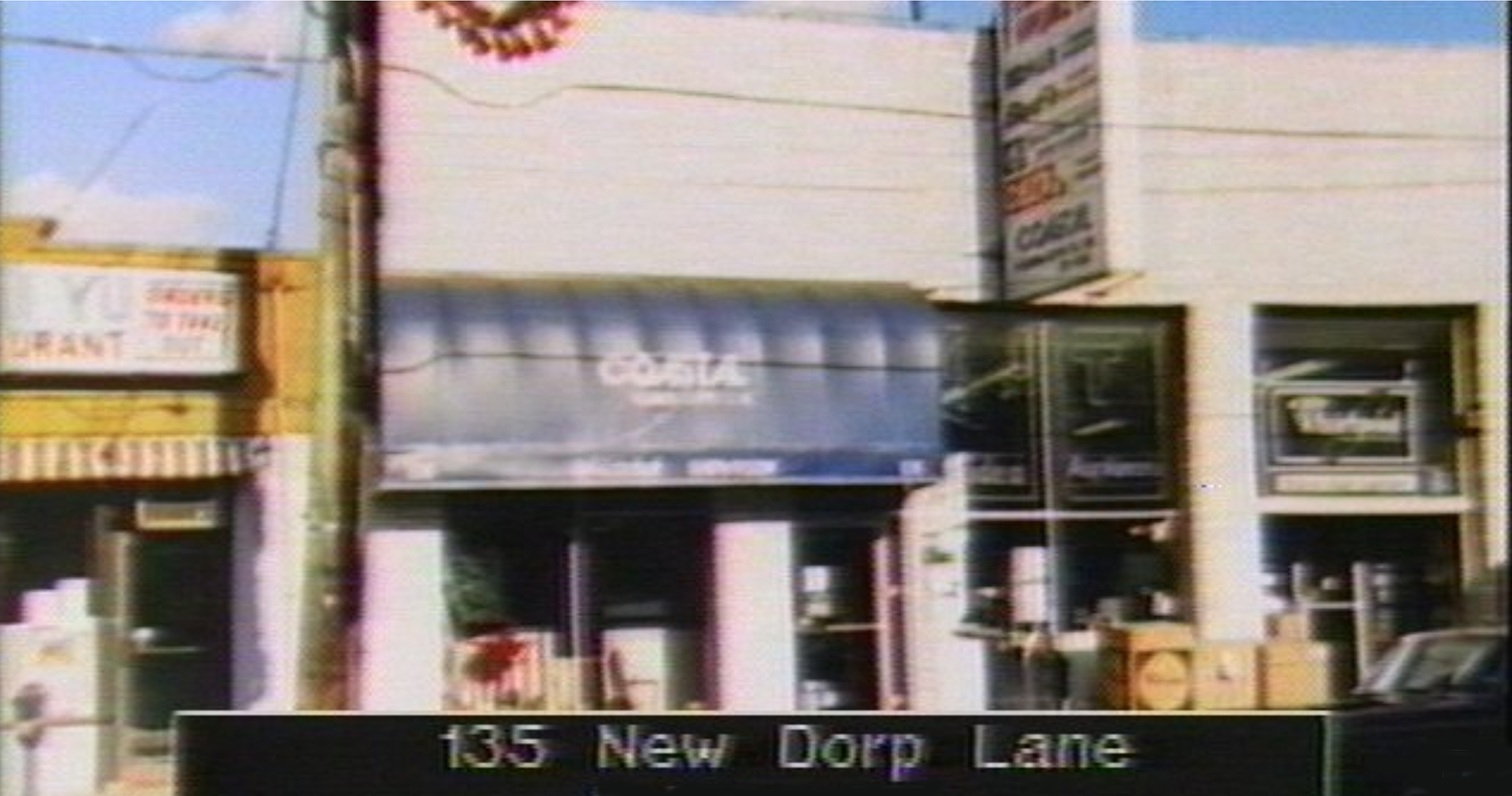
Next, I went through the 1980s tax photos of New Dorp Lane looking for a match, but again, nothing stood out. So I decided to see if I could dig up some info on any appliance stores that were in that neighborhood at the time. A couple keyboard clicks later, I found a 1966 ad for an appliance shop at 135 New Dorp Lane. The store seemed especially promising since its address was close to a couple other verified filming locations.
Even though the building that’s at no. 135 today looks very different from what was in this scene, I knew it could’ve gotten a major renovation since the winter of 1979. By the looks of the 1980s tax photo of that address, there was still an appliance store there, but it was hard to tell if it was the same one from the film.
That’s when I decided to focus on the reflection in the store window and see if the buildings across from 135 New Dorp Lane looked similar. While the reflection in the glass was a little hard to see, I could make out several matching details from across the street, making me confident I found the right appliance store.
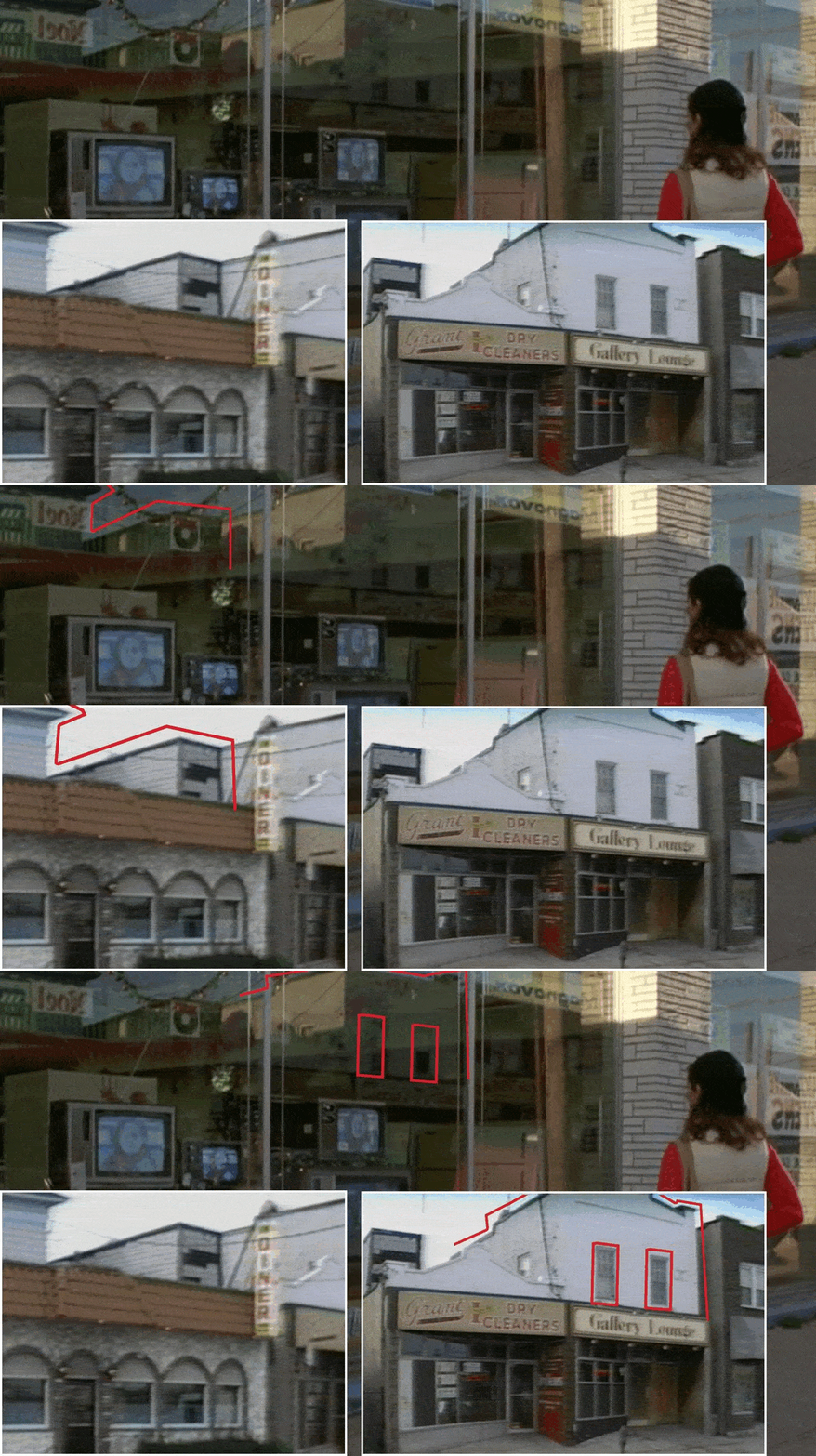
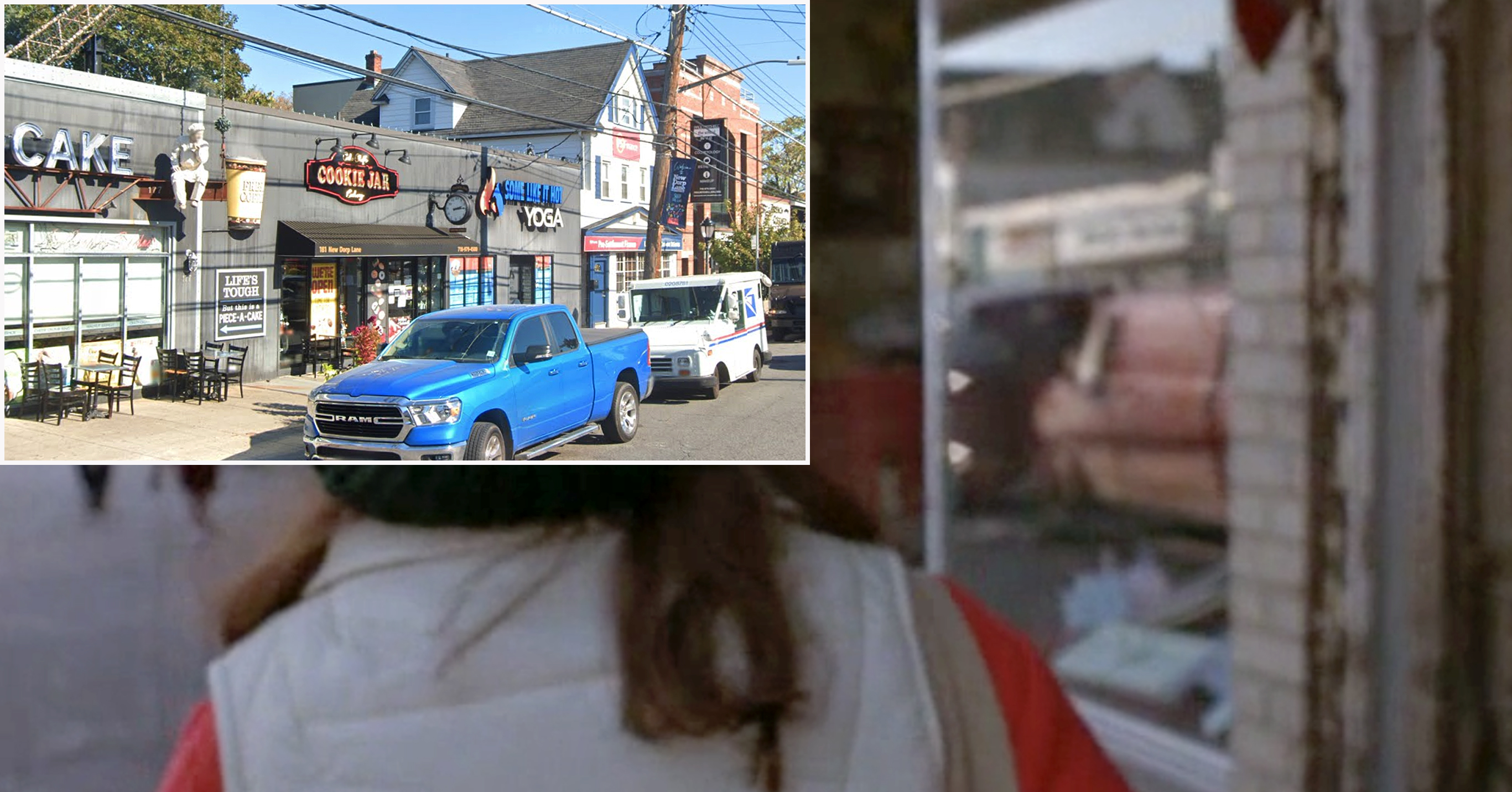
When it came to the third bit from this sequence where Amy gazes into a little bridal shop, it turned out to be the easiest to find. This was thanks to what looked like the bottom of a large marquee next door, which I assumed was the old Lane Theatre.
To further confirm things, I matched up the extant building at 183 New Dorp Lane with what appeared in the reflection of the bridal store’s window.
As a nice little bonus, I also found a 1990 ad for a business called the Wedding Place, whose address was 166½ New Dorp Lane, verifying that there was a real bridal shop in the building adjacent to the Lane Theatre.
Ice Cream Shop
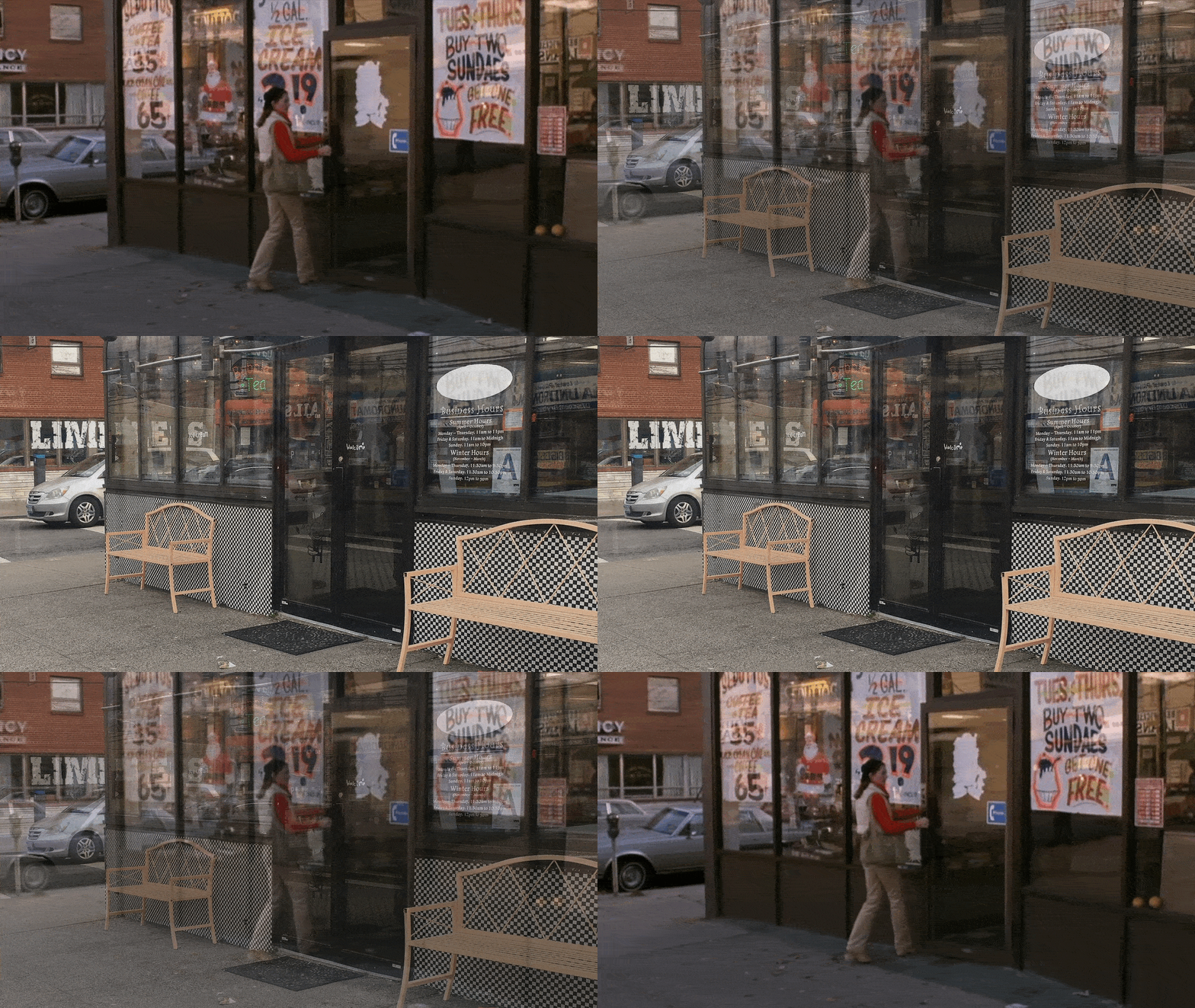
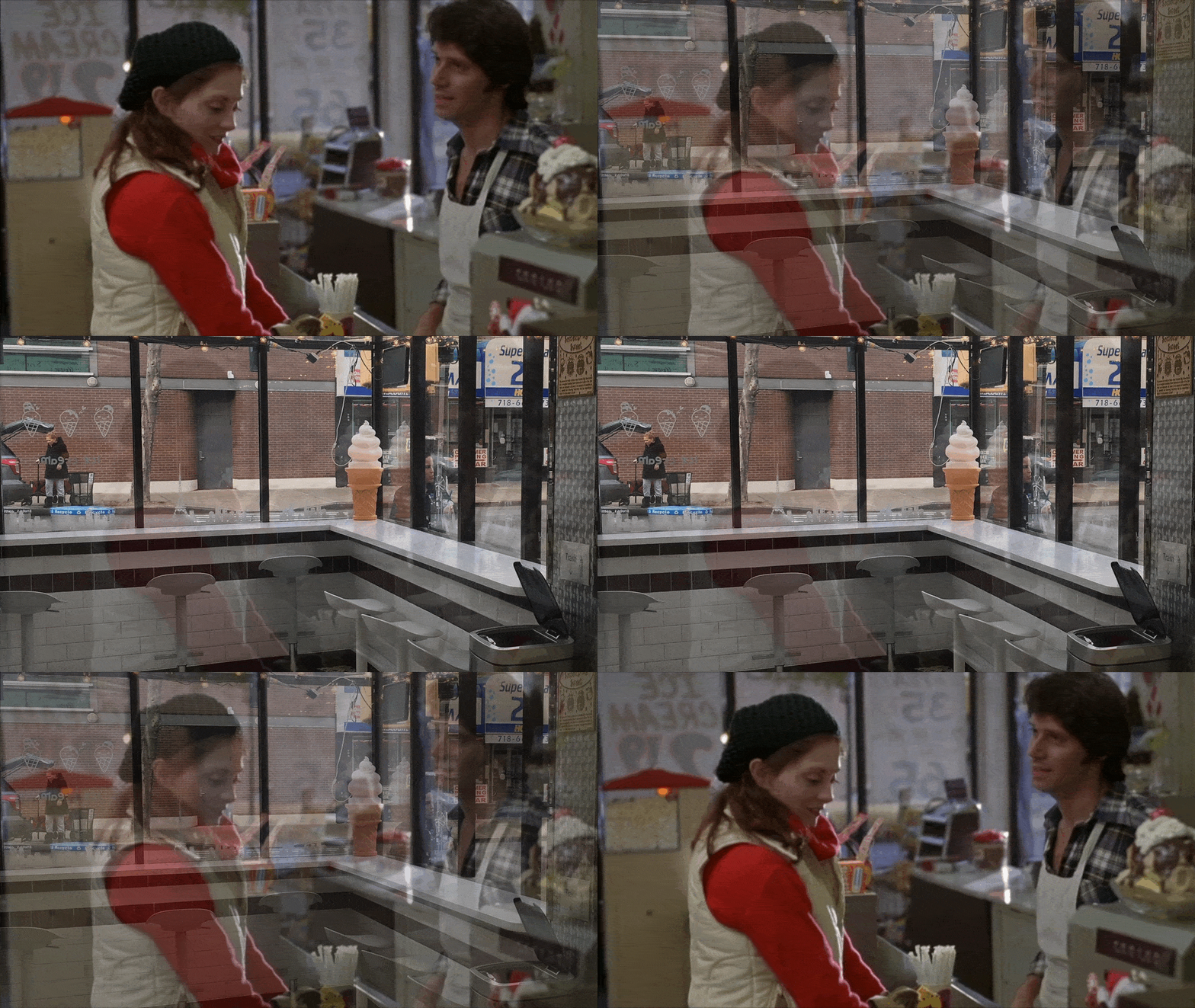
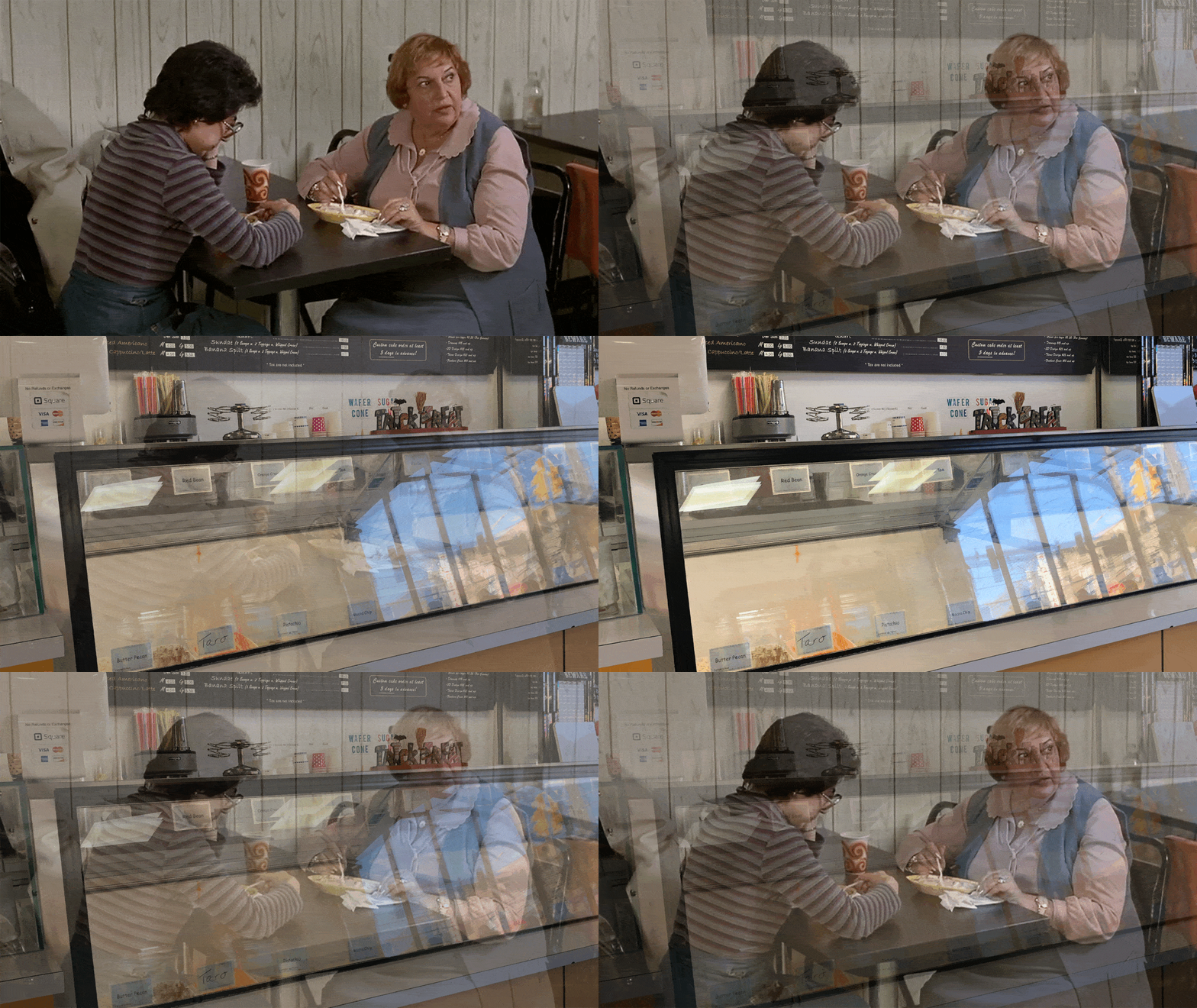
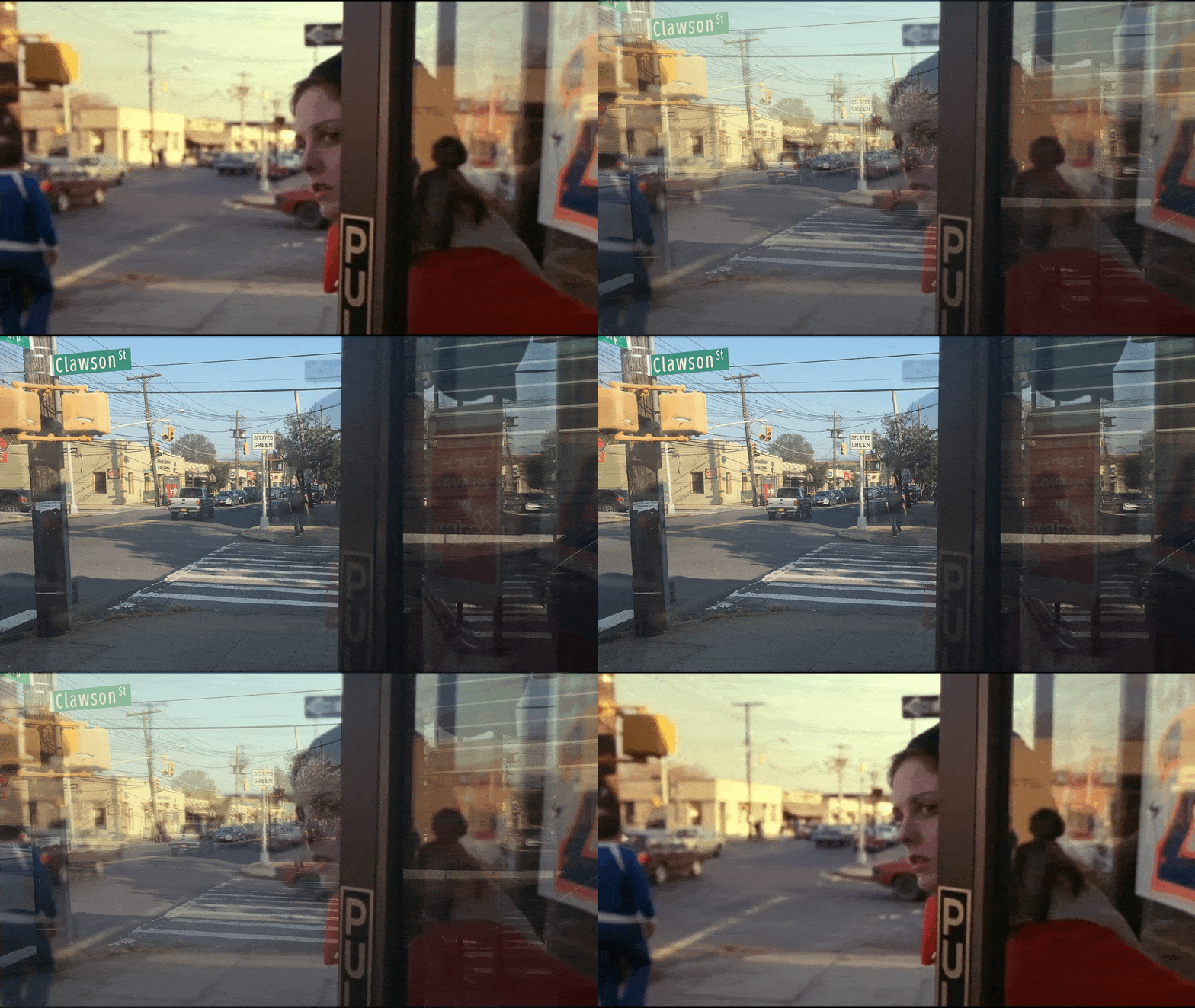
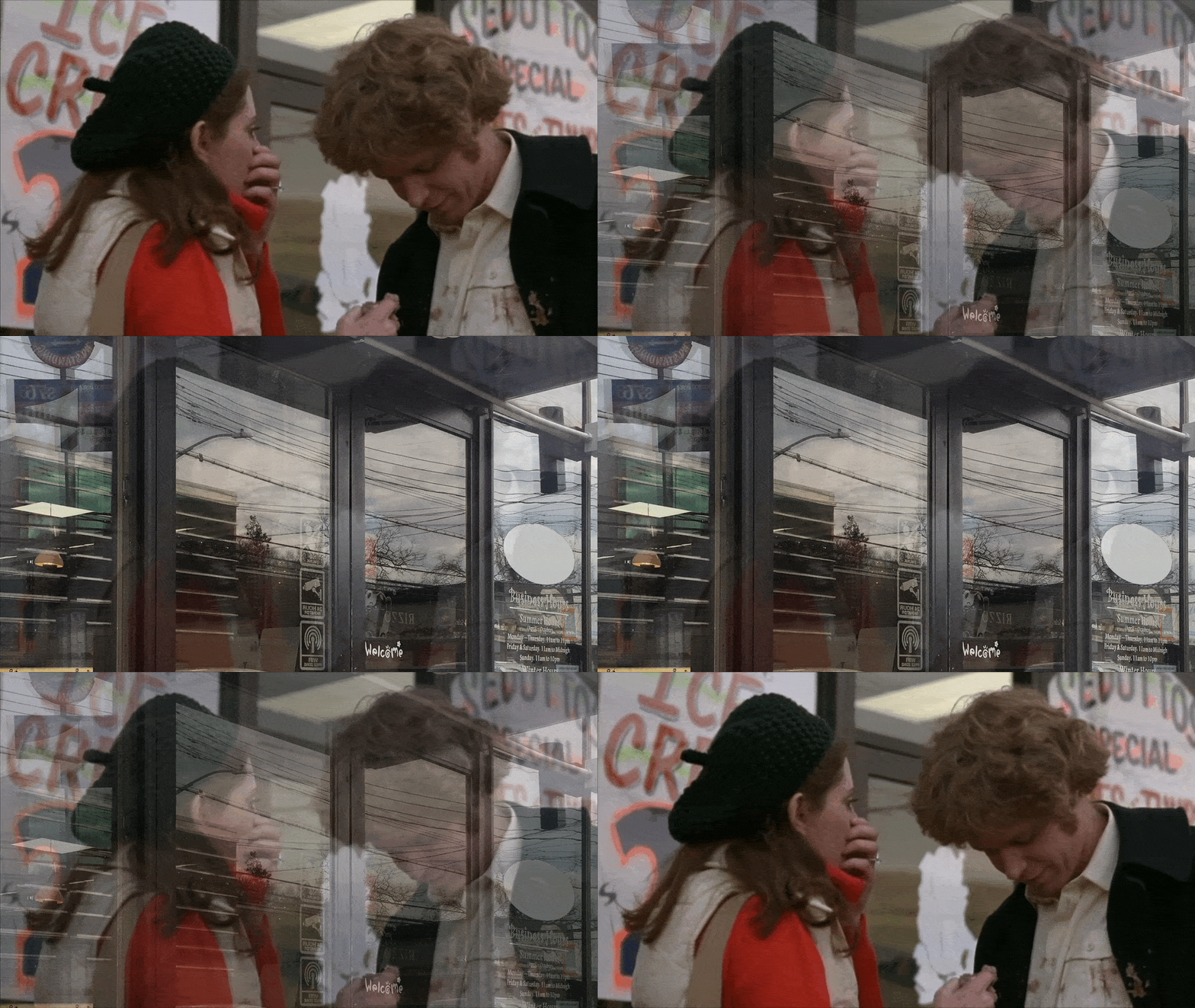
This ice cream shop was one of a few locations already identified on IMDb, which at the time I started researching this film, was the only website that had any specific addresses listed for it.
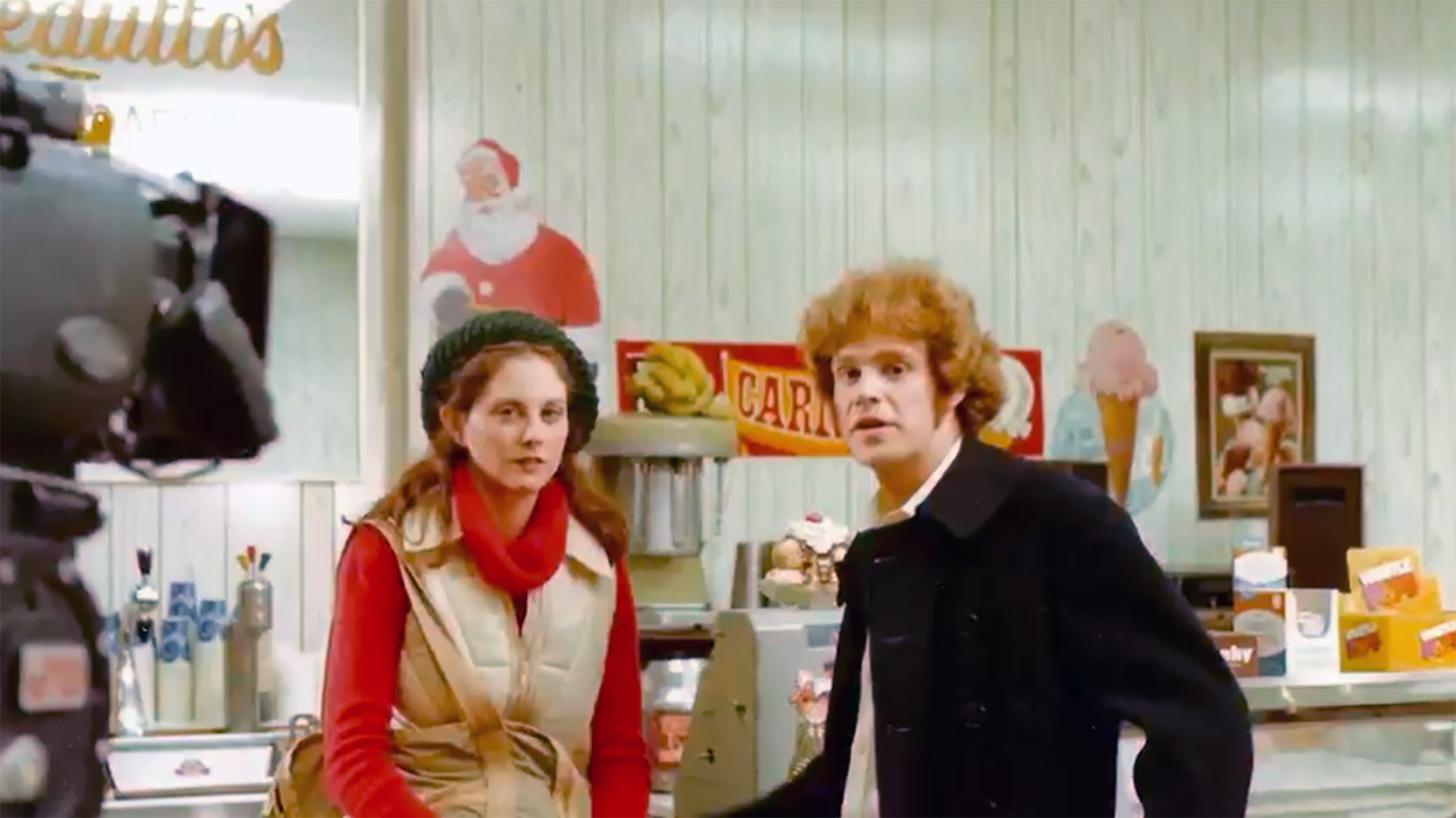
It was pretty easy to confirm, especially since there’s still an ice cream shop there today, although the name has since changed.
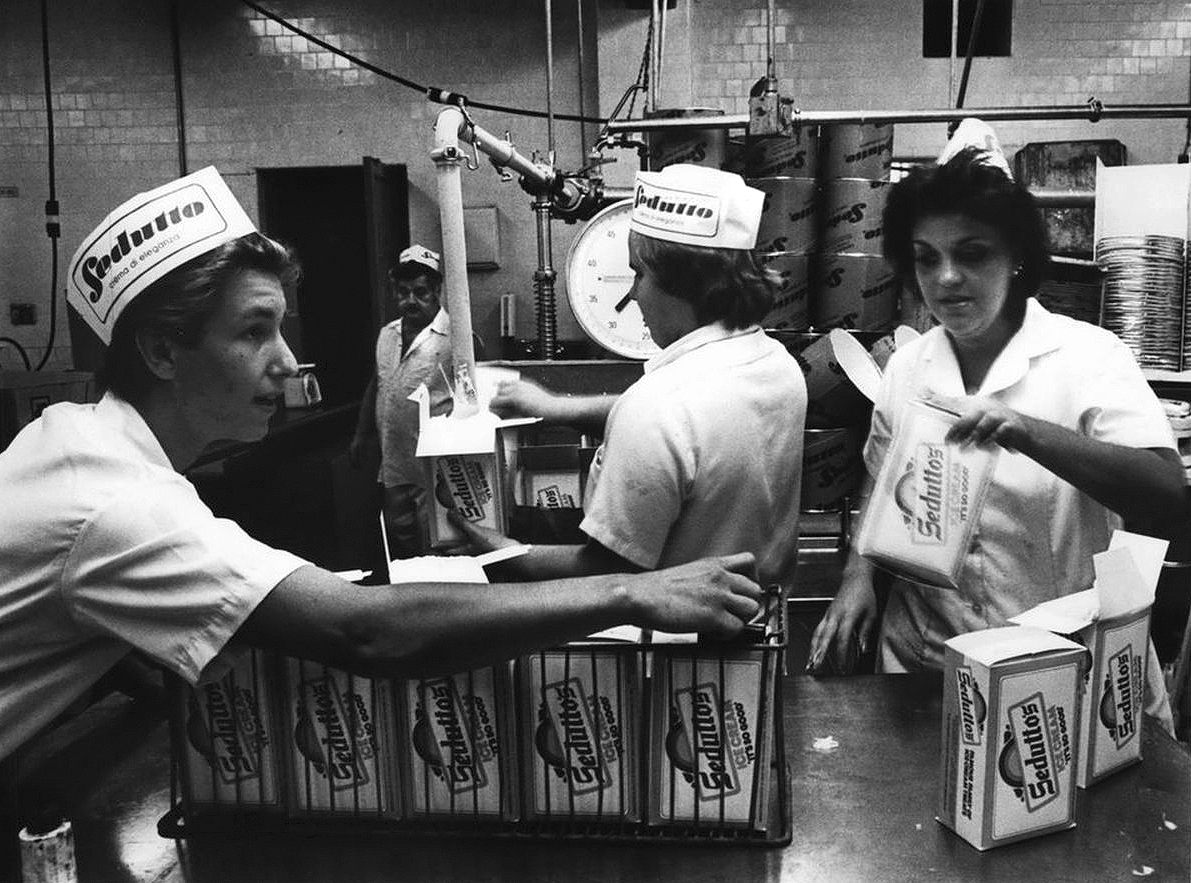 Prior to 2009, the corner building was home to Sedutto’s, a local ice cream chain that was first established in Manhattan in 1922 by Italian immigrant, Joseph Sedutto. In the 1930s, the business expanded to Staten Island and eventually opened a retail space at 314 New Dorp Lane sometime in the late-40s/early-50s.
Owned and operated by the Sedutto family for several decades, the business was a favorite for locals, particularly for its ice cream party cakes (which were delivered with small pieces of dry ice, offering the customers a little smokey fun when they added it to water).
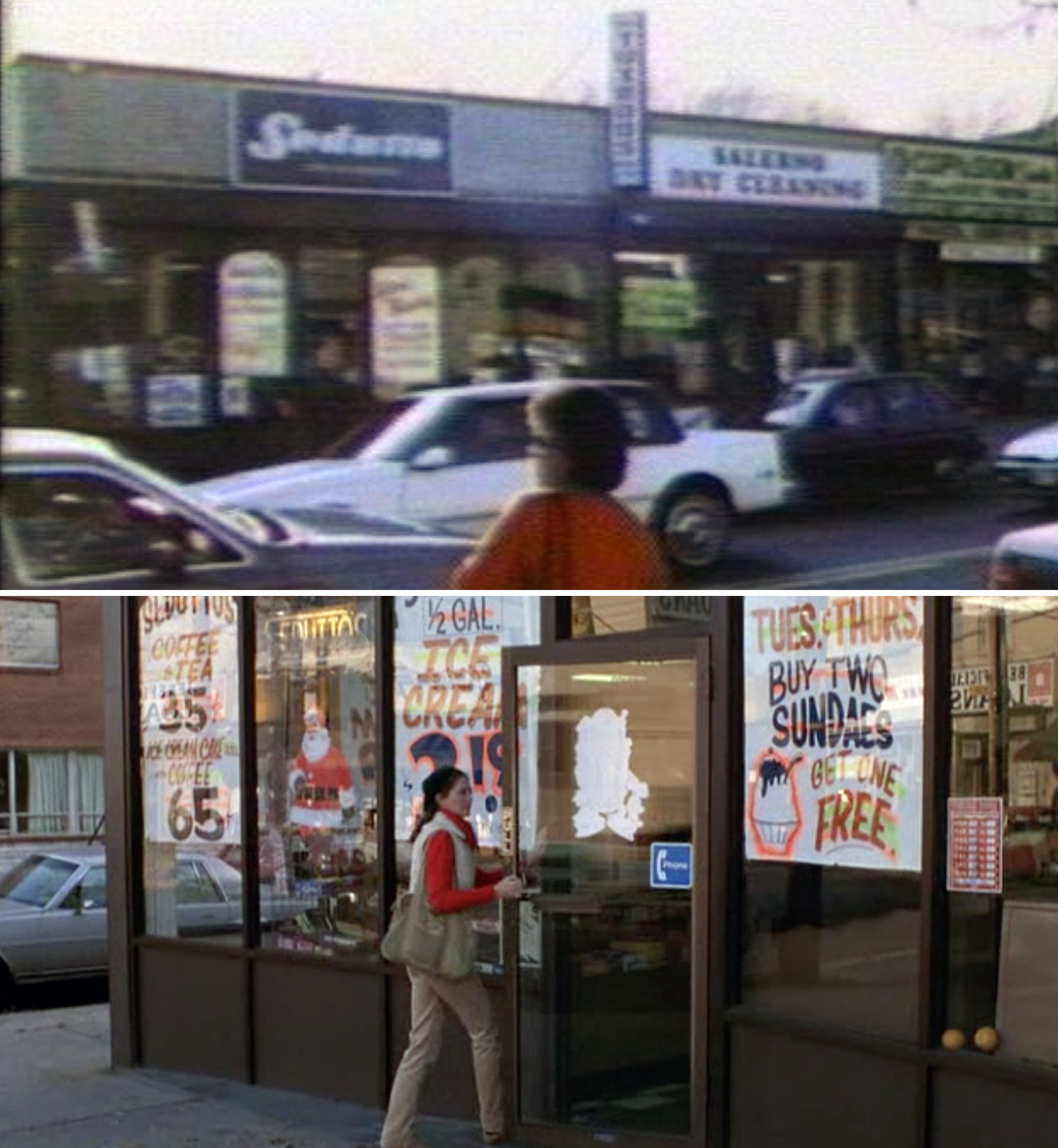
By the 1980s, Sedutto had nine locations in the New York area as well as one shop in Alexandria, Virginia.
In 1992, the New Dorp location encountered a bit of a setback when the building collapsed after a driver lost control of his car and careened into it. Nobody inside the parlor was hurt, but a 45 year old pedestrian was injured when he became pinned between two cars.
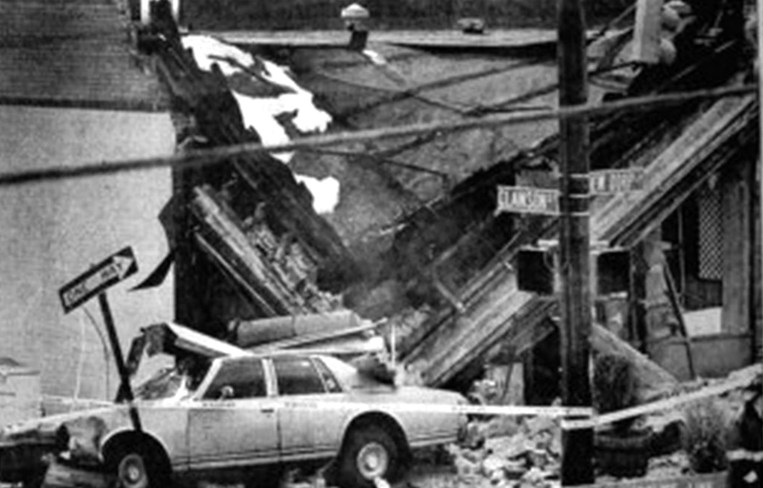
The corner building was subsequently rebuilt, but by the mid 2000s, operation costs were becoming too burdensome for its local owners.
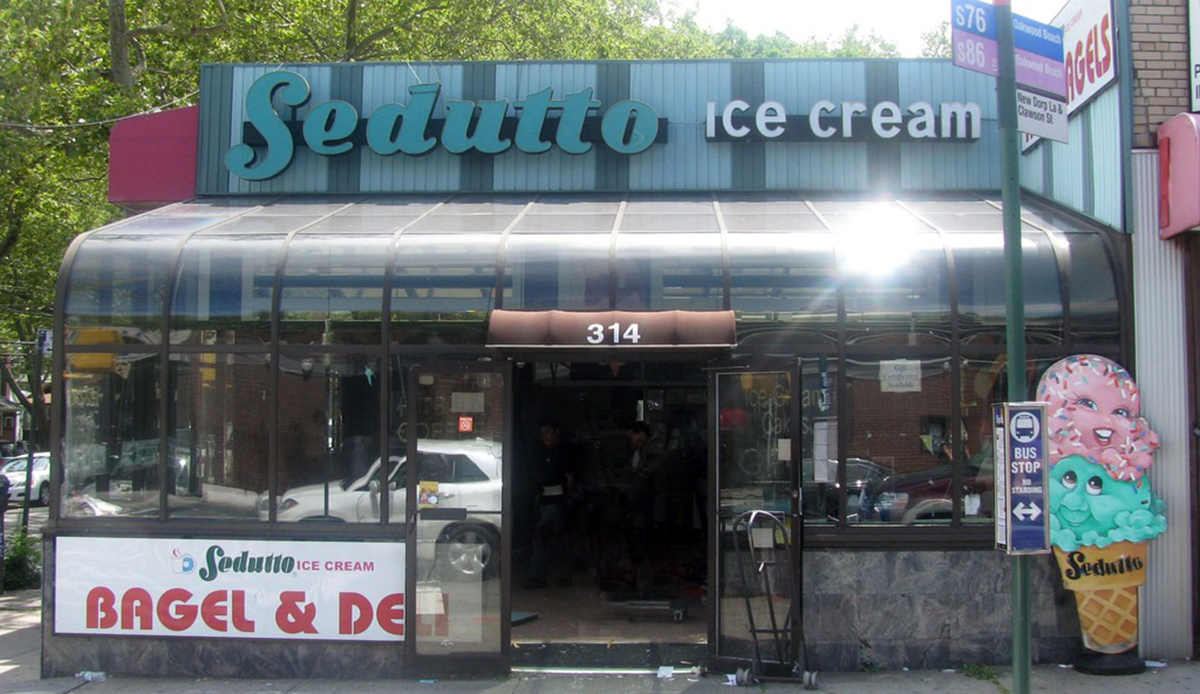
In the summer of 2008, the shop owners decided to close their Staten Island location. Today, all that’s left of this century-old ice cream franchise is one lone shop up on First Avenue (whose signature dish is a rum-based Hotel Black Bottom Pie).
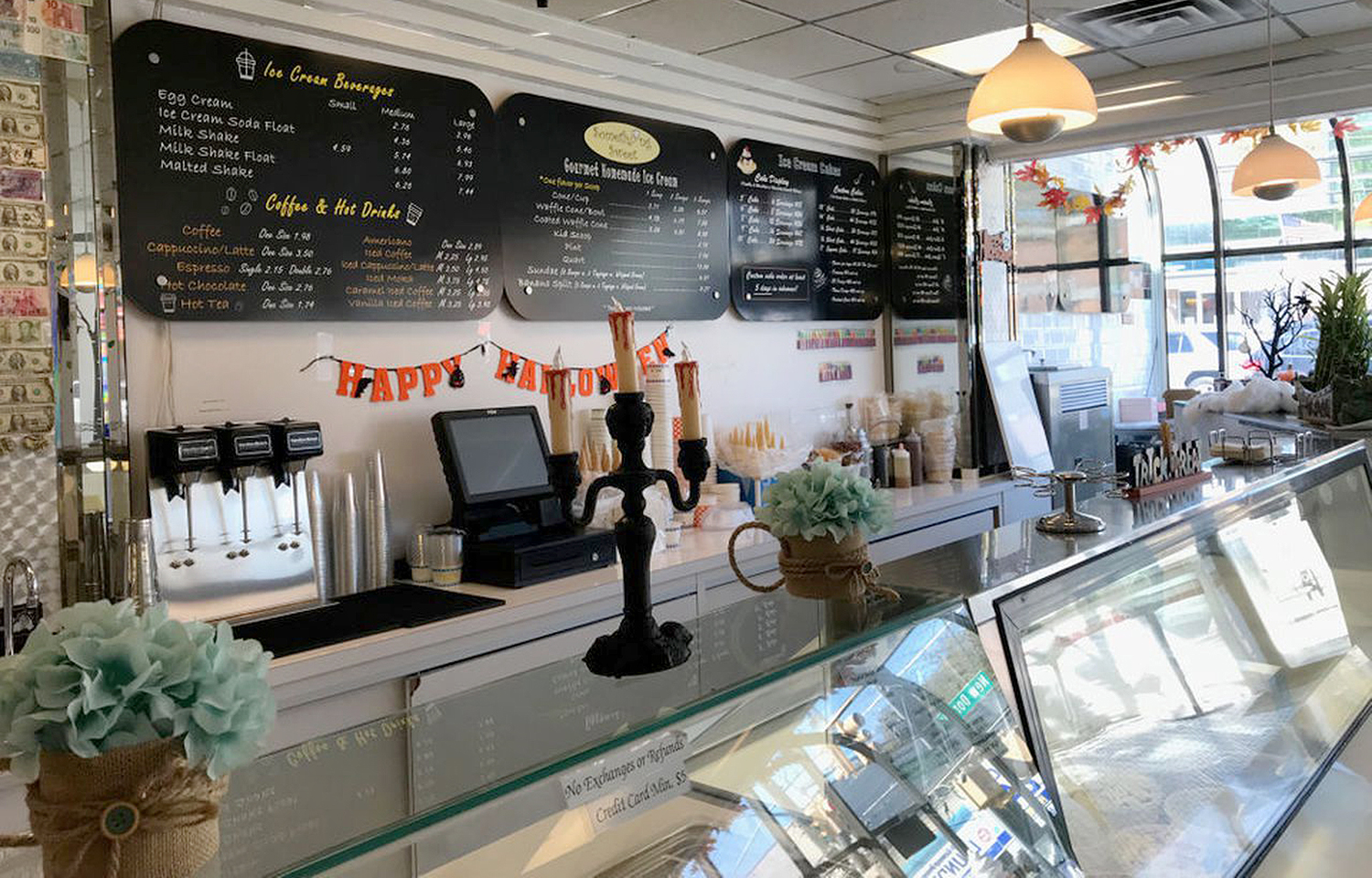
The ice cream shop that’s on New Dorp Lane today —Something Sweet Homemade— opened in 2011 and seems to be a popular destination. Whenever I find myself in that neighborhood, I always make a point to stop there (even if it’s in the dead of winter) and enjoy a little local Staten Island hospitality.
Bridal Shop
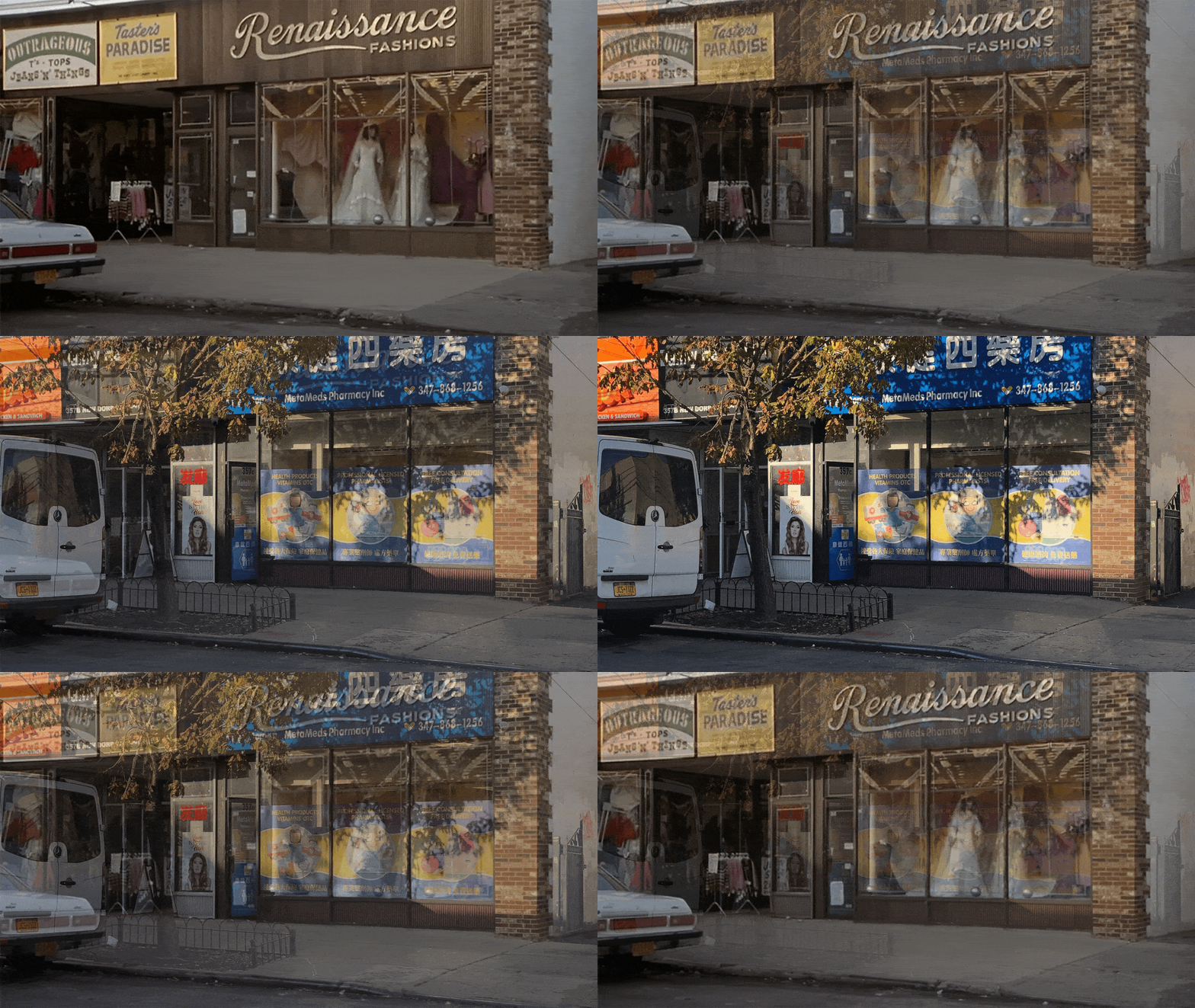
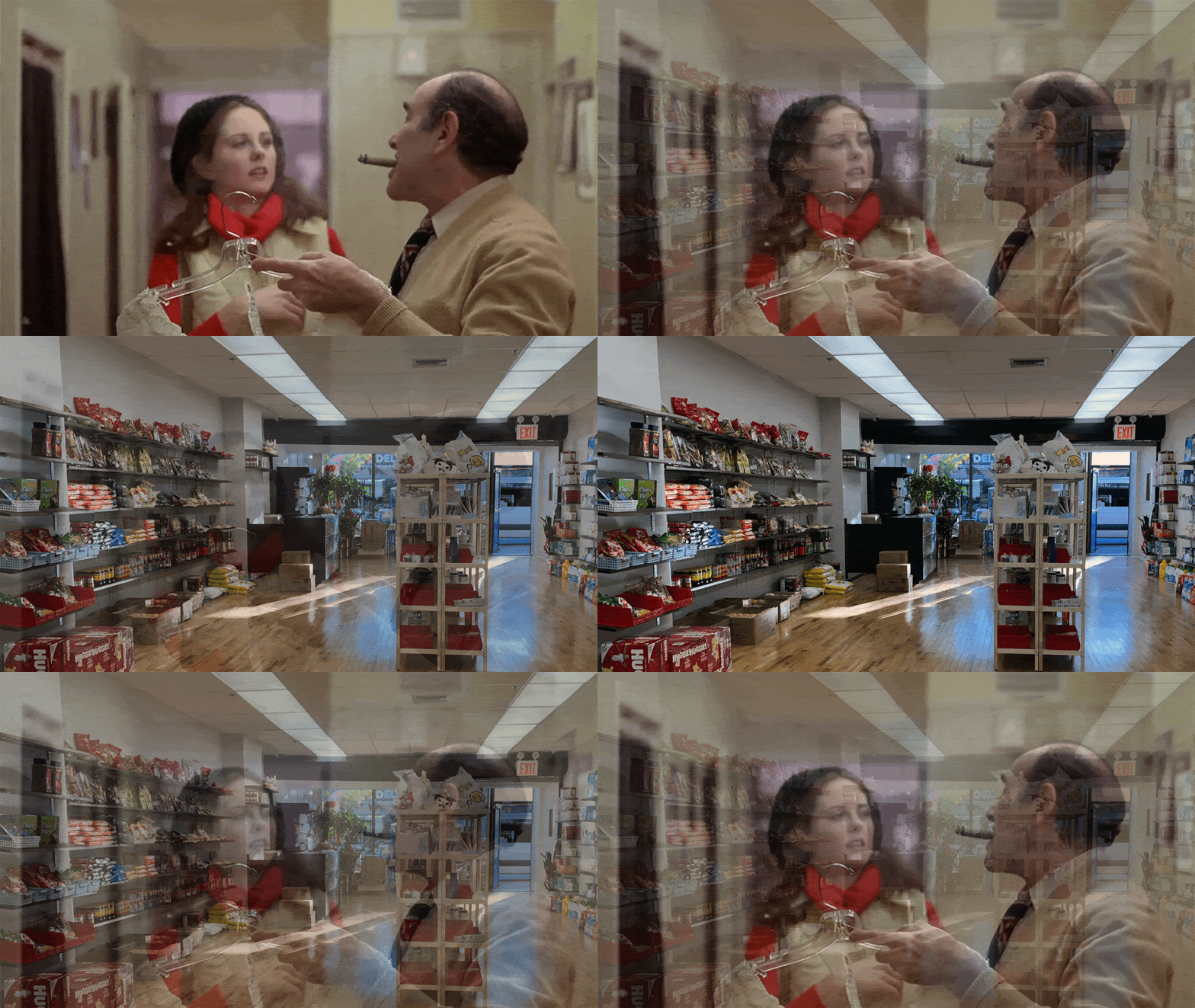
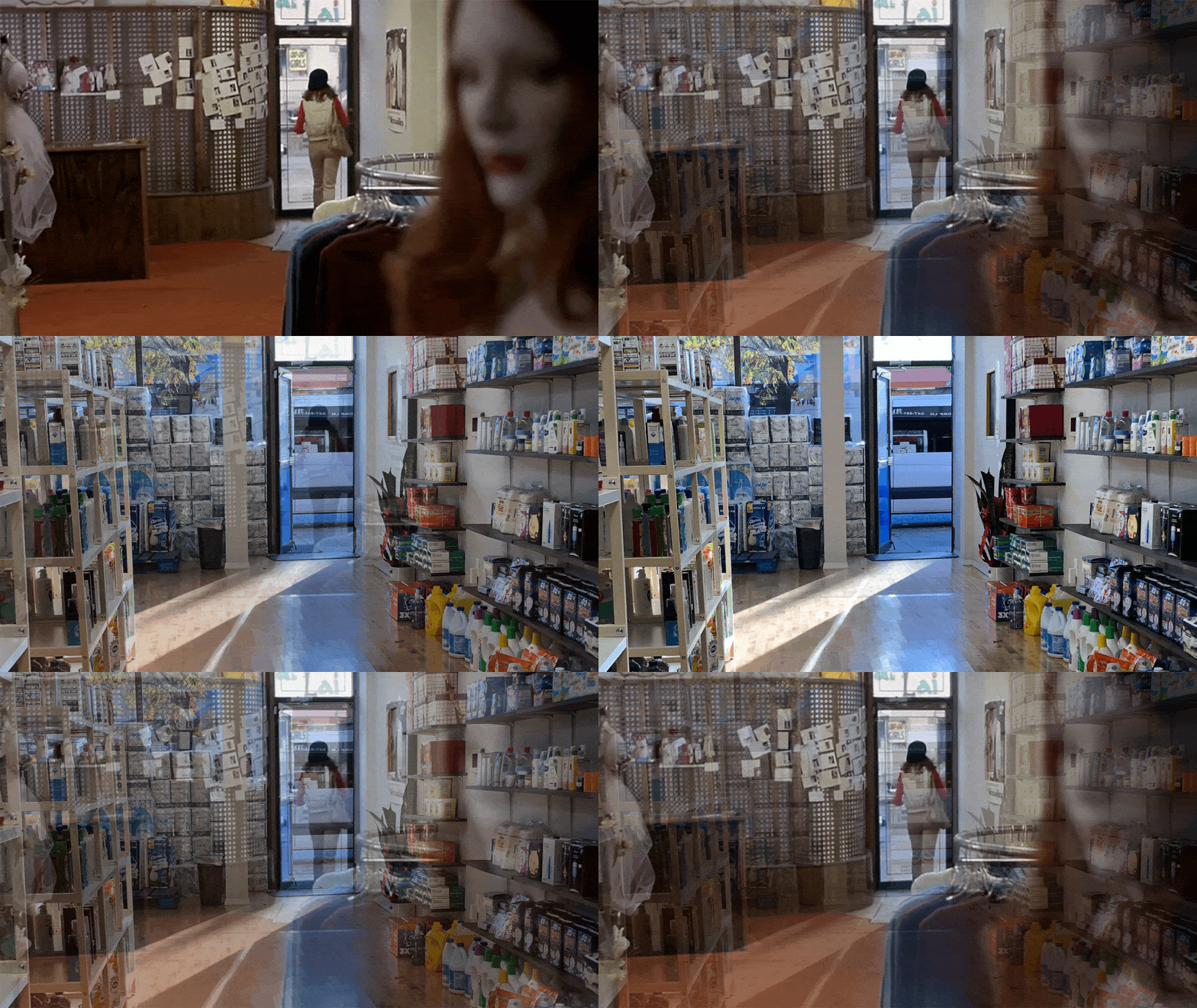
This is another filming location already listed on IMDb, and once I dug up a 1980s tax photo of the address, I was convinced it was correct.
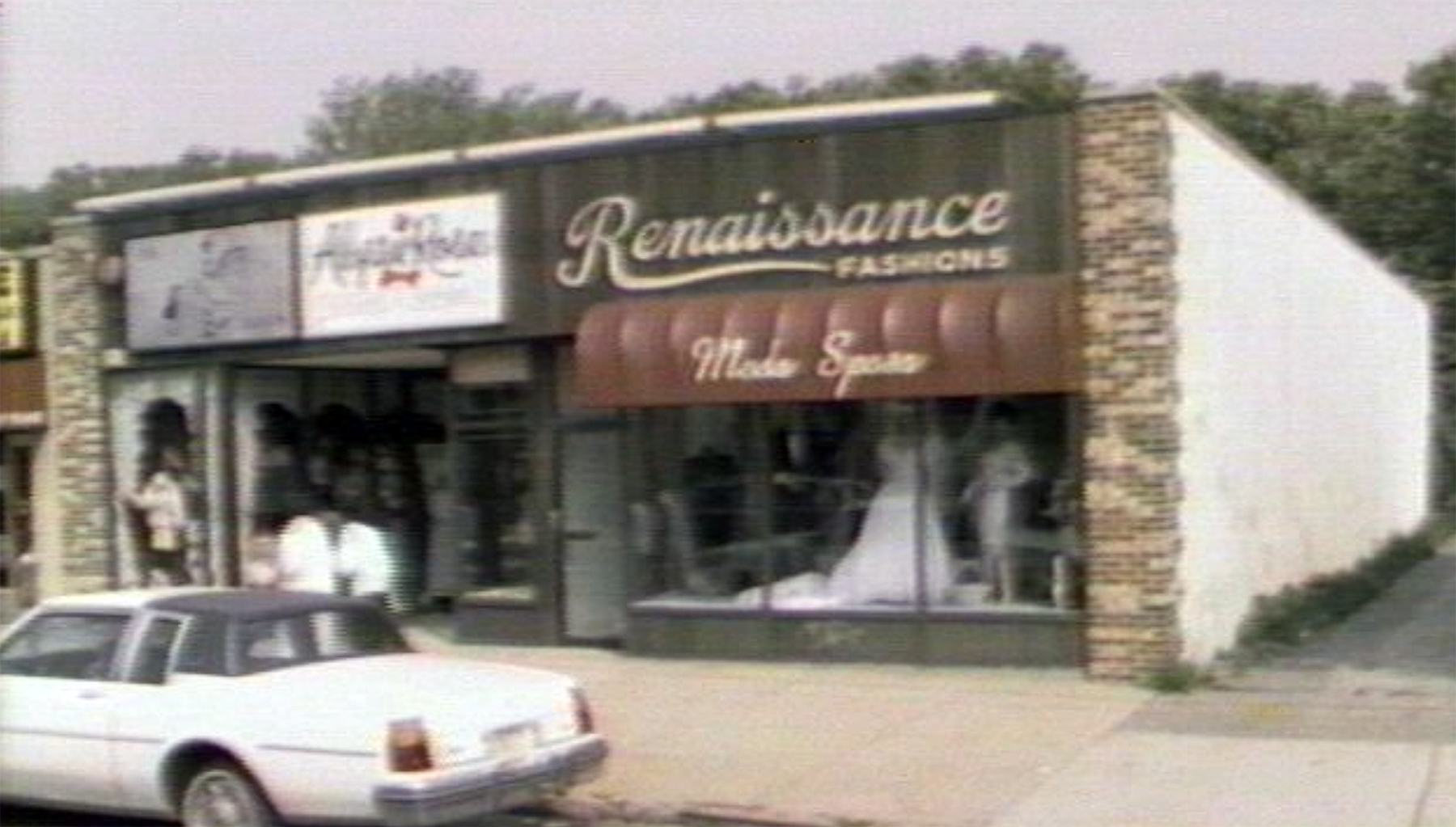
However, I couldn’t dig up much background on the former Staten Island bridal shop, Renaissance Fashions. The only thing I found was a 1979 print ad from the Daily News, promoting an upcoming fashion show they were hosting in their store.
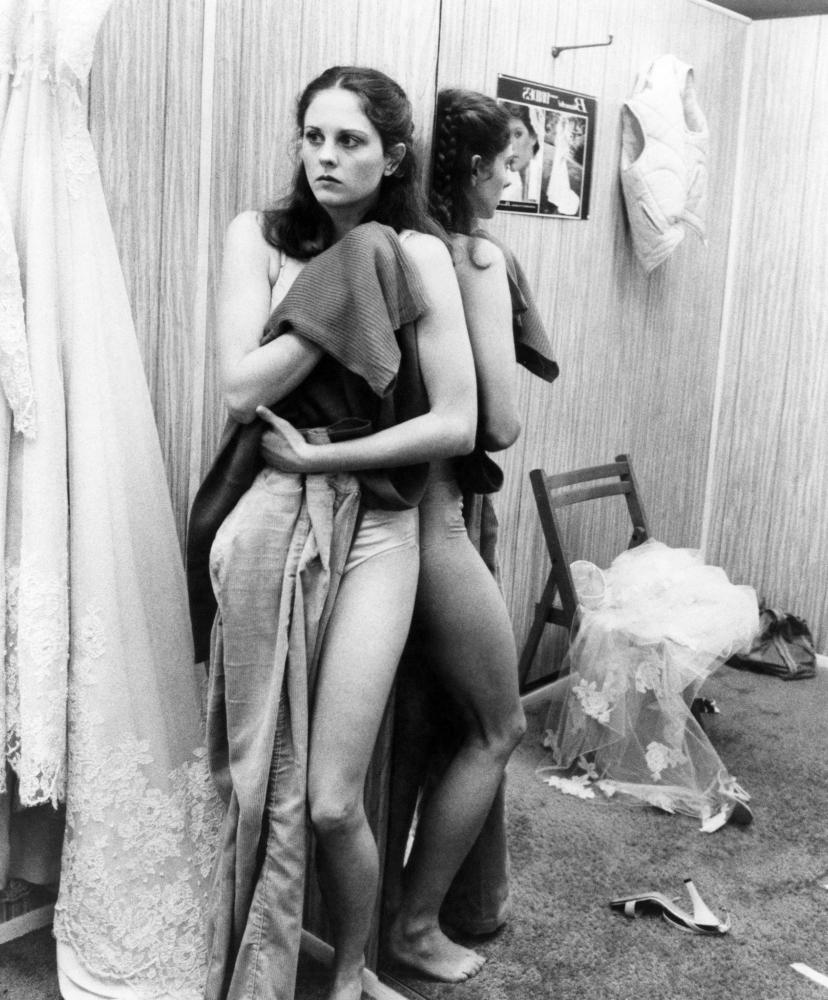
I also found a 1977 news article about a fire breaking out at the Hai Lai nightclub — a place that can be seen across the street when Caitlin O’Heaney exits Renaissance. An elderly woman who lived in the apartment above Hai Lai died in the fire, despite attempts by Mike Moudatsos, owner of the Greek diner next to the bridal shop, to reach her with a ladder. According to the news article, Moudatsos and one of his customers helped others escape the fire by breaking their falls when they jumped from the building.
Ironically, Moudatsos’ long-serving diner, Mike’s Place, closed its doors in 2017 after a fire broke out there.
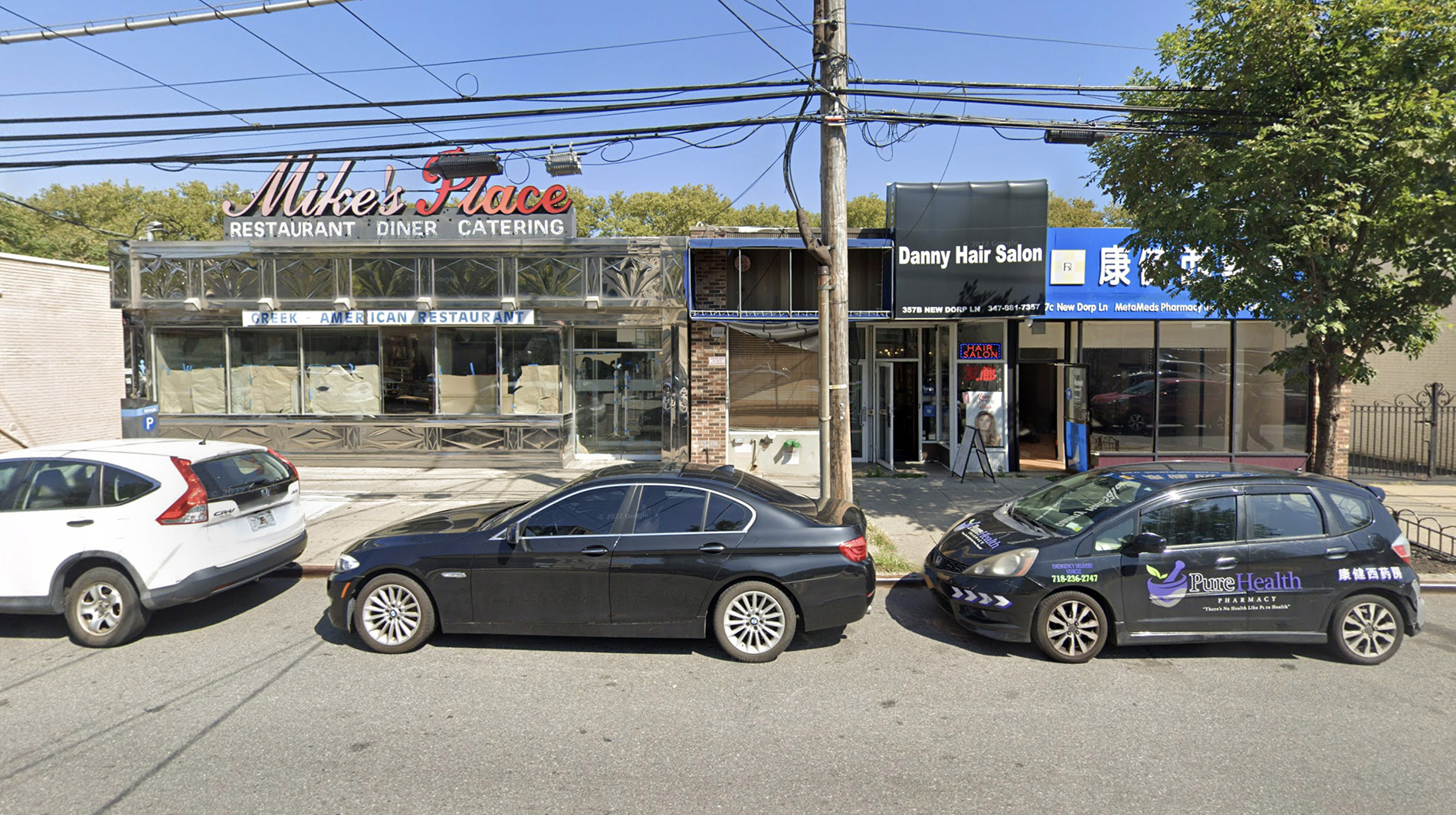
Not sure when Renaissance Fashions closed, but for a long time, the retail space was home to another local dance studio. Then in 2022, it became a pharmacy specializing in Chinese medicine, catering to the recent influx of Asian-American residents to the neighborhood (a 200% growth over the last ten years).
Church
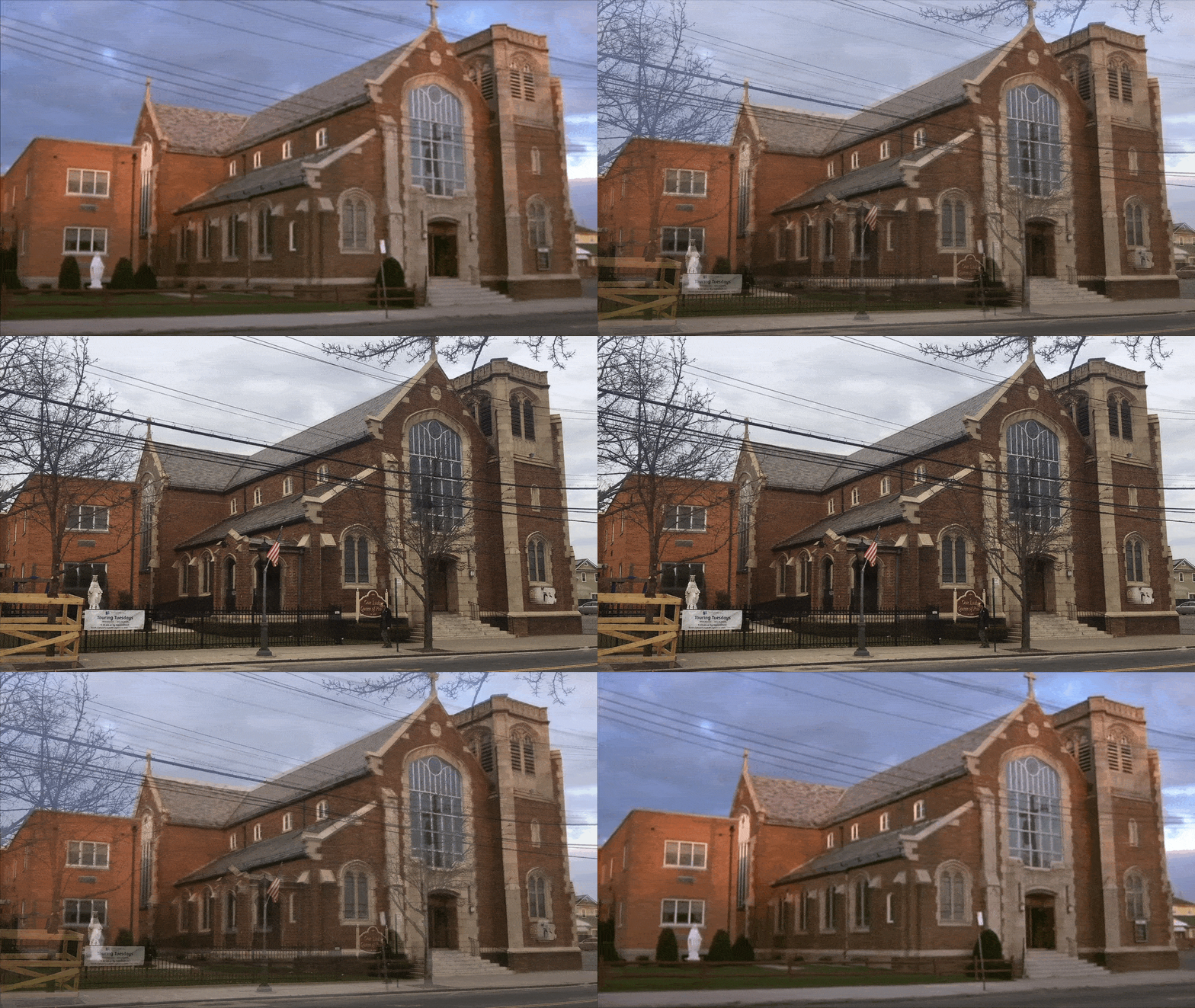
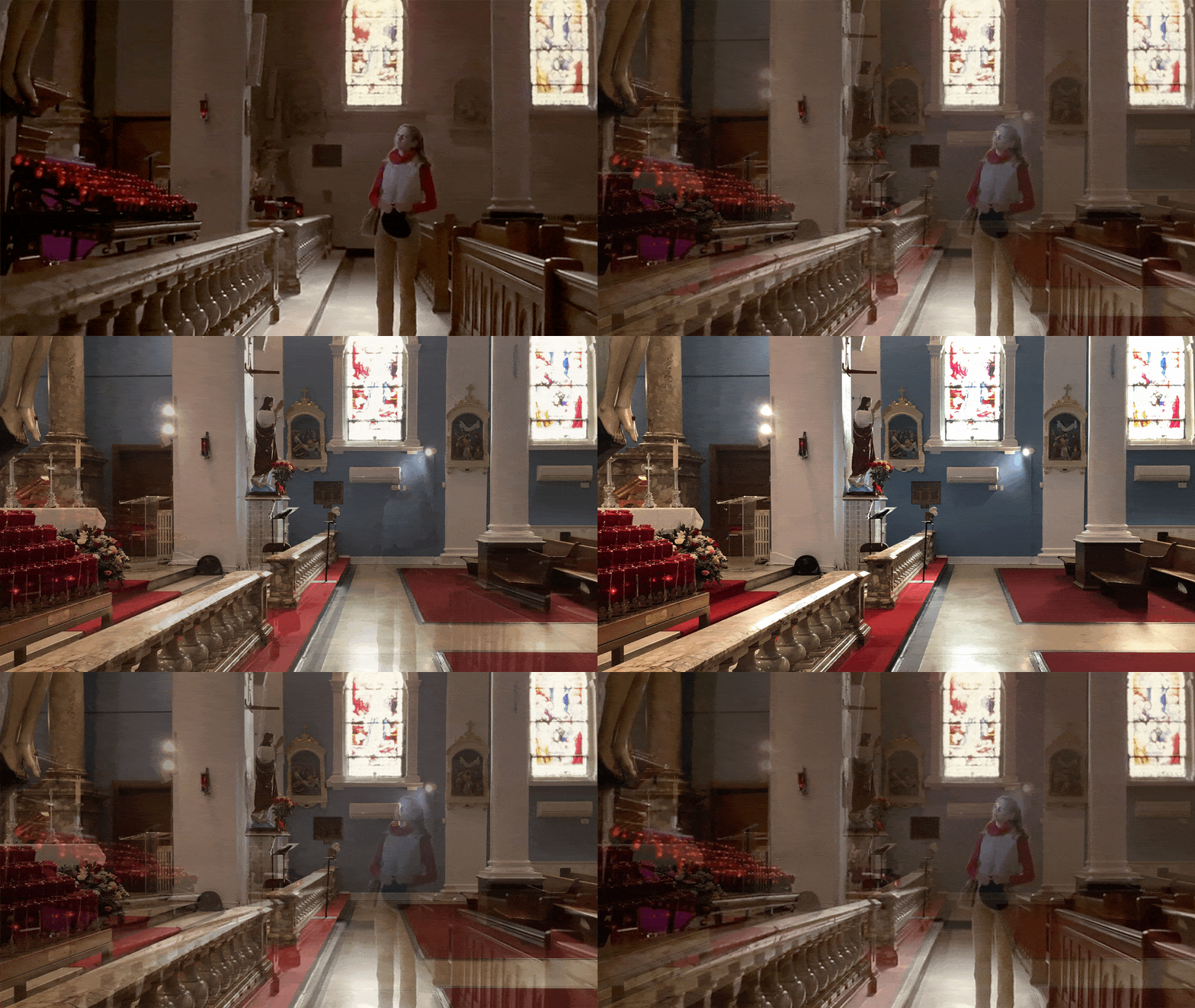
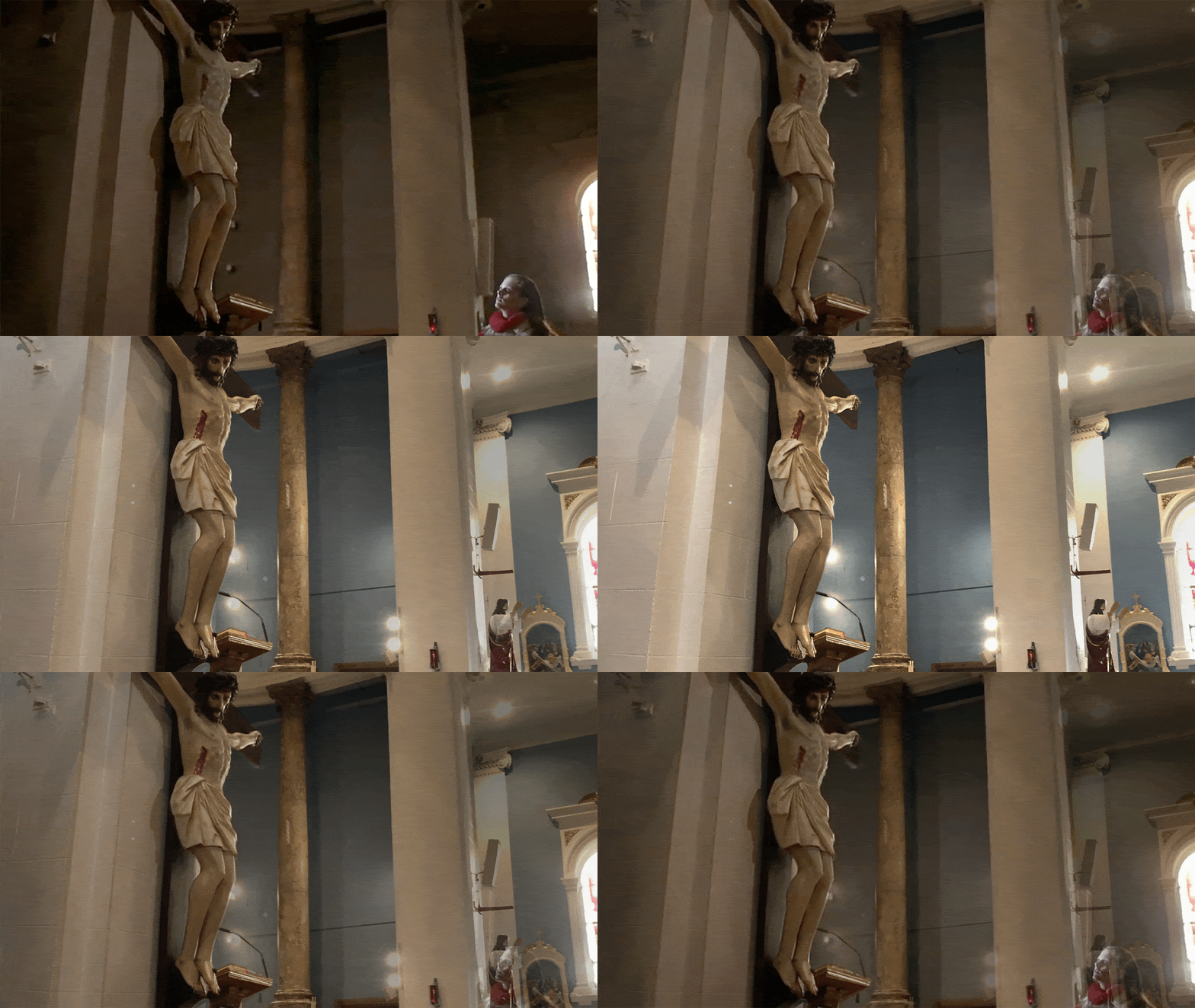
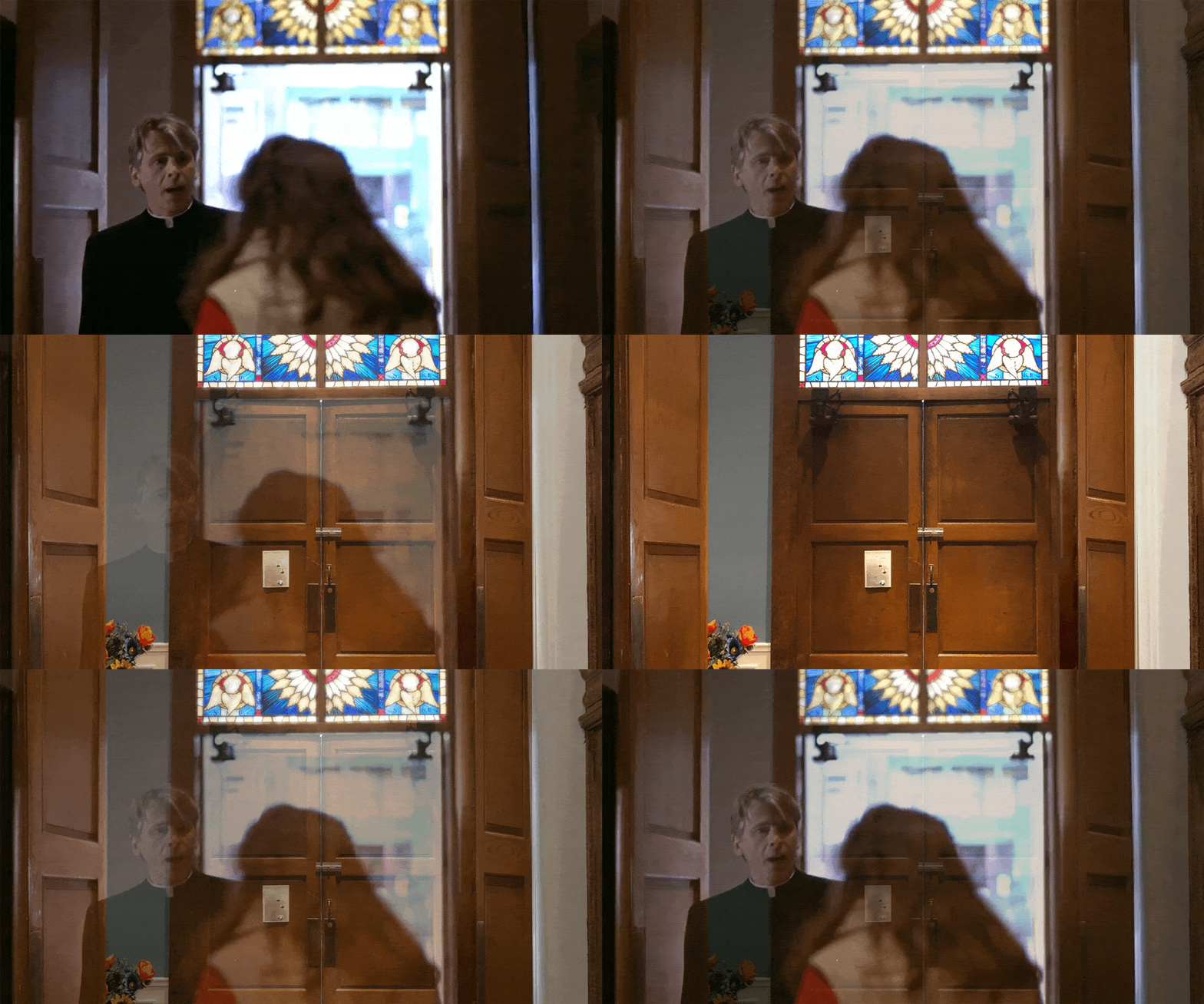
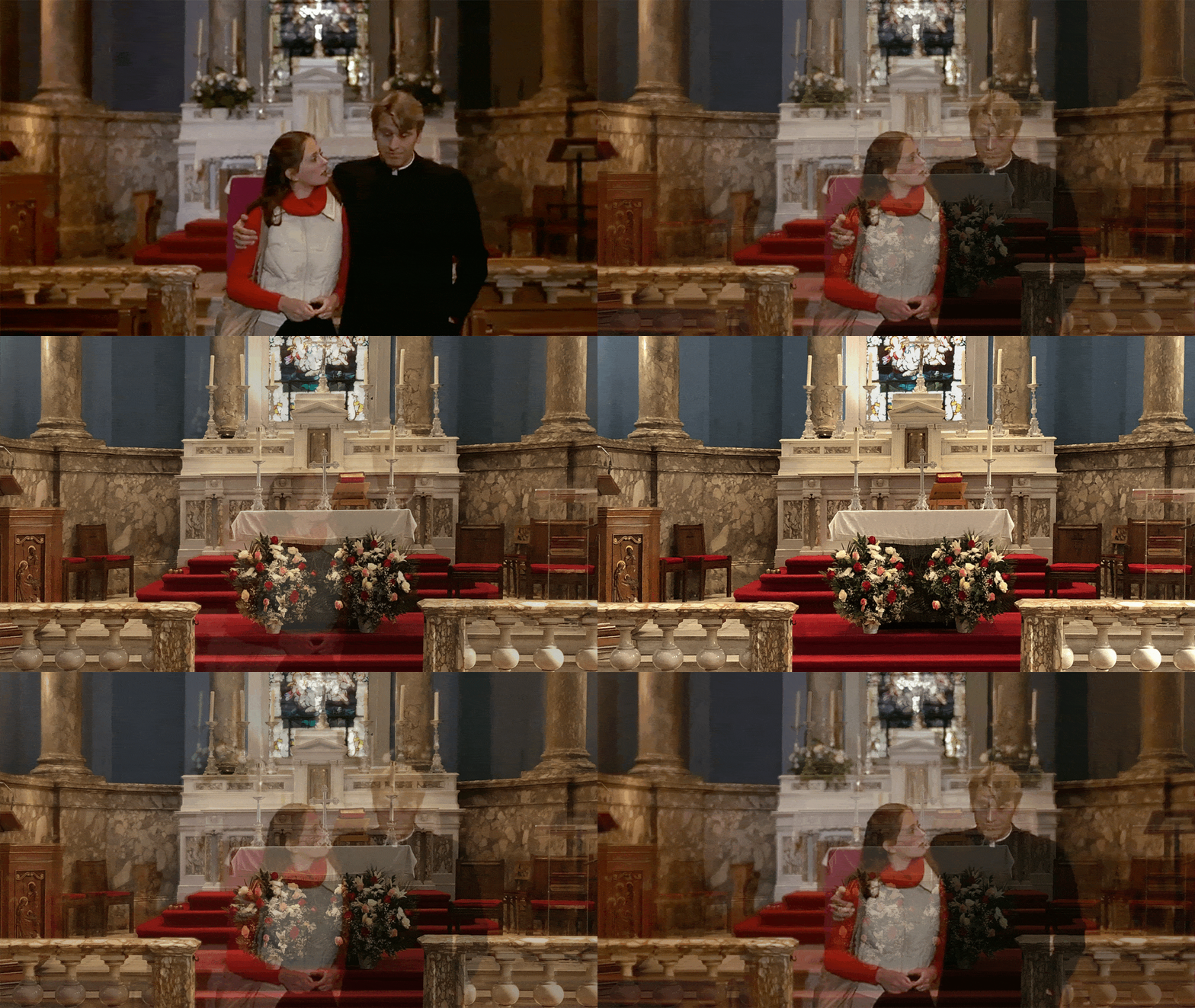
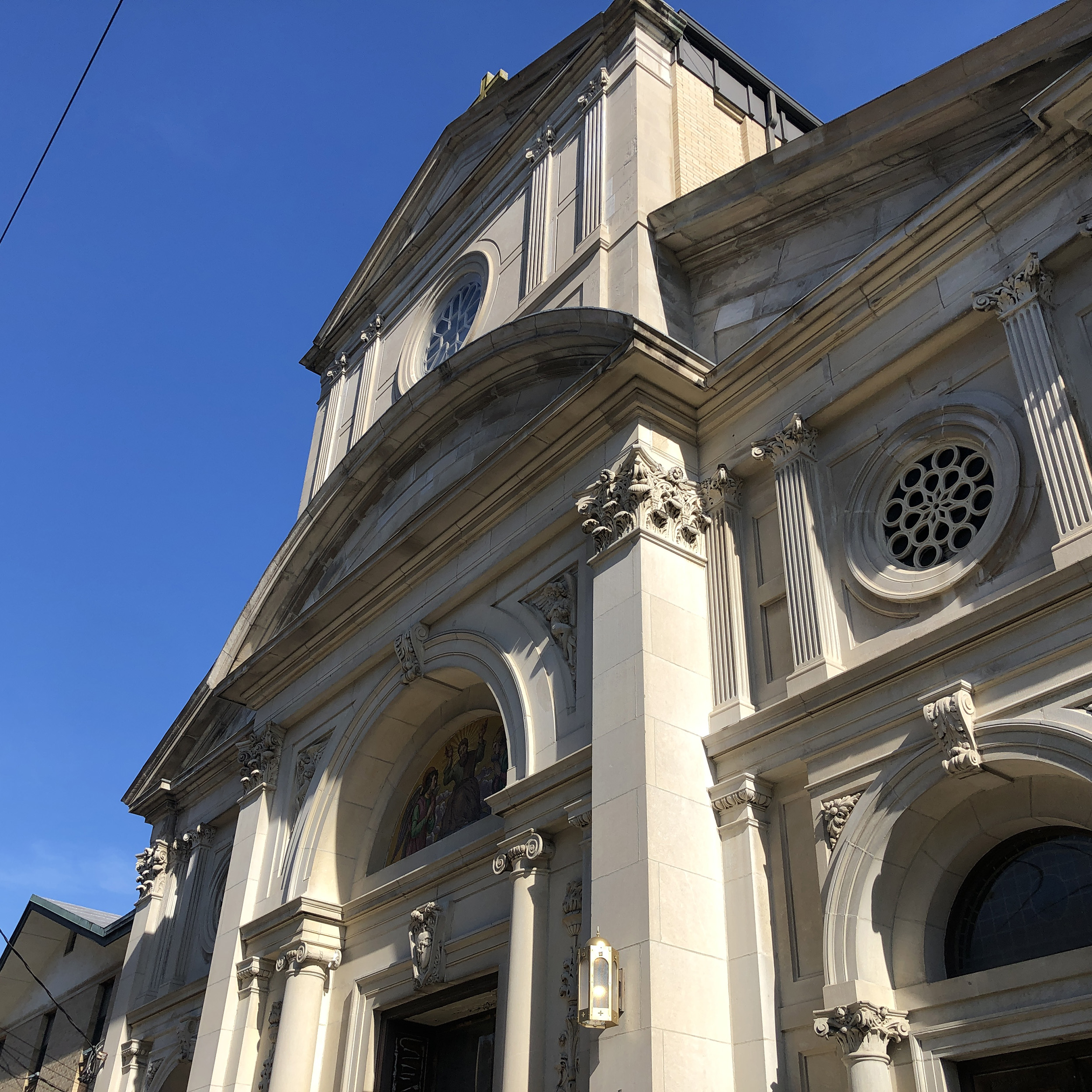
The church exterior was easily found since it was so close to several other filming locations along New Dorp Lane. In fact, Our Lady Queen of Peace Roman Catholic Church was on the the same block as Mrs. Rosemary’s Dance Studio.
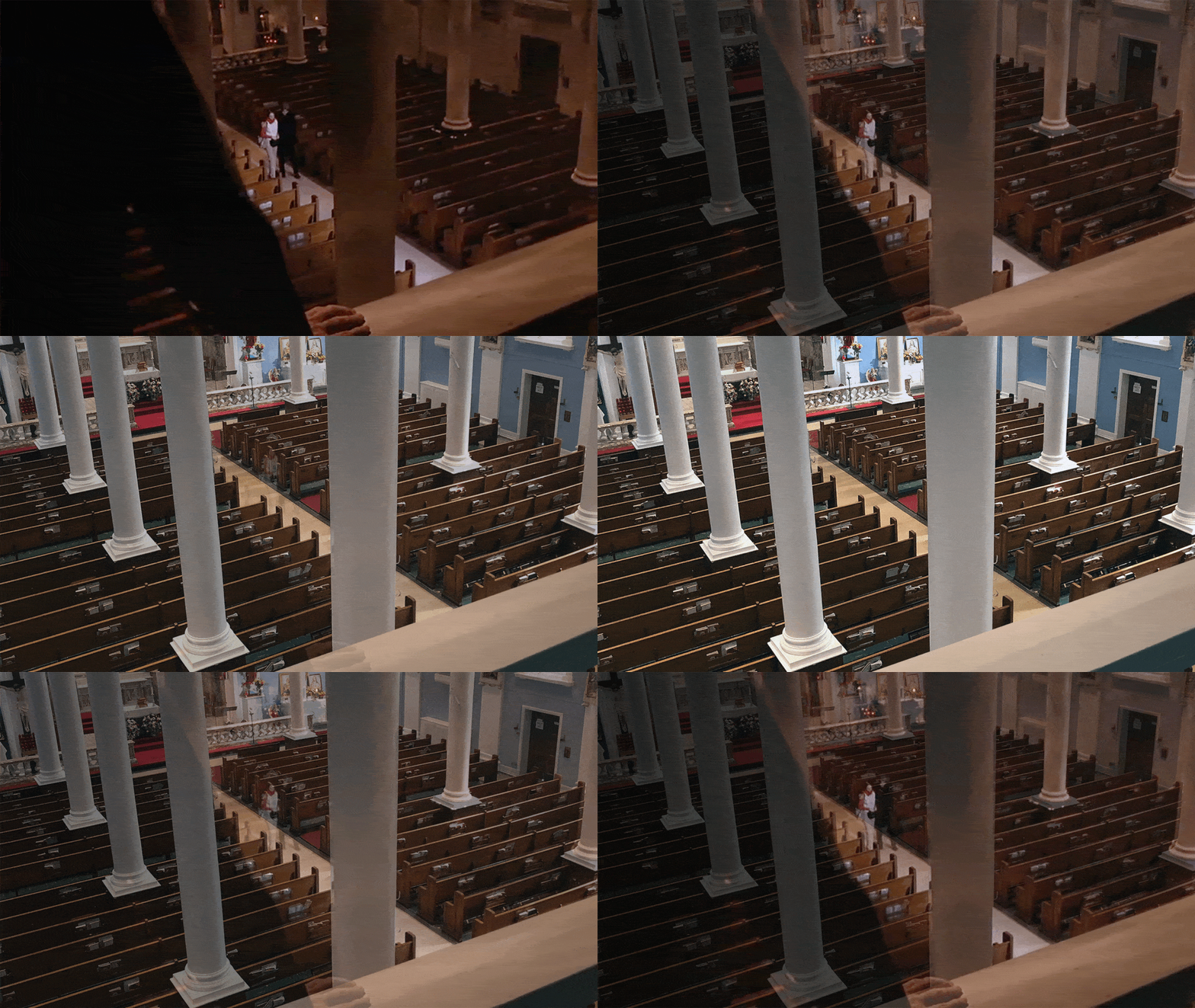
I naturally assumed the interiors were also filmed at this church on New Drop Lane. But it turns out that wasn’t the case. I eventually figured this out when i noticed a glaring inconsistency in the positioning of the stained glass windows.
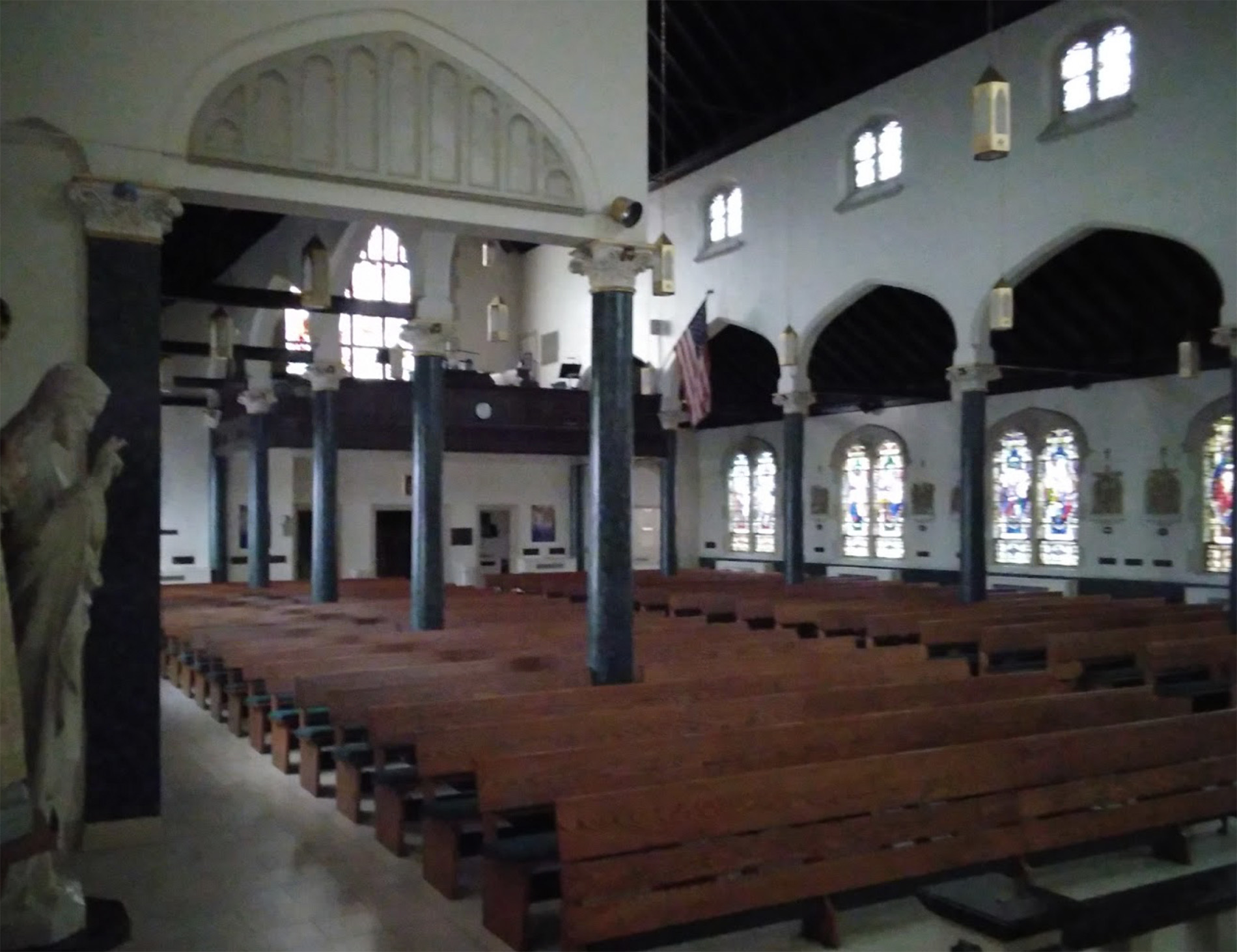
Once it was determined that the exterior and interior were two different churches, Blakeslee took on the task of figuring out where the interior scenes took place. After searching for Catholic Churches on Google Maps and looking at the associated photos, he was able to ascertain that the interiors were shot about 3 miles southeast of New Dorp Lane at Immaculate Conception on Targee Street
About ten years ago, Immaculate Conception merged with two other Catholic Churches in the area, and since then, gaining inside access to the parish was limited to Sunday Mass. But after making a few phone calls, the church staff was kind enough to give me a private tour of the space one weekday afternoon.
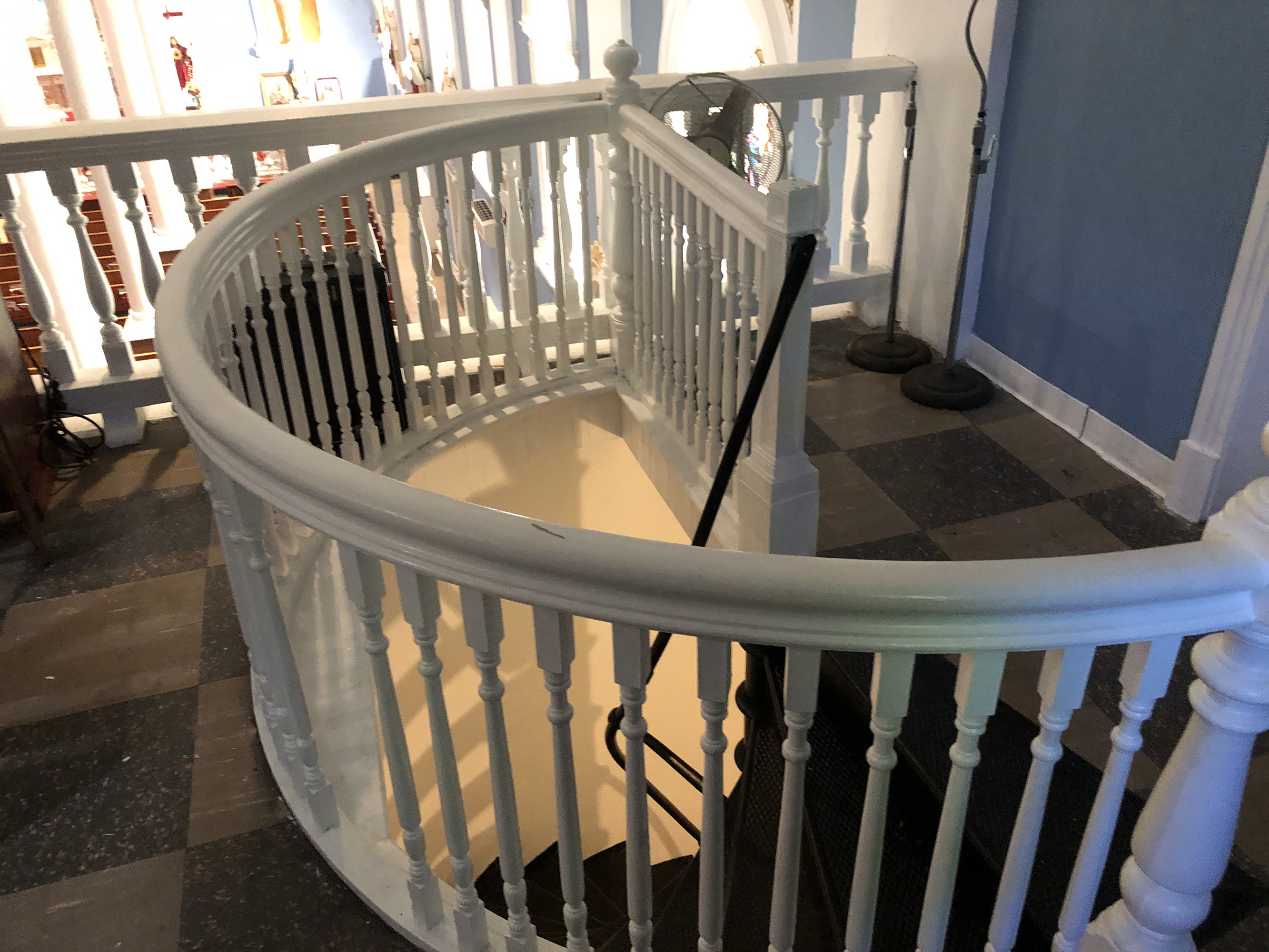
Needless to say, the parish was much brighter and cheerier than what was depicted in the film.
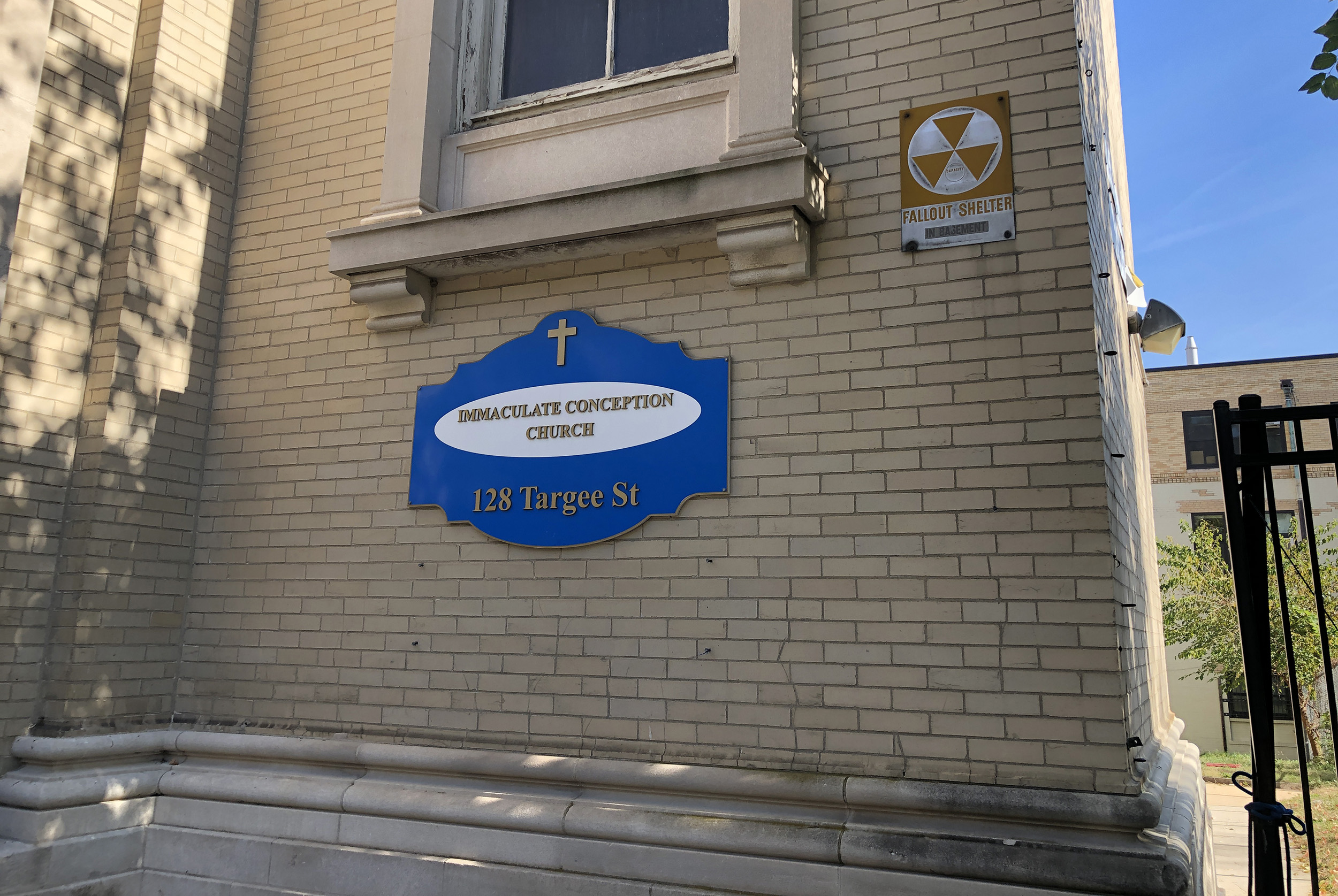
Not sure why two locations were used for this, but my guess is they shot the majority of the scene at Immaculate Conception but ran out of time or forgot to film an establishing exterior shot. So they did a quick pickup when they were filming other stuff on New Dorp Lane.
And even though the interiors of Our Lady Queen of Peace weren’t used in He Knows You’re Alone, they did end up being used in the Rodney Dangerfield 1983 comedy, Easy Money, co-starring Joe Pesci.
Amy’s House
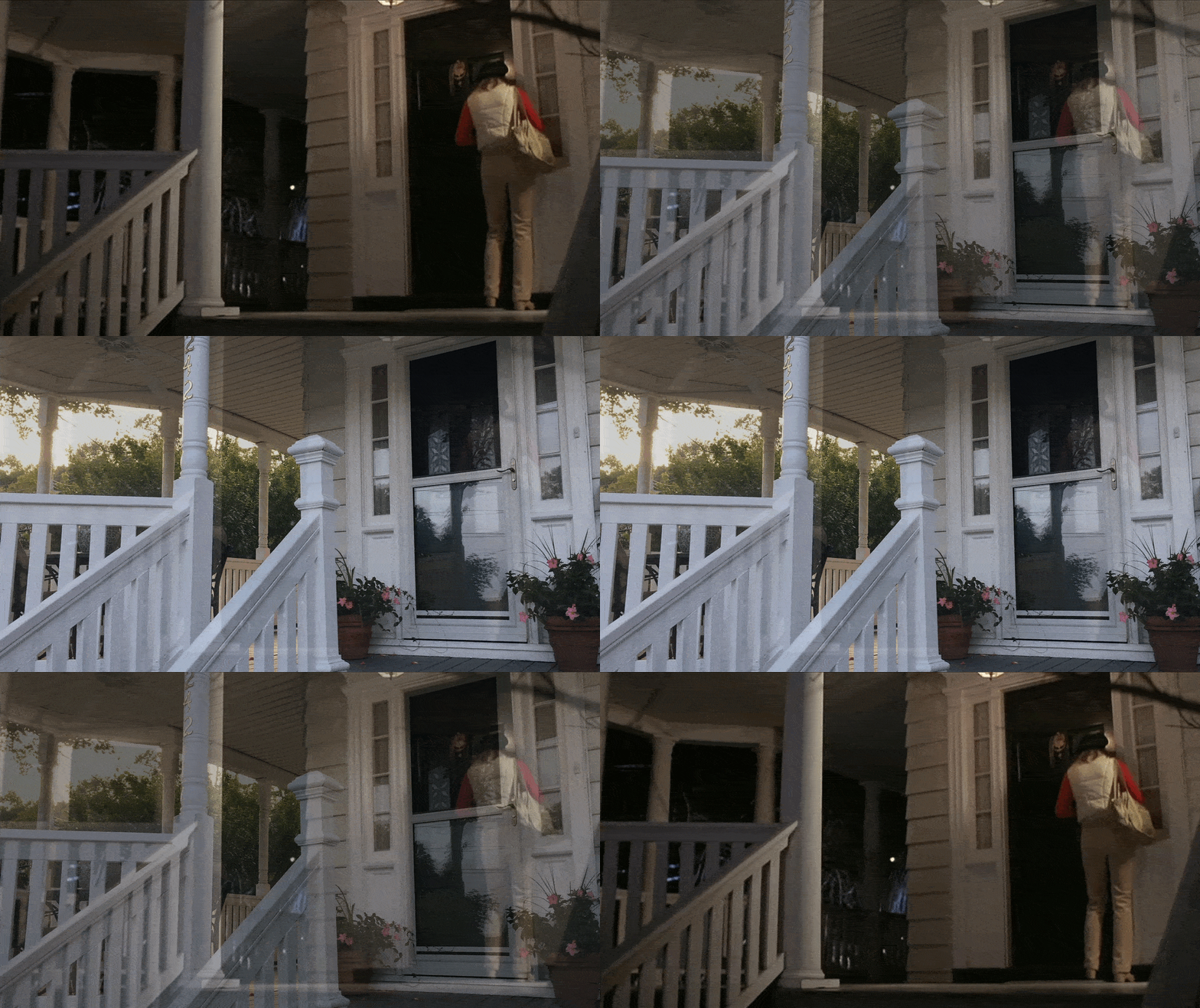
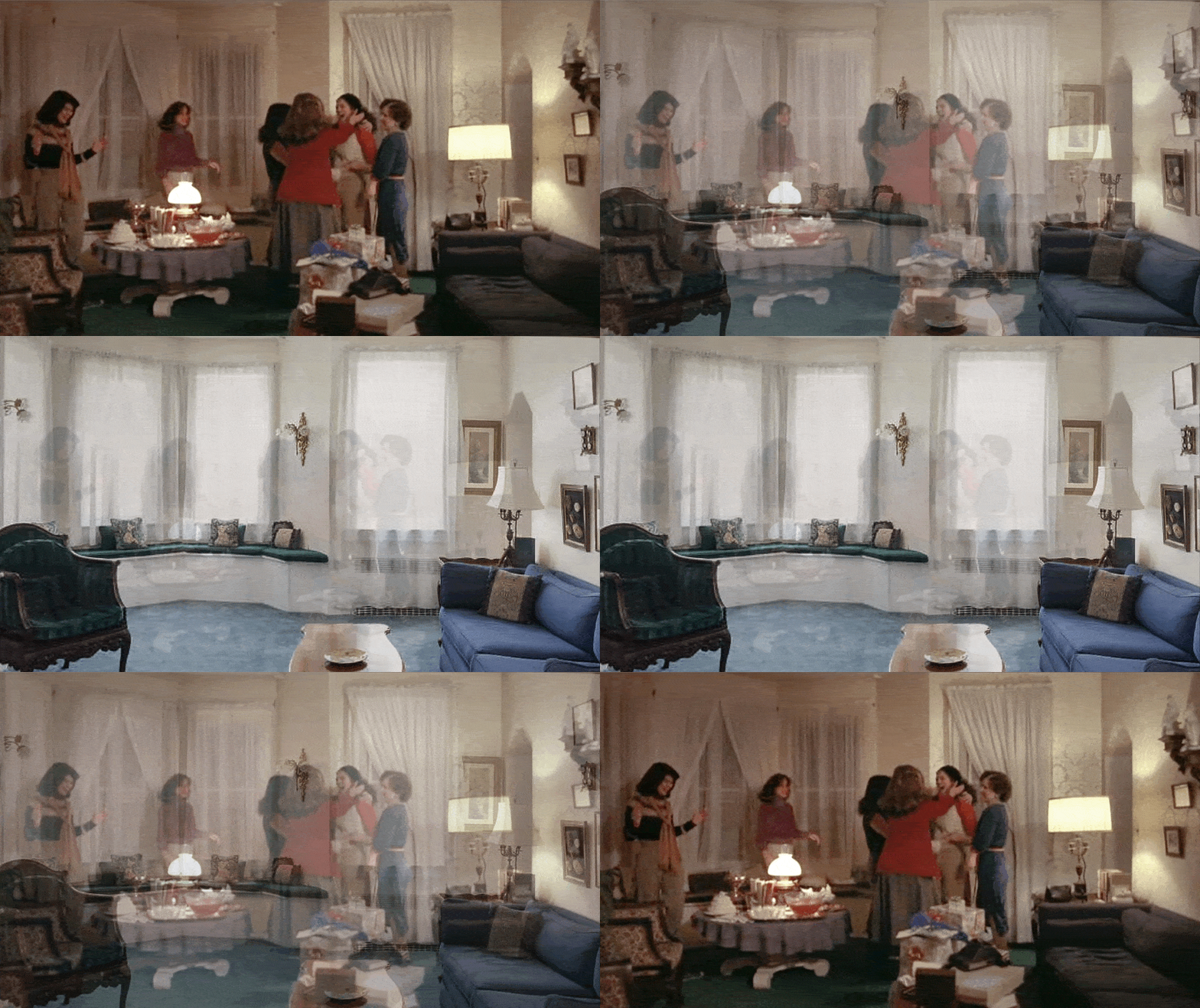
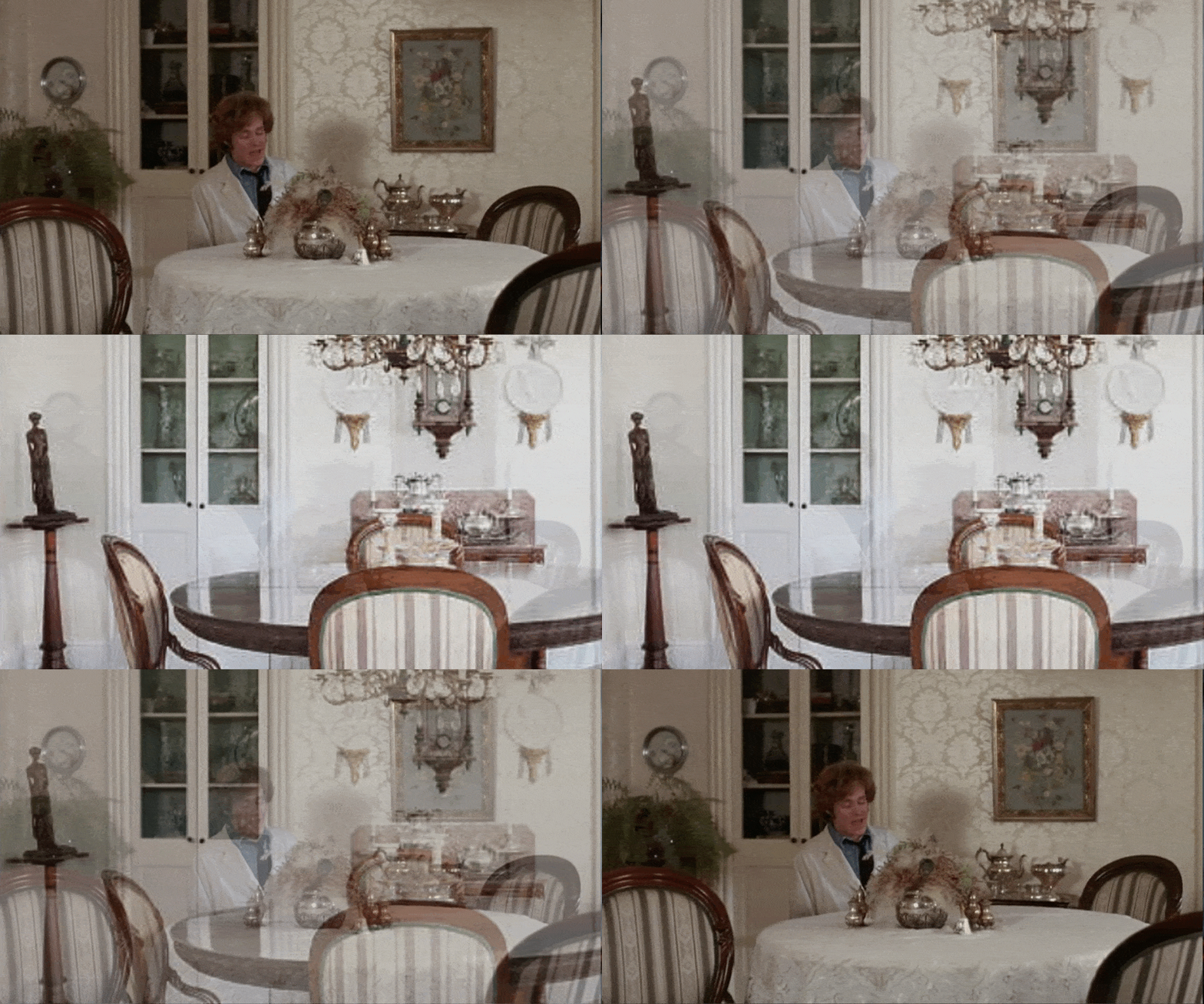
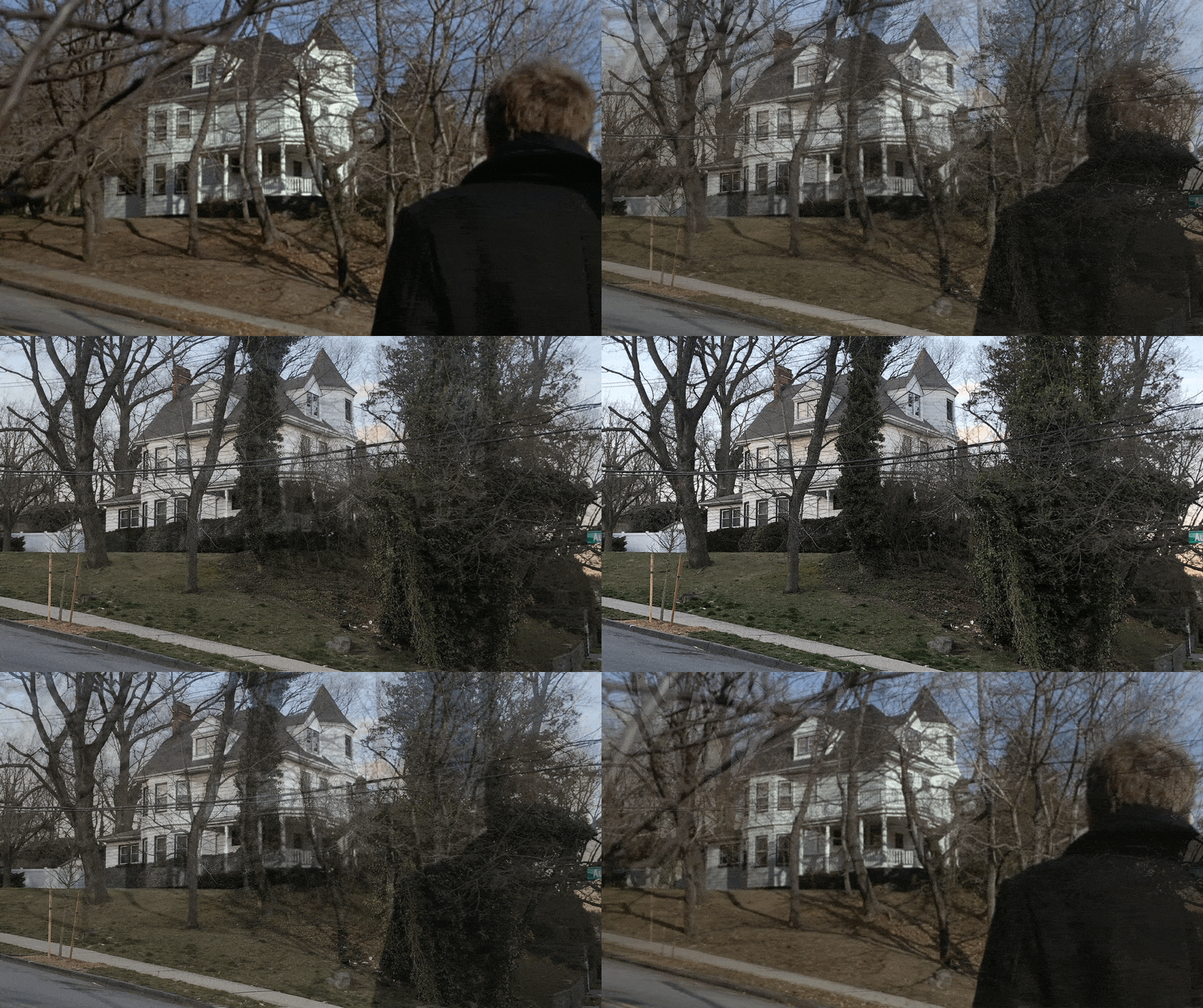
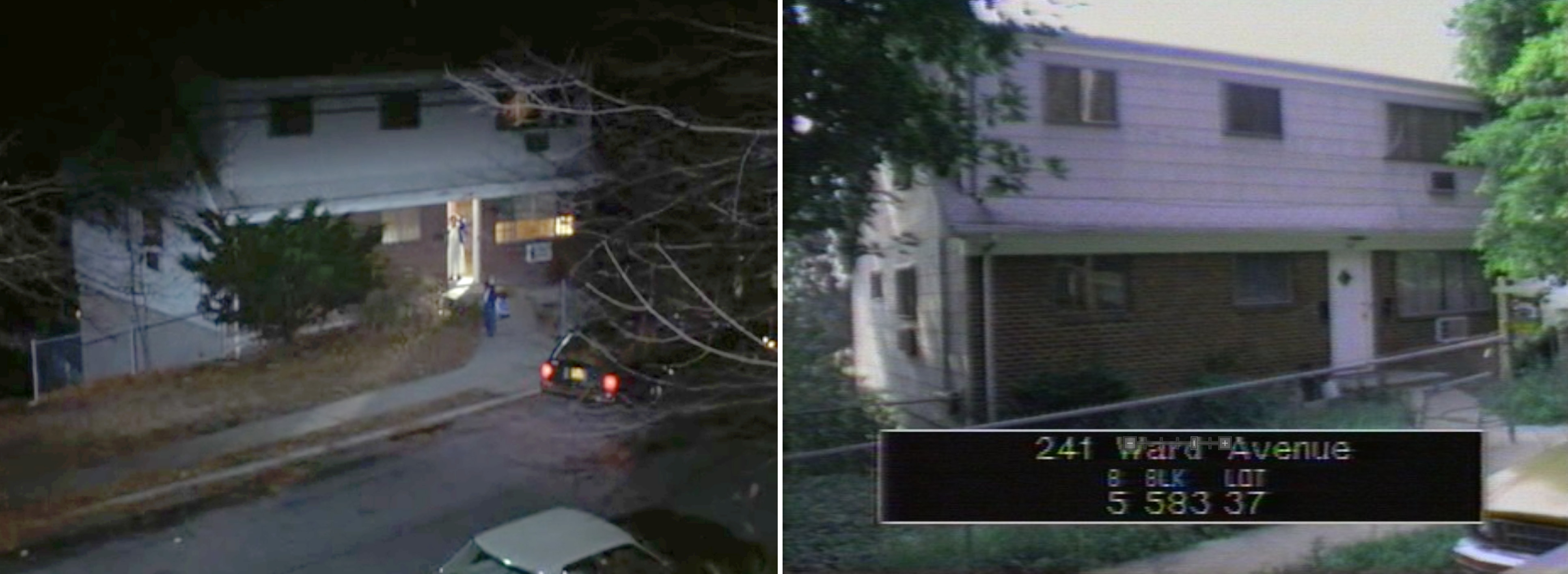
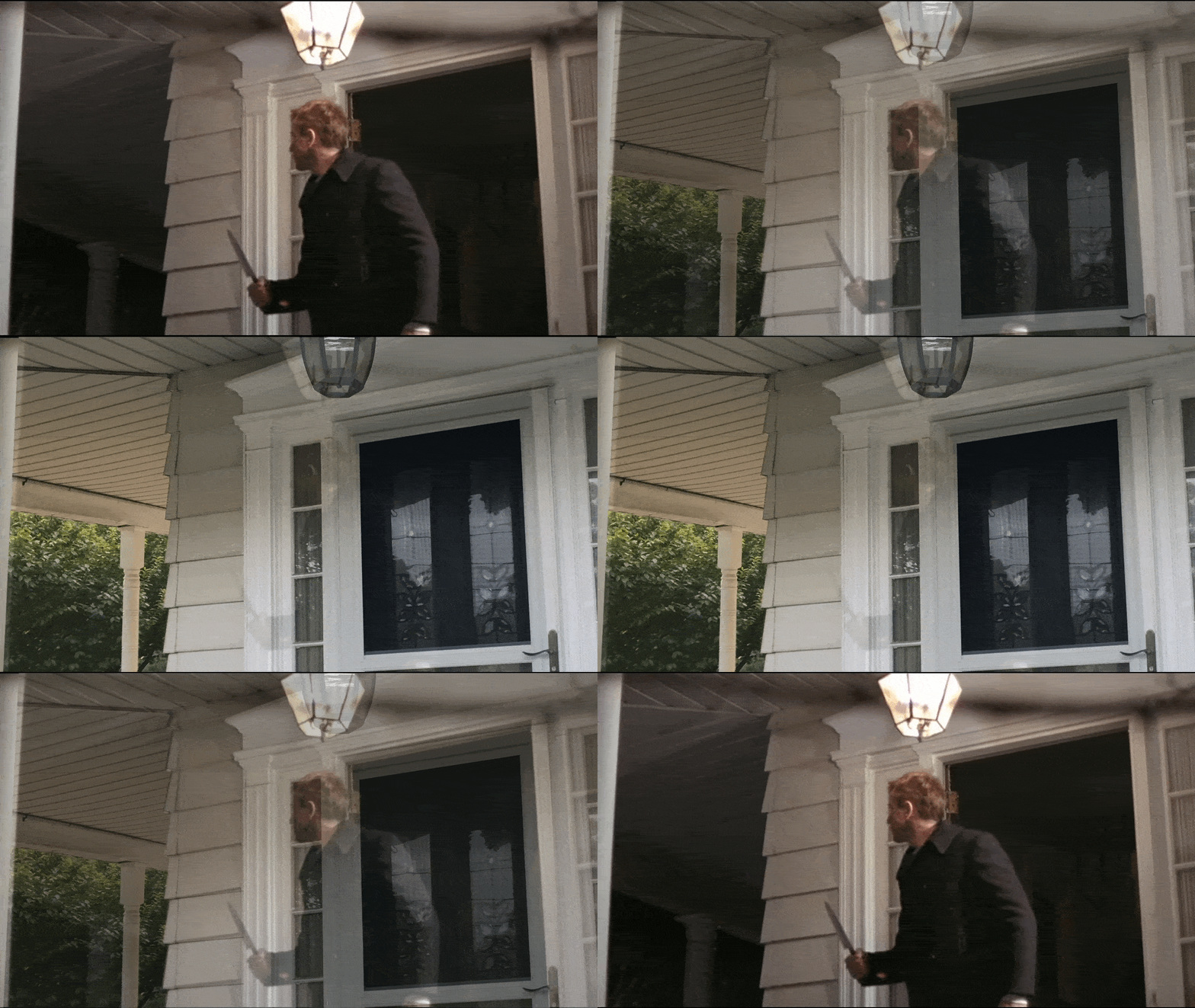
Amy’s home (or rather, Amy’s parents’ home) was thankfully already established on IMDb, saving me some serious legwork. I’m sure I would have eventually found it, especially since you can see the number 242 on one of the porch columns.
Generally speaking, if I have an address number but not a street name, I will usually go to the tax photo archives and do an image search, using the website’s “building number” filter. While not always perfect, it can be a useful tool in these circumstances.
Excited to see this filming location in person, when I first visited it in 2017, I was surprised to discover that the house was perched atop a steep hill with a dramatic set of steps leading up to it. For some reason, most of the angles used in the film hid any sort of major hill, shooting mostly from Austin Place — a side street that was pretty much level with the house
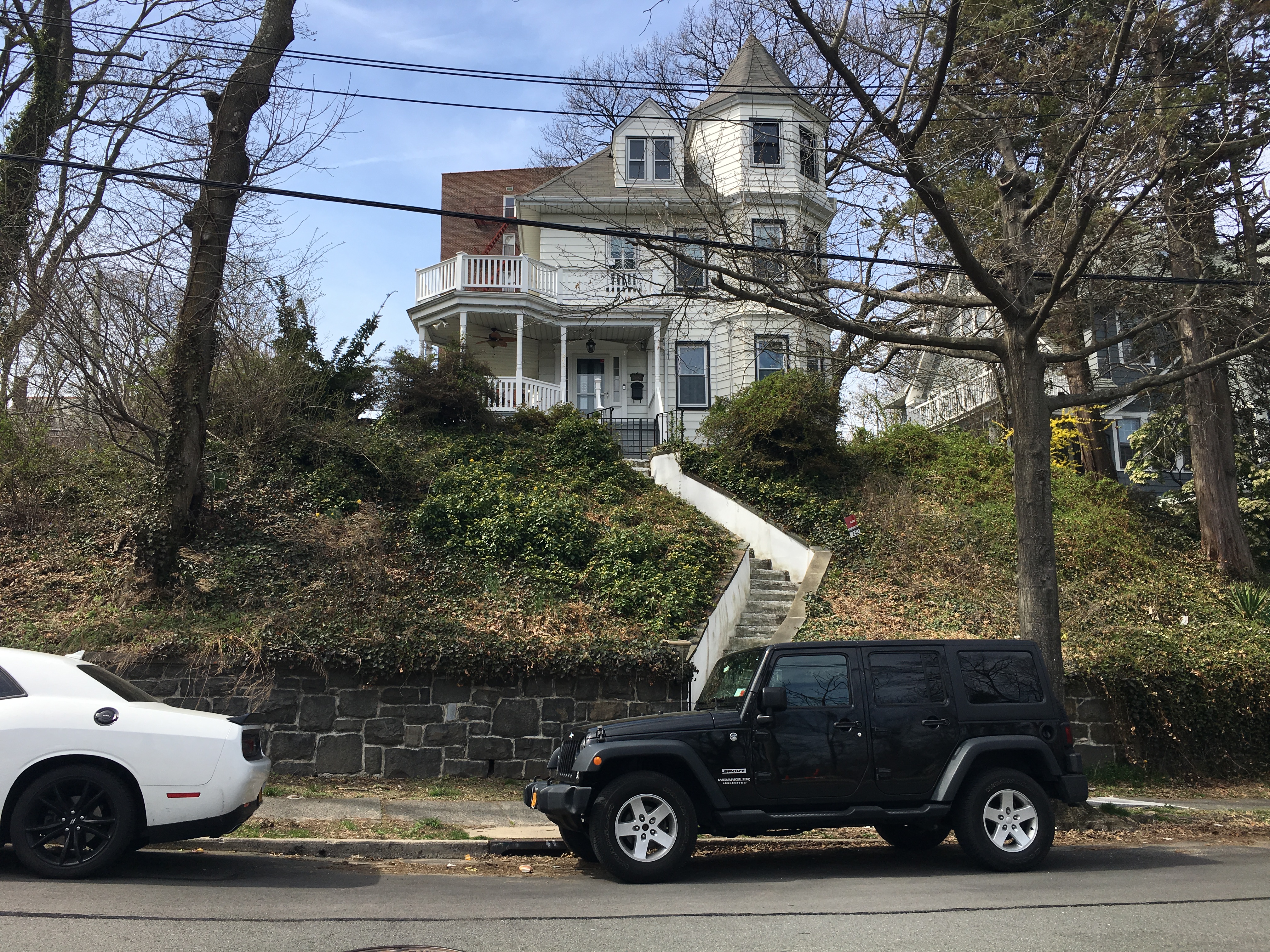
While not an earth-shattering revelation, it was a fascinating surprise after having watched this film so many times growing up and having a picture of a flat landscape stuck in my head. But regardless, it was great to finally see this large Victorian house in person.
Built in 1899 in Staten Island’s Tompkinsville neighborhood, this three-story house just so happened to be up for sale when I visited it in 2017.
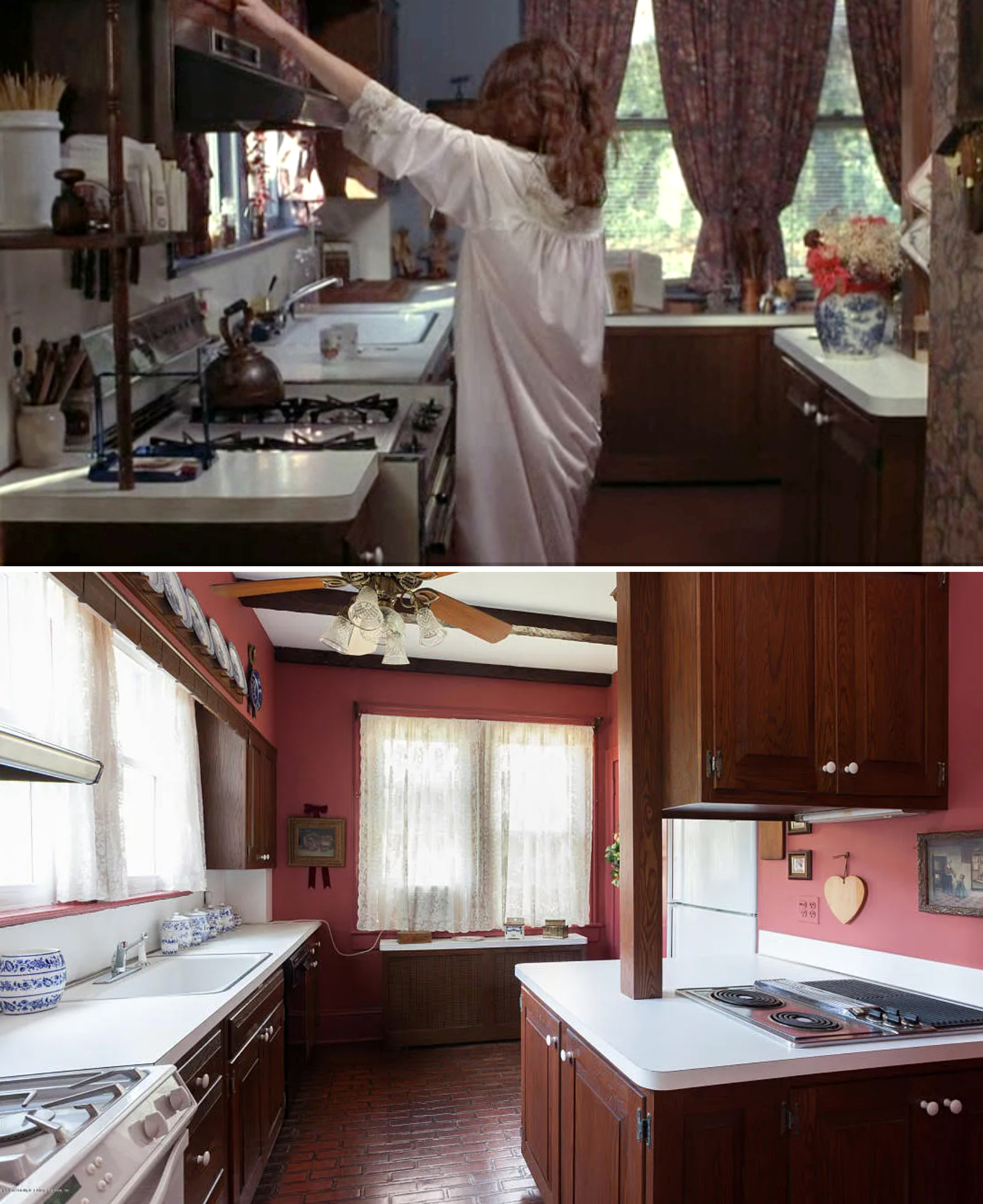
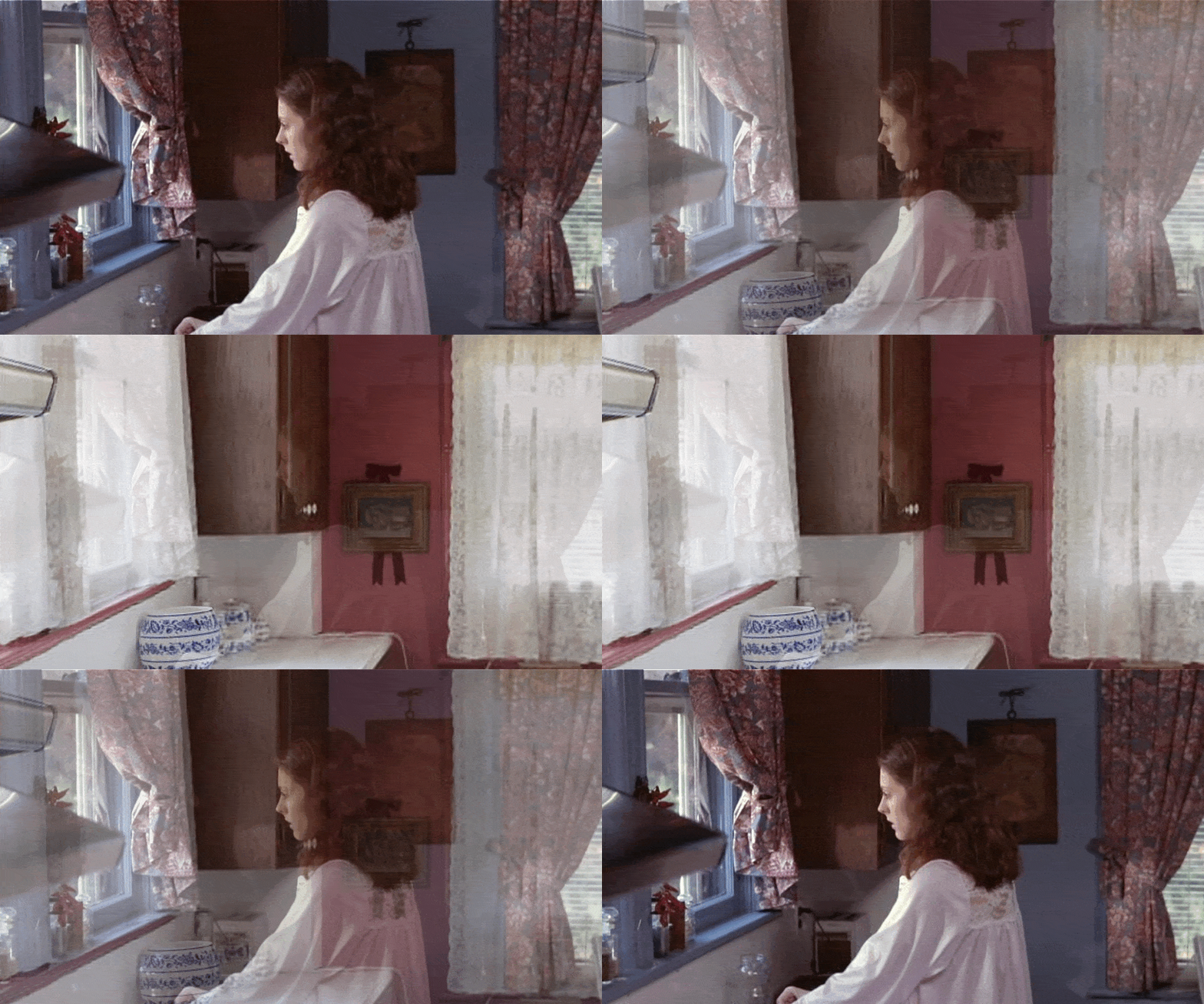
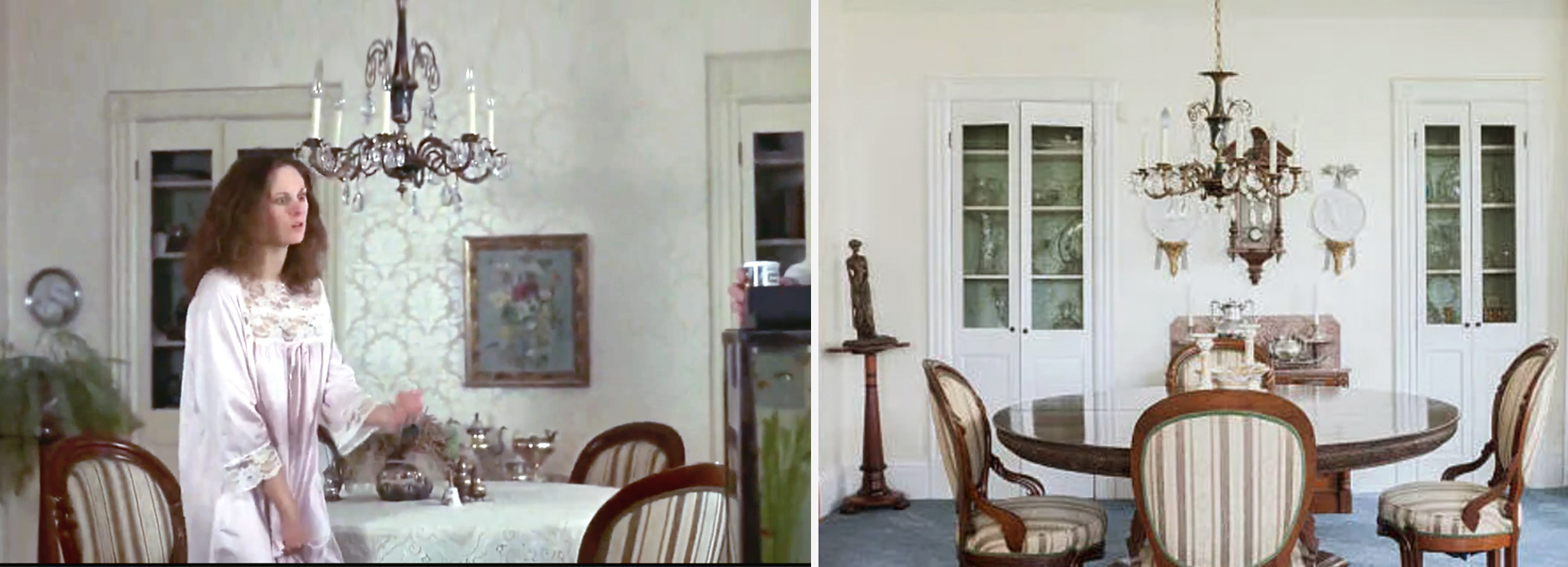
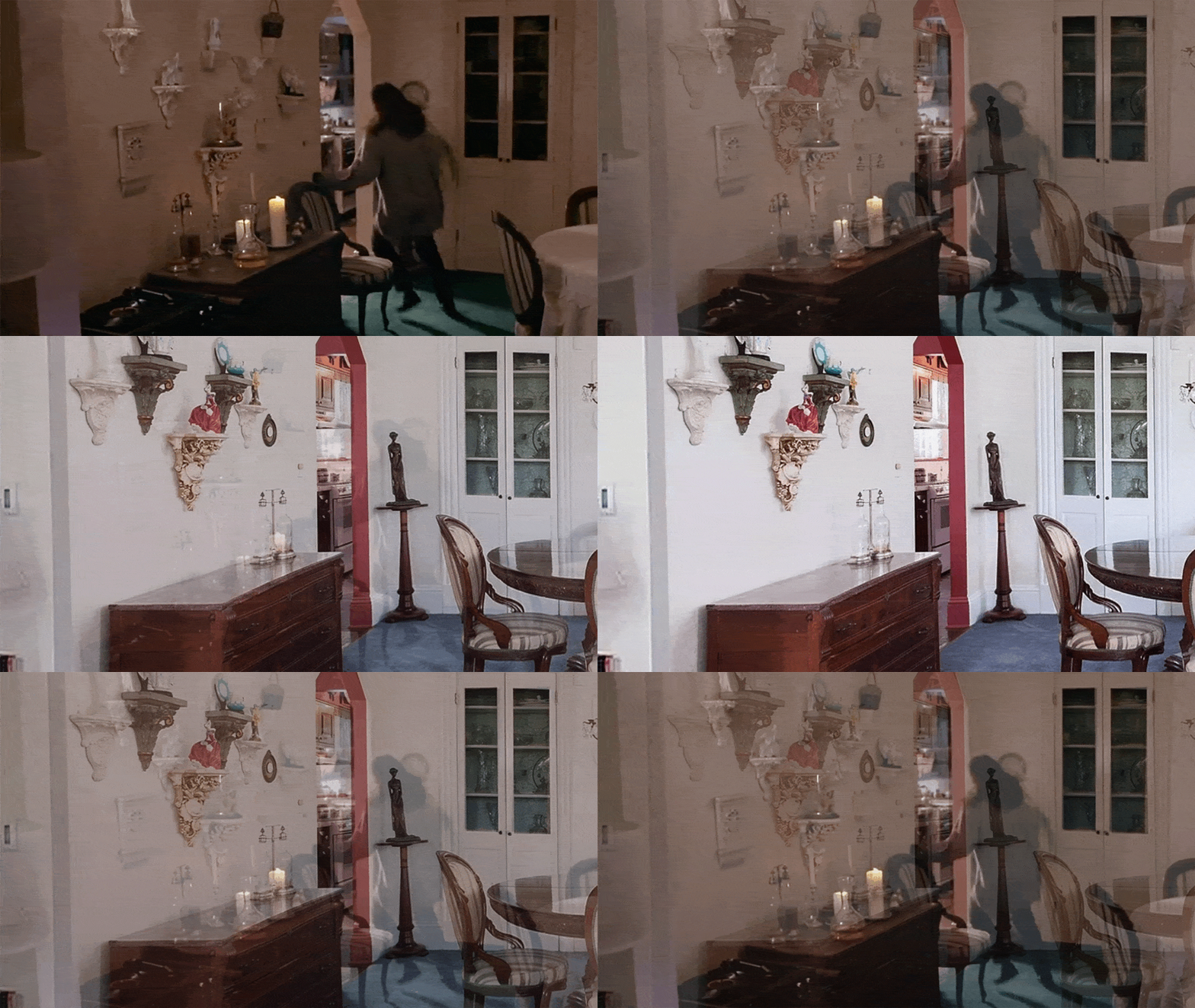
Judging by how things appeared on the inside, I deduced the house was being sold by the same family who owned it when this movie was being made (who apparently were friends with the film’s director, Armand Mastroianni). I was amazed to see that not only were some the outdated fixtures still in place, like the odd countertop burners in the kitchen, but there were even some matching furniture, like the table and chairs in the dining room.
The house eventually sold for $750,000, which more or less jived with the market values of that year. But I’ve always wondered if the real estate agent disclosed the house’s somewhat obscure place in movie history to potential buyers.
Professor Mason’s House
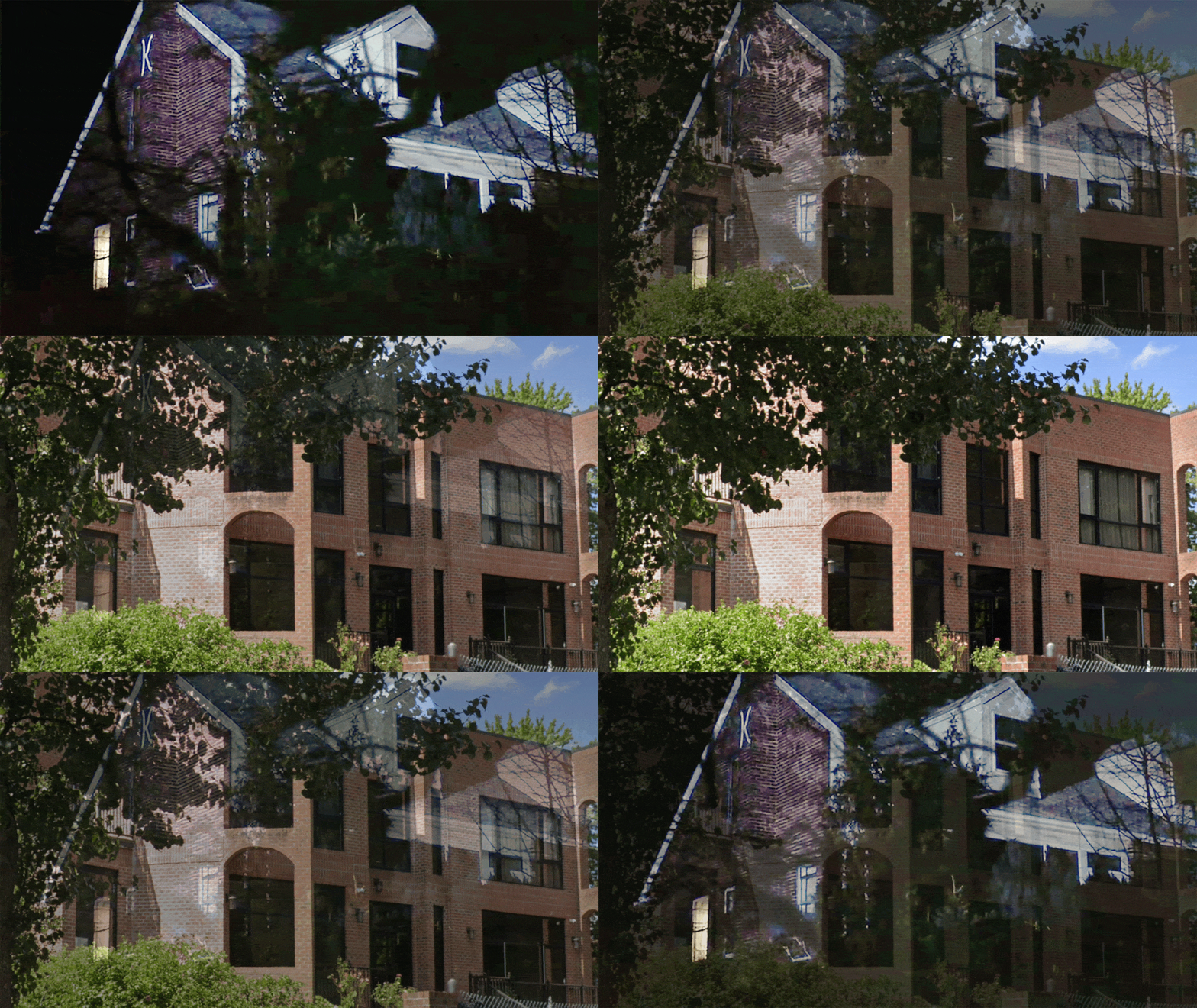
2025 UPDATE: After being unidentified for years and years, the professor’s home has finally been found. Sadly, as you can see from the above image, the residential home (which I nicknamed the “K House” for its large K on the chimney) is no longer around. This was actually information I already knew, as director Armand Mastroianni mentioned this on the DVD commentary.
Years ago, when I first started investigating He Knows You’re Alone, I spent countless hours searching through 1980s tax photos, hoping I’d find a house that resembled the one in the movie. In this search, I came across a few close calls, but in the end, I never found a perfect match and soon became resolved that it’d remain an unsolved mystery.
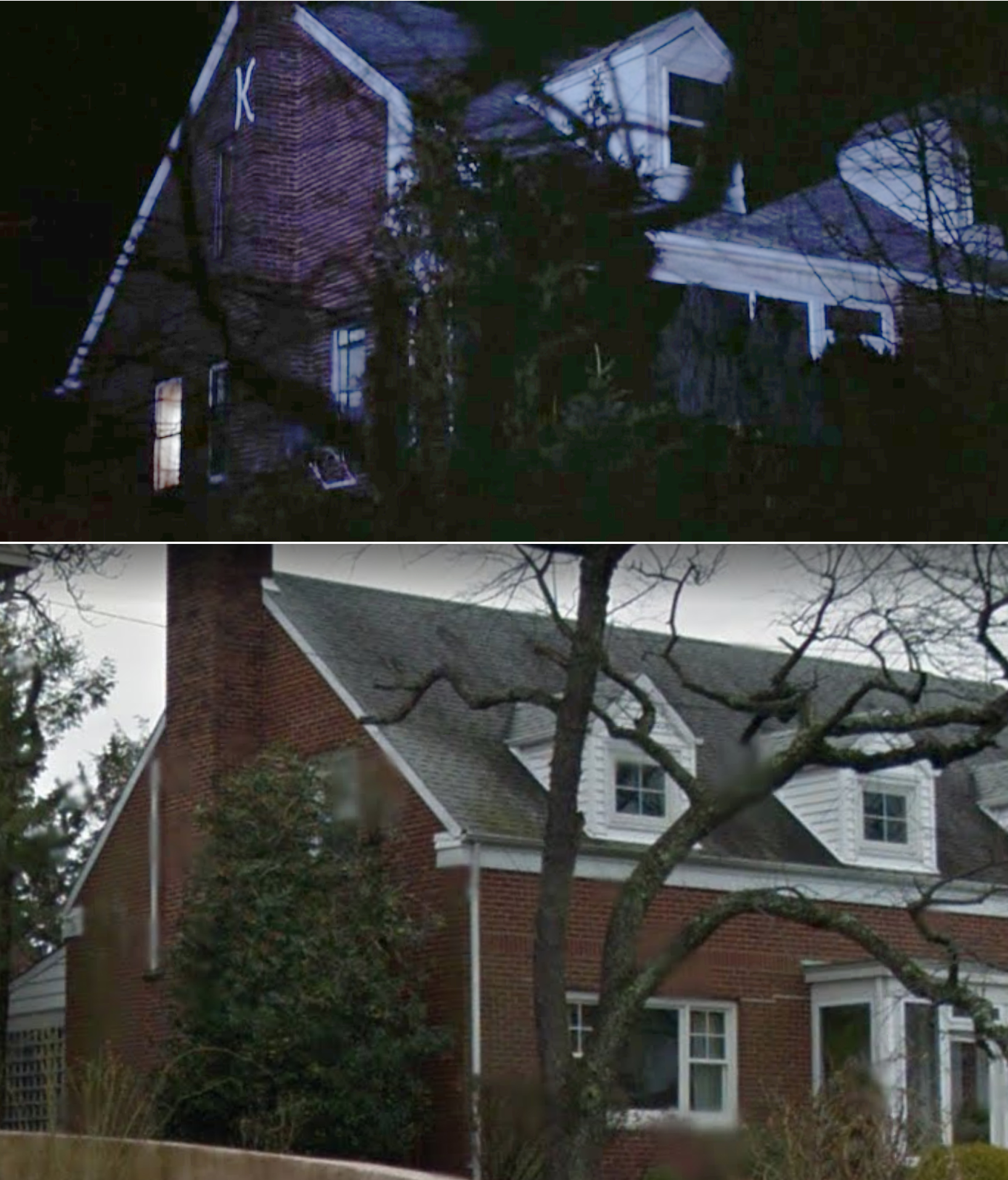
Amazingly, all that changed when a viewer of my He Knows You’re Alone video on YouTube, Joseph Reginella, chimed in with some valuable insights. The long-time resident of SI mentioned that the “K House” was “across the street from the golf course [which] has been knocked down and turned into some sort of commercial building that seems to have never opened.”
After a little digging around, I was able to establish that said house was at 1434 Forest Hill Road across from the Latourette golf course. I got there by comparing old satellite views with current ones, searching for any lot that had a different structure on it.
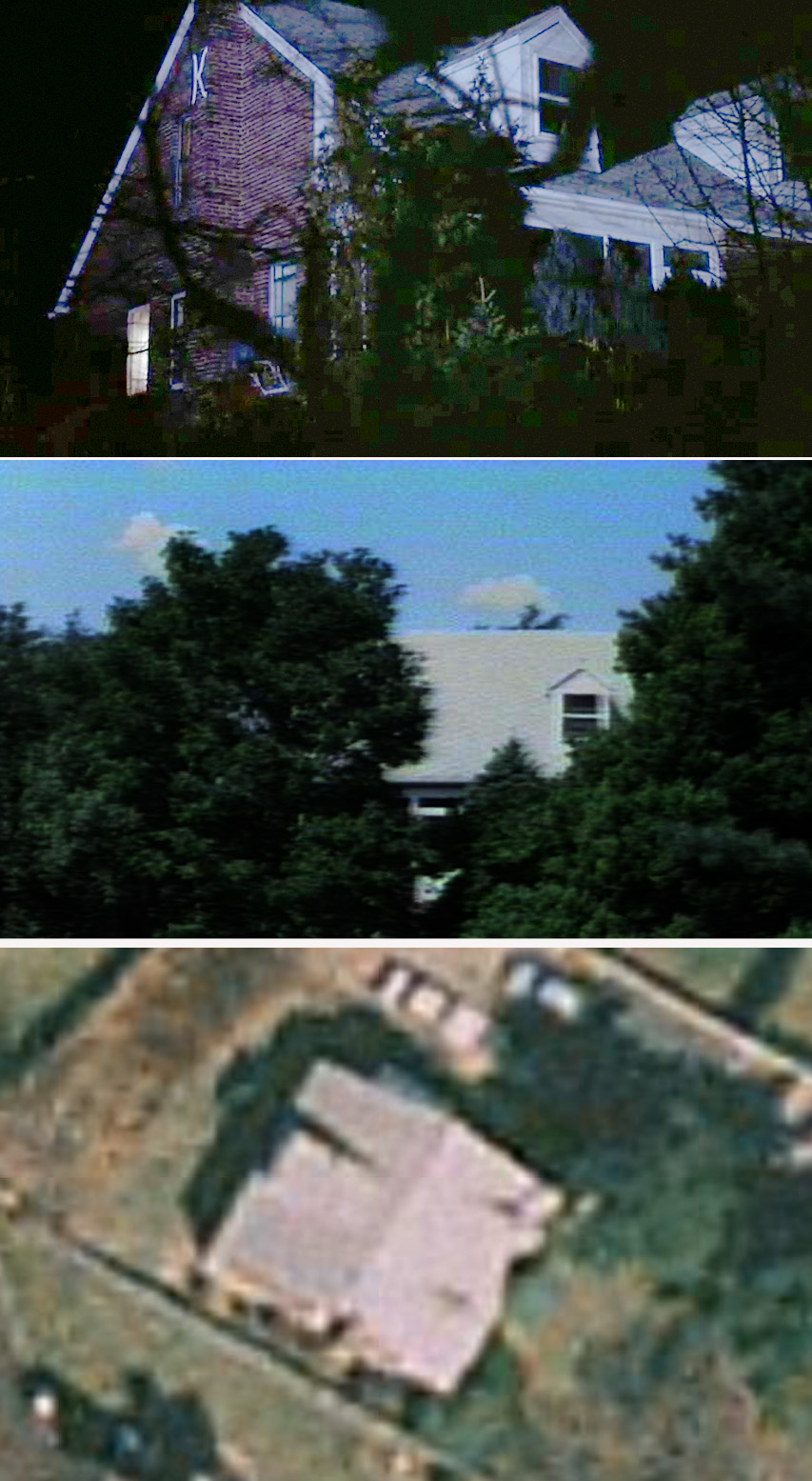
I was able to spot several similar elements in both a vintage satellite view and a circa 1984 tax photo of the lot, making me pretty confident I found the right house. But the clincher came when Blakeslee found an old real estate listing for the property with a photo showing the chimney still emblazoned with a large K.
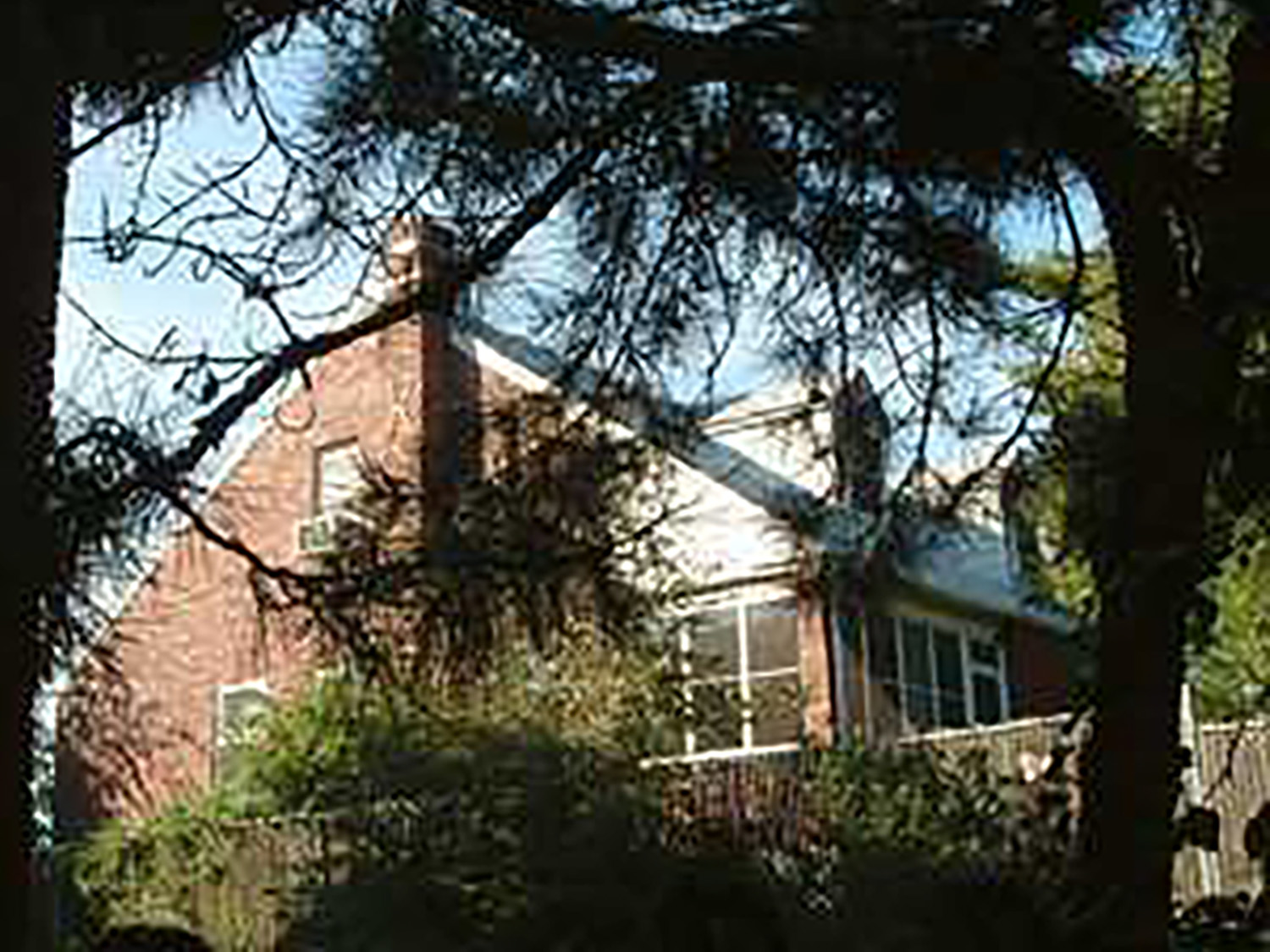
To my surprise, that listing wasn’t from too long ago, indicating that the house lasted many decades later than indicated by Mastroianni. A little more digging around, Blakeslee and I determined that the brick home was demolished circa 2007.
It’s a shame I never got to see the K house in person, but nice to finally have this case closed.
Jogging
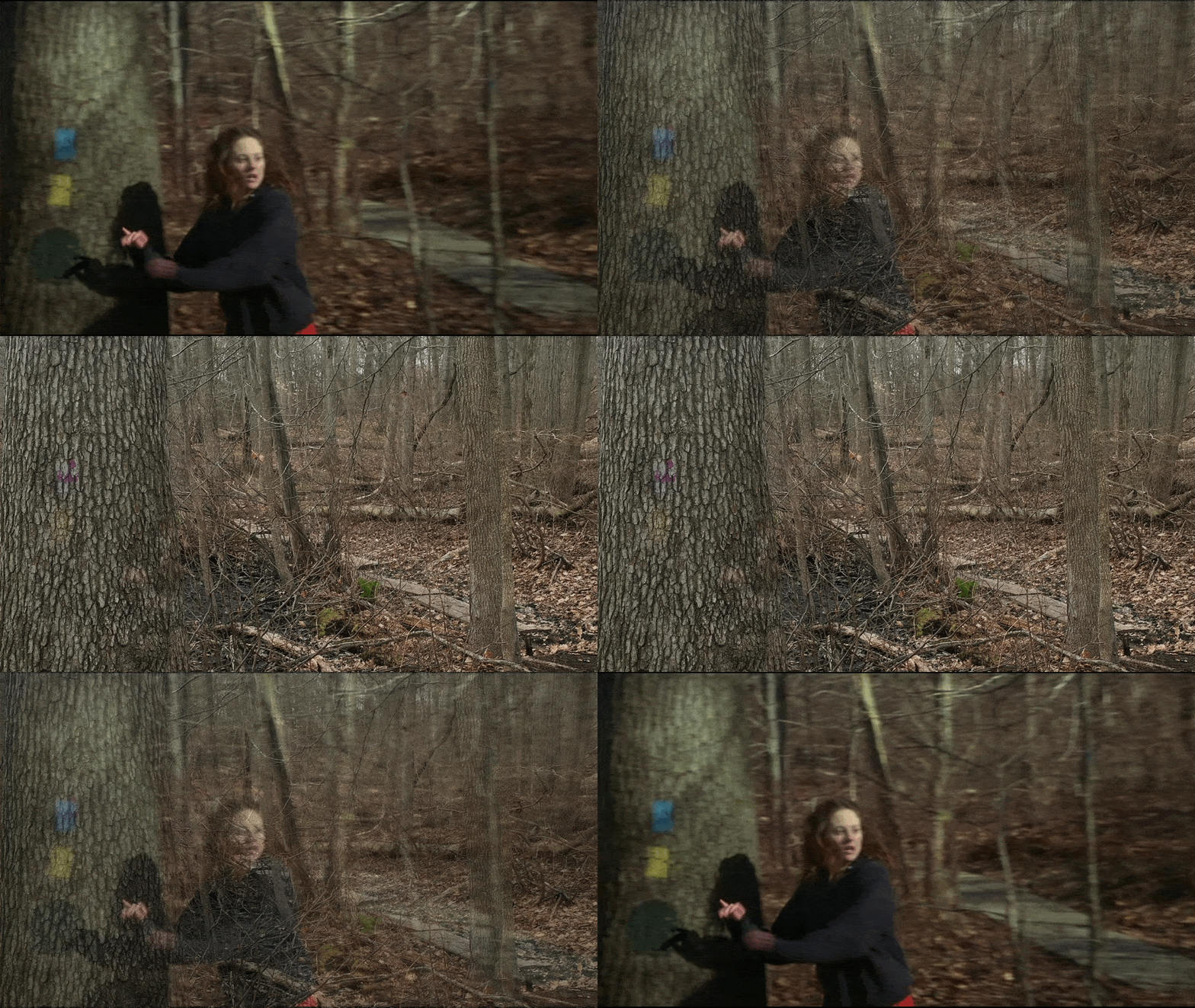
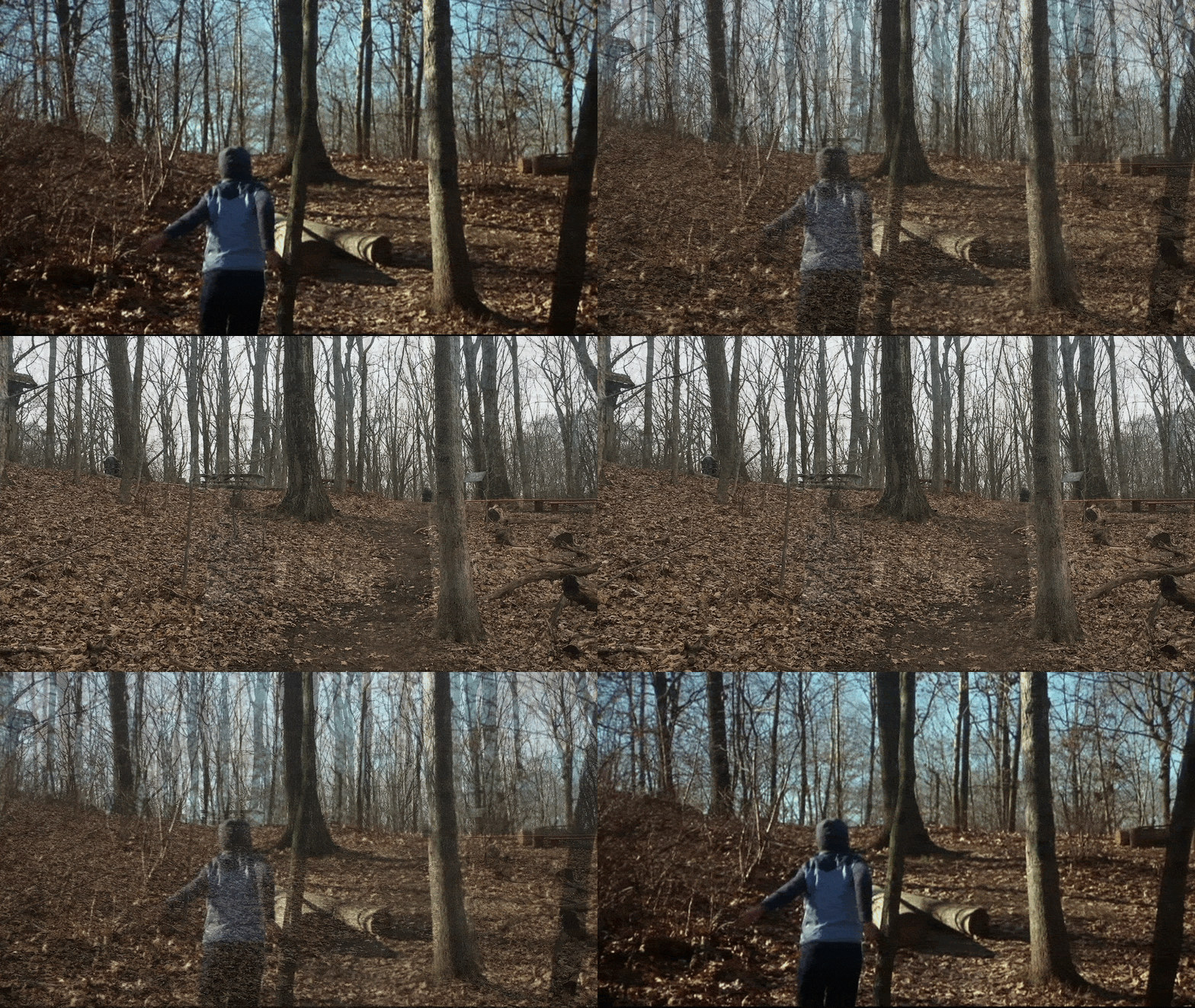
A couple online sources asserted that these jogging scenes took place at High Rock Park in central Staten Island, though none of them gave any specific details. Since there are plenty of wooded areas on the island, I knew I had to dig a little deeper to makes sure those sources were correct.
In the end, the only thing I could do was go to the woods in person and look around.
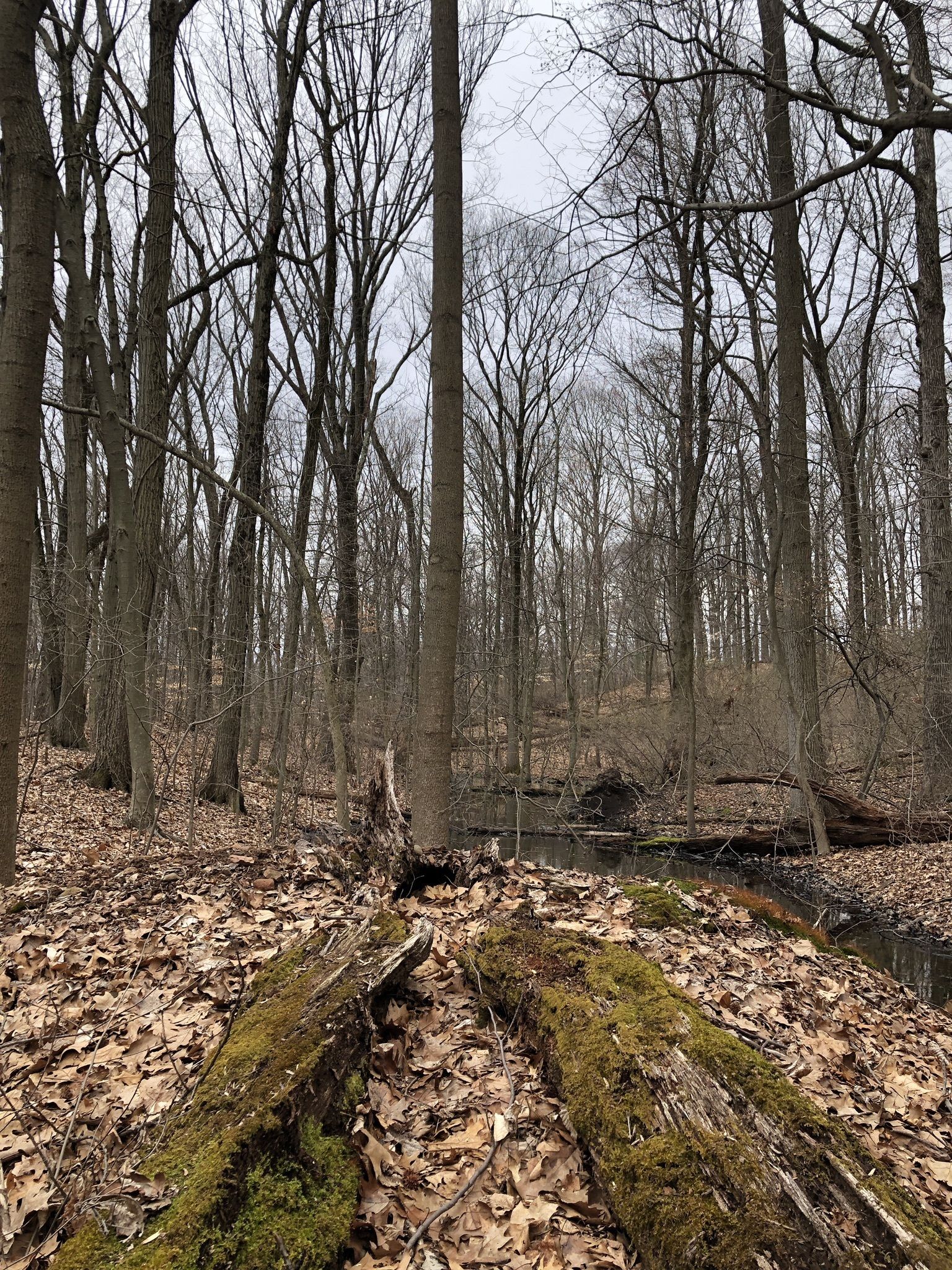 When I went to the park in 2023 on a cold March afternoon, things looked pretty much like what was in the movie — lots of bare trees and a complex of dirt paths through rolling knolls and pockets of marshy land. Of course, that didn’t necessarily mean the movie was shot there, and I figured the only way to confirm things was to find at least one matching shot.
Granted, I knew finding an exact location in a 94 acre forest would be a little like trying to find a needle in a haystack, but I thought it was still worth a shot.
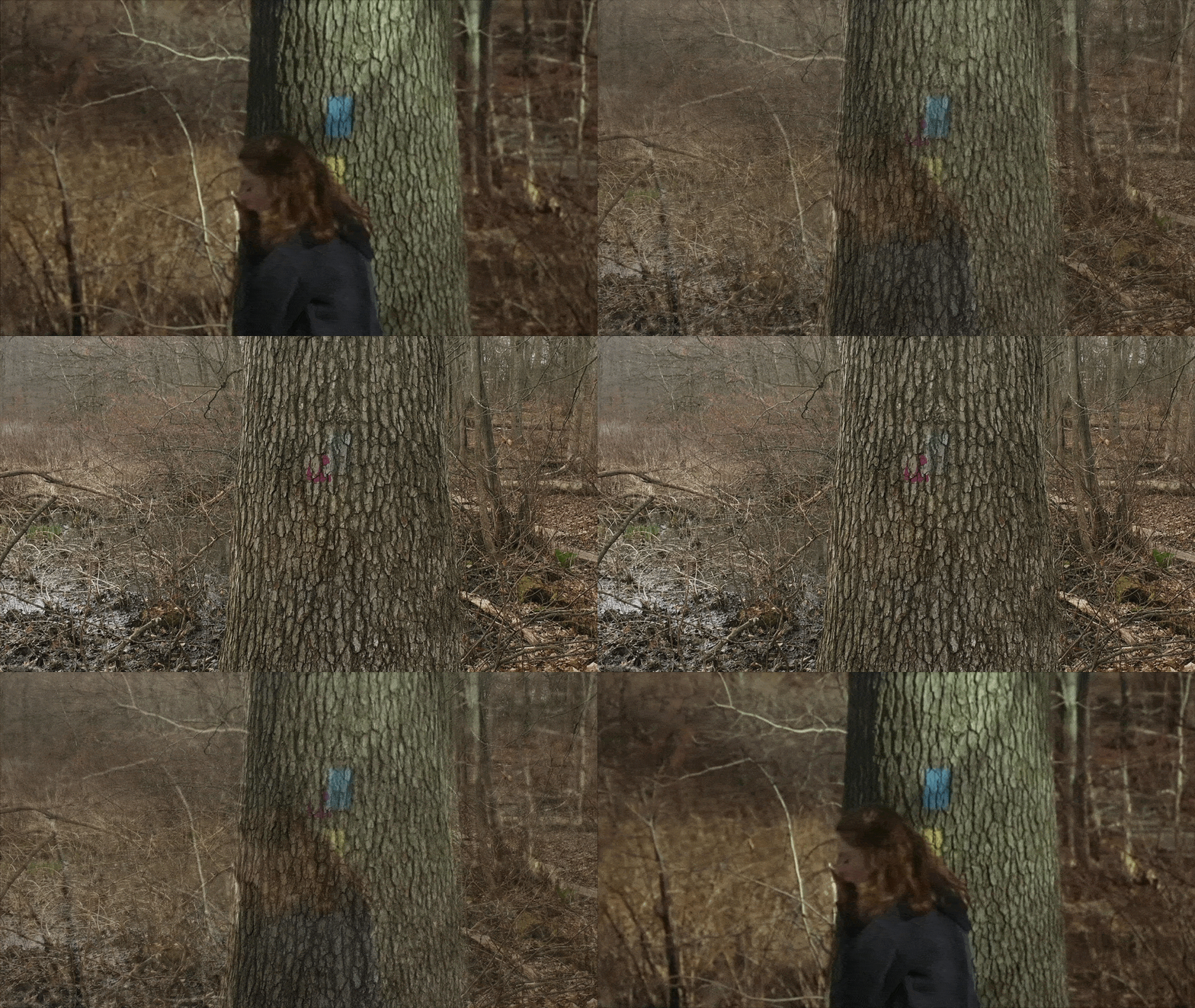
After roaming around in 38 degree weather for about an hour, I couldn’t makes heads or tails of anything. My original hope was to find the color blazes that appeared in these scenes and use them as a guide. But the colors had since changed, so I had no idea what blaze was for what path.
I even stopped at a rangers station to see if anyone there could help me out, but their only advice was to just “keep looking around.”
As the sun started to set and I began to lose daylight, I figured I’d have to abandon my search and return another day. But before I left, I made one last ditch effort to find a matching shot when I noticed a series of planks laid out in a wetlands section of the park.
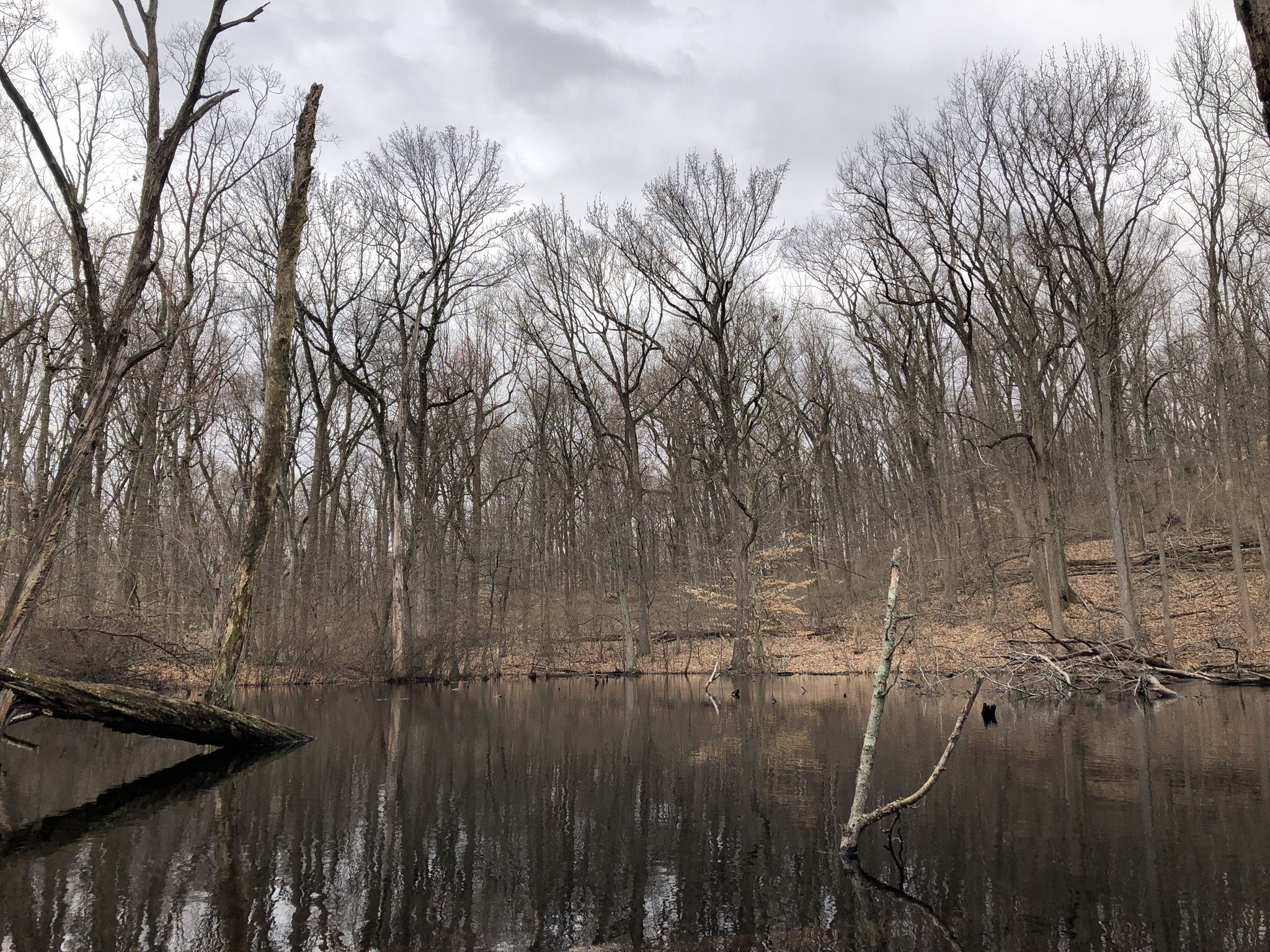
Remembering seeing some similar planks in the movie’s last jogging scene, I quickly scanned the area for any familiar trees or terrain. Amazingly, just as the sun was dipping below the horizon, I stumbled upon a promising tree that looked like the one actress Caitlin O’Heaney leaned against. Just like in the movie, the tree was at the intersection of two different paths near a series of planks and a small incline, making me somewhat optimistic that I found a match.
When I returned home and studied the photos I had just taken, I started to become even more optimistic — spotting several surviving trees that seemed to line up with the ones in the film.
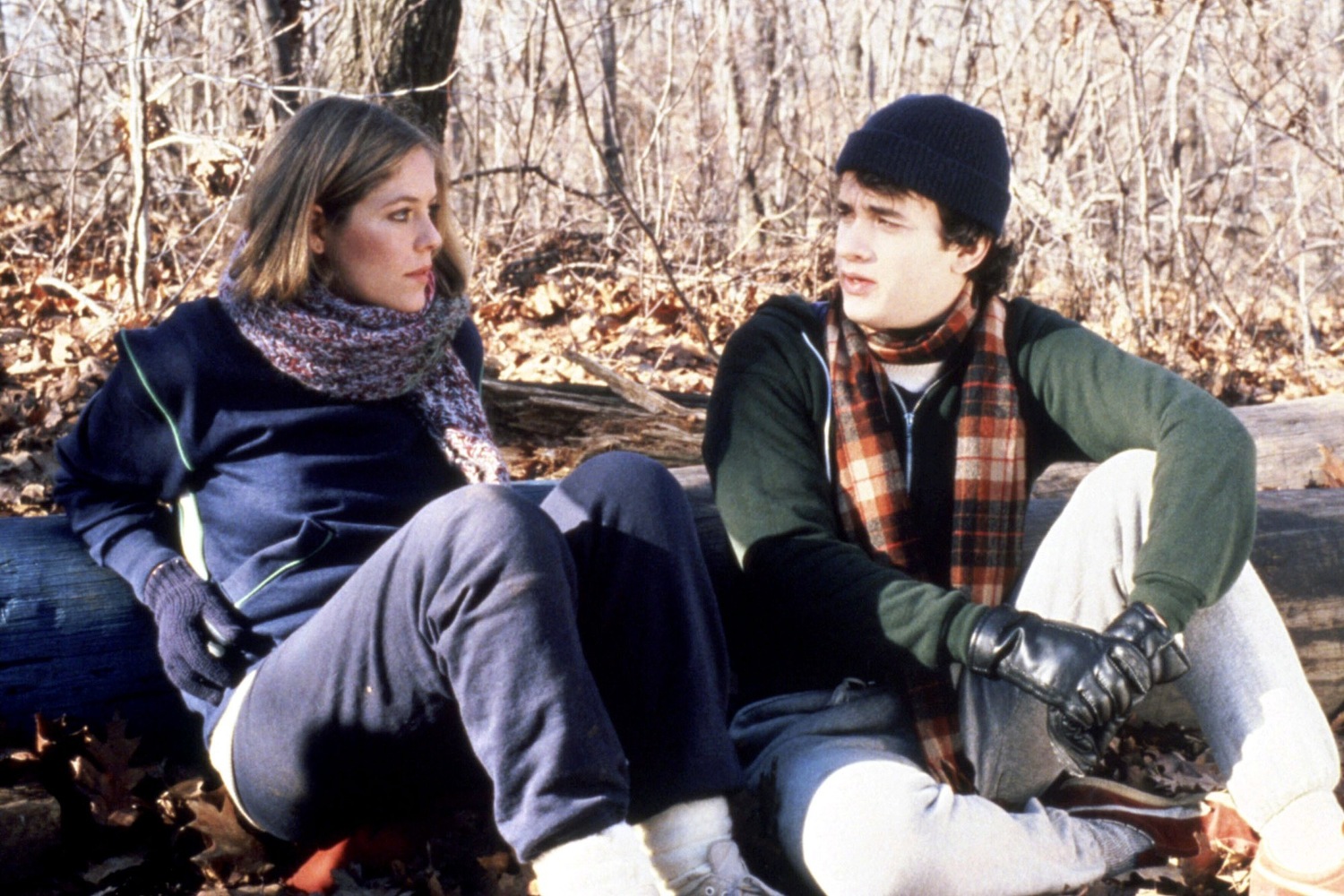
I would’ve loved to had been able to find the spot where a young Tom Hanks makes his first appearance, but the fact I found anything in that vast woodland is truly extraordinary.
Amusement Park
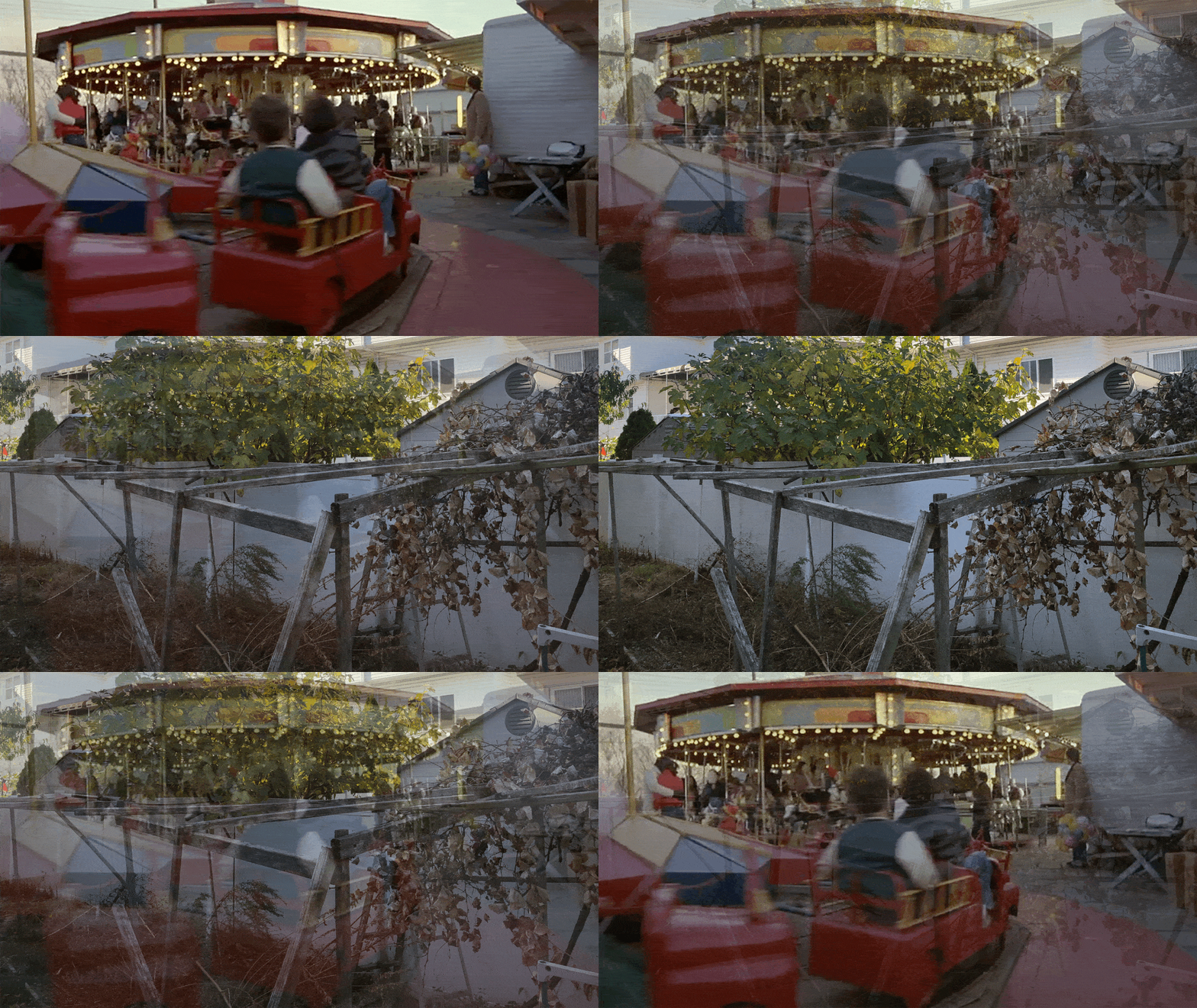
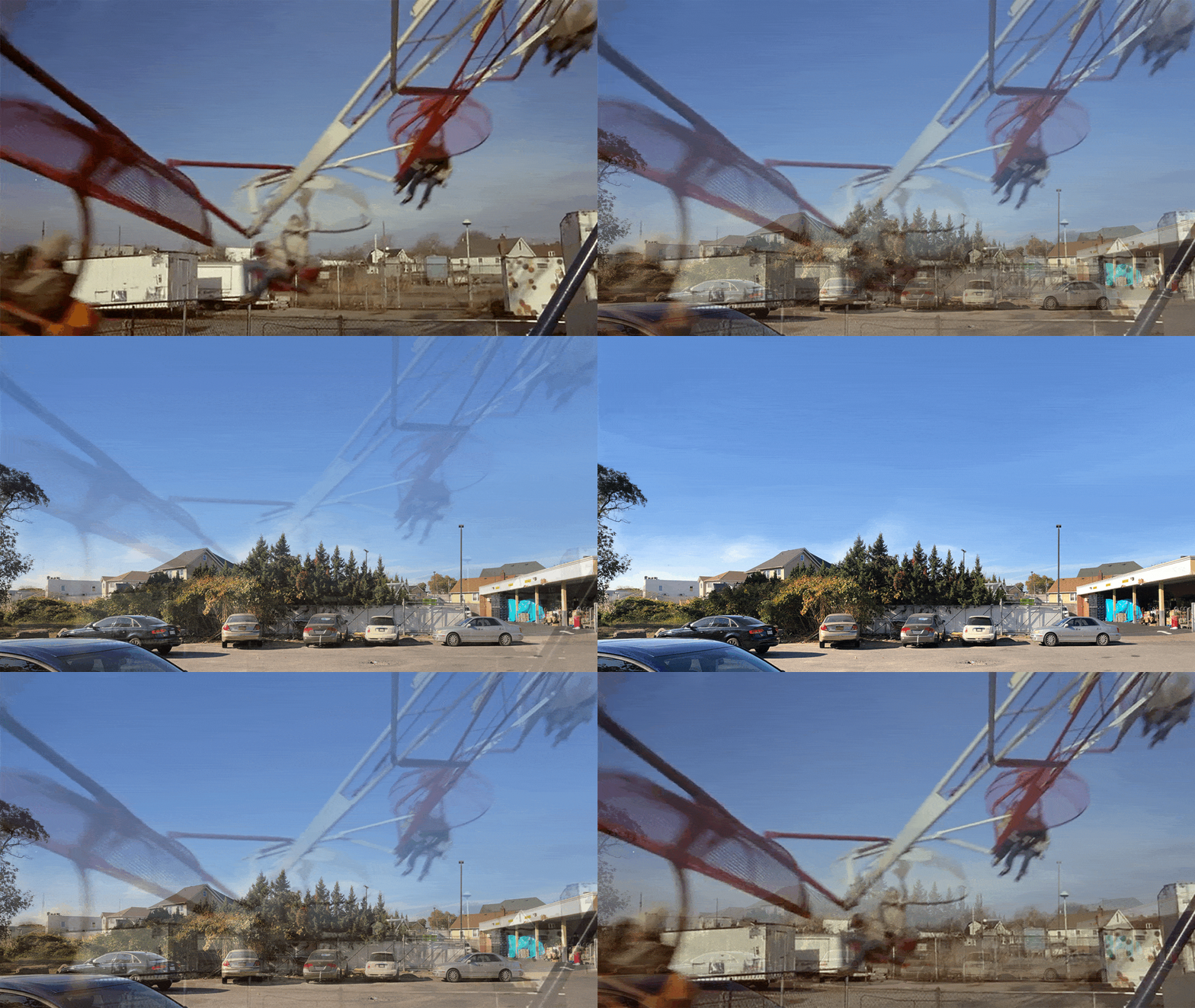
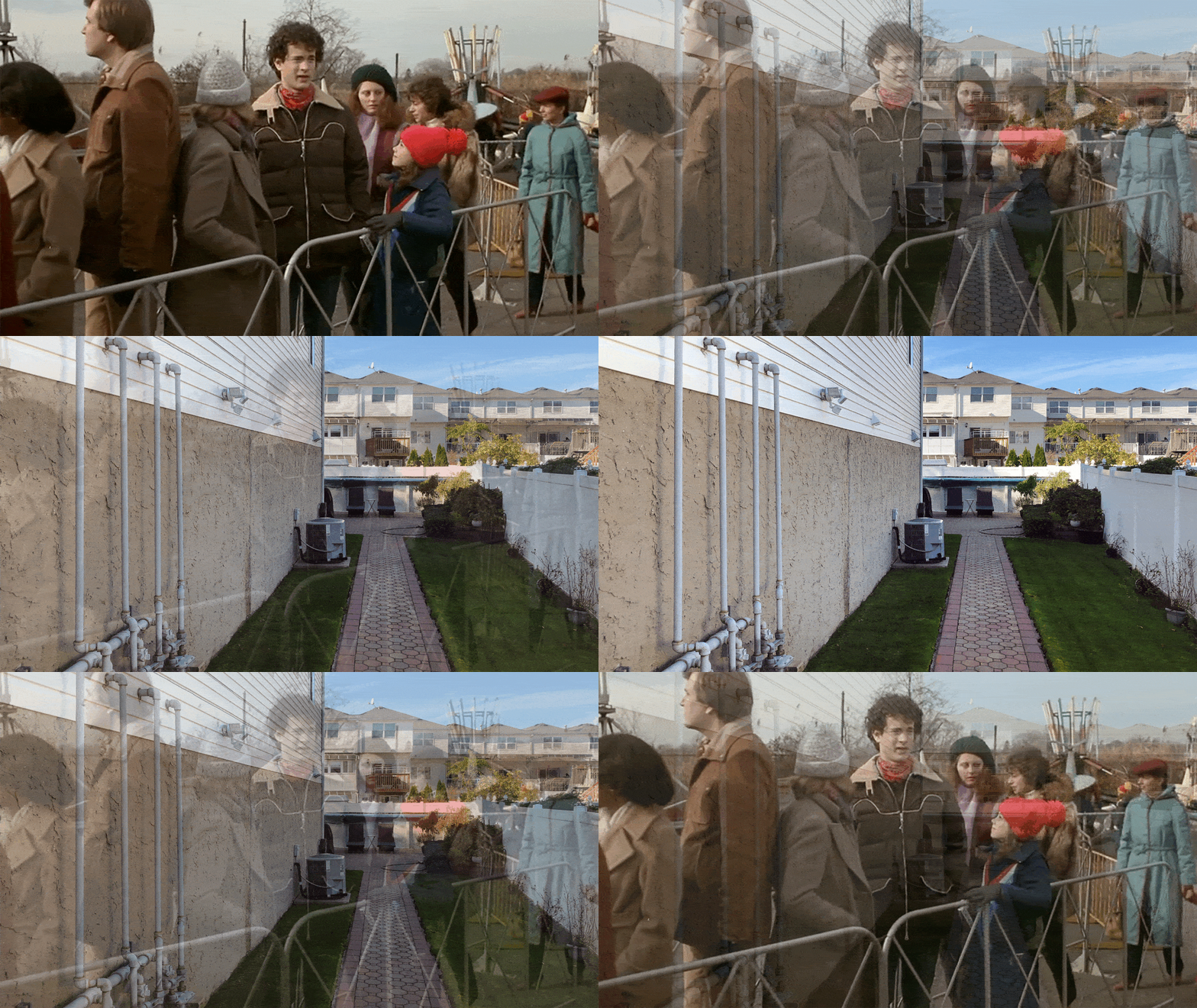
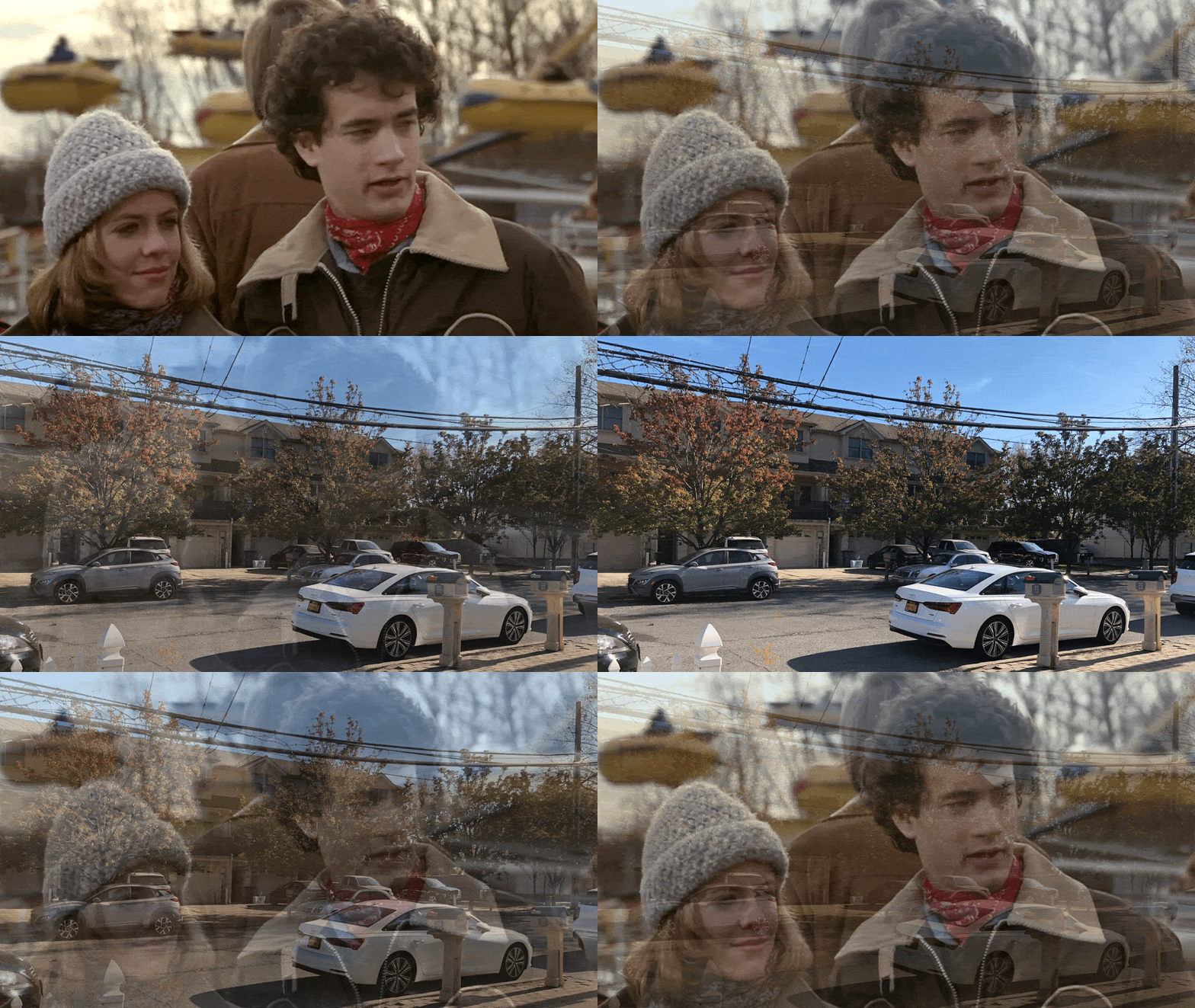
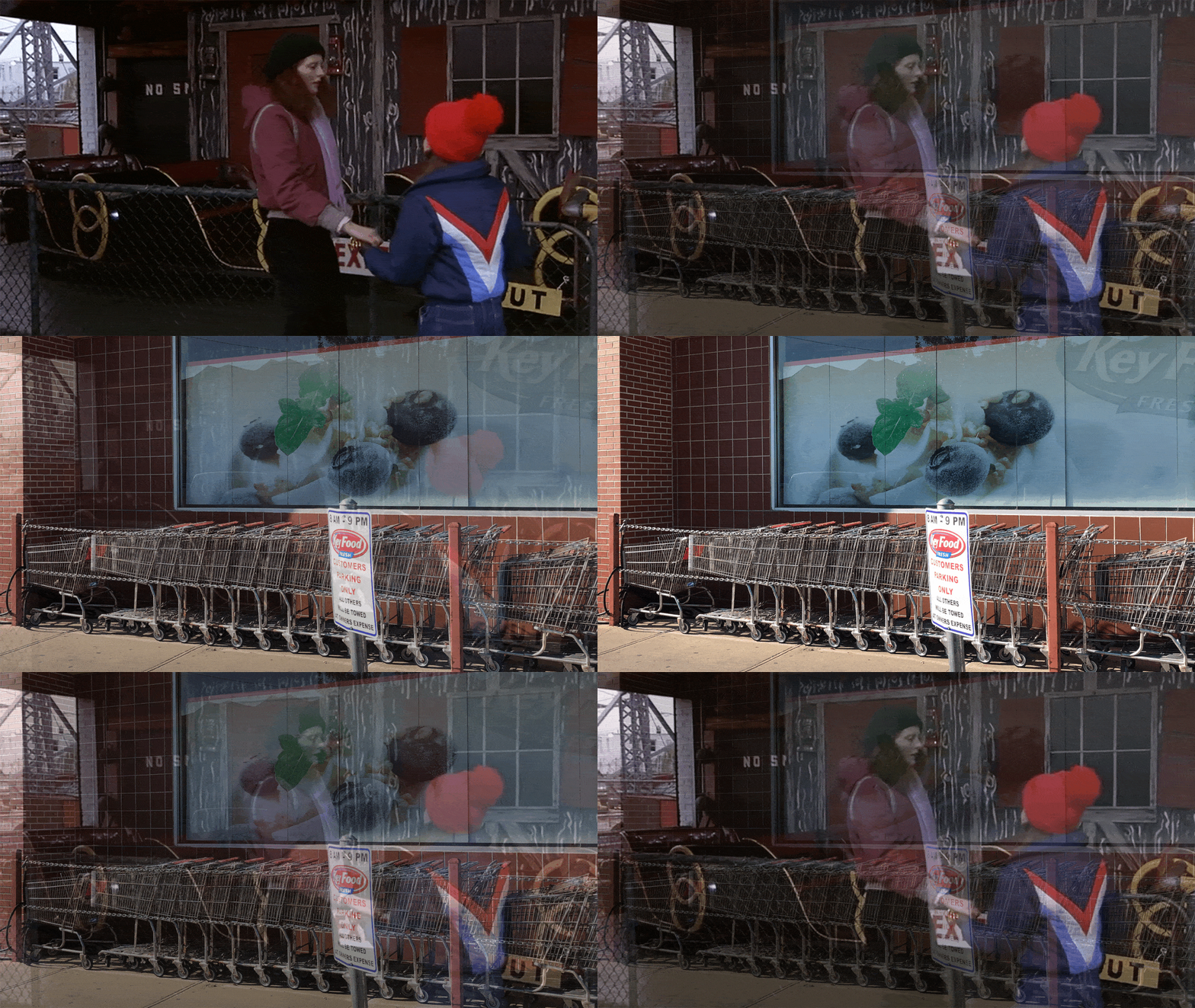
This was another filming location that was listed on IMDb but didn’t have a specific address — it just said it took place at a “Sand Lane Amusement Park.”
Fortunately, there were many nostalgic New Yorkers out there with vivid memories of this Staten Island amusement center, so I was able to find a bunch of websites that offered some details about the place,
The park, which was commonly referred to as South Beach Amusements, first opened in 1941 on Franklin D. Roosevelt Boardwalk in Staten Island’s South Beach. Then in 1953, a new ordinance was issued prohibiting businesses from operating within 400 feet of the boardwalk, forcing the park to move a few blocks north on Sand Lane where these scenes from He Know You’re Alone were eventually filmed.
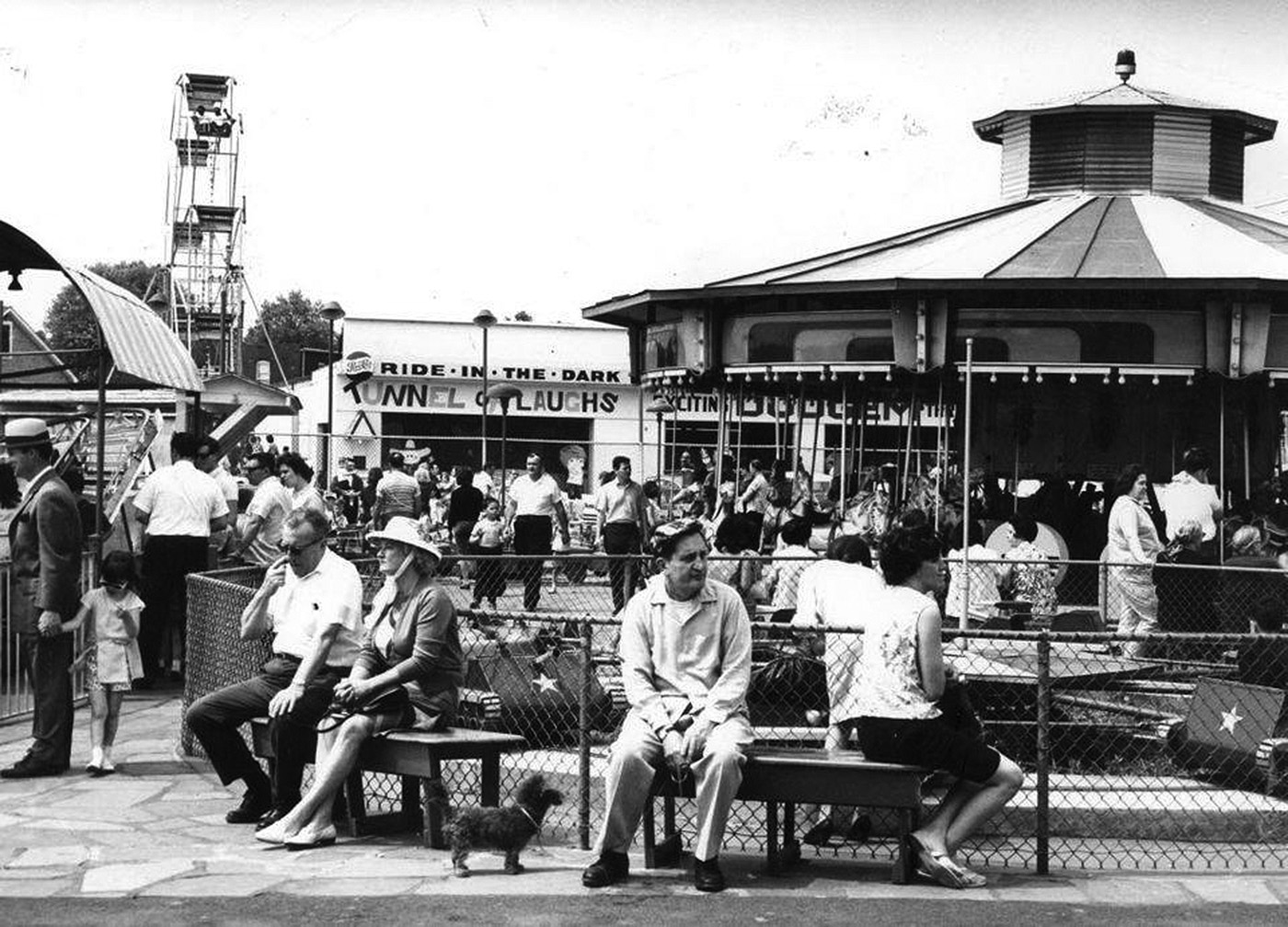
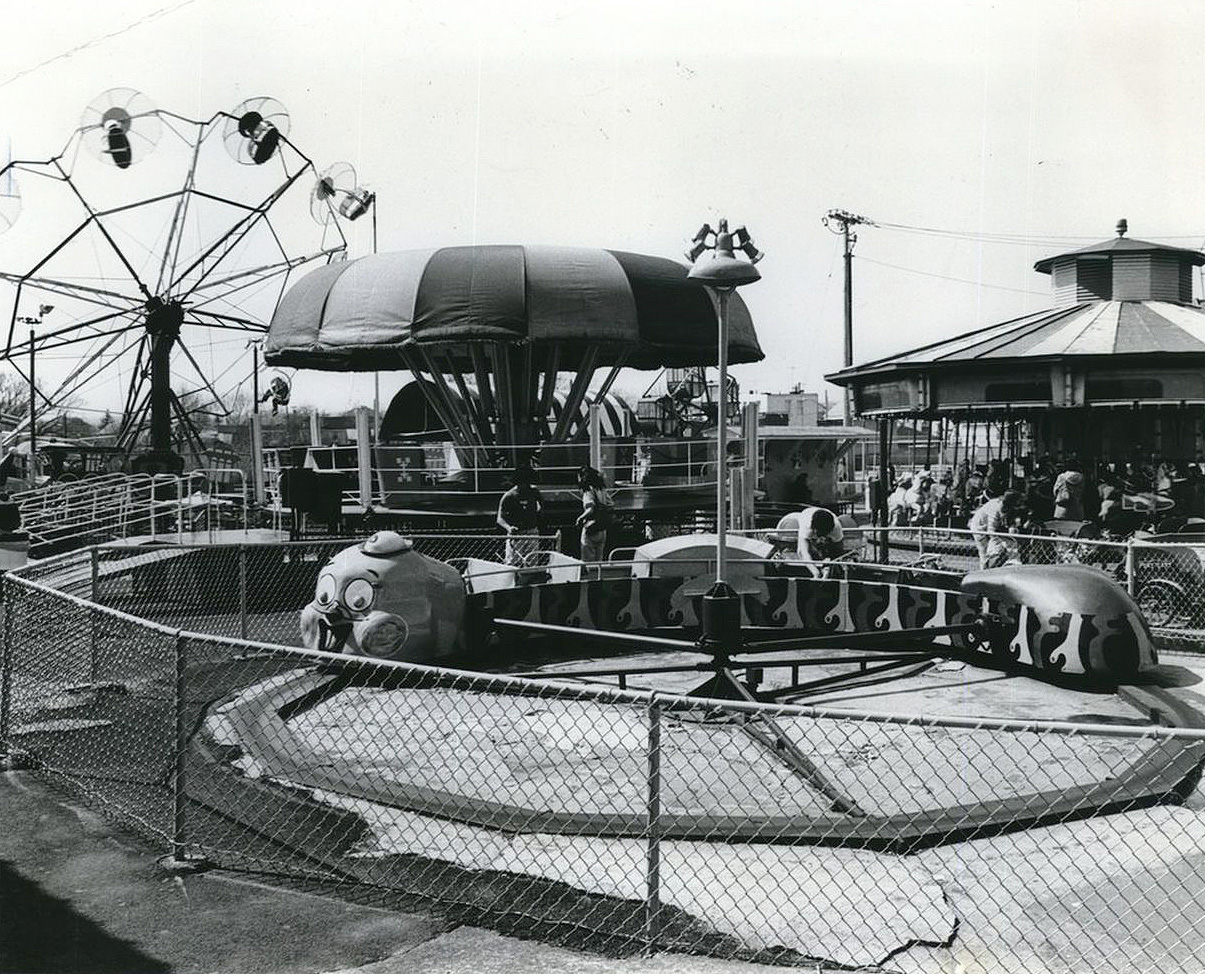
Most of its rides catered to young children, including a merry-go-round and a mini rollercoaster, but it also had a few attractions that appealed to older kids and young adults, such as the Scrambler which was featured in this film.
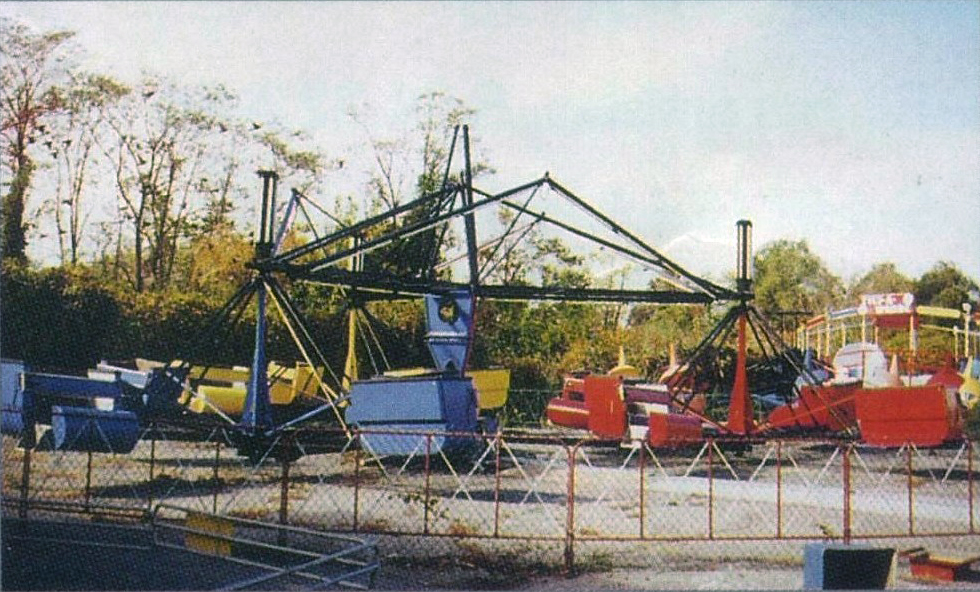
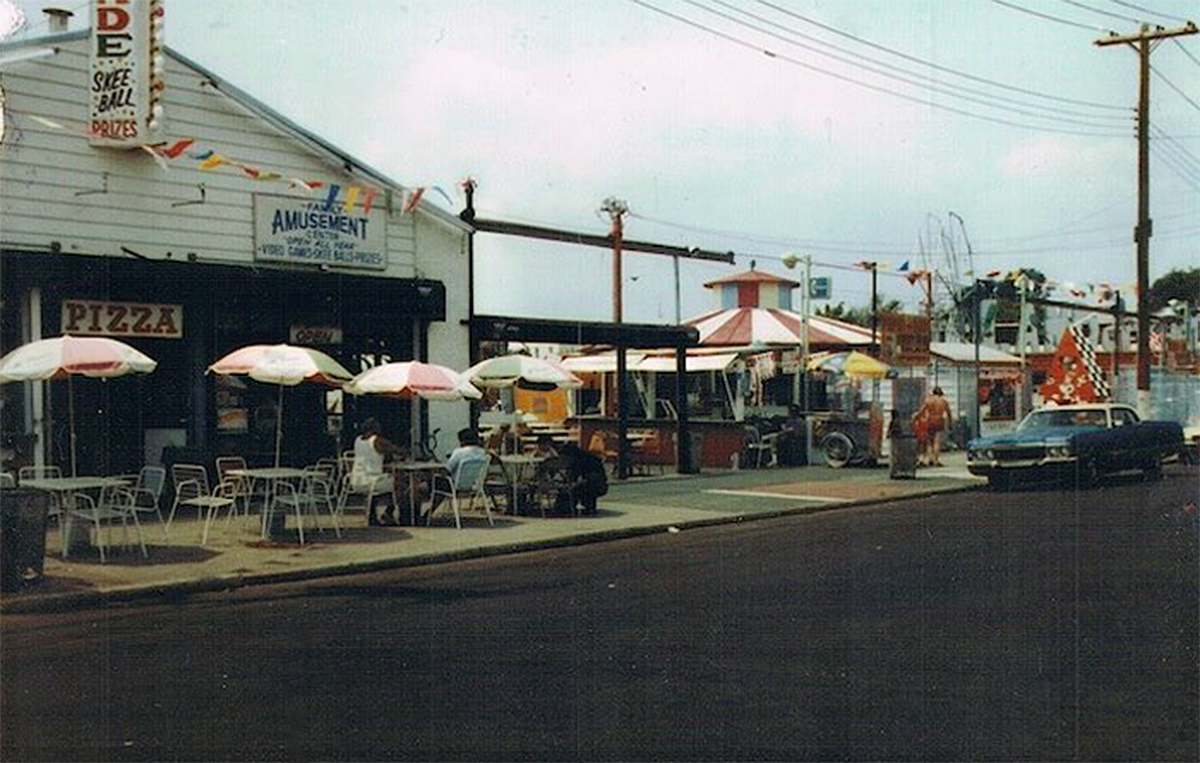
Knowing roughly where the park was situated on Sand Lane, it still took me a little while to get the specific orientation of the rides and buildings, which would later help me figure out where all the scenes took place.
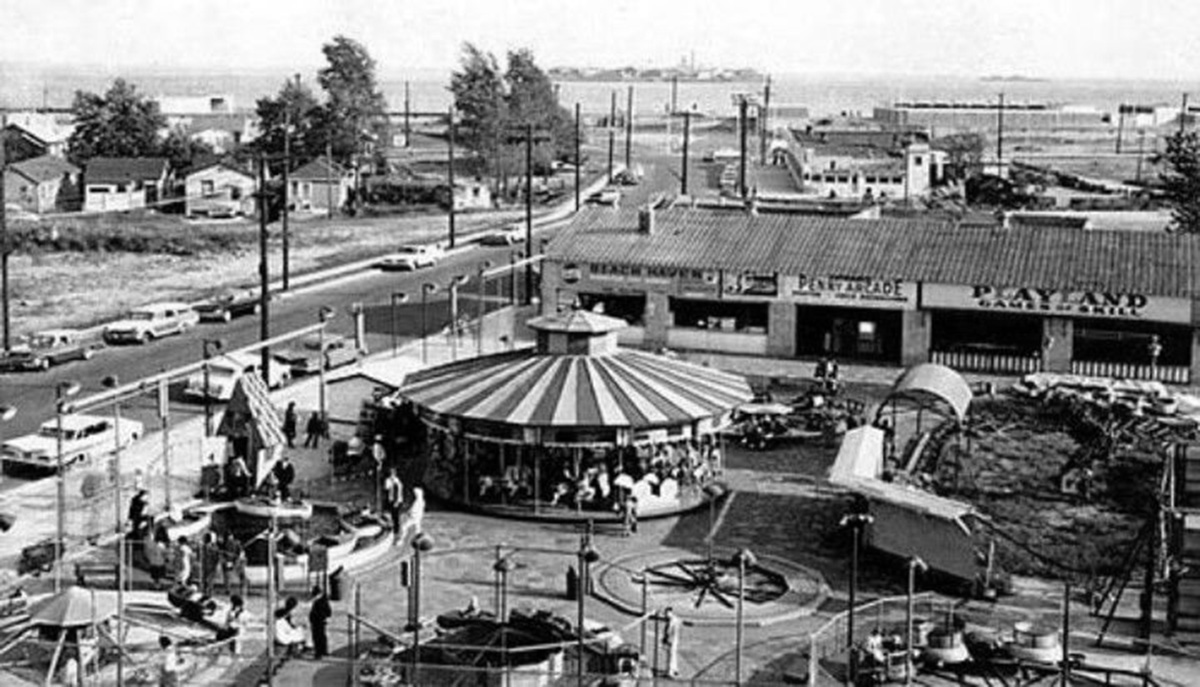
The first thing I got a decent fix on was the Paratrooper ride, whose location I figured out by lining up the background houses in the film with the current houses along Lansing Street.
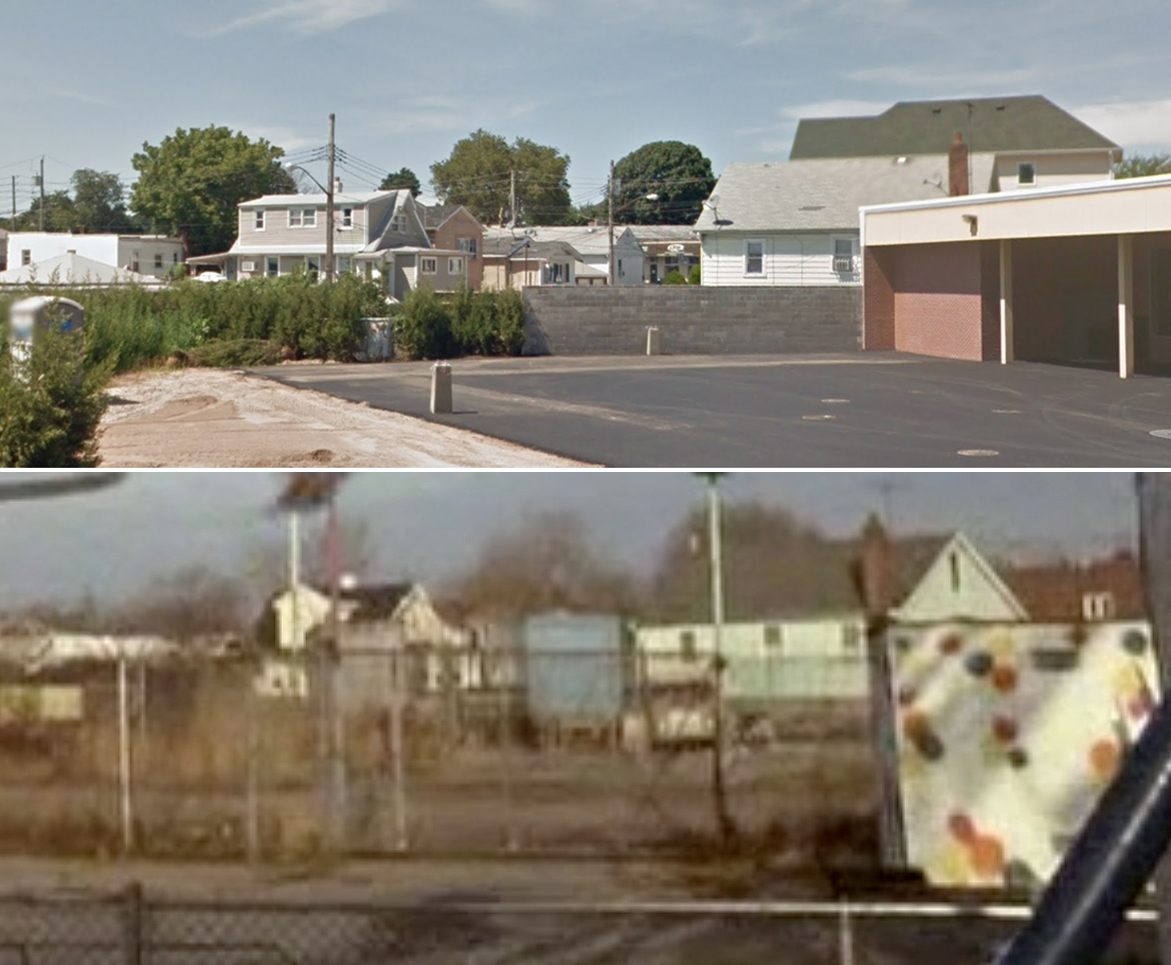
After that, I looked up a 2007 Google Street View of the block and determined that what used to be the dark ride and arcade center is now a Key Food supermarket.
Then, after analyzing a 1992 home movie of the park I found on YouTube, I got a rough idea of where the merry-go-round and Skyfighters ride were situated and their relation to the dark ride/arcade.
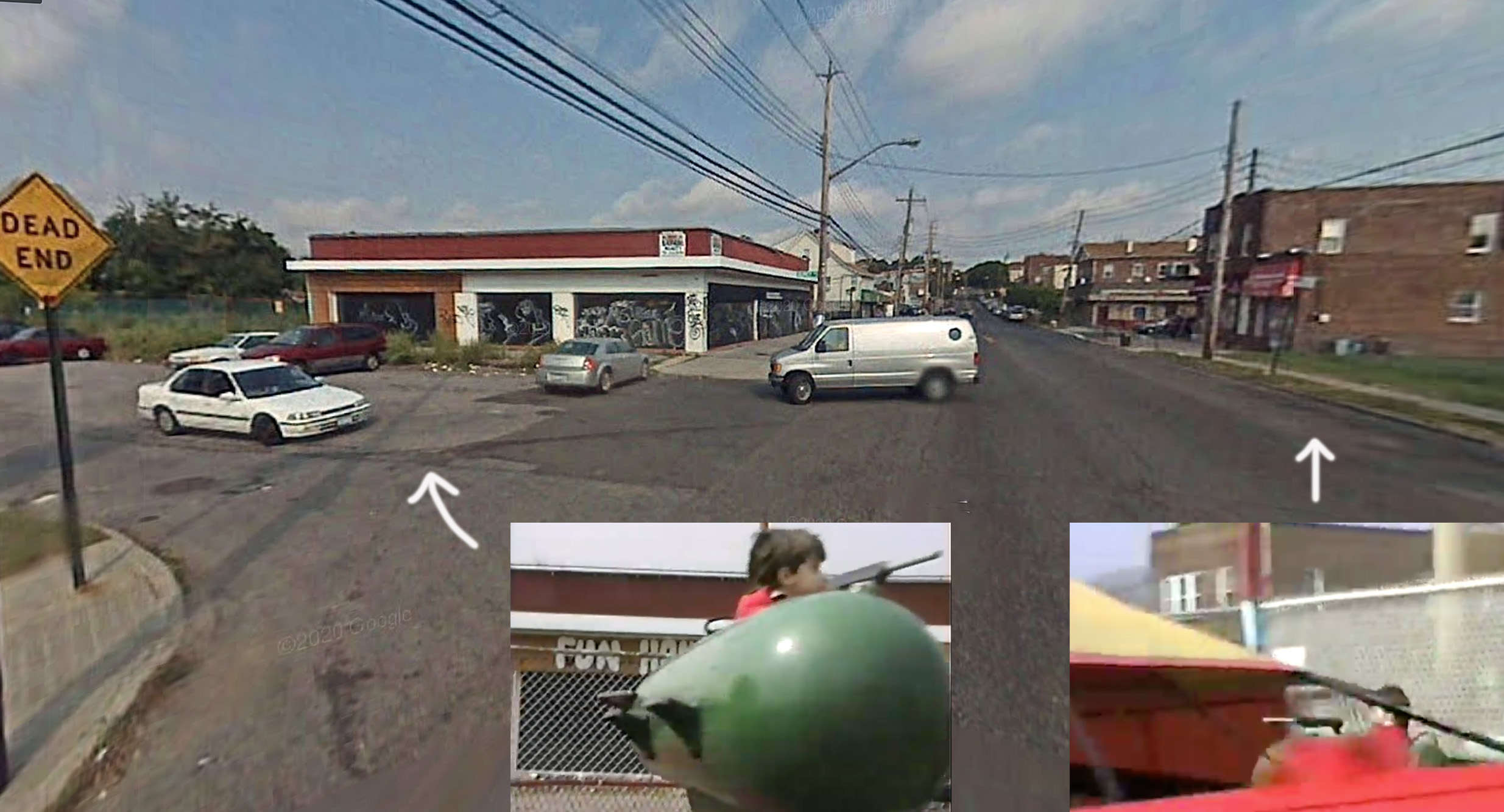
As all these pieces were slowing coming together, I was getting a better sense of the park’s overall layout.
The last thing I needed to nail down was the location of the Scrambler. When I rewatched the scene, I concentrated on the parts where the camera was mounted on the ride itself. In one of those shots, you can clearly see the Scrambler’s relation to the Paratrooper ride, as well as a large activity building which I pinpointed earlier from a 1996 satellite image of the park.
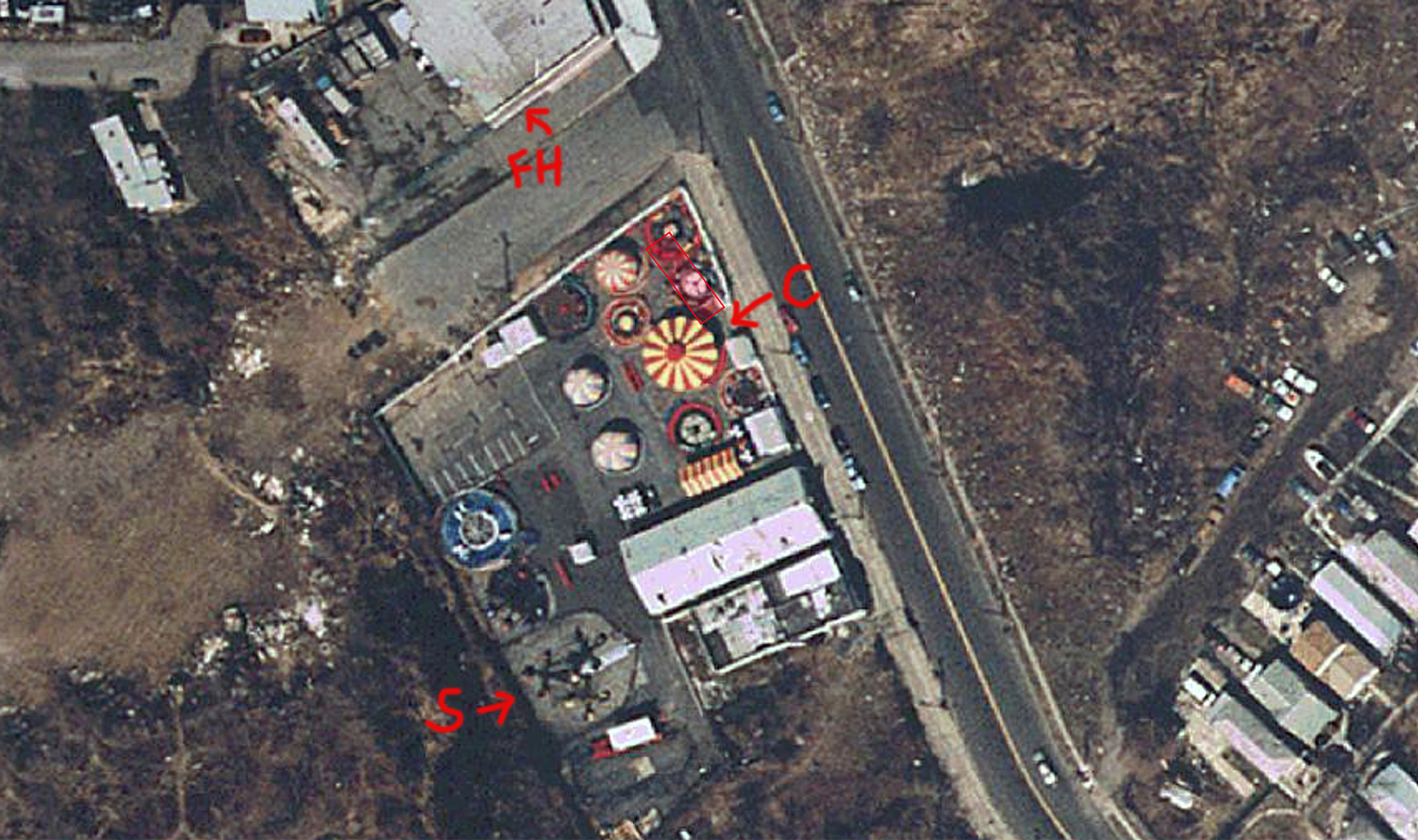
And with that, I had a solid fix on three key locations from these amusement park scenes. Of course, the property is unrecognizable today since it’s now occupied by residential homes that went up shortly after the park closed in 1999 (at which time a ride ticket was a mere $1.25).
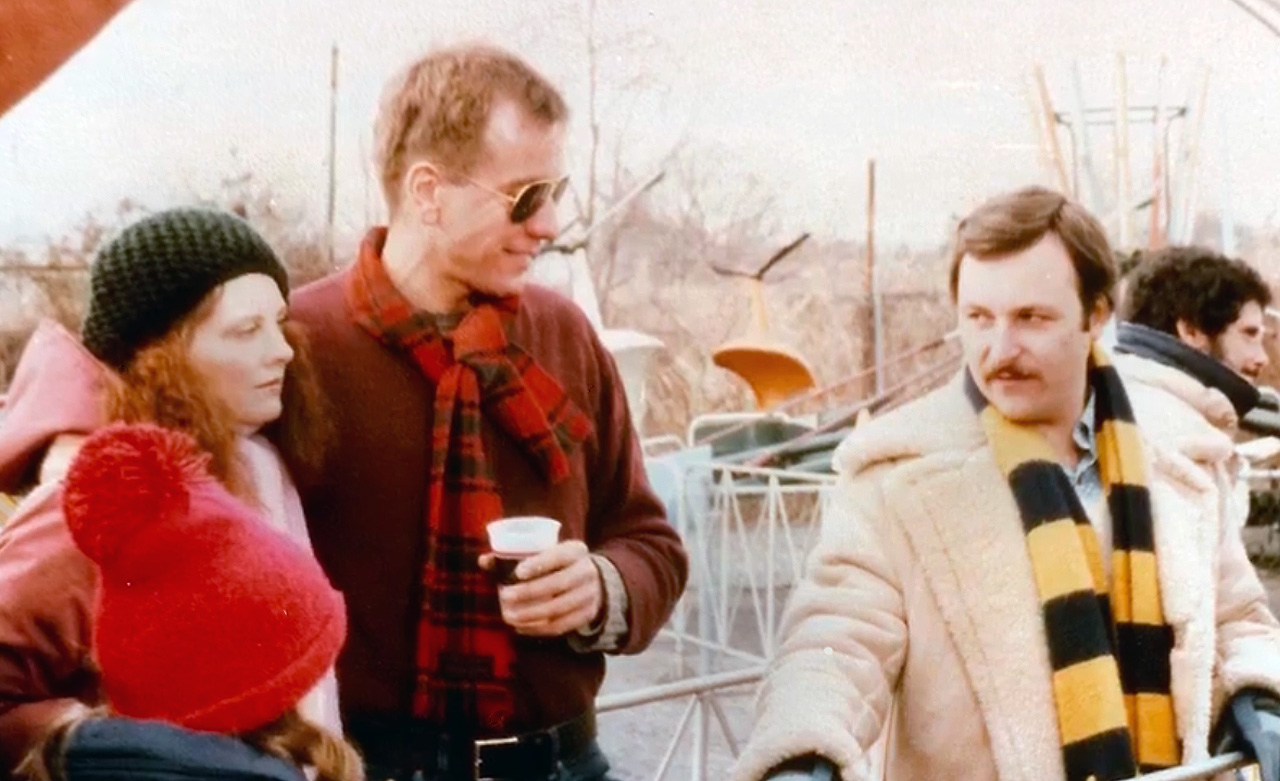
Even though the main amusement park was gone by 2000, the dark ride and arcade center were under different management and remained open until 2006.
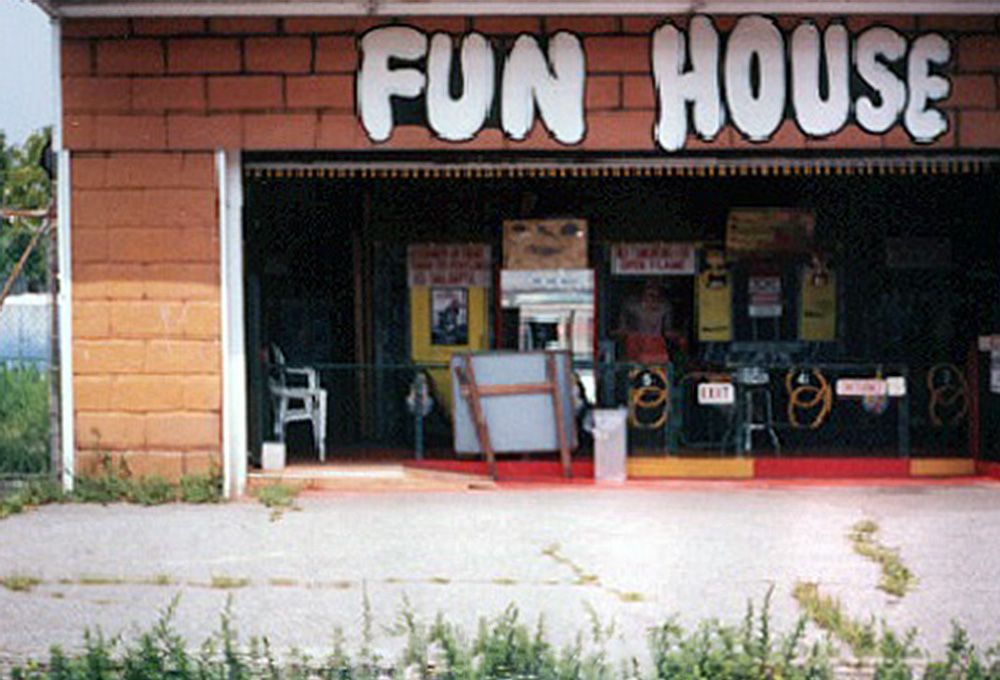
The dark ride, which was a pivotal set piece for this film, was always an independent entity, but was connected to South Beach Amusements ever since its times on the boardwalk. Originally titled “Laff in the Dark,” the family-run ride was renamed “Tunnel of Laughs” when it was moved to the Sand Lane location next to the owner’s arcade.
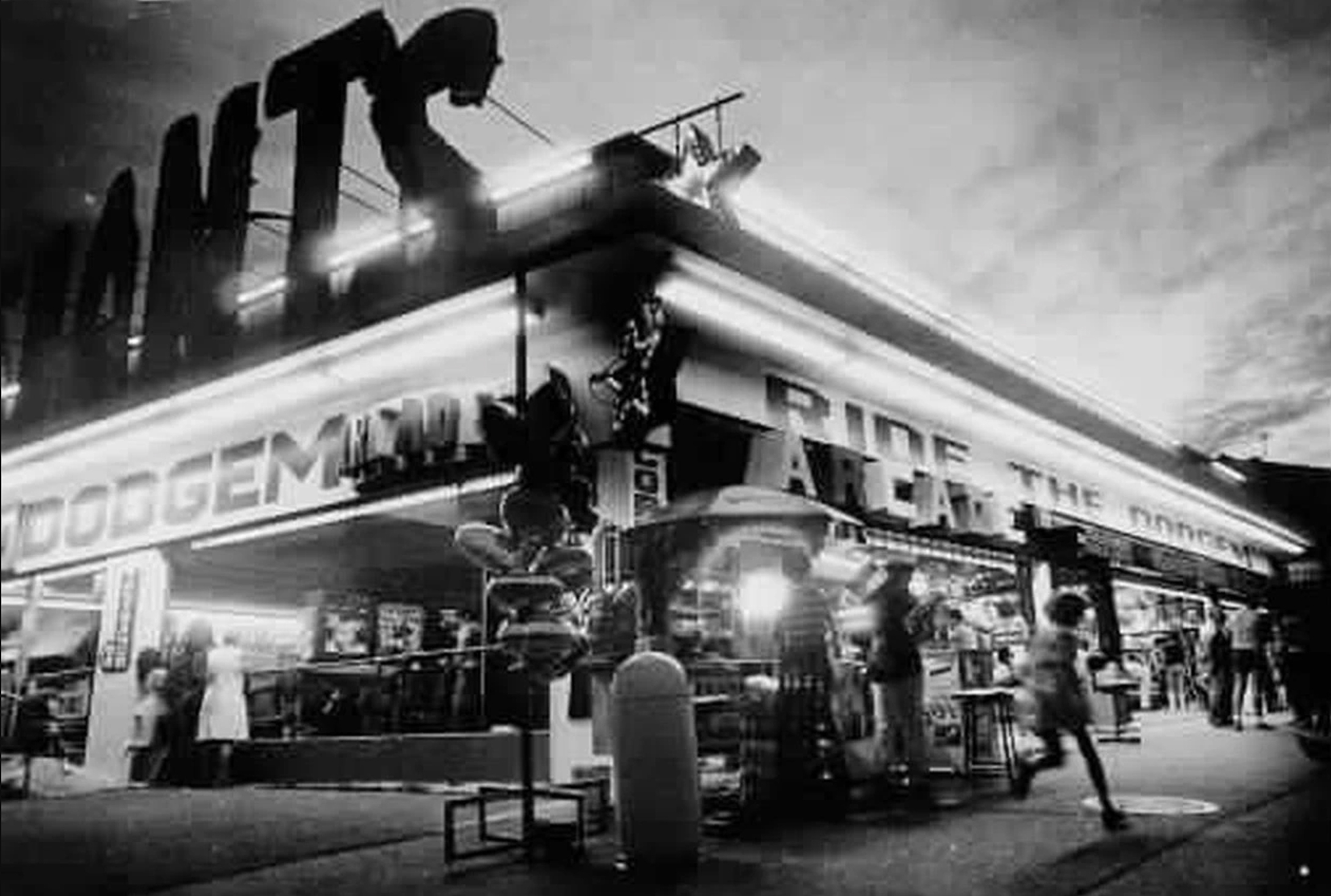
Operating with five Classic Pretzel cars, “Tunnel of Laughs” was originally a pretty tame ride with simple stunts. But then, a couple years before this movie was shot, the owners decided to update the ride, installing scarier props purchased from a “Land of the Giants” ride at West View Park in Pennsylvania. However, the props that appear in this scene were most likely provided by the film crew, as the monsters in the actual ride were a little less sophisticated looking.
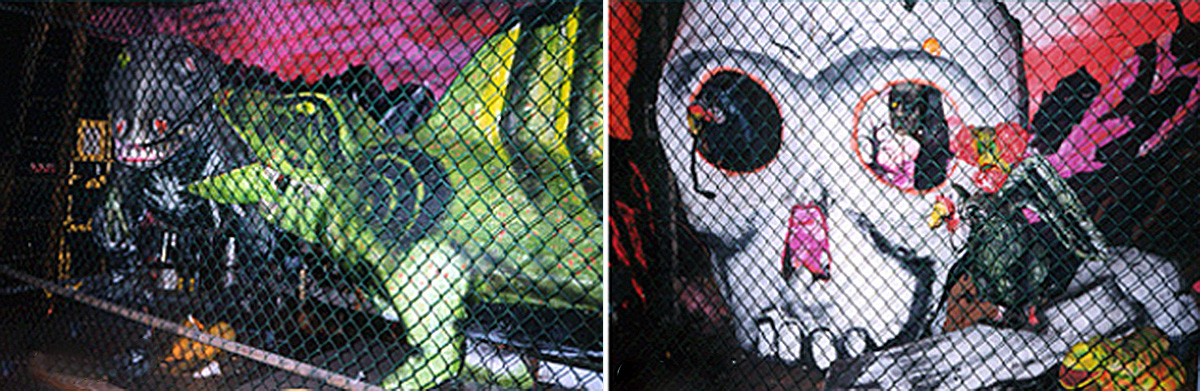
One definite prop supplied by the crew was a glowing skull that horror fans might recognize as one of the three baneful masks in 1983’s Halloween III: Season of the Witch.
At first, I was a bit perplexed as to how a prominent prop from a 1983 Universal picture appeared three years earlier in a 1980 independent film. As it turns out, the skull and witch masks that appeared in Halloween III were adaptations of latex masks already being manufactured by Post Studios.
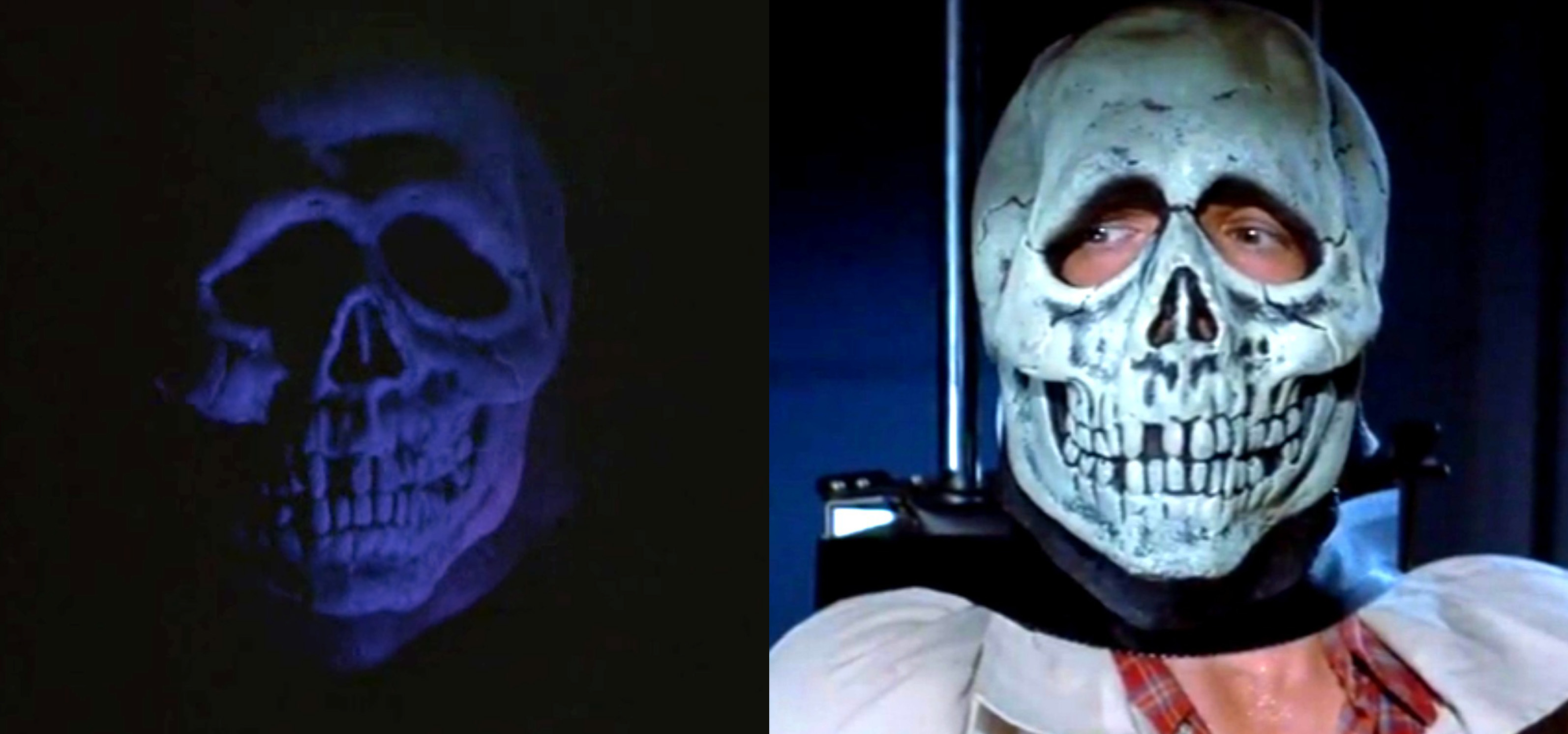
In business since the 1930s, Post Studios is recognized for creating some of the first rubber masks to be worn over the head. Of their creations, the best known ones are the eerie Tor Johnson mask from the 1970s and the Captain Kirk mask which was altered to become the infamous Michael Myers mask in the original 1978 Halloween film,
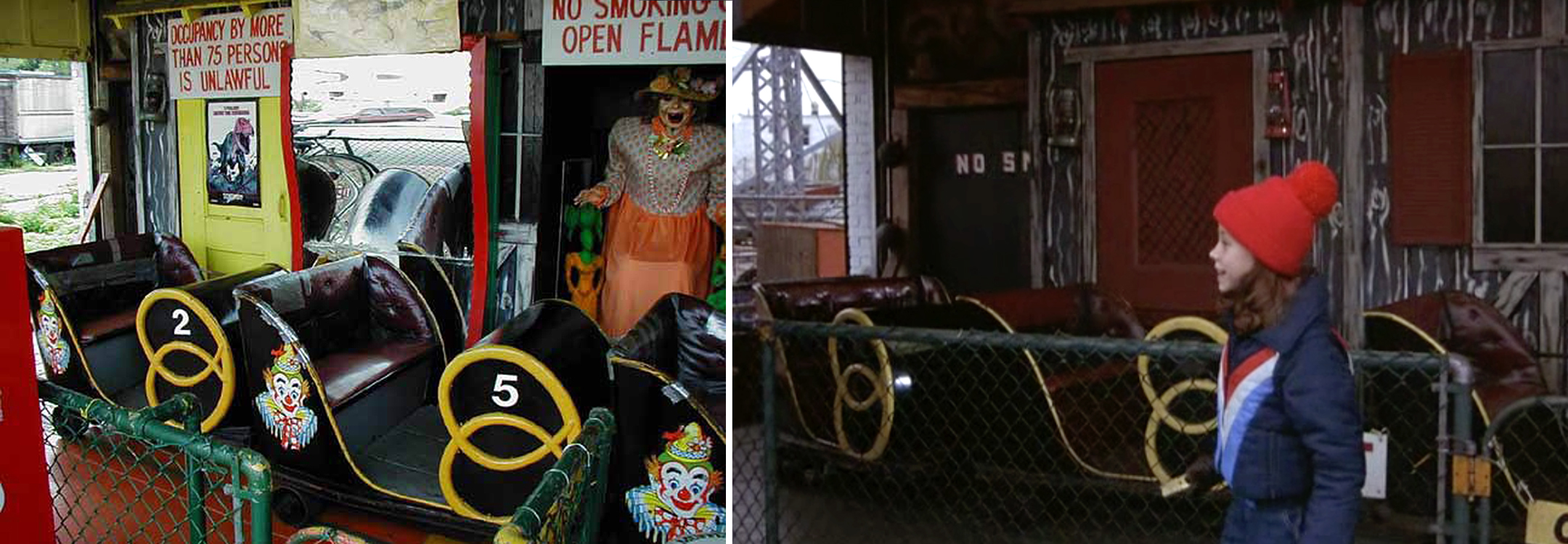
A couple years after the dark ride and arcade closed in 2006, the building was expanded and modified when the Key Food supermarket moved in.
This amusement park sequence in He Knows You’re Alone offers a nice time capsule of Staten Island’s South Beach from the late-1970s, but the most noteworthy thing about it is seeing Tom Hanks in his first feature film role. Even though his character doesn’t have much to do, Hanks manages to get in a few quirky moments during his brief screen time.
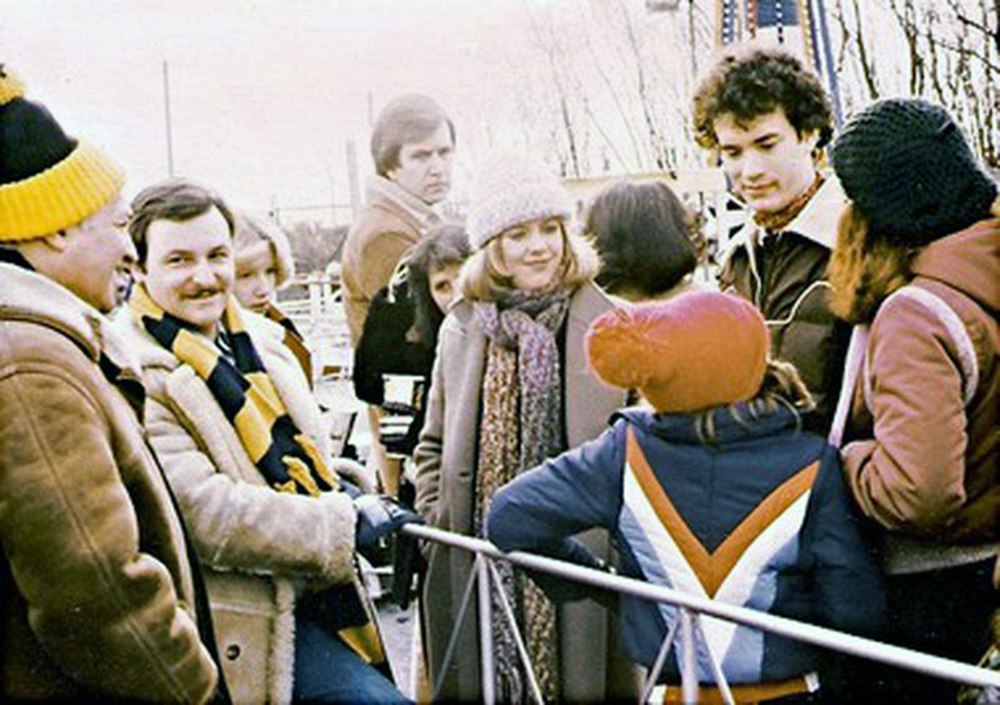
It’s been said that his character Elliot was originally supposed to be murdered later in the story, but the scene was never filmed. There are different accounts as to why that happened, but according to Hanks, his murder scene was ditched simply because the producers ran out of money.
This lack of funds seems to be a logical explanation, as the production was unquestionably on a tight budget.
Case in point, most of the extras in the movie were unpaid friends and family of the crew, which included the cameraman’s 7-year-old son for these amusement park scenes. According to the film’s unit manager, Bob Millman, they wanted a close-up of the kid with some cotton candy, but when production couldn’t scrounge up the real thing, they just put pink fiberglass insulation in a big paper cone. His father was apparently not very pleased.
Car Chase
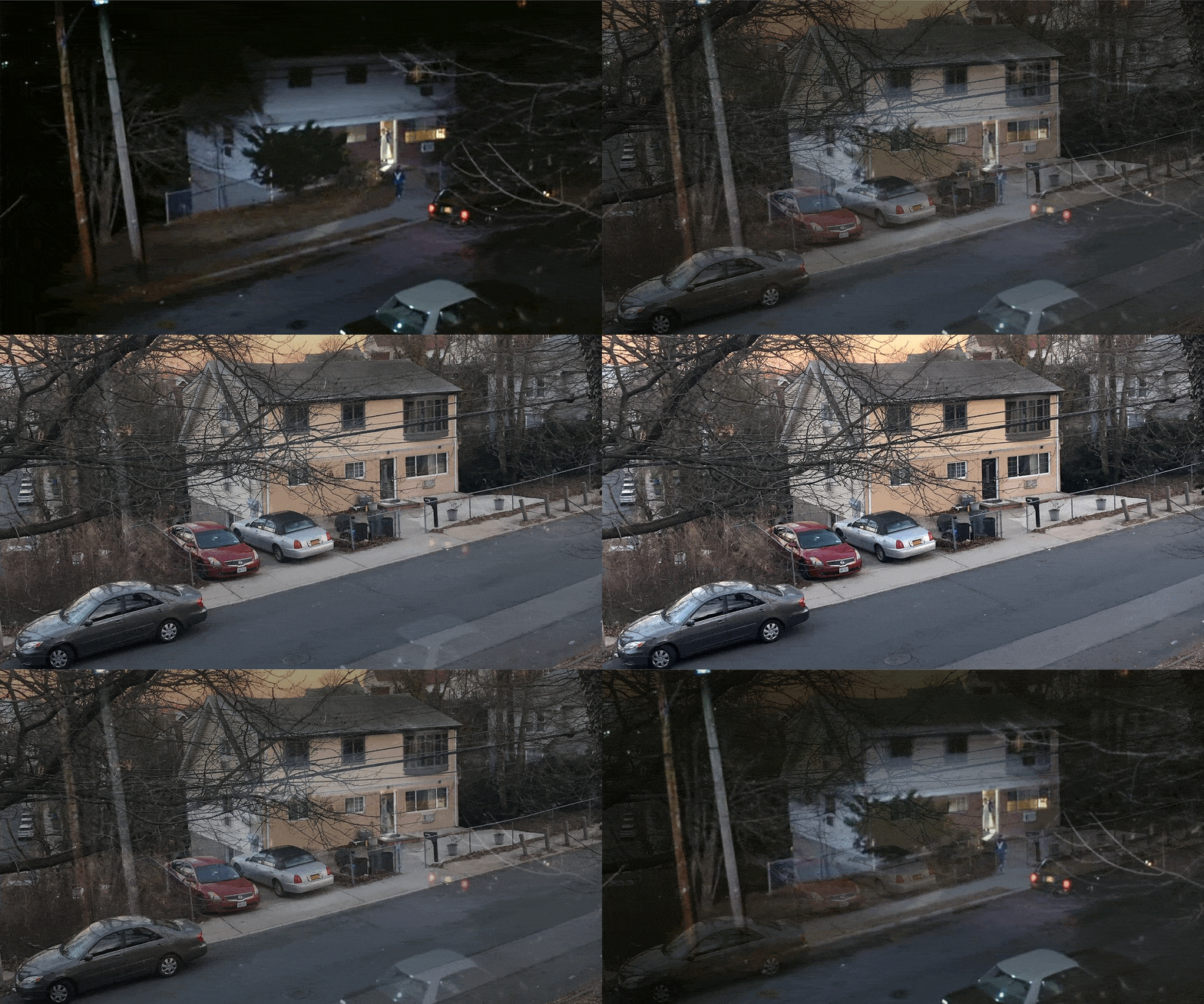
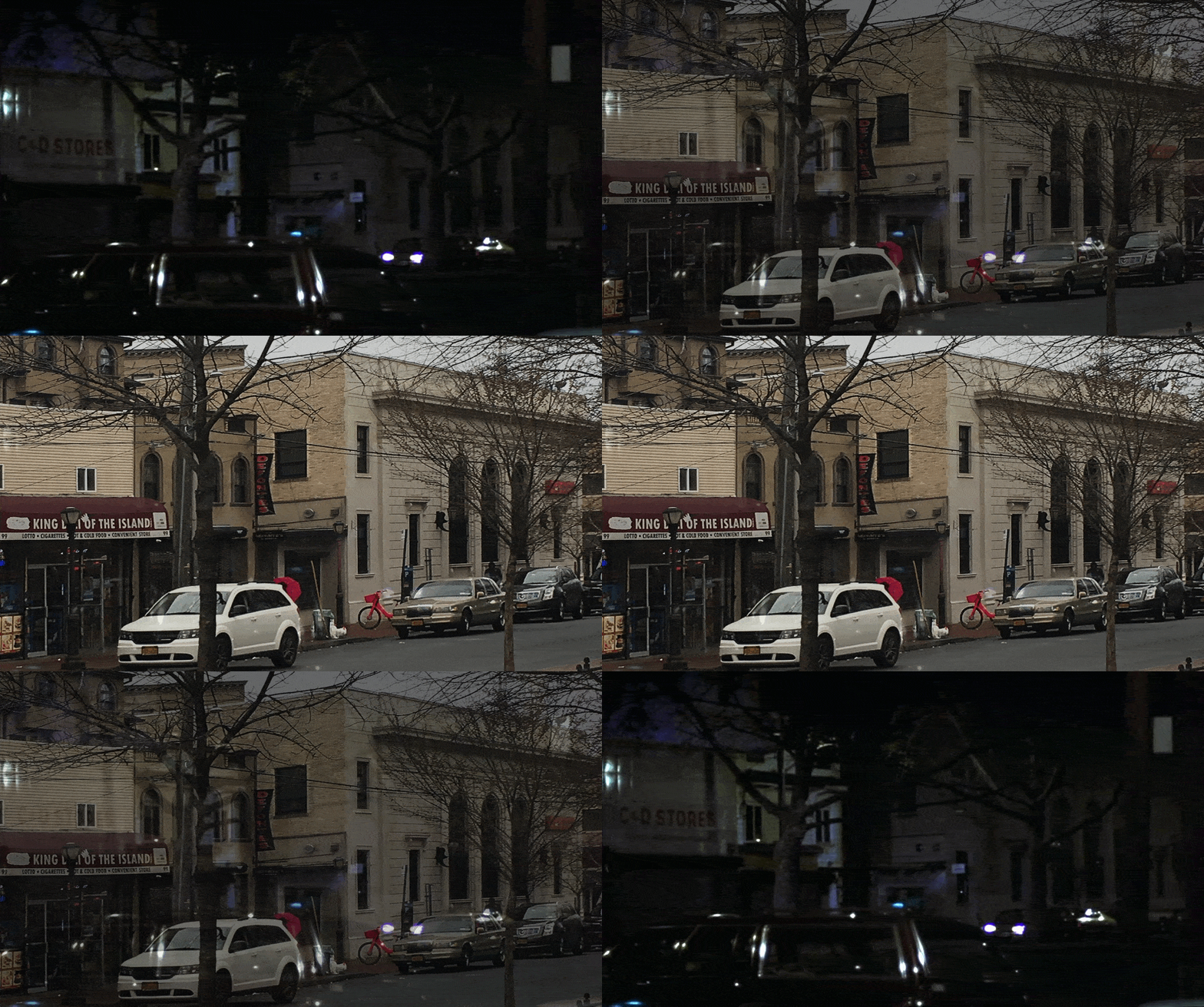
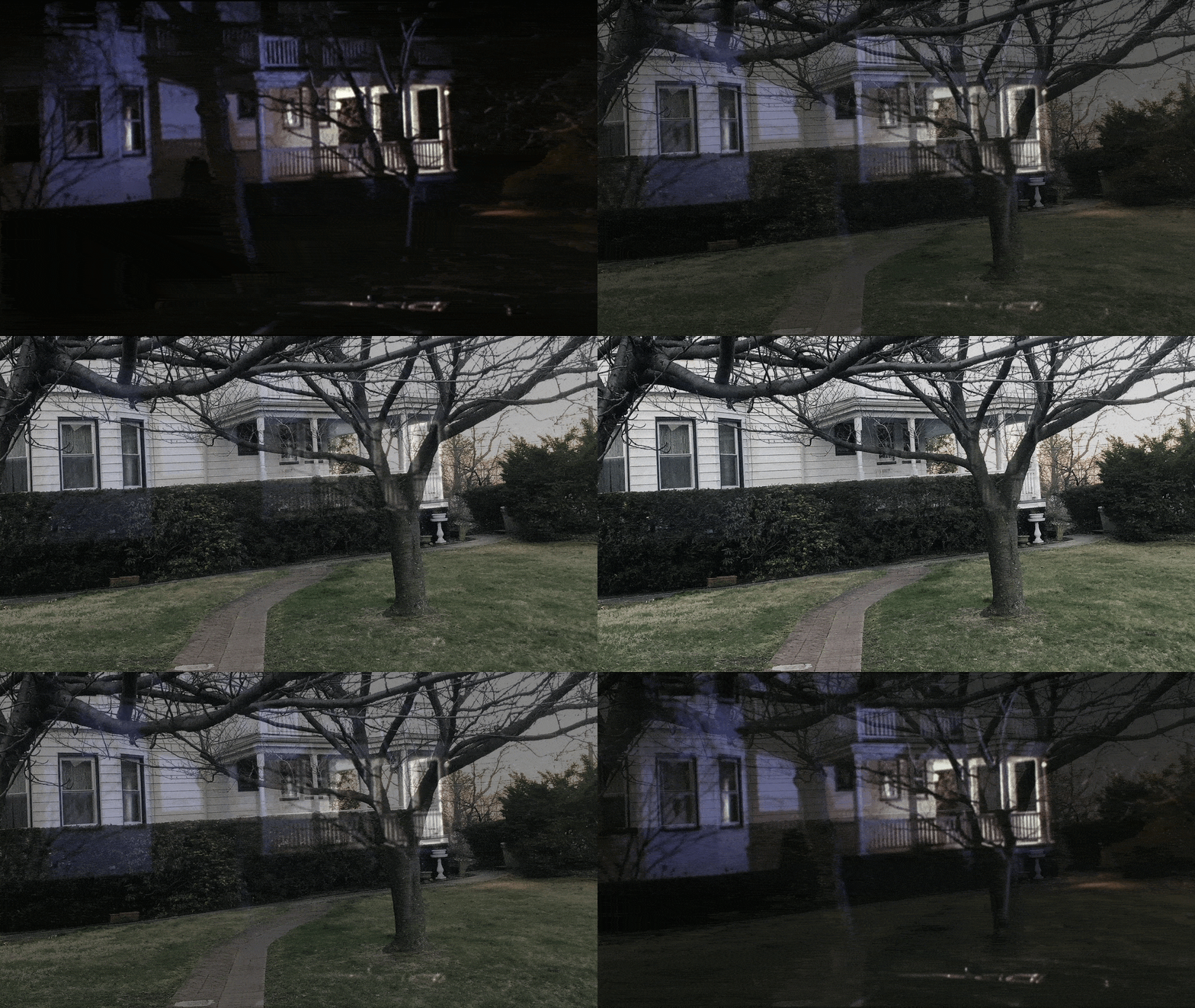
I thought finding the location of Diane’s friend’s house was going to be hard since the “scene” is made up of just one single wide shot of a residential home at night. But on a hunch, I started my search near the location of Amy’s home and almost immediately noticed a similar-looking building directly across the street.
Even though the facade had changed a little, the door and window placements matched up perfectly, and when I looked up a tax photo of the house, it was pretty much identical.
When you think about it, using the house directly across the street made total sense for logistical and budgetary reasons. In fact, it’s fairly obvious the crew just grabbed a quick shot of the “friend’s” house from the porch of “Amy’s” house in between set-ups.
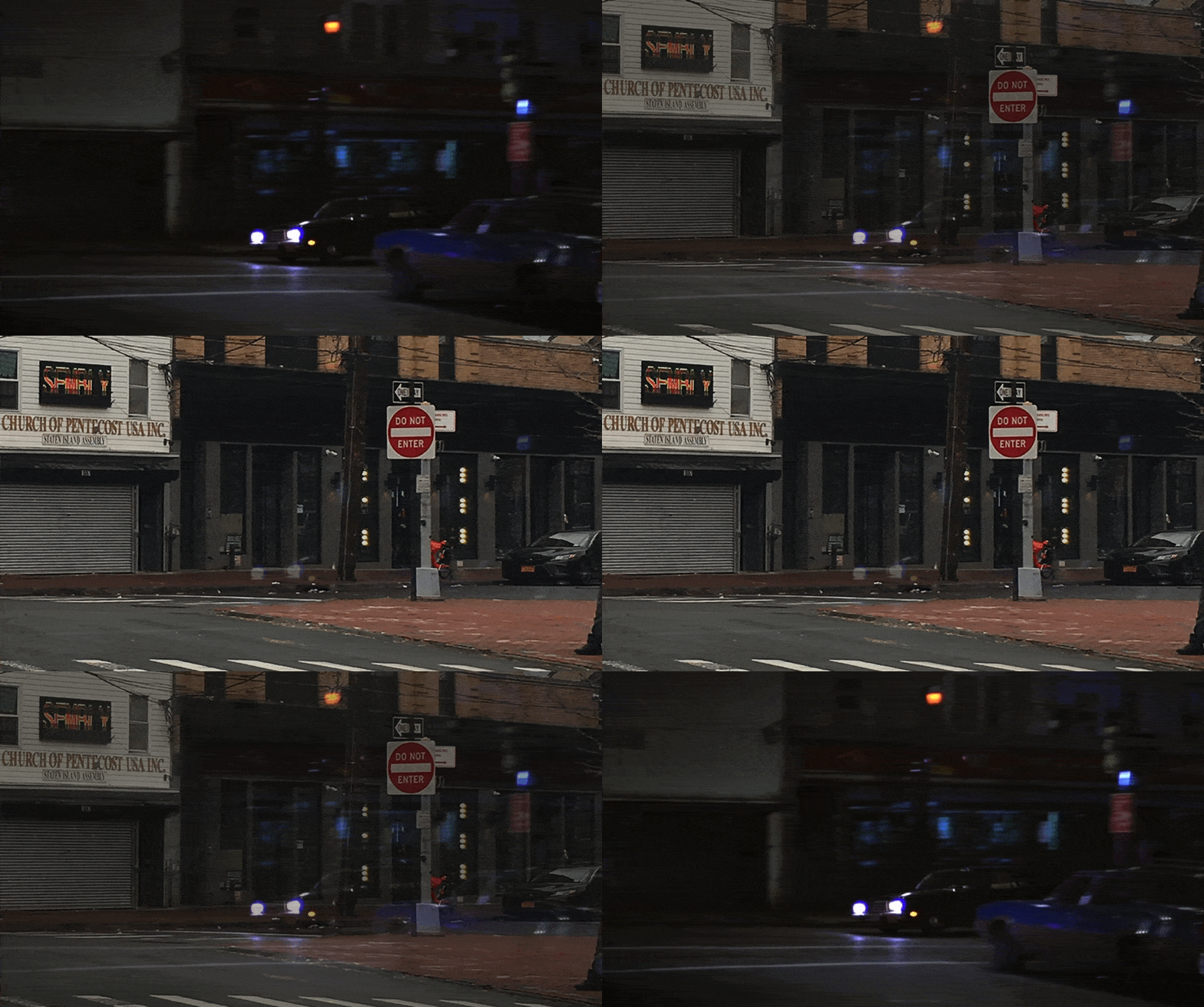
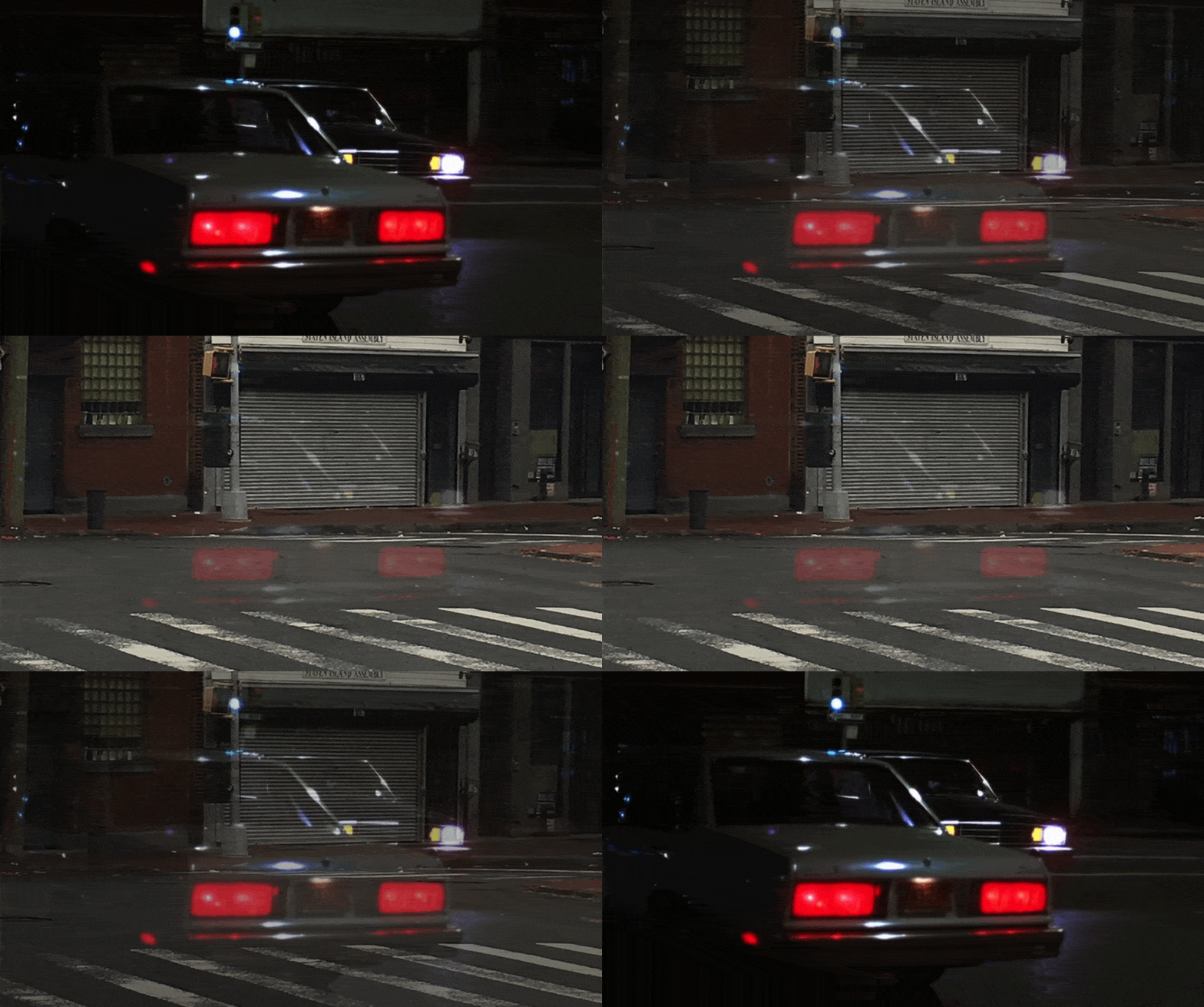
When it came to finding the location of the car chasing scene, there were fortunately a couple store signs visible in the background which I hoped would be of some use to my search. Plus, the action culminated at what looked like a T intersection, which I thought could also be a useful clue.
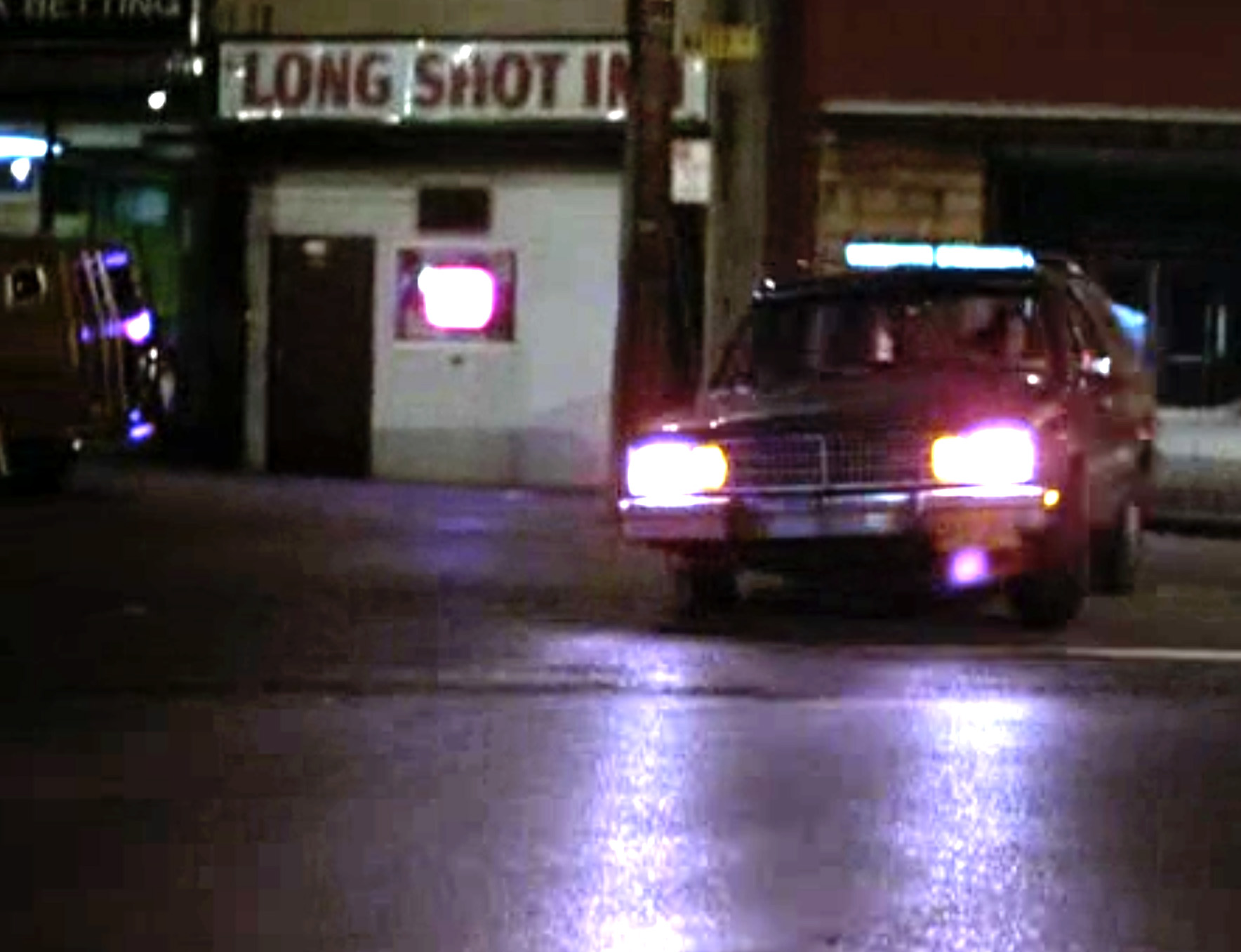
The first sign I focused on was the one at a bar that said, “Long Shot Inn.” There was a street sign in that shot, too, but I couldn’t read what it said, although I could tell is was probably a five or six letter name.
Unfortunately, when I did a Google search for “Long Shot Inn” and “Staten Island,” I got zero results. Zero. An occurrence that hardly ever happens. So, I decided to instead focus on the long, red sign a couple buildings over.
Even though I couldn’t get a clear picture of the sign, I could make out a couple W’s on it, making me suspect it was for the retail store, F. W. Woolworth.
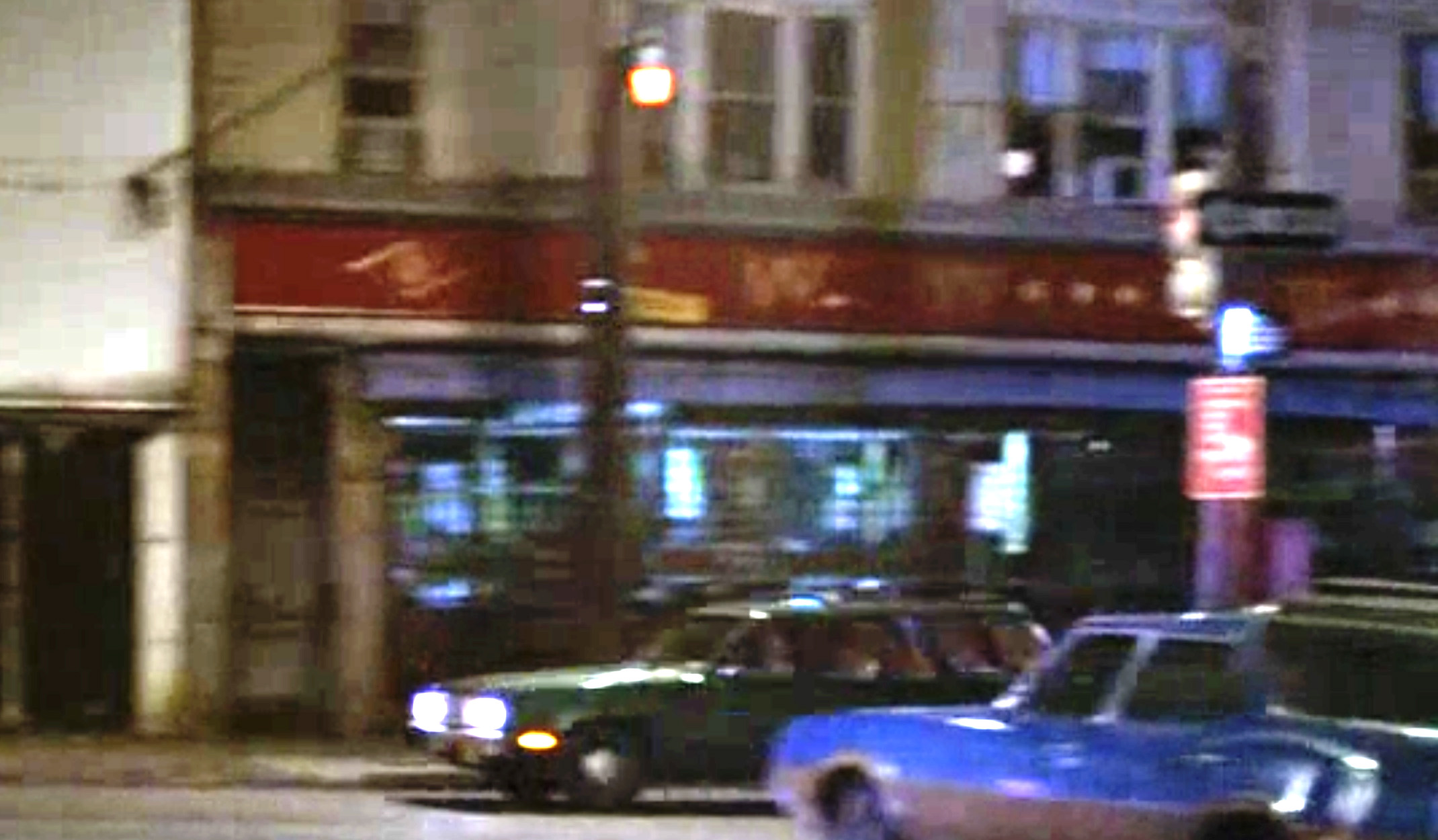
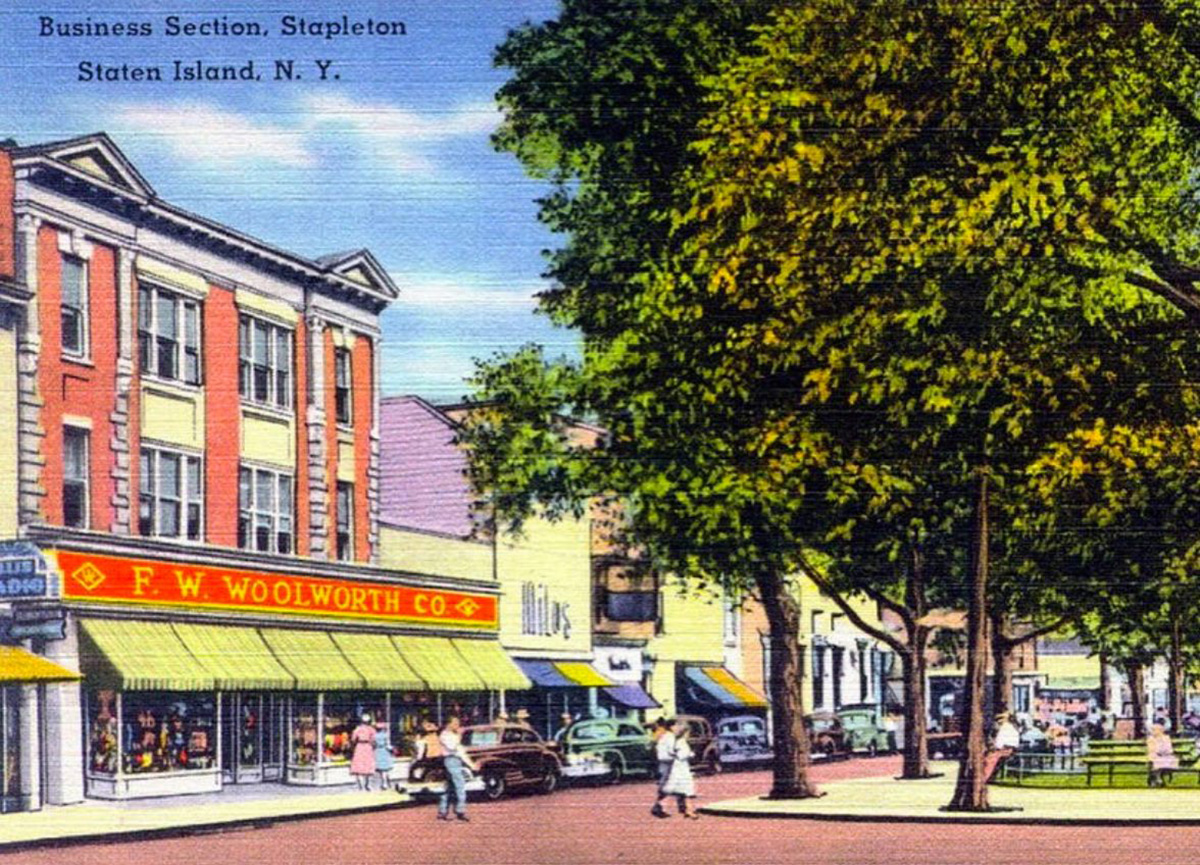
After doing a Google search for any Woolworth’s on Staten Island, I got a bunch of hits, but the only specific address I could find was on Port Richmond Avenue, which didn’t match the film. I did find an illustrated postcard of a Woolworth’s in the Stapleton neighborhood that looked like it could be a match, but there wasn’t an address listed with it.
So, having hit a minor dead end, I decided to do a Google search again for “Long Shot Inn,” but this time including the phrase, “Stapleton.” And to my surprise, that one minor change netted me a hit, leading me to a want ad in a 1982 issue of The Daily News. In the paper, the ad gave an address of 113 Water Street, which just so happened to be located at a T intersection.
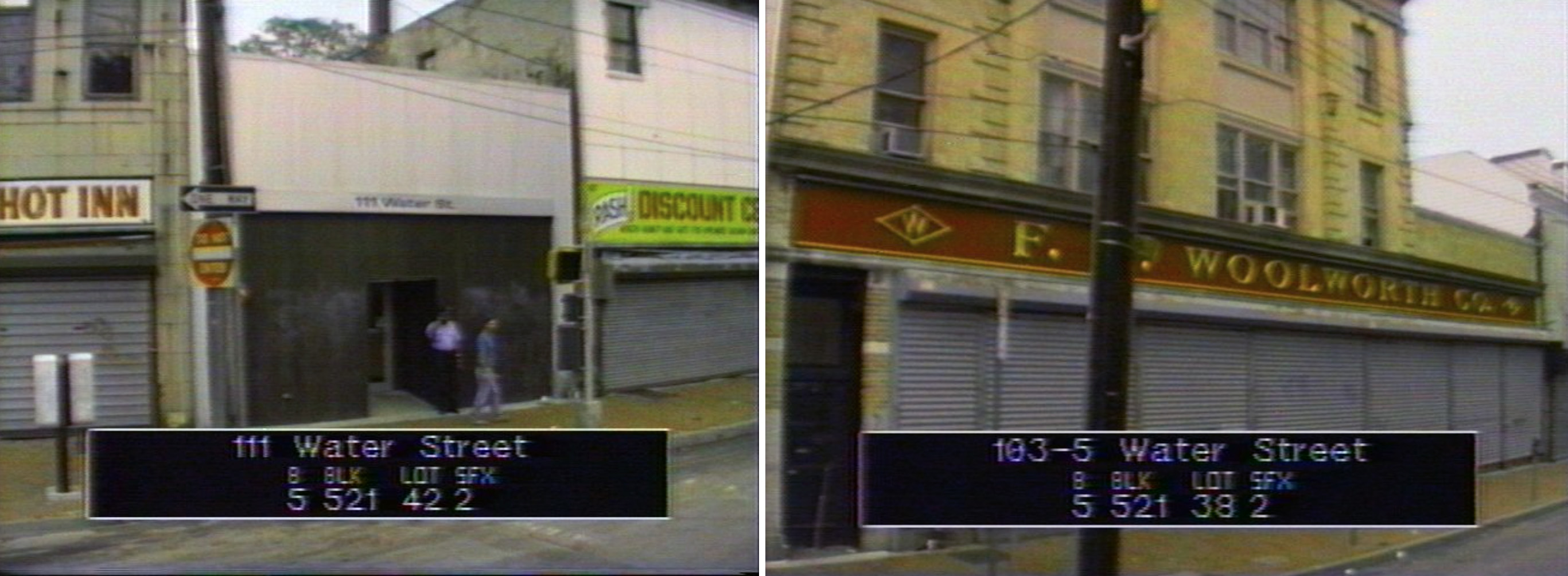
After checking out the street in Google Maps as well as the 1980s tax records, I found numerous matching buildings and was 100% satisfied that I found the right location.
Final Chase
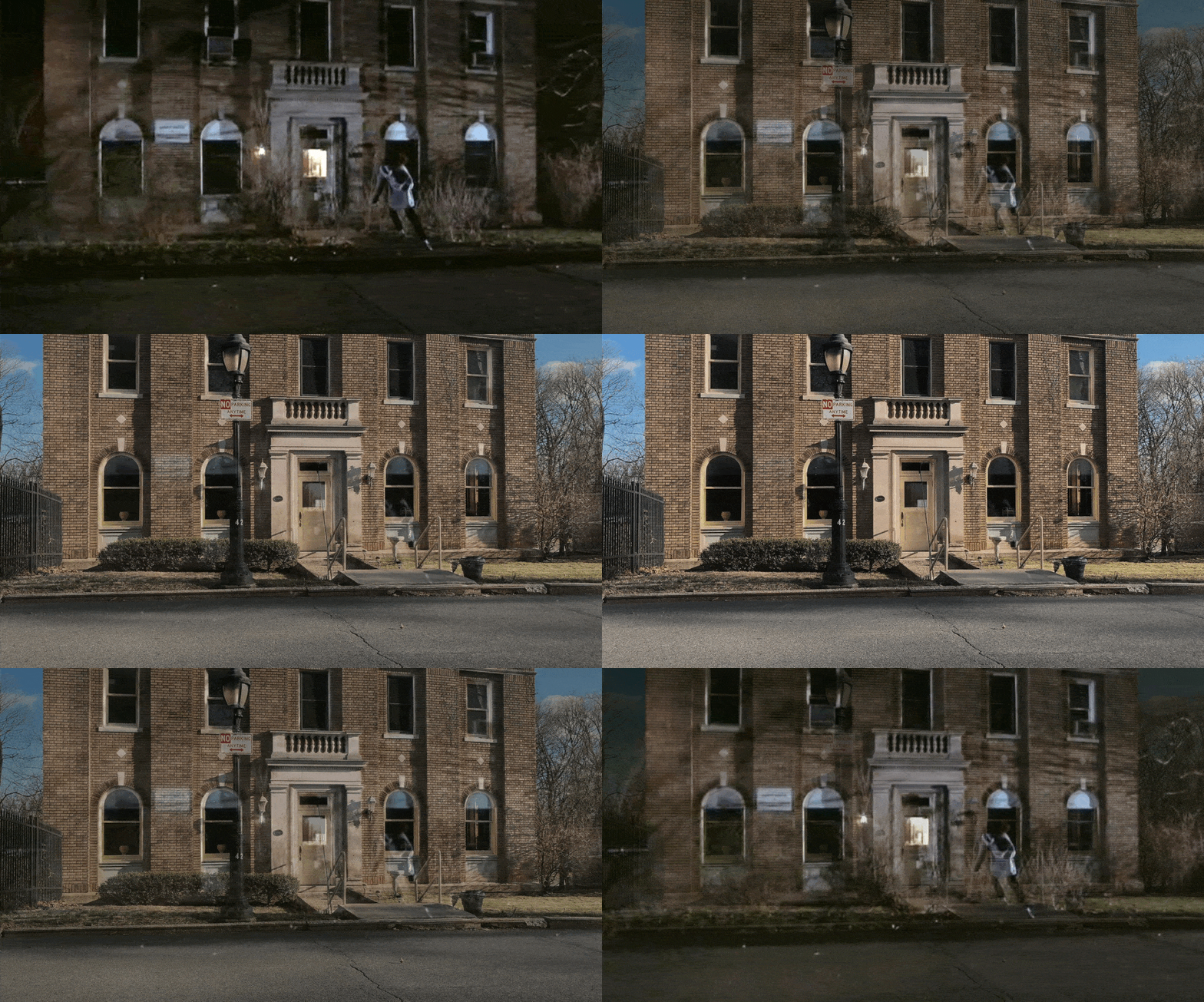
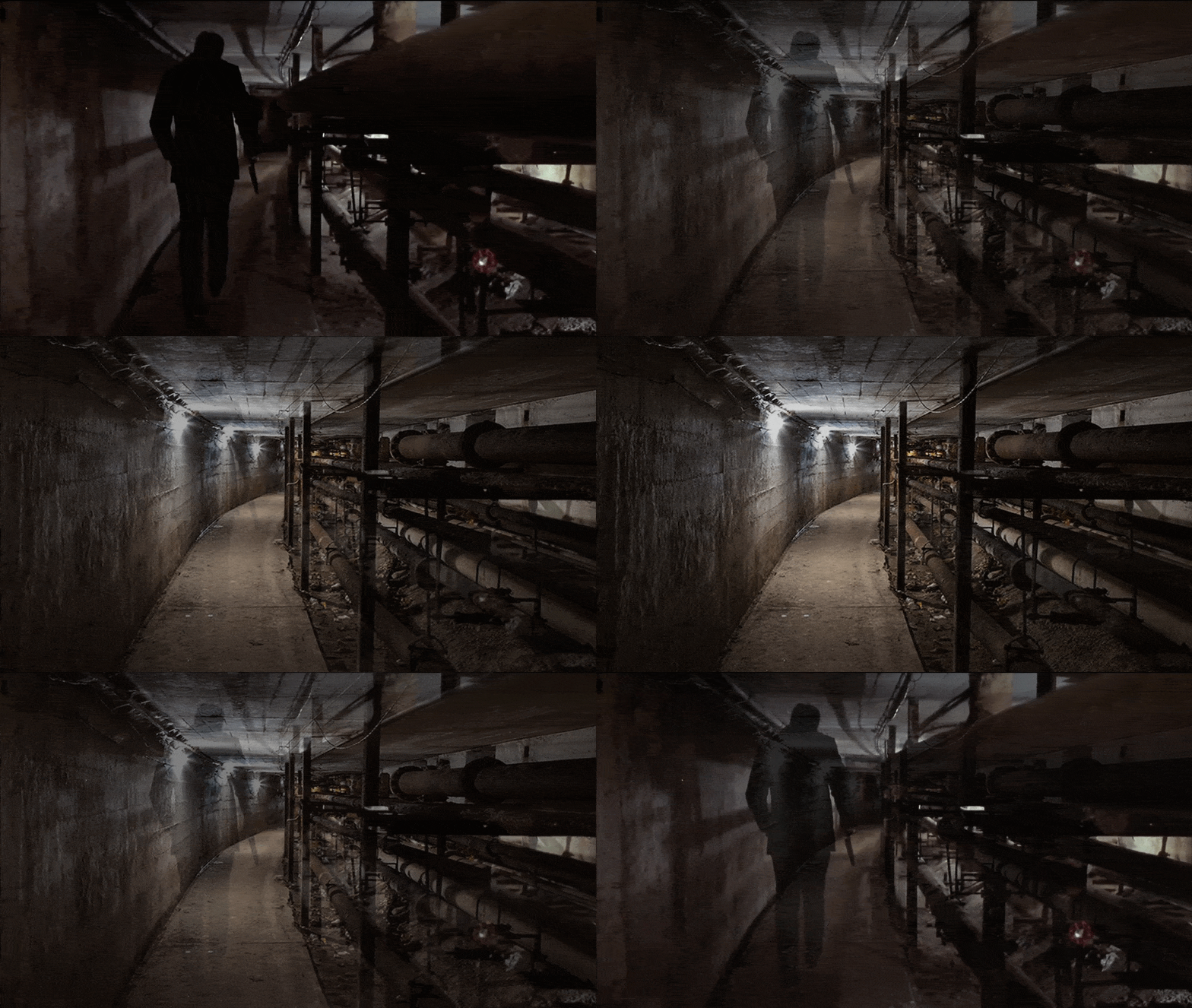
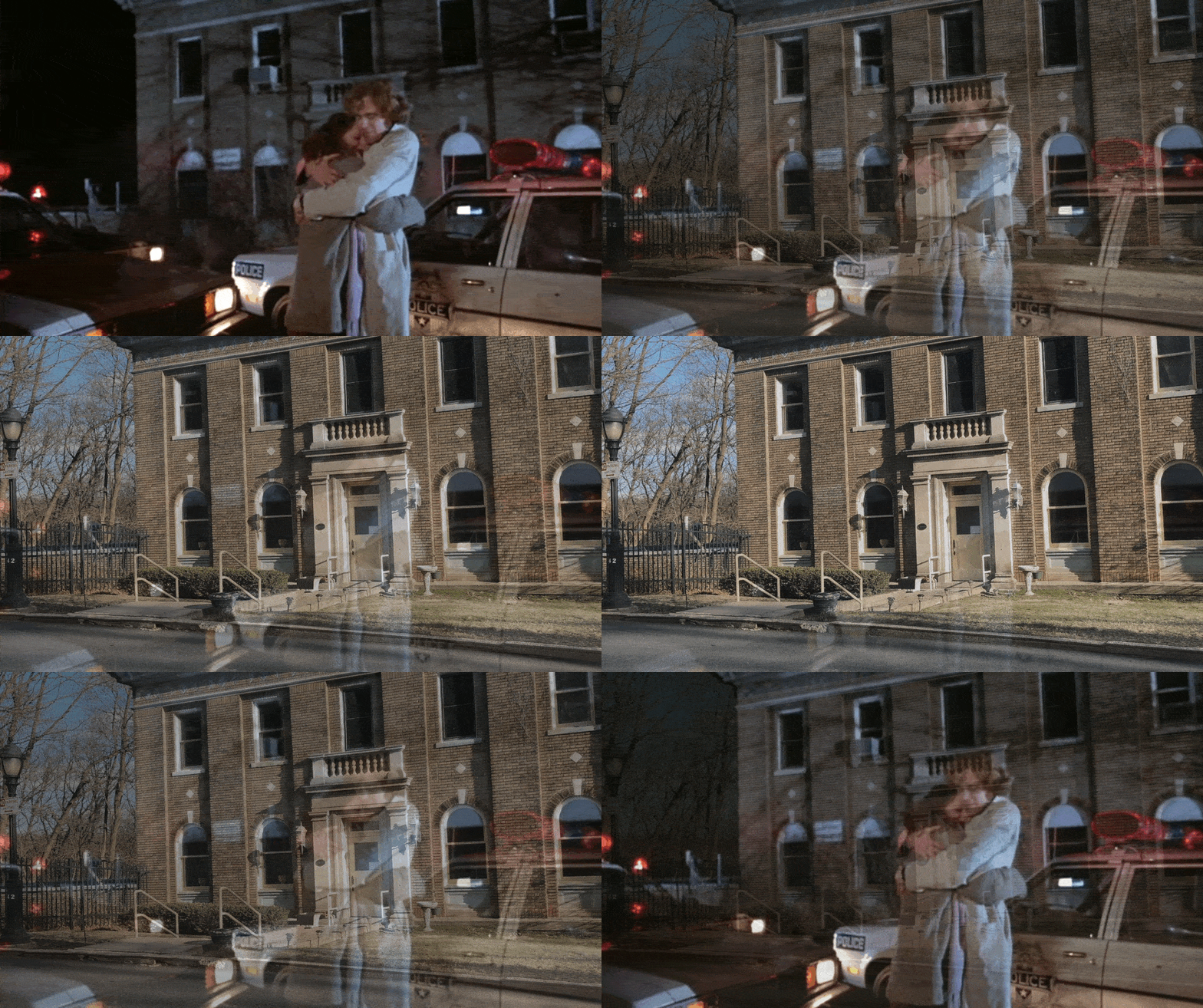
This final chase sequence was known for predominantly taking place at the old Seaview Hospital — a large complex that used to be a tuberculosis sanatorium in the early 20th century. Located in the Willowbrook section of Staten Island, the complex was the largest municipal facility for the treatment of tuberculosis in the United States and played a primary role in eradicating the deadly disease.
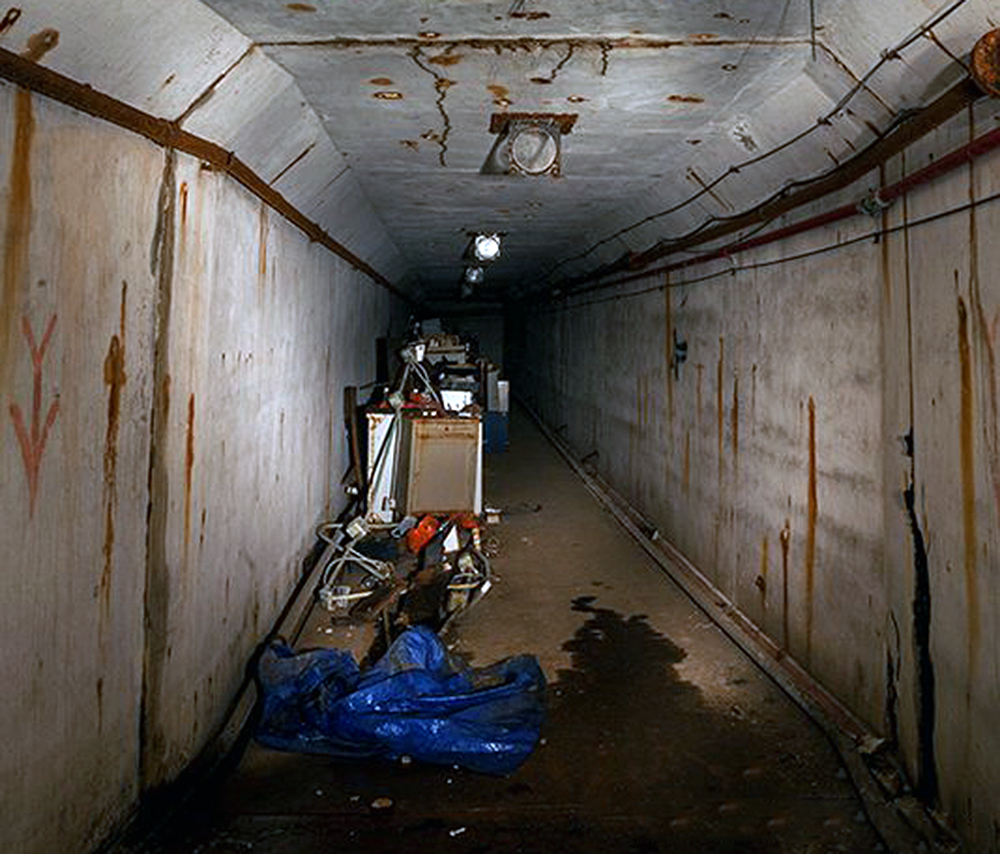 The main reason the filmmakers decided to shoot there was to take advantage of its huge network of shadowy underground tunnels. Although, it wasn’t a particularly easy shoot.
According to the film’s unit manager, to get the “morgue set” ready, production had to remove several bottles of tuberculosis lung samples that still remained in the room. Other hazards they had to deal with were high levels of asbestos, a degraded electrical system and basic structural instabilities.
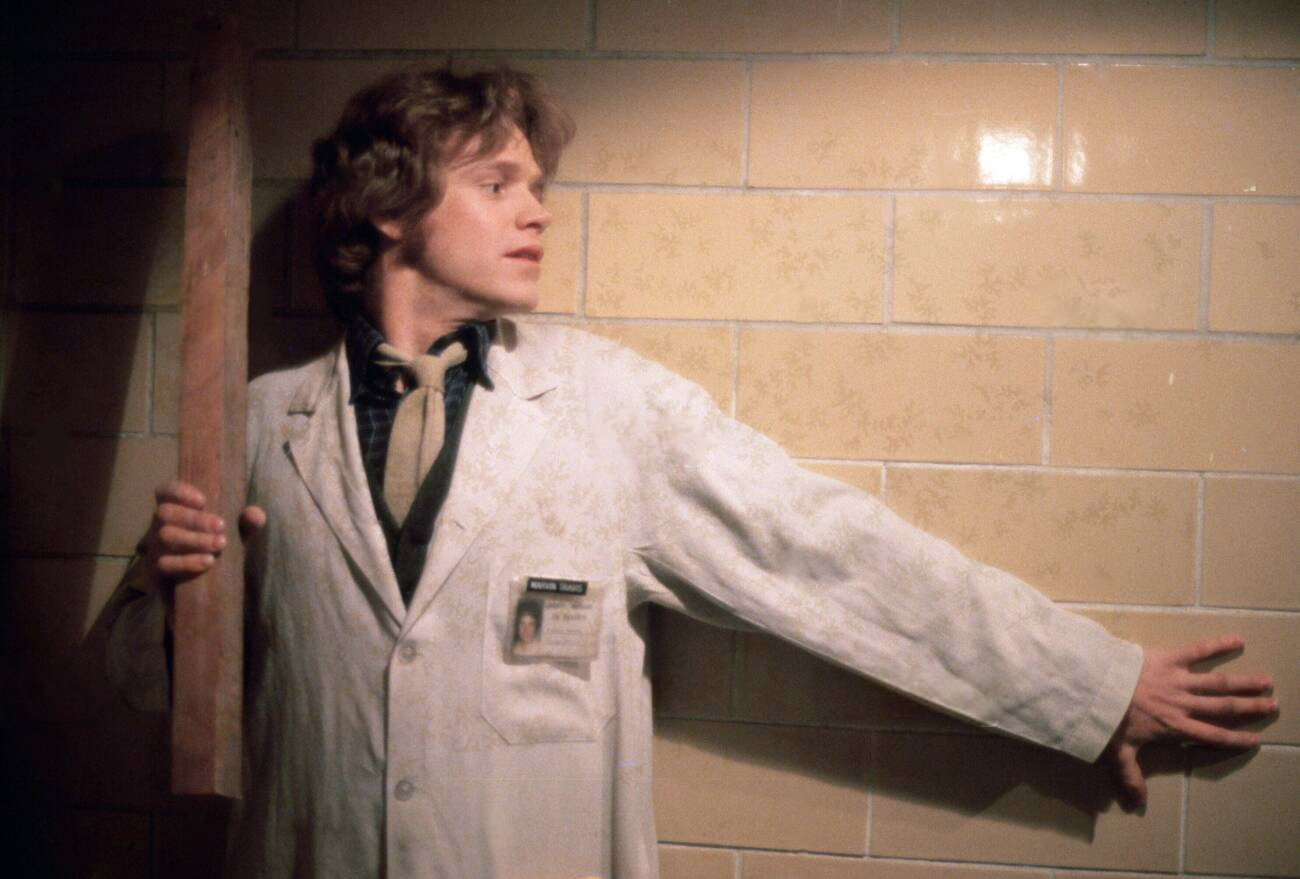
Today, the 350-acre complex is a national historic district where several of the buildings have been restored and given various new usages. However, a chunk of the structures still remain unoccupied and at a state of disrepair.
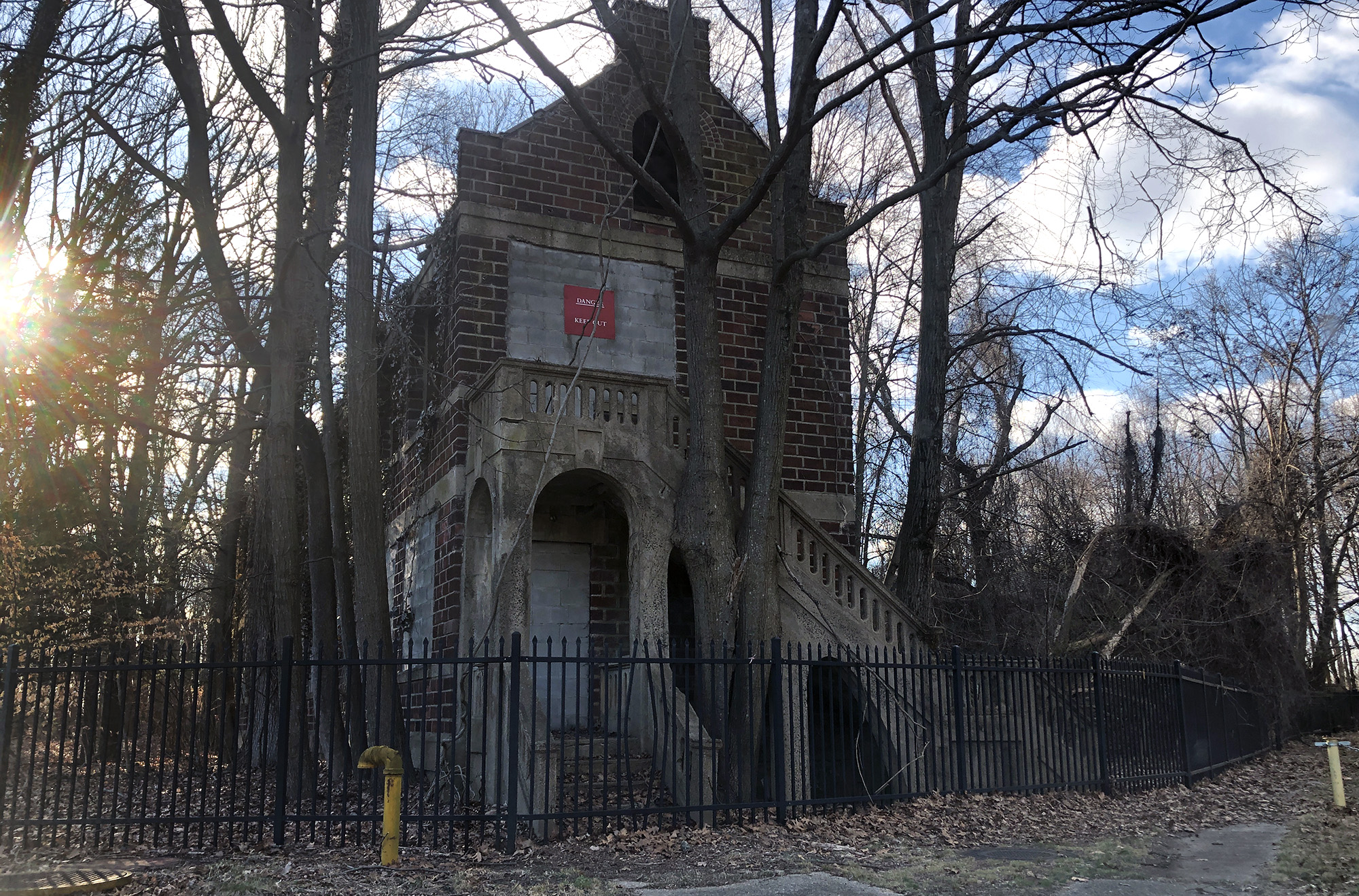
I knew finding all the different tunnels used in the film would be nearly impossible, but at the very least, I hoped I’d be able to find the exterior building from this climatic sequence. My biggest fear was that the building might’ve been demolished, and if not, located in an inaccessible section of the property.
I then began an online search for any recent photos taken at the hospital, eventually discovering a promising one taken in 2009 by location scout Nick Carr. Although the photo wasn’t labeled, the building pictured looked a lot like the one in the film, giving me hope that it wasn’t razed. After doing some background work on it, I was delighted to find out that not only was the building still standing, but it had been restored and repurposed as a ballet center.
And I gotta say, seeing the old hospital in person (like many of the other locations from this movie) was a great thrill.
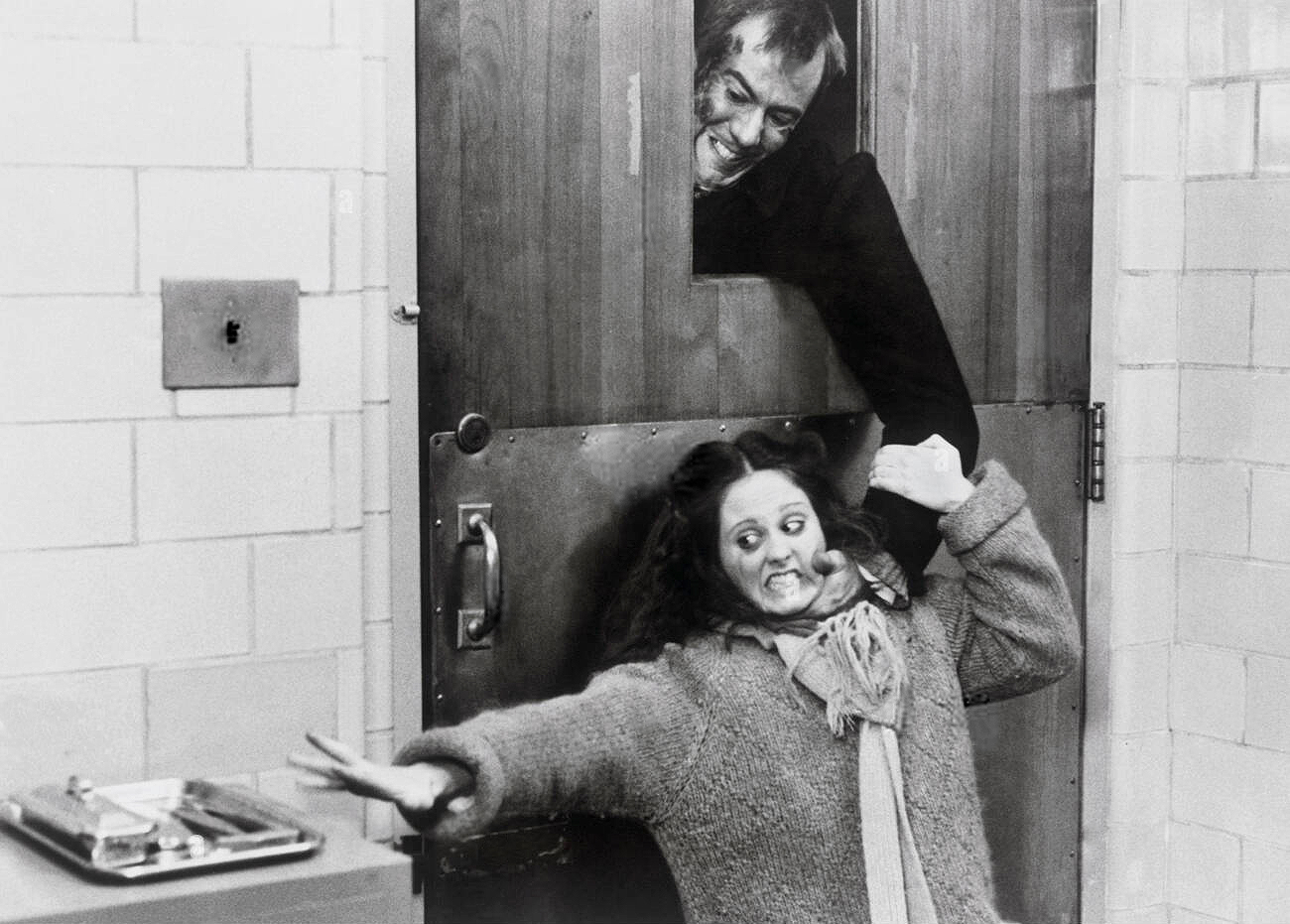
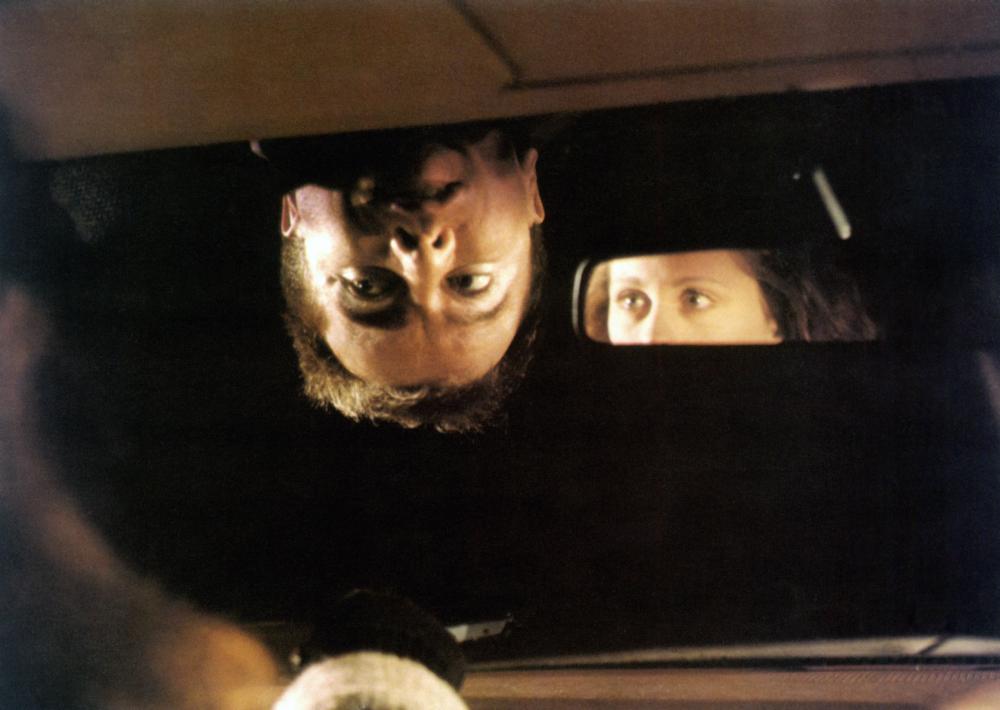
While I’ve admitted my fondness for He Knows You’re Alone is mostly rooted in childhood nostalgia, as well as my fascination with old Staten Island locations, I do think the film is better than some people give it credit. To be sure, it’s not a classic horror film —I think it could’ve done with one or two fewer shots of a frightened Amy stopping and looking around— but it’s a lot better than most of the slasher films that came out in the late-70s/early-80s.
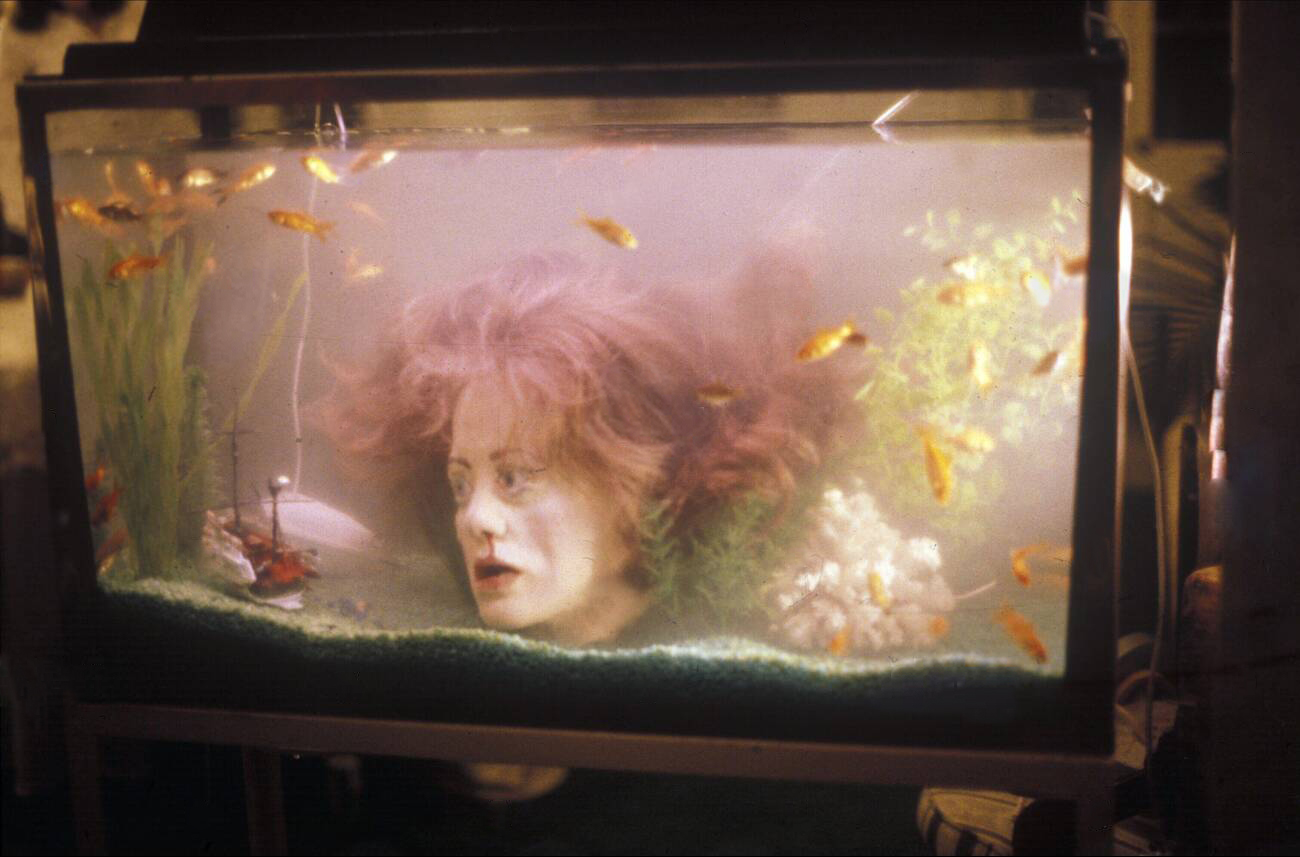
I think most horror fans’ biggest objection to the film —whether they’re conscious of it or not— is that it lacks almost any gore. (Granted, there’s a decapitation scene near the end of the film, but that consists of an off-camera kill and a one-second shot of a somewhat fake-looking head in a fish tank.)
Of course, if He Knows You’re Alone didn’t feature Tom Hanks, this film would’ve probably disappeared into a pit of obscurity that has befallen most slasher films from this era. And as far as I can tell, the award-winning actor has nothing but good thoughts about working on it (despite having to act in blistering cold weather).
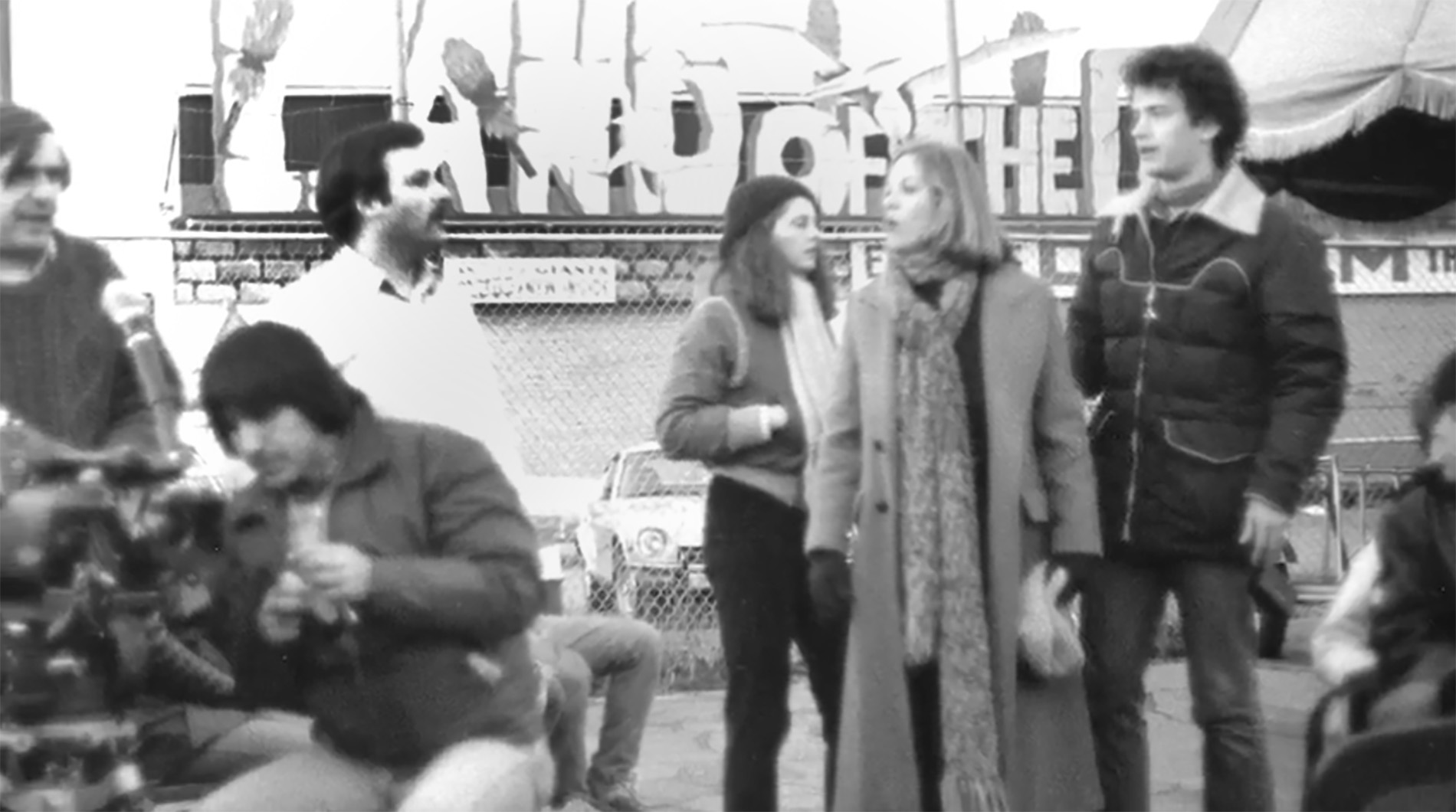
Along with Hanks, movie goers might recognize some of the other cast members, including a young Dana Barron who would later play Audrey Griswold in the 1983 comedy, National Lampoon’s Vacation.
Other notable actors in the movie include James Rebhorn and Paul Gleason, who had long careers playing slimy characters in motion pictures, the latter being best known as the belligerent principal in 1985’s The Breakfast Club.
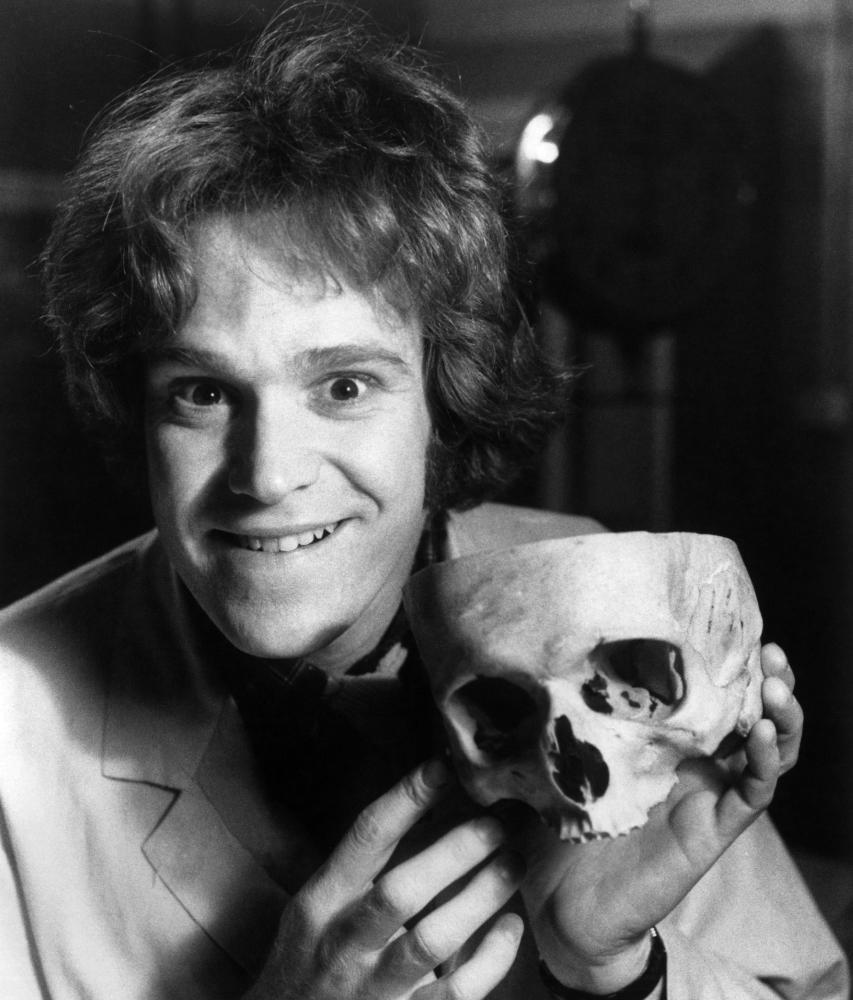 Elizabeth Kemp, who played Amy’s friend Nancy, might not be a very recognizable name, but she later became an influential acting coach for many performers, including Bradley Cooper, Hugh Jackman and Lady Gaga. After she passed away in 2017, the 2018 film A Star Is Born was dedicated to her memory.
When it comes to Don Scardino, who played the goofy Marvin character, he didn’t have much of a career as a performer, but excelled as a comedy TV producer/director, most recently working on the Hulu series, Only Murders in the Building. I had the good fortune to work with him a couple times on the TV show 30 Rock, where he directed the show in the same goofy, carefree way Marvin behaved in He Knows You’re Alone. (I have a memory of him making a “finger pop” sound with his mouth whenever he was ready to move on to the next set-up.)
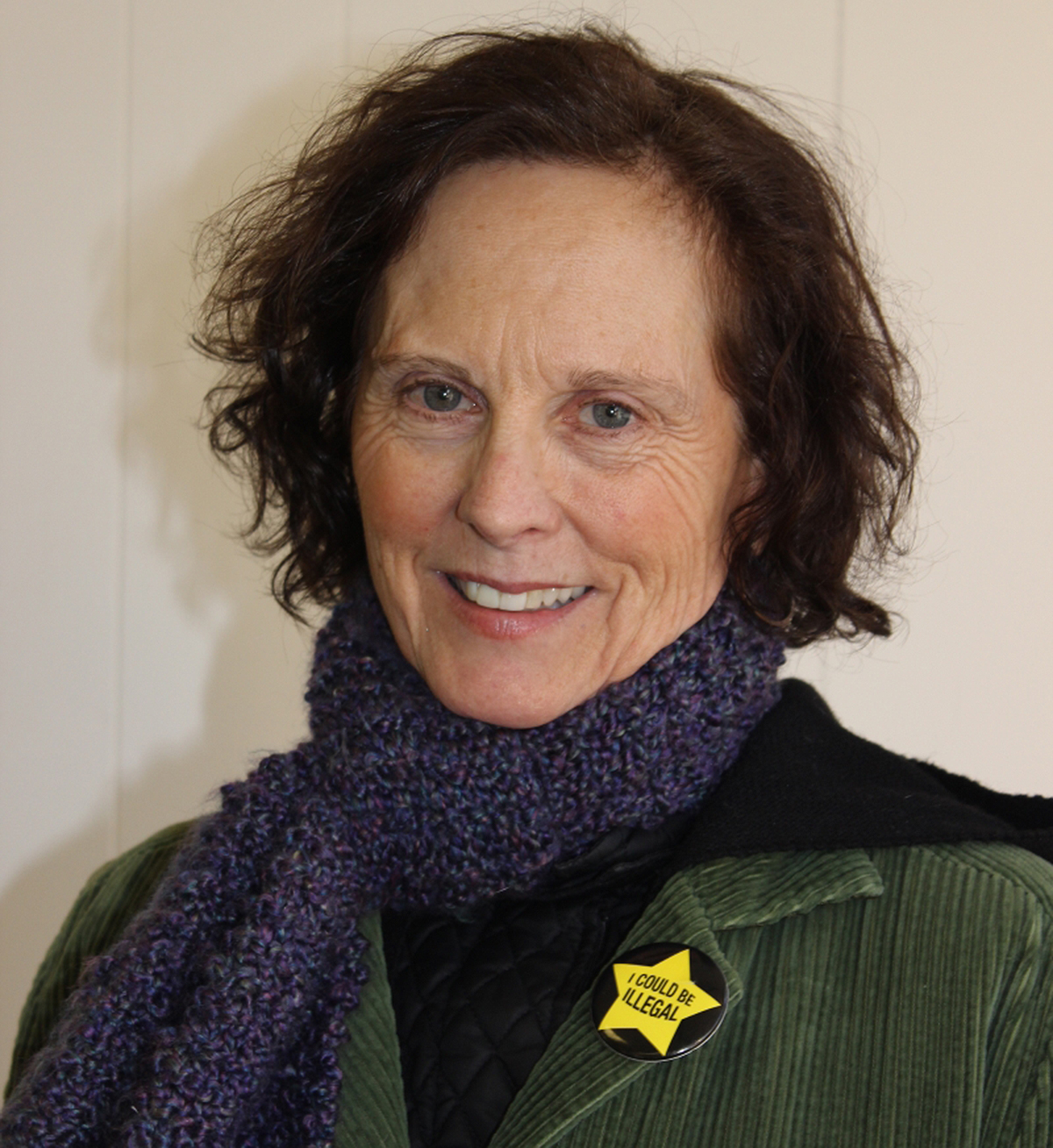
And finally, there’s the movie’s lead, Caitlin O’Heaney. Although she had a decent run as a performer in the 1980s, these days she spends most of her time in Upstate New York, working for environmental not-for-profits, designing perfumes, and occasionally teaching acting classes at the local community center.
O’Heaney reportedly lives not too far from Beacon, NY, and occasionally frequents a local health food store where a close friend of mine happens to work.
As told by my friend, during one of her visits, she got a super bargain when the canned mangoes were priced much lower than what they should have been — presumably the result of a price gun error. But the folks who worked there were nice about it and let her purchase the items at the bargain price.
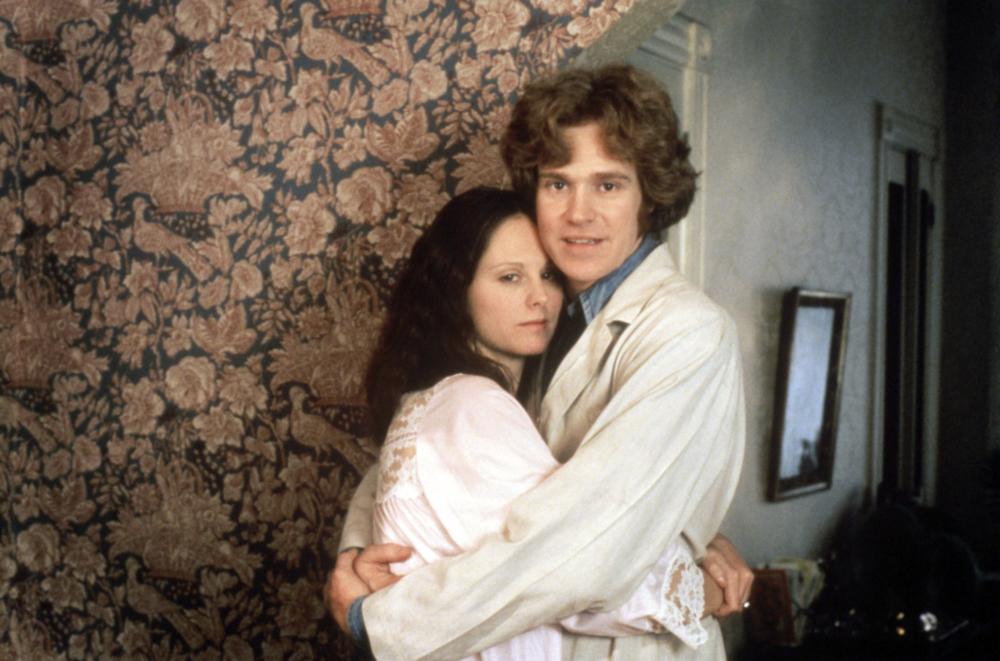
The fact that so many of the cast members from He Knows You’re Alone ended up having fruitful careers in the entertainment industry is rare for slasher films, and is a testament to director Armand Mastroianni’s sharp eye for talent.
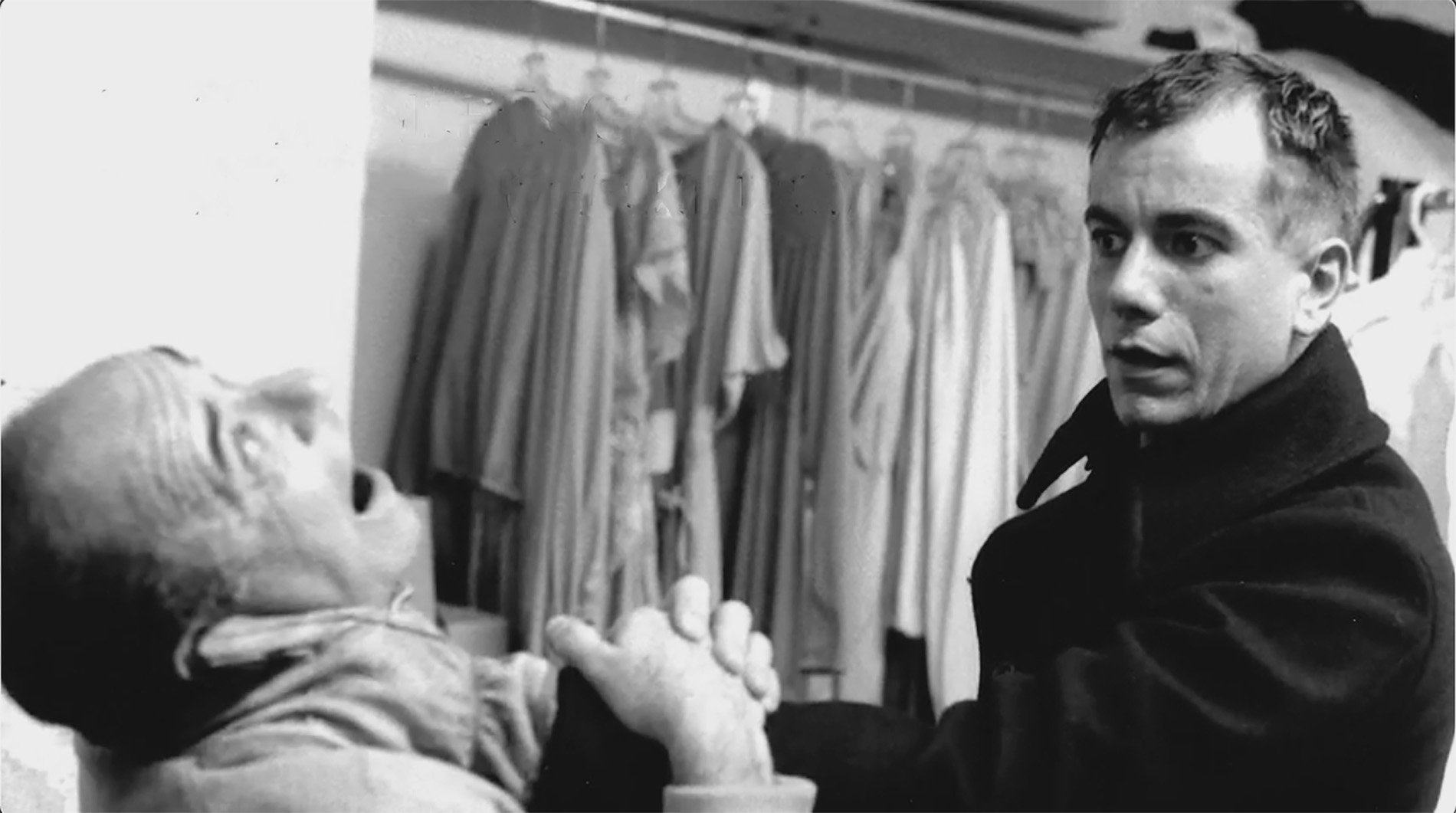
His film may not end up on many people’s top horror lists, but it certainly made an impression on me as a kid, and turned this investigation into its filming location into a true passion project.
A perfect Halloween treat.
 NYC in Film
Great write-up. I love how you are getting permission to look inside a lot of these places!
LikeLike
I vaguely remember this movie. Amazing on how so little has changed on Staten Island.
LikeLike