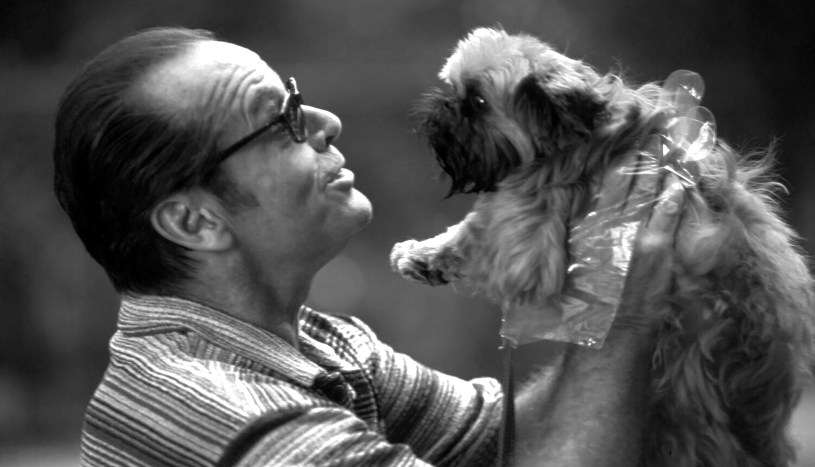
Writer-director James L. Brooks’ comedy-drama tells the story of Melvin Udall, a cranky, obsessive-compulsive novelist who learns to “be a better man” after being injected into the troubled lives of his gay neighbor and a single-mother waitress. Rude and resistant at first, he eventually learns to be more empathetic and a just tad less crazy.
As Good As It Gets was a huge hit in 1997, both critically and financially, and while some of its subject matter feels a little dated, the performances by its leads (specifically, Jack Nicholson and Helen Hunt) are outstanding and embody a certain universal pain and disorder that we can all relate to.
Set in New York (with a short excursion to Maryland), a portion of the movie was filmed on location on the east coast, but the majority of it was filmed back in California. Nonetheless, the movie manages to evoke a decent NYC vibe, and offers up a few interesting spots in both Manhattan and Brooklyn.
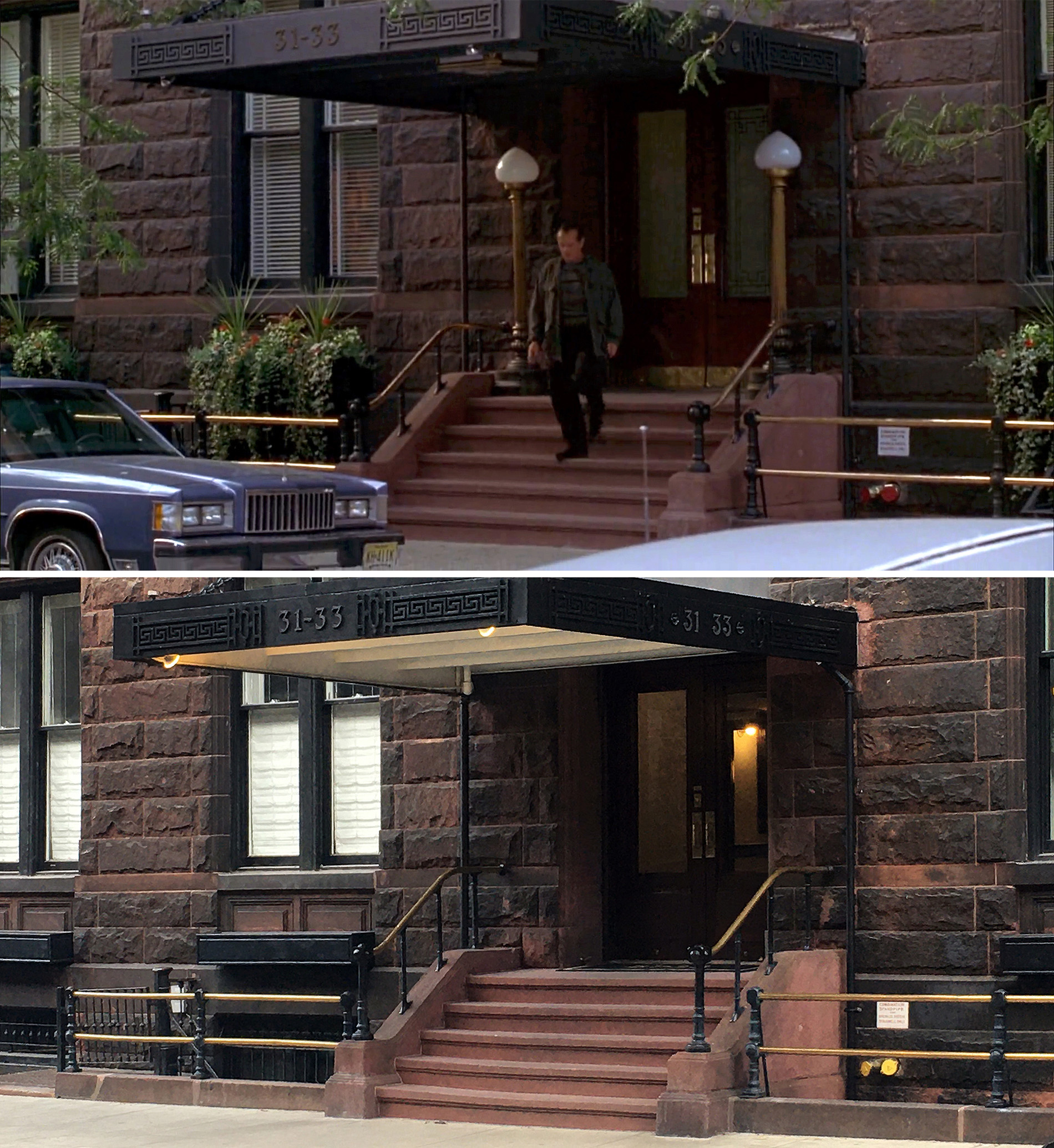
Apartment Building
I have always been a big fan of director James L Brooks’ work, and when As Good As It Gets opened in New York on Christmas of 1997, I made sure to have a ticket for the first show of the day. Unfortunately, the projector broke down about 20 minutes into it and the theater was unable to fix the problem, so management gave us all passes and sent us on our way. Determined to see this movie on opening day, I took my pass and headed uptown to another theater and was able to see the entire thing without any interruptions.
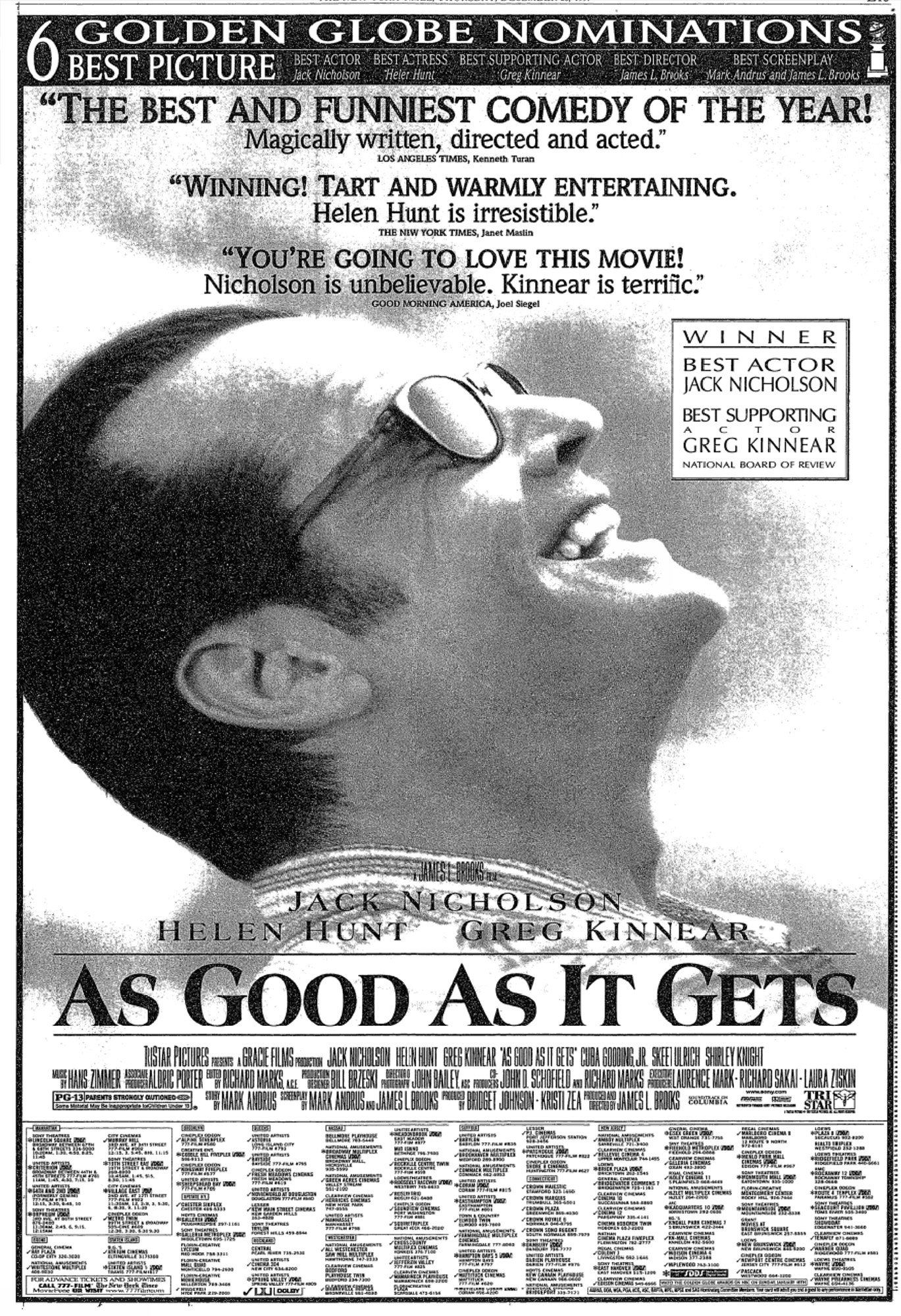
With Jack Nicholson and Helen Hunt leading the cast, the film didn’t disappoint, and I’ve always felt this is Brooks’ most successful and commercially-accessible project. However, as a New York-set story, there’s not a whole lot of inventiveness in its locations, limiting itself to basically two confined neighborhoods.
Starting in late September of 1996, production spent only two weeks filming on the east coast, ending up relying mostly on Hollywood sets and non-NYC locations to fill out the story.
That being said, I still thought it would be worthwhile to catalogue all of its locations on this website, especially considering how the movie has maintained a special place in cinema history, appealing to old and new audiences alike. Plus, there were several location mysteries that needed to be solved, even though most of the main locations have long been identified by others, including this apartment building.
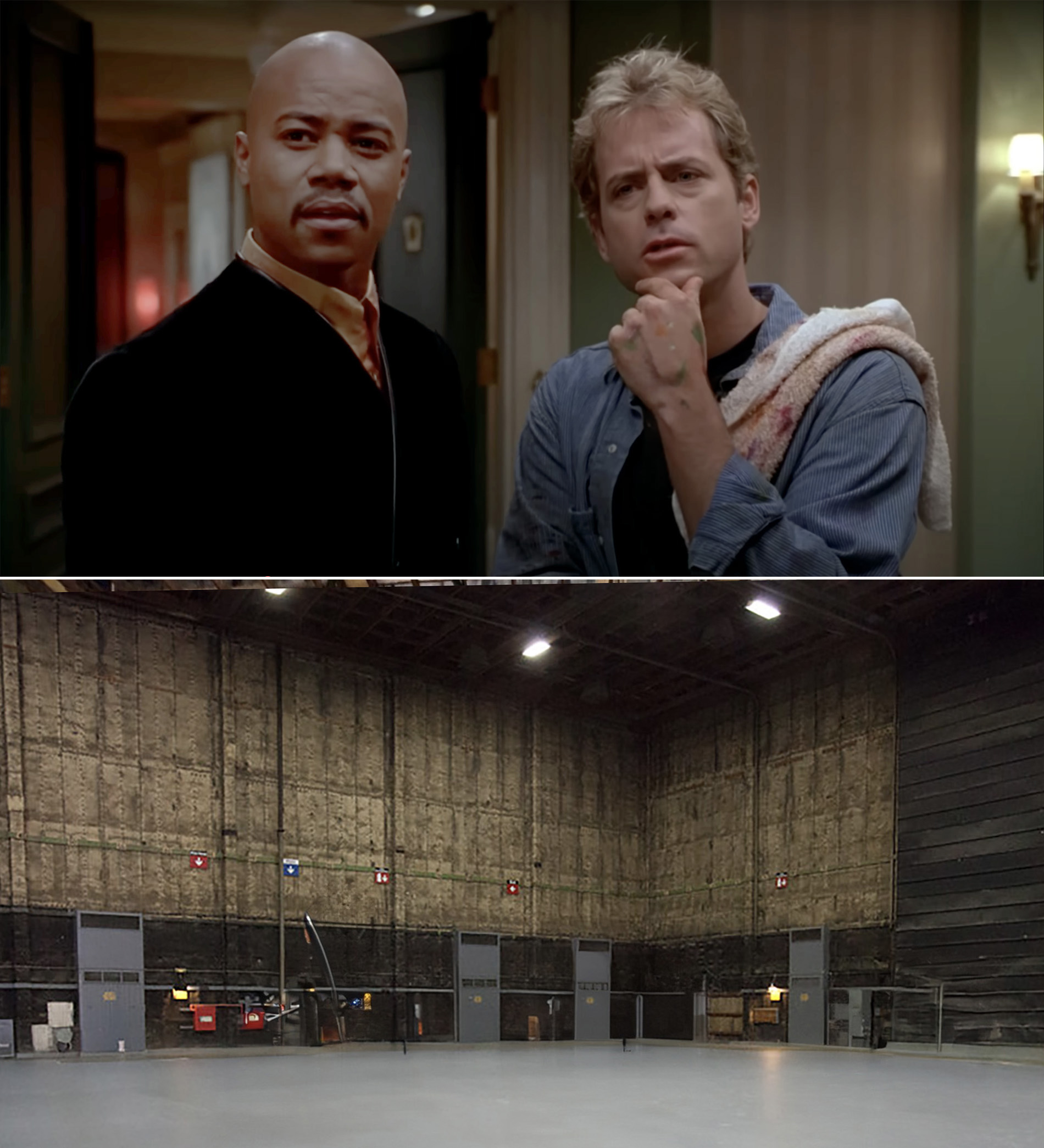
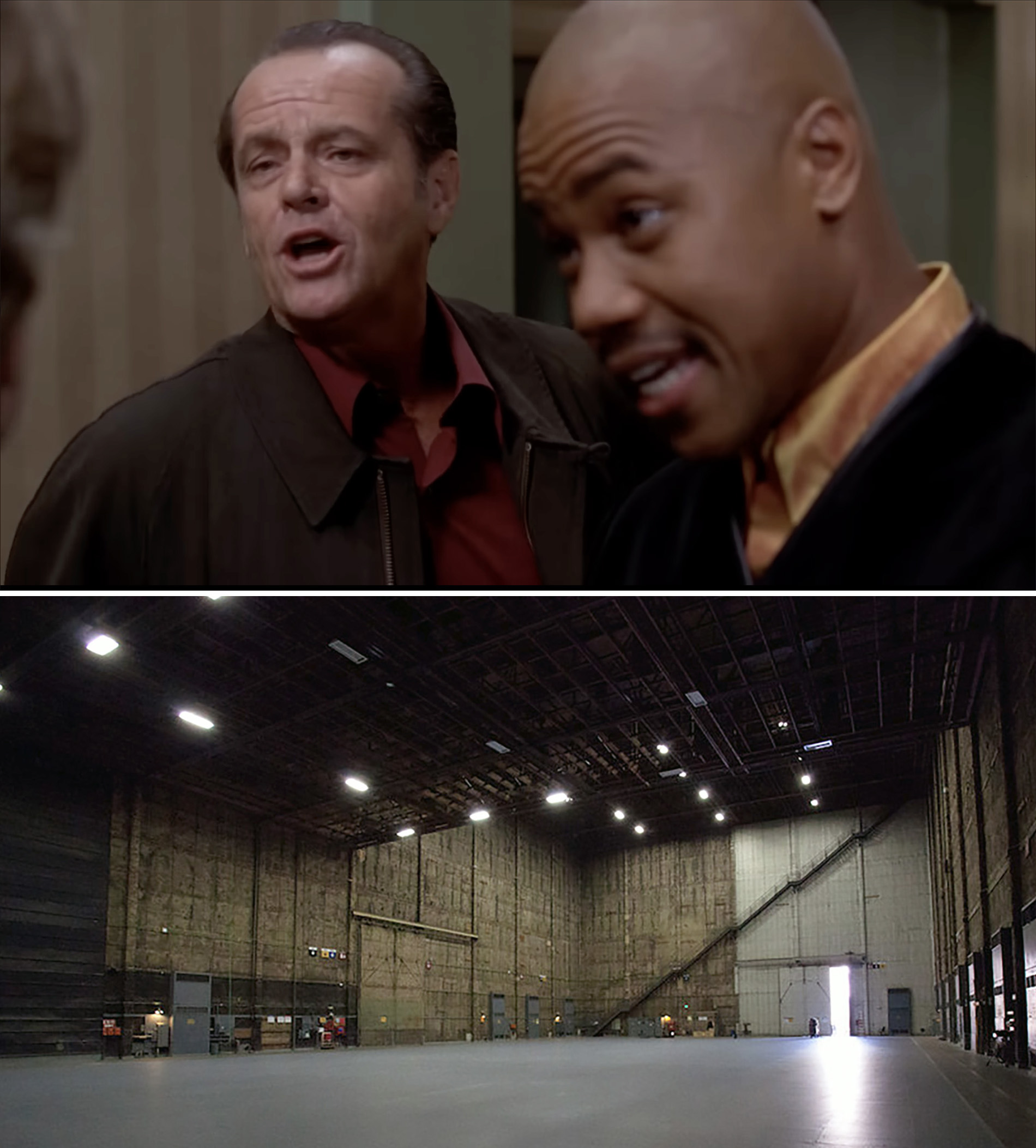
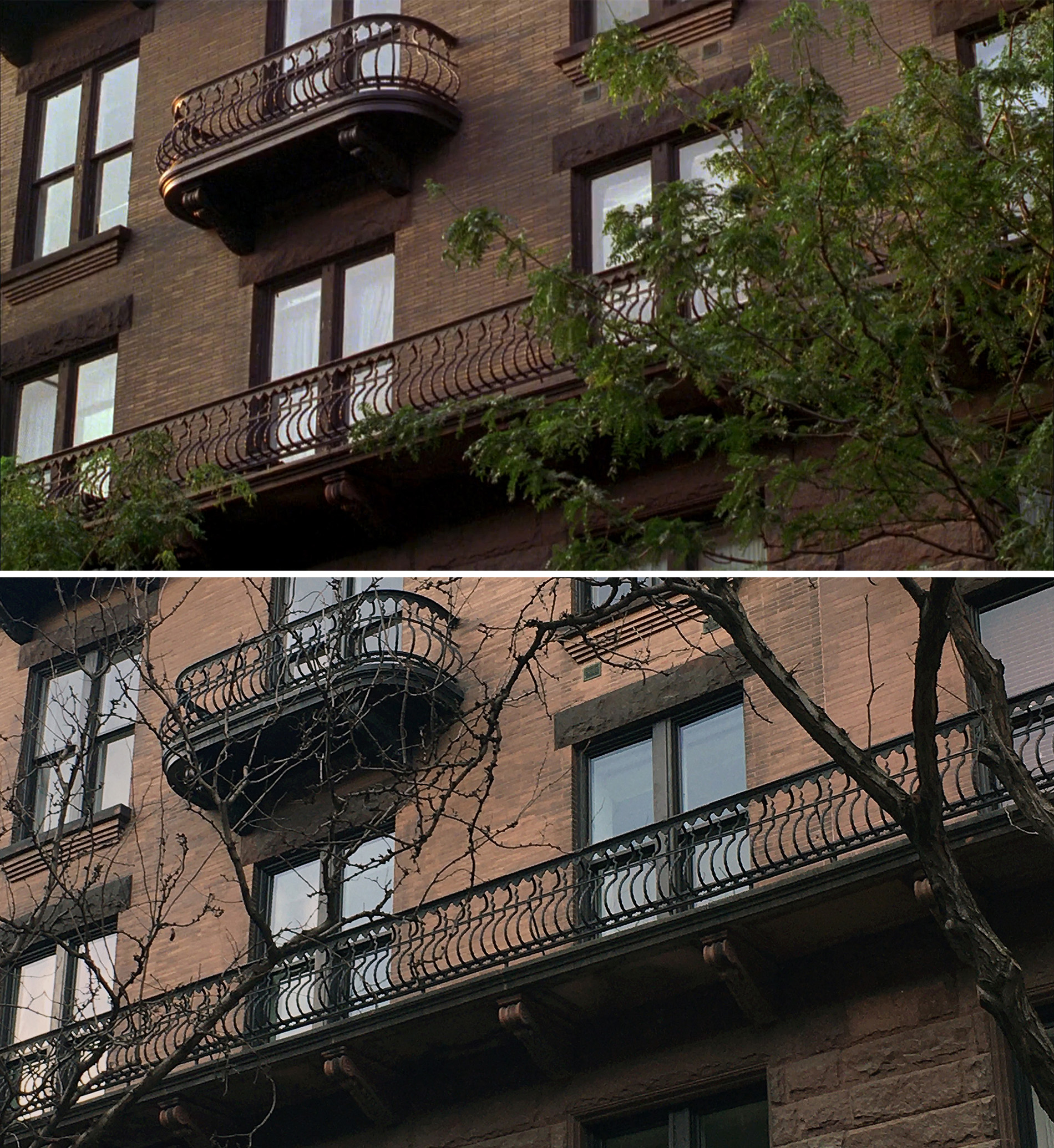
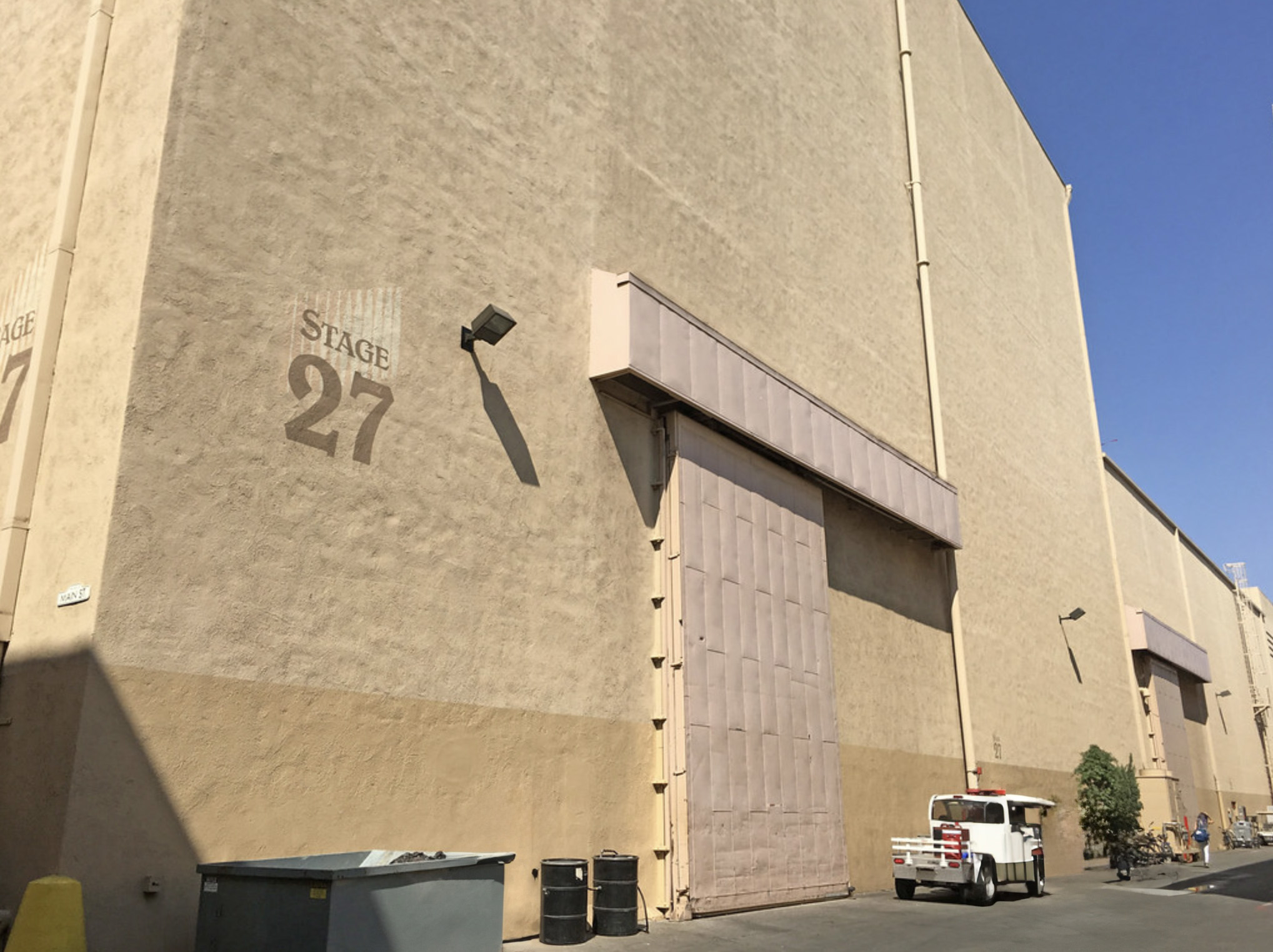
In charge of the overall look of the movie, production designer Bill Brzeski was reportedly instrumental in finding the W 12th Street location for Melvin and Simon’s apartment building exterior, deciding the West Village was an appropriate neighborhood for an established writer and an up-and-coming painter. Working with Brooks and set decorator Clay A. Griffith, Brzeski was also in charge of designing the elaborate set for the apartment interiors, which was constructed on Stage 27 on the Sony Pictures lot.
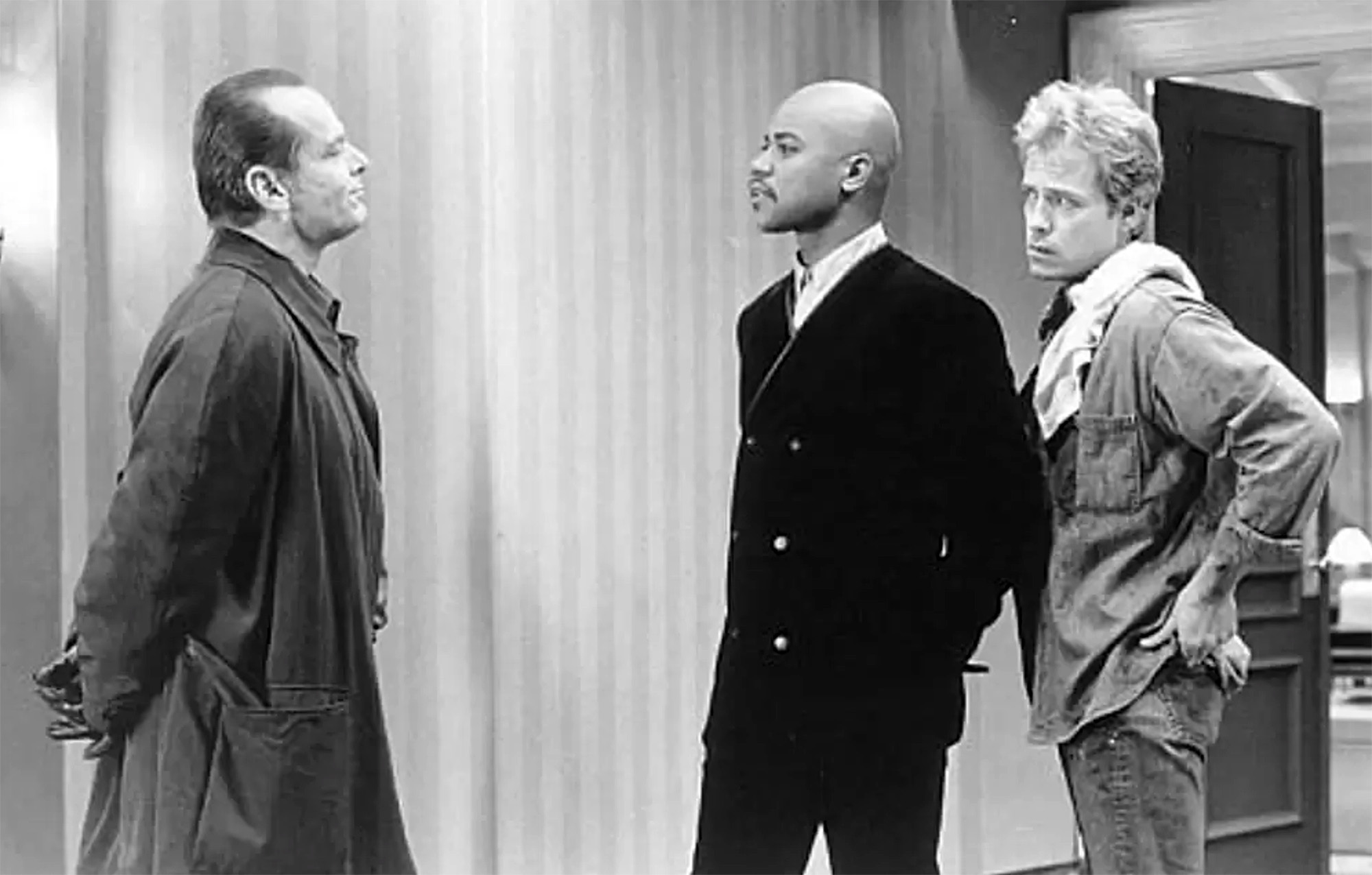
According to Brzeski, “This is a movie about two completely different people living in the same space. The basic set of this whole movie is Simon’s apartment – about 75% of the story takes place there. We tried to create two apartments that were different enough, but which felt like they could be in the same world.”
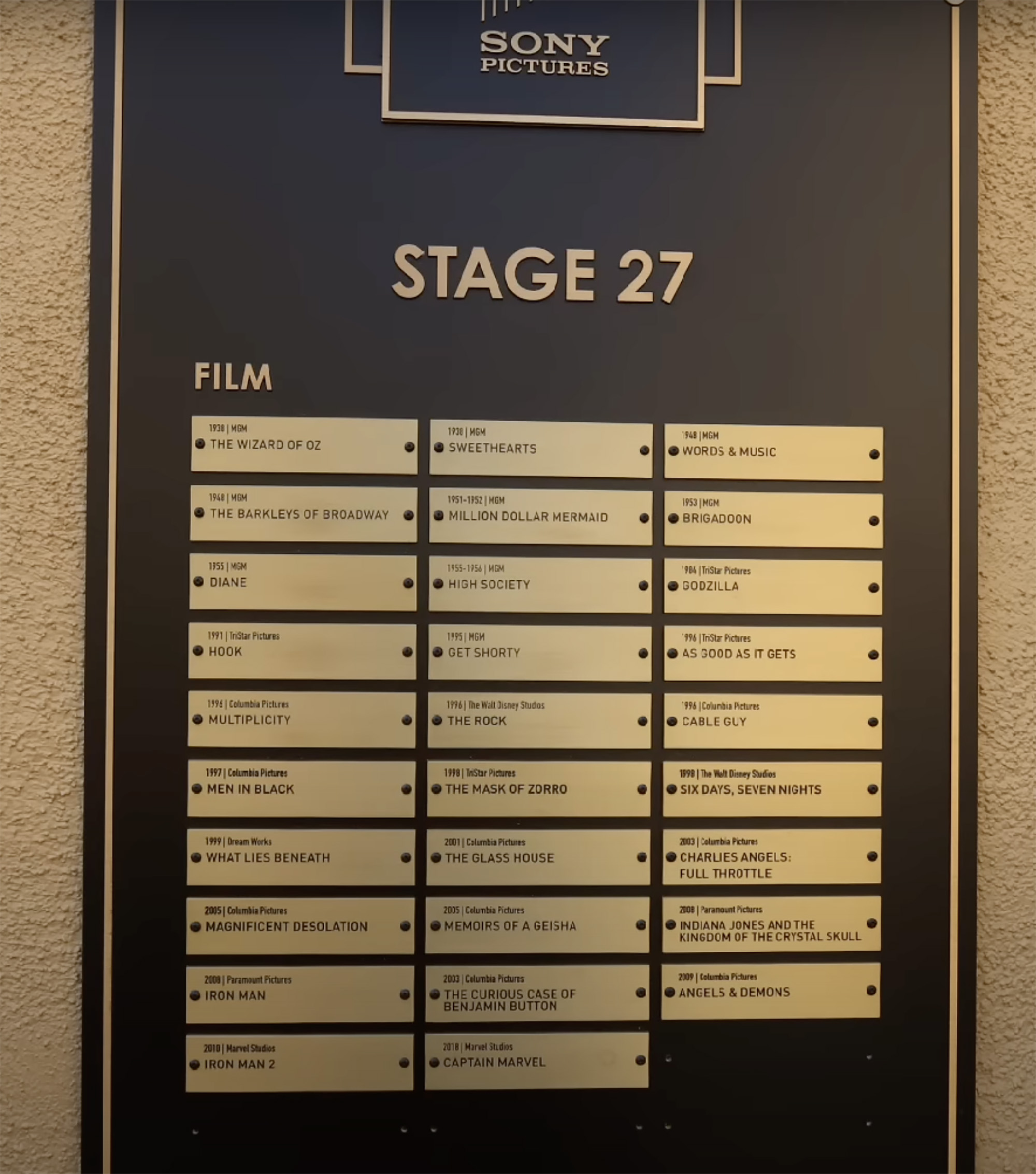
Set decorator Griffith described the decor as a “90’s take on classic 50’s style,” but I personally never felt the apartment sets were very realistic, especially considering they were supposed to be inside a pre-war, West Village building. In particular, I found the hallway connecting the two apartments to be way too roomy, taking up a space that could’ve easily fit my entire old West Village studio apartment.
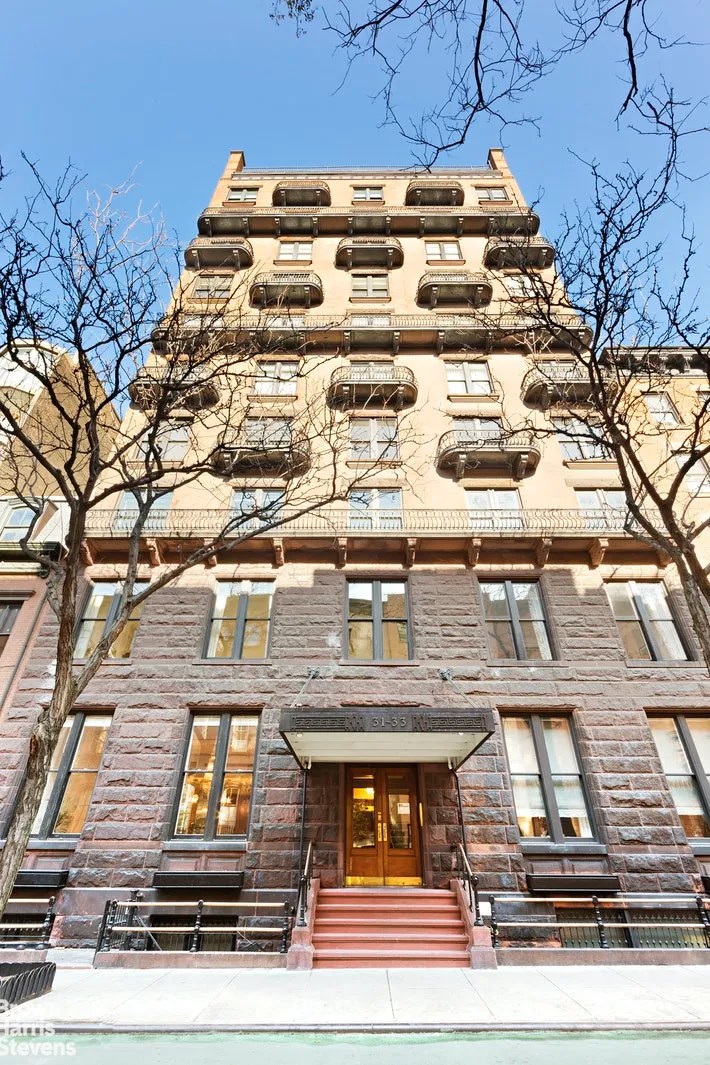
But the building used for the exterior was an interesting choice, and ended up dictating all the other Manhattan locations.
Walking to the Cafe
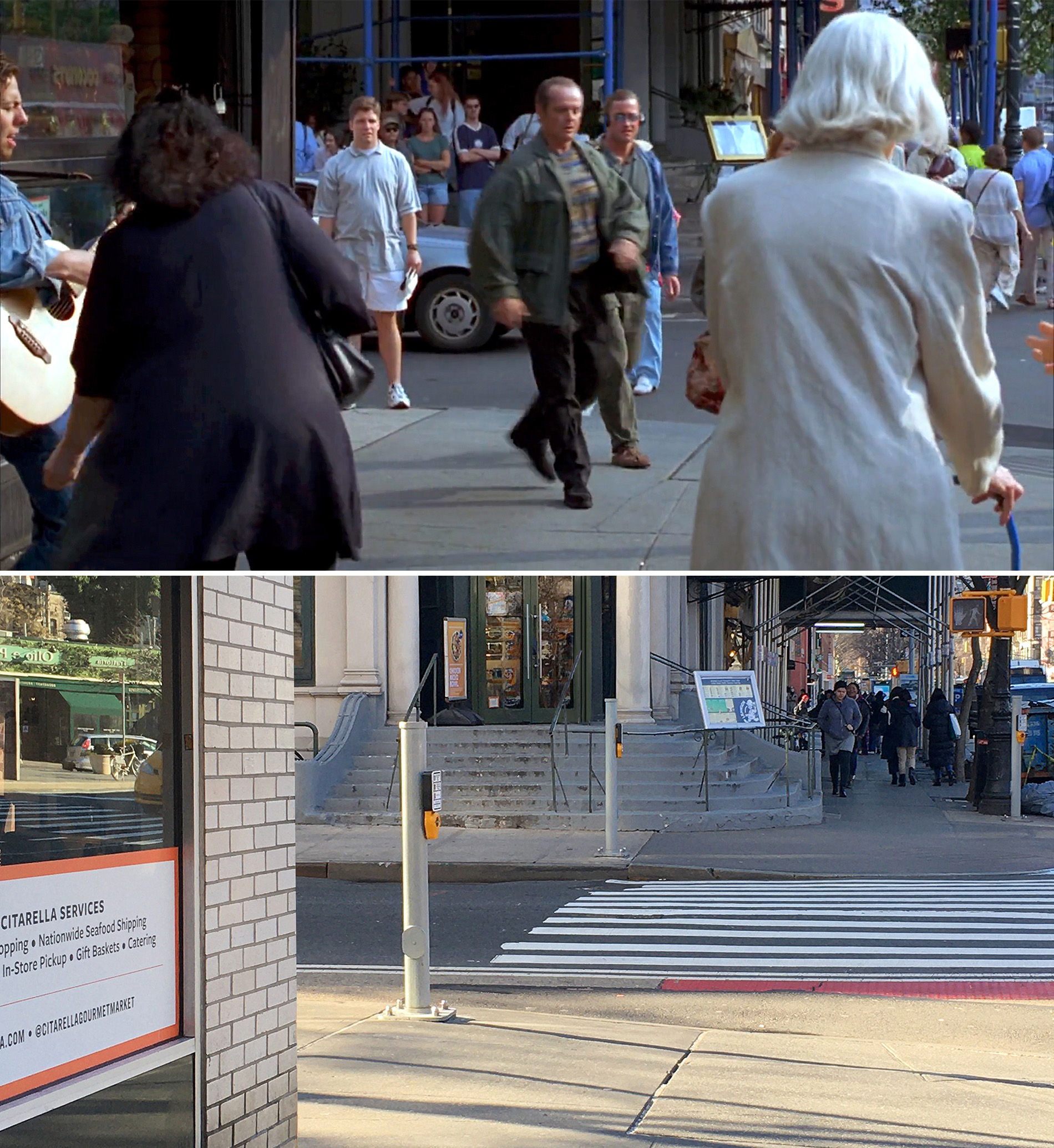
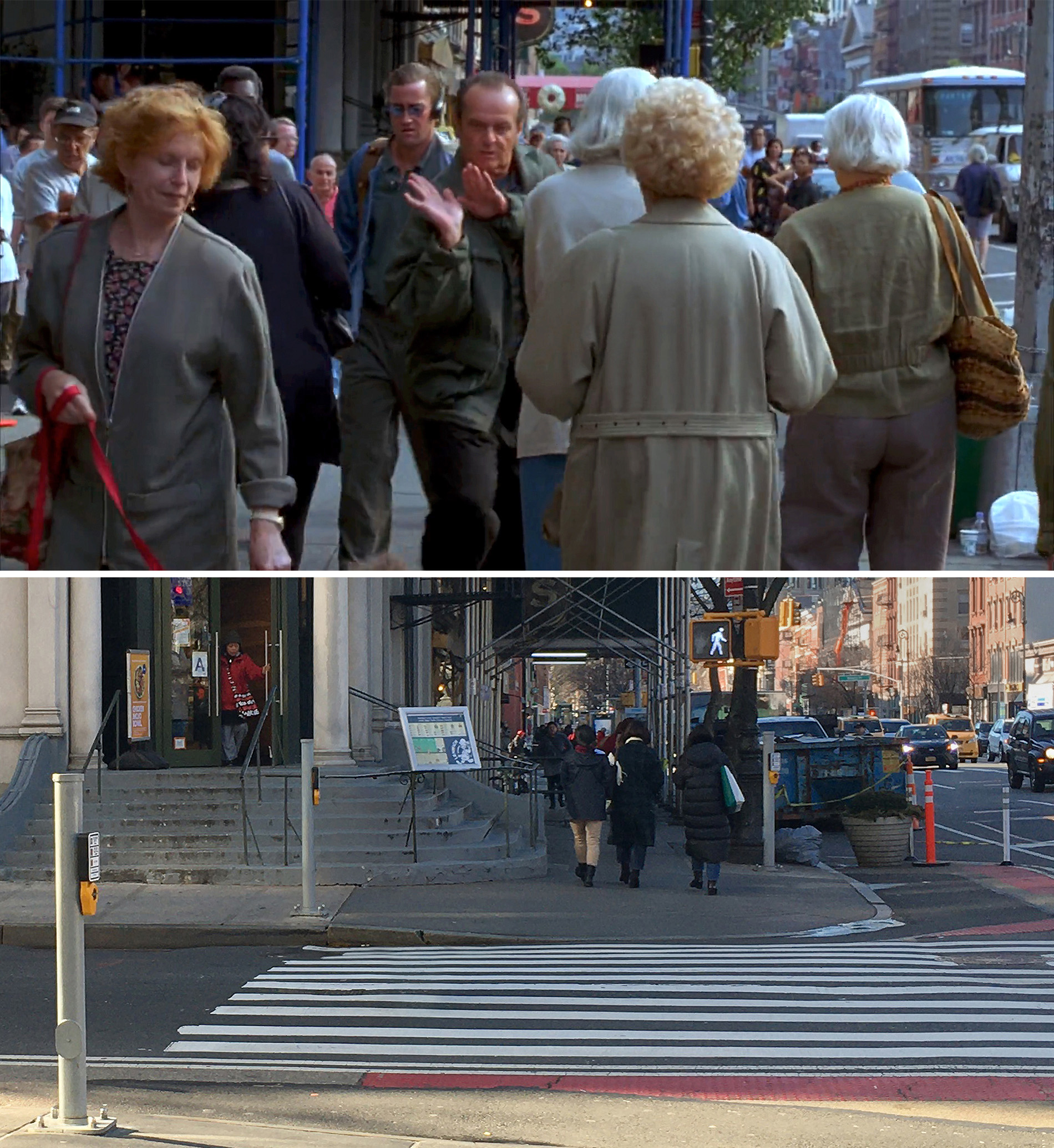
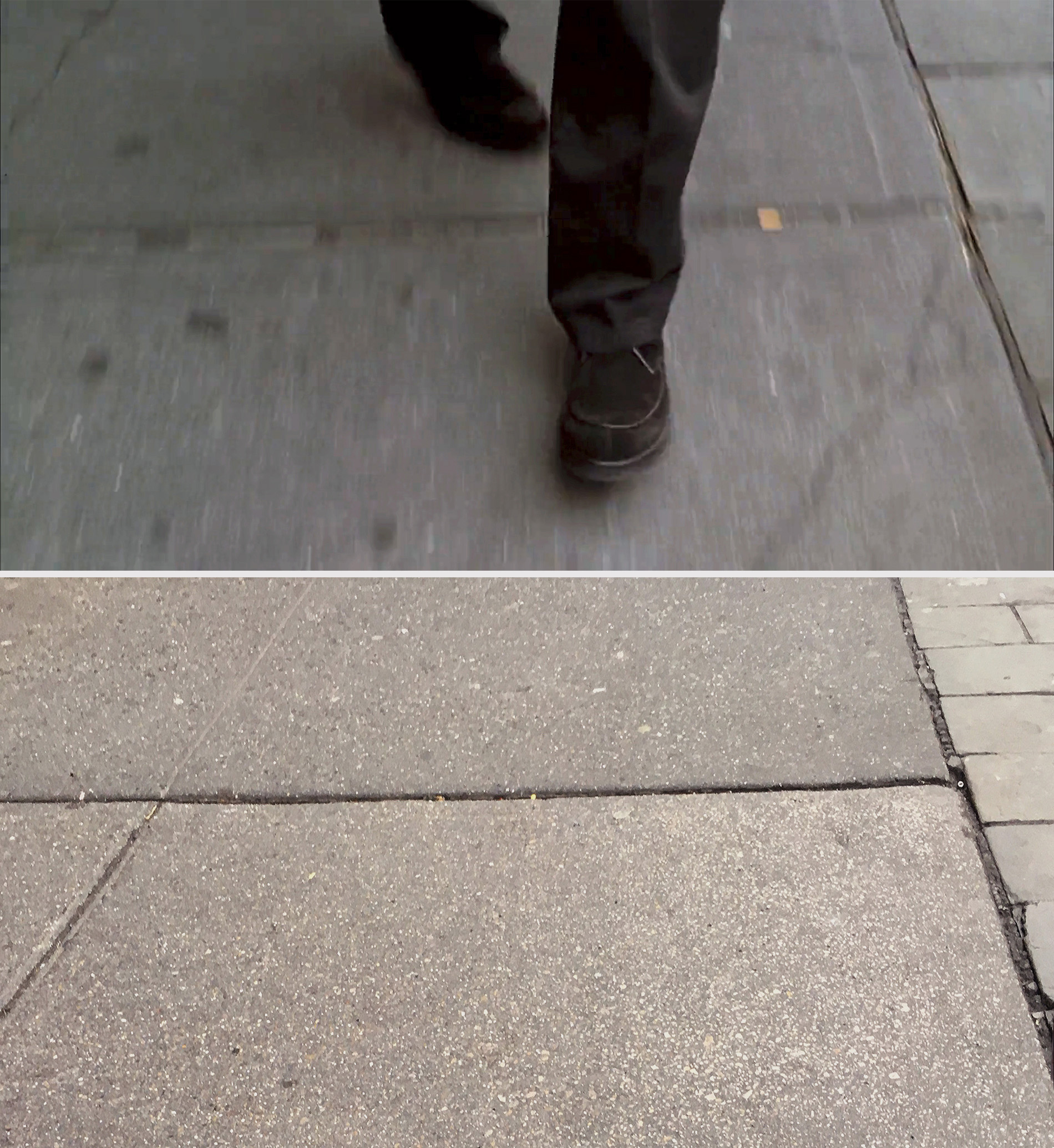
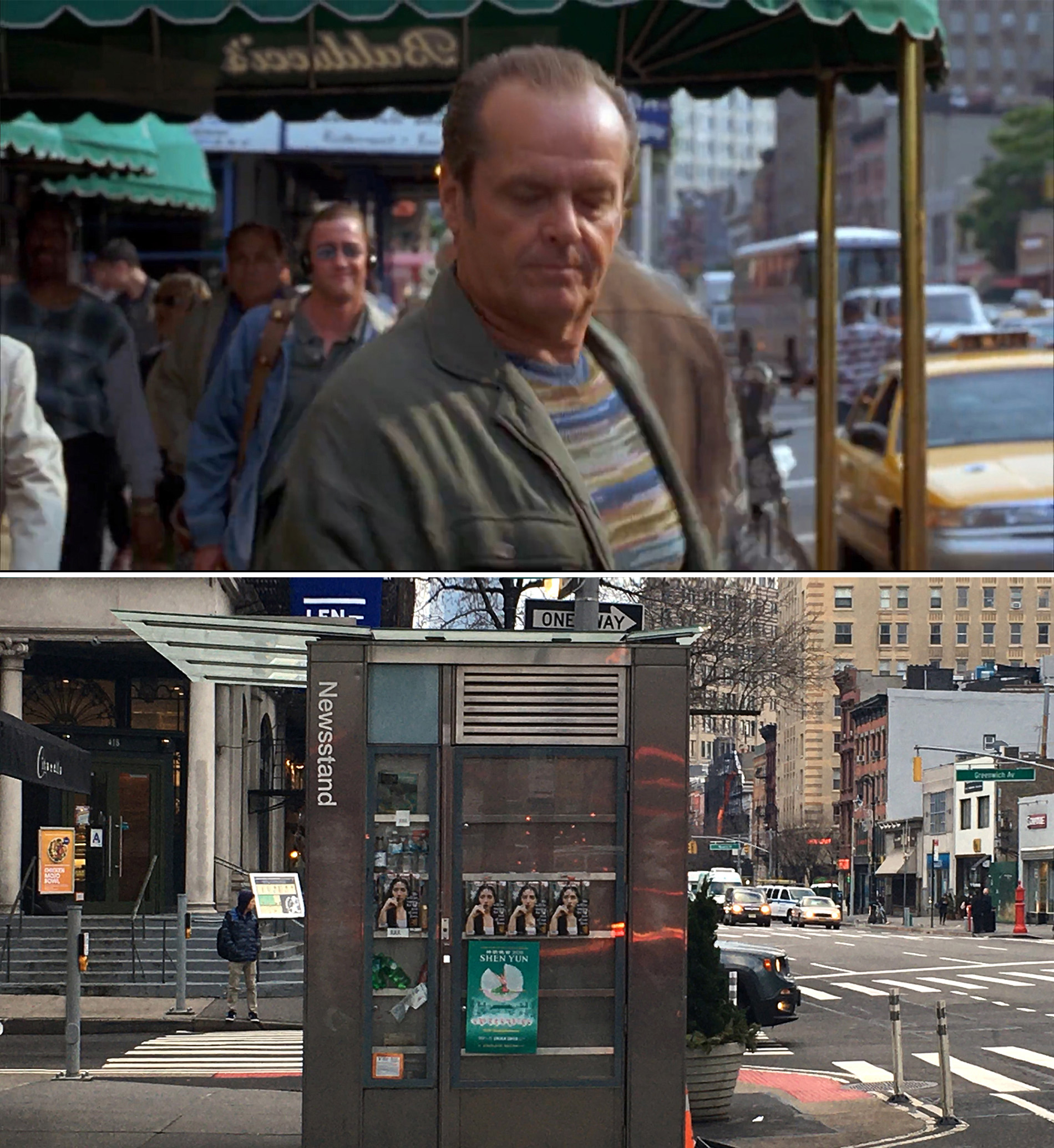
This was the first location I identified, but it wasn’t much of a challenge to find. I already had a feeling it was taking place in the Village, and after spotting a sign for “Greenwich Brewing Co” in the background, I quickly found a listing for 418 Sixth Avenue, placing the action near 9th Street. I then confirmed the location by matching up several of the buildings in the background, including St. Joseph’s Church with its distinct arched roofline.
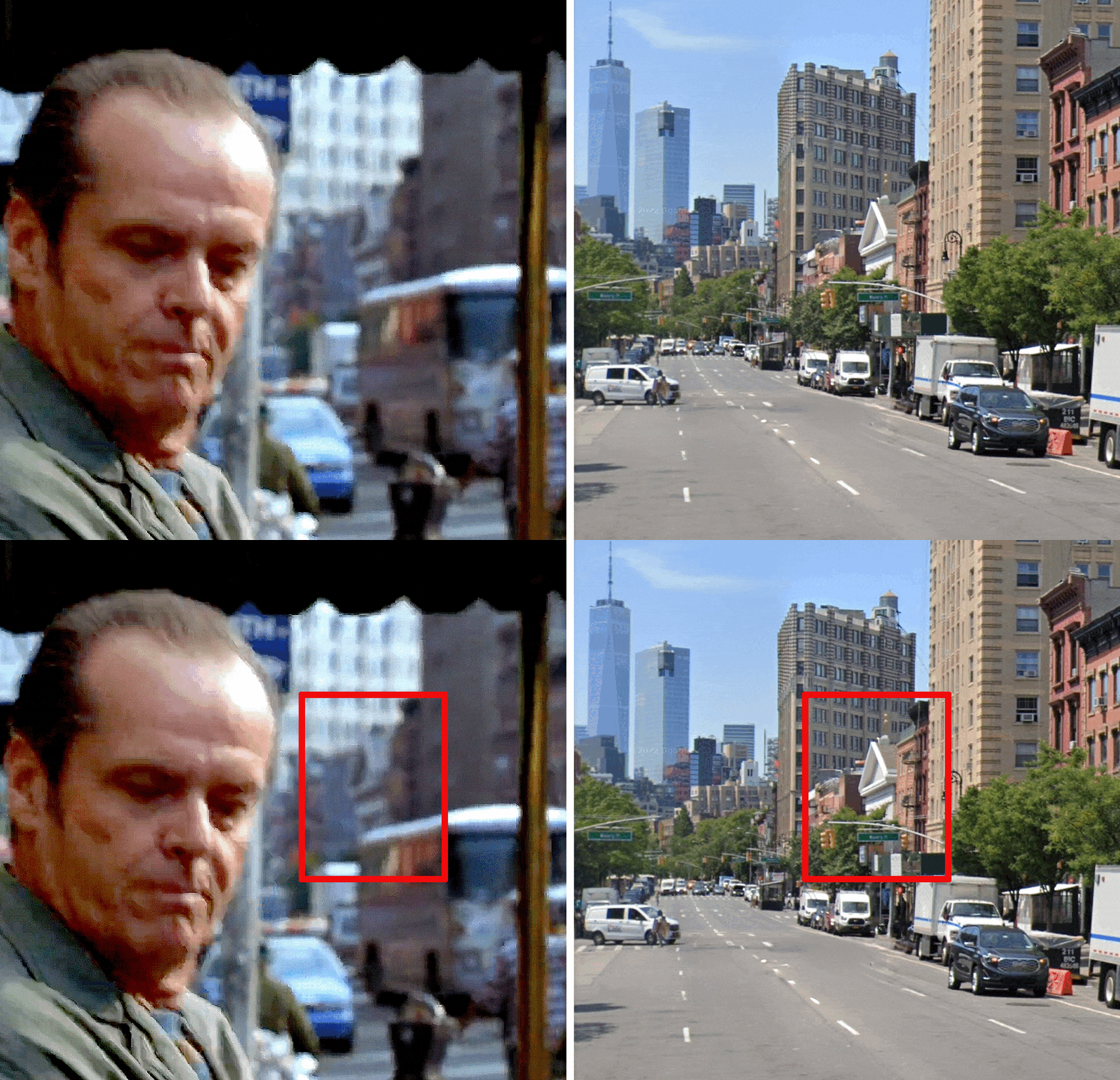
As I implied in the previous section, this location was undoubtedly chosen by the filmmakers for its close proximity to the apartment building. Truth be told, almost all of the Manhattan footage was shot within four or five blocks of that 12th Street location, limiting any major company moves during production.
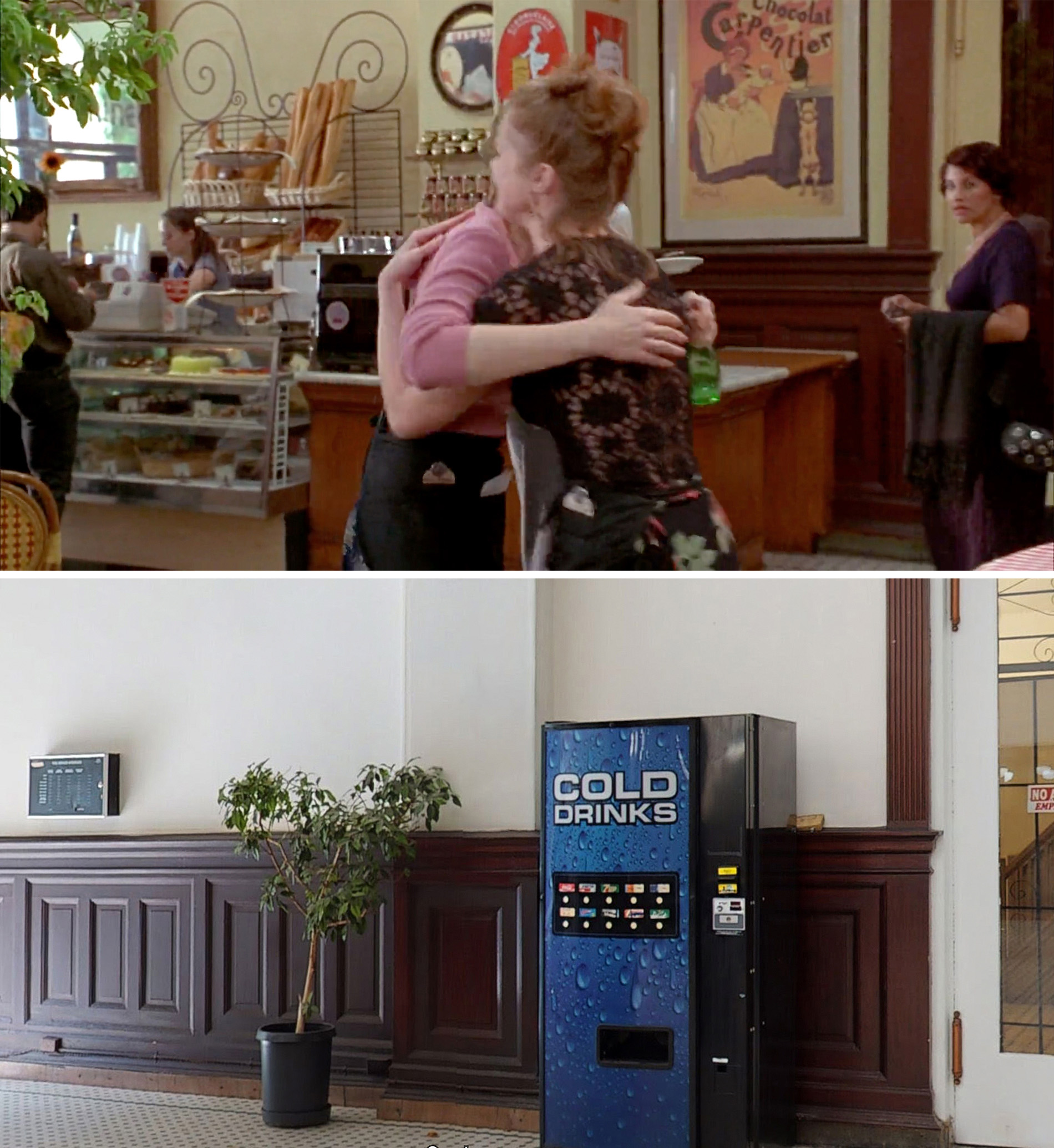
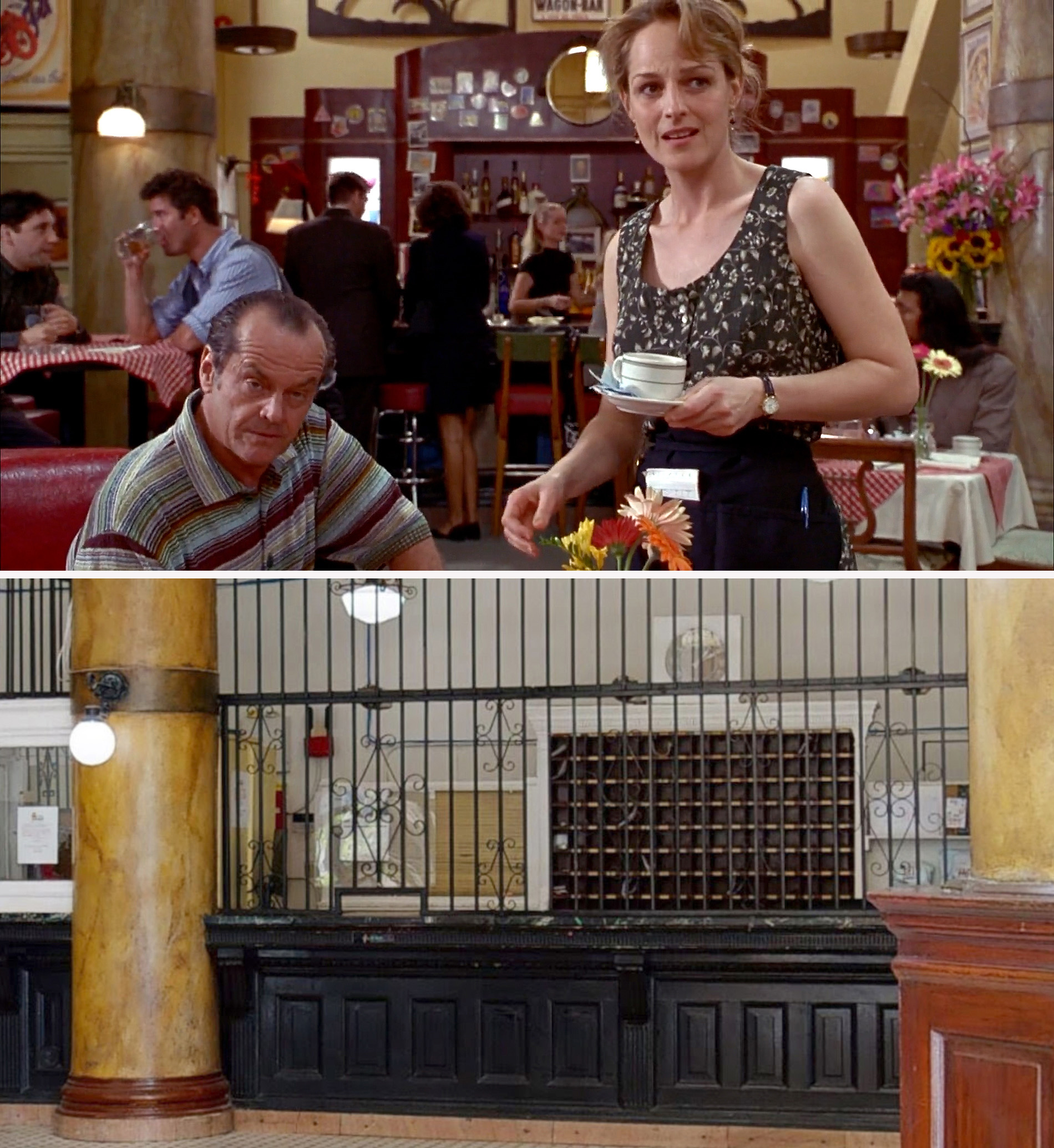
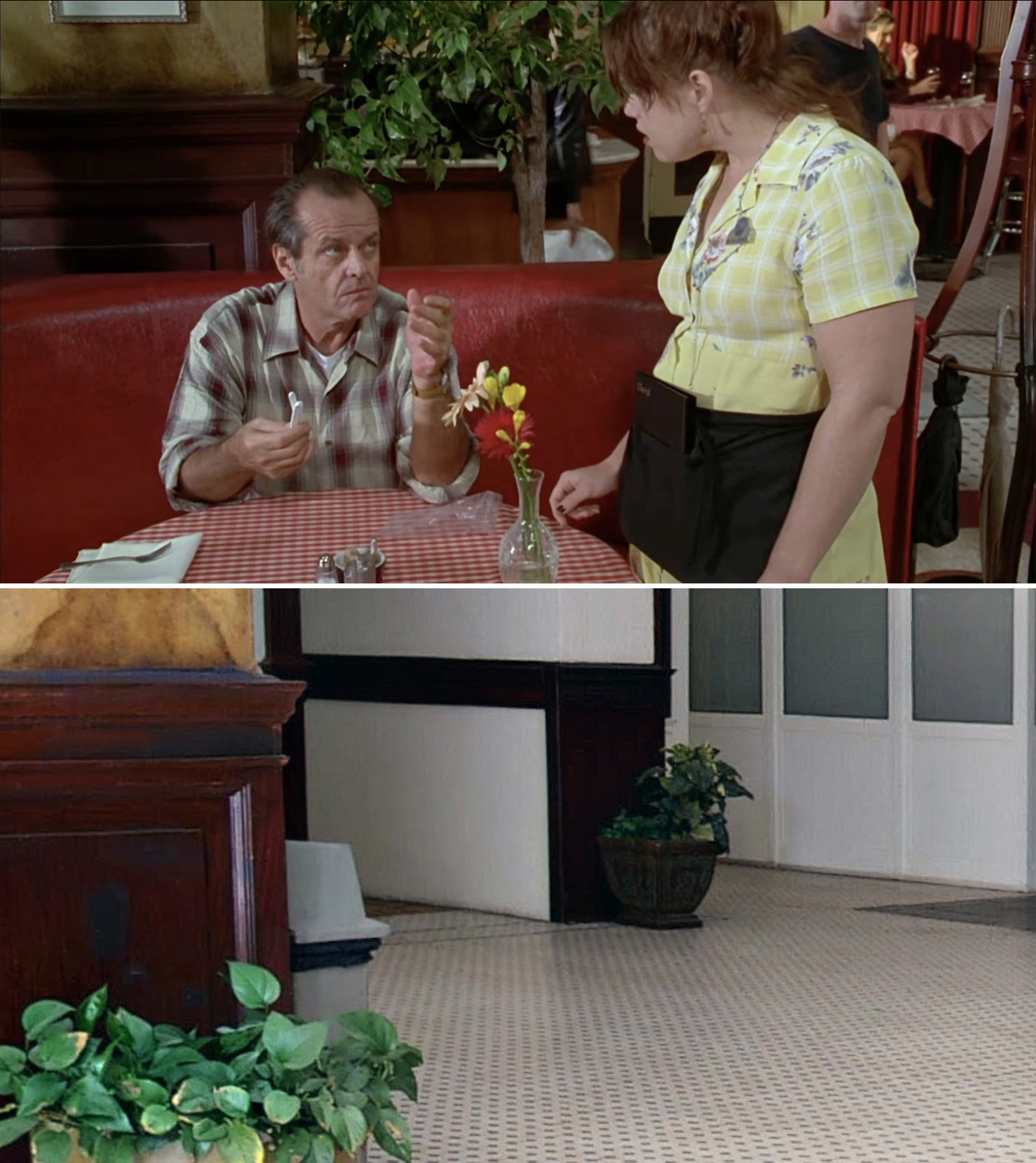
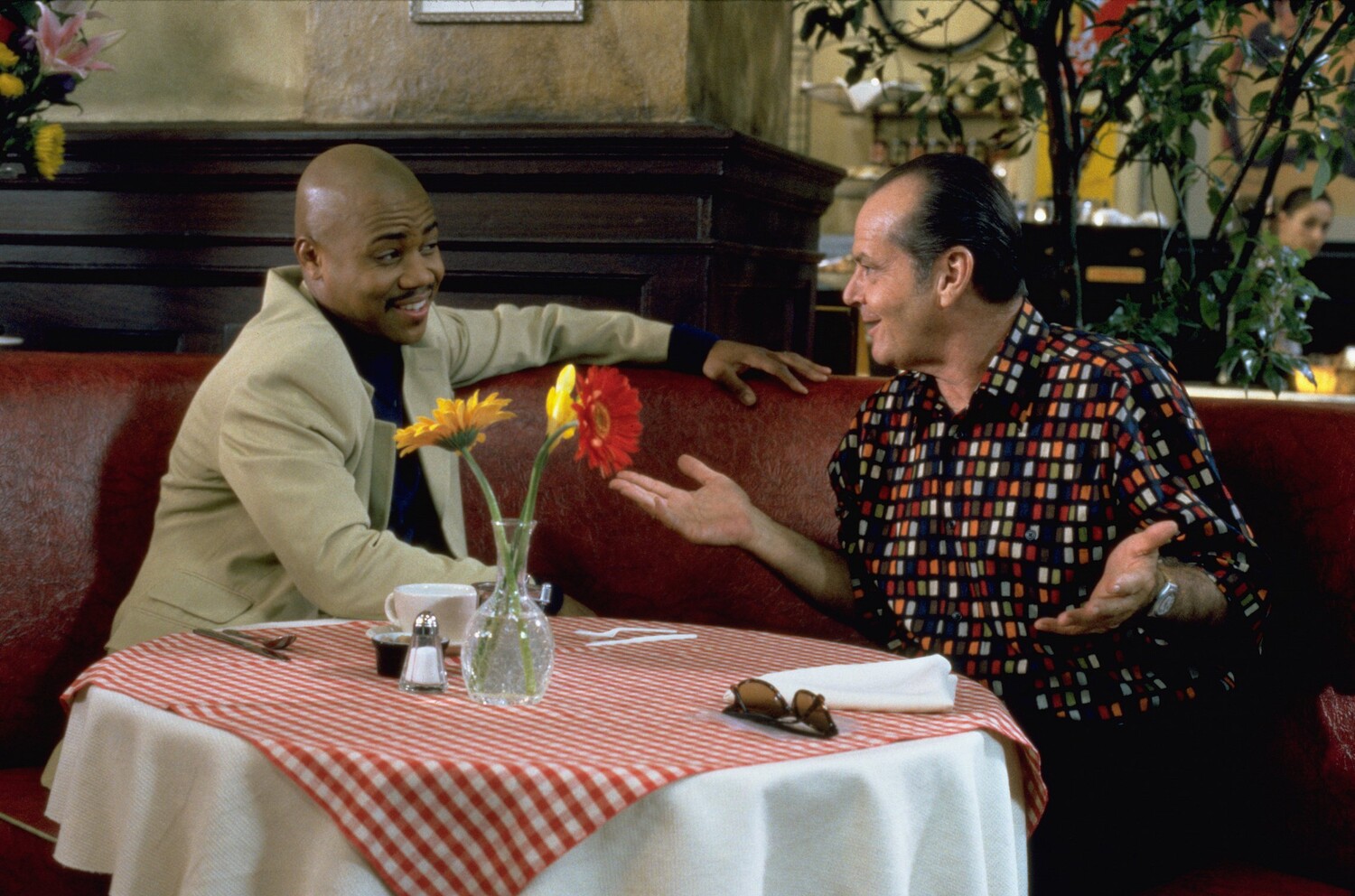
The Cafe
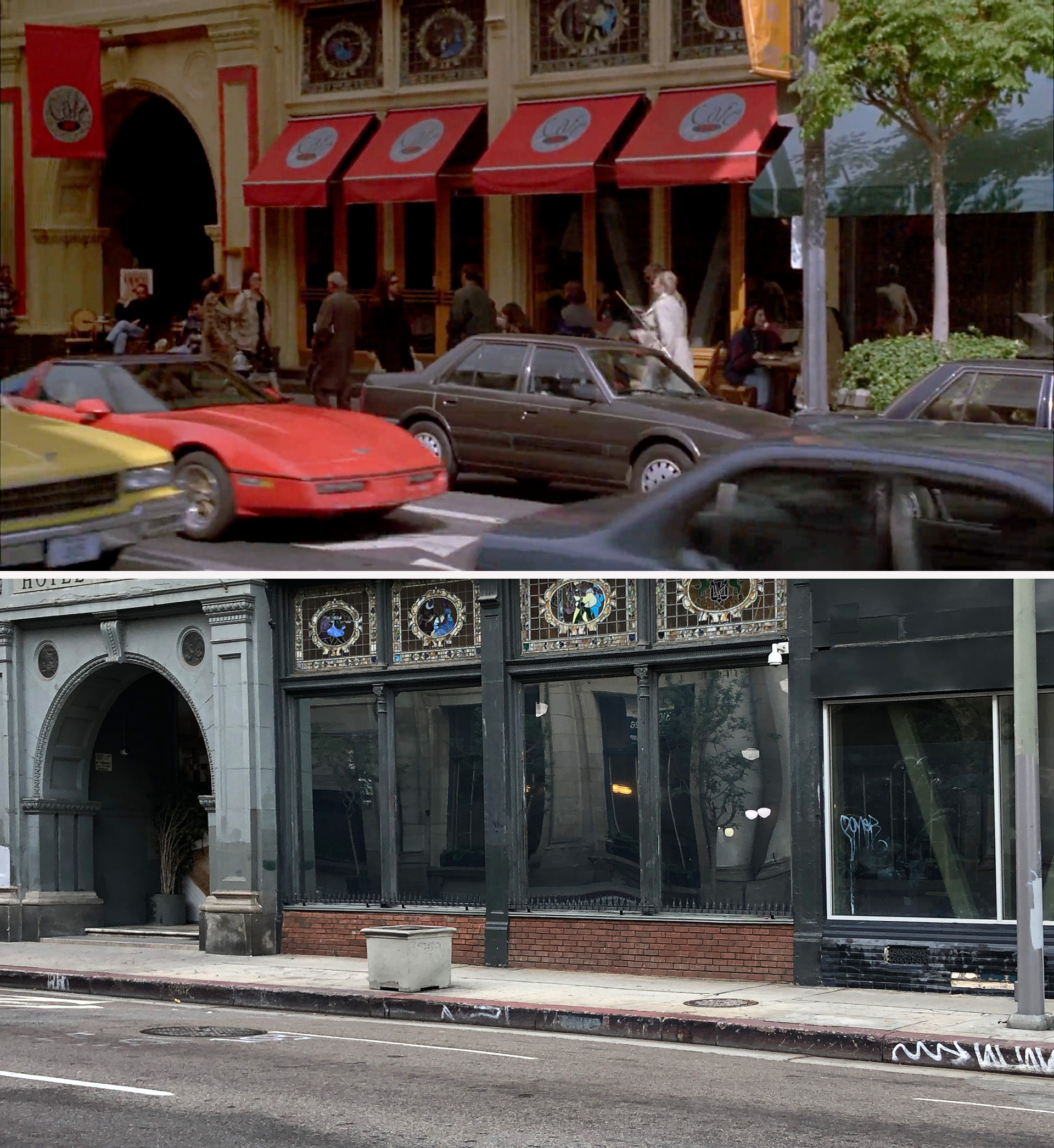
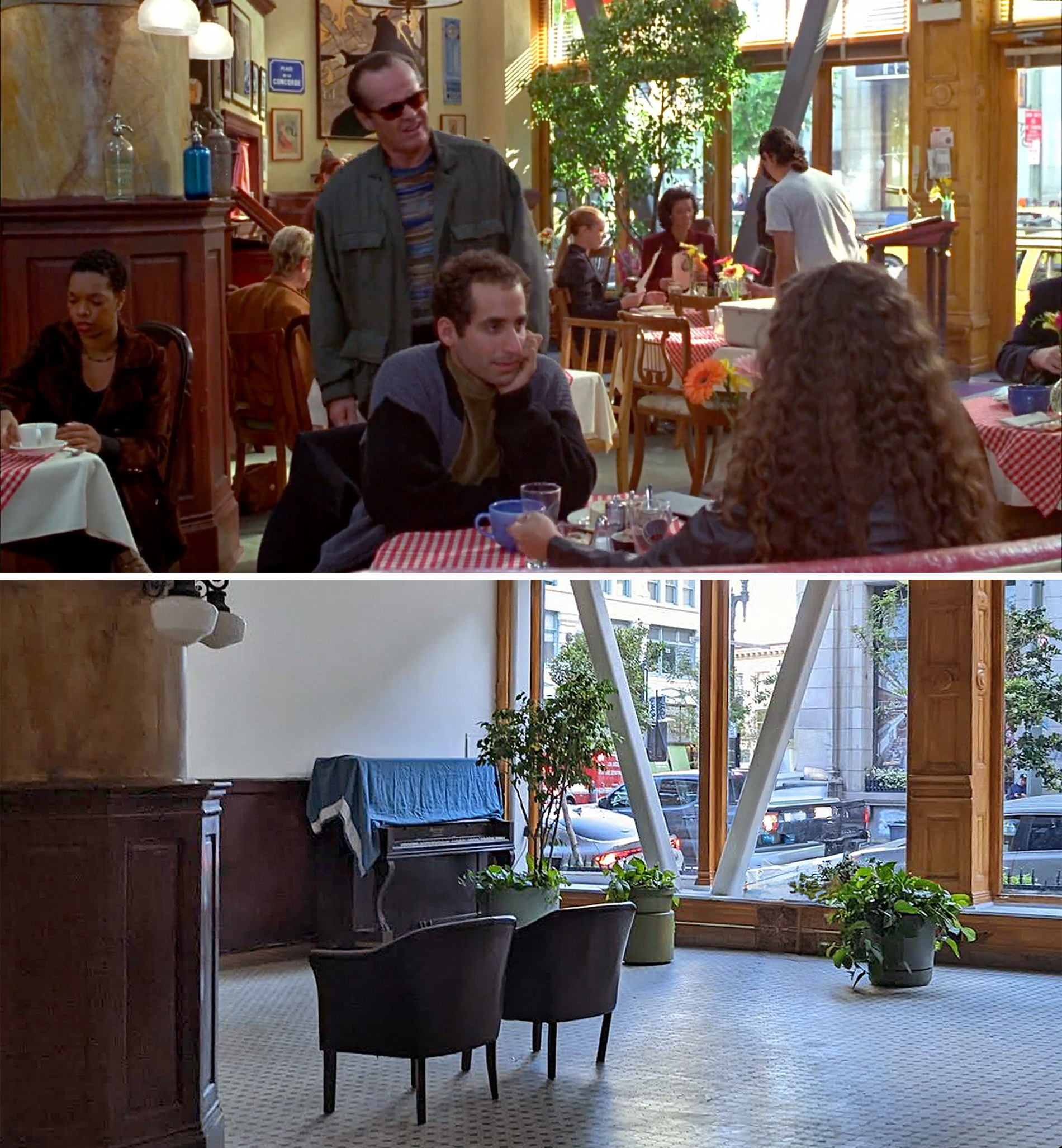
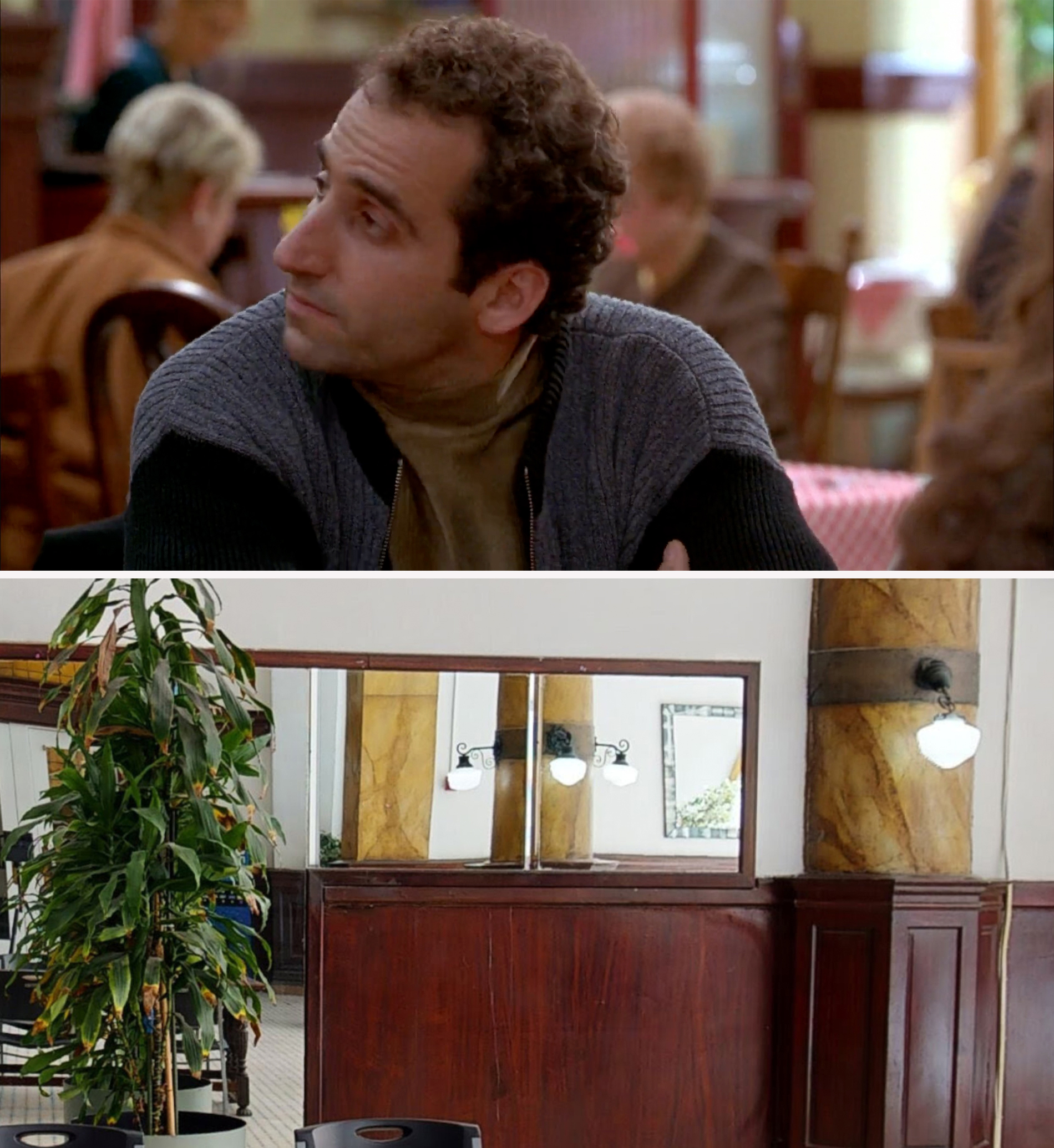
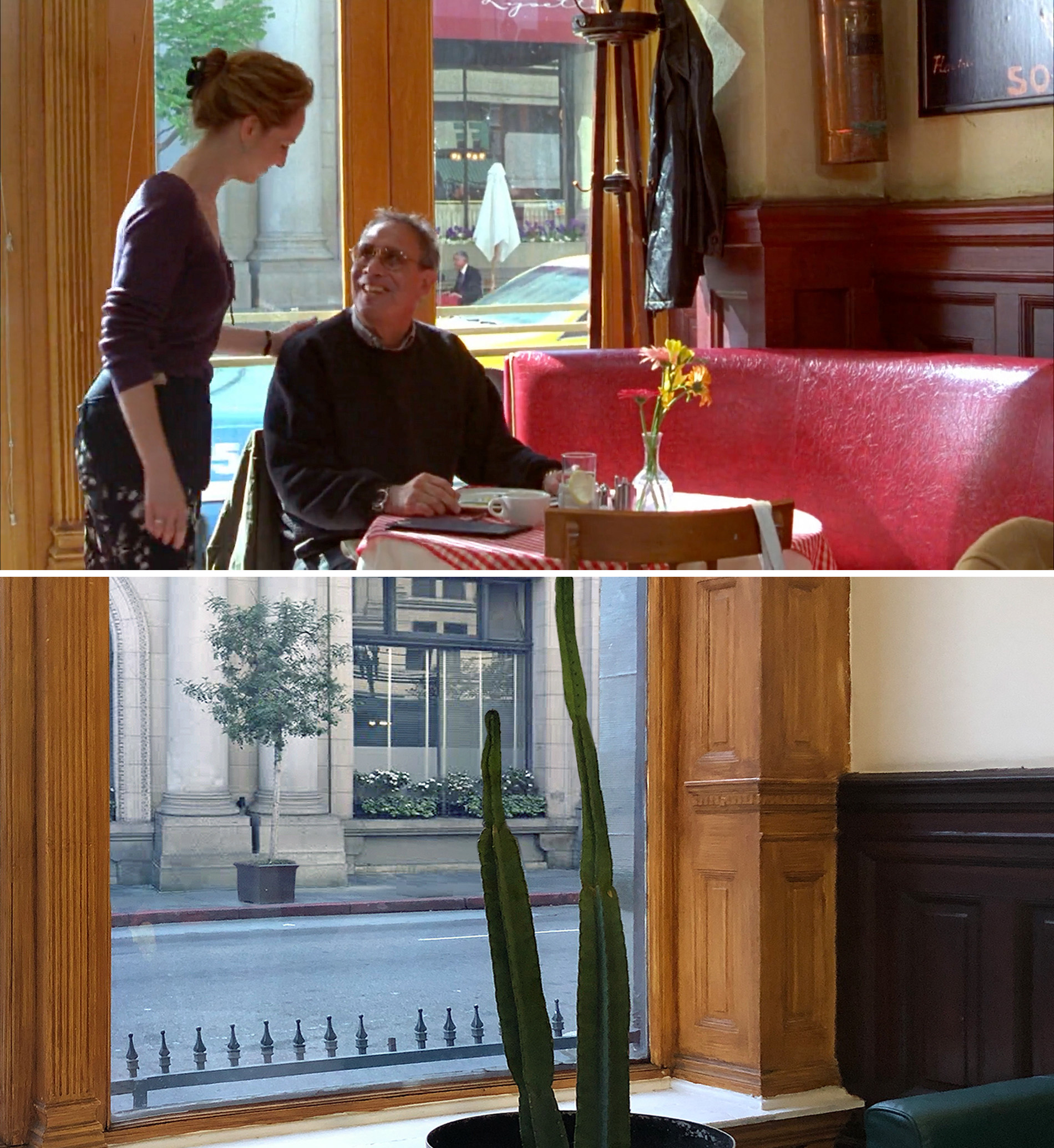
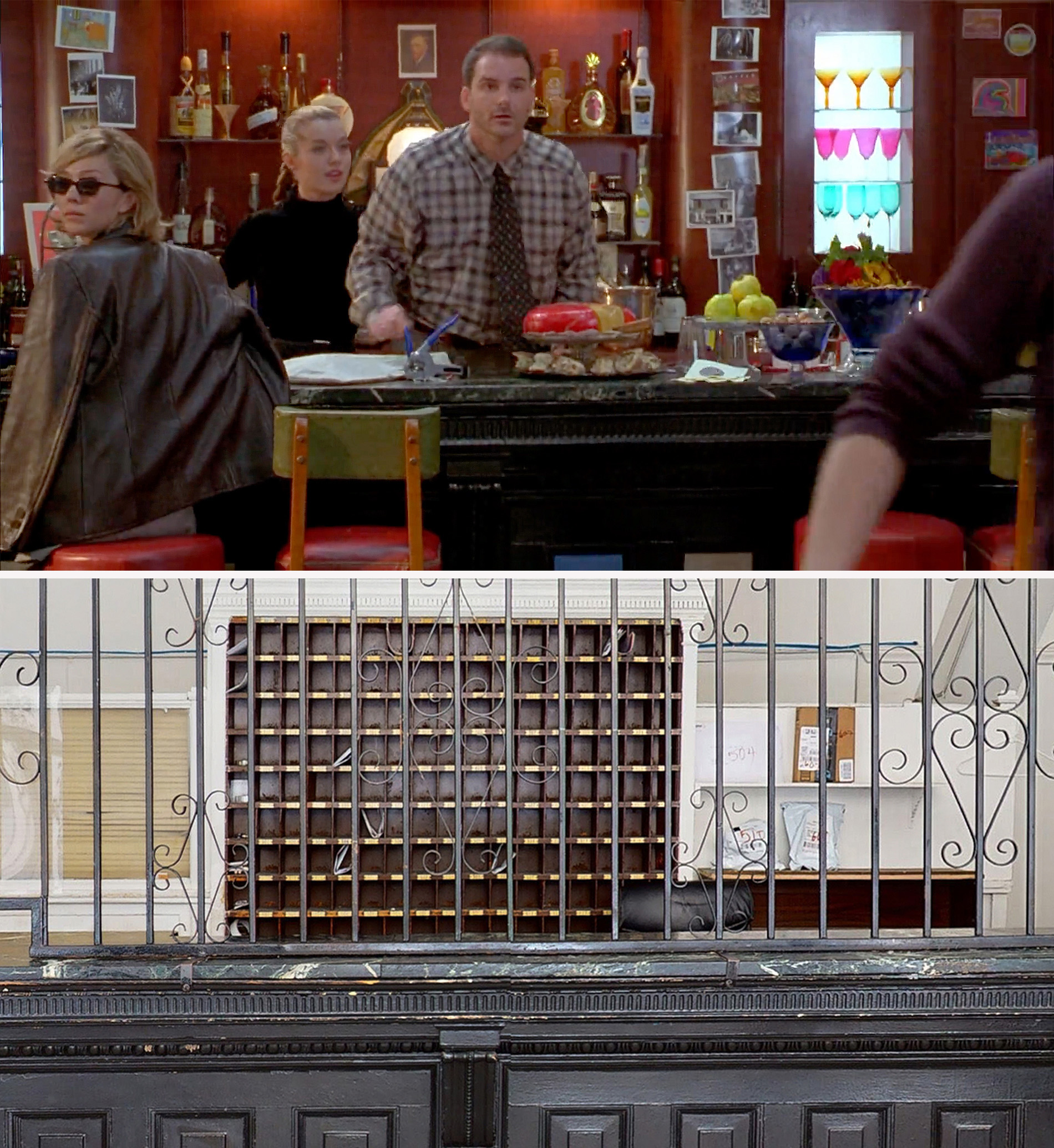
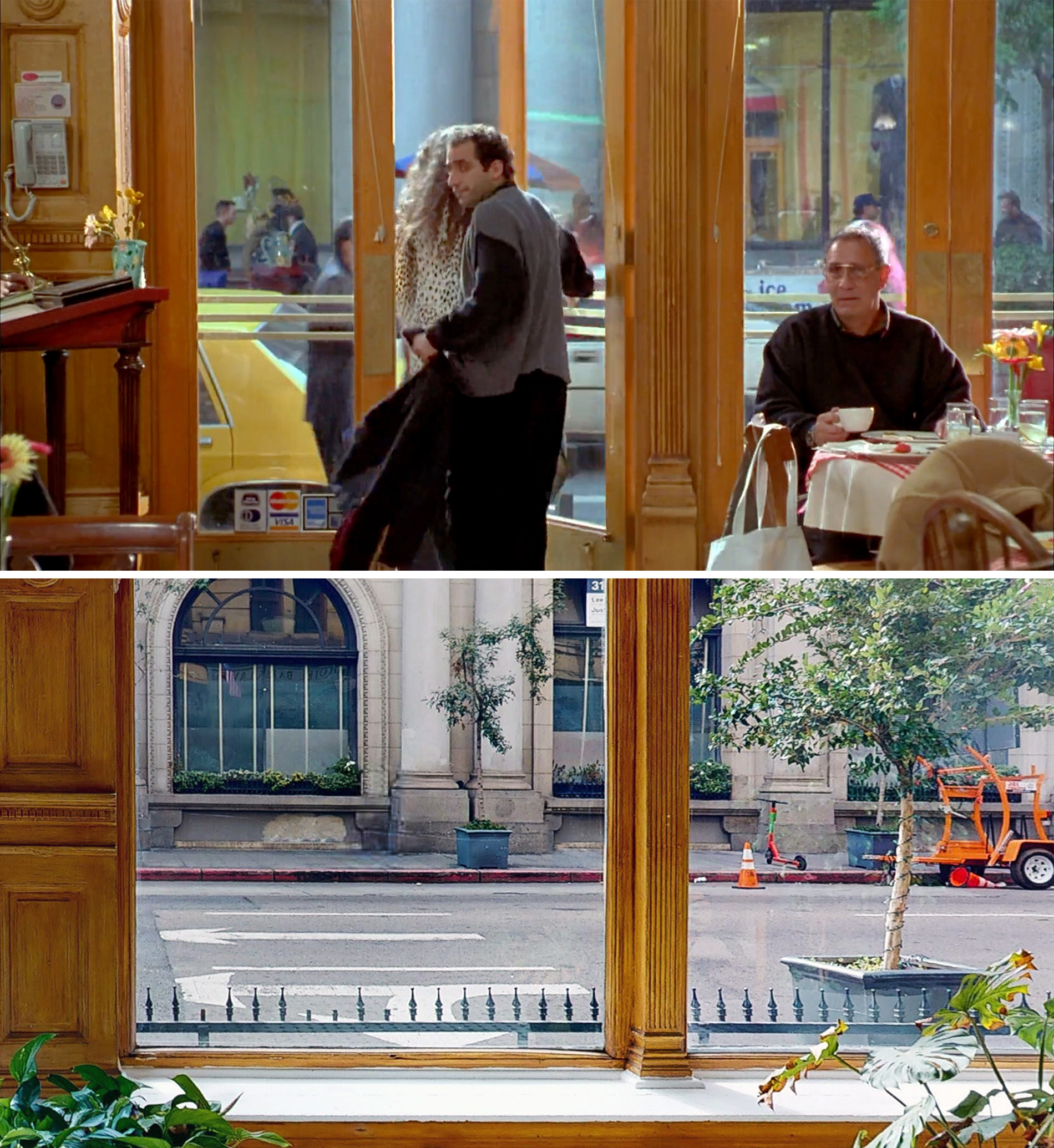
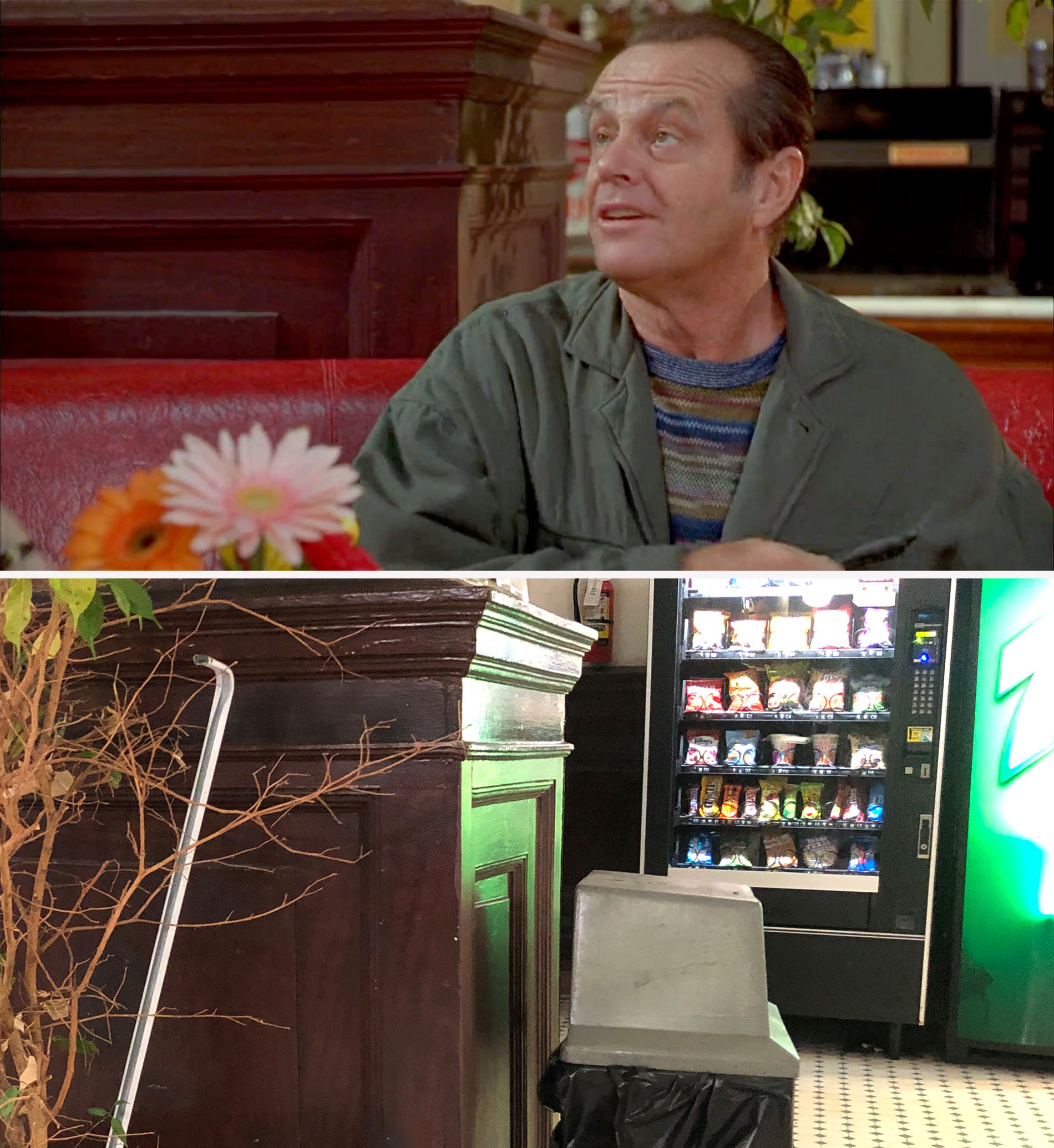
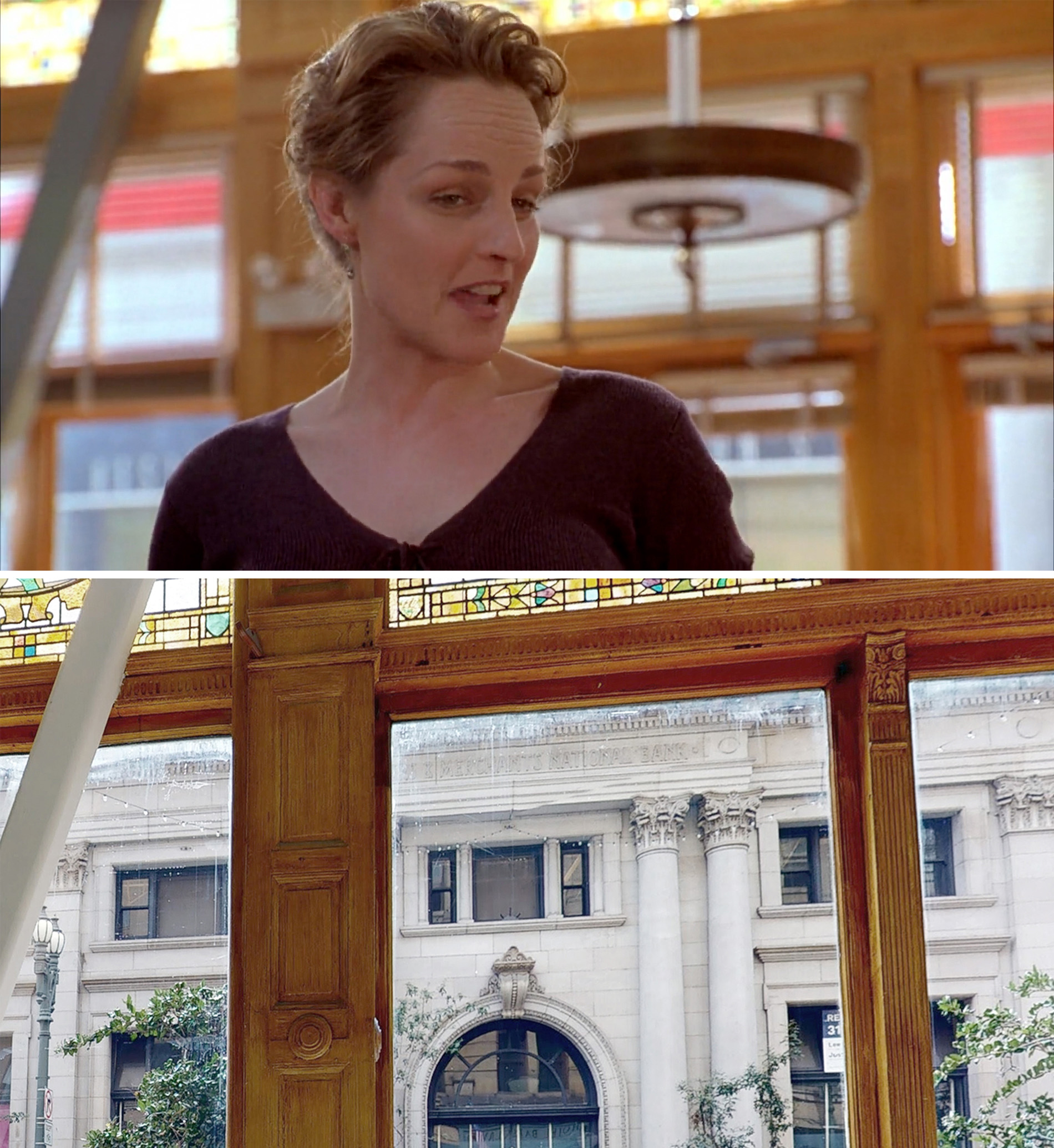
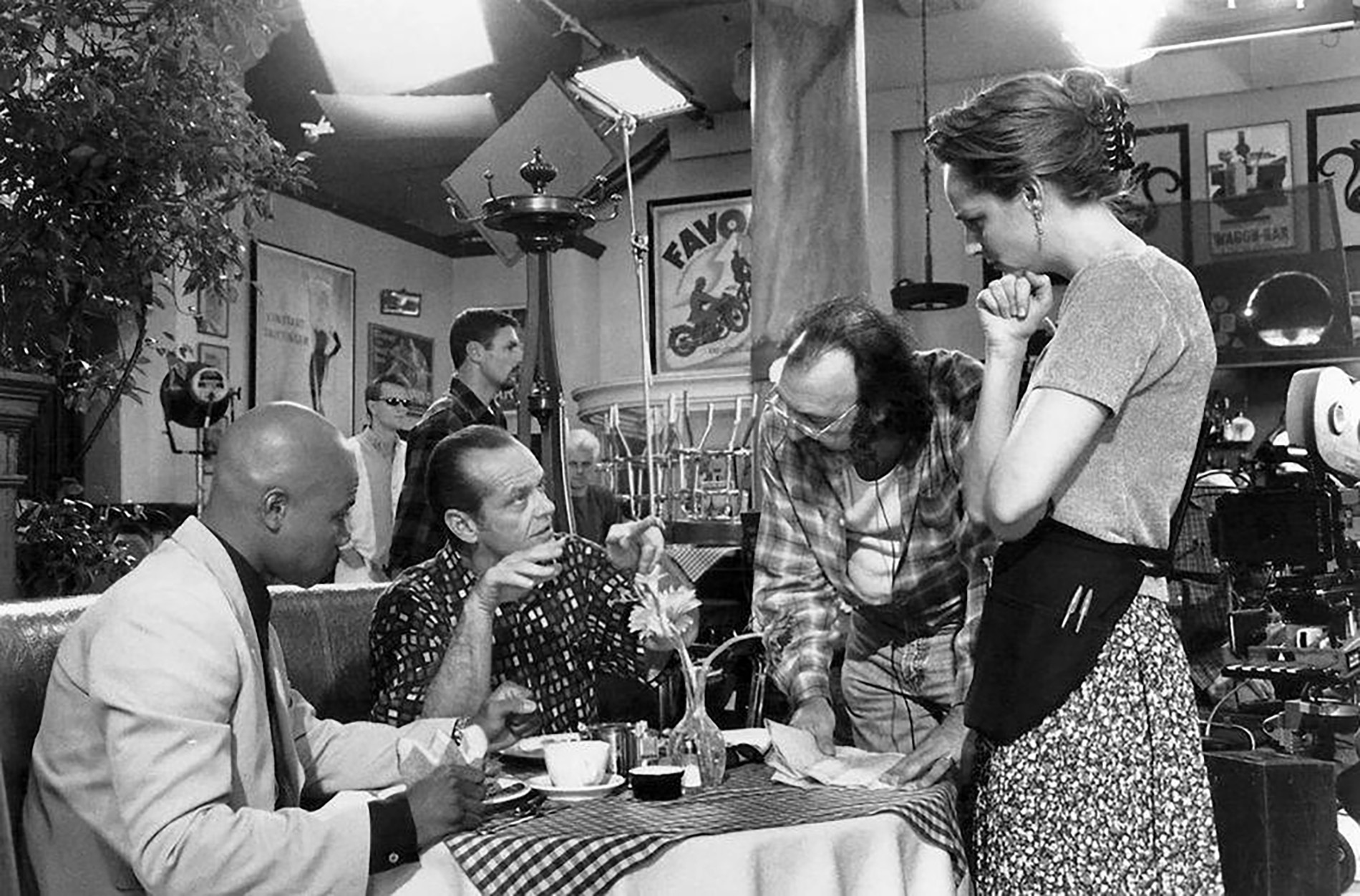
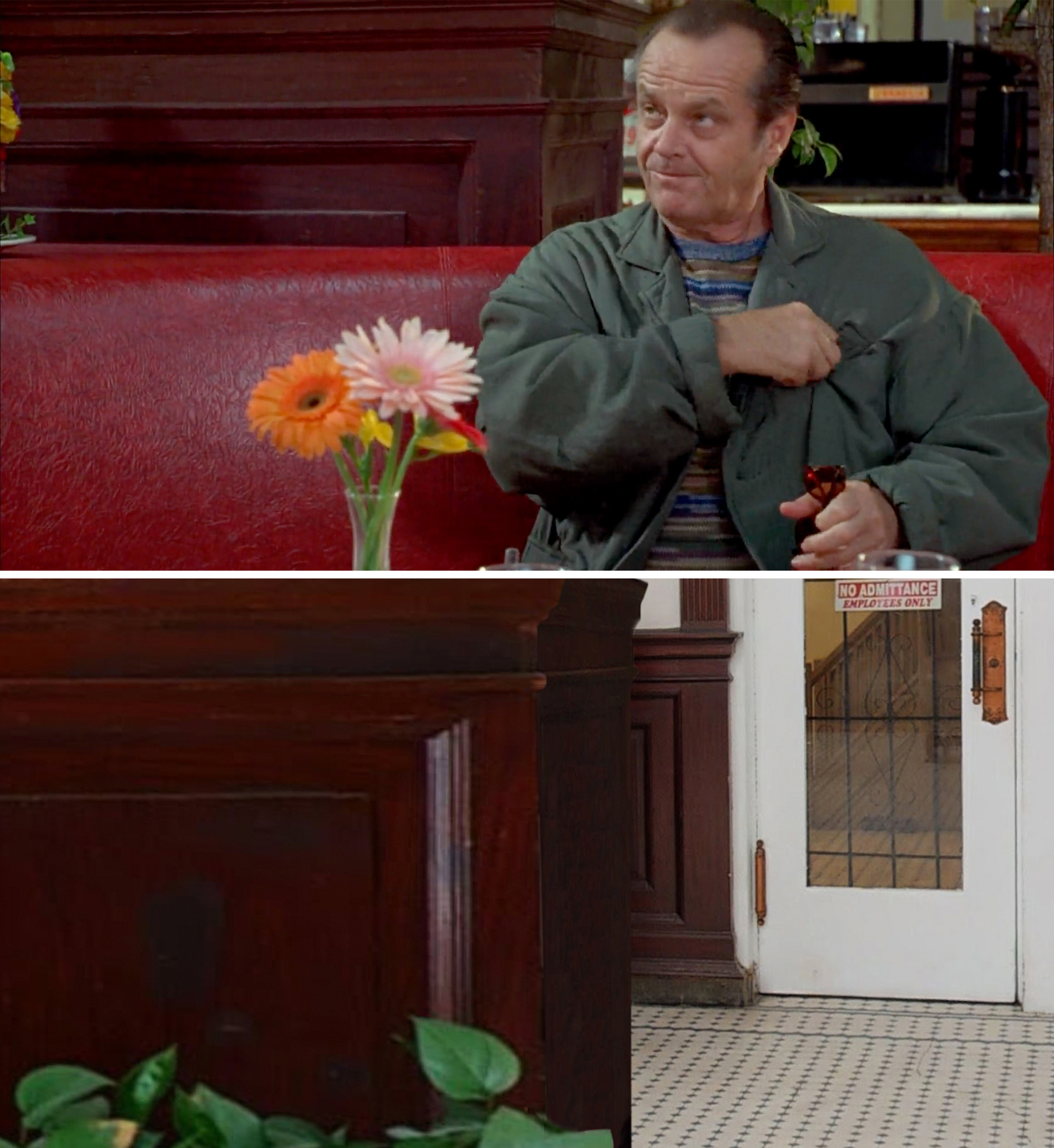
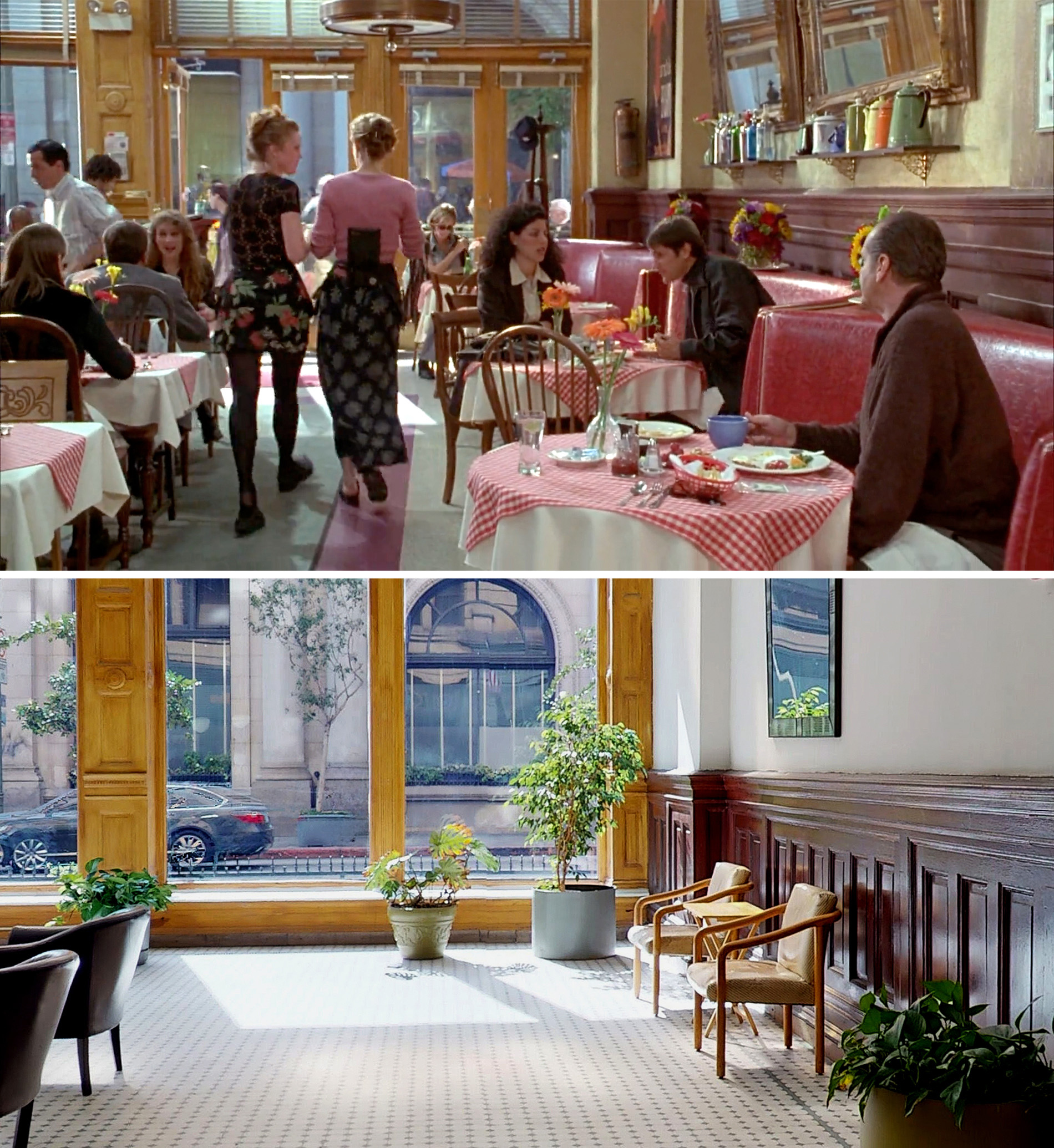
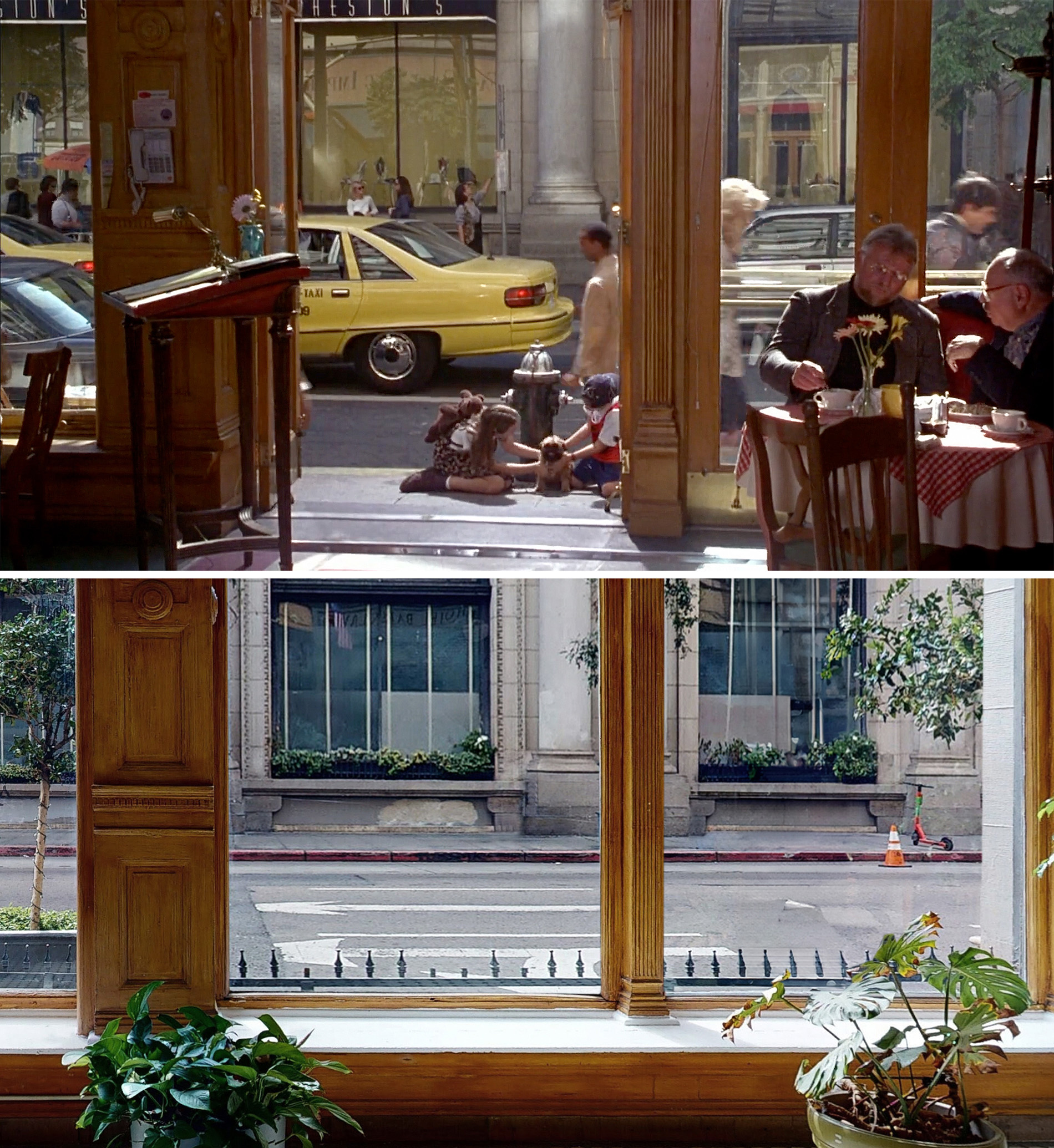
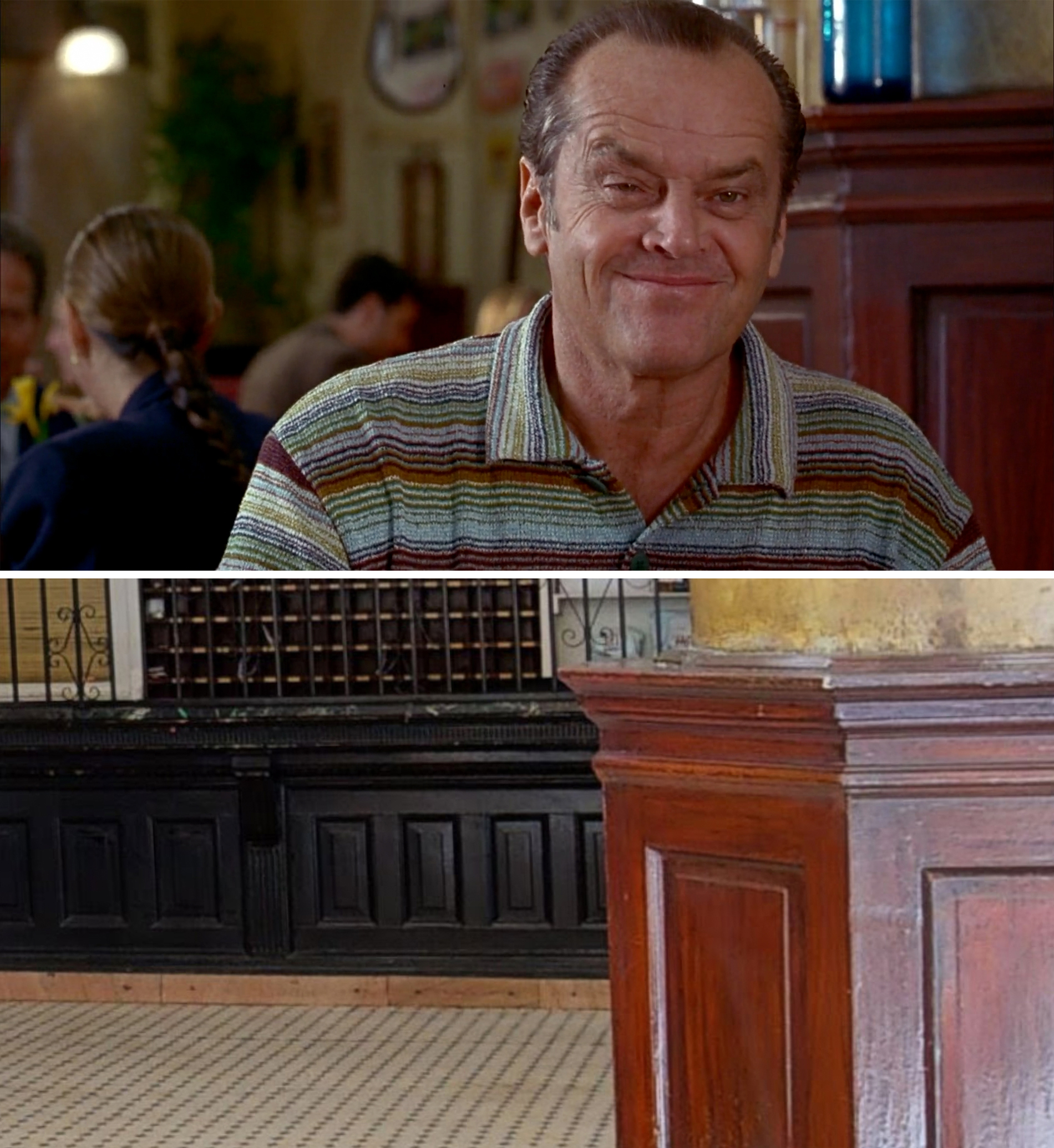
Admittedly, when I first saw this movie in the nineties, I assumed this was a real New York location, but years later, I found out it was actually filmed in Los Angeles. Of course, these days, I’ve become much more adept at distinguishing fake from real NYC, and there are many clues that this cafe was located in Los Angeles. The most obvious indicator that it was shot in the Golden State was the inordinate amount of sunlight flooding the street outside — a look that just screams “SoCal!”
Another clue they were in Los Angeles is the pair of white diagonal beams in the windows, which I believe are seismic braces used to protect old structures in the event of an earthquake.
The space used wasn’t even a real restaurant, but was in fact, the lobby of a low-rent transient hotel called the Barclay.
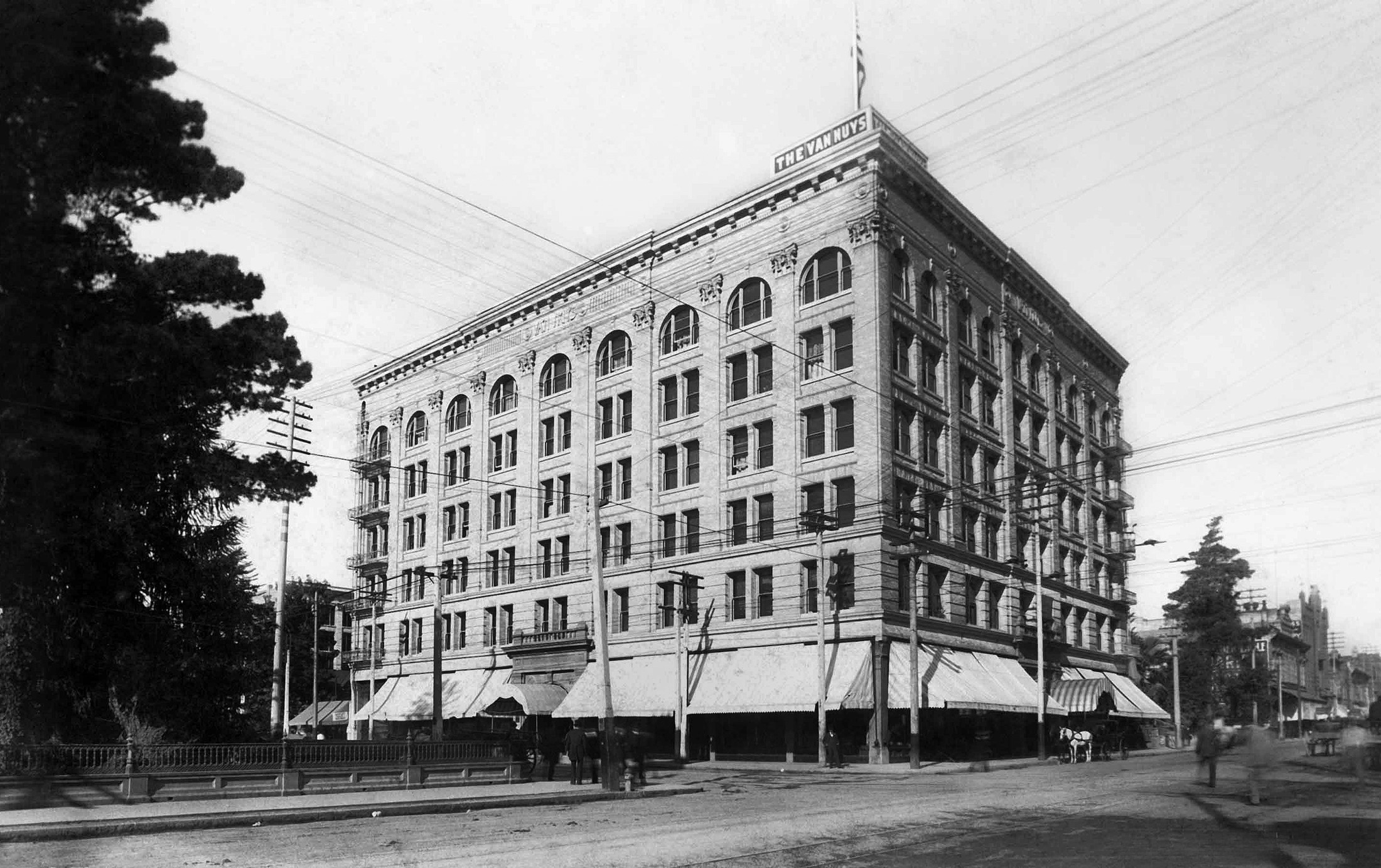
Situated on the corner of 4th and Main Street, the six-story Beaux-Arts building originally operated as the luxurious Van Nuys Hotel, opening on January 19, 1897 to much fanfare.
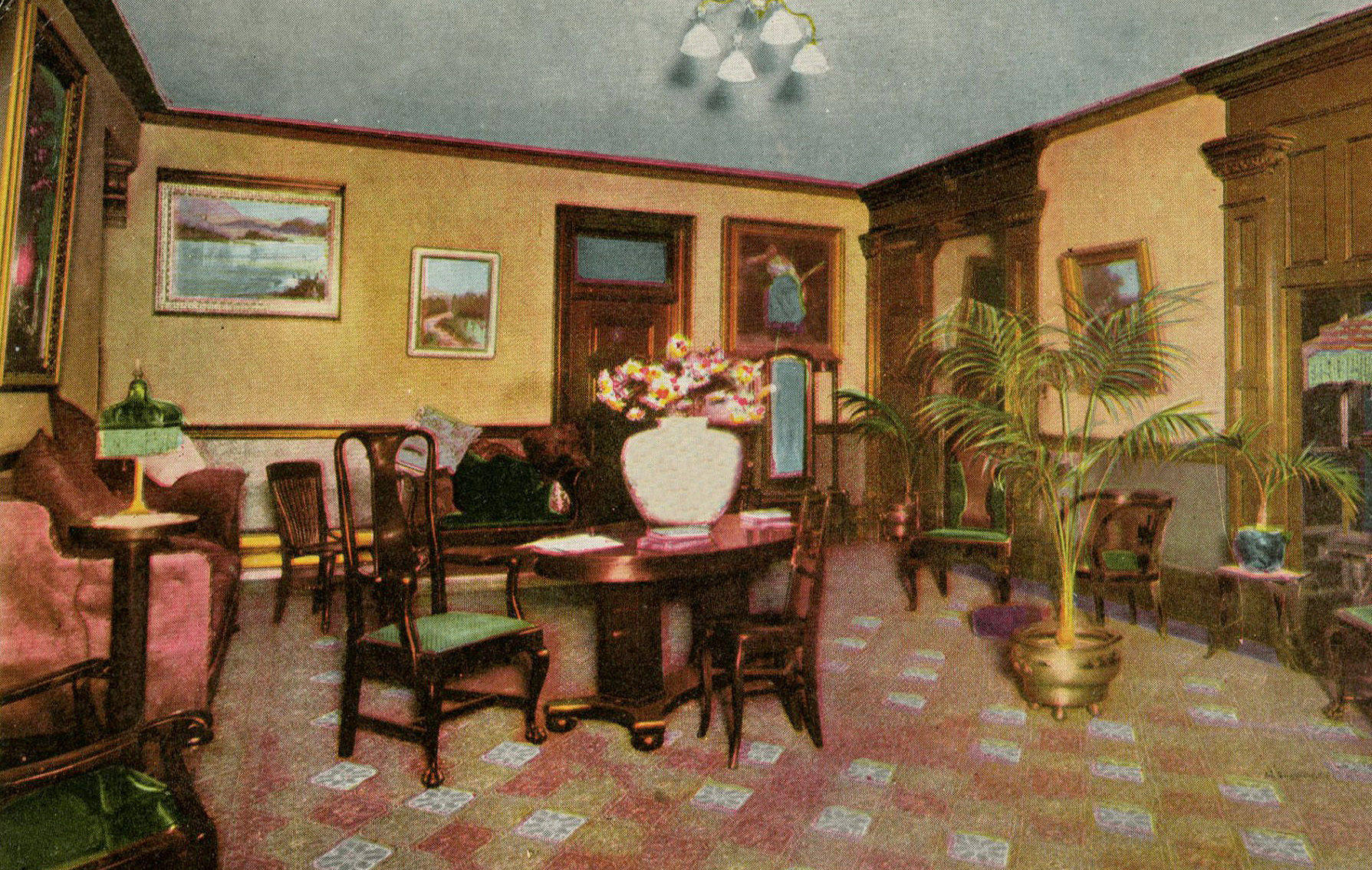
At the time of its grand opening, the Van Nuys was noteworthy for being the first hotel in the city to have electricity and a telephone in every room. And as an additional but less glamorous amenity, each room was guaranteed to contain a mirror and private wash basin.
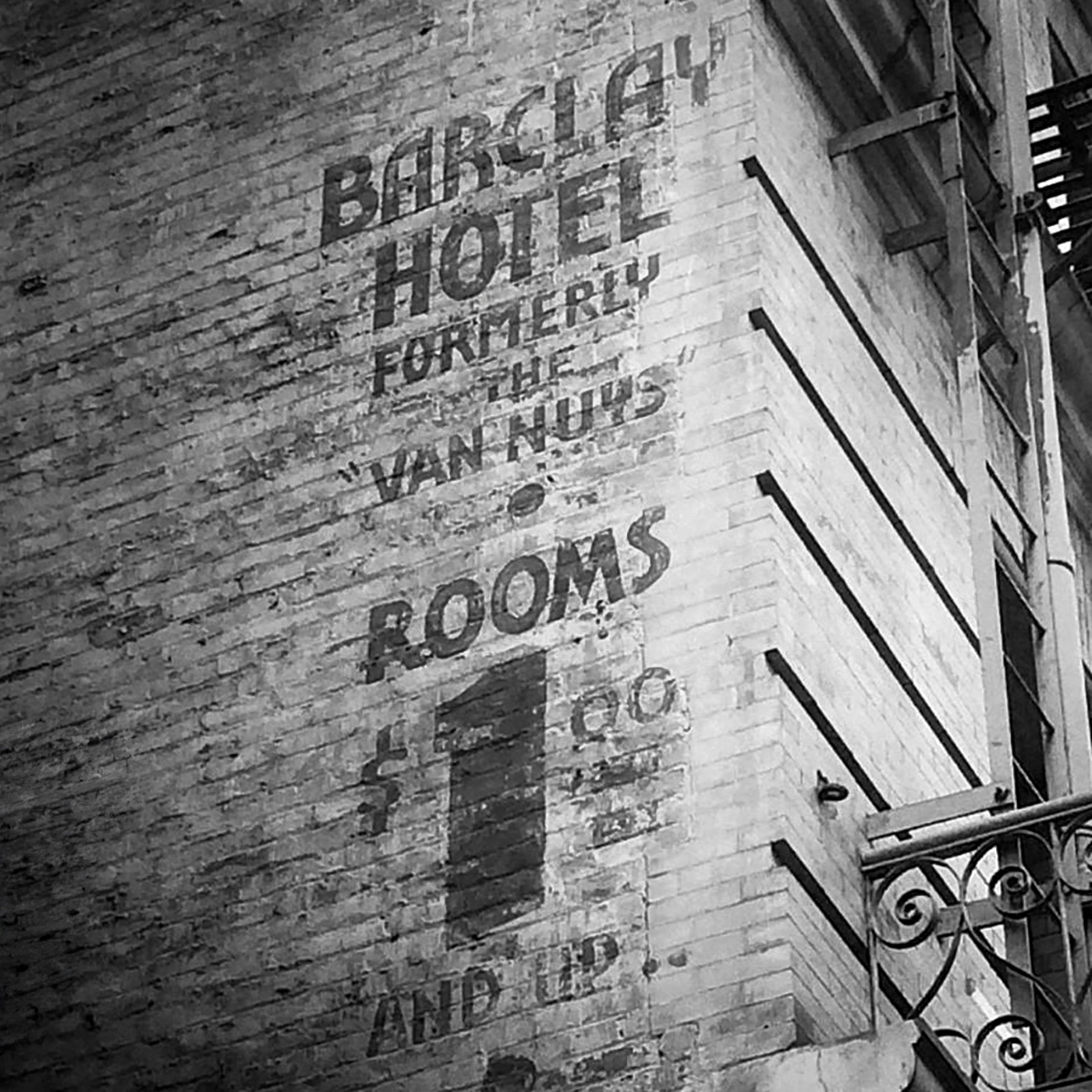
In 1929, Consolidated Hotels, Inc. acquired the lease on the Van Nuys (which had slowly become a more rundown and disreputable place), officially converting it into a transient hotel and renaming it the Barclay.
For the next fifty years or so, the hotel garnered a somewhat sordid reputation, being the site of several gruesome deaths, including a murder of a vagrant in 1975 by serial killer Vaughn Greenwood, AKA, the Skid Row Slasher.
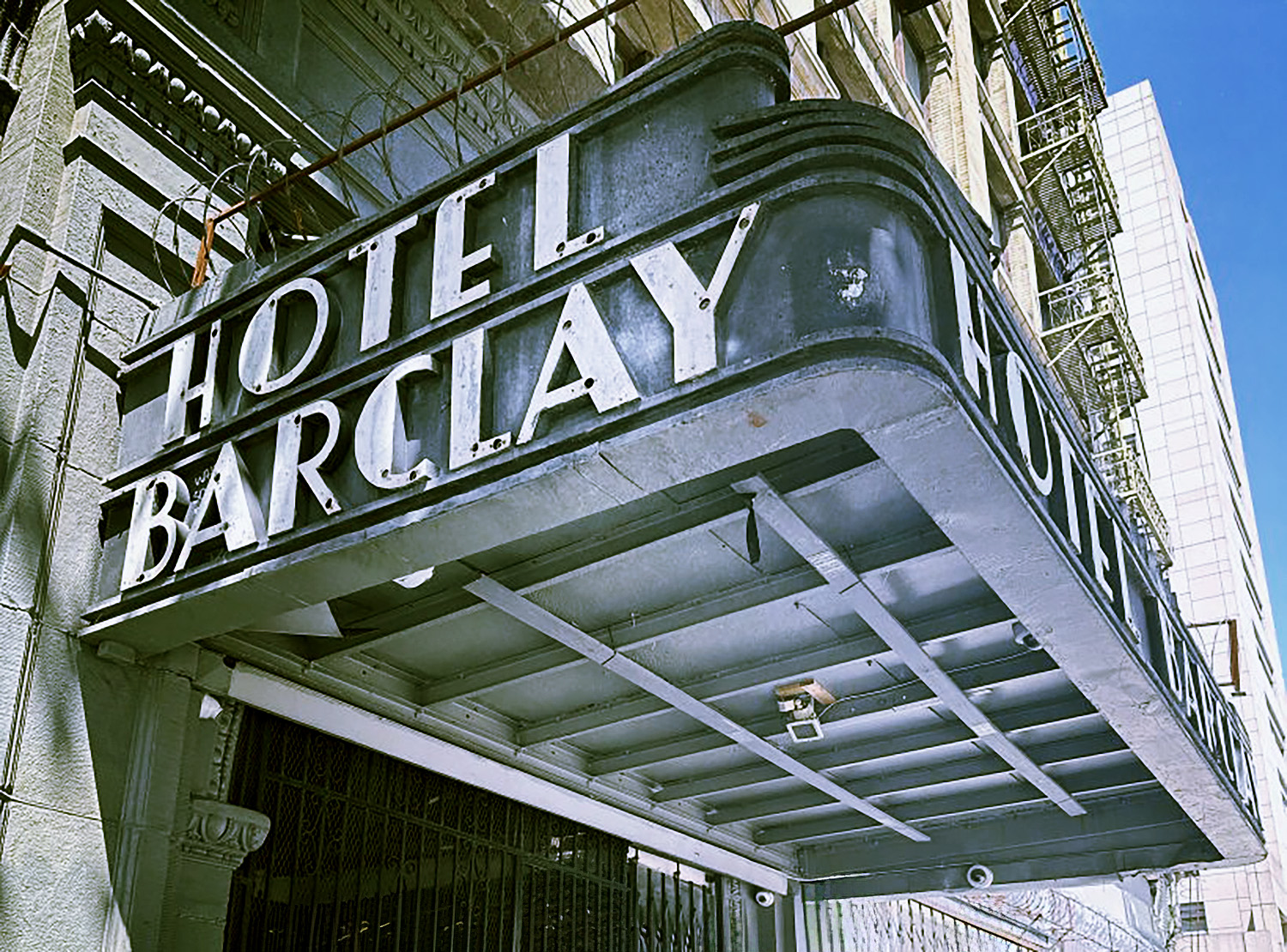
In 2021, city officials converted the building into a low-income housing project, with rents ranging from $400 to $750 per month.
Finding a Model
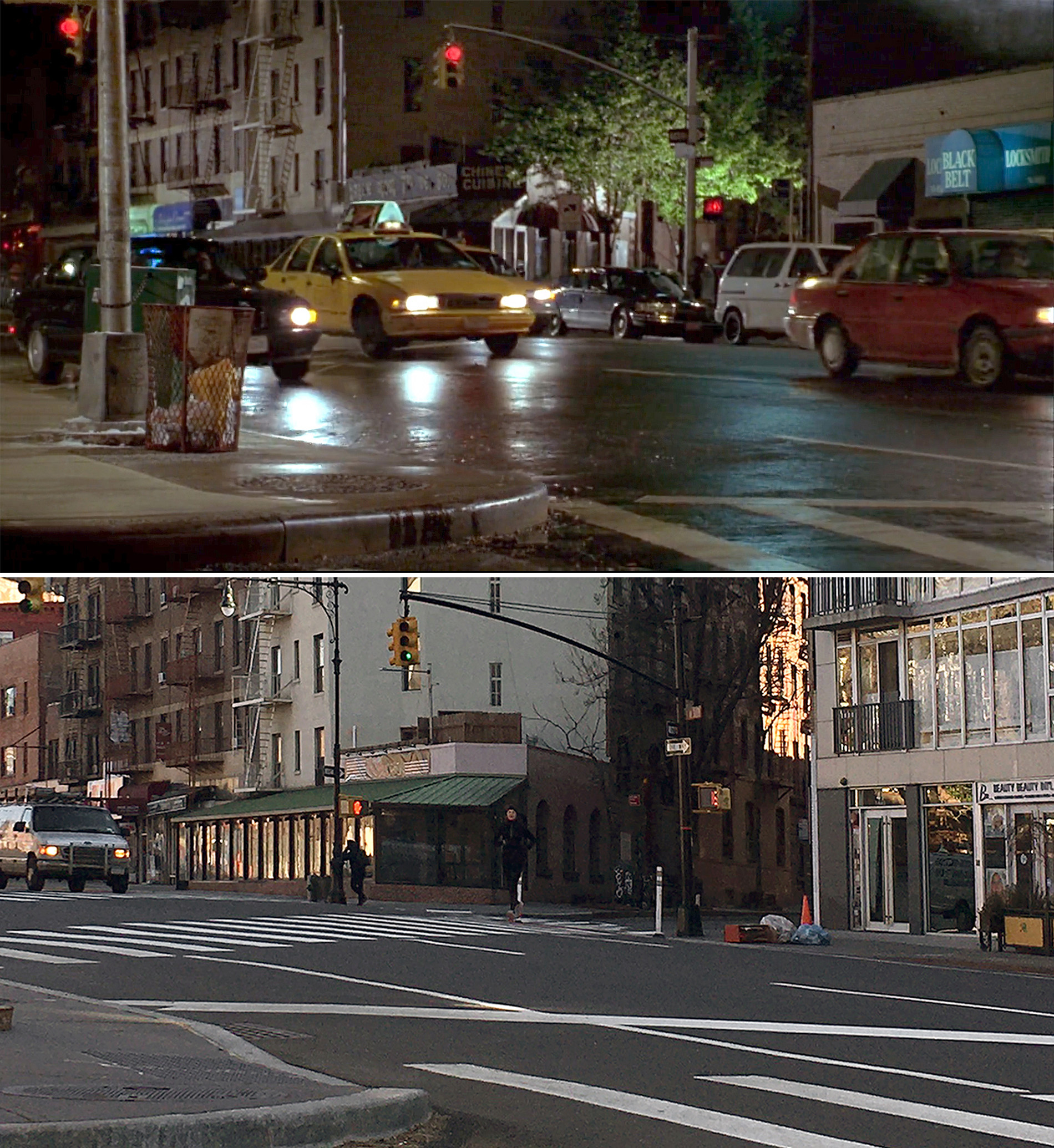
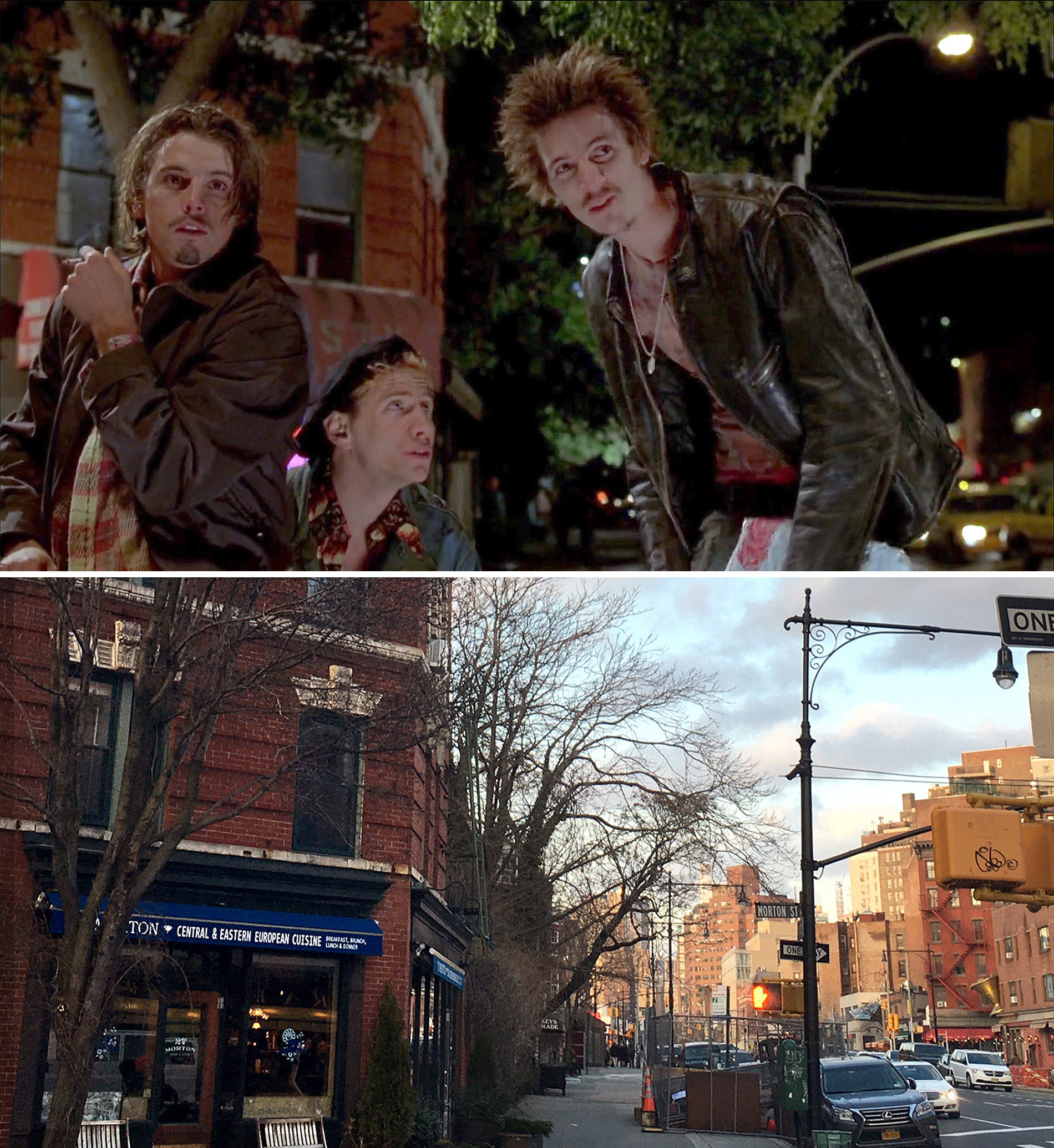
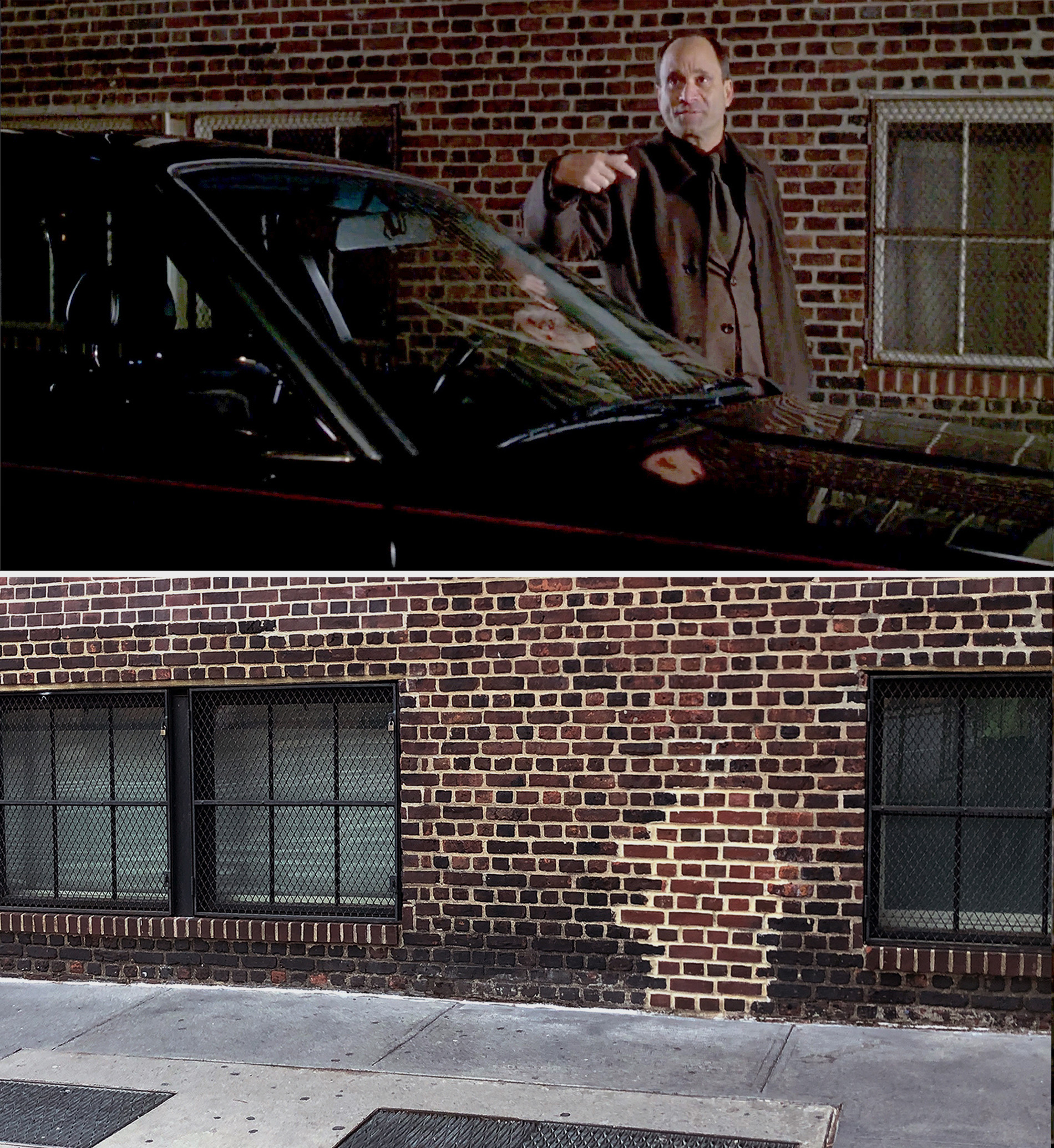
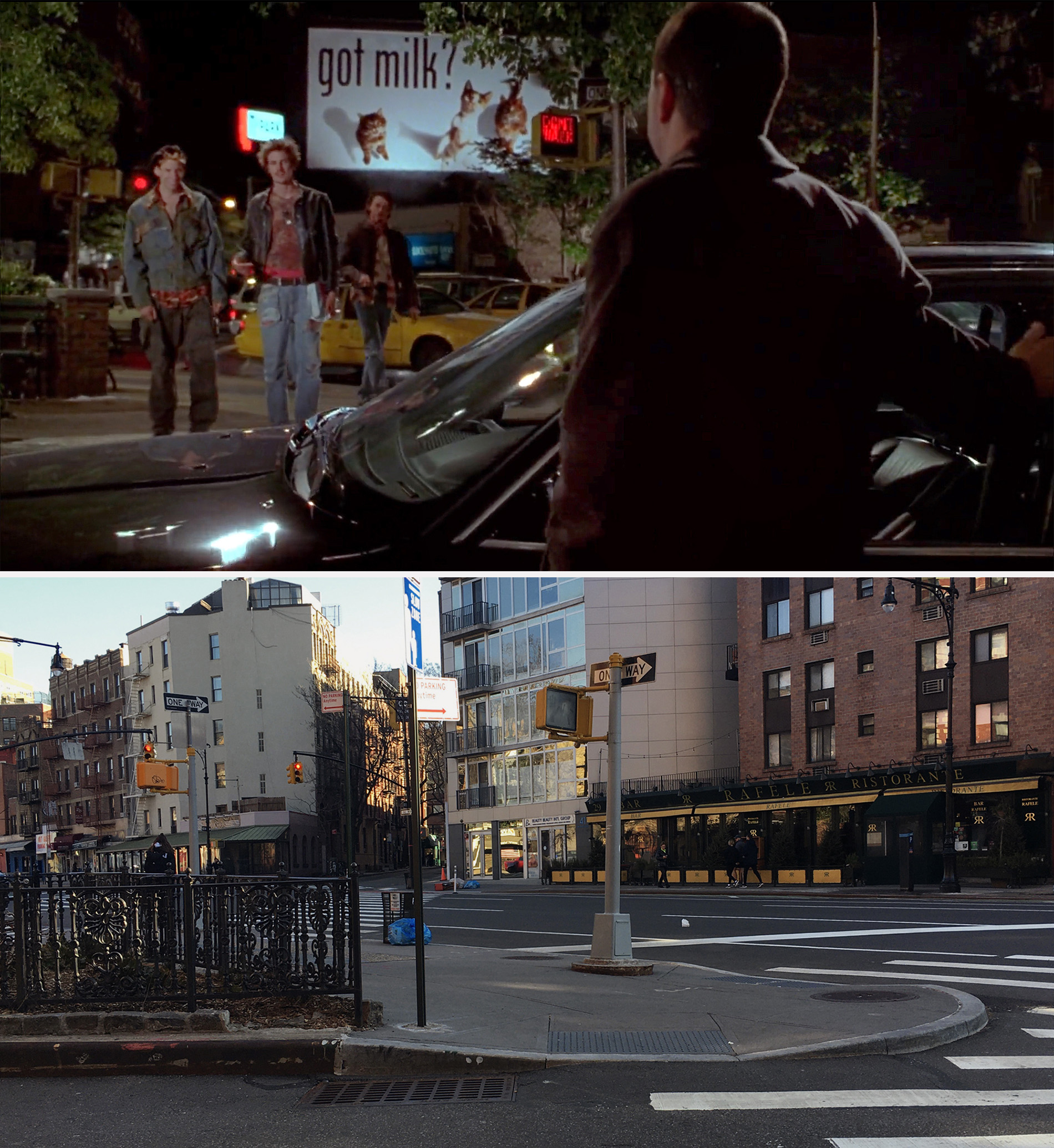
This location was a little tricky to find at first, since it was actually the only Manhattan spot that wasn’t super close to the apartment on W 12th. It was still in the same general area, but was located an extra Avenue over and about a half mile south.
I eventually found the location due to the scene taking place at a small triangular island, which usually occurs when three angled streets intersect each other. This is somewhat common in the West Village since the neighborhood generally ignores the grid system, but not so common that I’d have to spend a great amount of time finding the right one.
Having lived in the Village for nearly 10 years, I already had a mental map of most of these triangular plazas, and after a little exploring, landed at the intersection of Seventh, Morton and Leroy.
Walking the Dog
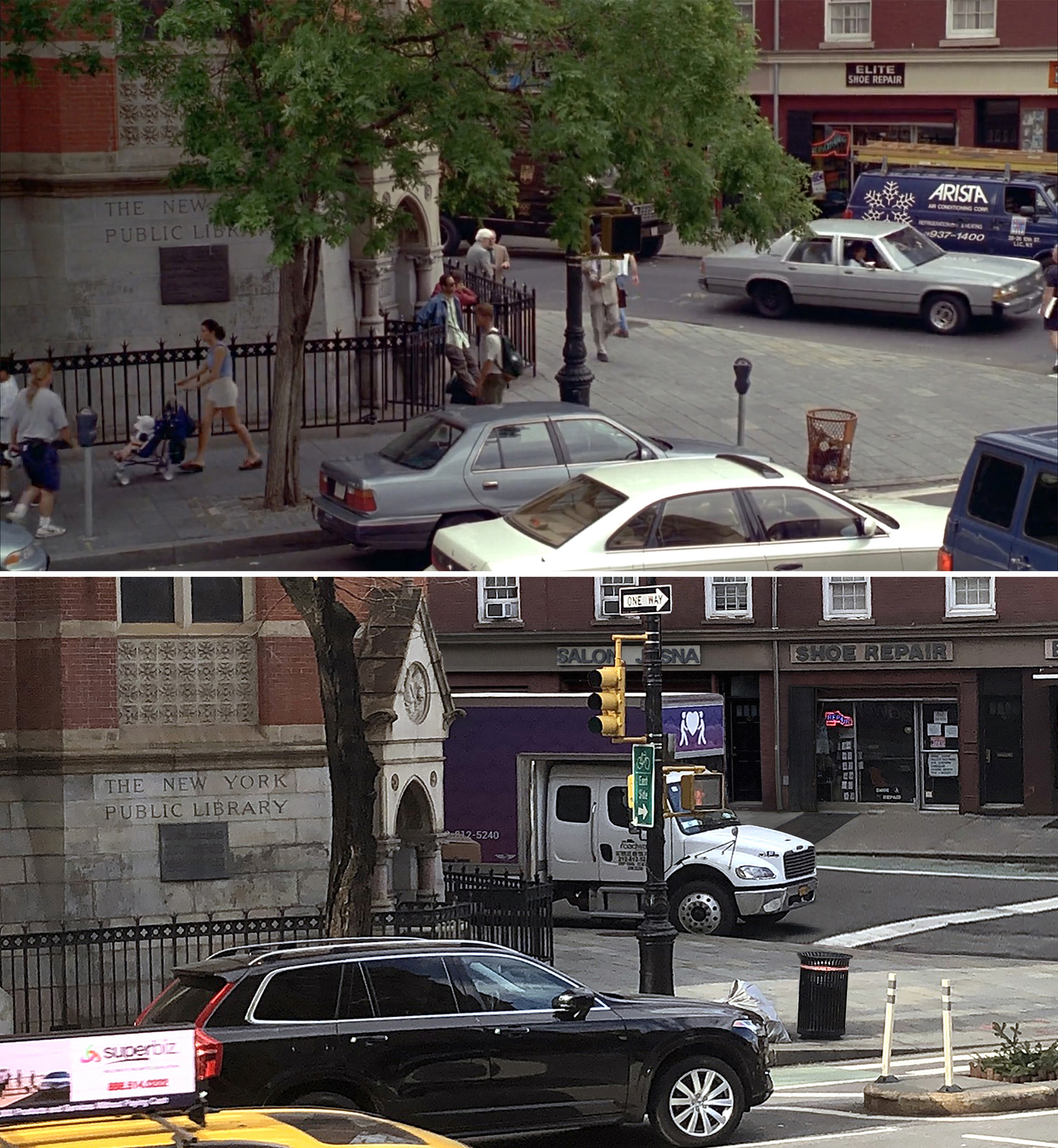
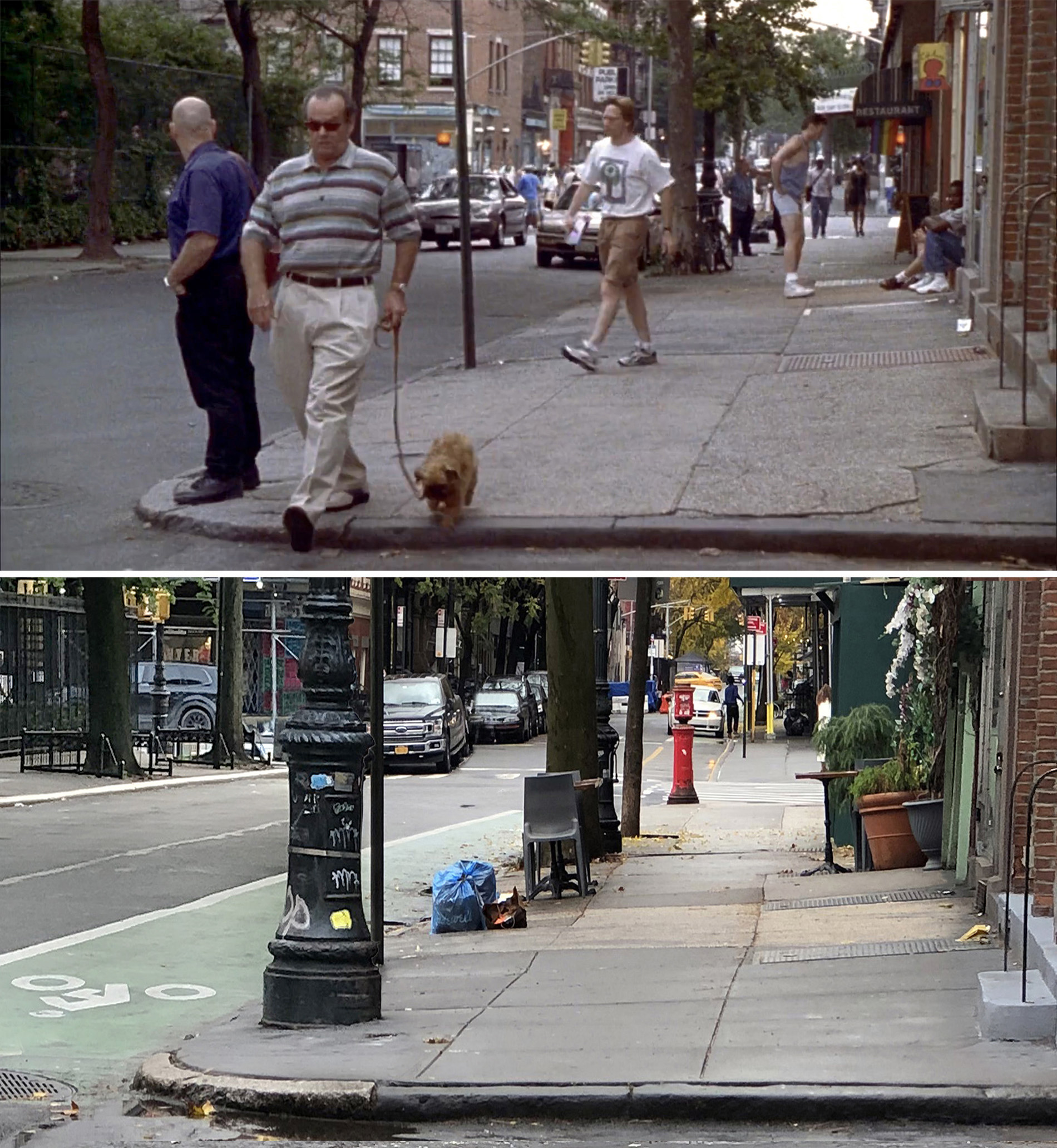
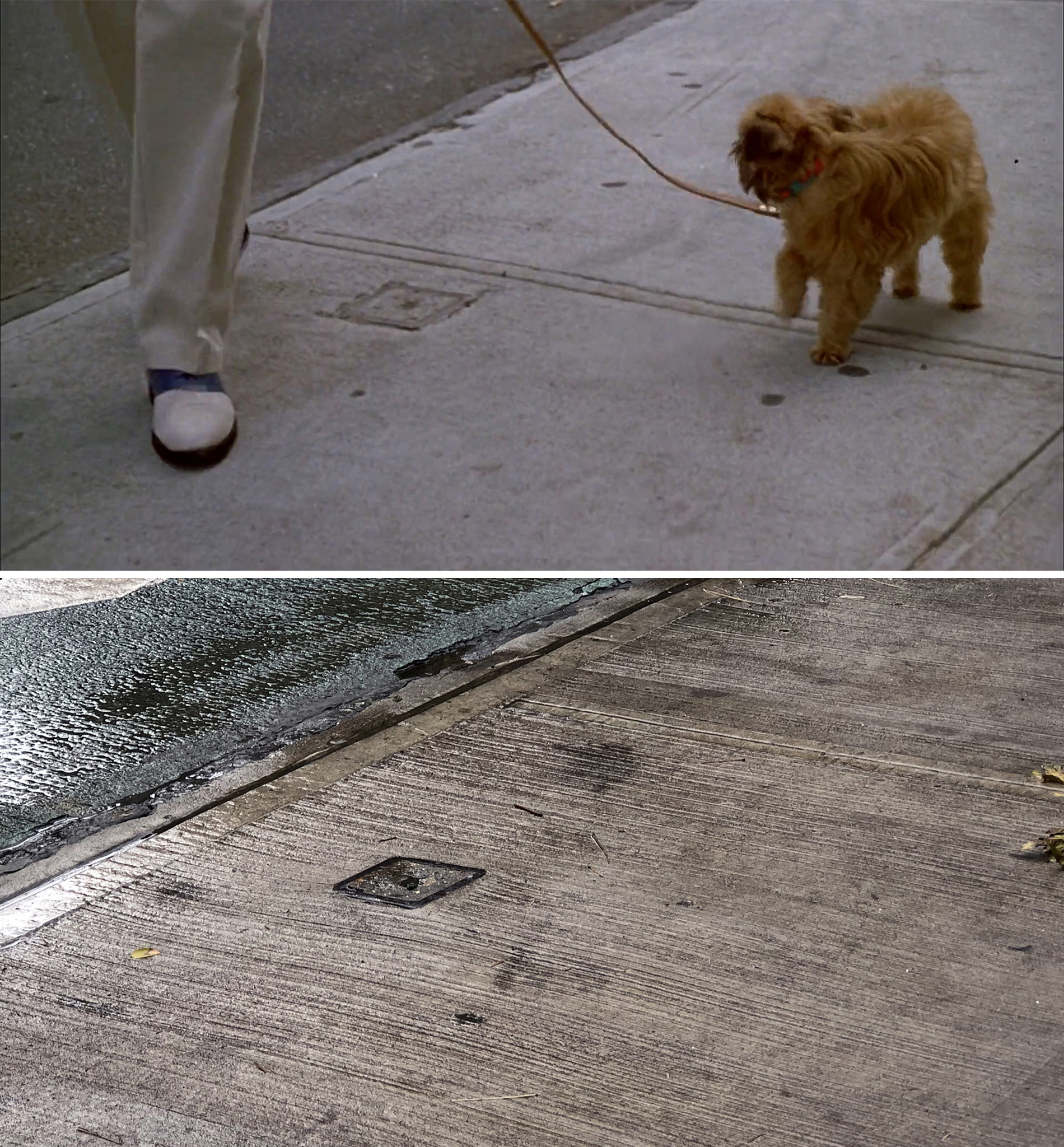
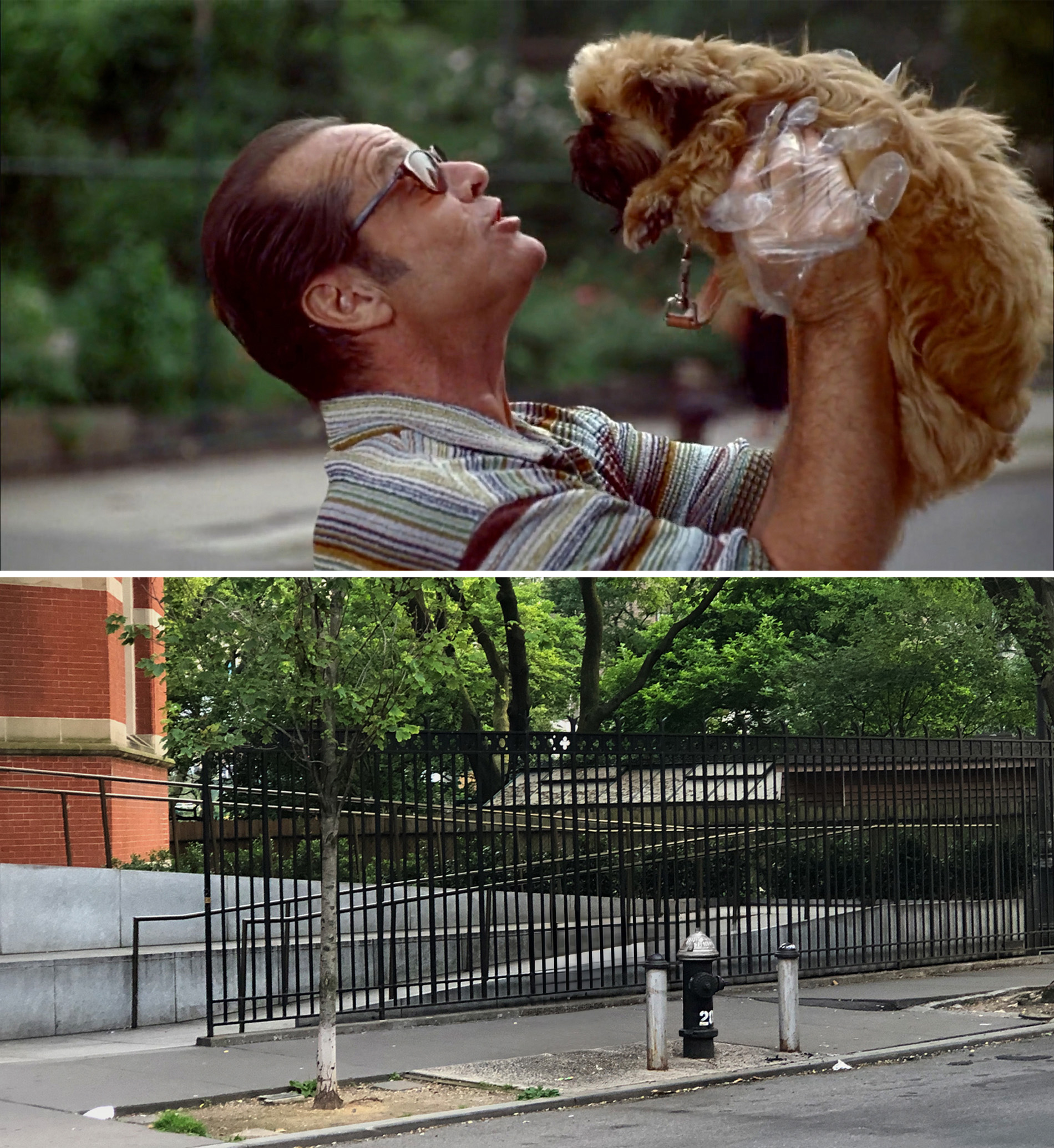
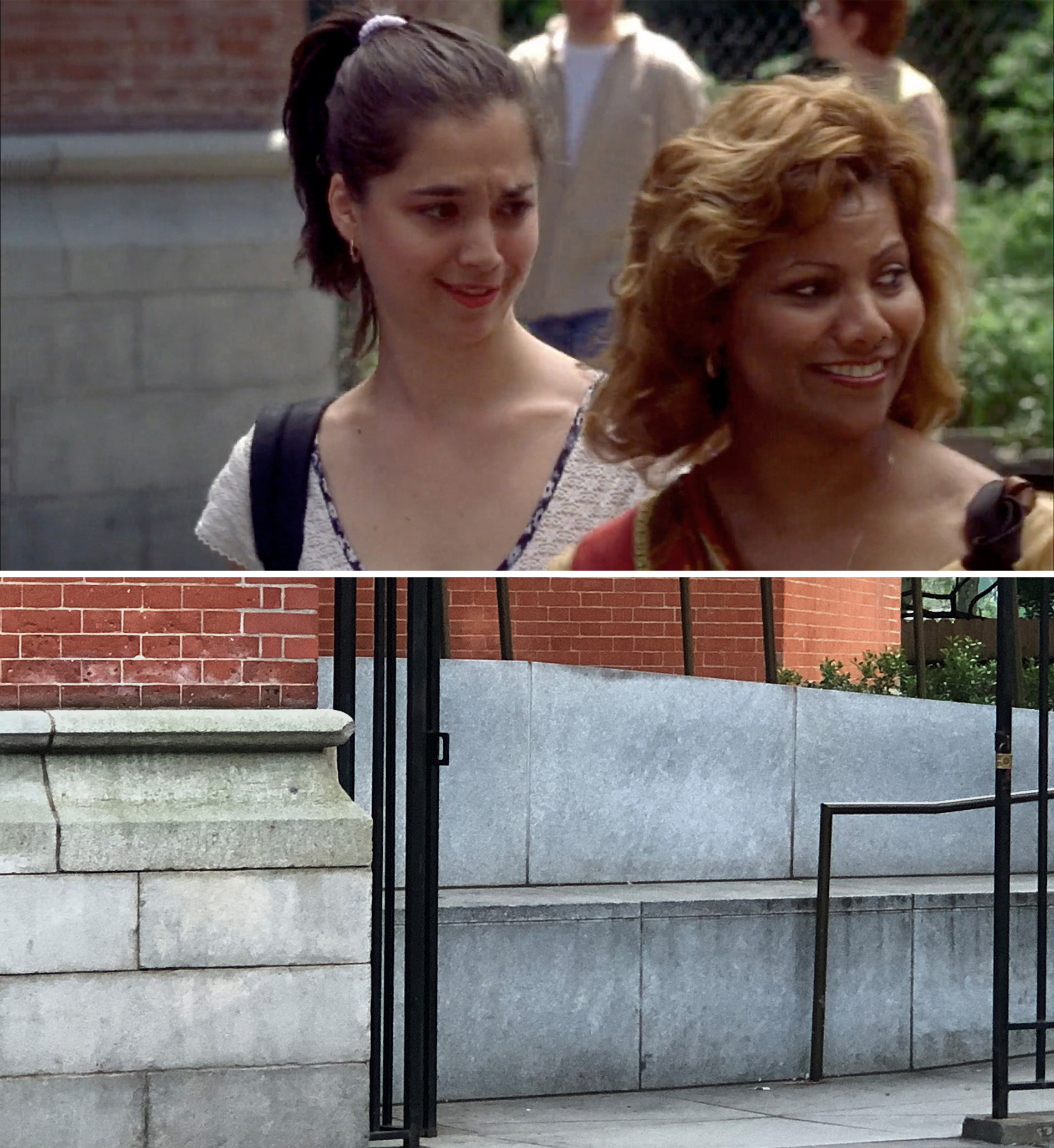
After a quick diversion onto Seventh Avenue, we’re back inside the small radius surrounding the 12th Street apartment budding. In fact, we’re basically across the street from an earlier scene where Marvin is first seen walking to the cafe.
It wasn’t hard to identify this location since the scene’s initial wide shot clearly shows the Jefferson Market Library, whose red-bricked structure is a landmark in the Village.
Therapist’s Office
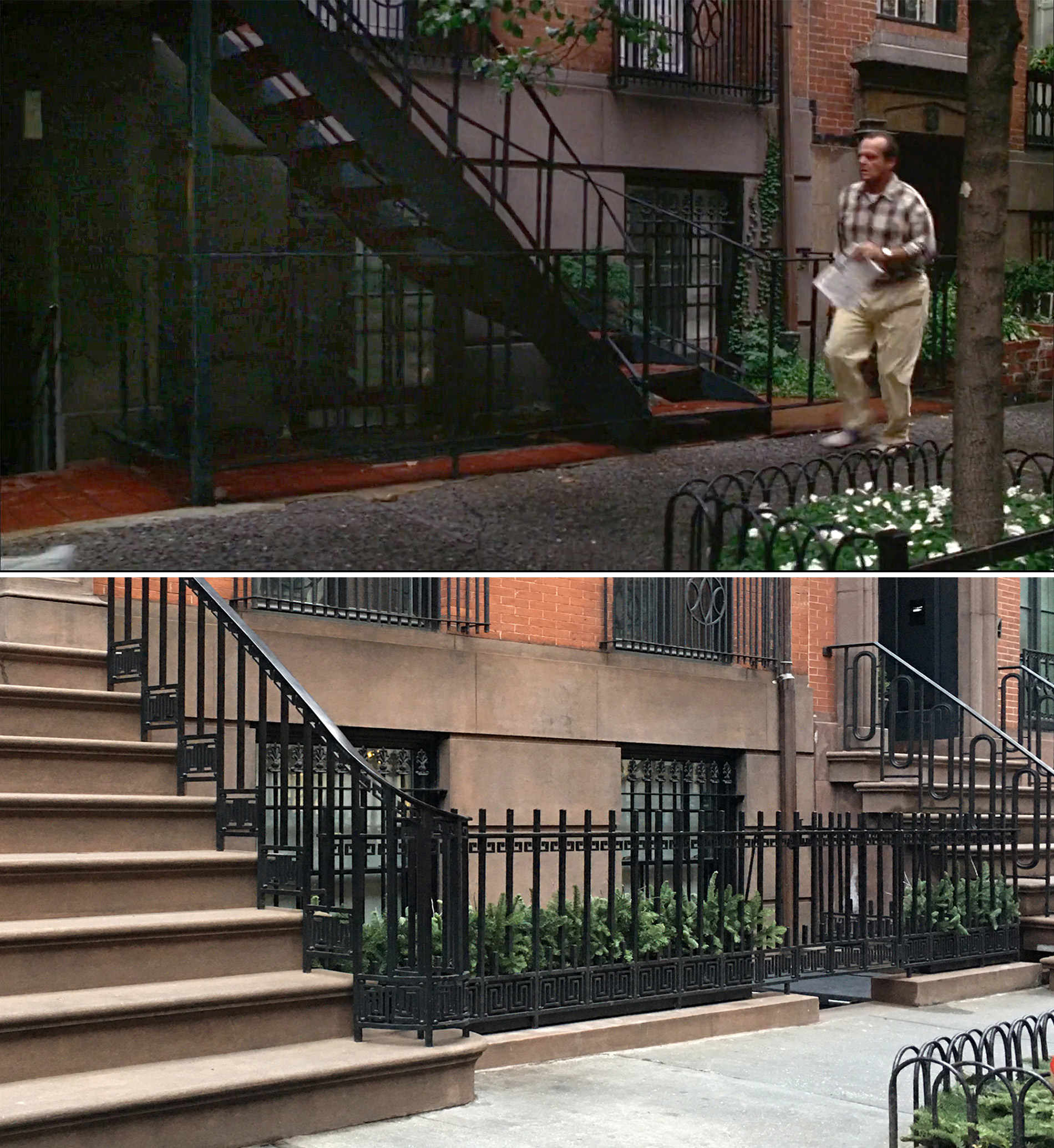
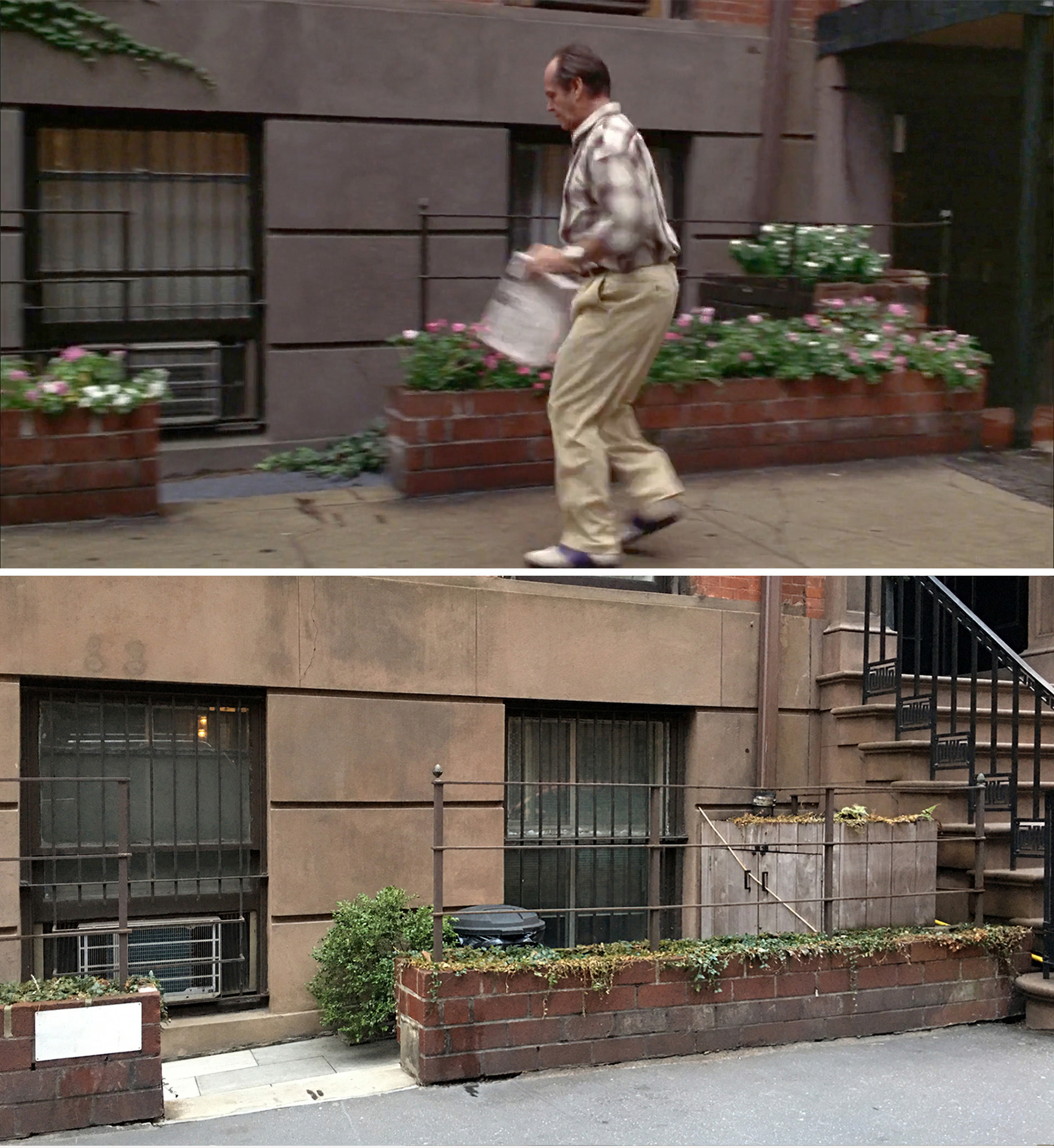
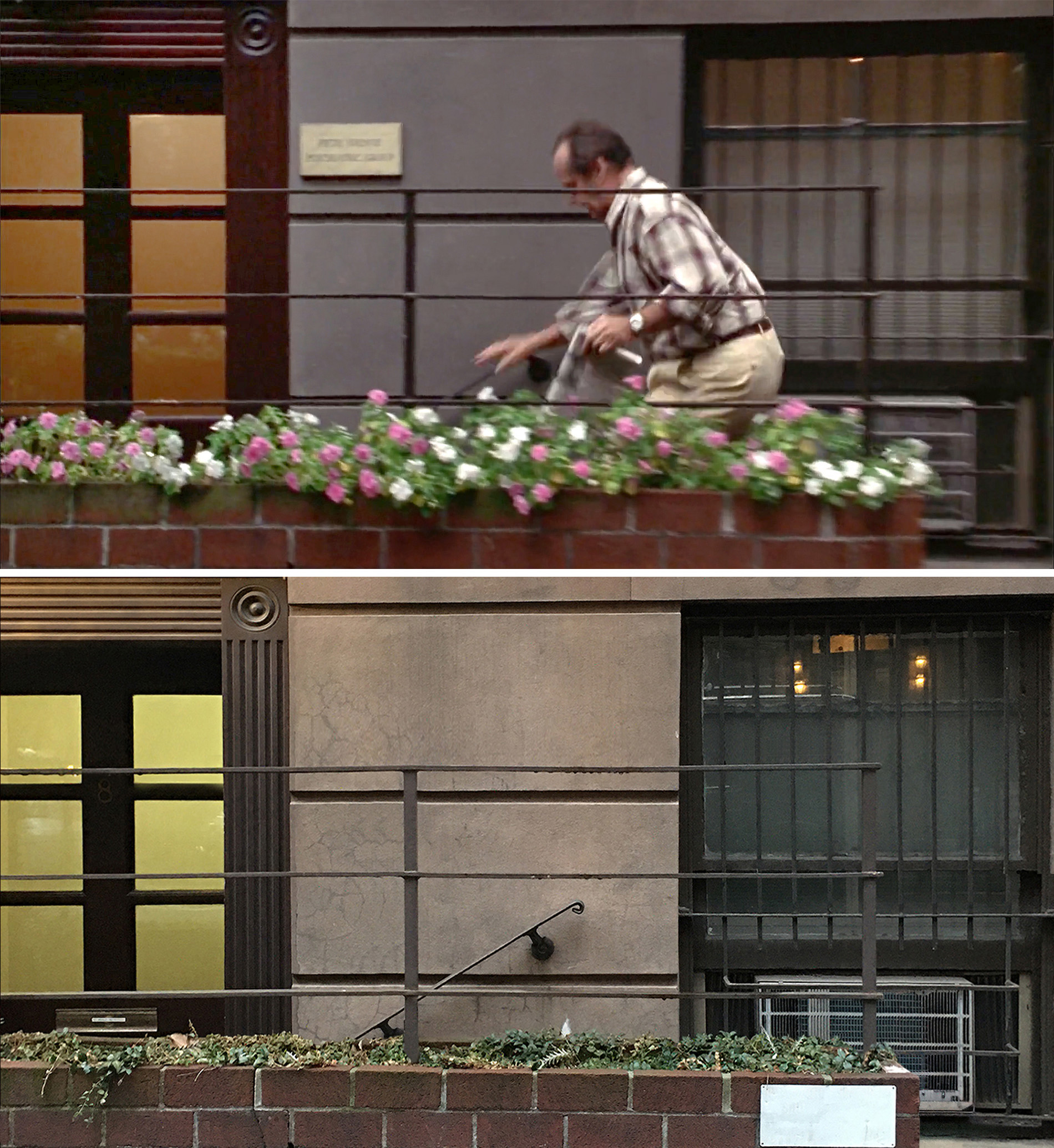
This was the only location that gave me any major difficulty. So much so, I ended up asking my research partner Blakeslee to help out.
I always assumed that the therapist’s office was somewhere inside that small filming zone in the West Village. The architecture looked typical for that area and it just made sense that production wouldn’t roam too far away for a quick exterior shot.
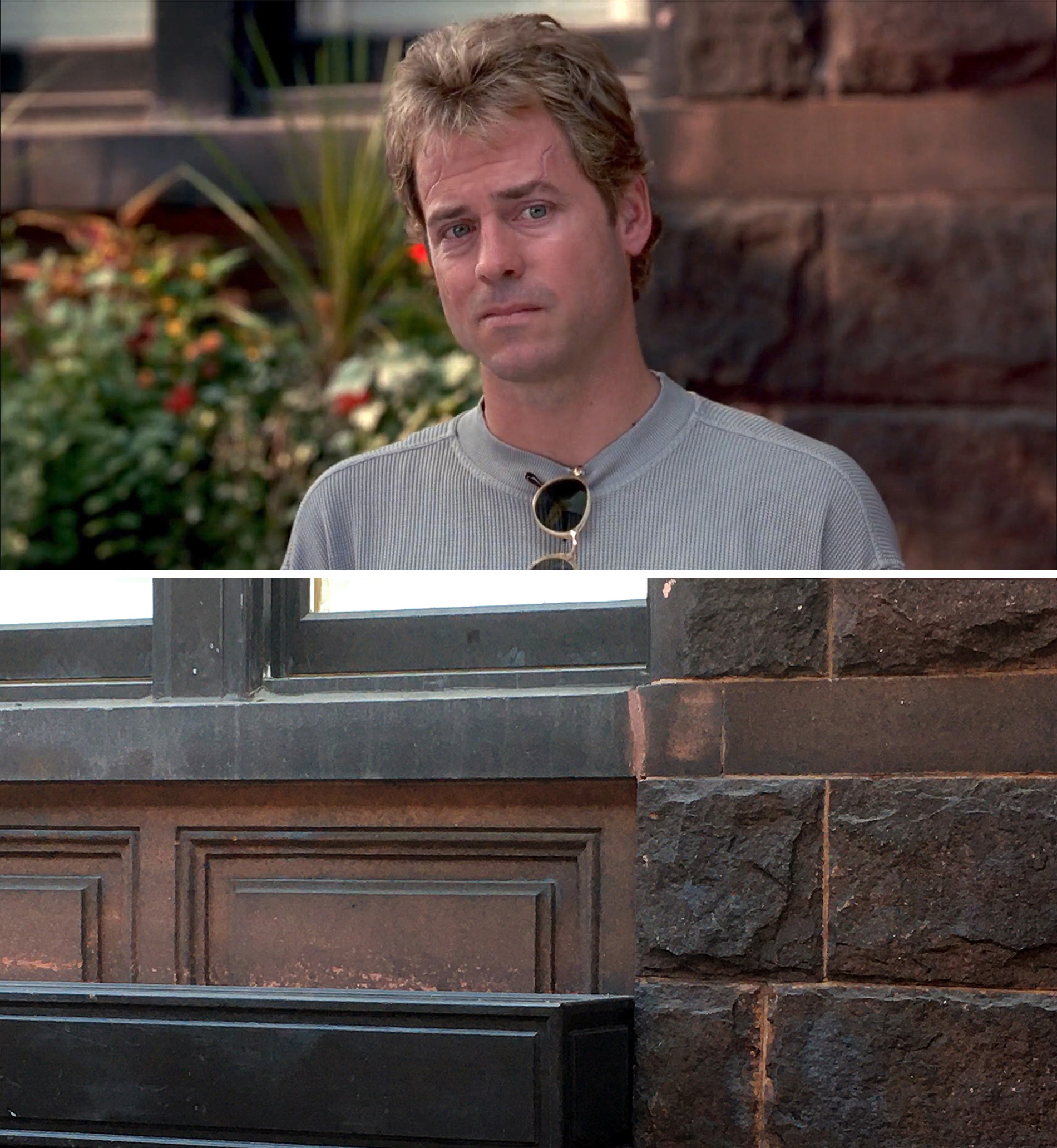
Since a lot of the buildings look similar in that neighborhood, the main thing I was looking for was a metal staircase that leads to a second floor entrance (which appears in the first “then/now” image above). While not completely rare, it was a unique-enough feature that it would stand out from most of the other buildings. But after going back and forth on every side street in the Village, I couldn’t find a match.
That’s when I let Blakeslee take a shot at it, who proceeded to go through a slew of Google Street Views of Lower Manhattan. At the same time, I expanded my search to the Upper East Side, on the off-chance they filmed up there. To my surprise, I managed to find a bunch of examples of metal stairs leading to an upper floor entrance. Each time I found one, it gave me a momentary glimmer of excitement, until I looked more closely and determined the staircase didn’t match the one in the movie.
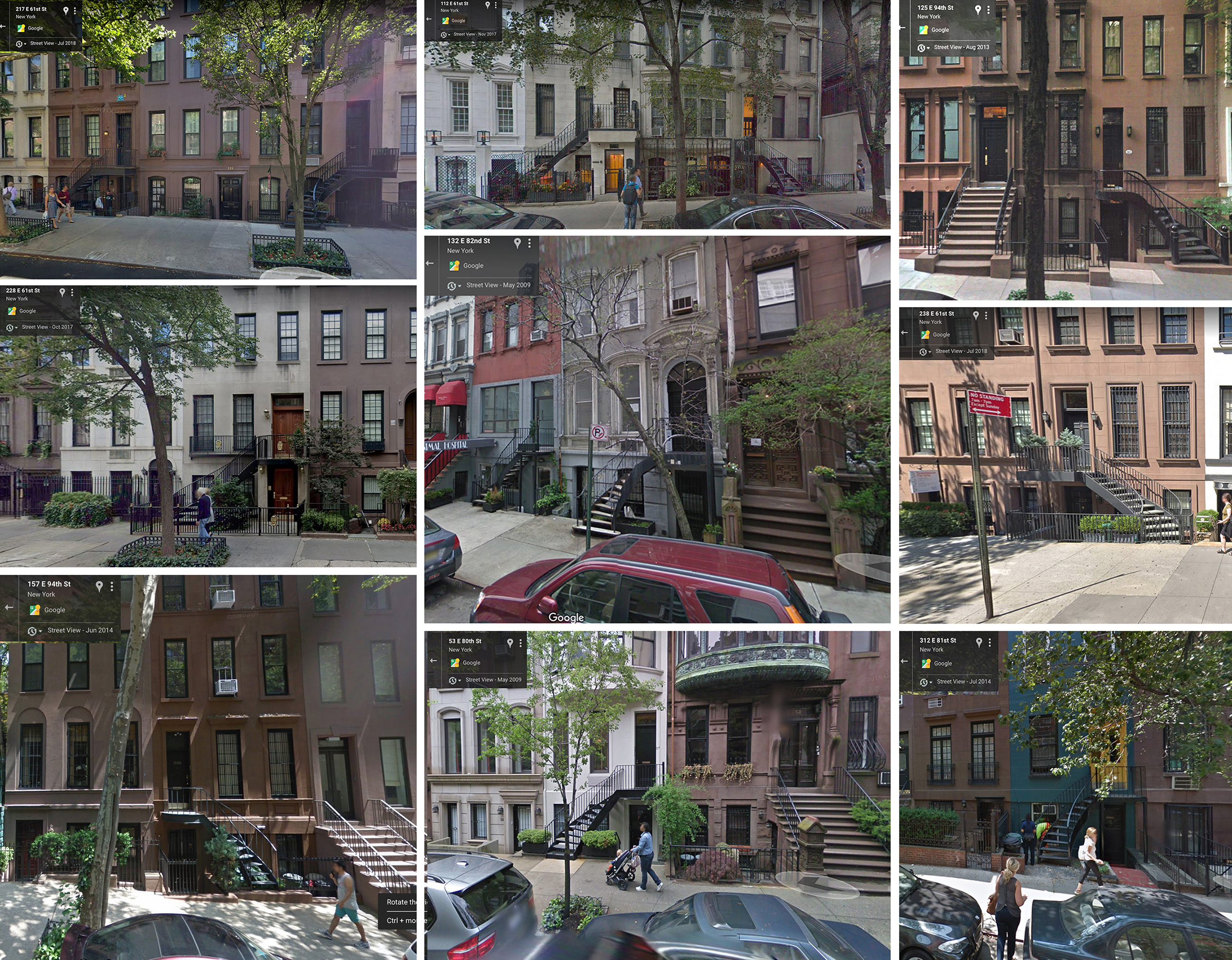
During my Google search, I made sure to set the street views as old as possible since there was a chance the metal staircase got removed at some point. However, for some reason, when I originally searched in the Village, I didn’t implement that same technique — but fortunately, Blakeslee did.
As he virtually roamed the Village streets, he set the Google Street View to 2009, and lo and behold, it revealed a staircase on 10th Street that is no longer there today.
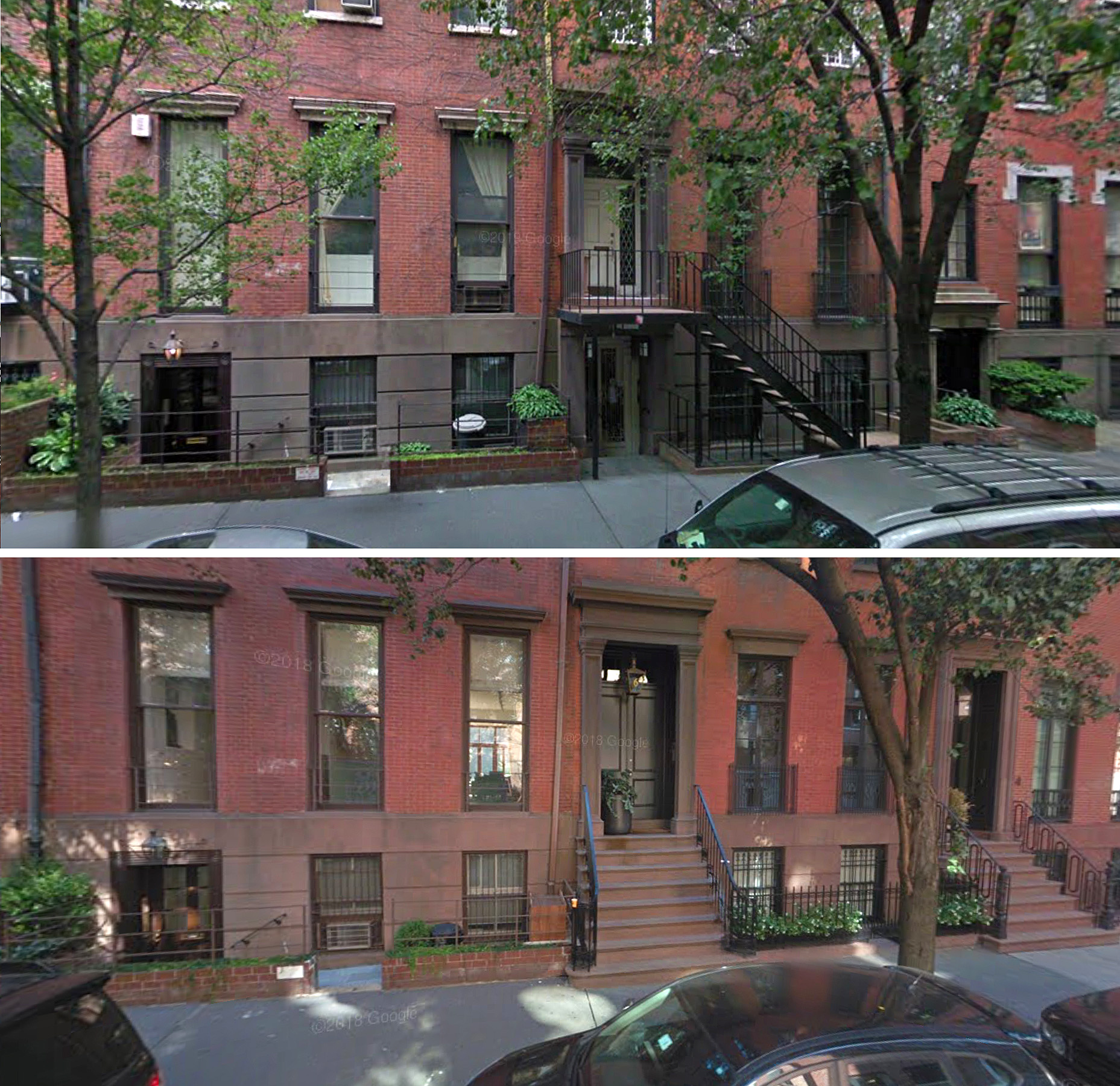
After studying the old staircase and all the neighboring windows, he and I felt confident we found the right place, finally solving this little mystery.
Back At the Cafe
Carol’s Apartment
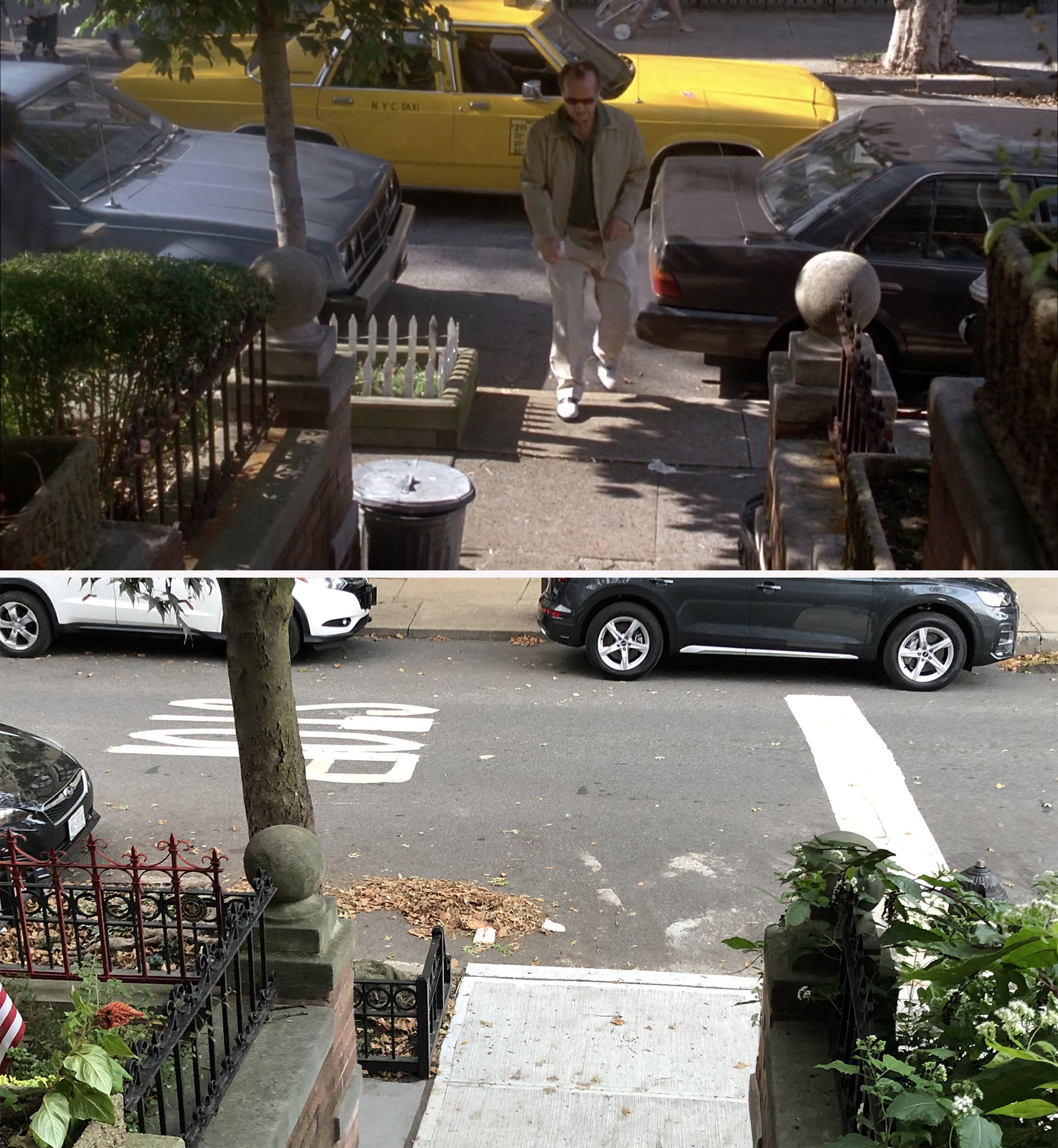
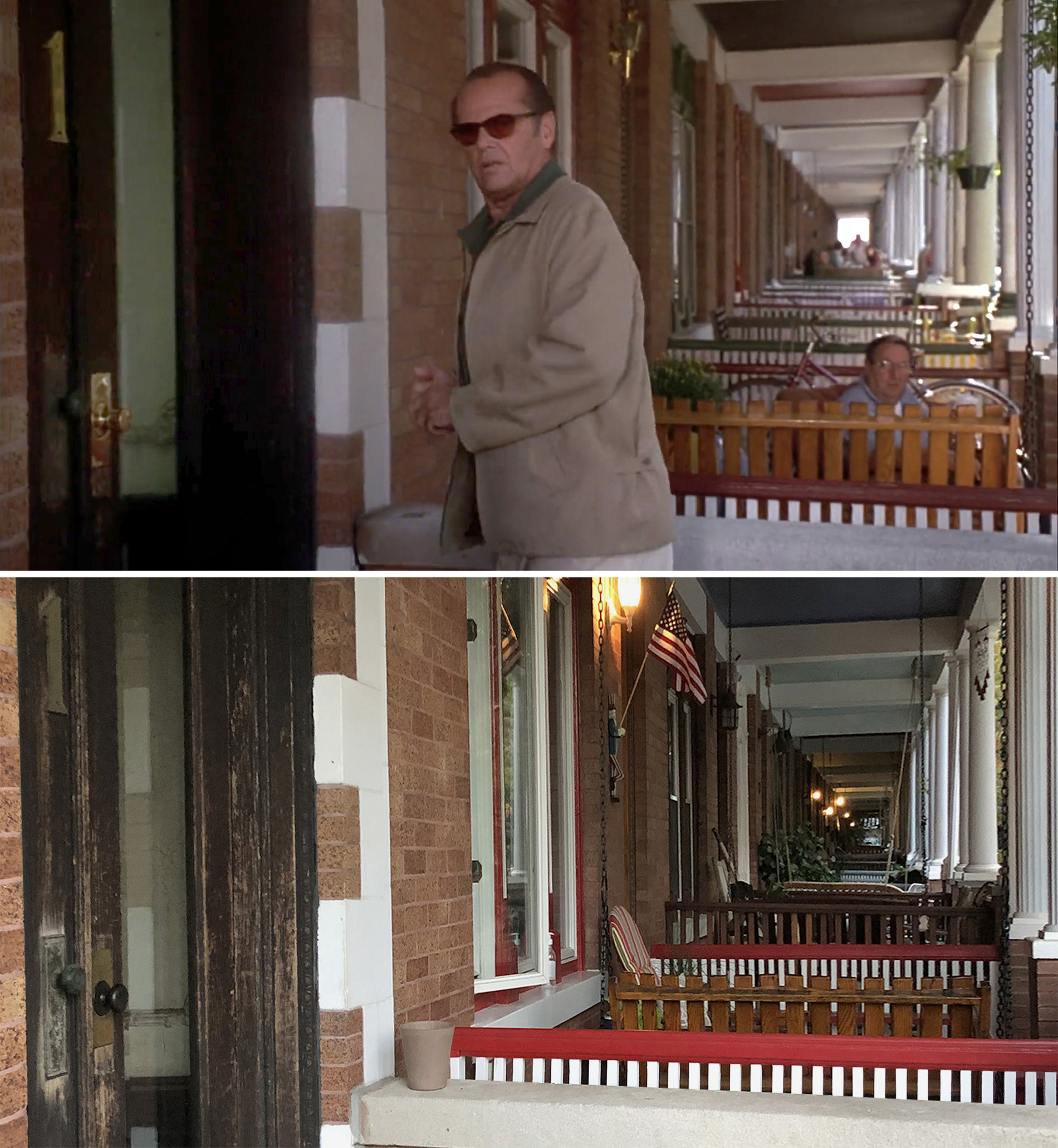
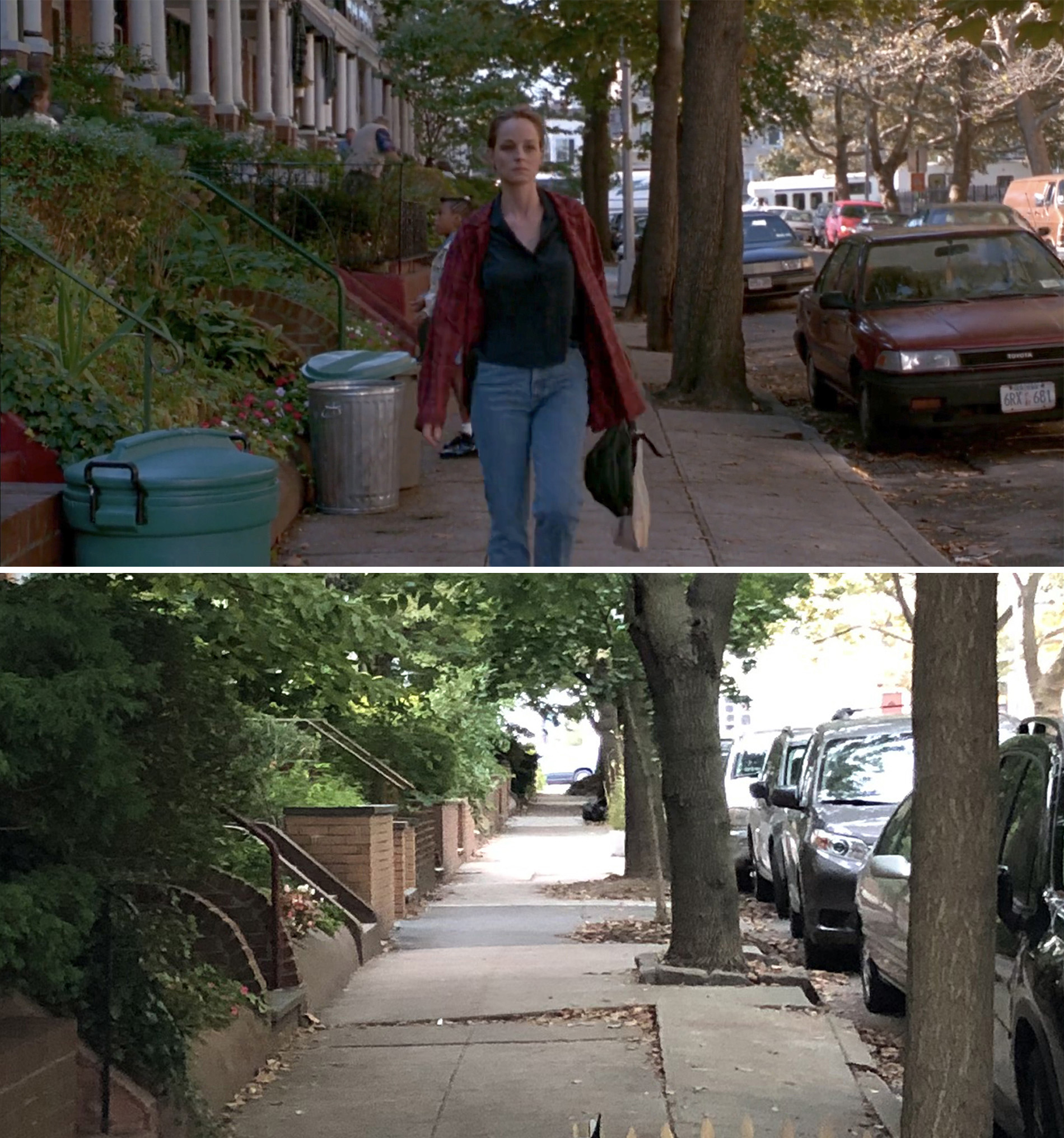
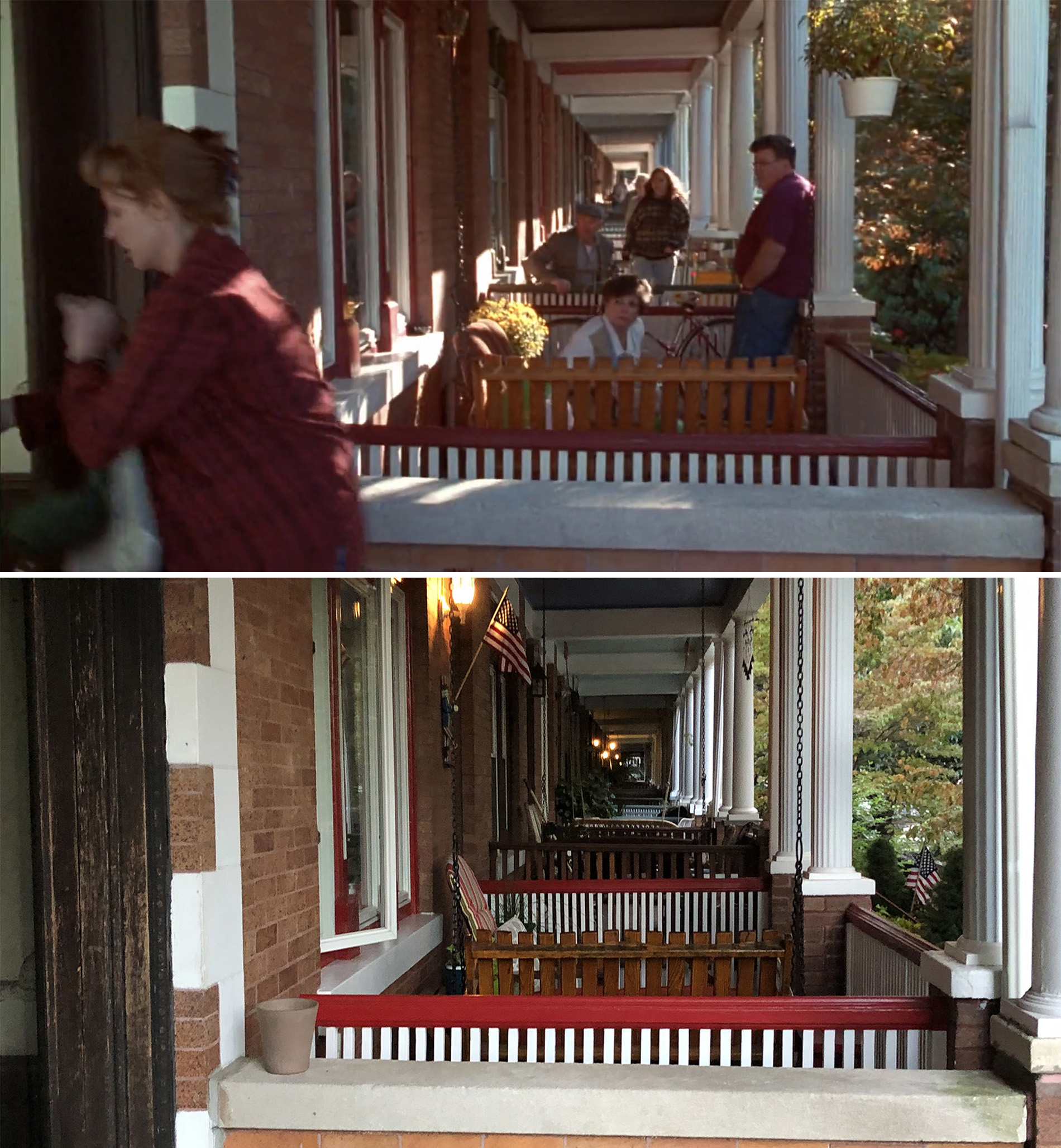
Carol’s Brooklyn home was already identified when I first began researching this movie a few years ago, and fortunately, hasn’t changed much since the 1990s.
Production designer Bill Brzeski explained how this Brooklyn location was selected: “We found Carol’s neighborhood in Prospect Park, Brooklyn. We needed to find a bakery, and we found one that we just fell in love with. Then we walked around the corner and found this wonderful block of row homes which we dressed down a little to be a more family-oriented, working class neighborhood.”
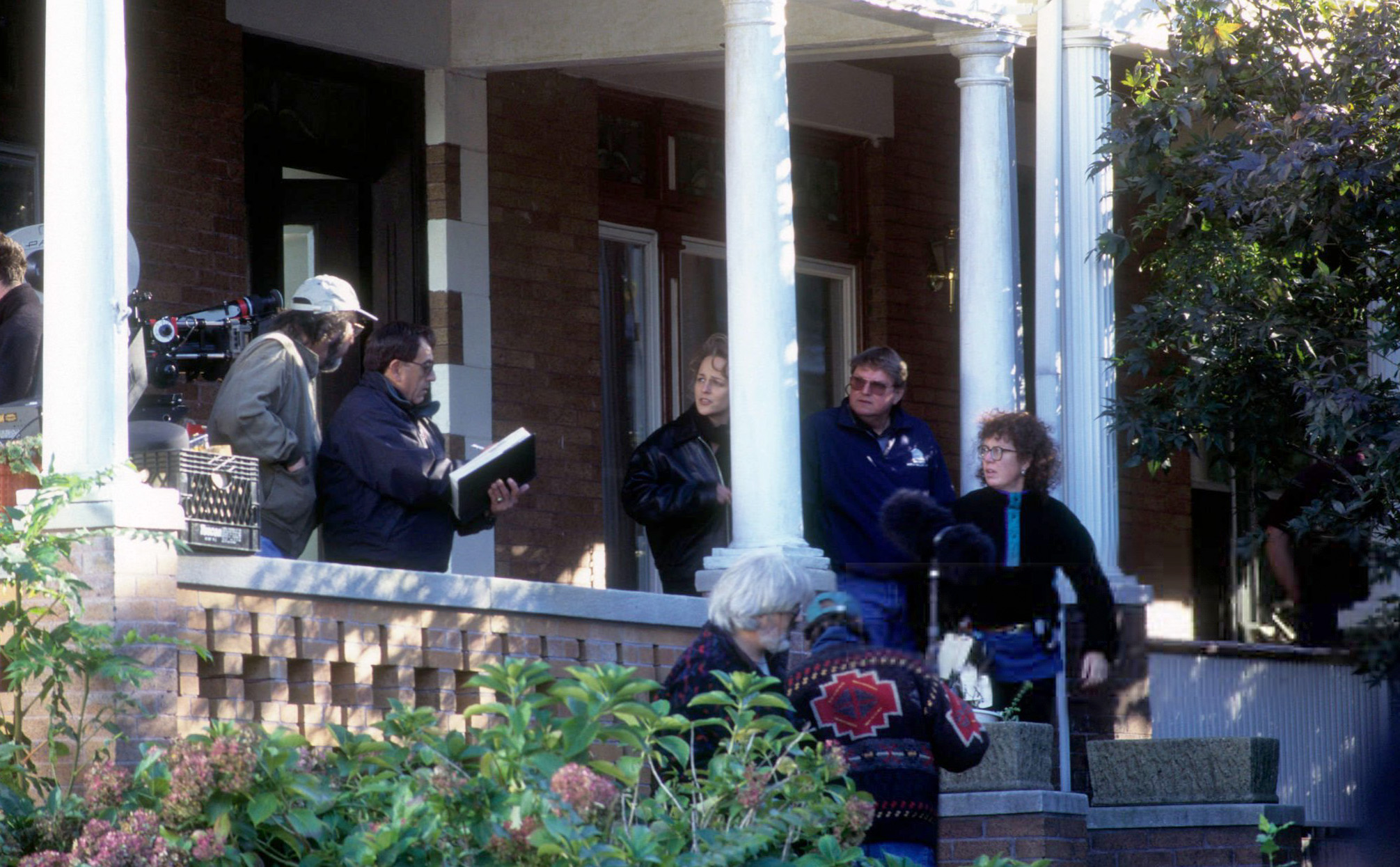
Even after production dressed-down the block of homes, it still looked like an area that was out of the price range of a single-mother waitress. And these days, the neighborhood has gotten even more expensive, with apartments in her building going for around $5,000 a month.
Taking Spencer to the Hospital
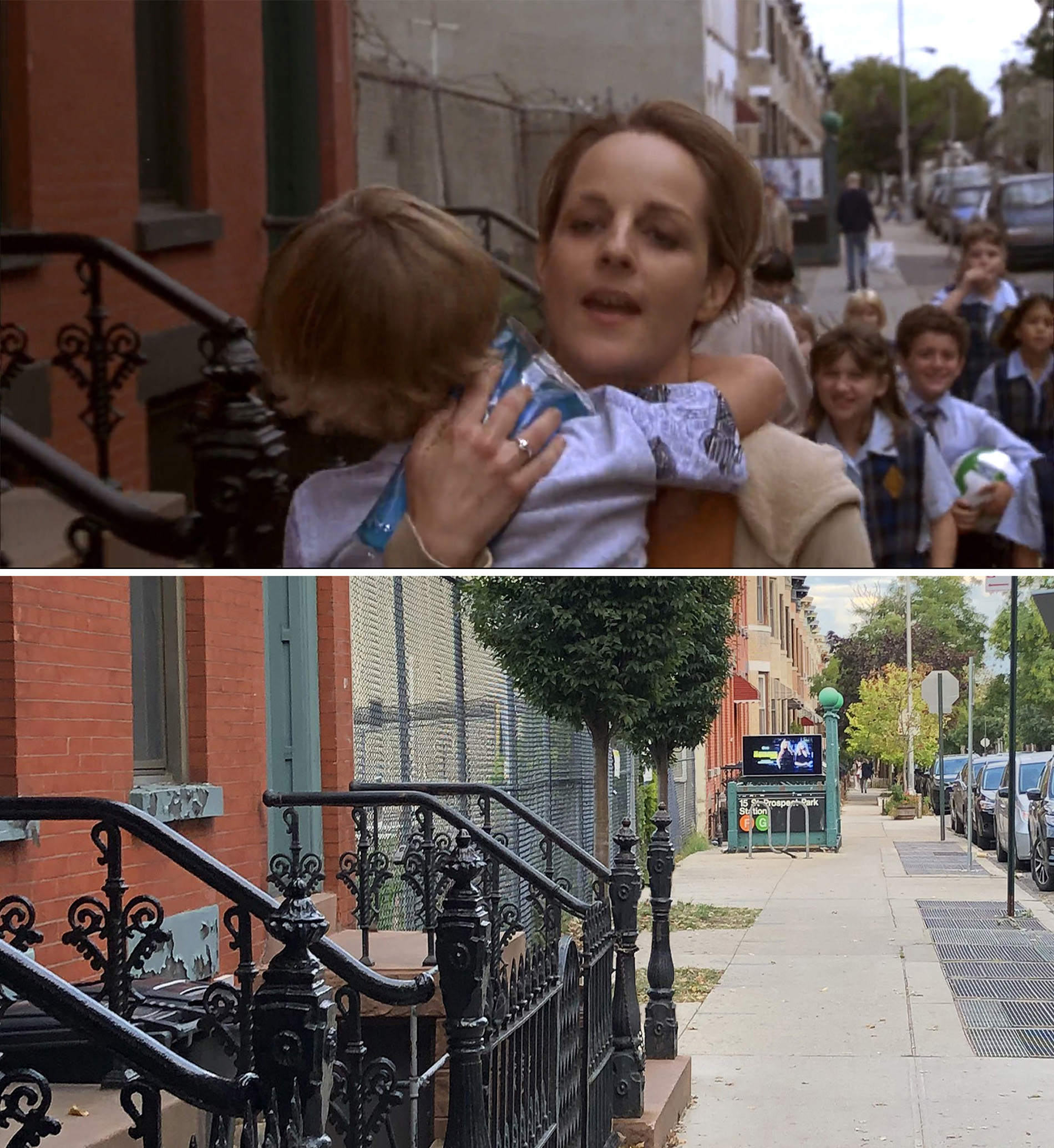
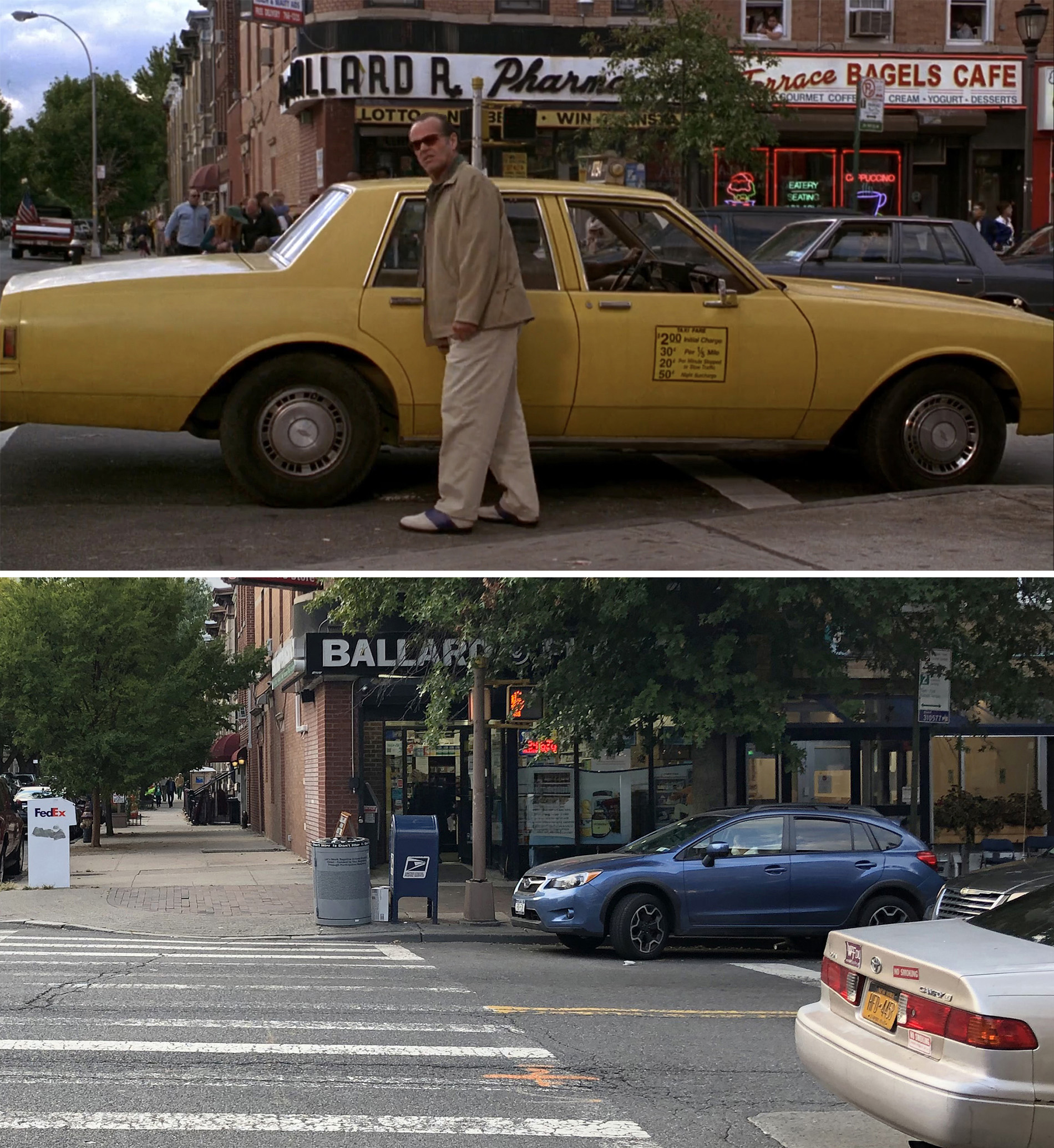
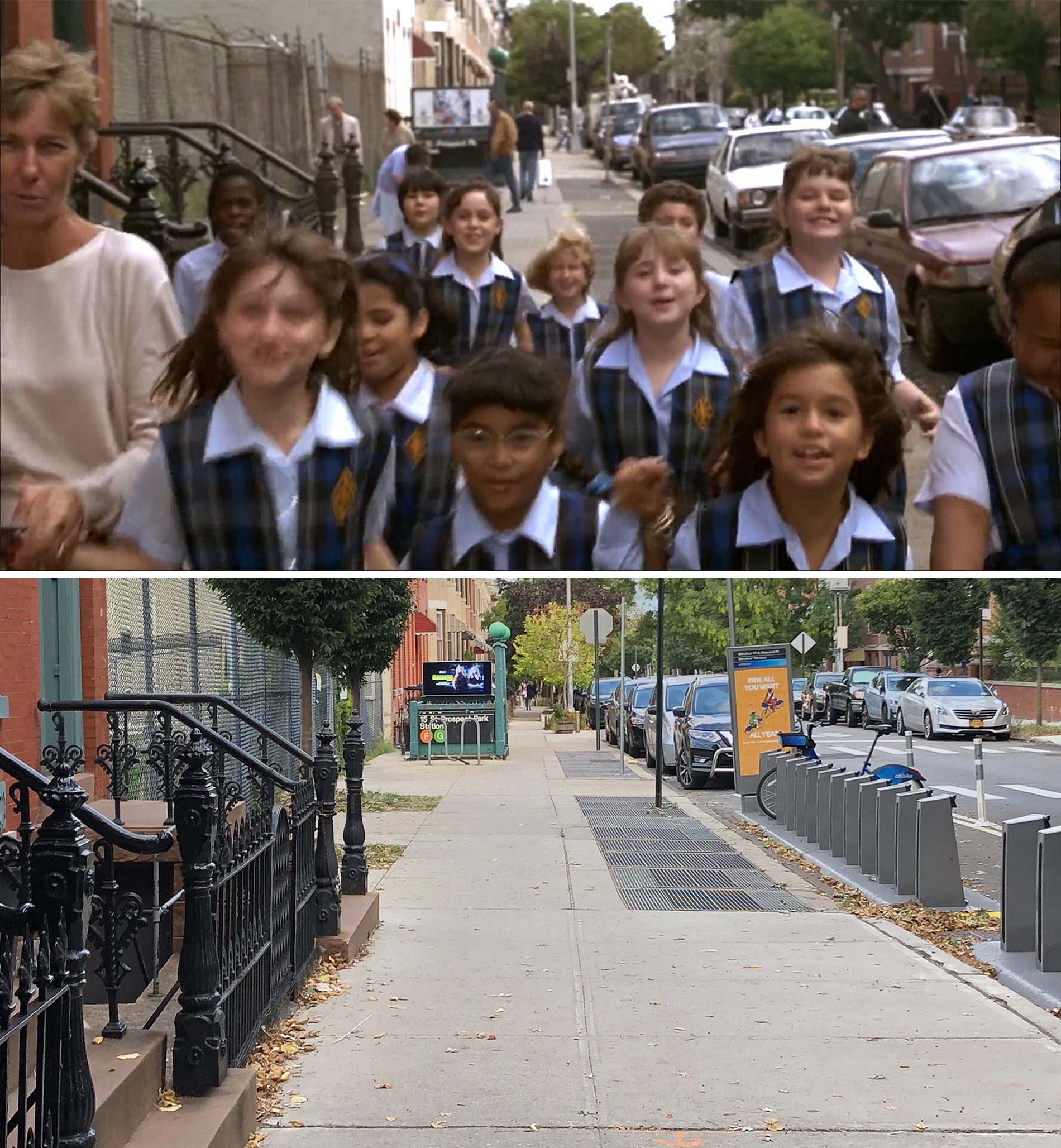
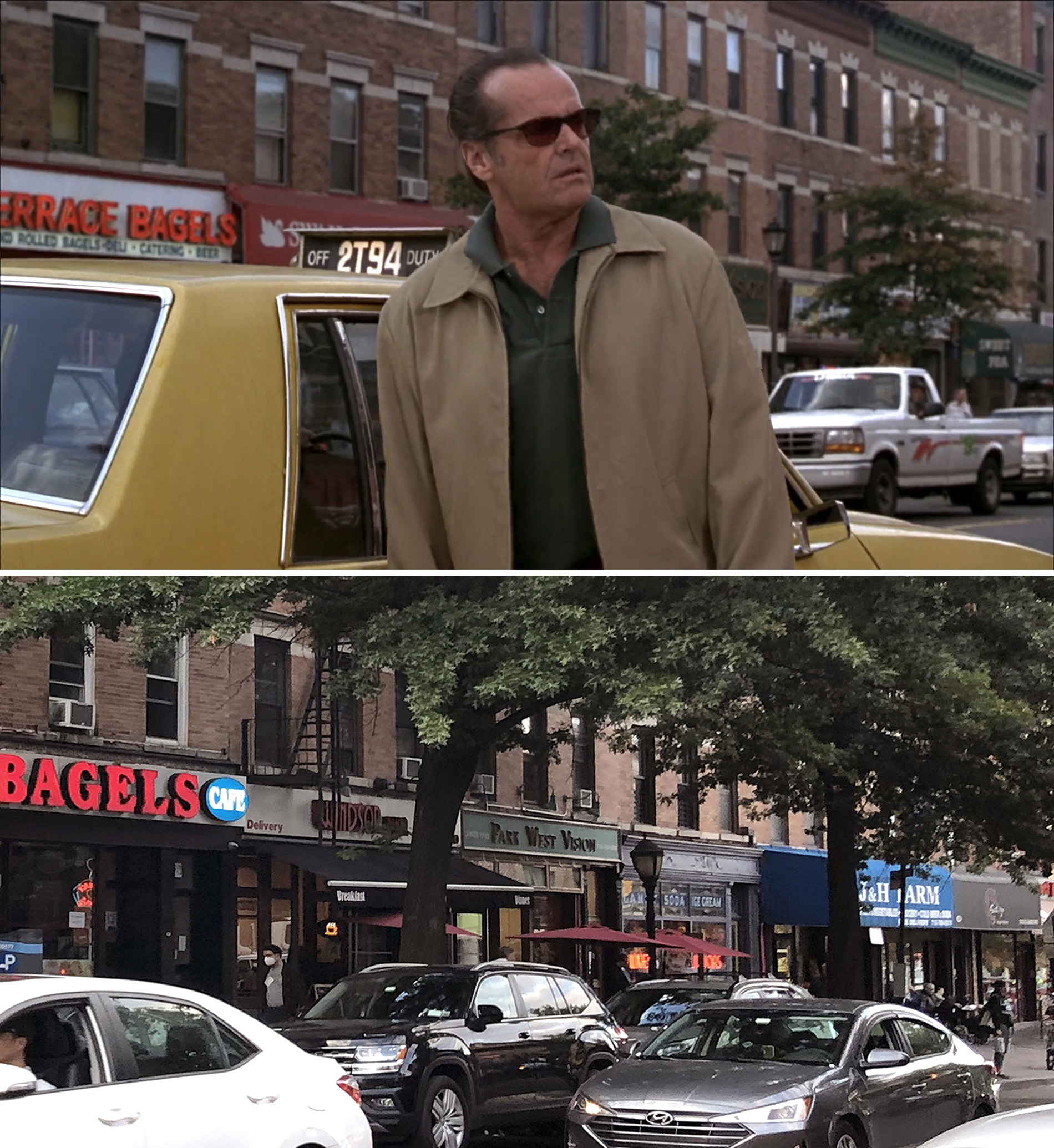
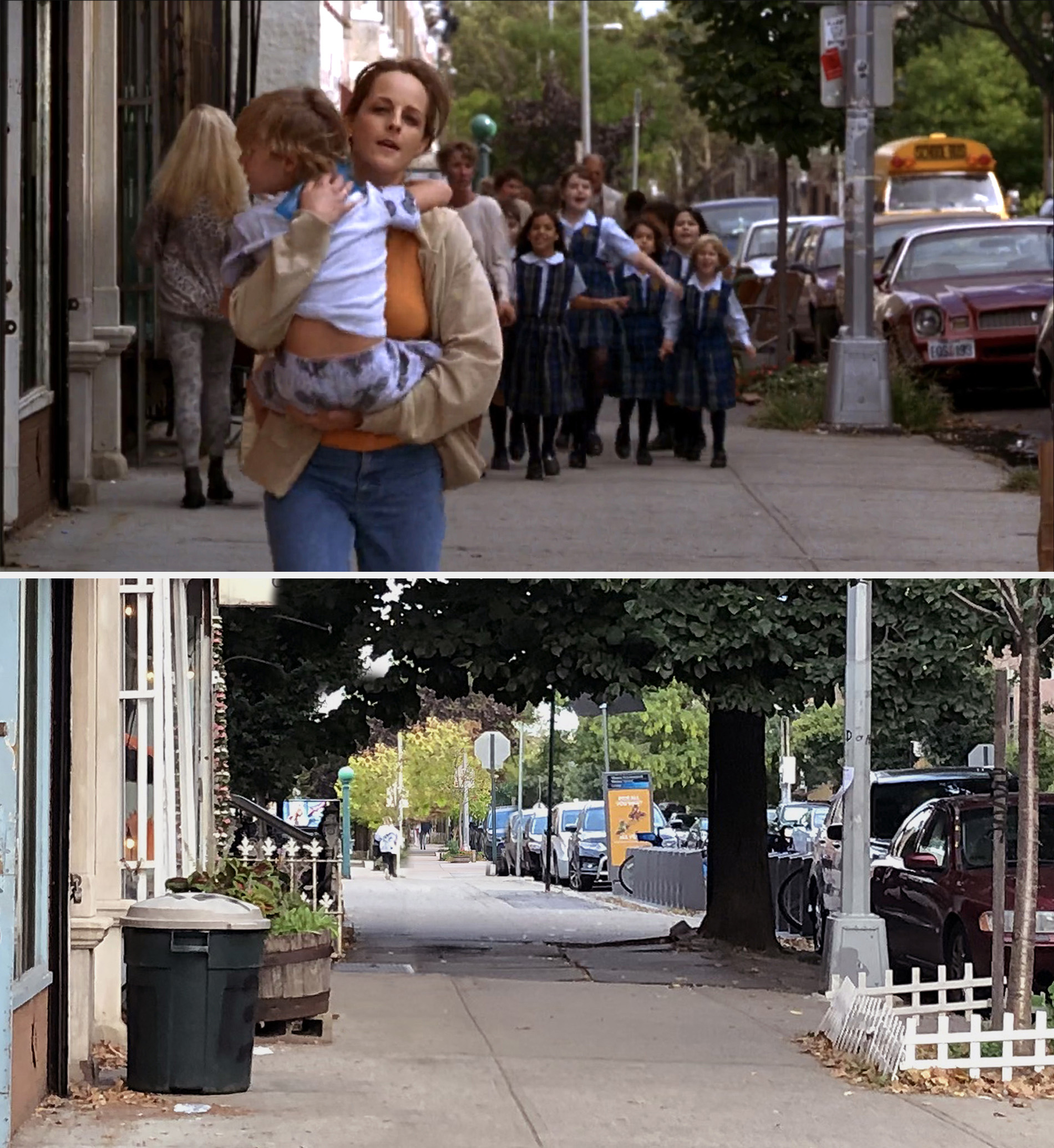
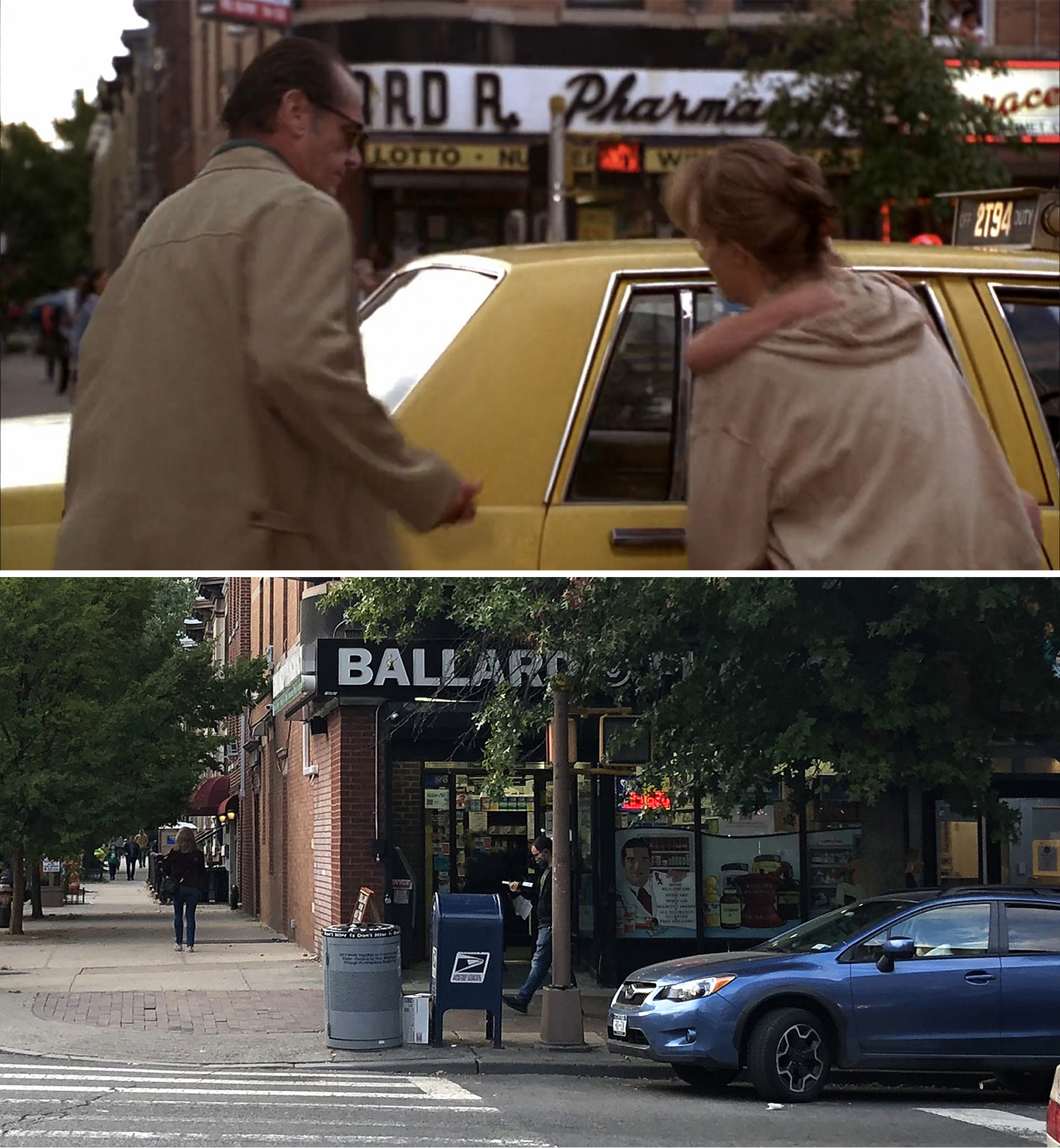
This sequence was filmed at two different locations.
The first part was easy to find since it was filmed literally around the corner from Carol’s established home address.
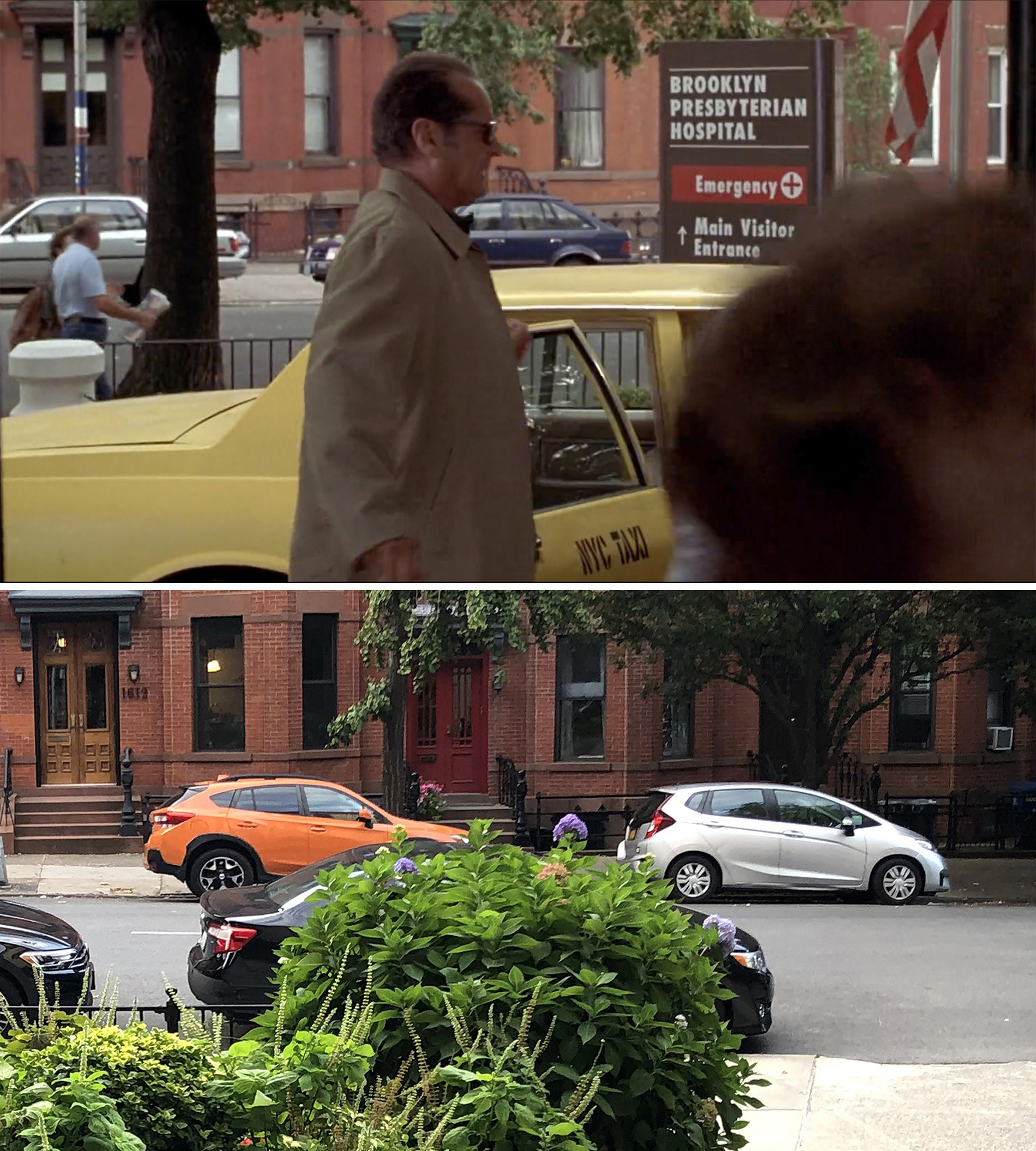
The hospital was not as obvious, and because we never see the outside of the building, I had to try and match the residential buildings across the street.
Of course, since we get a clear view of “Brooklyn Presbyterian Hospital” on the sign out front, the first thing I did was see if that was real medical center. But after a short preliminary search, I determined no such place existed and it was simply a fake sign for the movie.
From there, I went to the old standby — looking around the neighborhood in Google Street View. Assuming production did the same in Brooklyn as they did in Manhattan —that is, didn’t stray too far from Carol’s apartment location— I limited my search to the immediate area. And as it turns out, my hunch was correct. The “hospital” was only a block and a half away from her home on Howard Place.
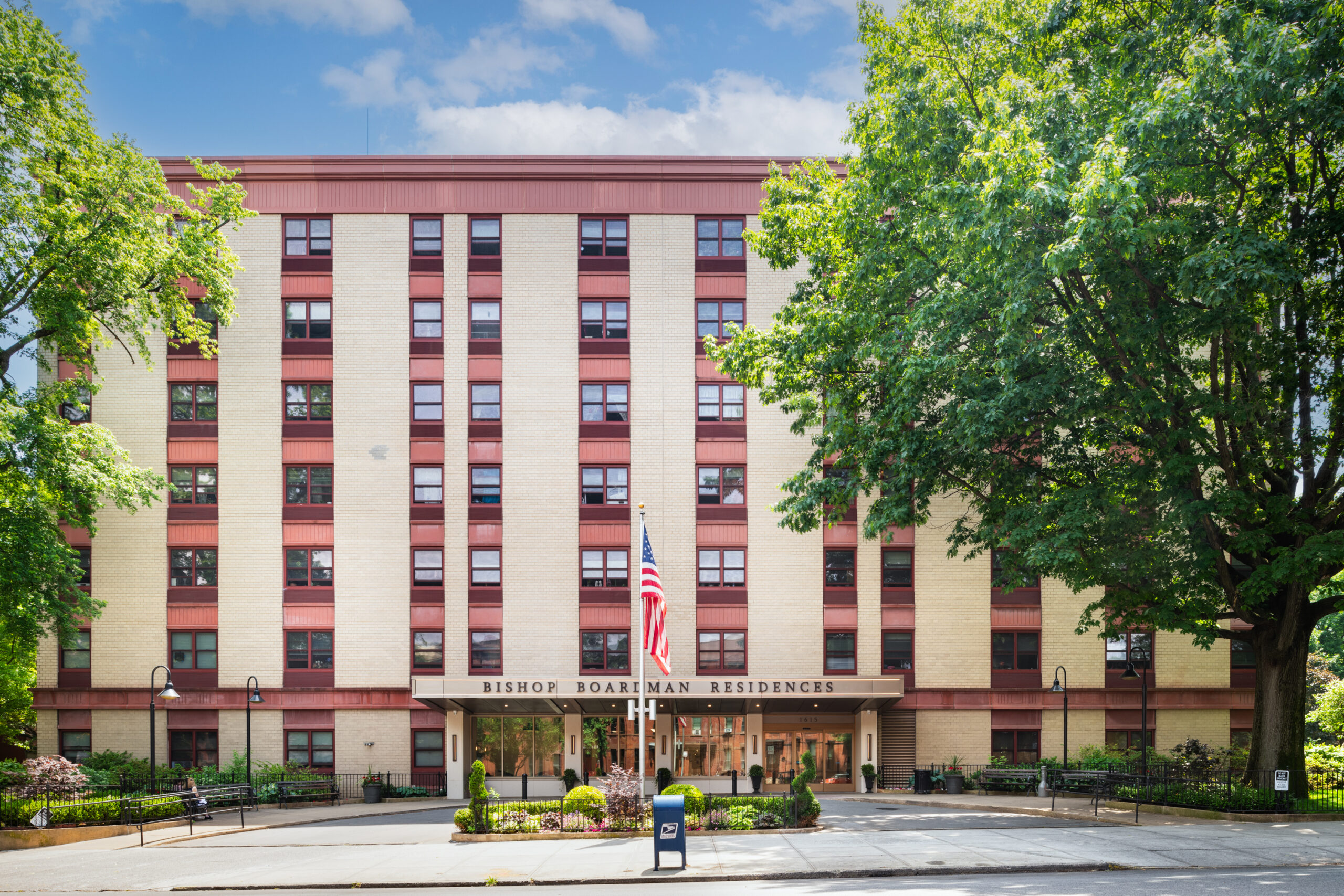
Once I verified the location by matching up the neighboring buildings, I discovered why they used a fake name — the building isn’t a hospital at all, it’s a senior housing facility called Bishop Boardman Apartments.
Melvin Hires a Doctor
Carol Sees Melvin
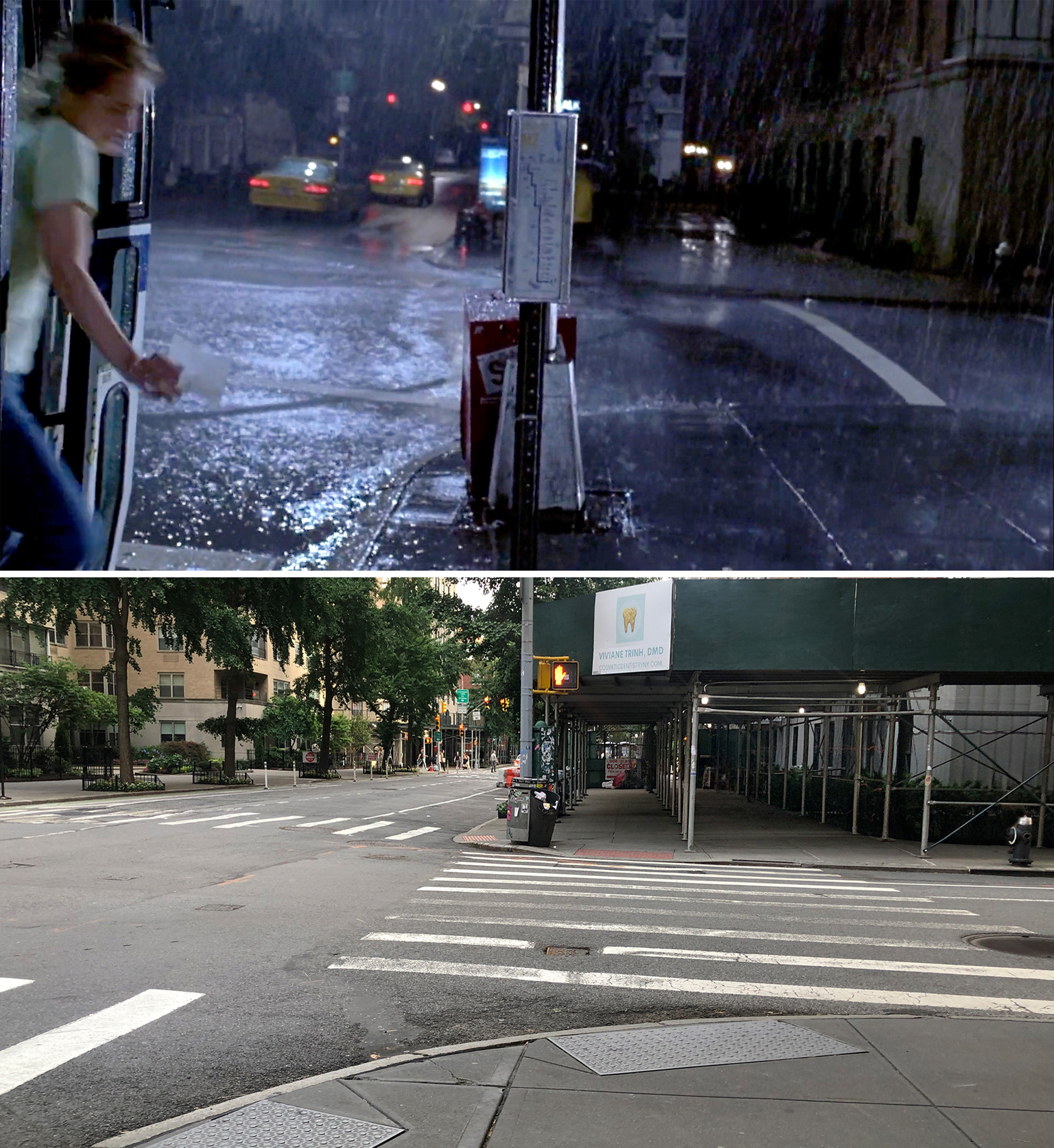
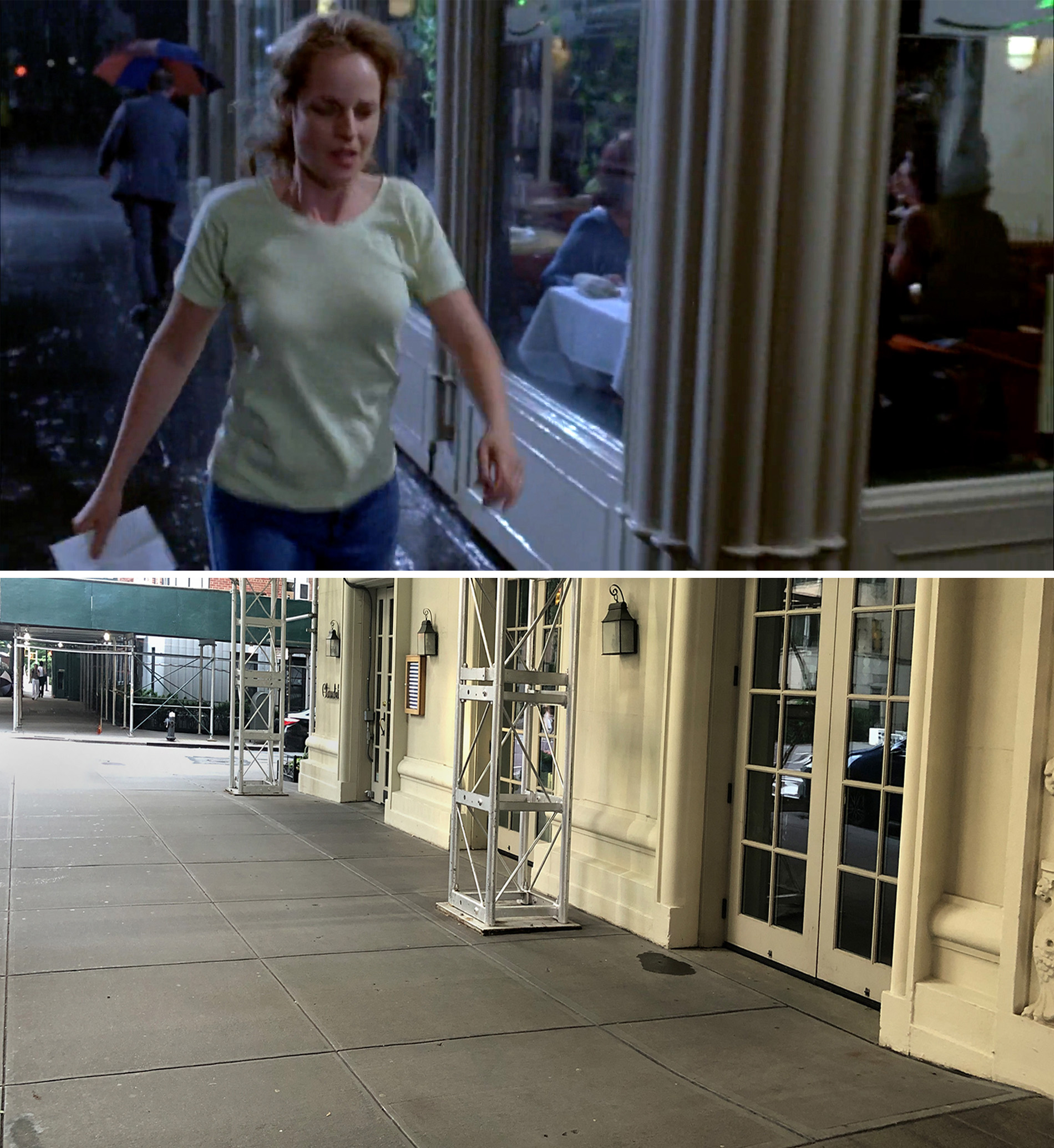
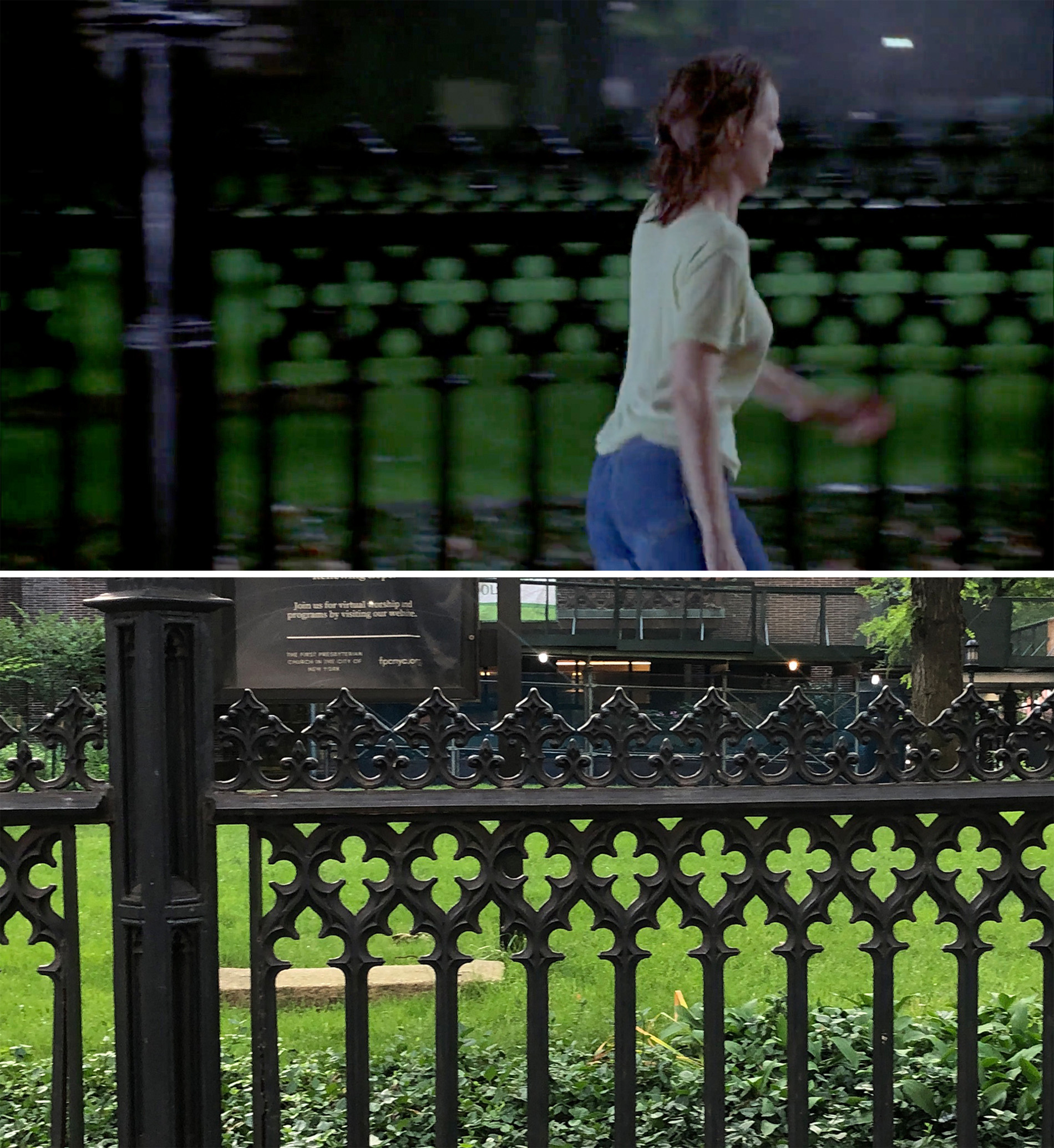
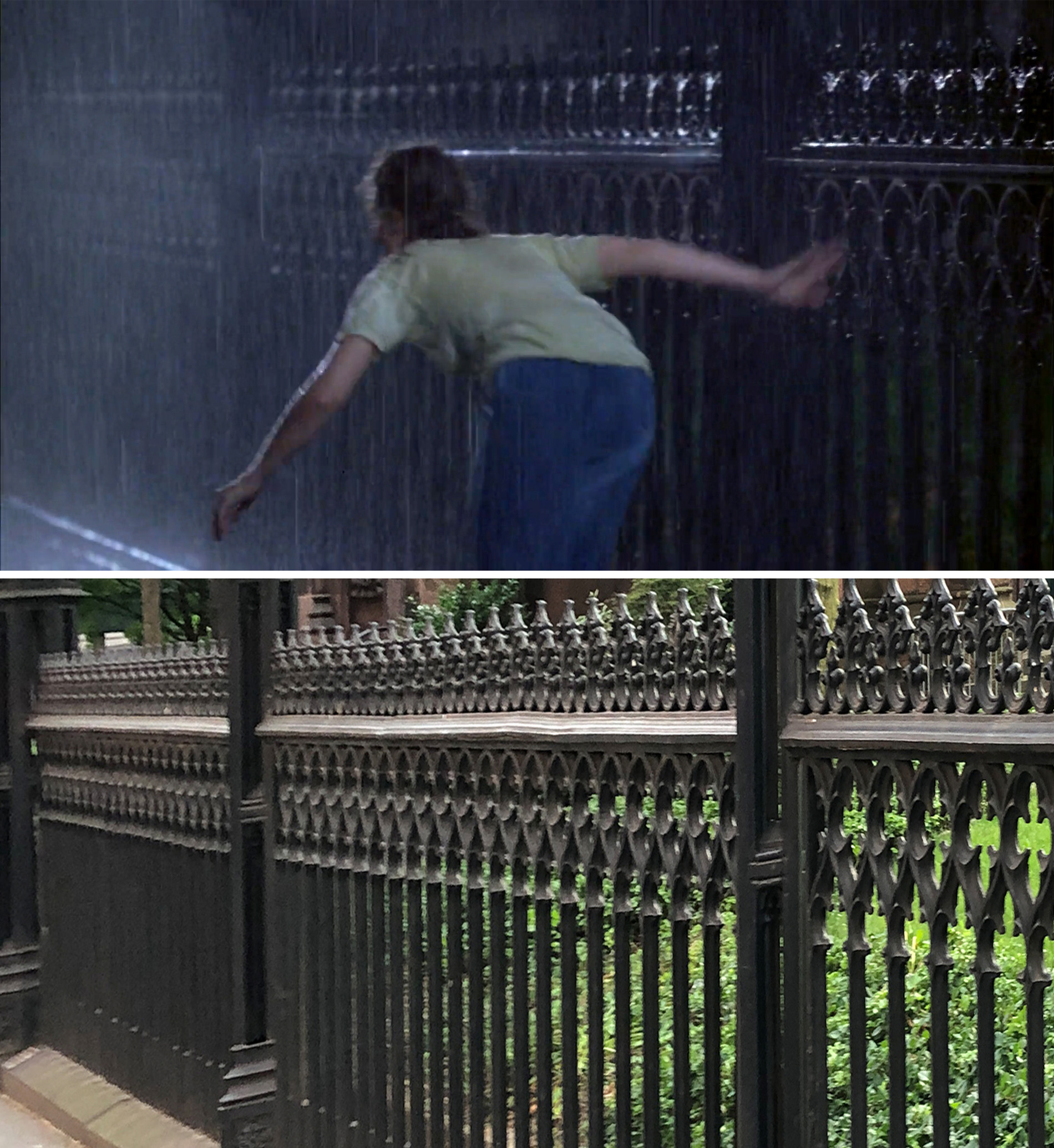
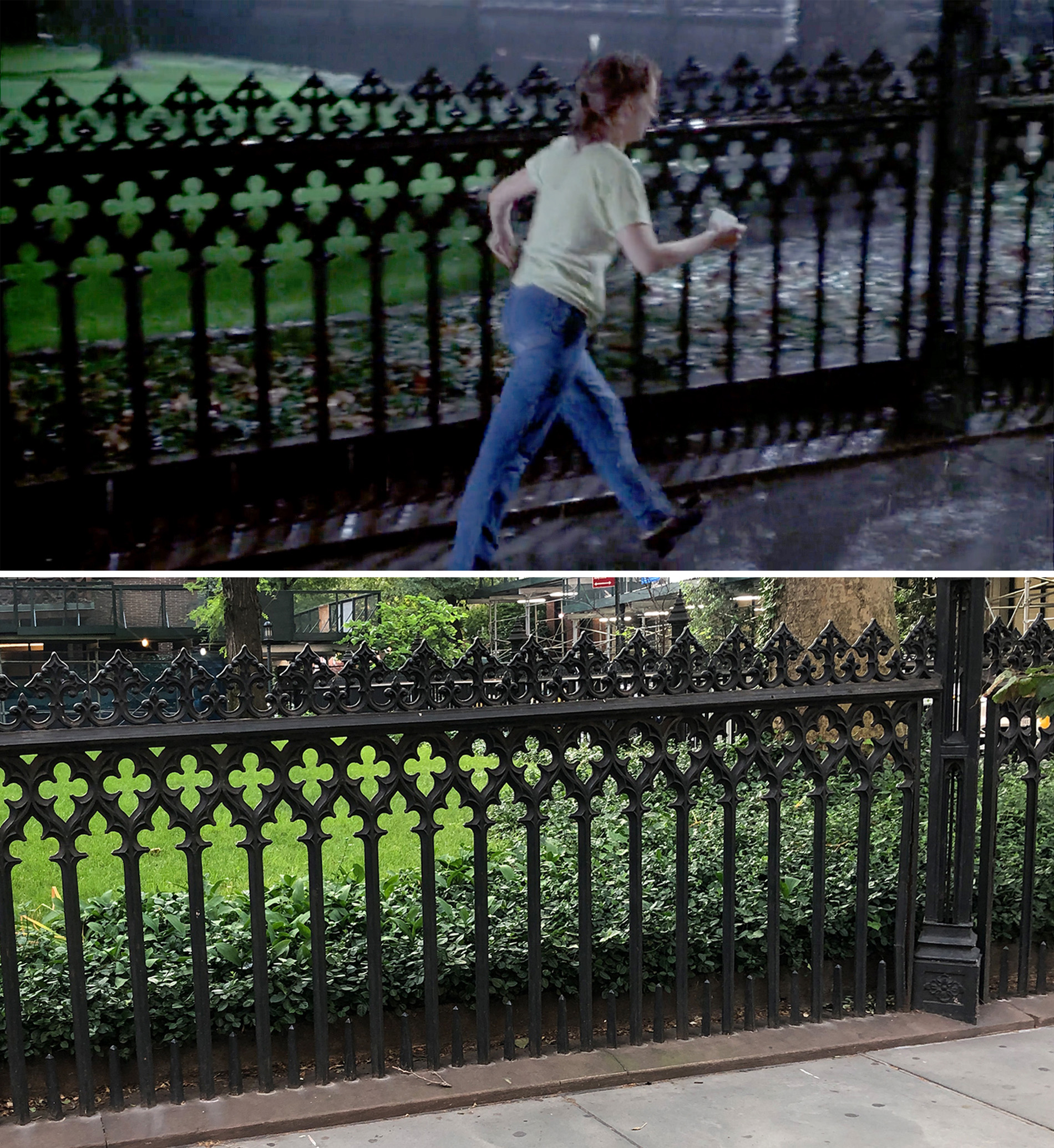
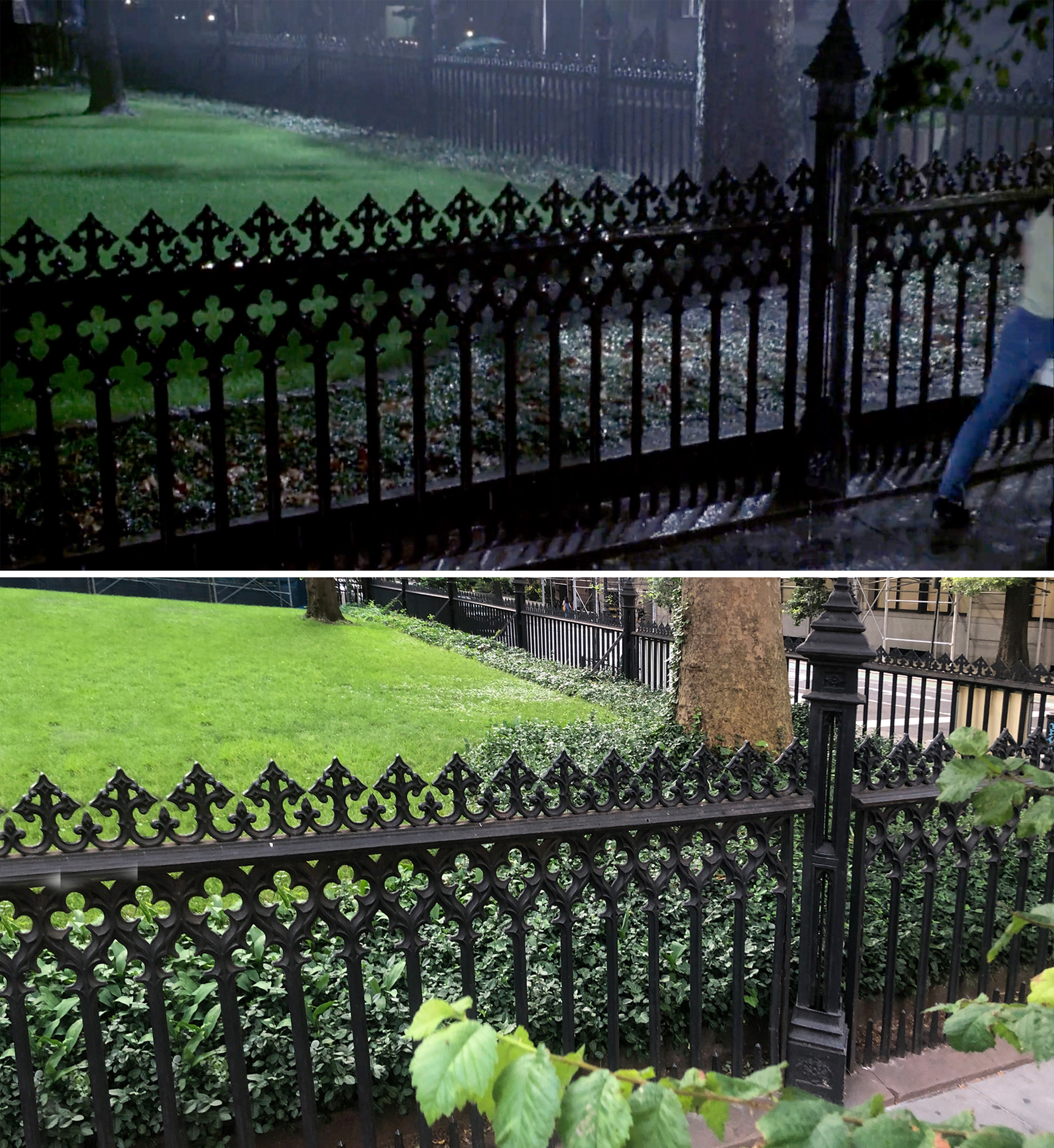
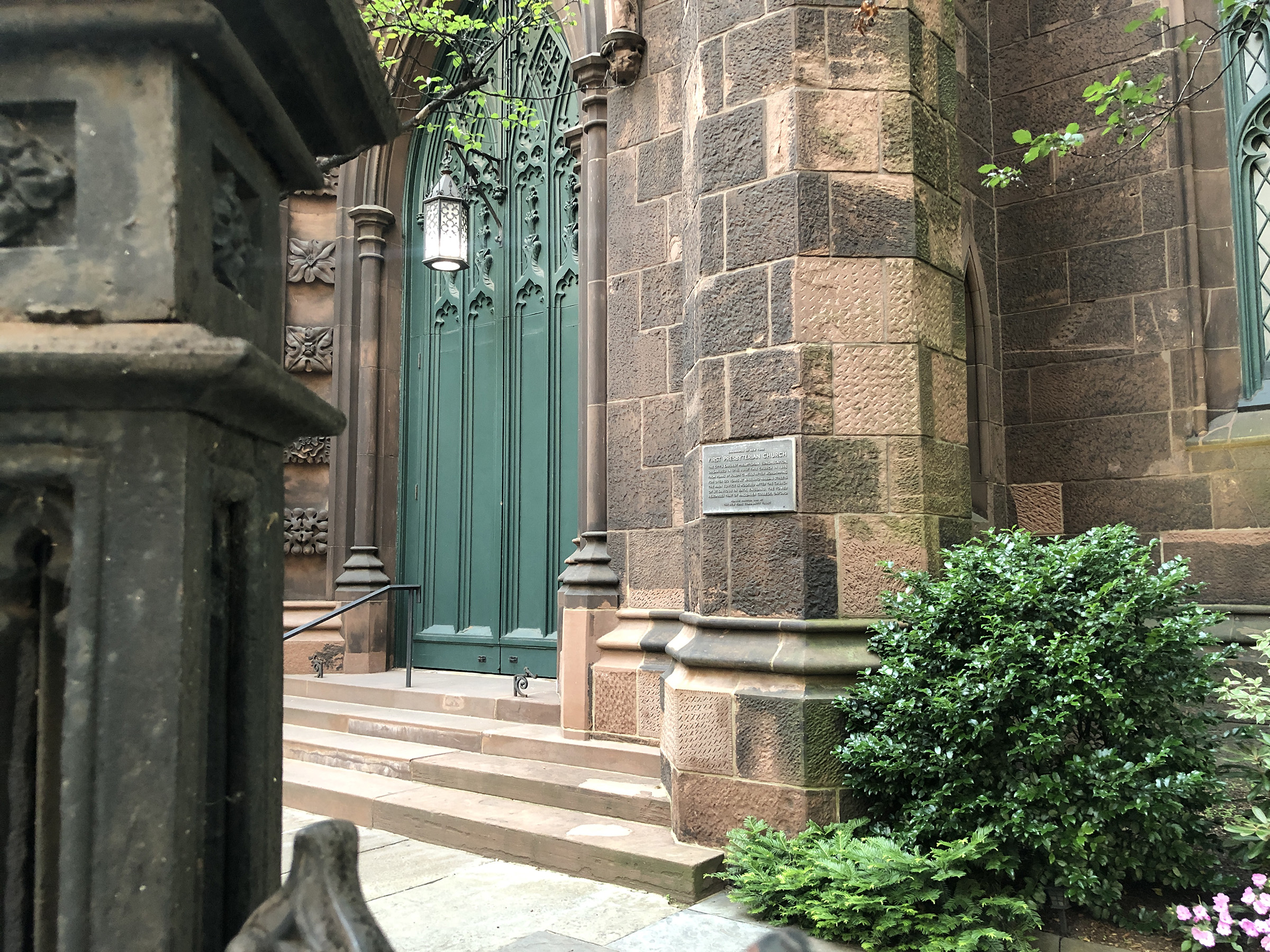
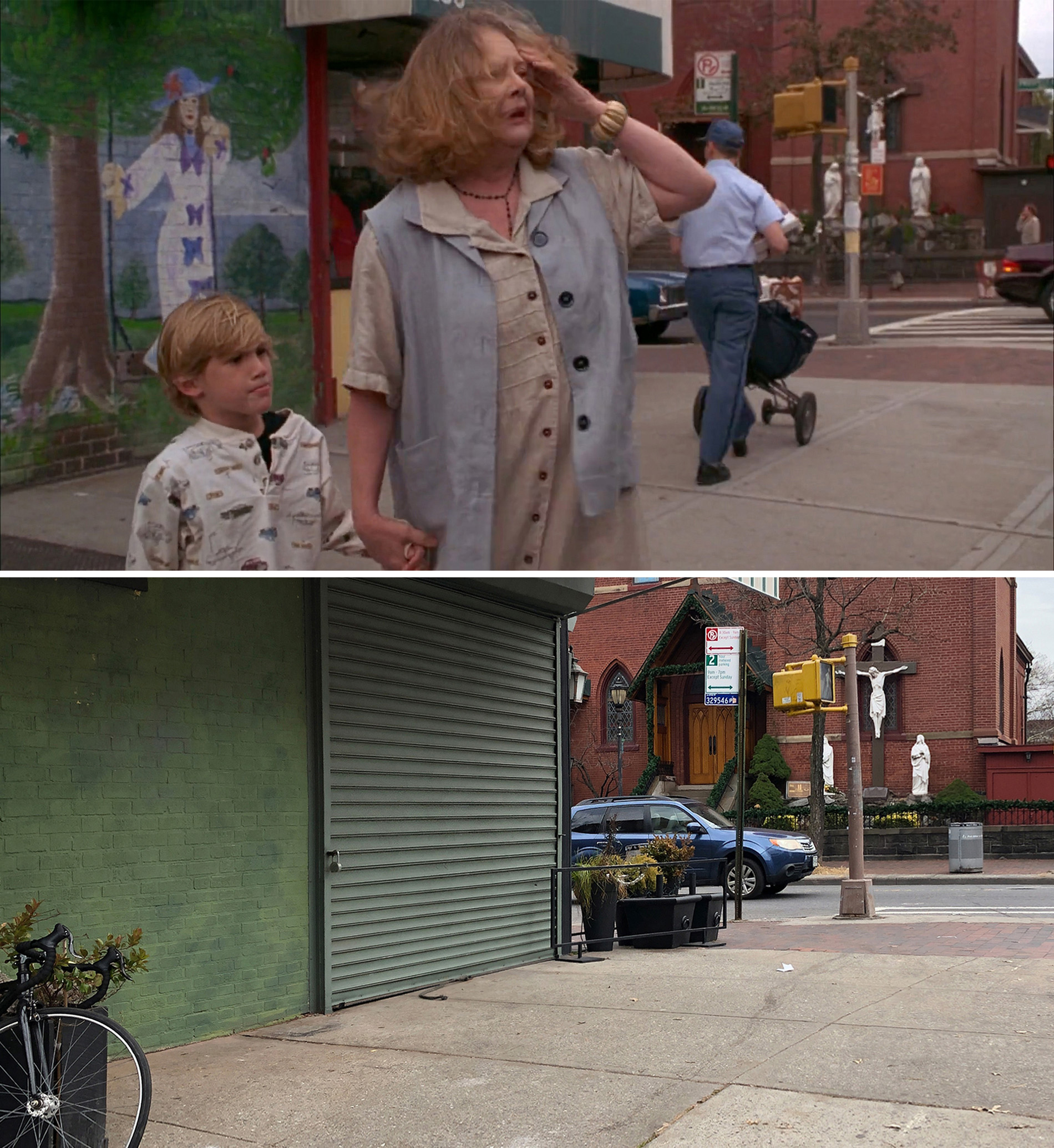
This location was simple to find since it features a few distinct structures, like the church fence, and is within a few blocks of the apartment building on W 12th.
In fact, it’s more or less a geographically accurate path one would take from the 9th Street bus stop to 31 W 12th Street. The only thing that doesn’t make sense is the idea of Carol taking a bus from Park Slope in Brooklyn, to Greenwich Village in Manhattan. The fastest, most logical way of travel would be to take the F train (which is only a couple blocks from her Howard Place home) to the 14th Street stop in Manhattan (which is only two and a half blocks from his 12th Street home).
At that 9th Street bus stop, you might’ve noticed that the exterior of the nearby building looks rather different today. But that’s because there used to be a restaurant there called the Rose Cafe & Bar that expanded beyond the building’s footprint and onto the sidewalk.
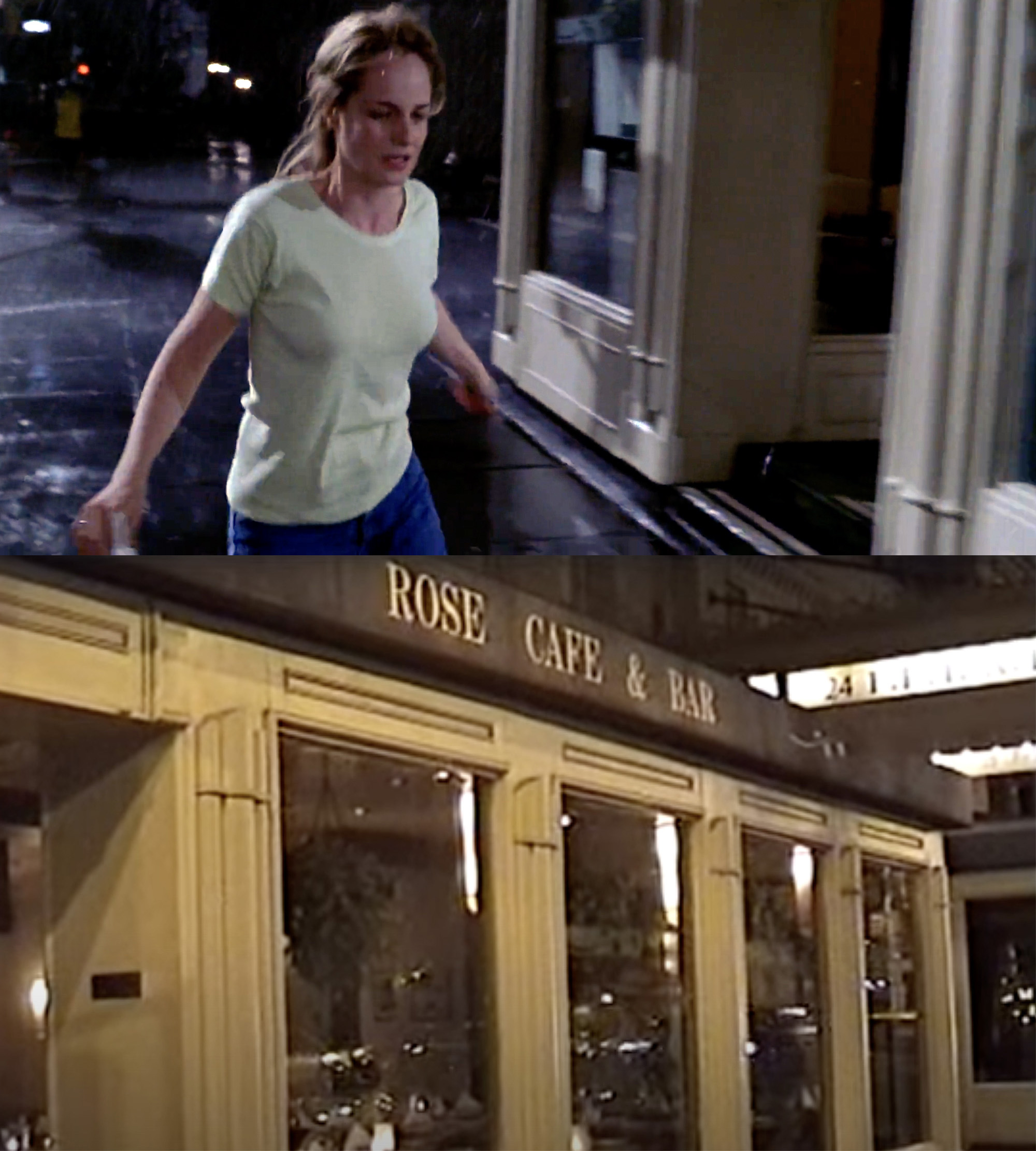
I almost immediately recognized the exterior of that restaurant because I used it as an establishing shot for a short video I made in 1998. In my video, the restaurant interiors were filmed on a set on W 22nd Street, and featured the acting talents of one Jeff Blakeslee, the very same person who helps me research these NYC movies.
Walking to a Bar
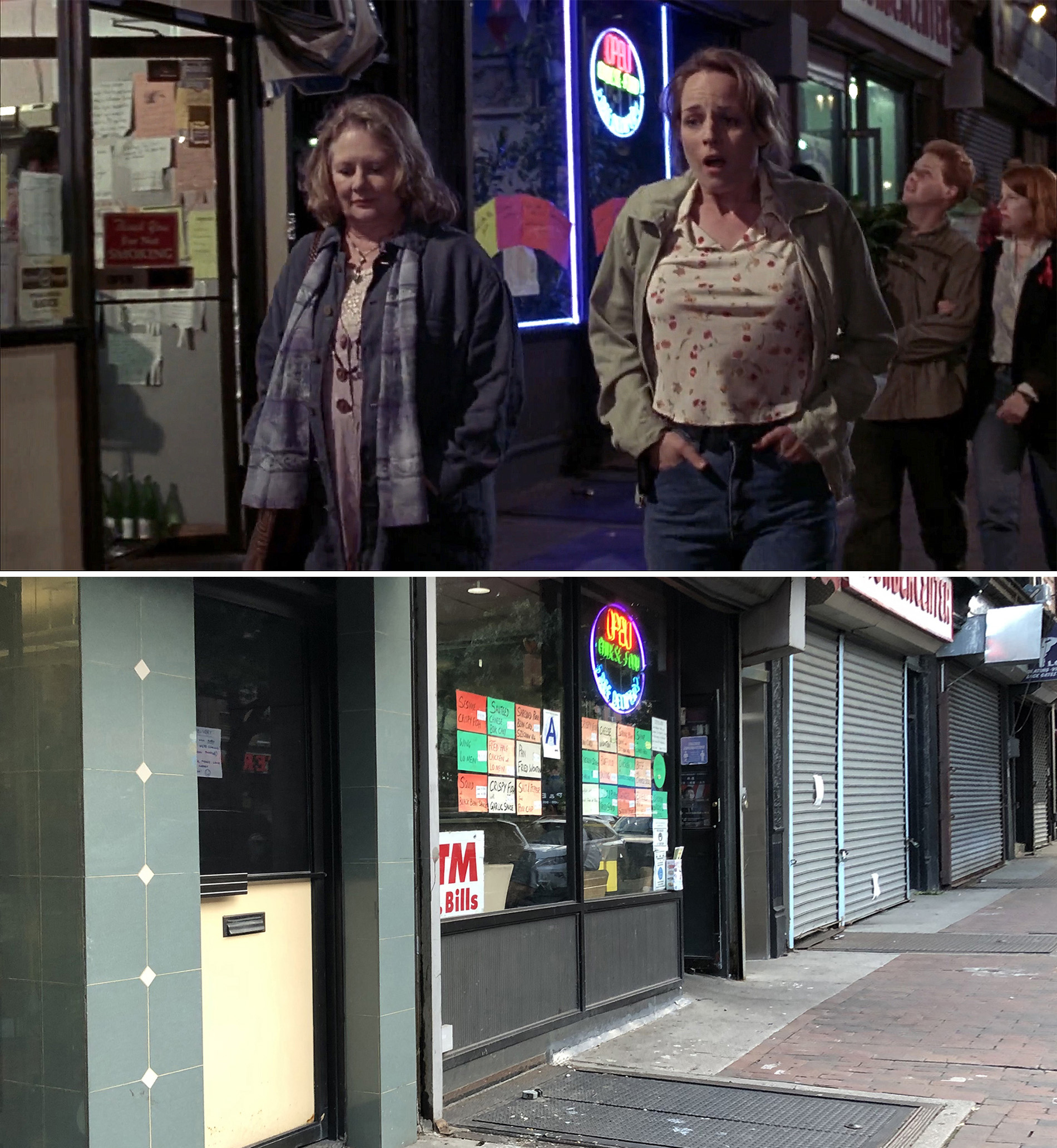
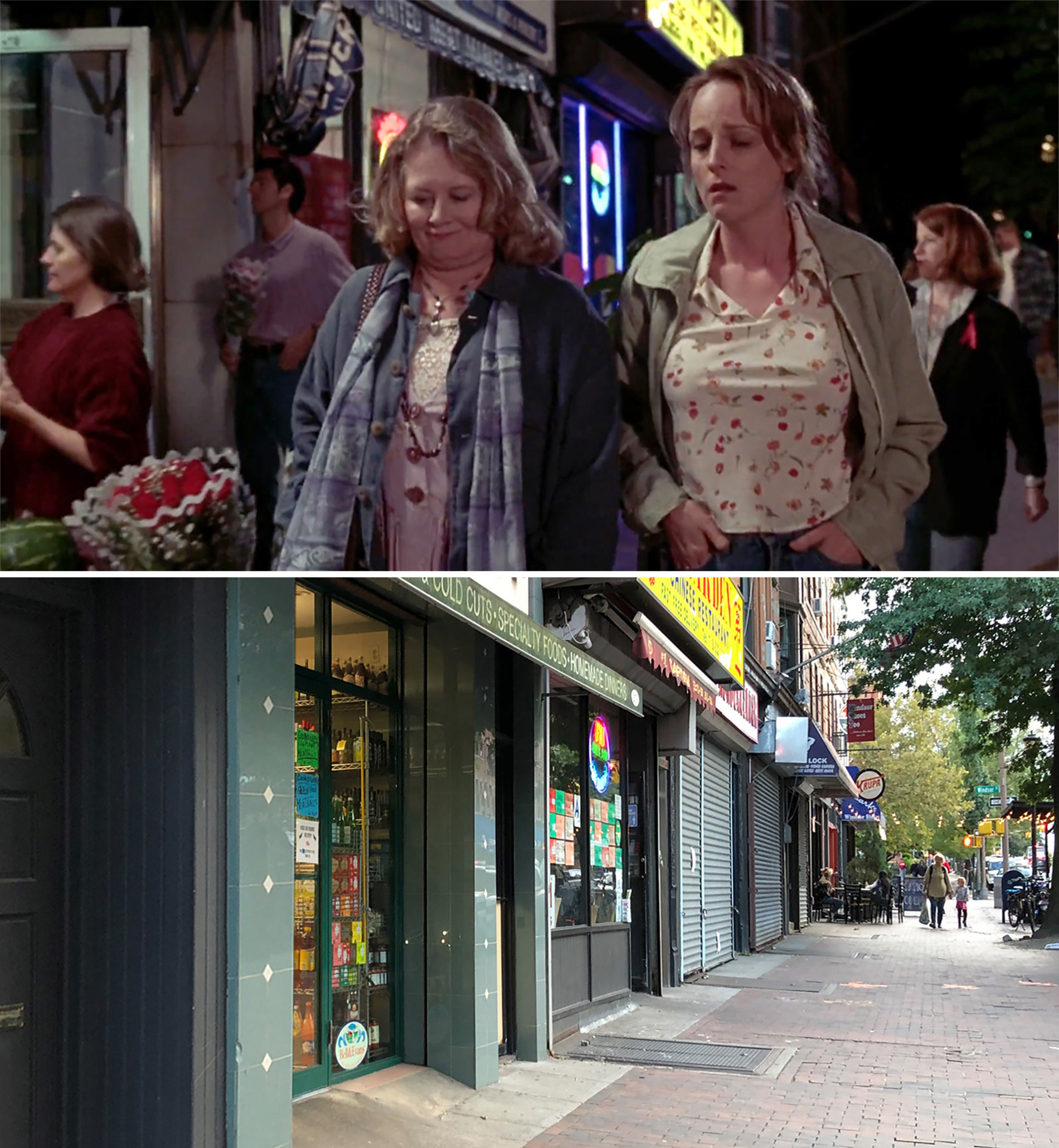
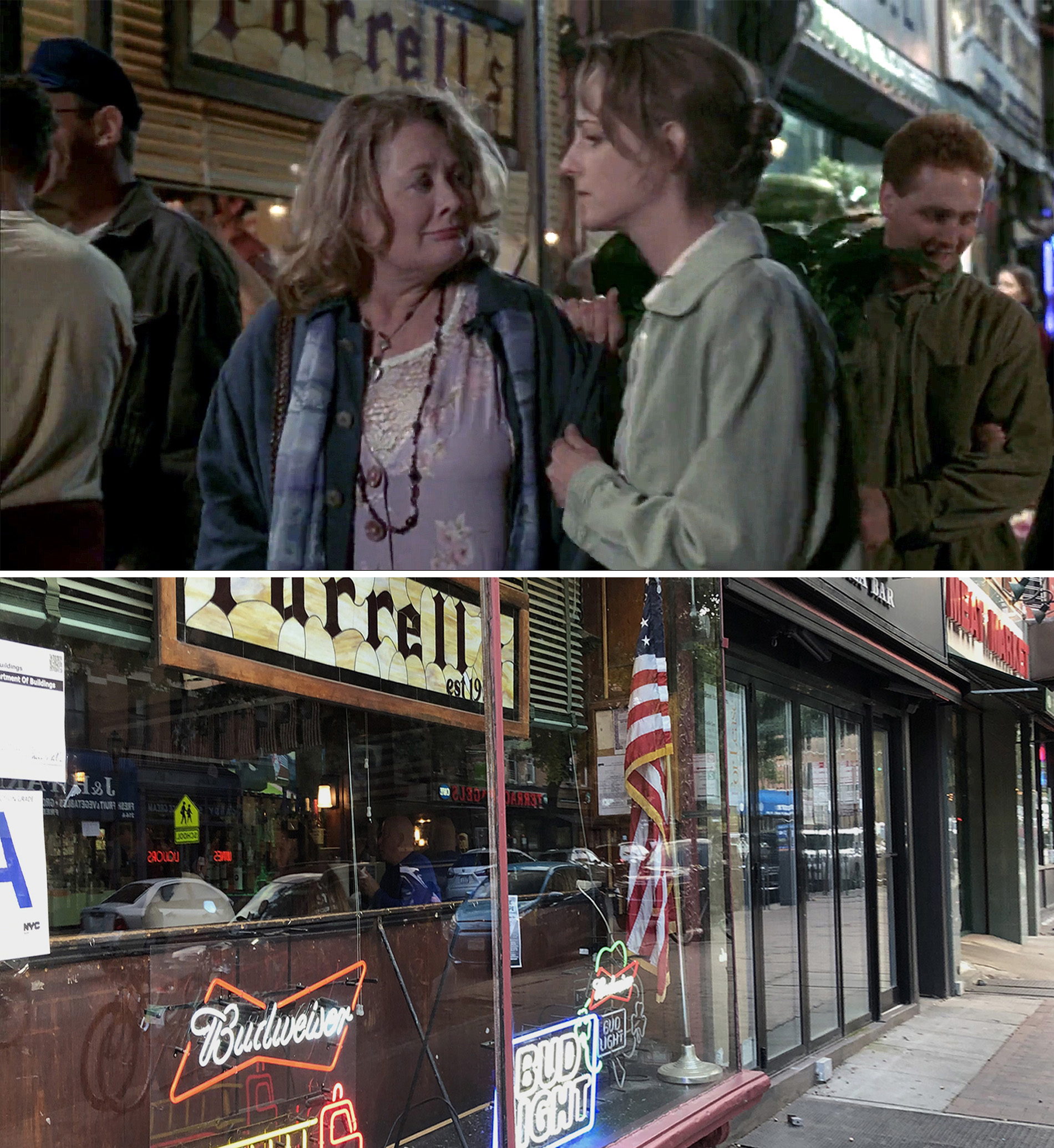
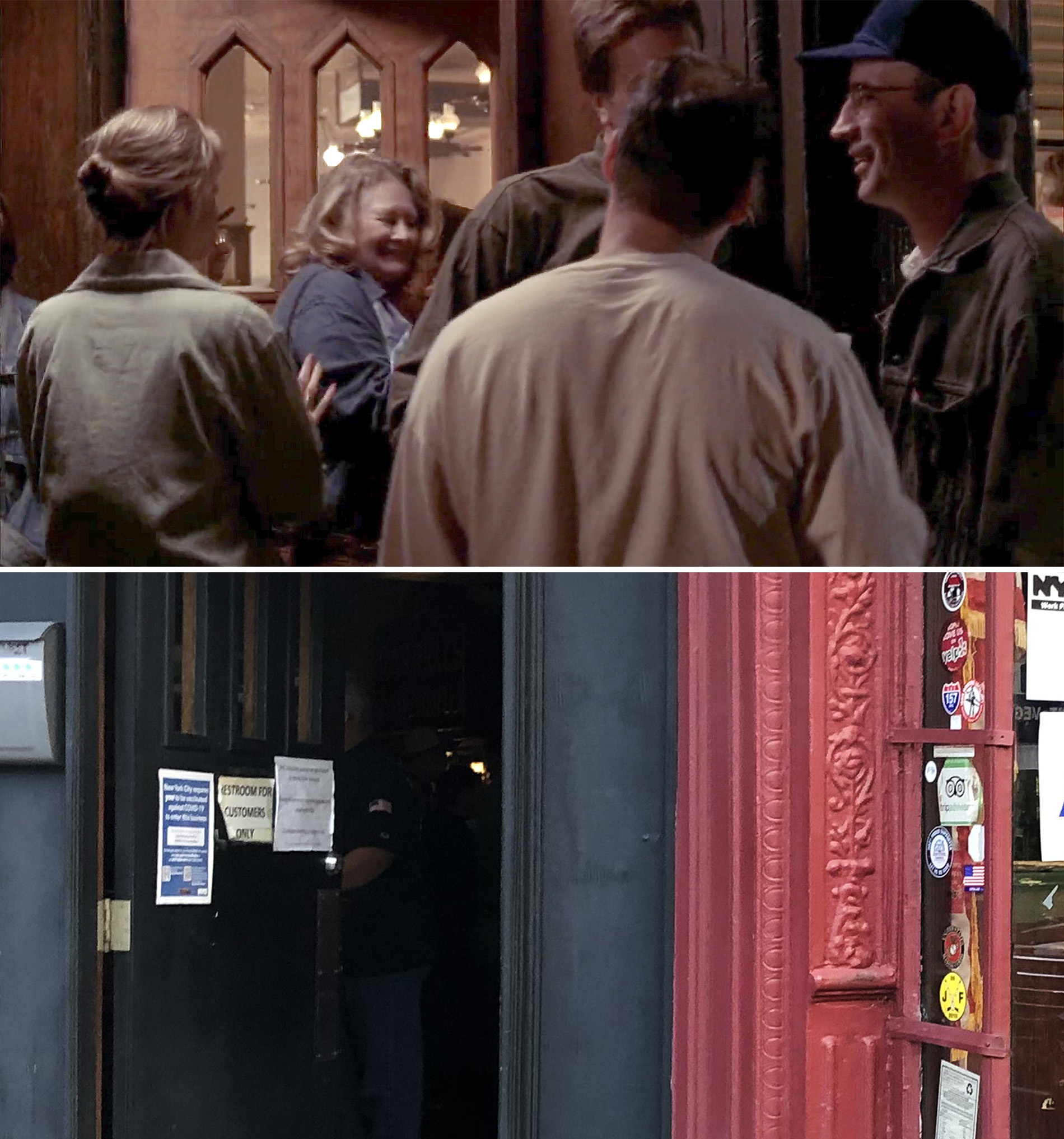
There was no great difficulty in finding this location since it took place steps away from Carol’s home address and features a bar that’s clearly marked as Farrell’s, which is thankfully still open for business.
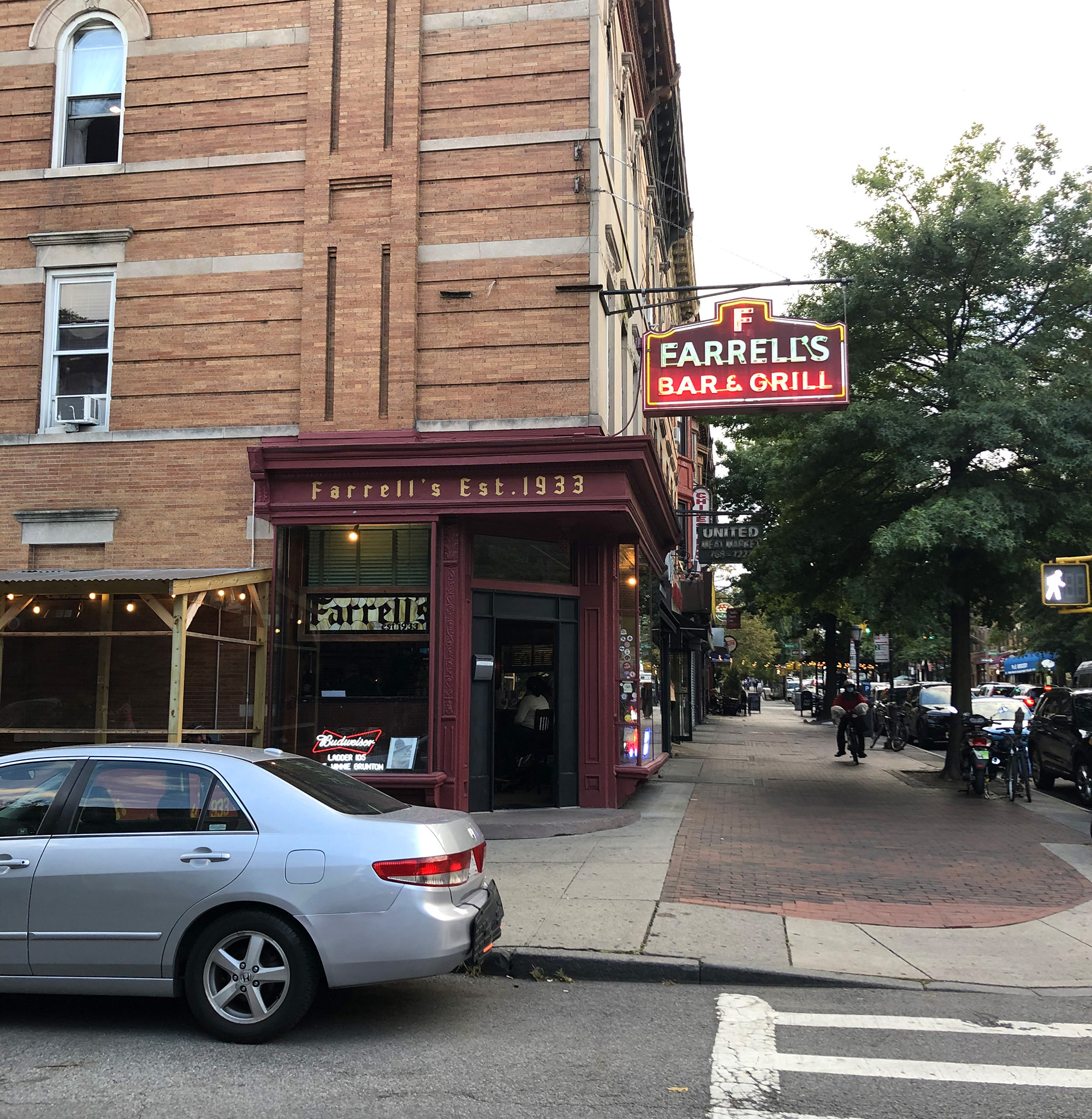
Back in the 1930s, long before gentrifiers took over the Brooklyn borough, Farrell’s was one of many blue-collar pubs offering cheap libations to the Irish and Italian gangs that warred around the Prospect Park area.
Despite being inhabited by YoPro hipsters these days, Farrell’s is still a place worth visiting. This historic watering hole exudes an unmistakable old-school atmosphere where you can enjoy reasonably-priced drinks at the cash-only bar and admire the surrounding antiquated fixtures, such as the pressed-tin ceiling and an old wooden phone booth.
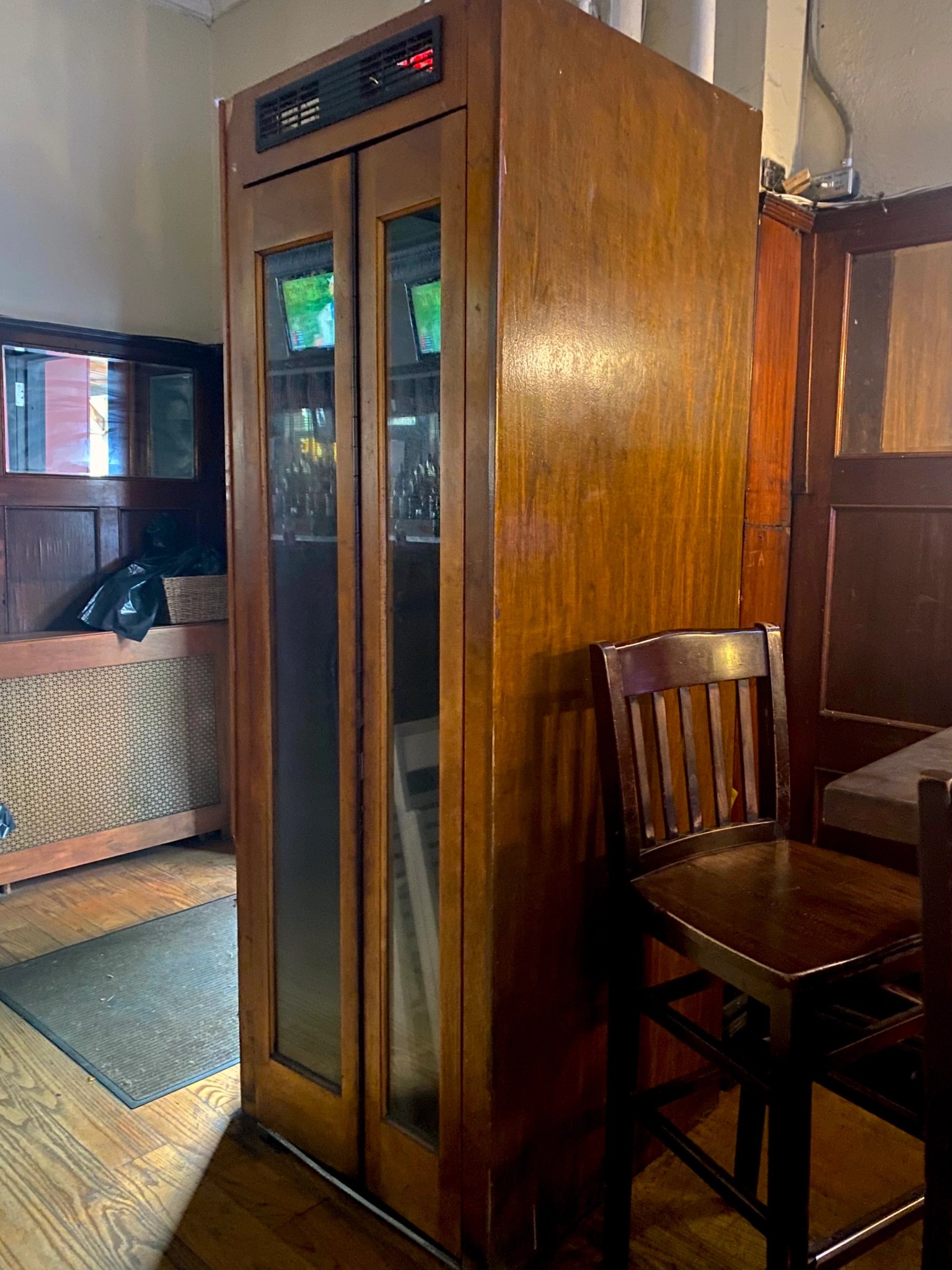
The phone no longer works and the inside is used to store supplies, but that doesn’t prevent this old wooden relic, sporting a two-panel accordion door, from conjuring up feelings of noir-infused nostalgia.
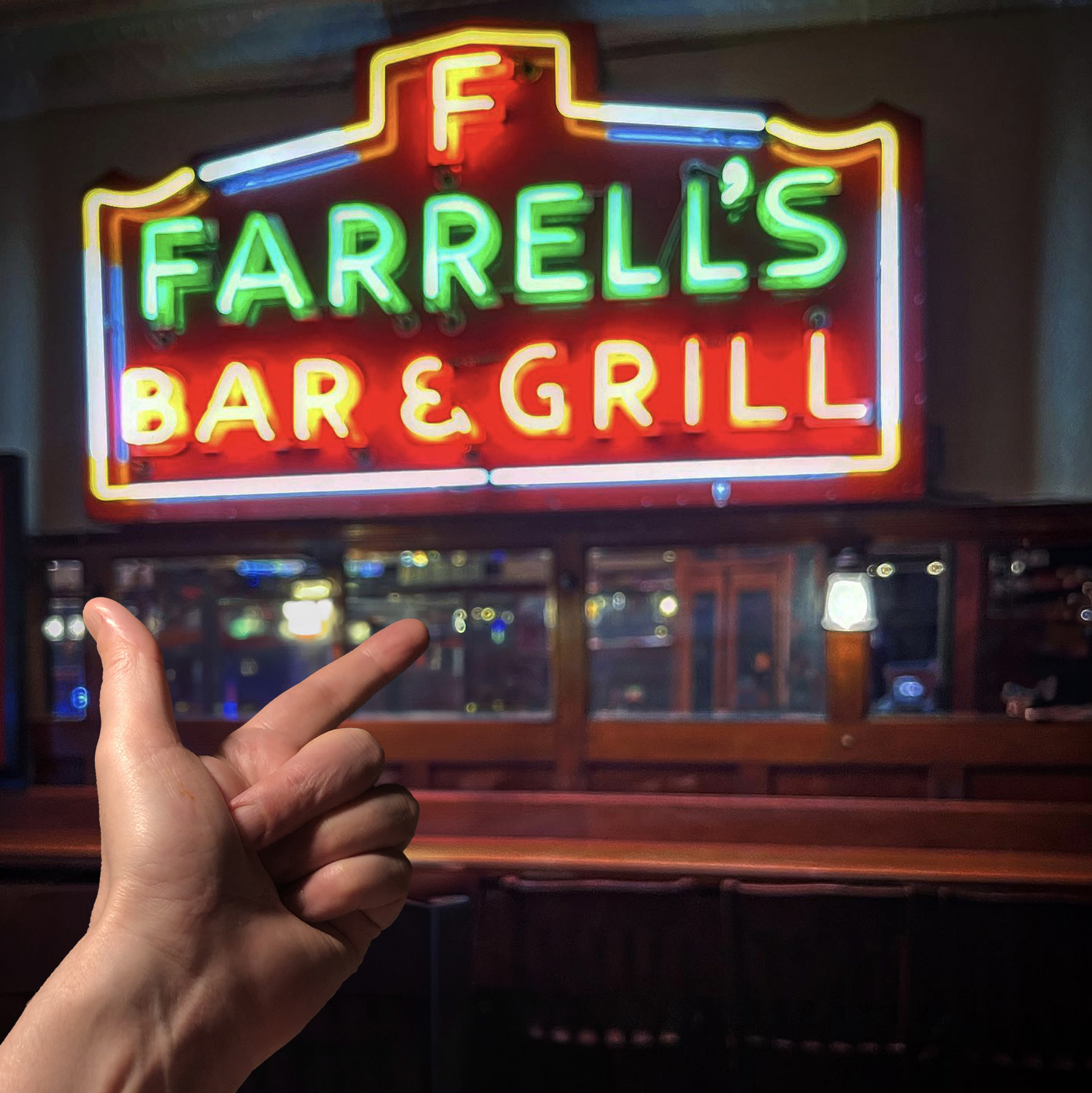
Along with Farrell’s wood phone booth, another notable remnant worth seeing is its glorious neon signage. The one affixed to the outside is fairly new, replacing an older one that got knocked down by a storm. But never fear, that vintage neon isn’t gone — it now hangs proudly inside the wood-paneled tavern.
Taking a Bus to Manhattan
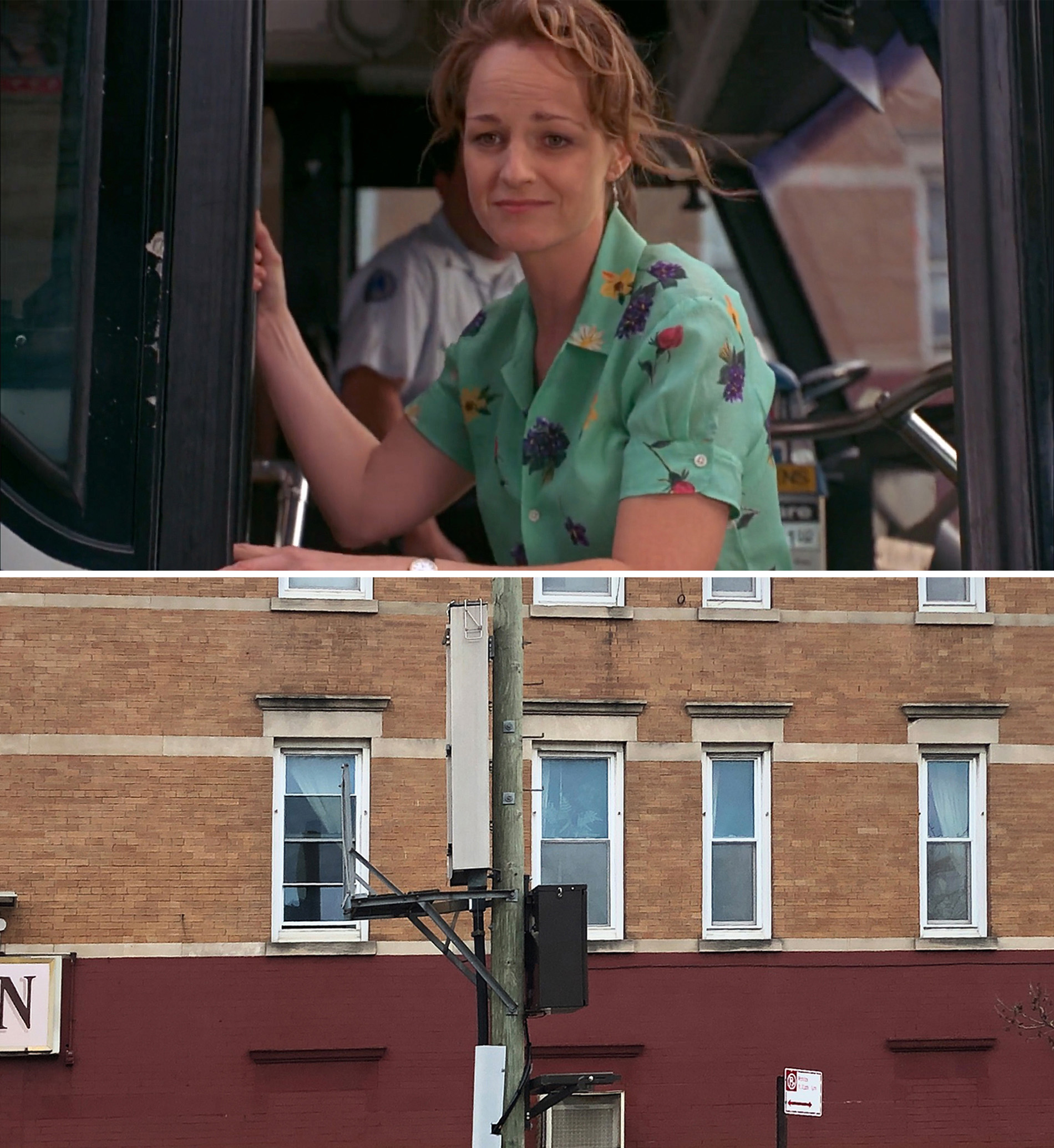
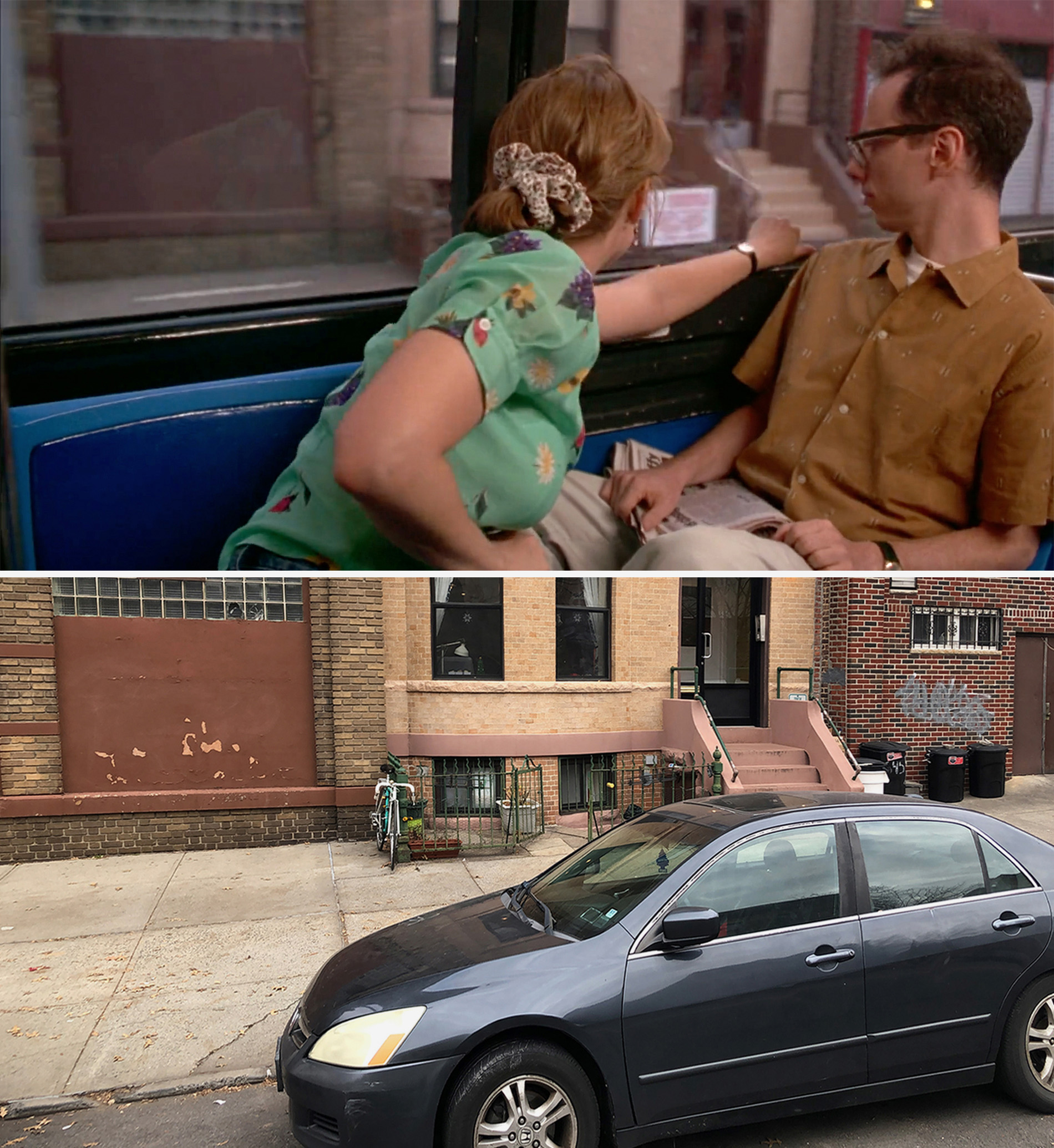
Once again, this location was easily found for being within a couple blocks of Carol’s home. And once again, I must point out the ridiculousness of taking a city bus from Brooklyn to Manhattan. It would most assuredly involve at least two transfers and probably around 40 individual stops.
But maybe Helen Hunt’s character has a mental disorder of her own — a fear of getting on a subway. But come to think of it, that’s probably a pretty justified aversion.
A Trip to Maryland
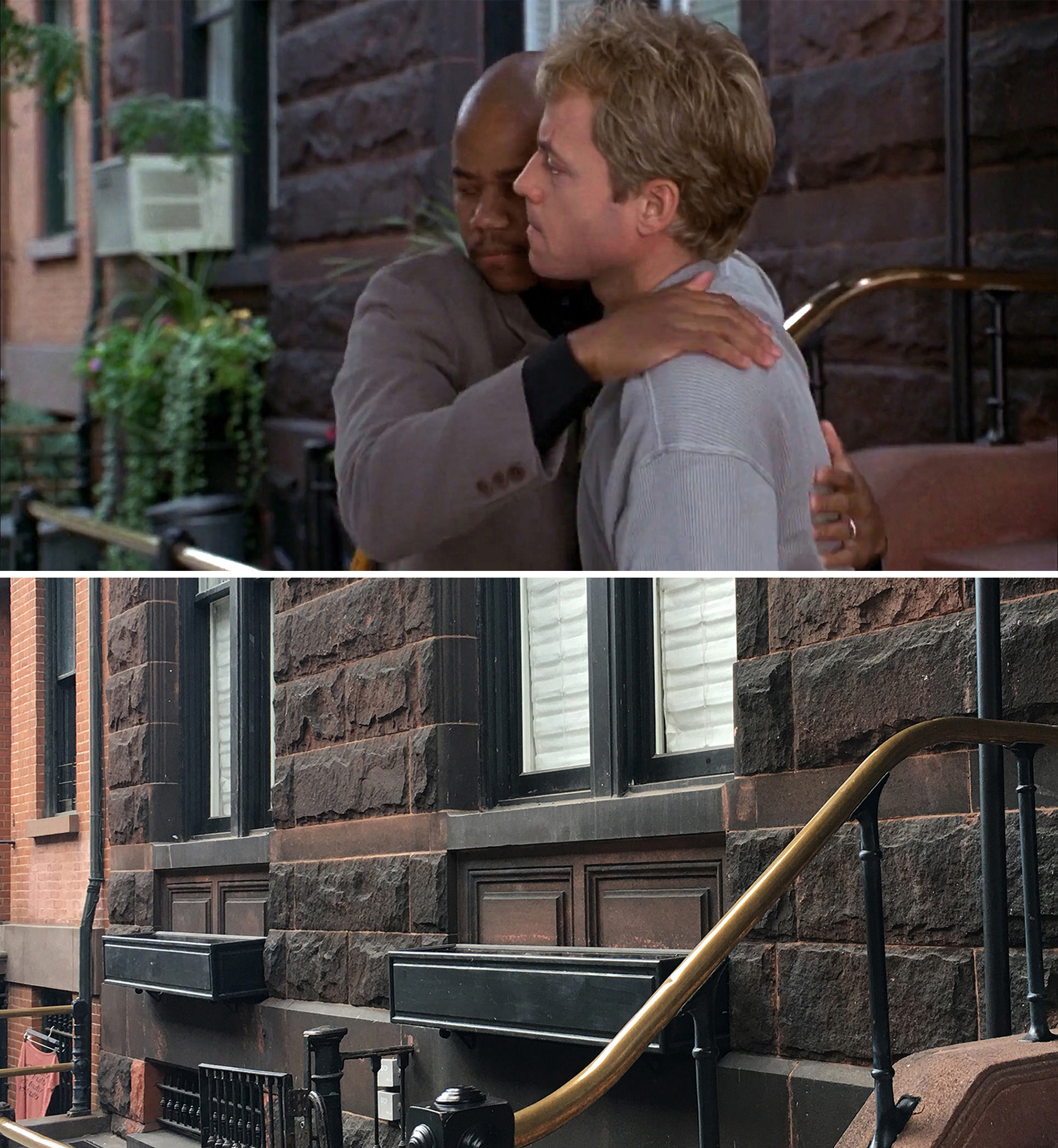
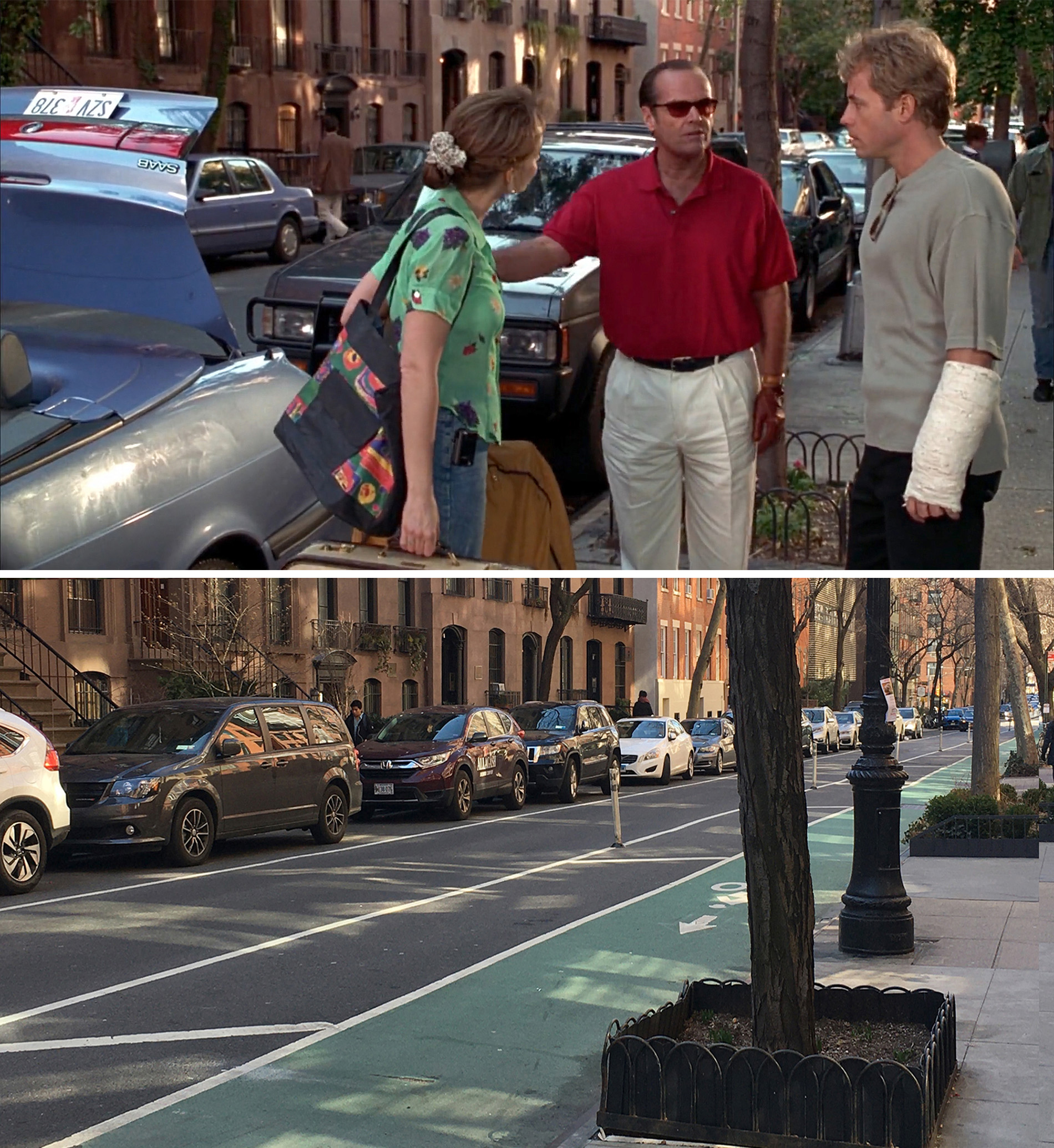
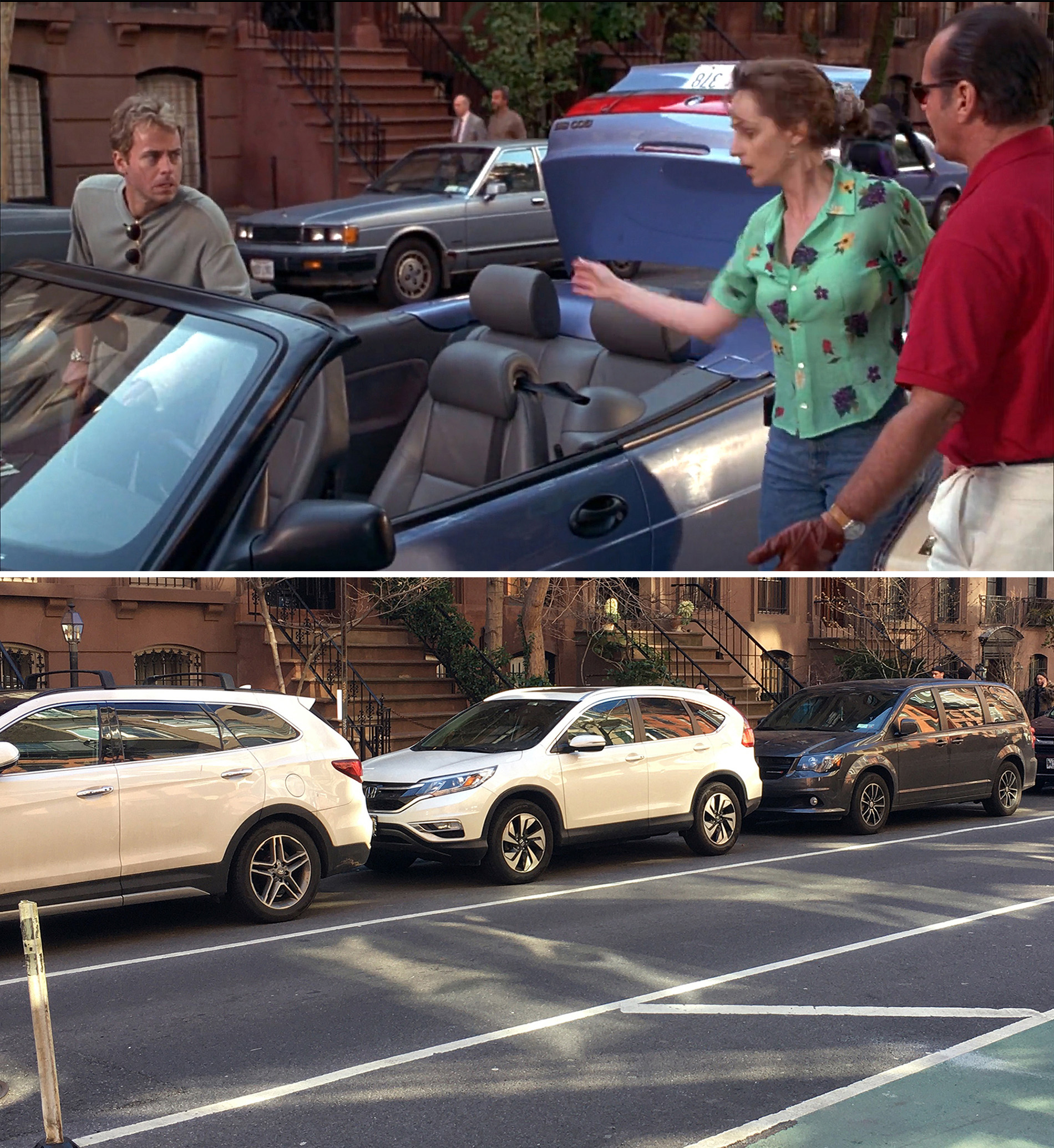
This brief scene is actually the only one in the movie that included the four main stars — Nicholson, Hunt, Kinnear, and Gooding, Jr
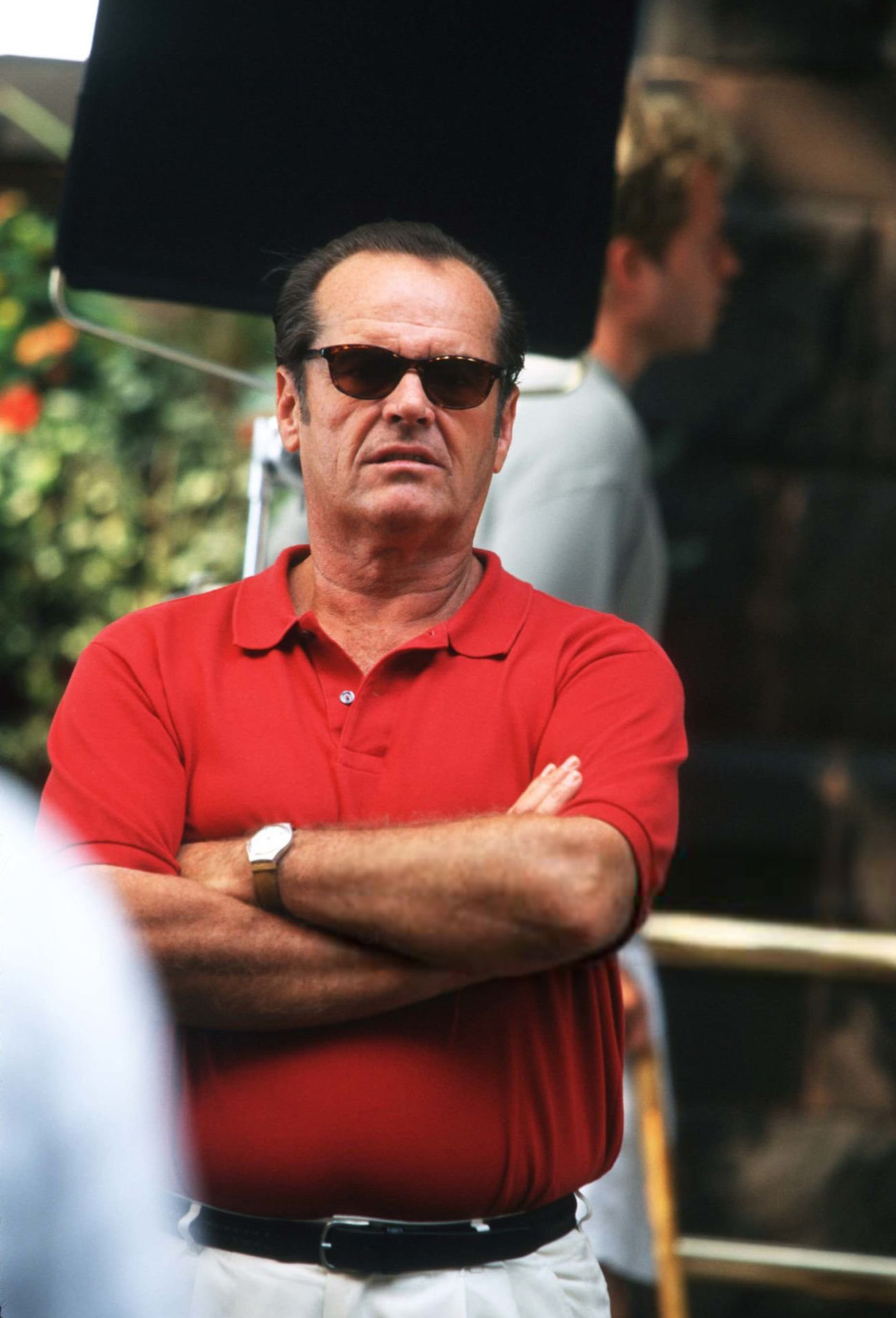
It took place outside the 12th Street apartment building, which I later discovered actually dates back to 1895.
Named Ardea Apartments, this upperclass, residential building originally had just one massive apartment per floor, made up of multiple rooms, a private bath and access to a balcony. Even though it’s now been broken up into smaller co-ops, the original main staircase remains today, featuring an intricately-carved newel, bronze and iron balusters and a long mahogany handrail.
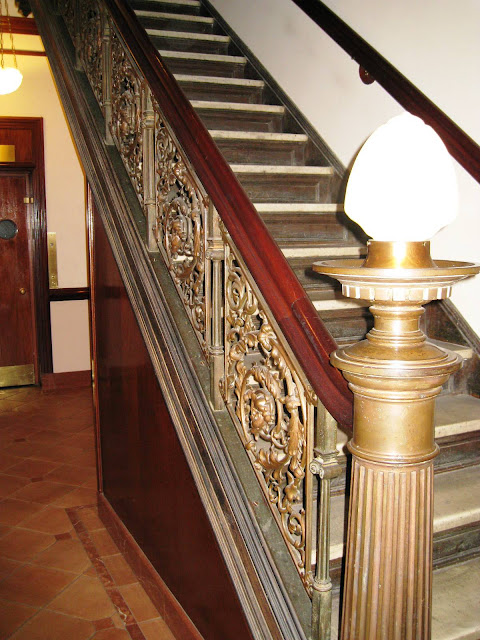
Actually, during its 125+ years of existence, very few changes have been made to the Ardea apartment building, and it even has retained the original oaken built-in ice boxes on each floor. Inside and out, the building is an incredible time capsule that, like several West Village buildings, has escaped the wrecking ball and fended off unnecessary modernizations.
You can read more about this apartment building and its long list of notable residents on Tom Millier’s exhaustive website, Daytonian in Manhattan.
Driving Out of the City
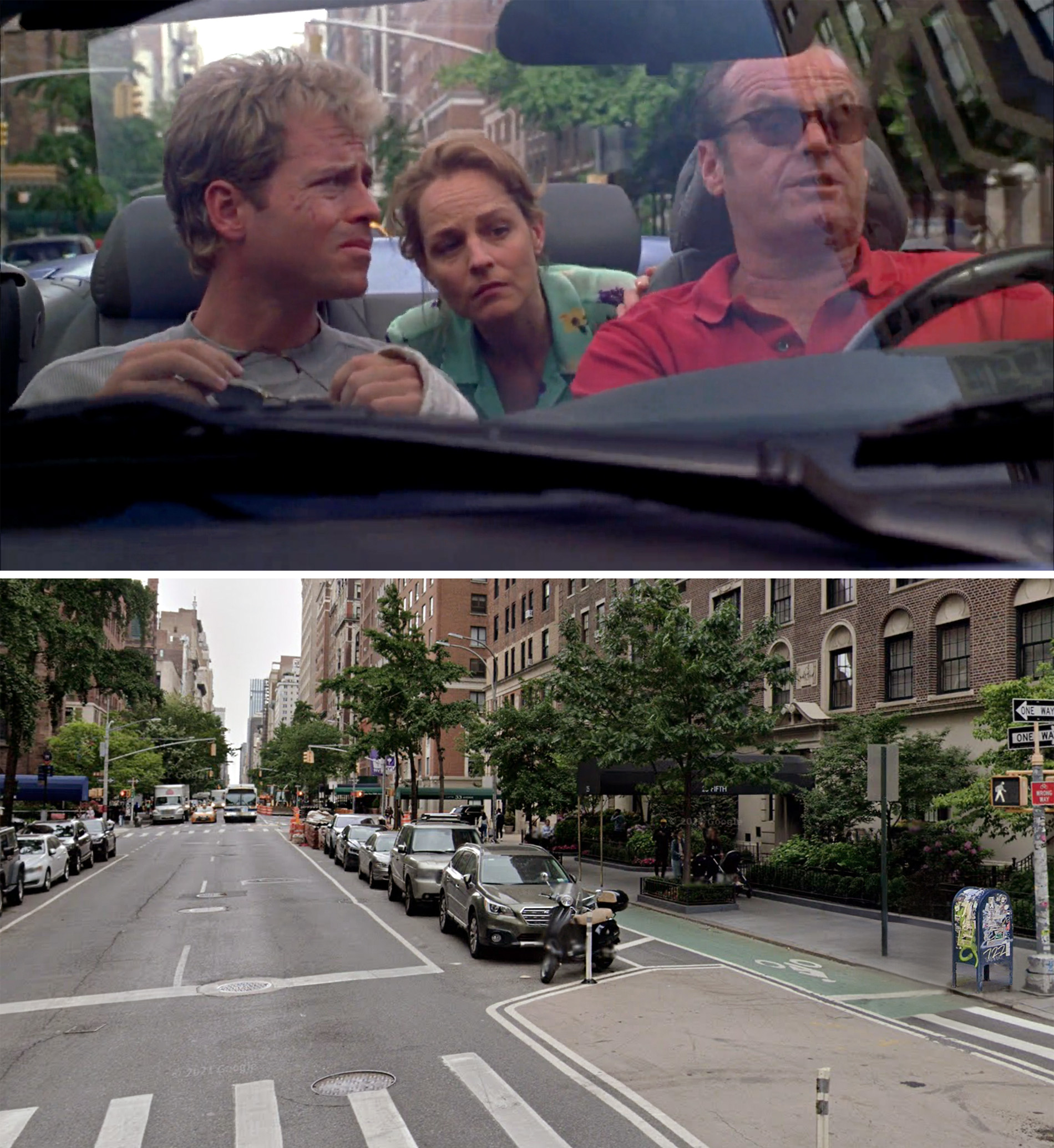
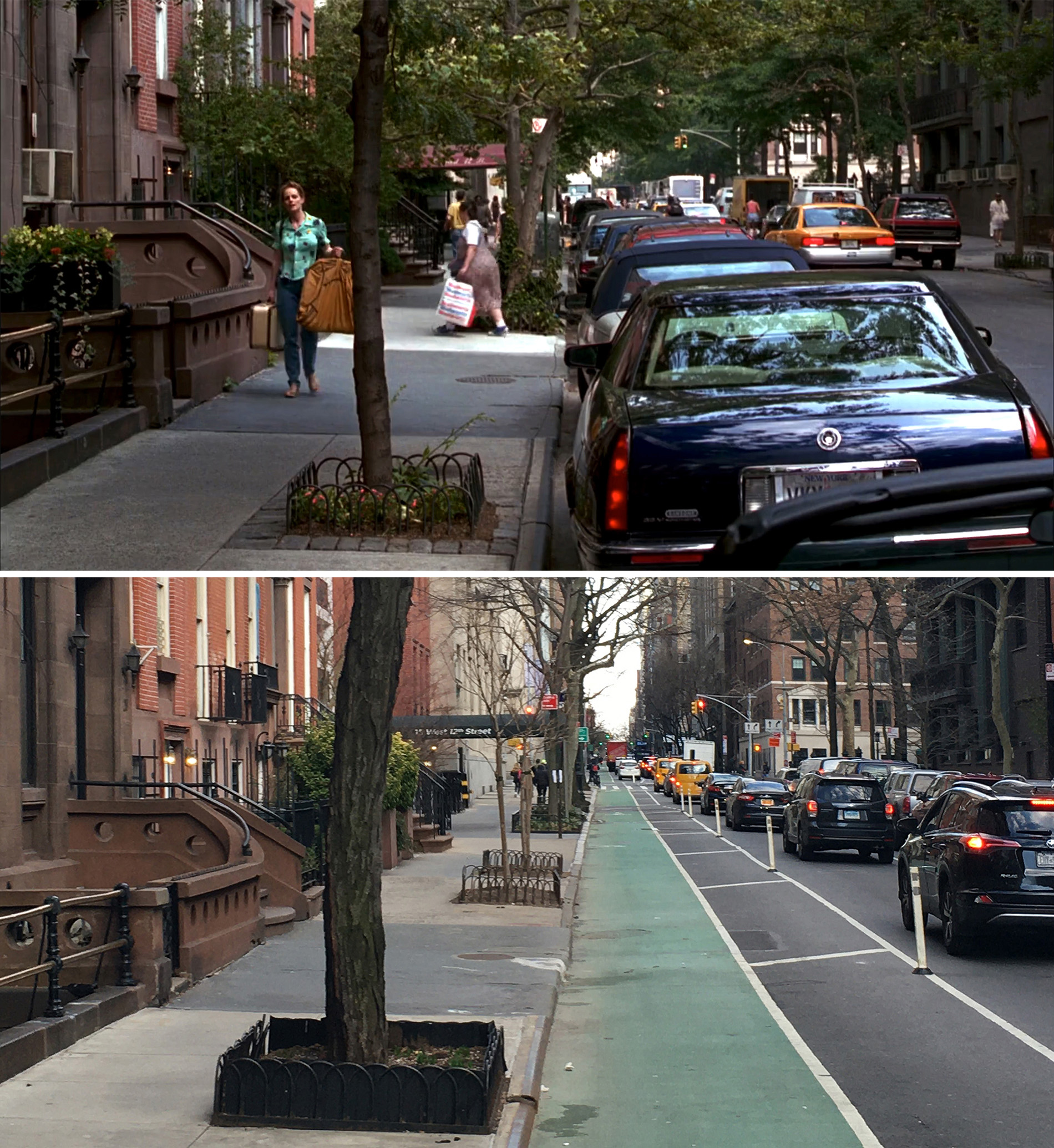
Like the rest of the Manhattan footage, the city driving scene was filmed in the same general area of the apartment building, passing the same intersection featured in the earlier rainy scene where Carol gets off the bus.
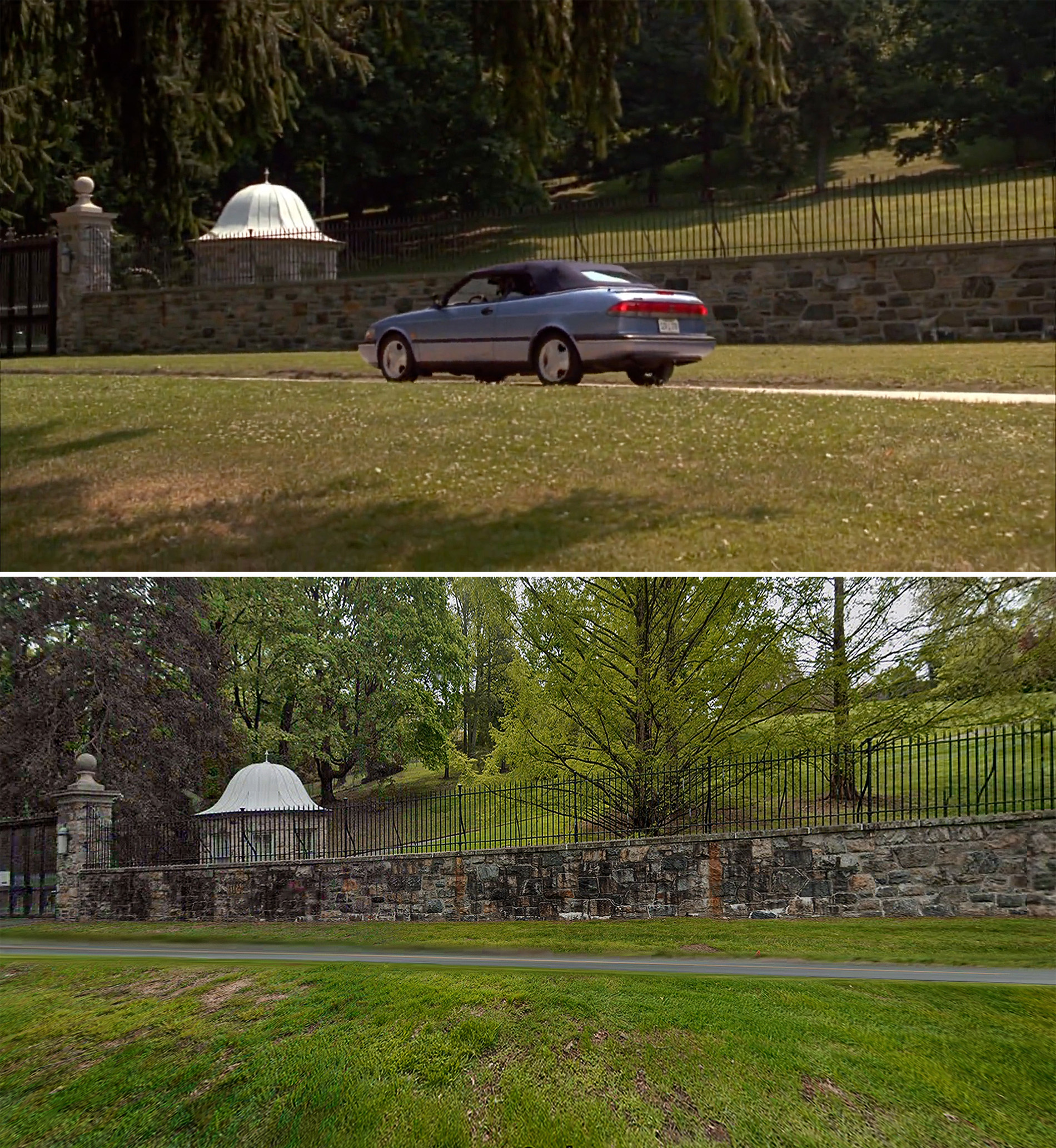
The rural driving scene wasn’t as easy to find, especially without any obvious landmarks to identify. After a little digging around, I found some production notes that indicated some filming took place in Tarrytown, NY. Assuming it was a reference to this scene, I hovered around a map of the area in Google’s satellite view, looking for any roads that paralleled a stone wall.
However if you’re familiar with this part of Westchester County, you’d know almost every estate has a stone wall like the one seen in this film. The only unique feature was that medium-sized booth by the entrance with a rounded top. It was this structure that eventually helped me zero in on Lake Road in the Pocantico Hills and match up the stone wall.
Seafood Restaurant
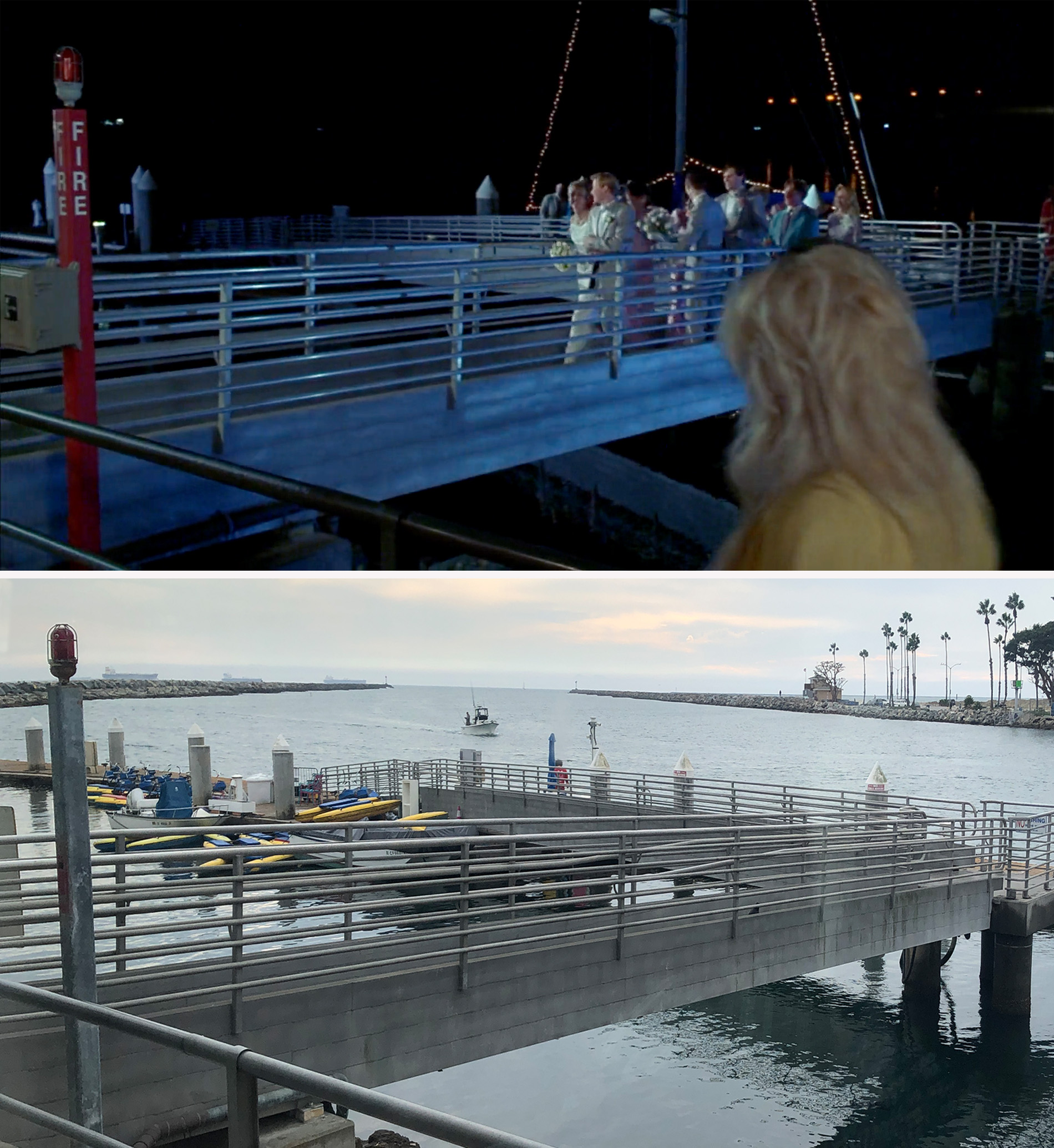
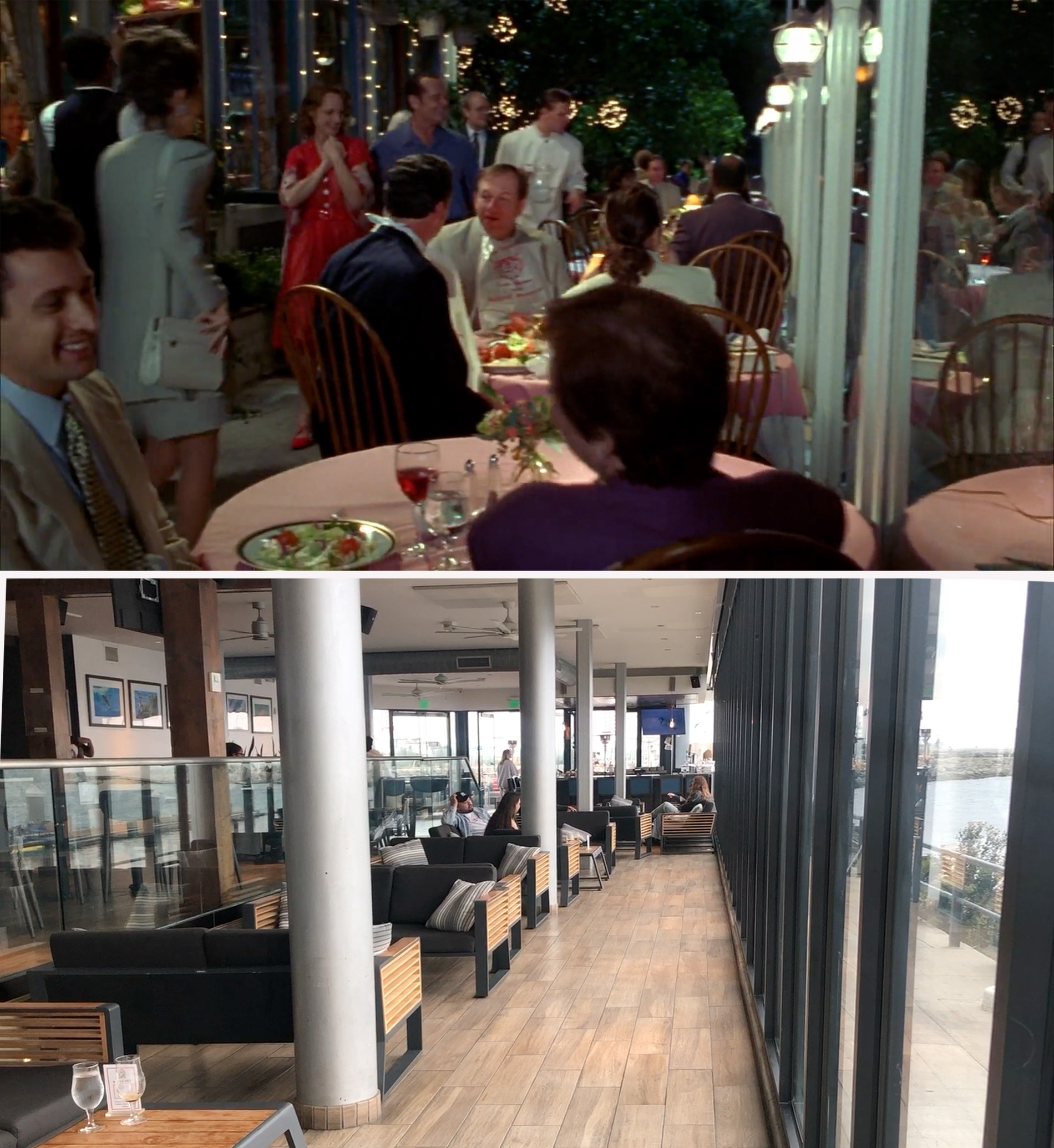
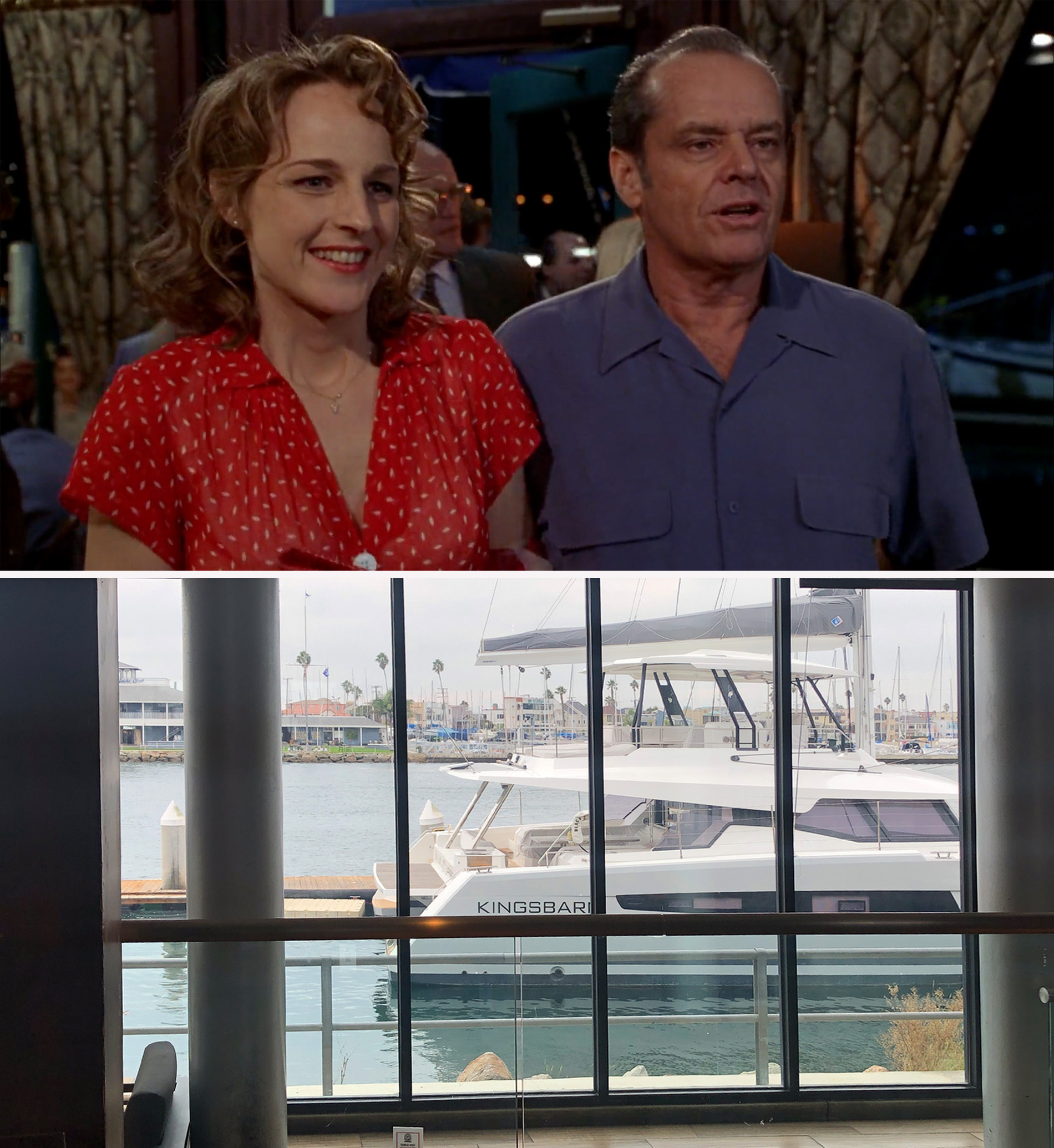
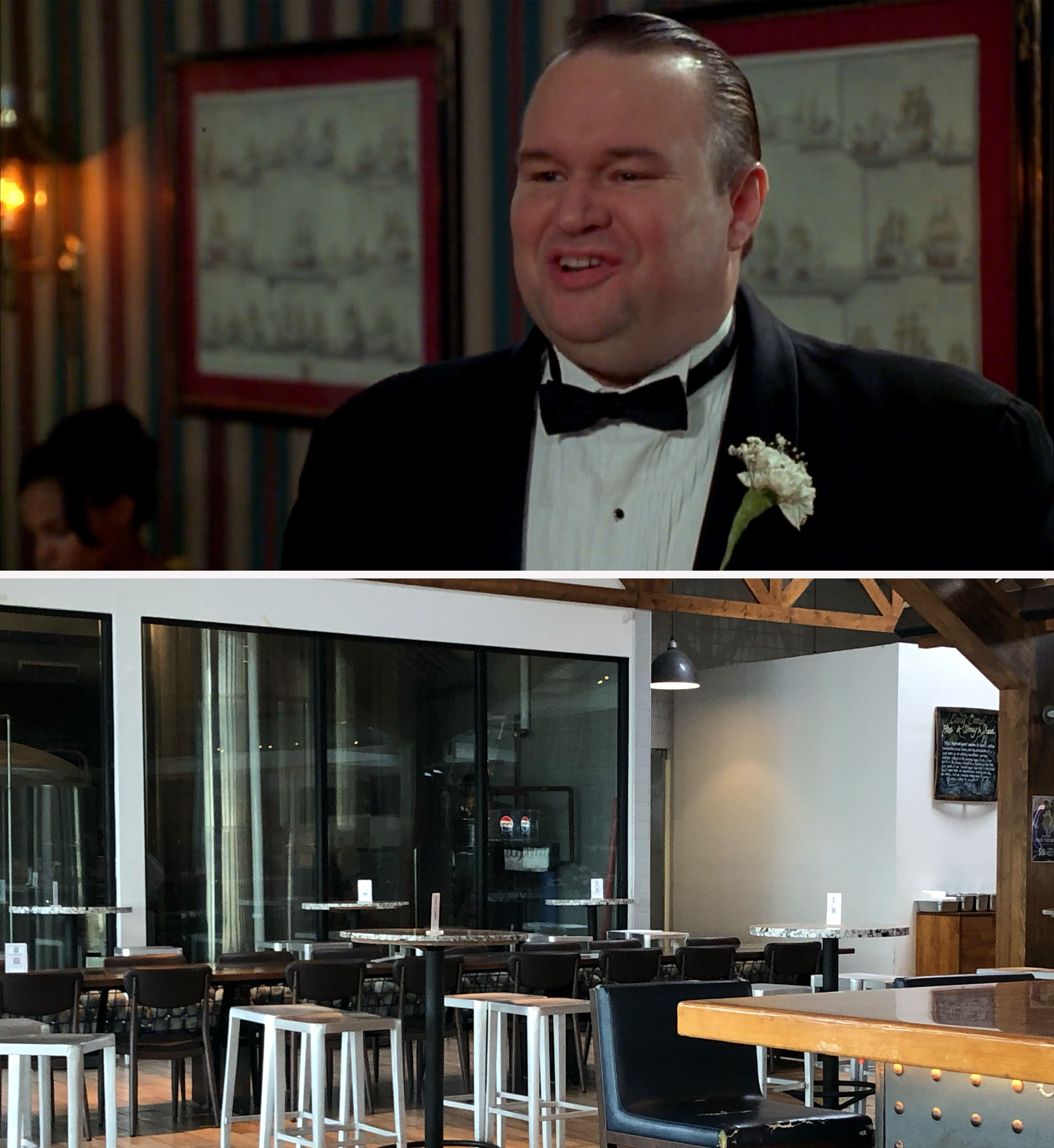
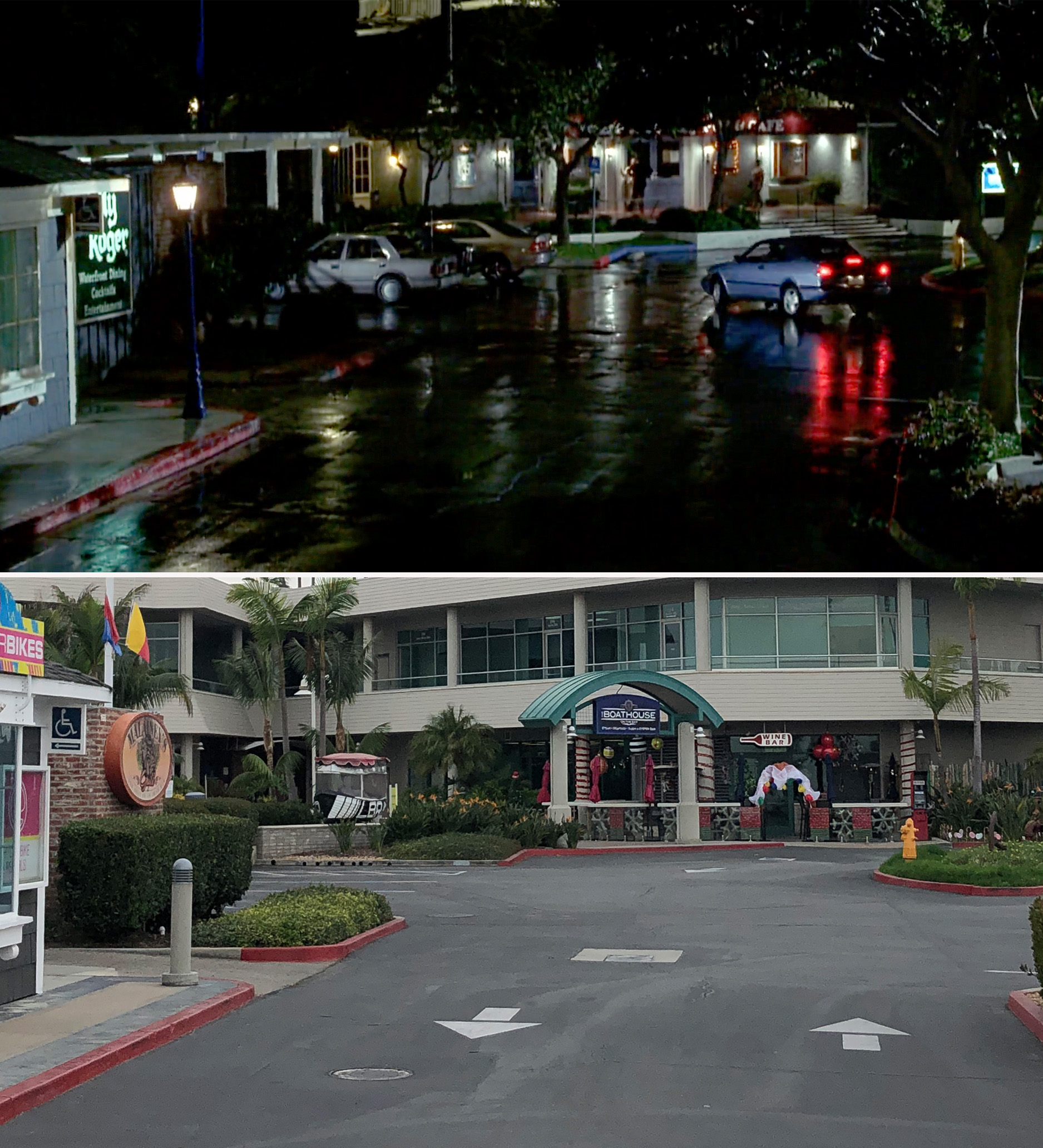
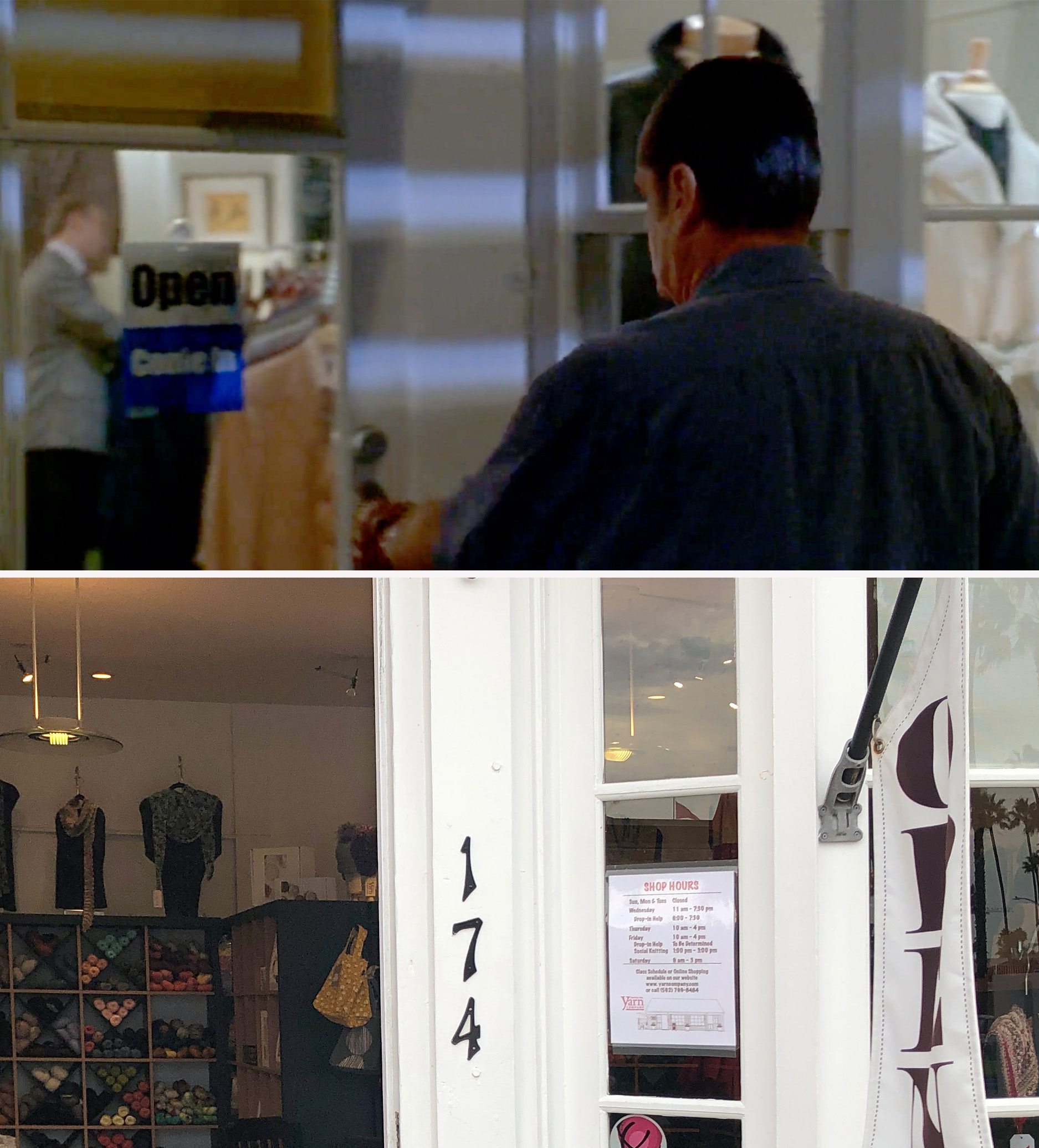
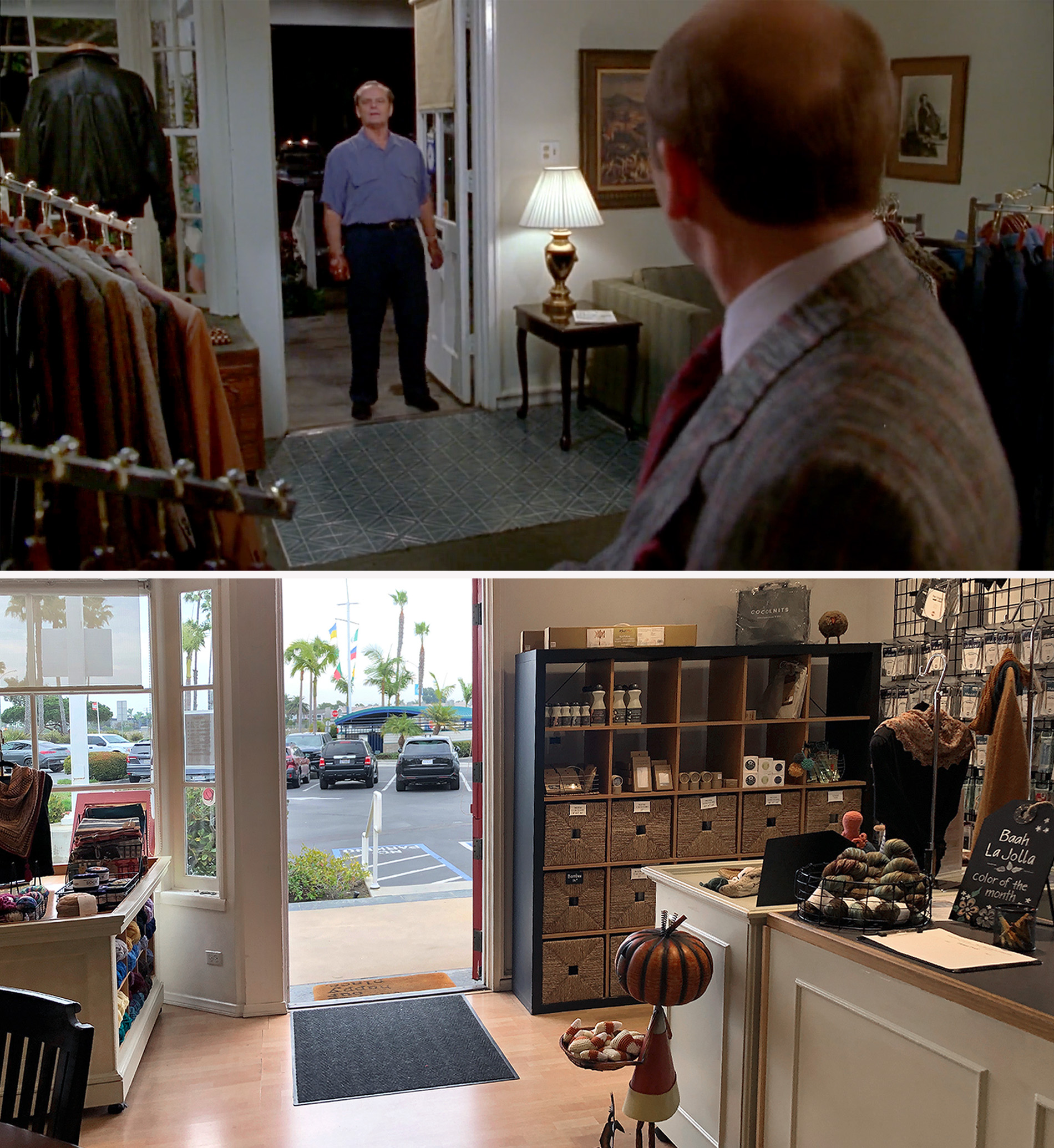
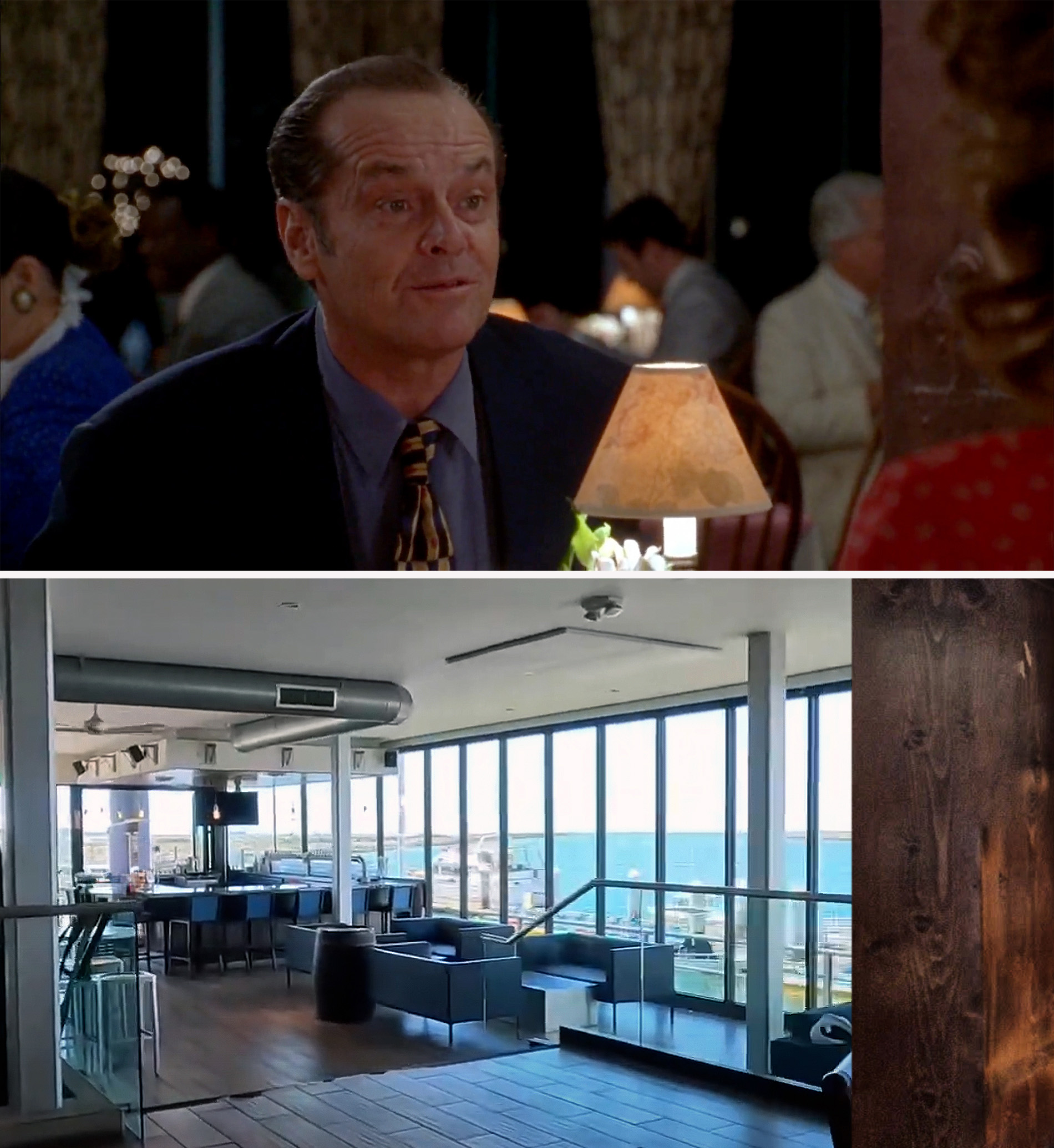
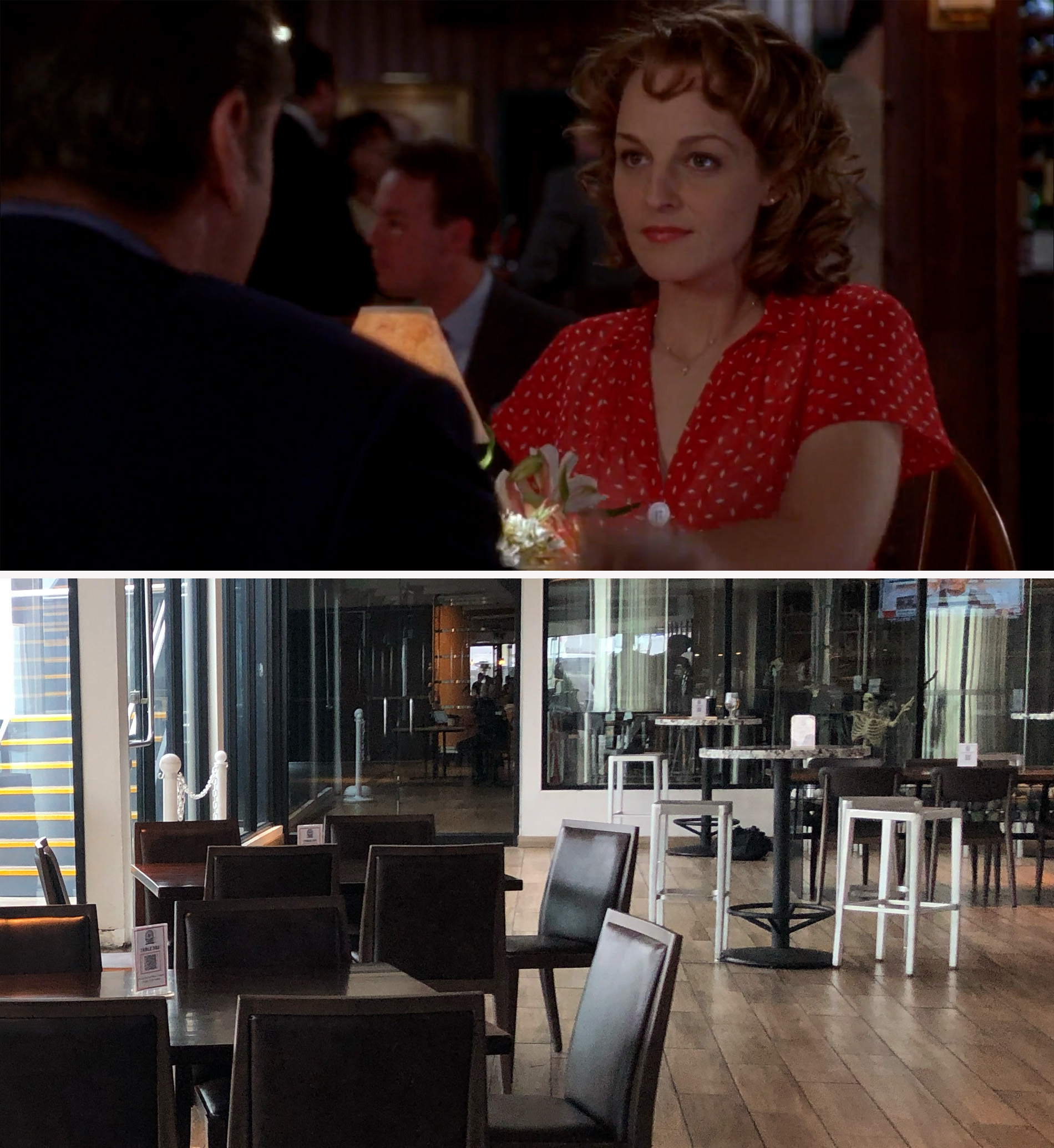
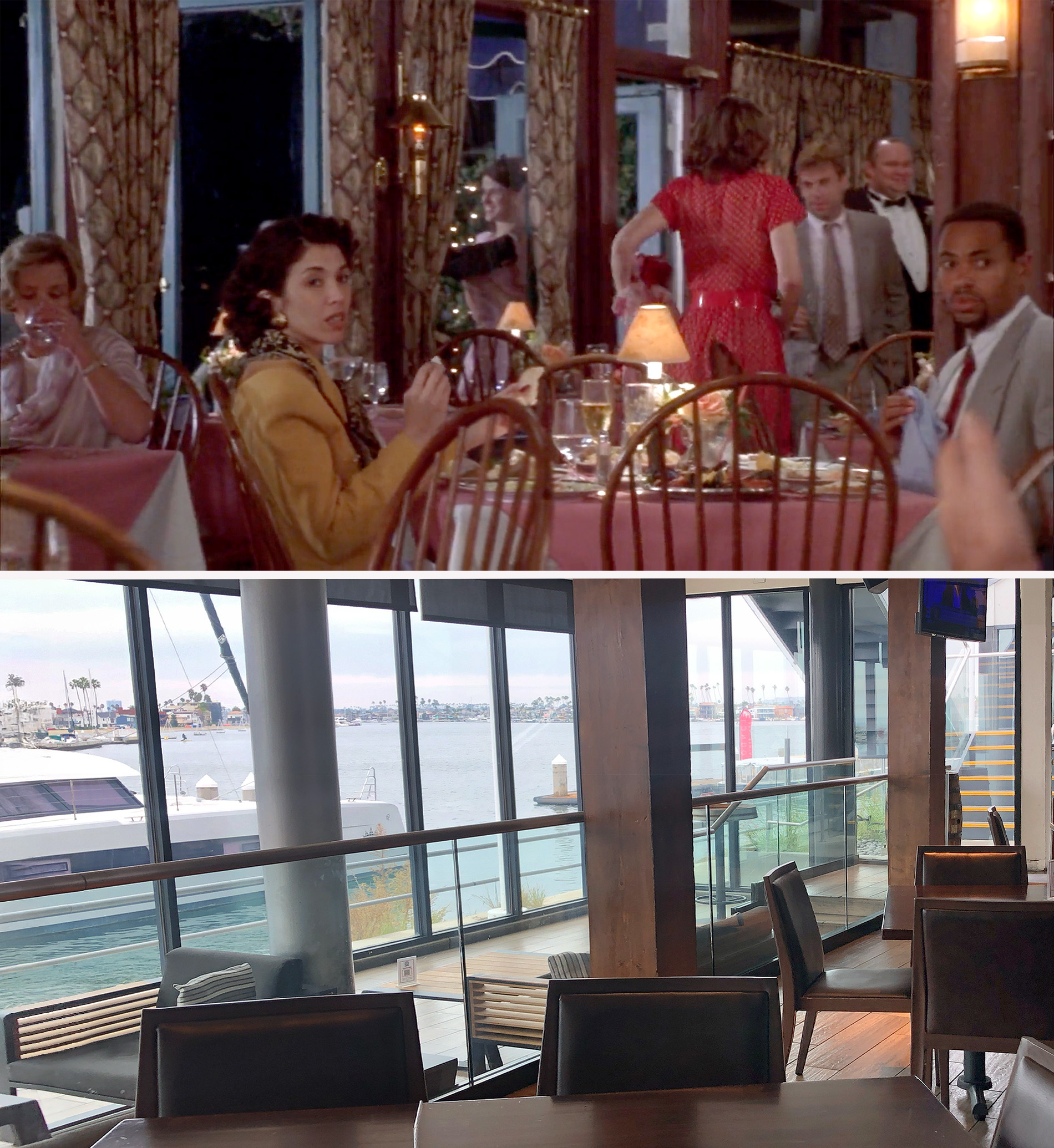
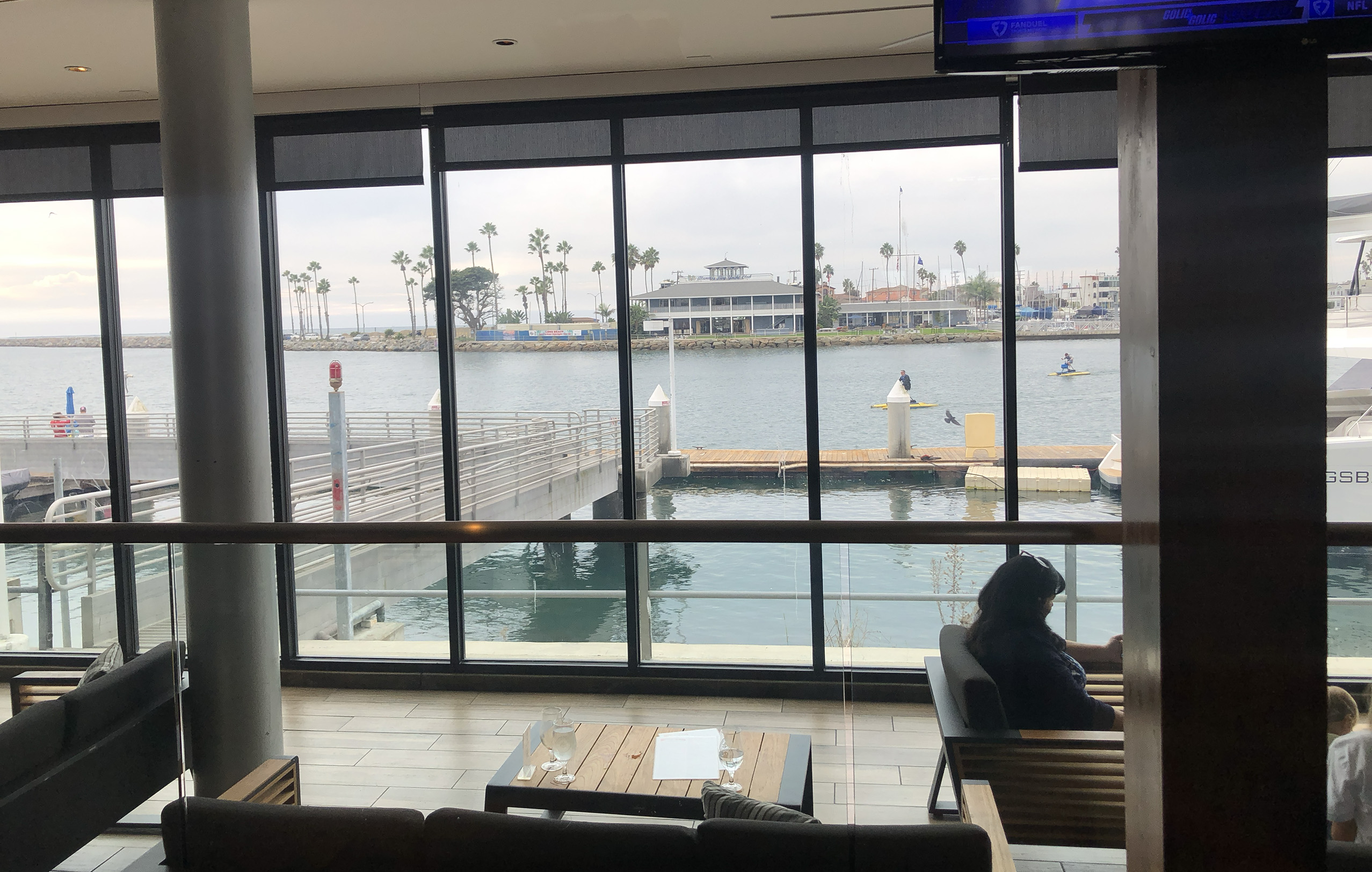
While it’s usually unsatisfying when a movie uses the West Coast to double for the East Coast, their use of California’s Long Beach to fill in for a Maryland waterfront community worked pretty well, and made practical sense. There was no point of going down to the Baltimore area just to film in a restaurant by the water, especially since California has a plethora of such places.
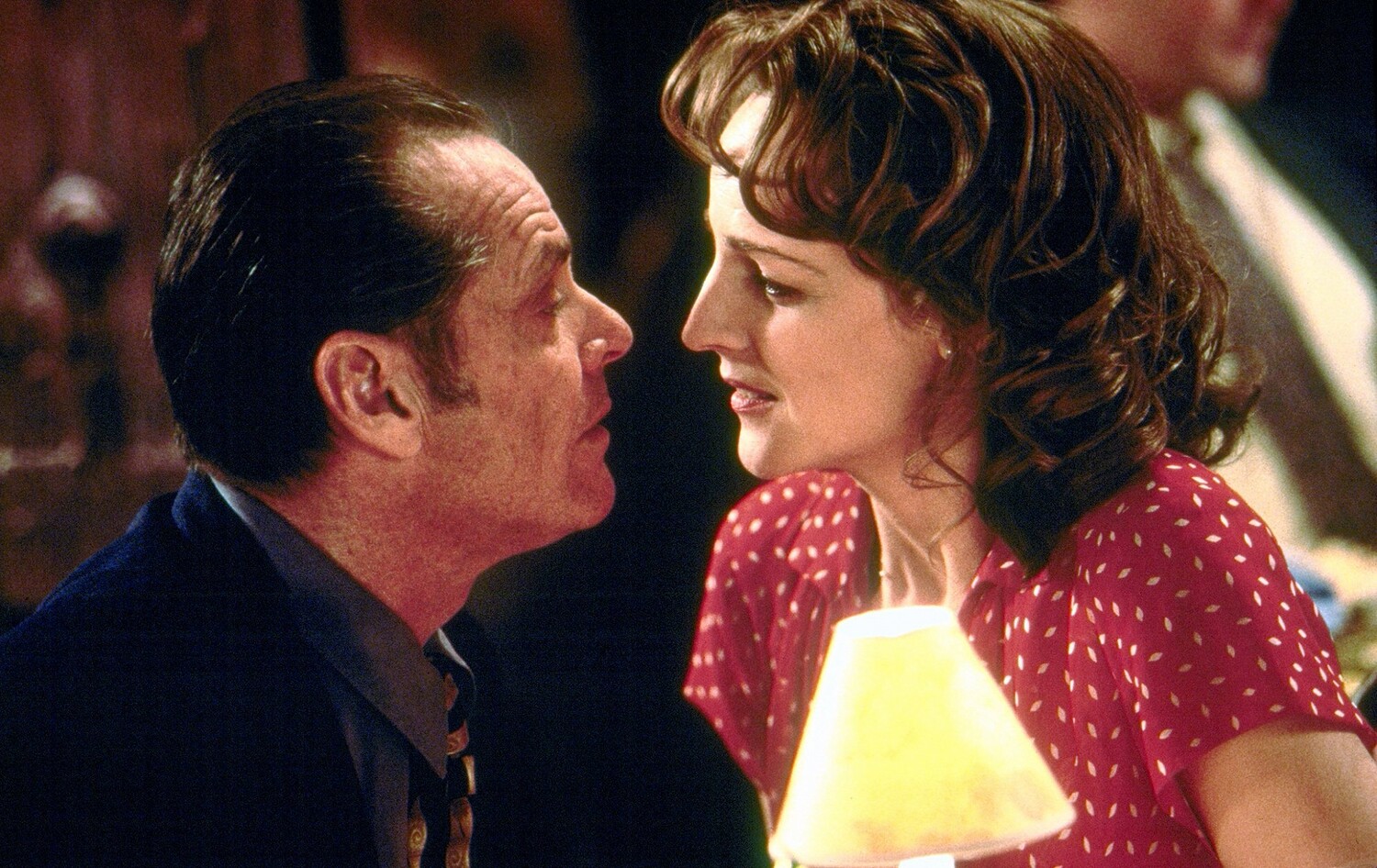
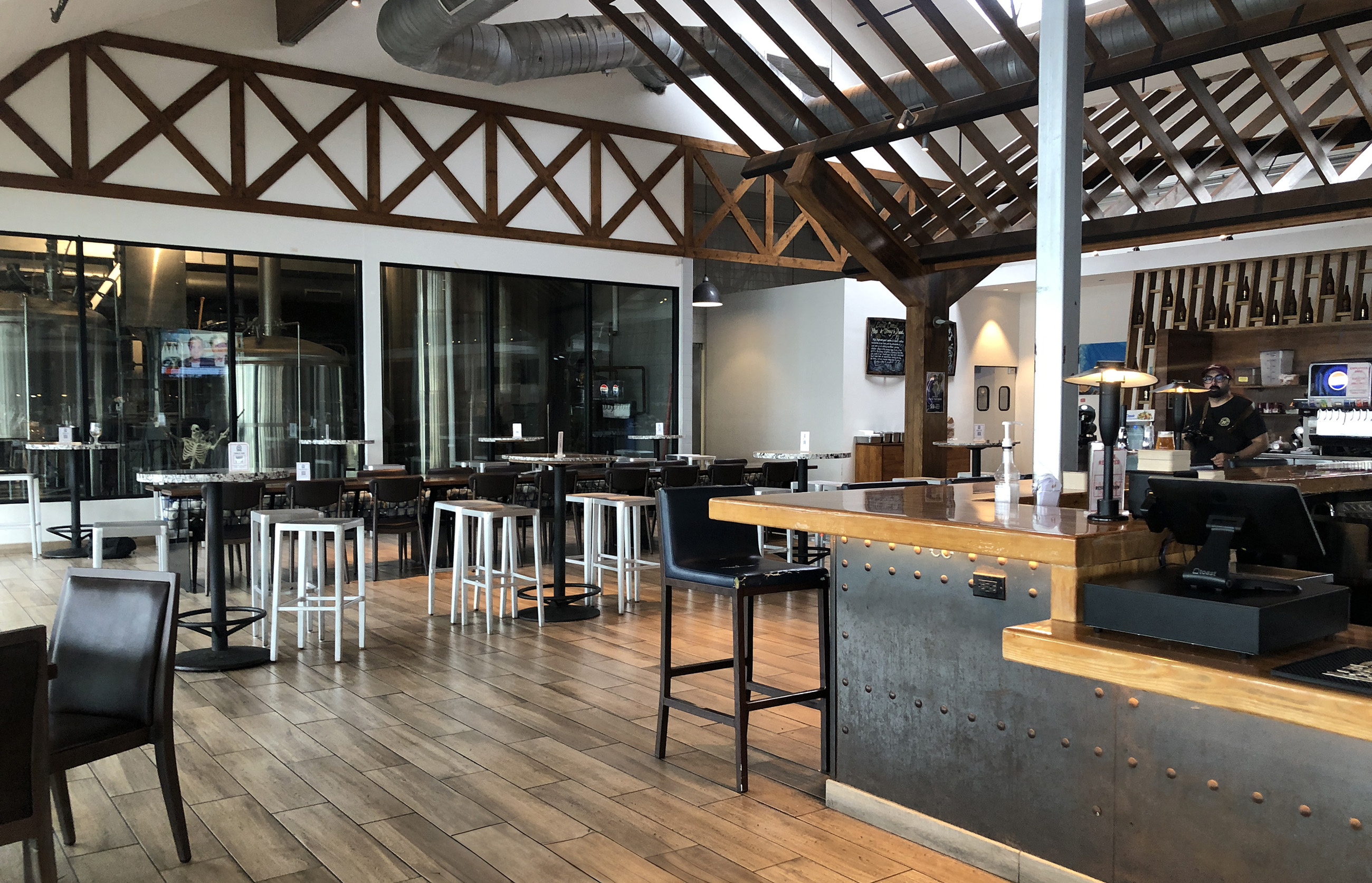
The restaurant they used has since changed owners and is now a contemporary pub called Ballast Point Brewing. Also, the inside has been extensively remodeled and barely resembles what appeared in this sequence.
Really the only thing I was able to match up was the exterior walkway on the Alamitos Bay, helping verify that I had found the right place.
As to the suit shop, on a hunch, I figured they filmed that scene not too far from the restaurant. Turns out, I was right. In fact, it was literally in the very same plaza, about 150 feet away. I don’t know if it was really a suit shop back in the 1990s, but the retail space is now home to the Alamitos Bay Yarn Company.
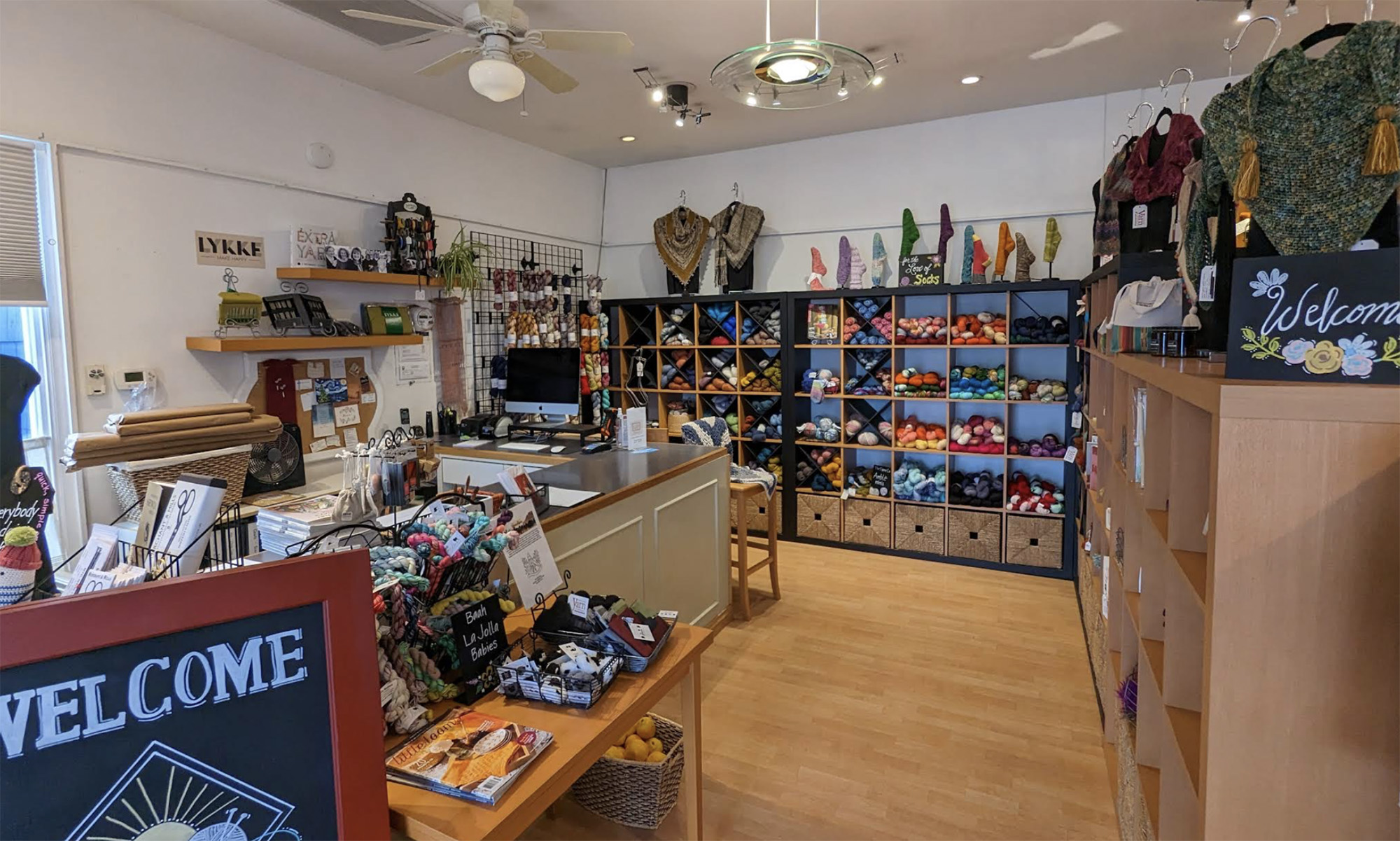
In operation for the last 25 years. the shop not only sells yarn and other sewing-related materials, but offers a variety of classes for knitting, crochet and weaving.
Gas Station
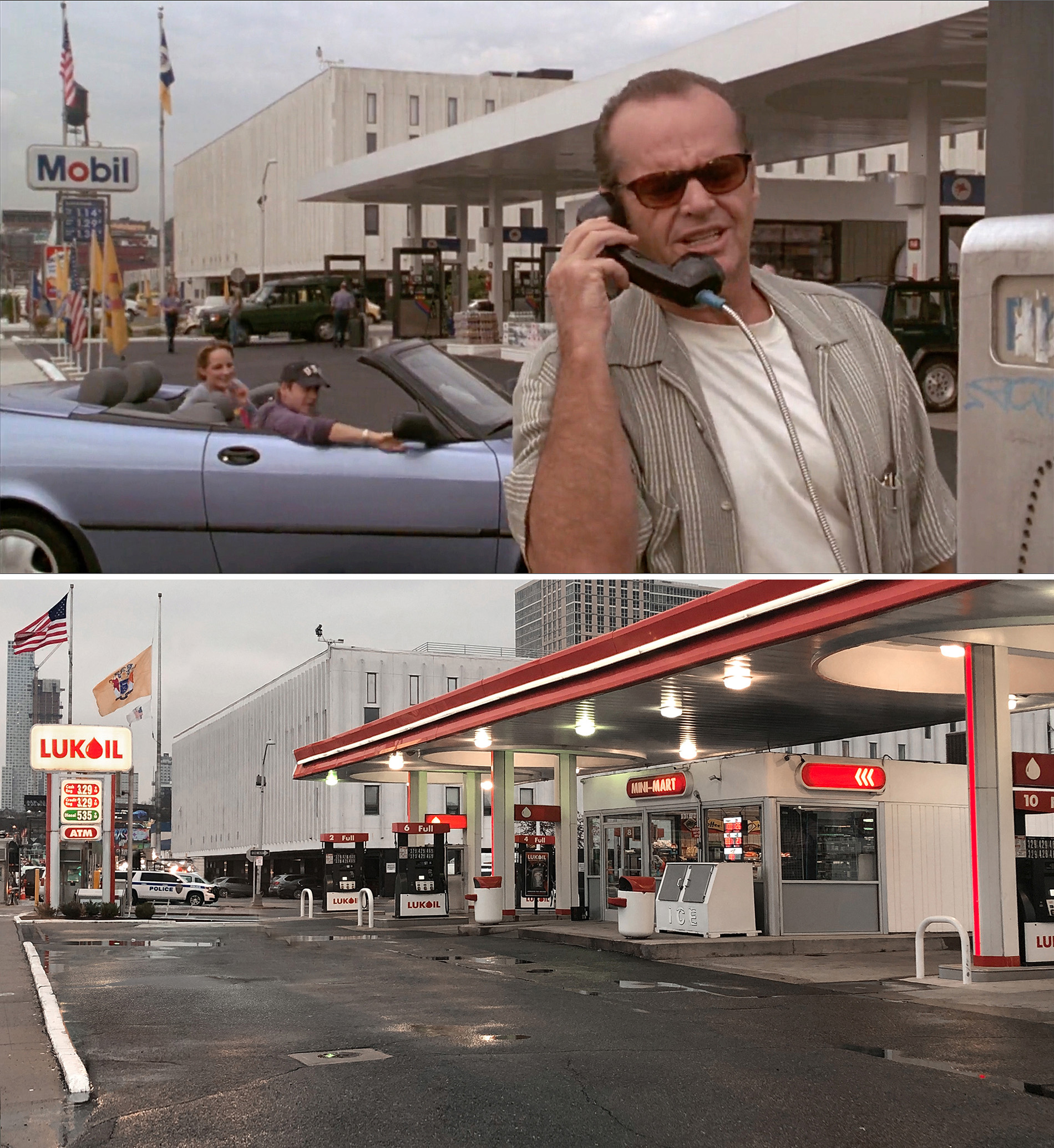
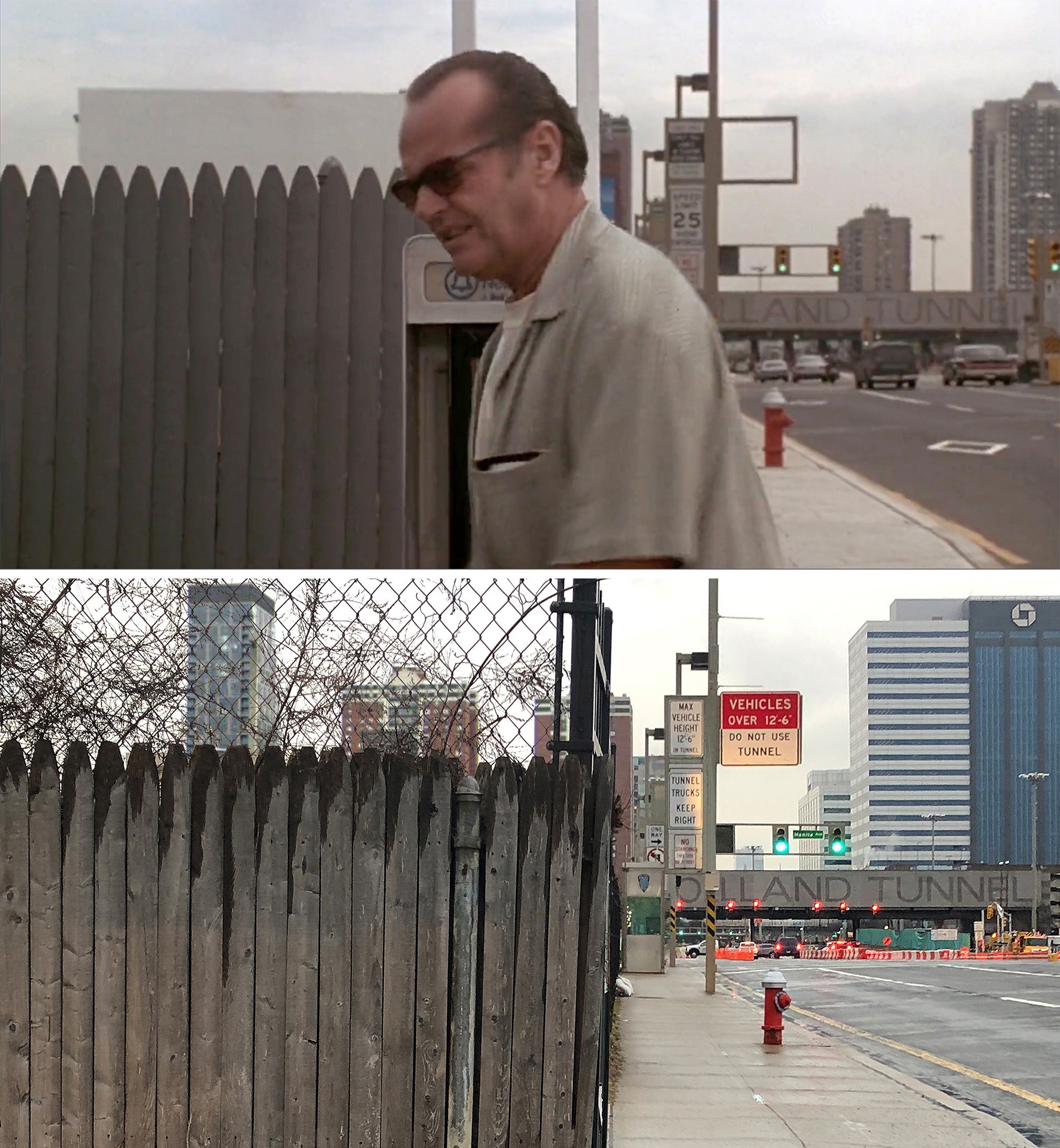
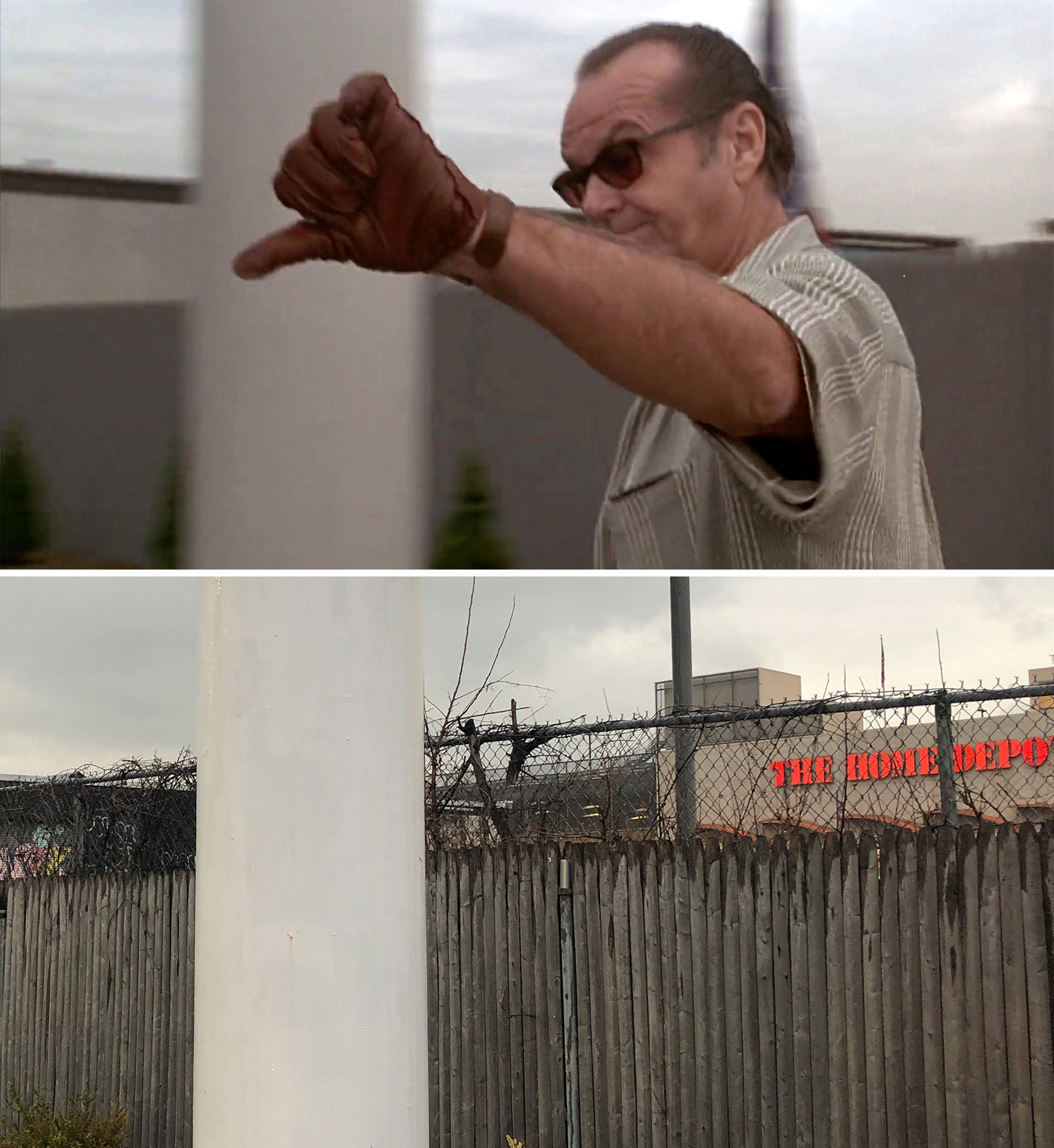
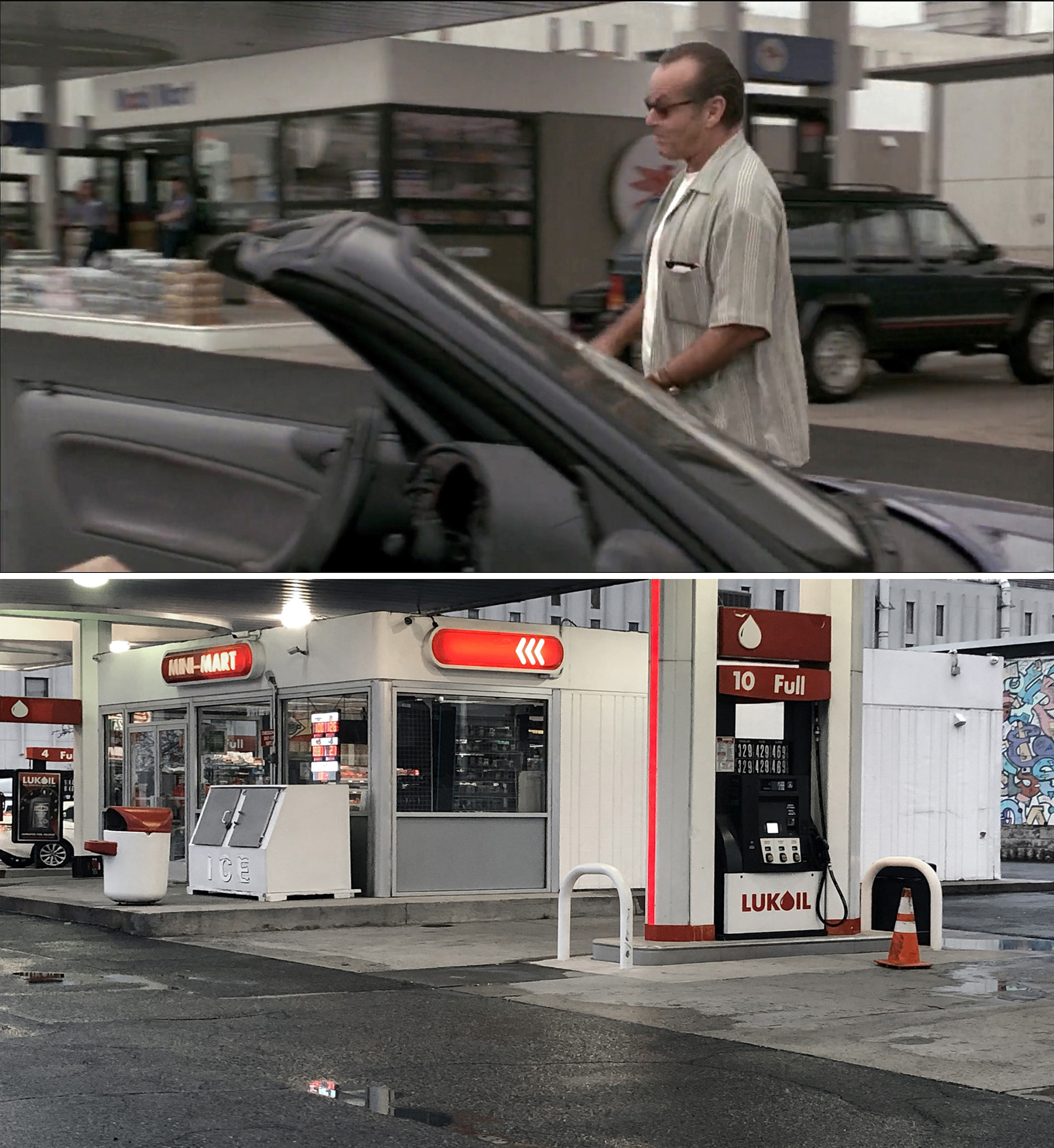
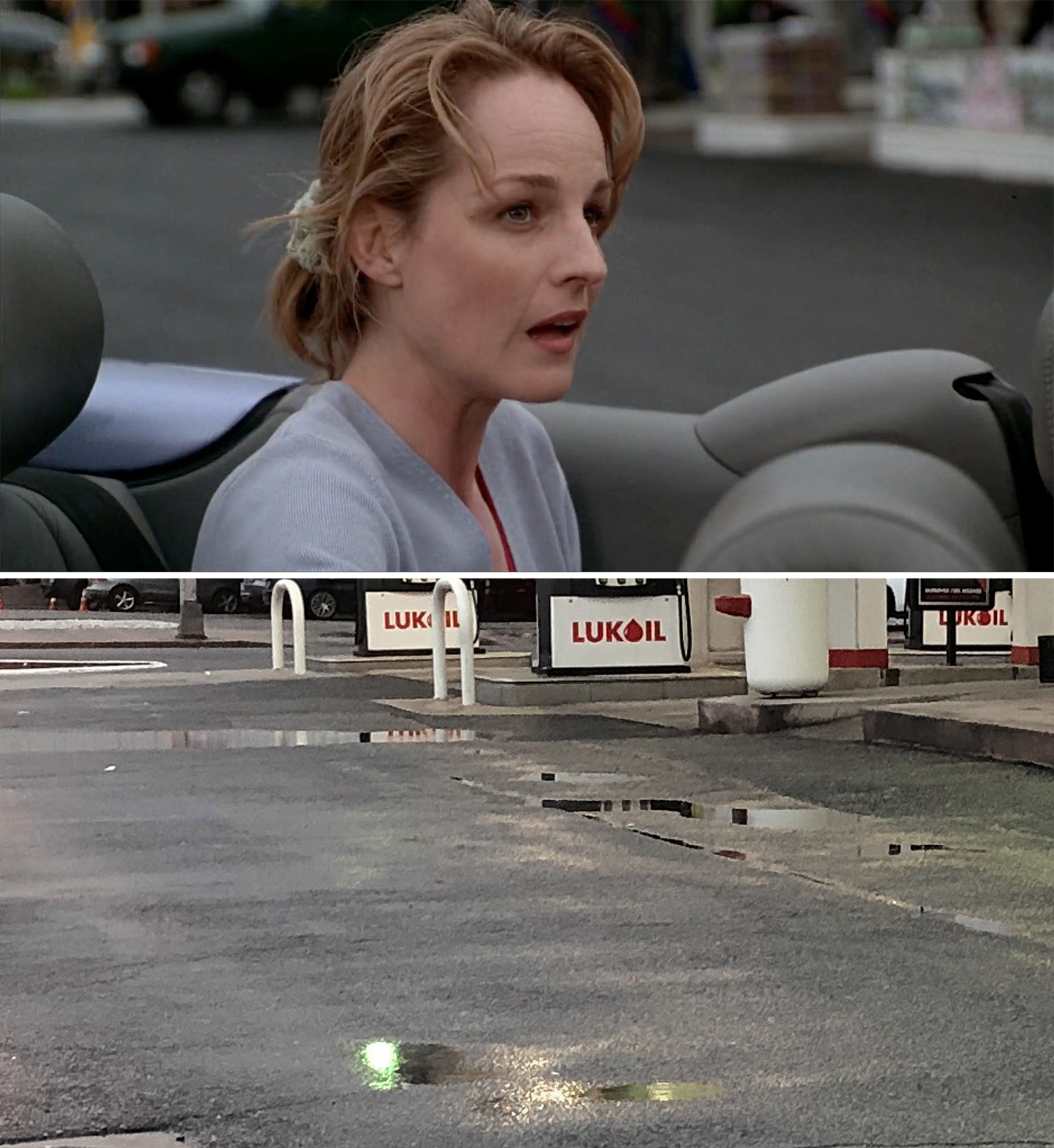
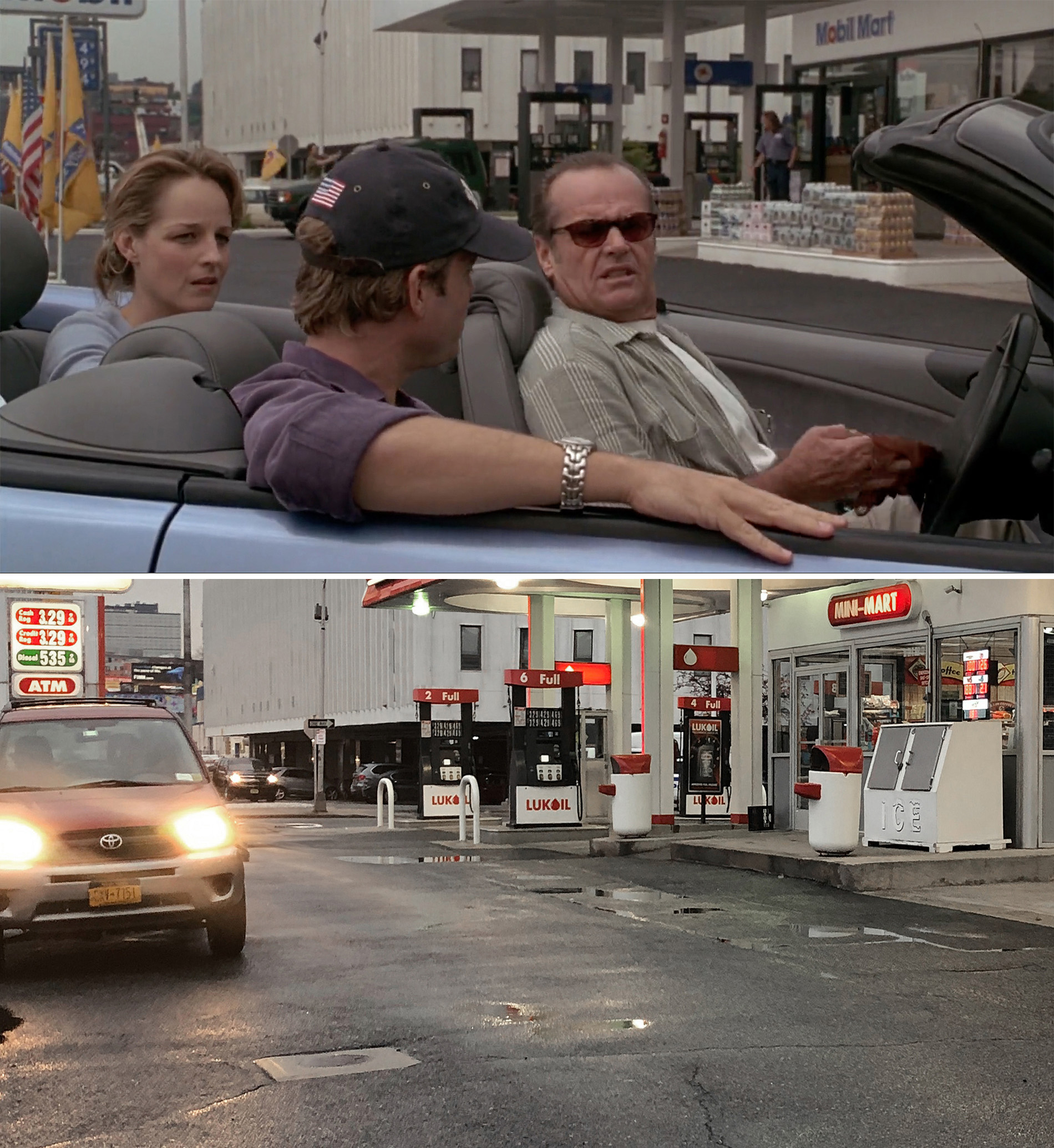
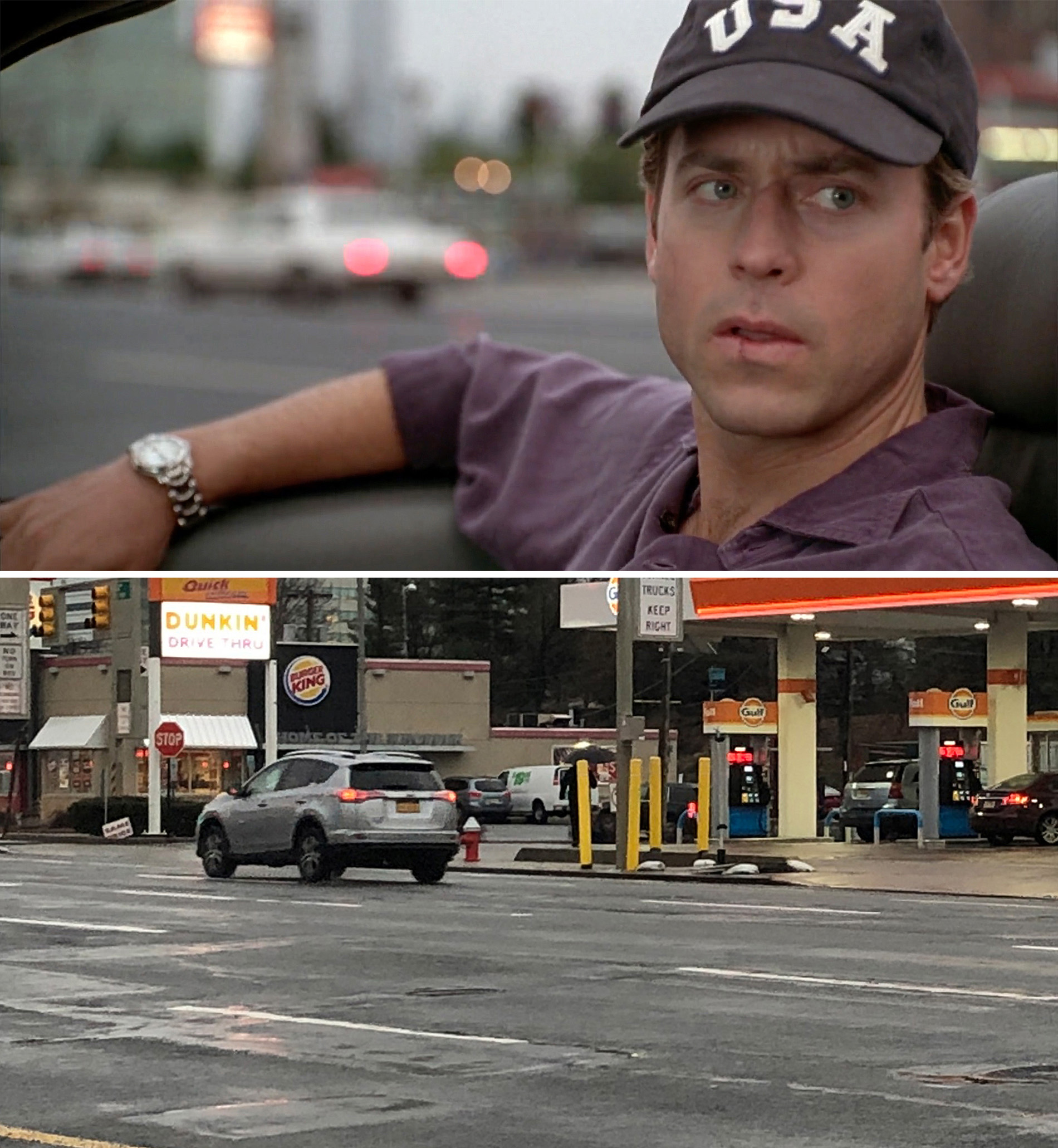
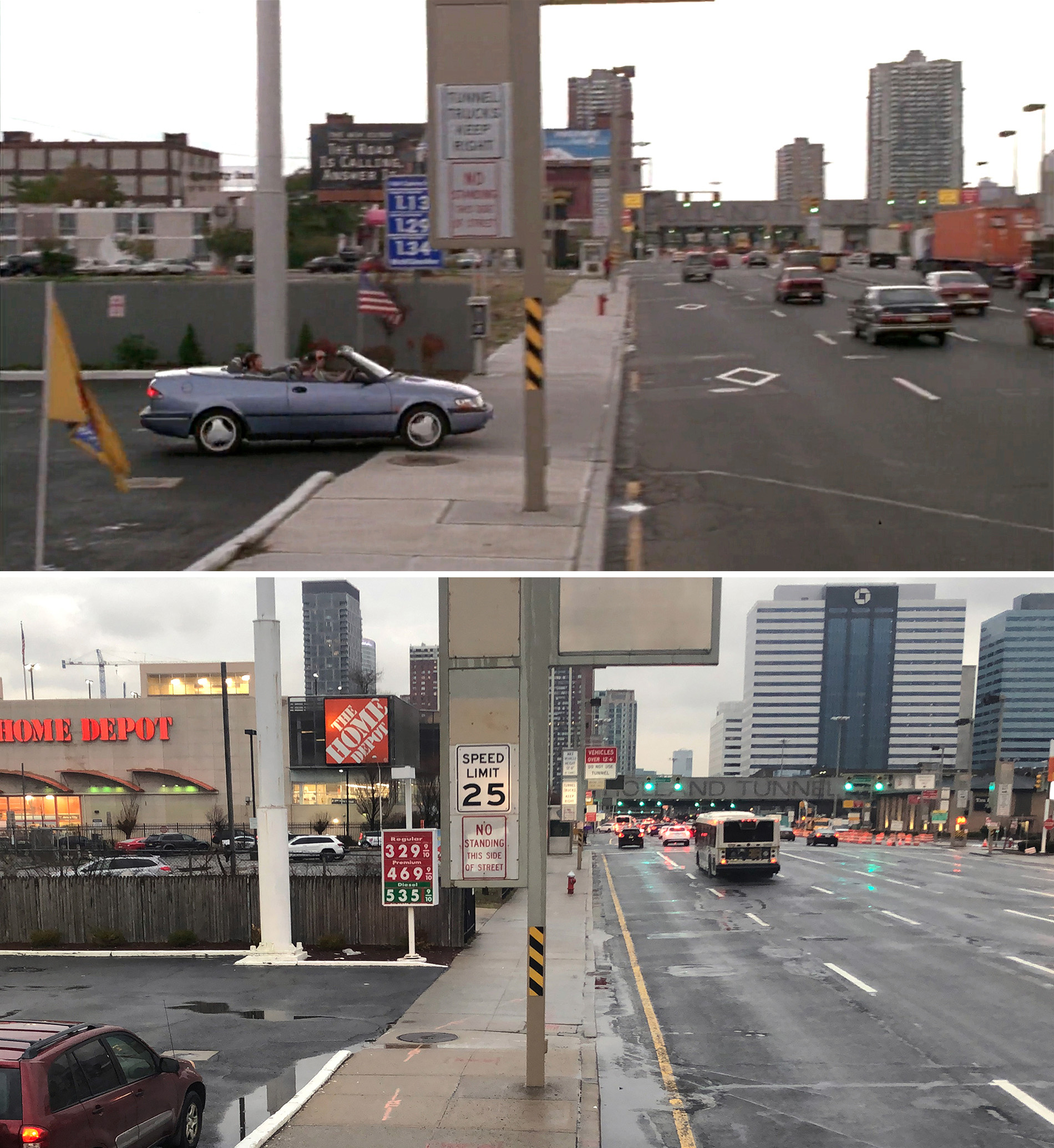
It was basically the last shot from this scene that helped me identify its location. As they drive off, the camera is raised, revealing the Holland Tunnel in the distance. And having taken the Holland Tunnel countless times, I knew that they were most certainly on 12th Street — the main thoroughfare that feeds directly into the tunnel’s Jersey-side entrance.
Aside from being the main artery from Jersey City to Manhattan, 12th Street is known for being lined with a variety of fast-food restaurants and cheap gas stations.
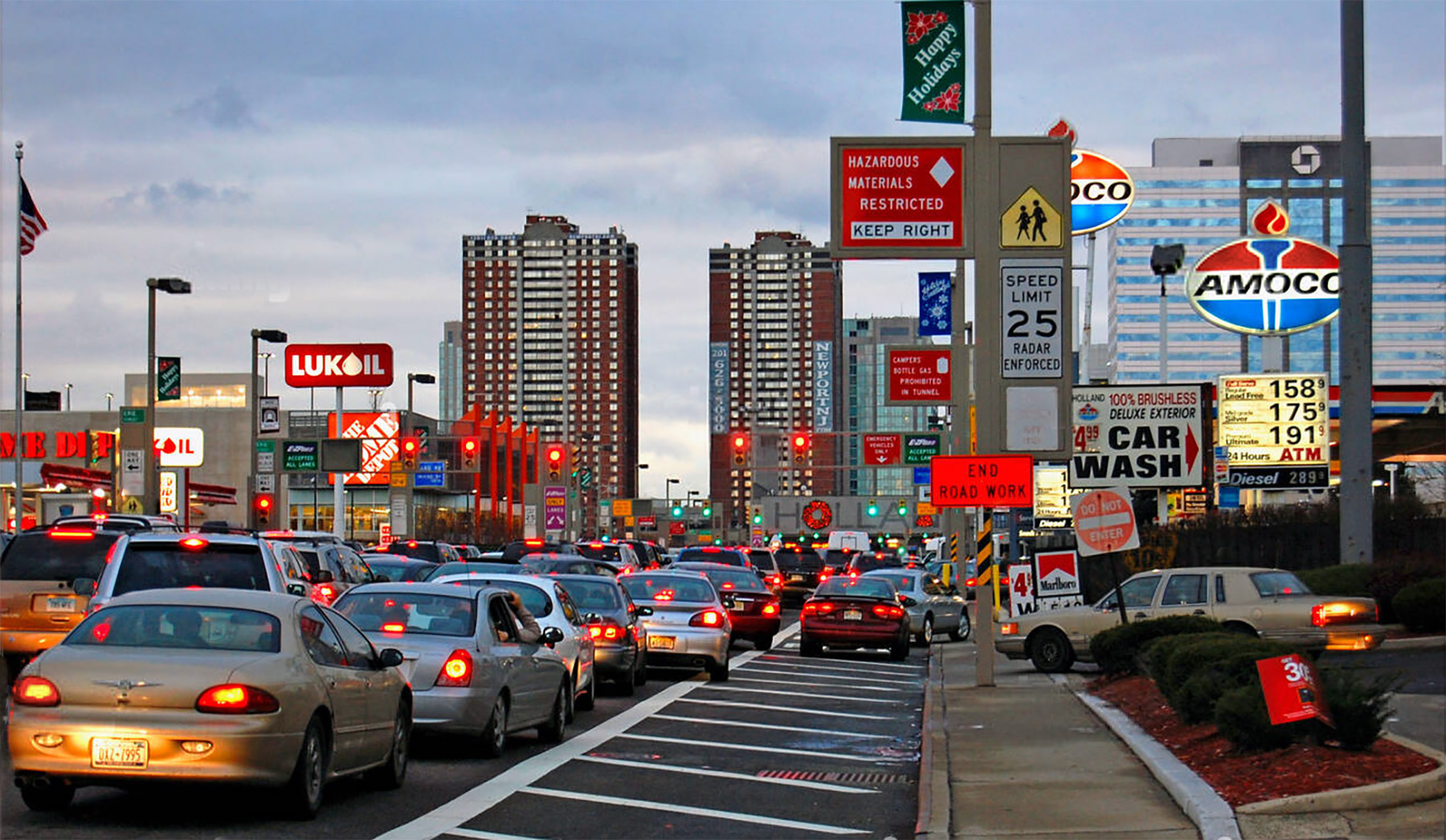
And back in the day, the street was also known for being constantly jammed up with traffic heading towards the toll booths. But fortunately, with the advent of automatic electronic toll collection systems, this lead-up to the tunnel is much smoother and far less congested.
Late Night Stroll
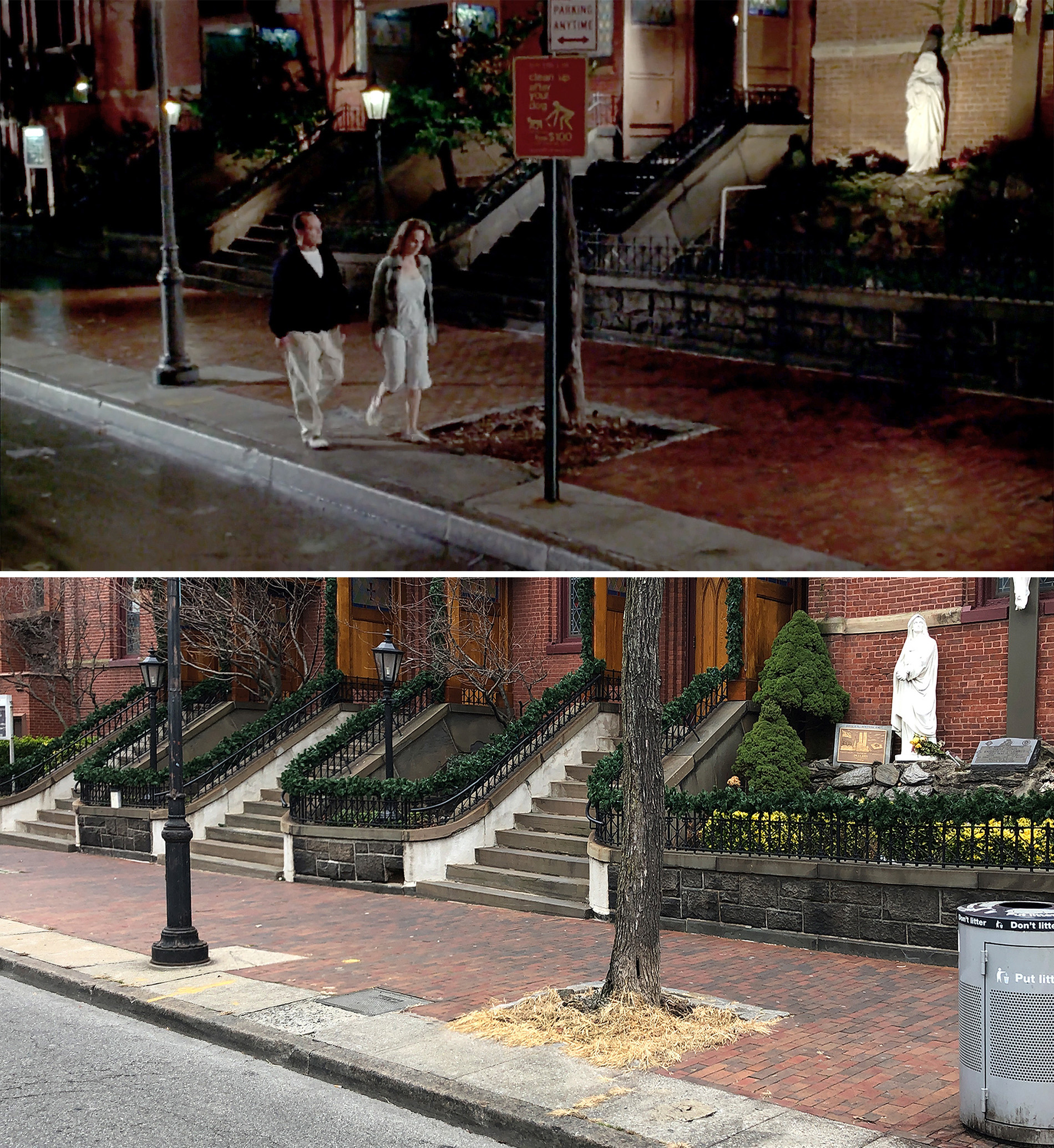
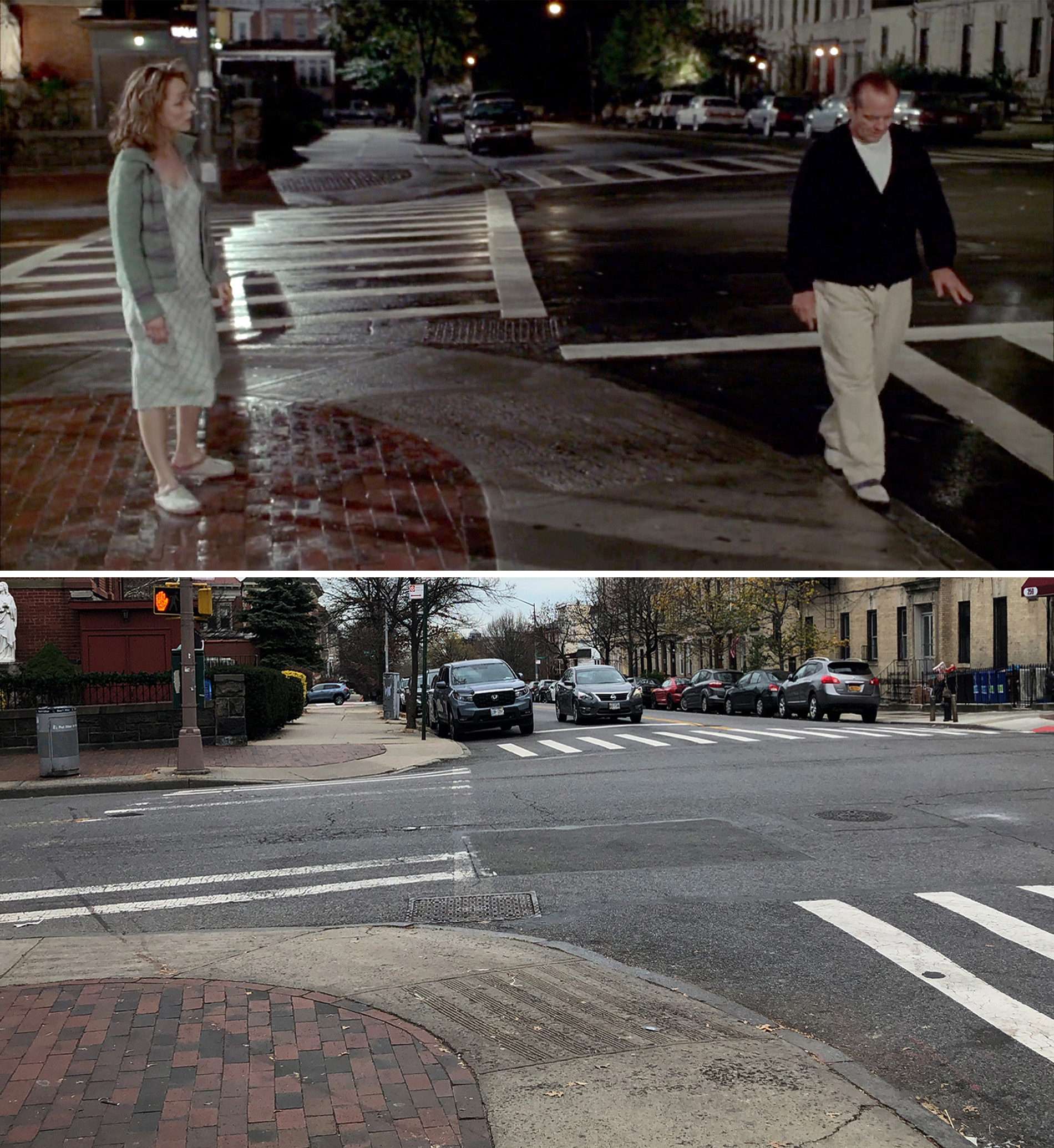
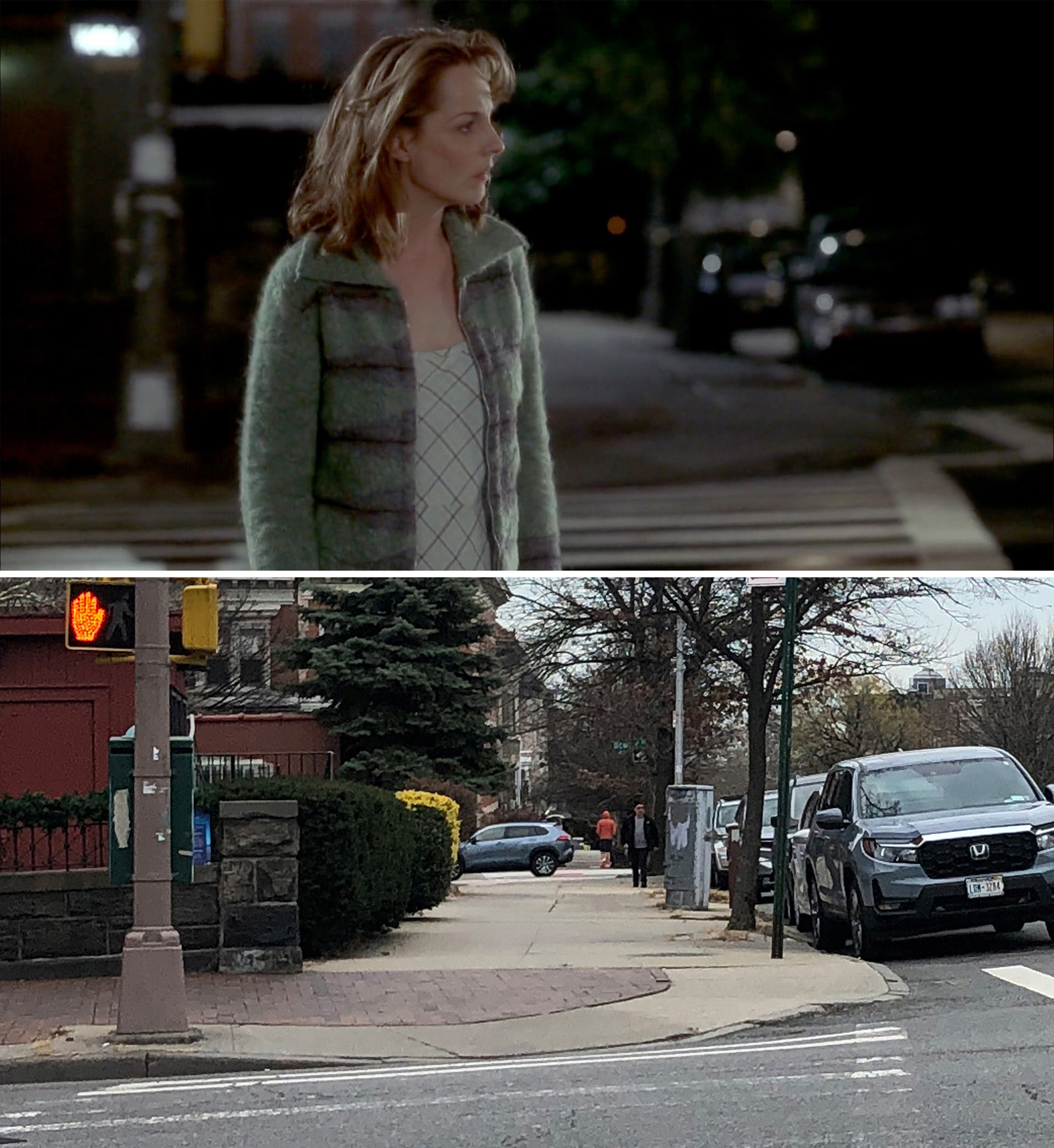
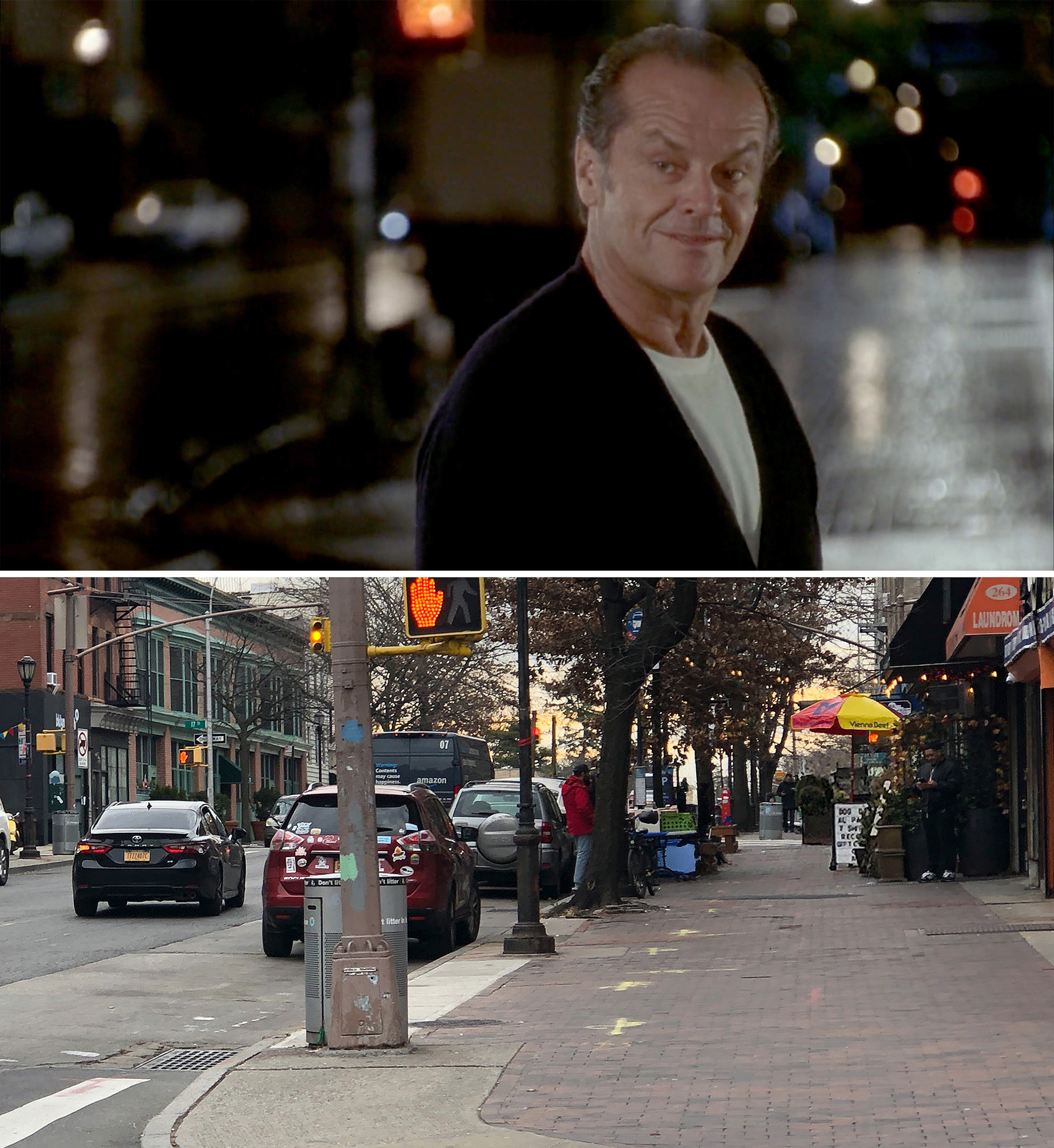
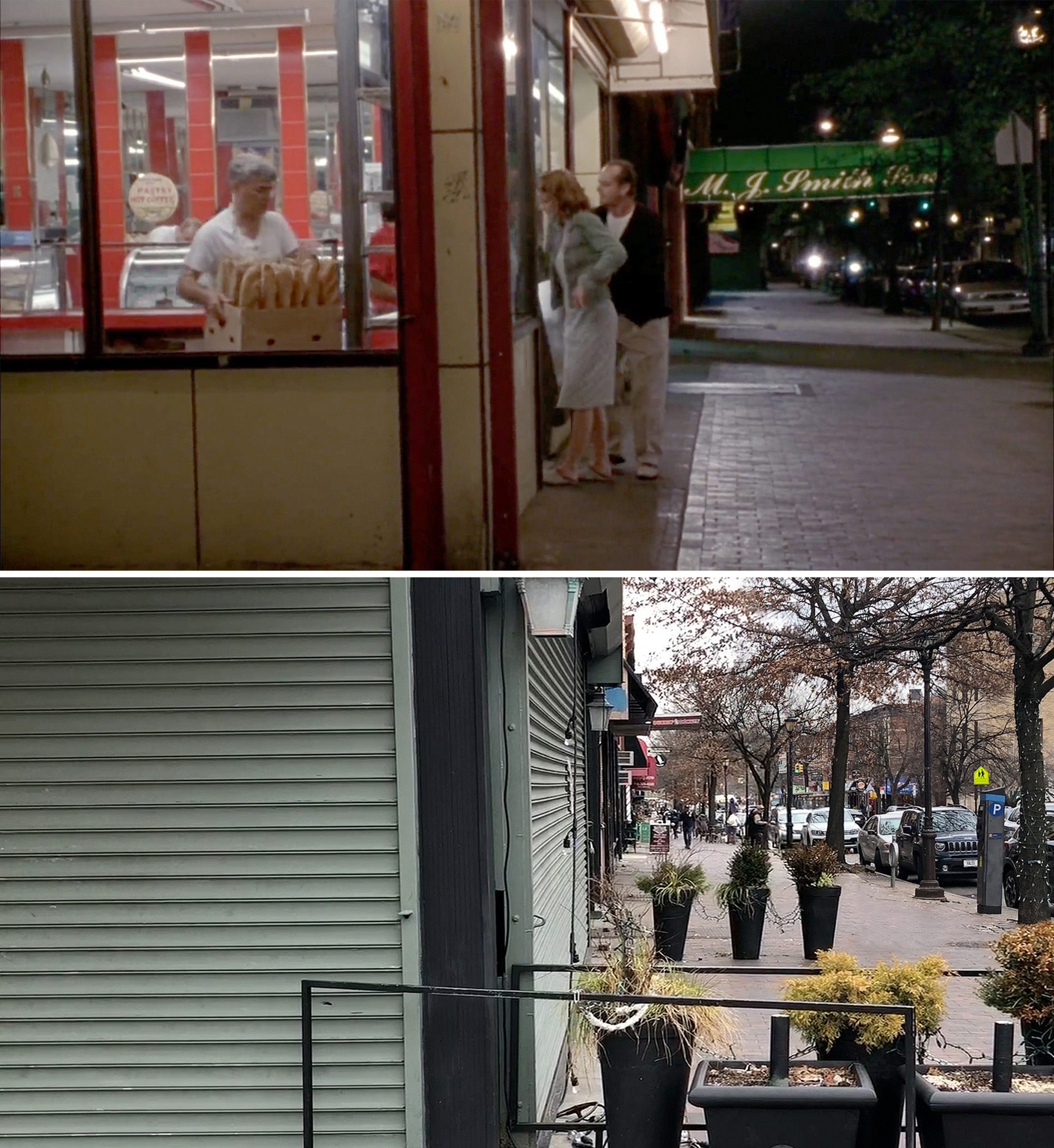
This last scene reused the same location featured in an earlier scene, but it was the corner bakery that originally inspired the filmmakers to use this neighborhood as Carol’s home base. Sadly, the bakery is no longer there, and when I photographed the corner last year, the retail space was vacant. It’s since become a bar with the awkward-sounding name, Hilltop Tavern Brooklyn.
Who knows how long this new establishment will last, but like the relationship between Melvin and Carol, who knows how long anything will last?
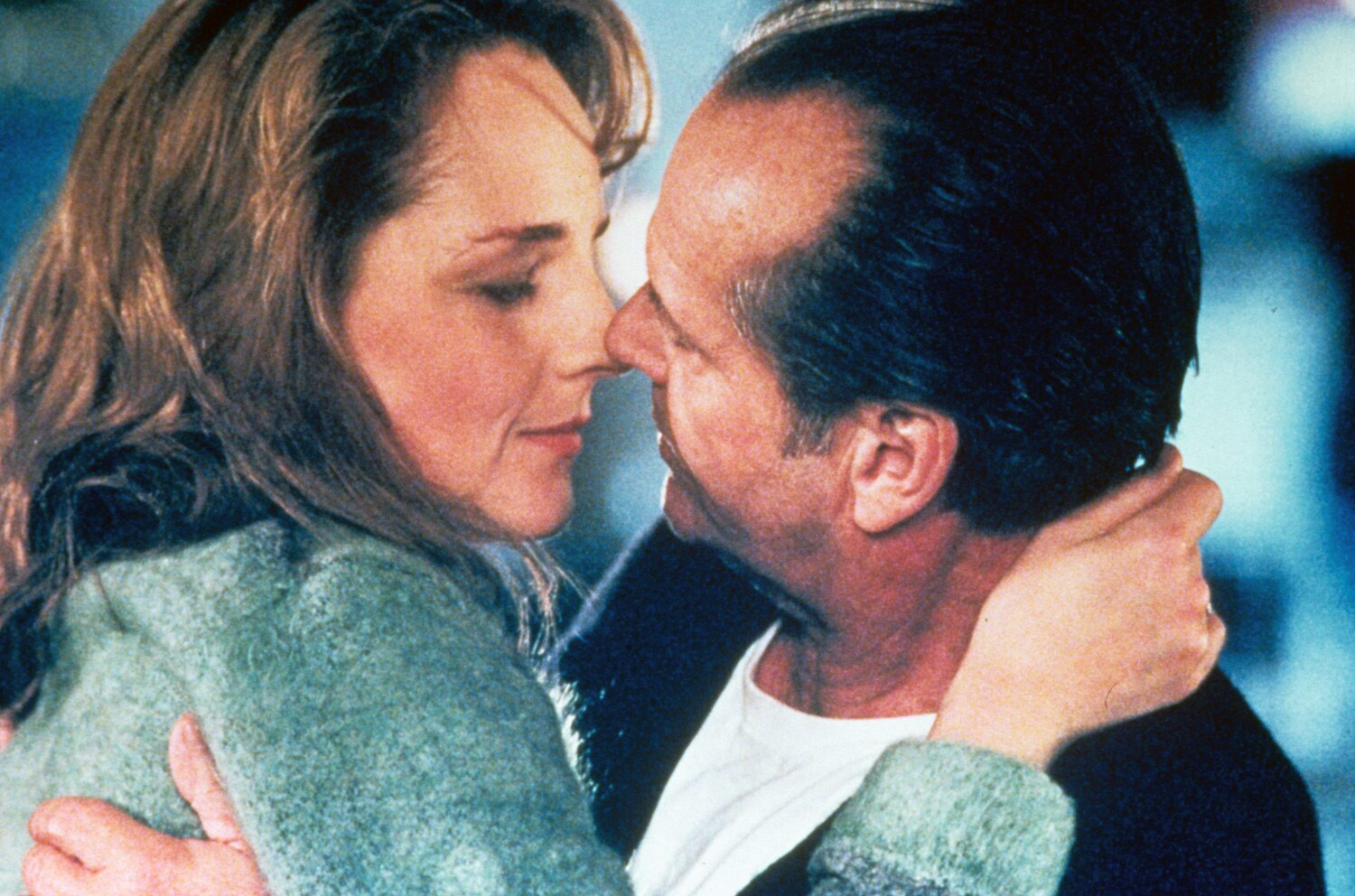
Thankfully, this charming film has lasted in the minds of moviegoers. While certainly not something a Marvel-obsessed teen will watch, most fans of noteworthy cinema have sought out and appreciated As Good As It Gets.
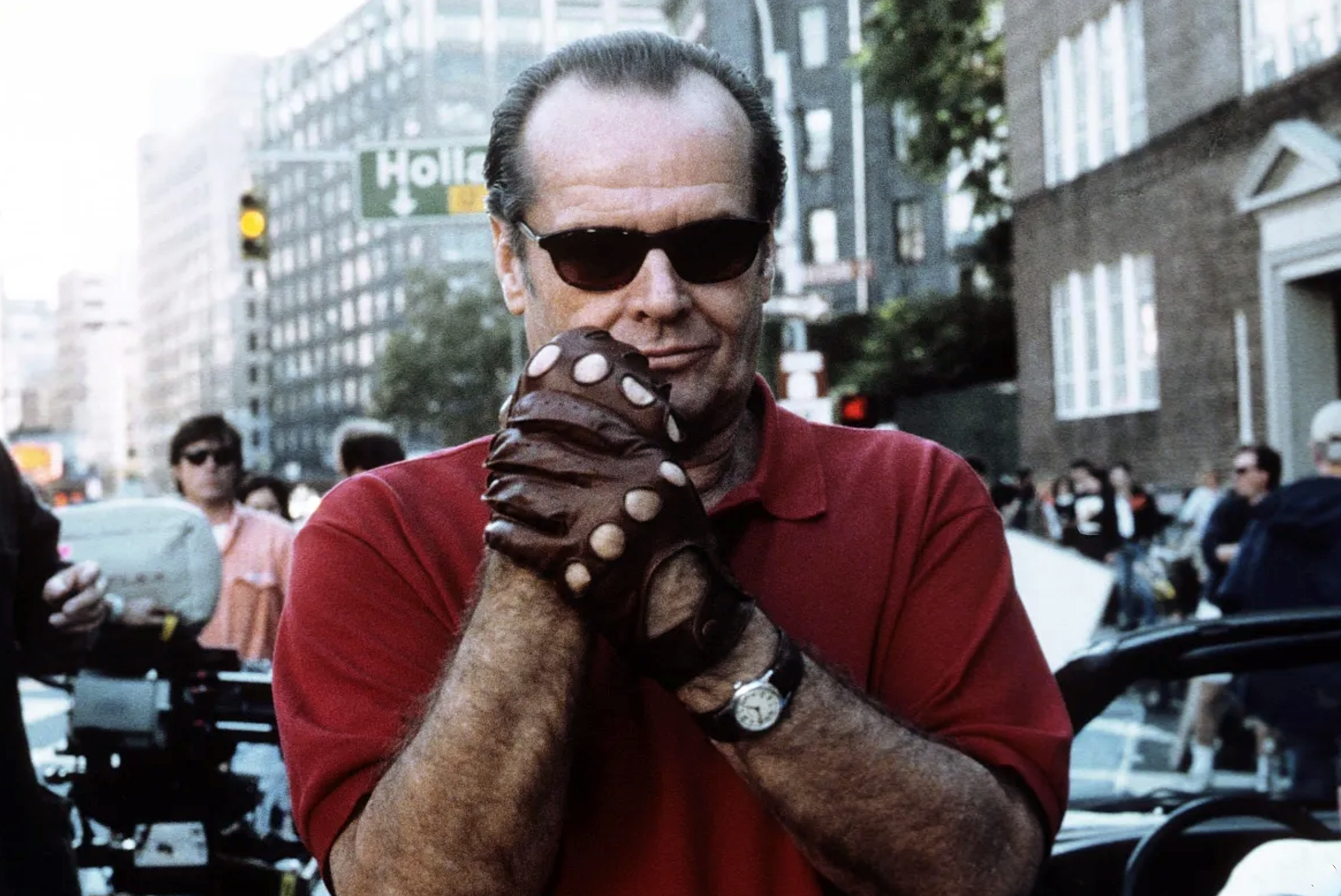
It’s hard not to enjoy, or dare I say relish, Nicholson’s obnoxious behavior, which is a great acting achievement.
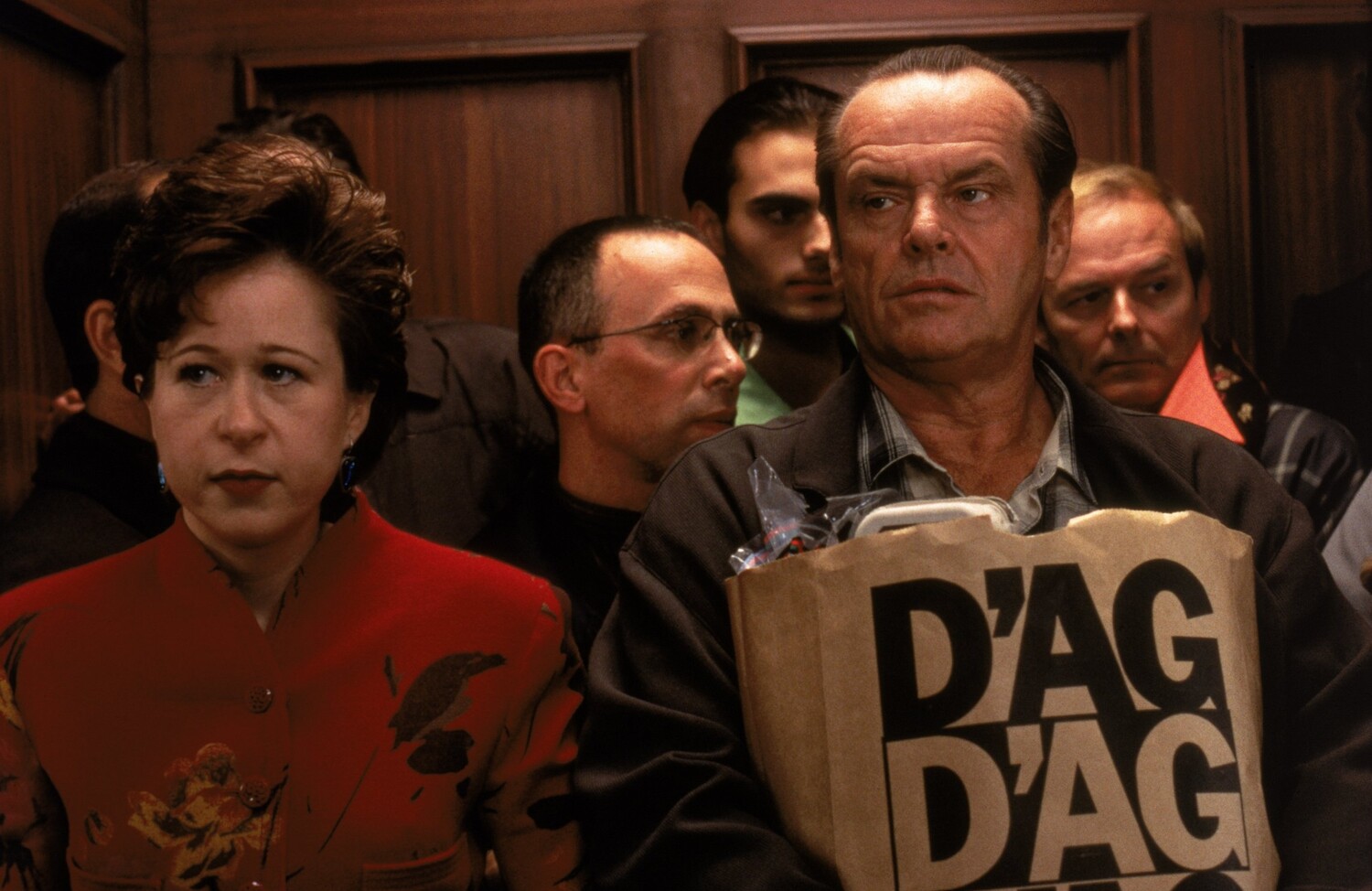
He embodies a character that would be considered completely despicable if played by almost any other actor, bringing home the point that casting is key to any great film.
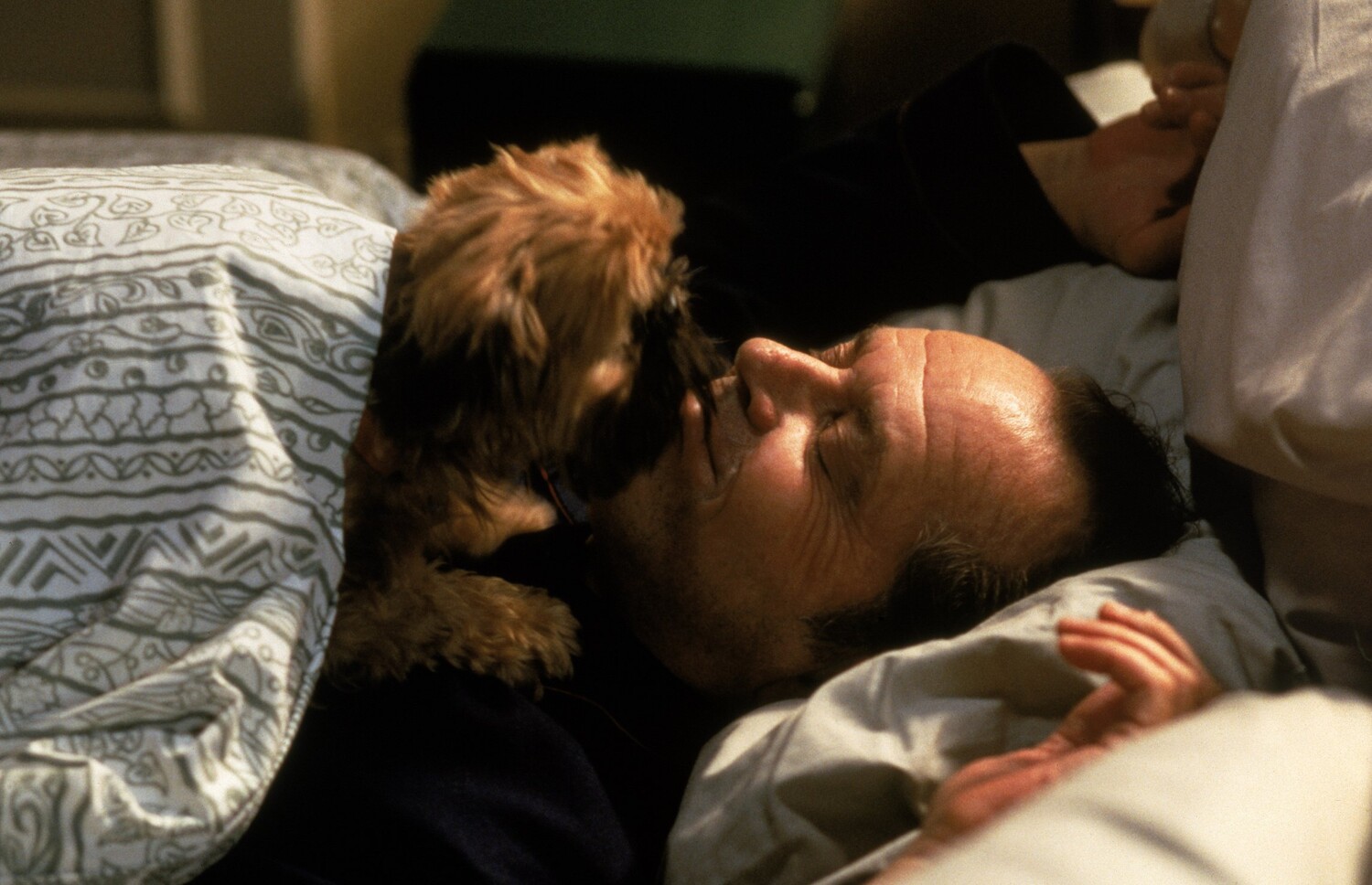
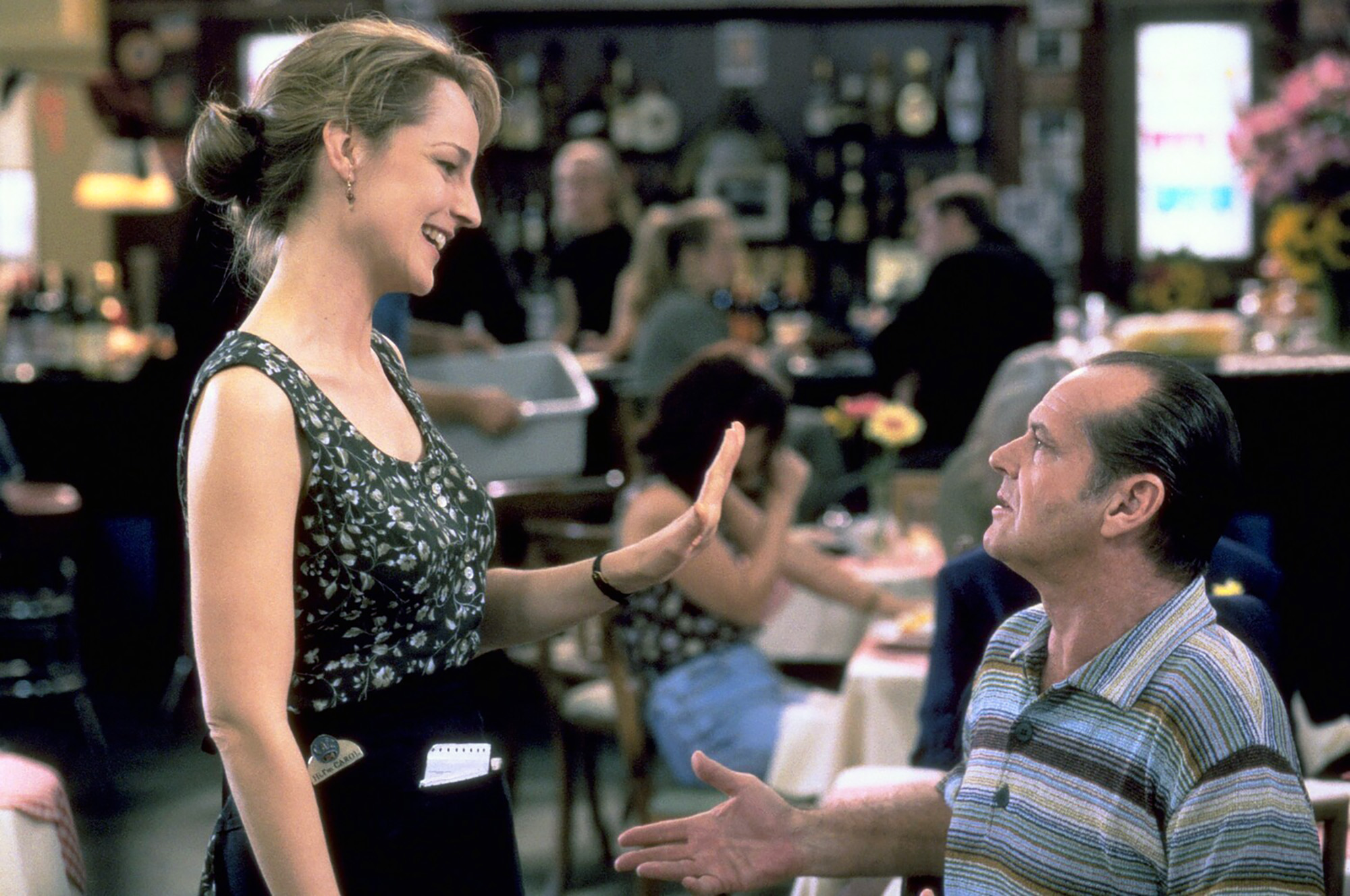
Which brings us to Helen Hunt, who at the time, was best known for her down-to-earth character on TV’s Mad About You, and starring in the runaway summer blockbuster, Twister. With her congenial charm and box office appeal, Hunt was the obvious choice for Melvin’s love-interest. “(She) came in to read, and that was it,” director James L Brooks recalled. “She is such a total actress that there are moments when I don’t think there’s anyone else who could have done it.”
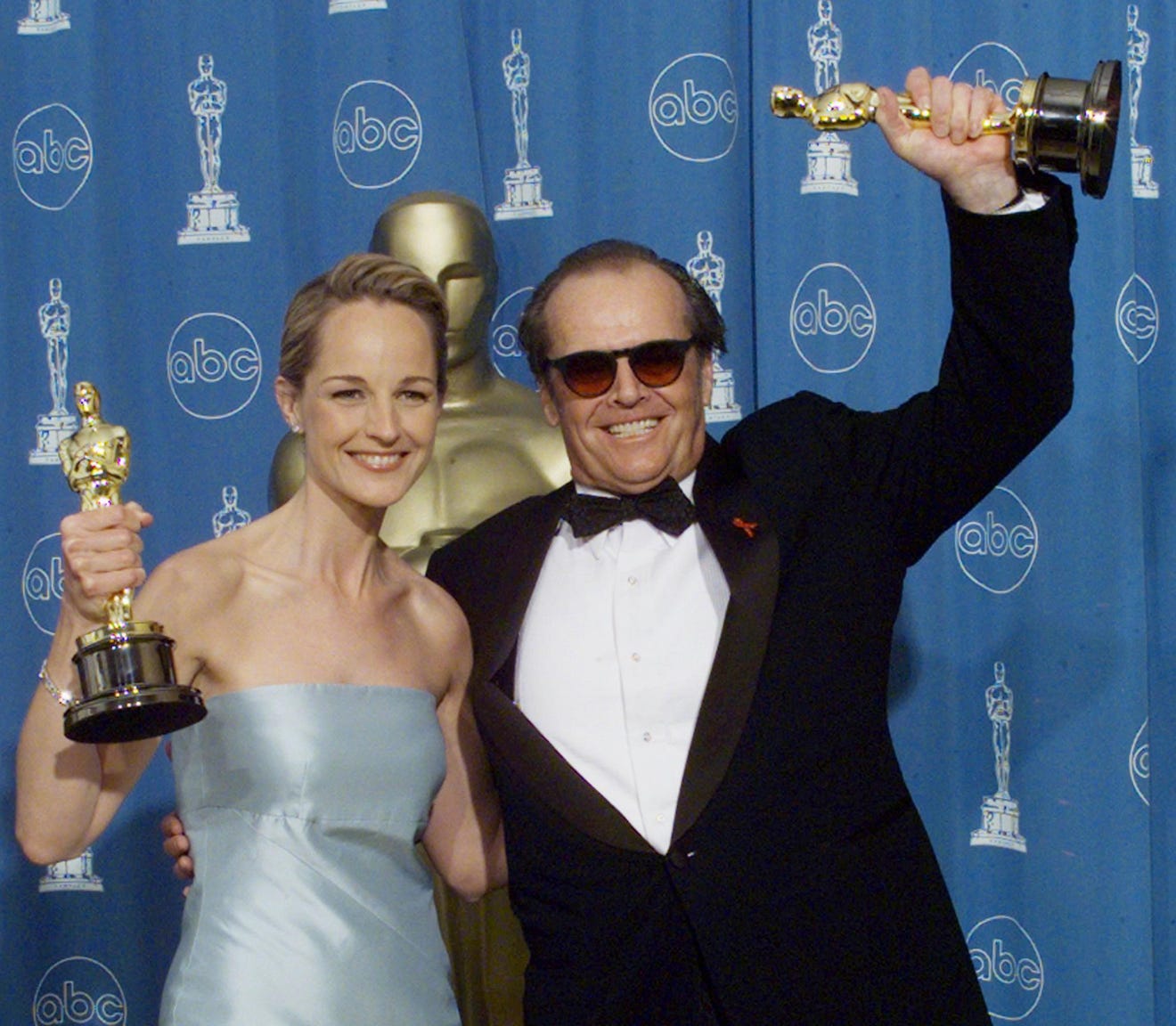
And the Academy recognized both of these actors’ achievements, awarding them the Oscar for Best Performance in a Leading Role.
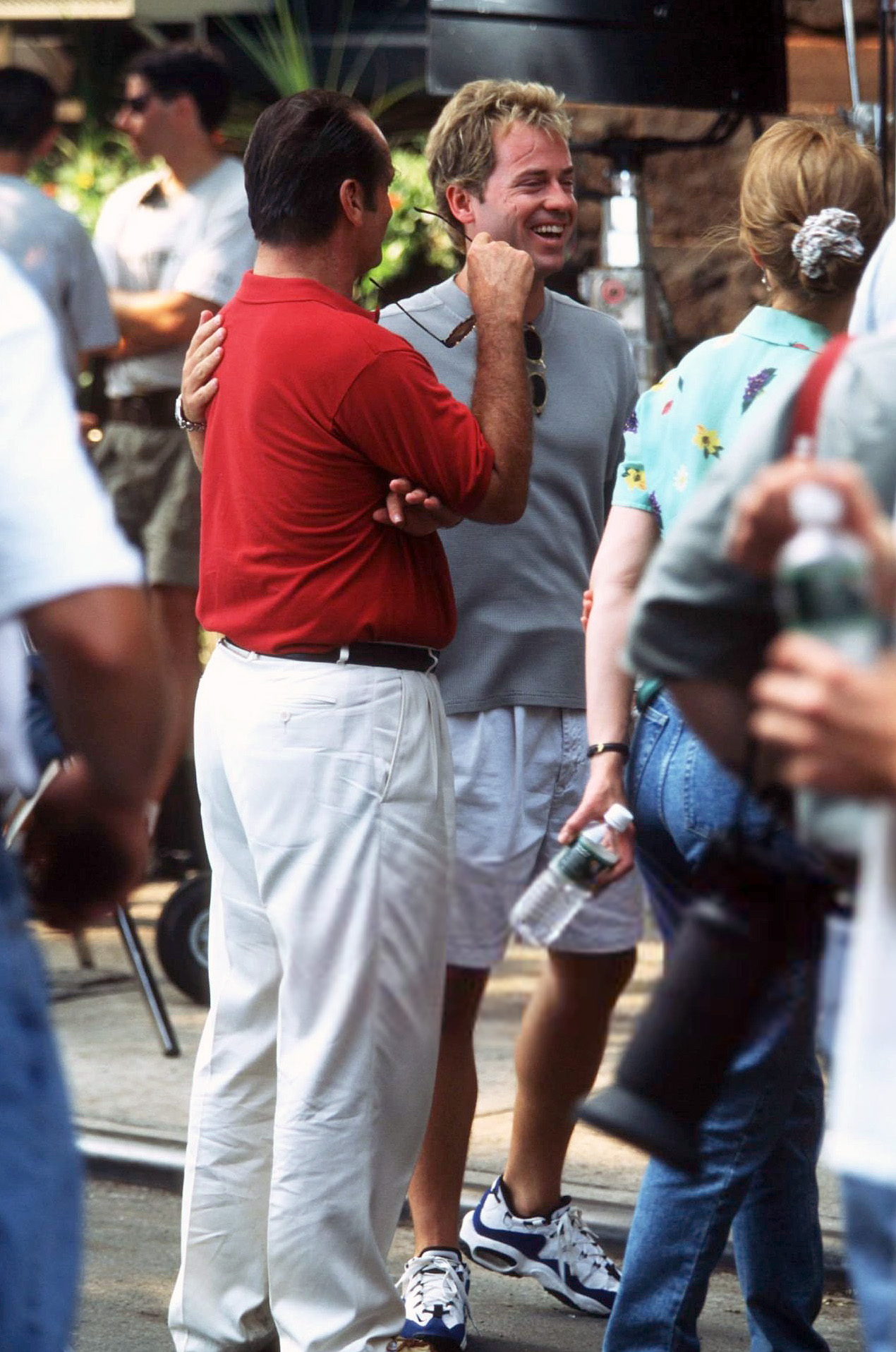
When it comes to Greg Kinnear playing Simon Nye, I thought he was fine, but also thought there were many other actors who could’ve done a more solid job, including Tony Shalhoub, who reportedly lobbied for the role. I just had trouble completely buying into the idea that Kinnear was a vulnerable, gay artist. But frankly, these days, audiences would be unlikely to accept a gay character being played by anyone other than gay actor.
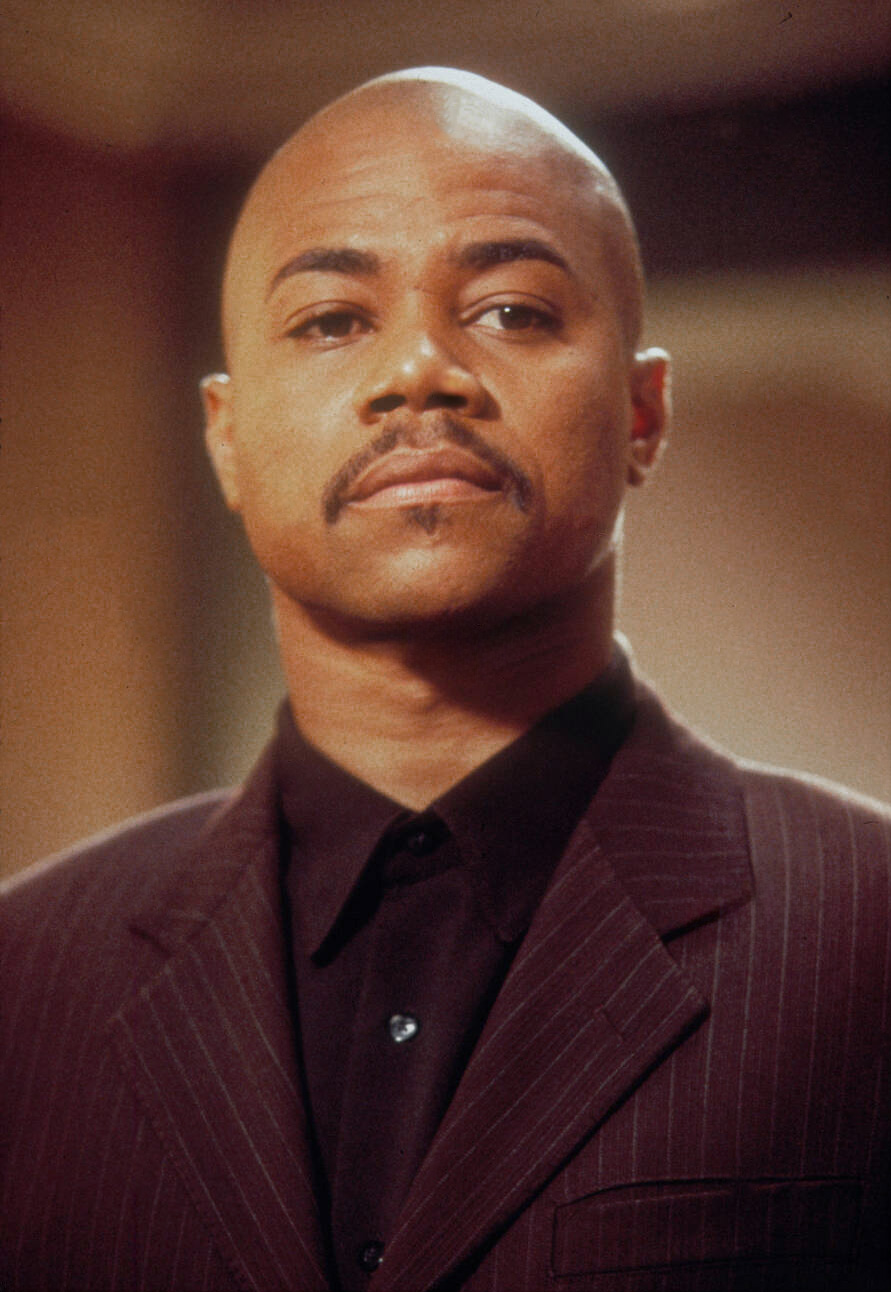
Rounding out the cast are Cuba Gooding, Jr. in a fairly thankless role as Simon’s art dealer, Skeet Ulrich as the drug-addled street hustler and veteran actress Shirley Knight as Carol’s supportive mother, Beverly.
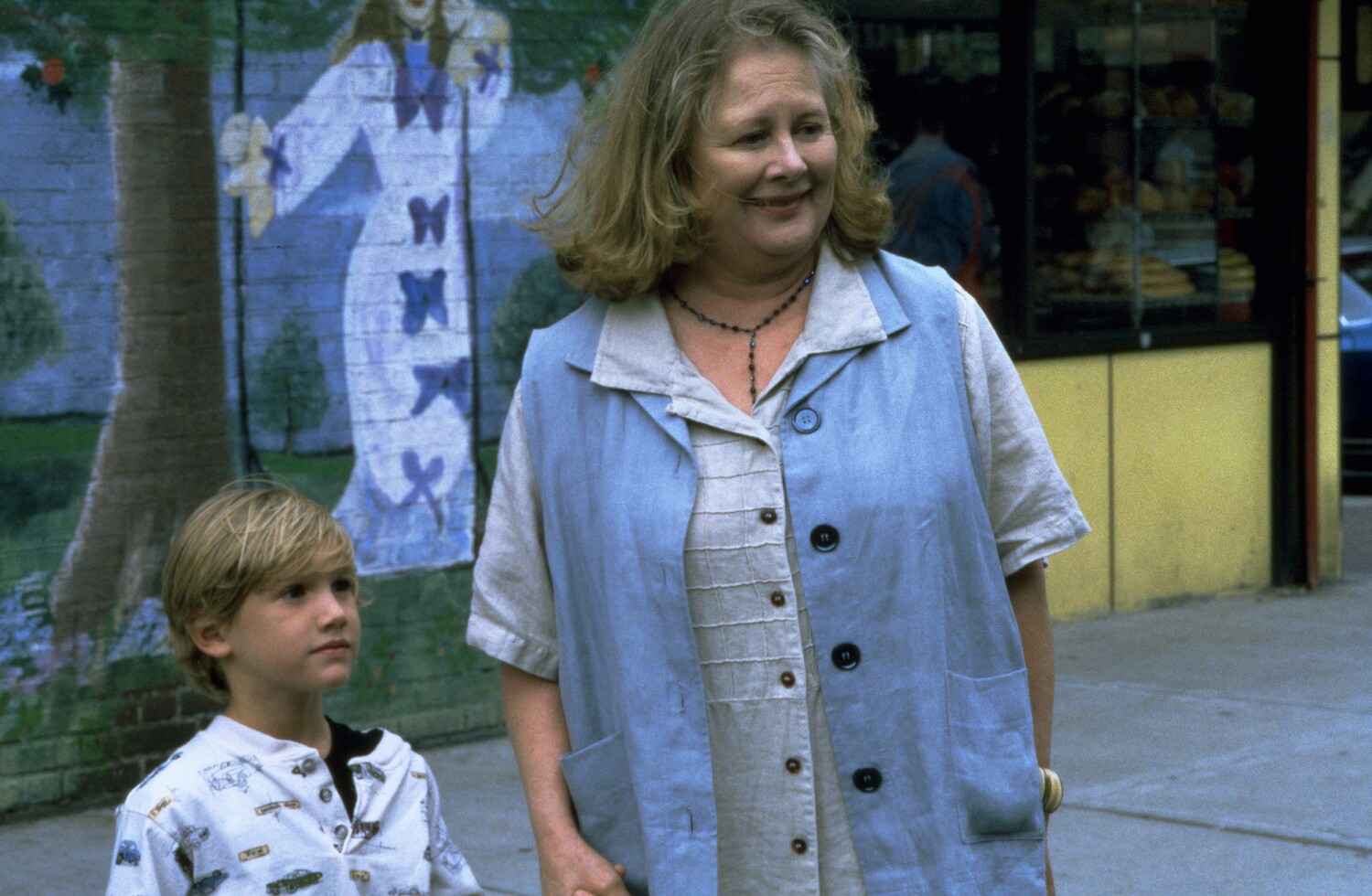
As you can probably tell by my commentary throughout this post, I wasn’t overly impressed by the locations or set designs, feeling more like a TV show setting than a realistic slice of New York life.
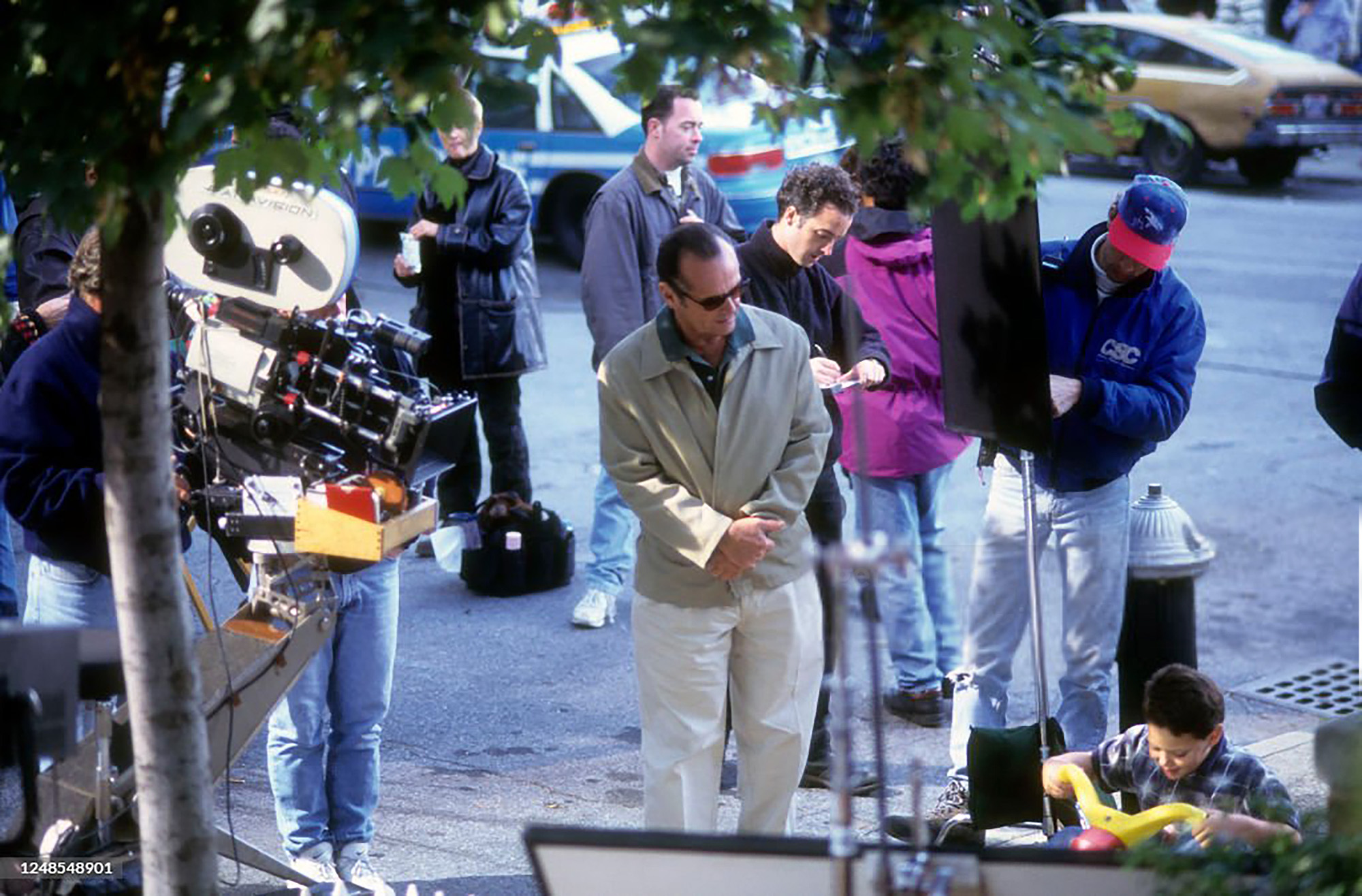
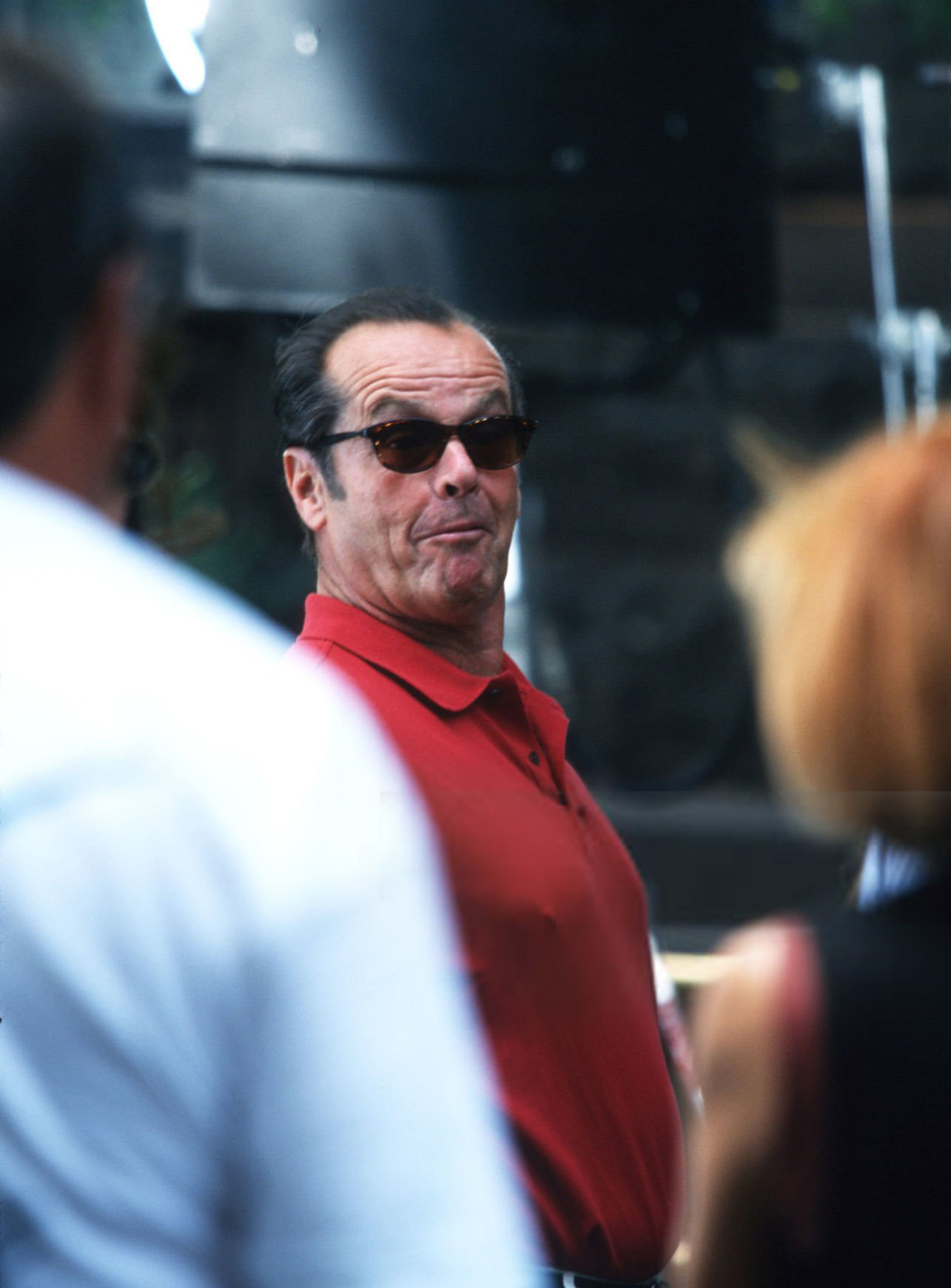
But the screenplay is bold and witty, and the performances are compelling and real.
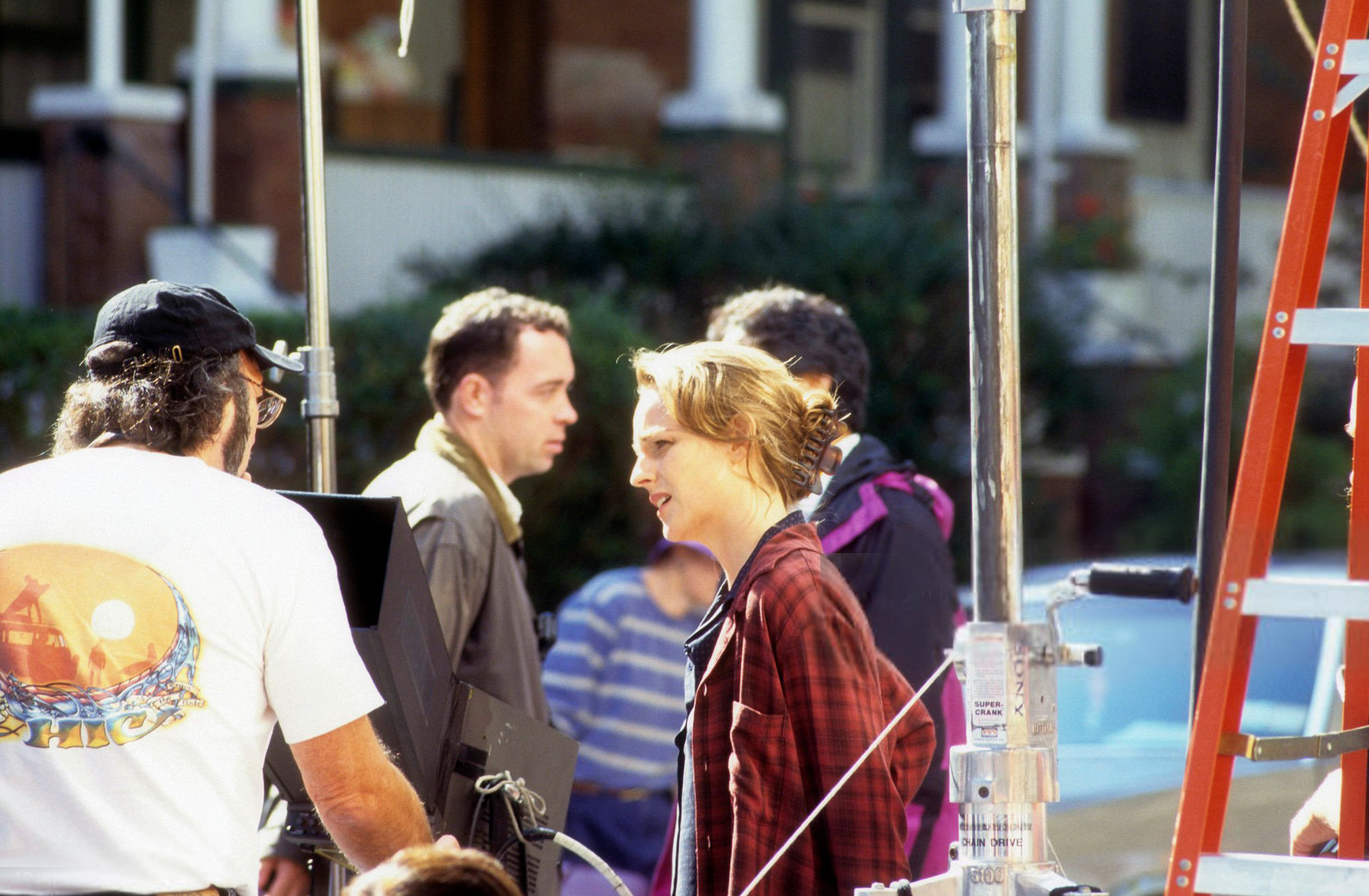
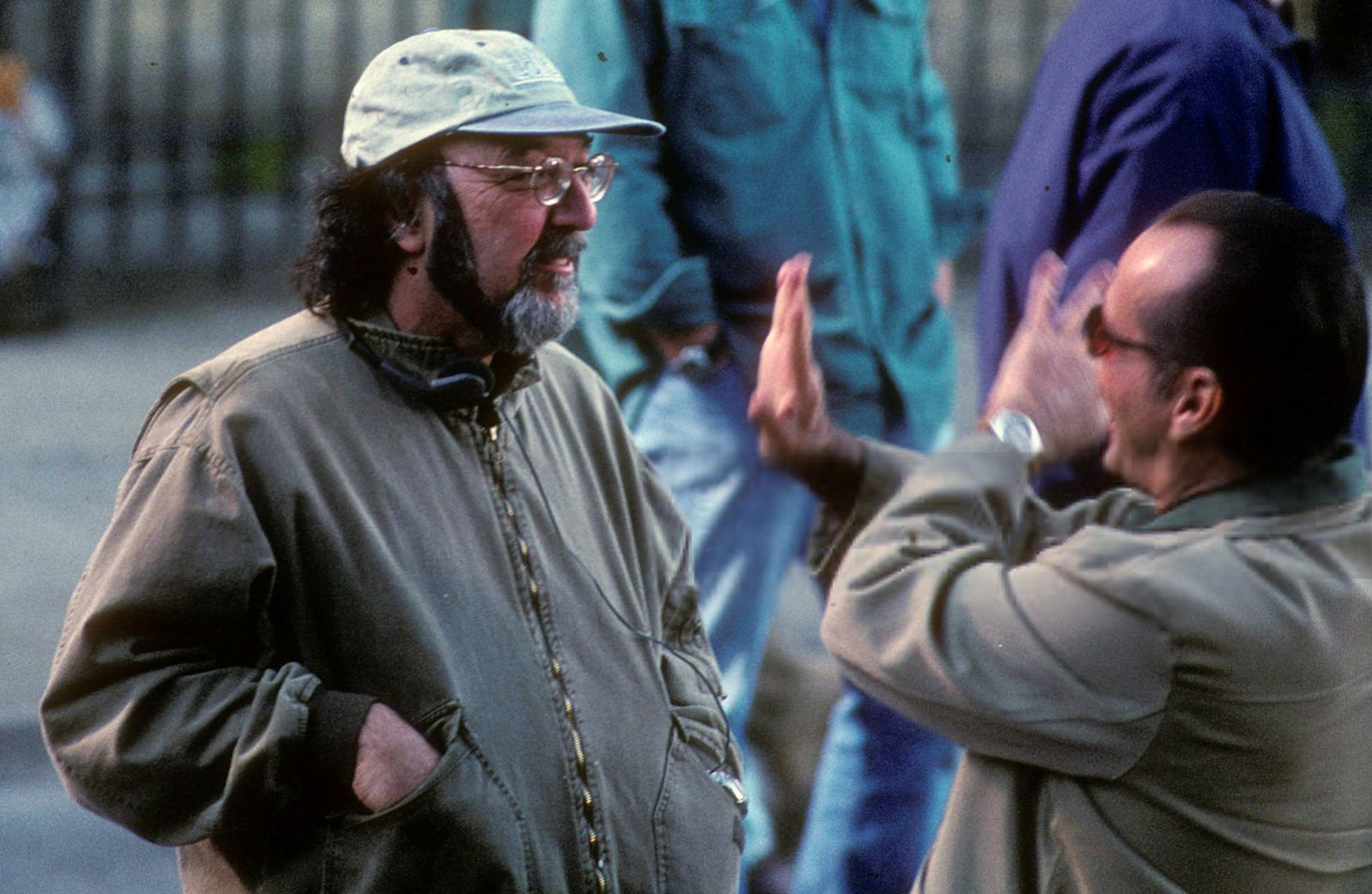
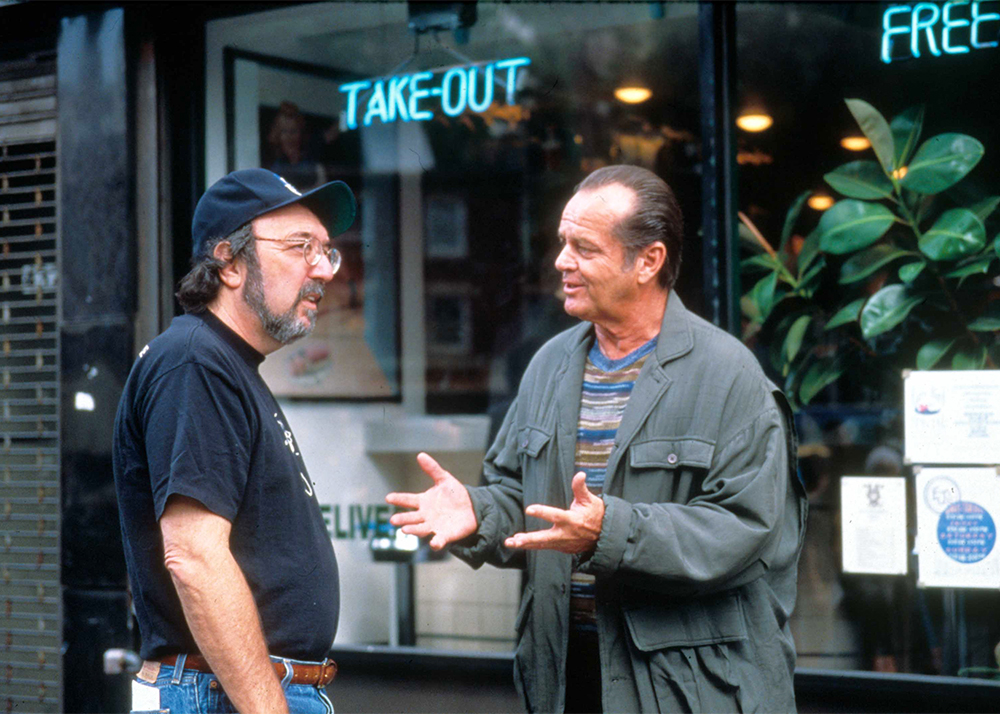
And these memorable performances were most certainly shaped by Brooks’ deft directing skills, never afraid to let the actors’ personal quirkiness get baked into their characters.
So even if the locations are rather bland and somewhat condensed, at least it’s easy to visit most of them without having to do a lot of traveling. And who wouldn’t want to skip over the cracks in a sidewalk where Jack Nicholson did the same nearly 30 years ago.


Ha. Never knew the restaurant was in LA, but nice to see it looks about the same today.
LikeLike
Great work! I live not far from the dog-walking scene on 10th Street. I was positive the cafe was the Knickerbocker Grill on University Place but you convinced me otherwise.
LikeLike
Great work again, Mark. So in depth! I was living at 43 FIfth Ave at 11th street when Jack made that movie. I saw him while he was filming the “avoid the cracks in the sidewalk” scene at Ninth and 6th. His trailer was parked directly across the street from our building. I was in the basement when our super was talking to the crew. I asked what was up. The super said, “Jack wants cable.” I knew exactly what that meant. The basketball playoffs were happening and Jack wanted to watch them. So the super ran a tv cable out from his basement apartment, across FIfth Avenue, and into Jacl’s large trailer. Jack got cable.
LikeLike
Whoa! Awesome story, Bob. Thanks for adding some more texture to the making of this movie.
LikeLike
thanks for great post on a favourite film.
LikeLike