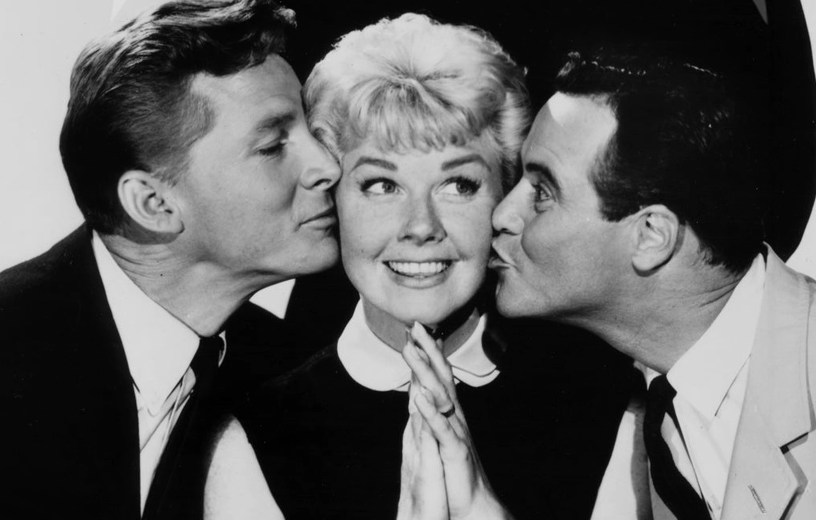
The eighties had its share of great cinematic comedies, but Tootsie is probably is the most commendable, creating an outrageous story that never skews away from reality. The premise is straightforward —an unemployed actor dressing up as a woman to land a female role on a hit soap opera— but the ambitious themes are cleverly woven into the story, successfully mixing social commentary with uproarious farce.
Dustin Hoffman’s serious commitment to the titular role of Michael Dorsey is what makes this movie so grounded, despite all the surrounding wacky circumstances. This allows the supporting cast, such as Teri Garr, Bill Murray Charles Durning, and Dabney Coleman, to embody a range of different comedic tones that don’t sacrifice the overall consistency of the film.
The other glue that holds this fun comedy together is the NYC setting, as seen through the eyes of a struggling actor. While production used a somewhat limited number of city locations, Tootsie still has a palpable New York eighties vibe.
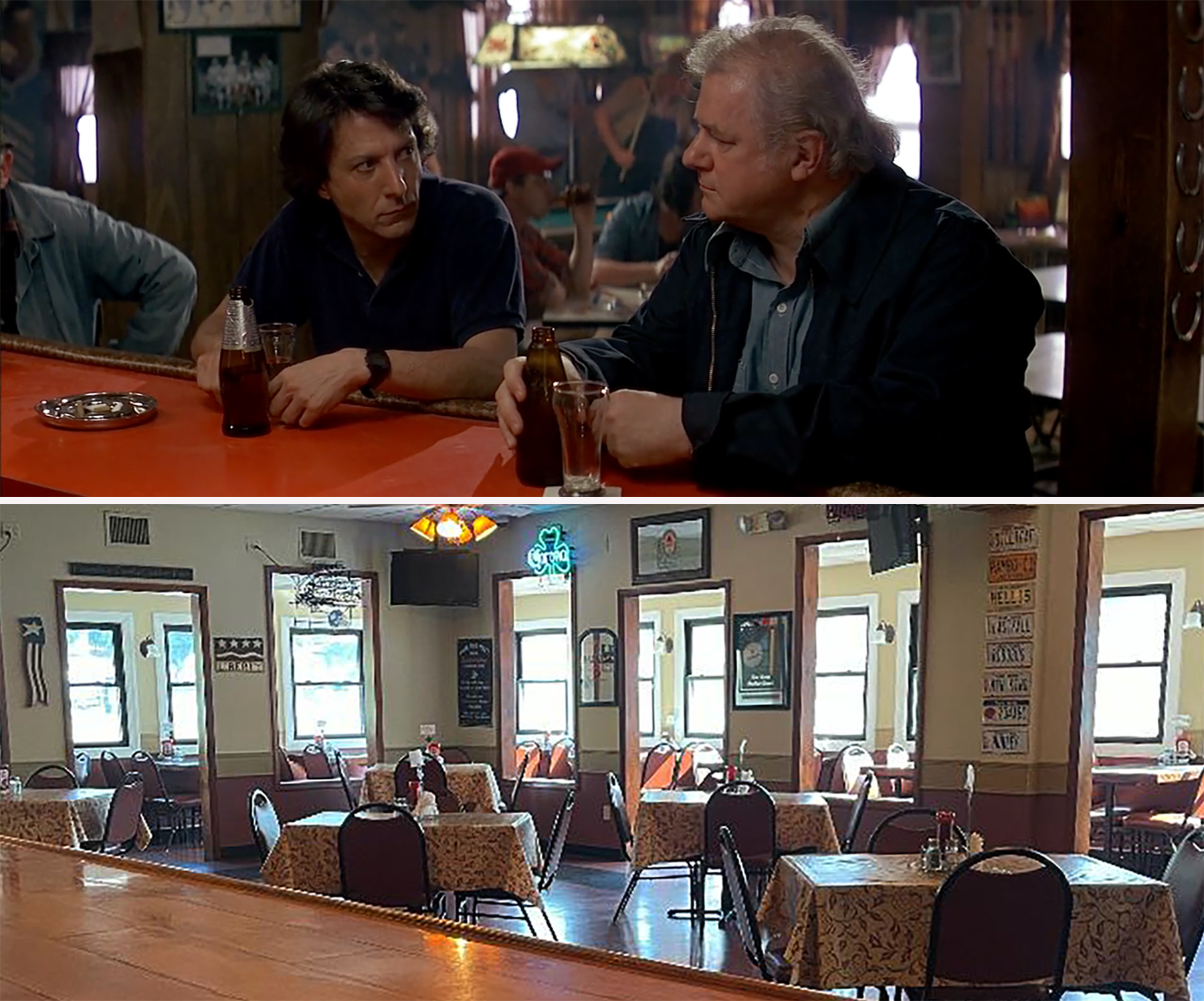
Restaurant
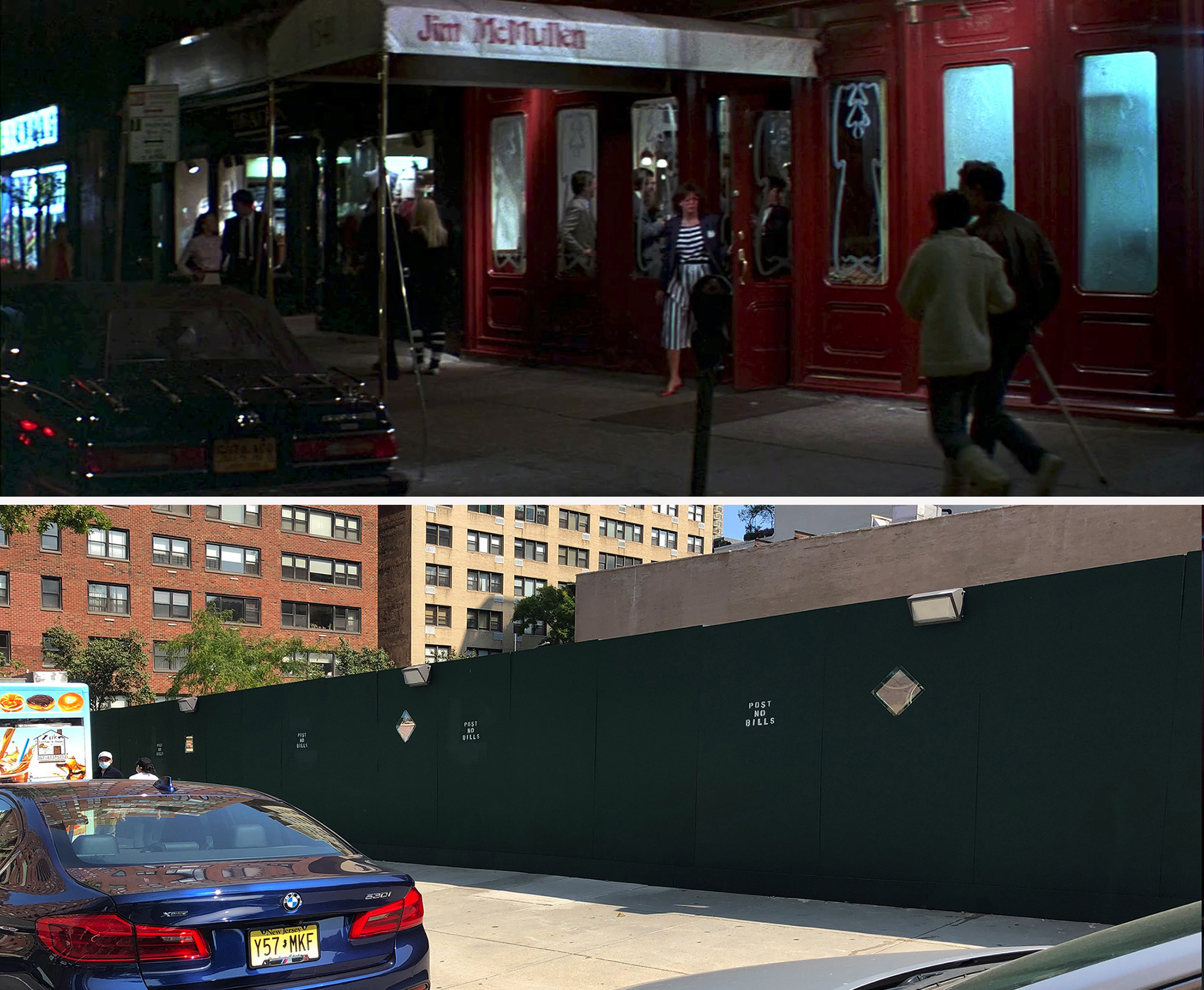
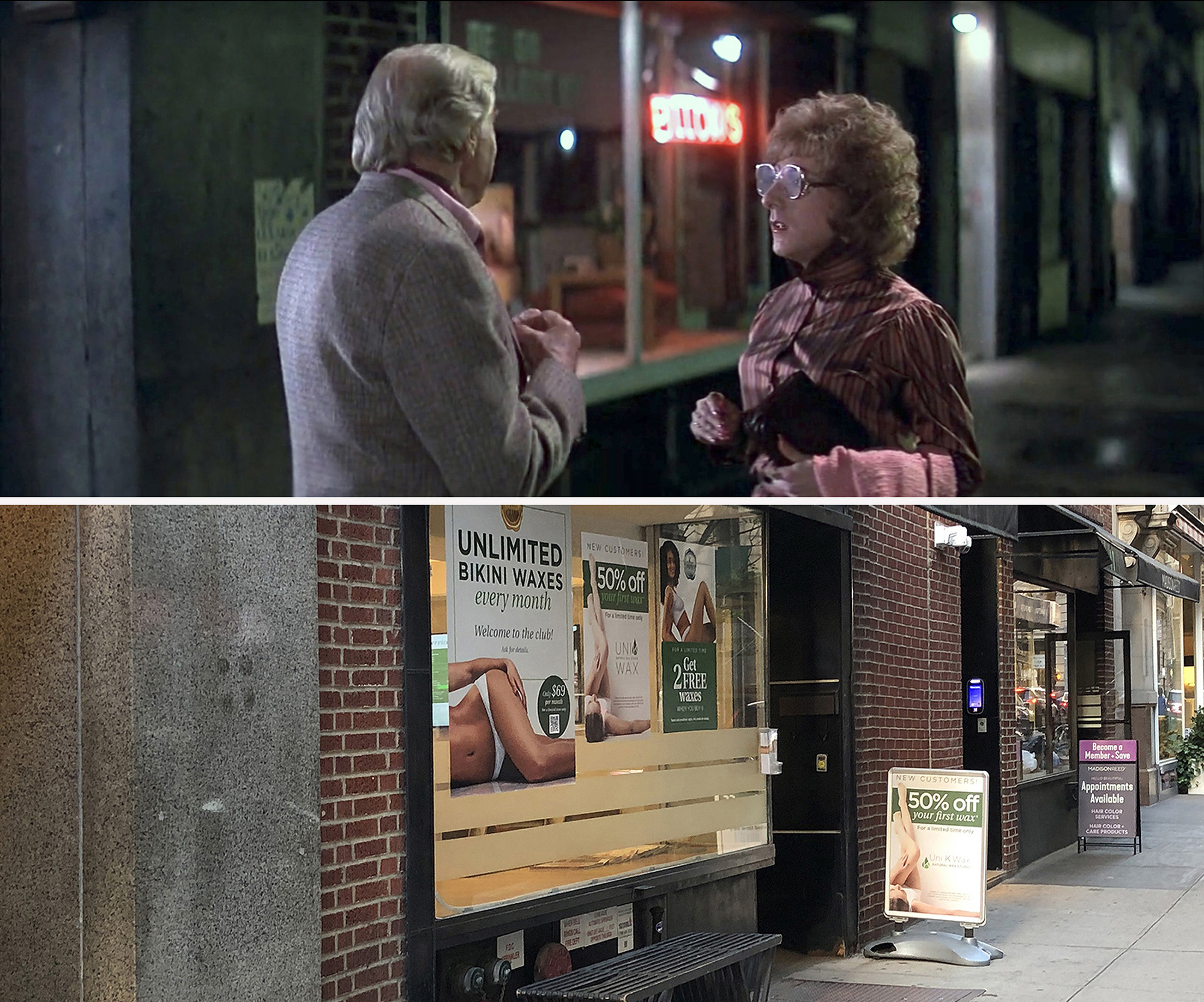
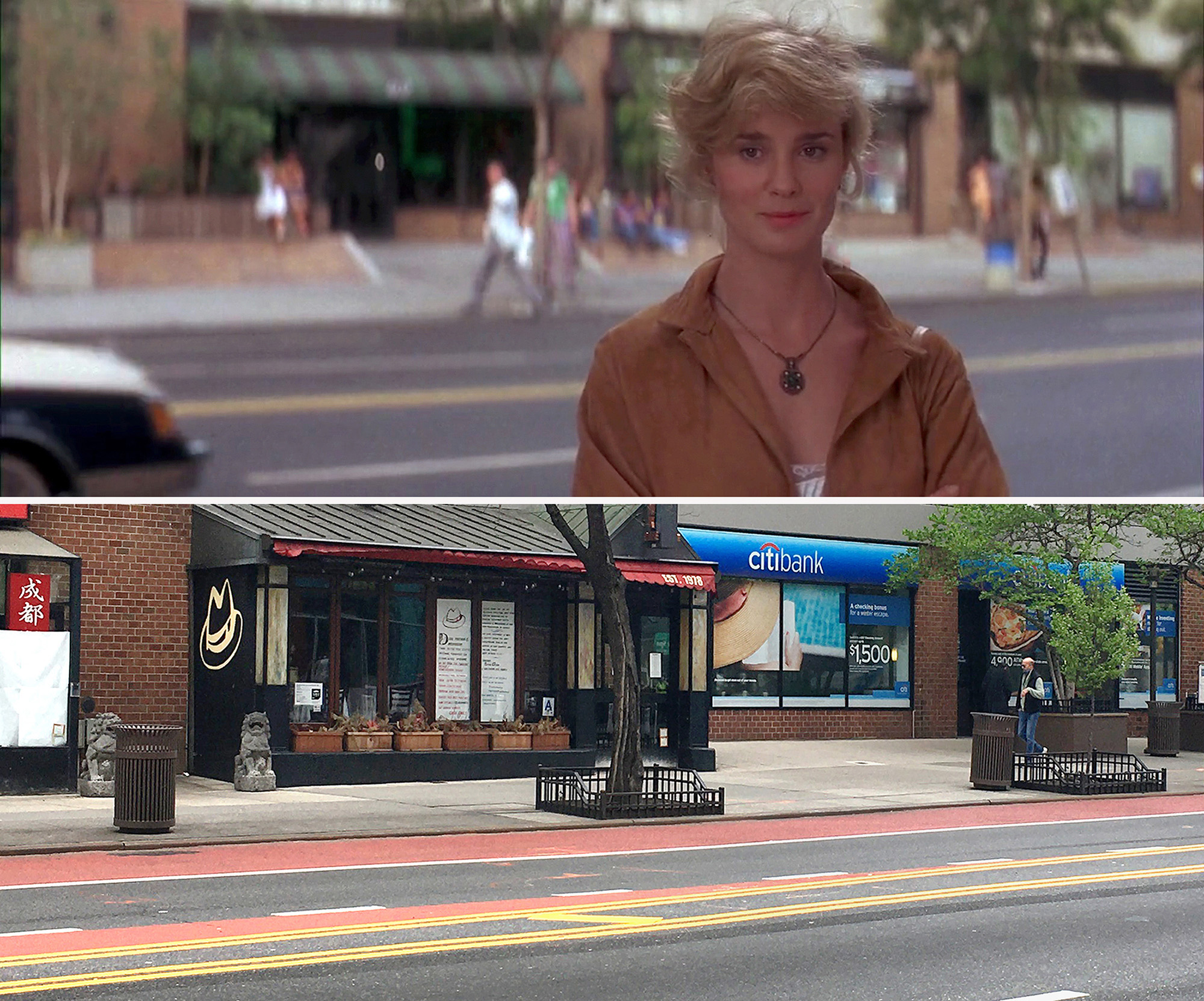
This is one of two buildings from this movie that is no longer around. When 1339 Third Avenue (along with its neighbors) was torn down in 2019, it still had a restaurant on the ground floor, although it wasn’t the same one featured in this scene.
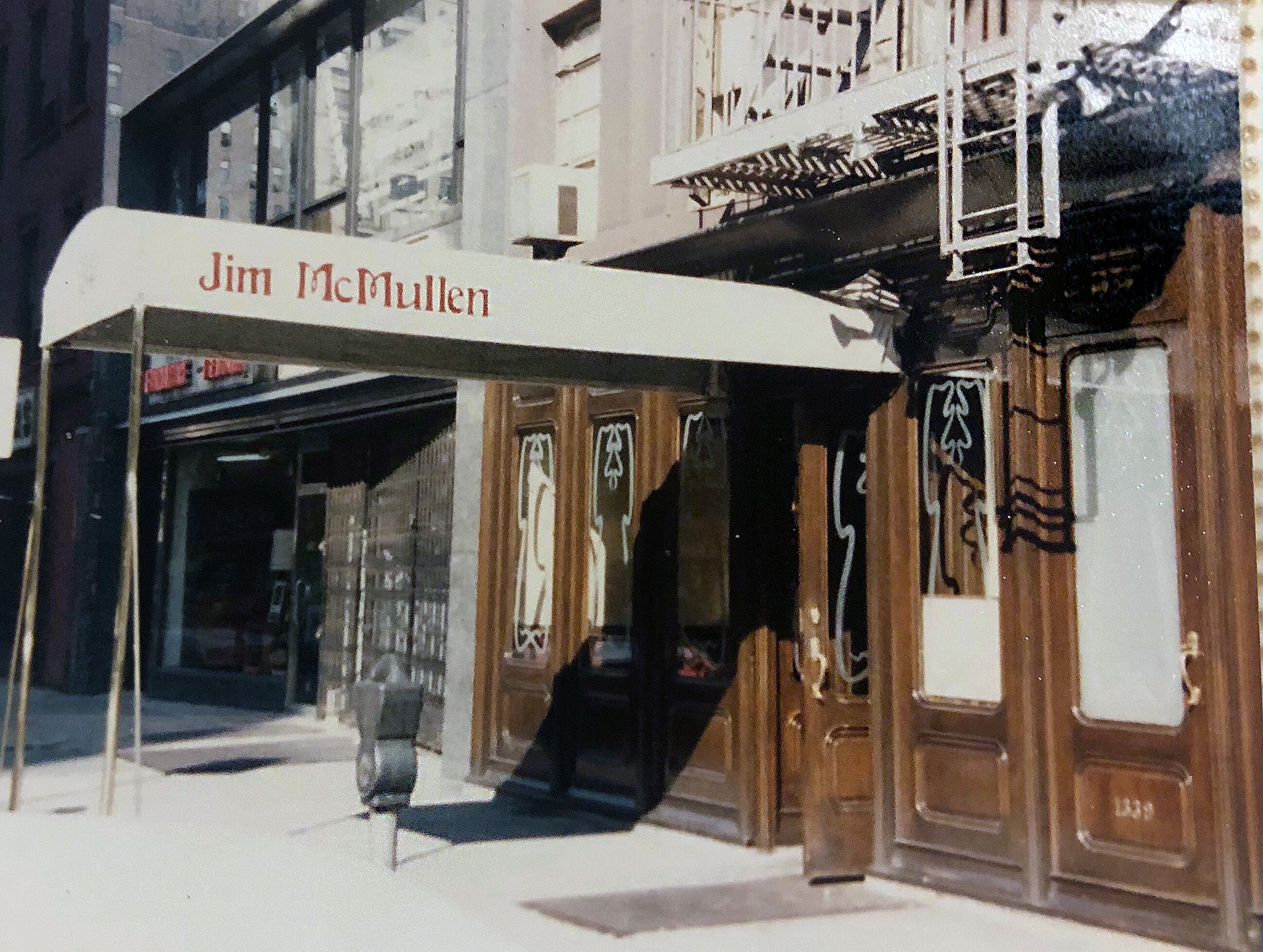
The restaurant used in this opening scene was Jim McMullen’s, a trendy steakhouse and singles bar that was the archetype of the Upper East Side scene. The noisy hotspot was known for its celeb clientele during the 1970s and 80s and was the perfect setting for the employ of two struggling artists. After nearly 20 years of service, Jim McMullen’s closed its doors in 1997, and as of this writing, a new 215-foot-tall building is being erected on the spot.
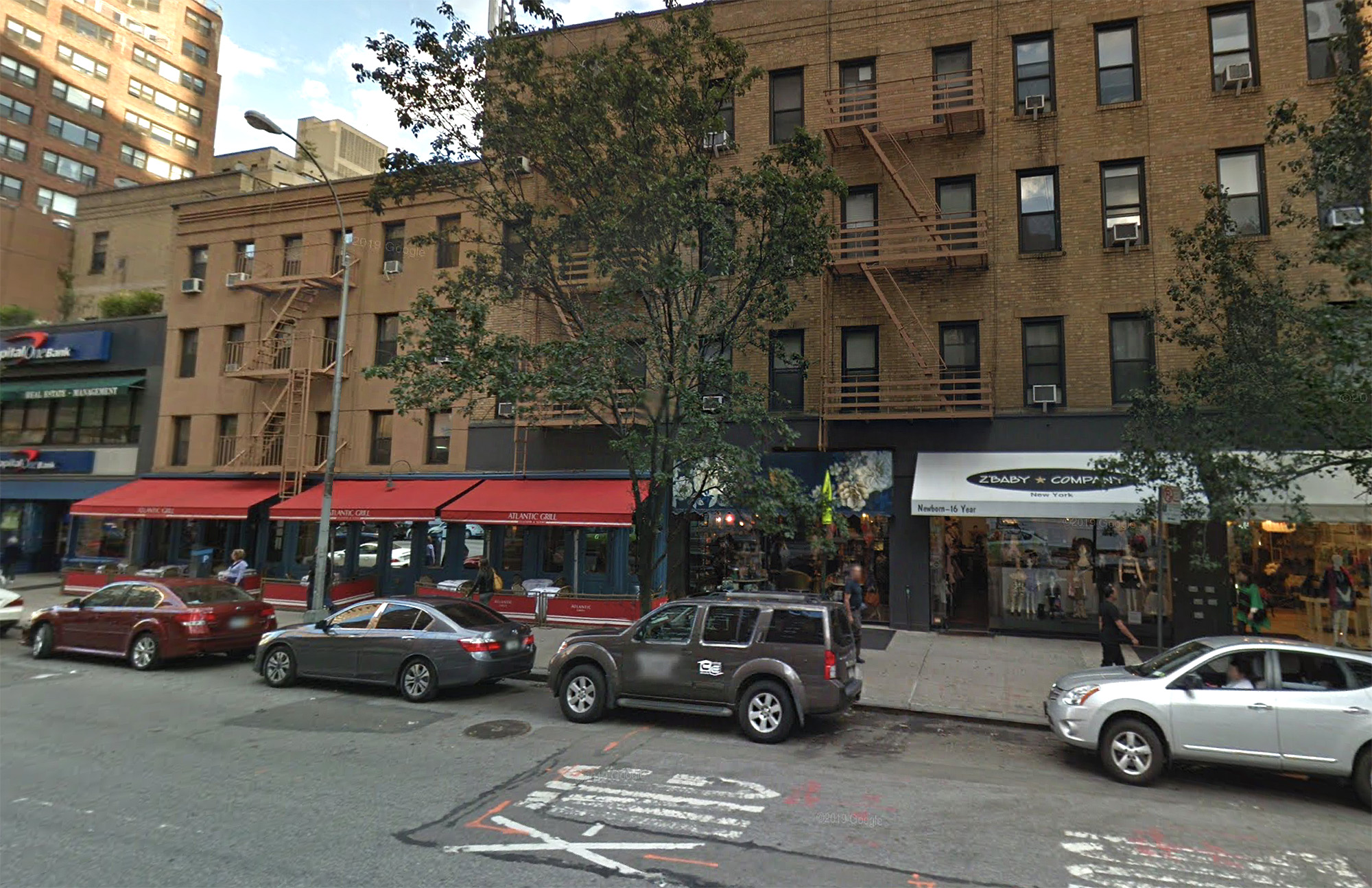
When the block-front property was sold in 2018, the plan was to develop a new outpatient care center for Northwell Health there. But it seems like that deal fell through, as permits for the new structure indicates that 1,536 square feet will be residential space with 24,744 square feet reserved for commercial space.
Michael and Jeff’s Apartment
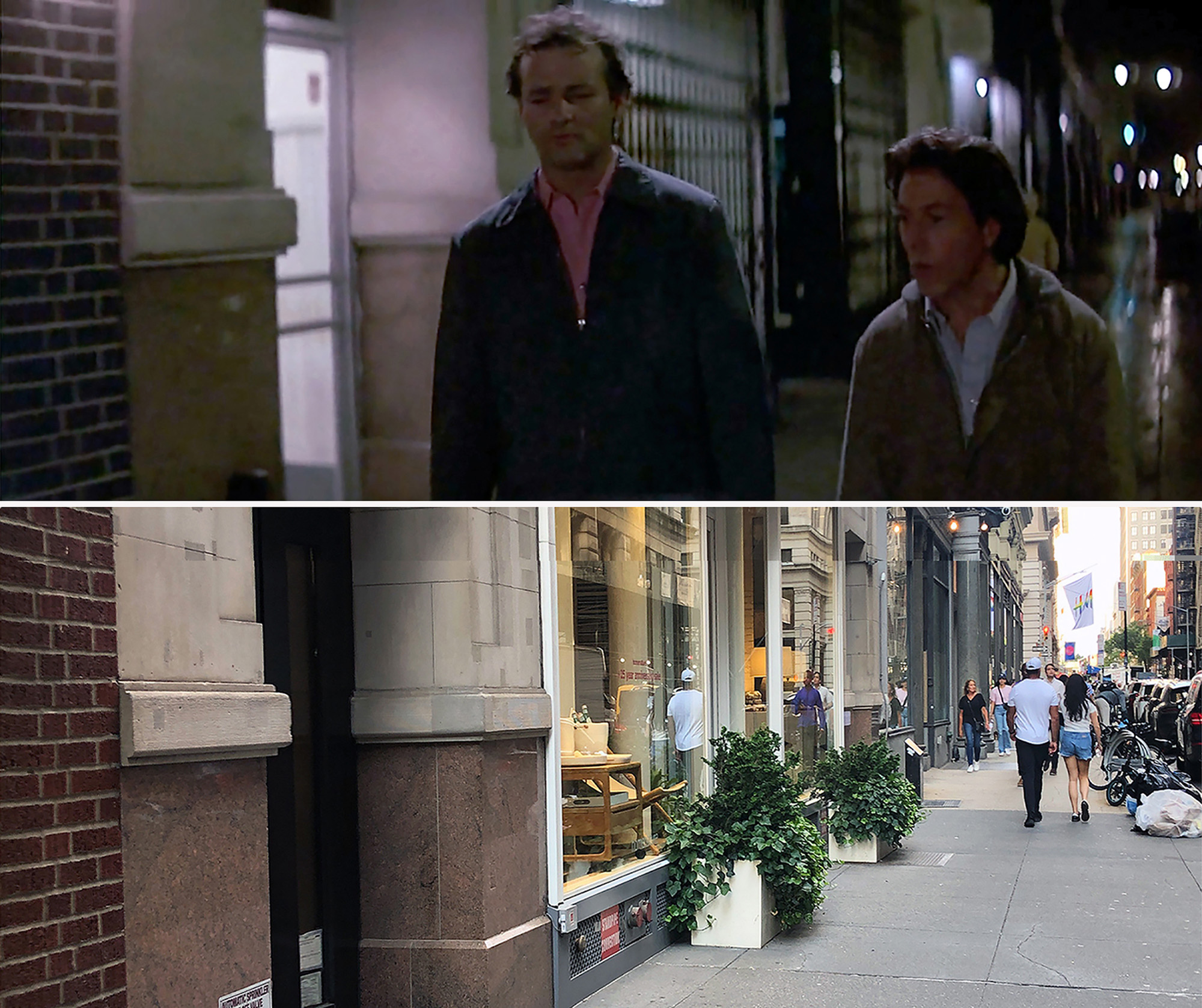
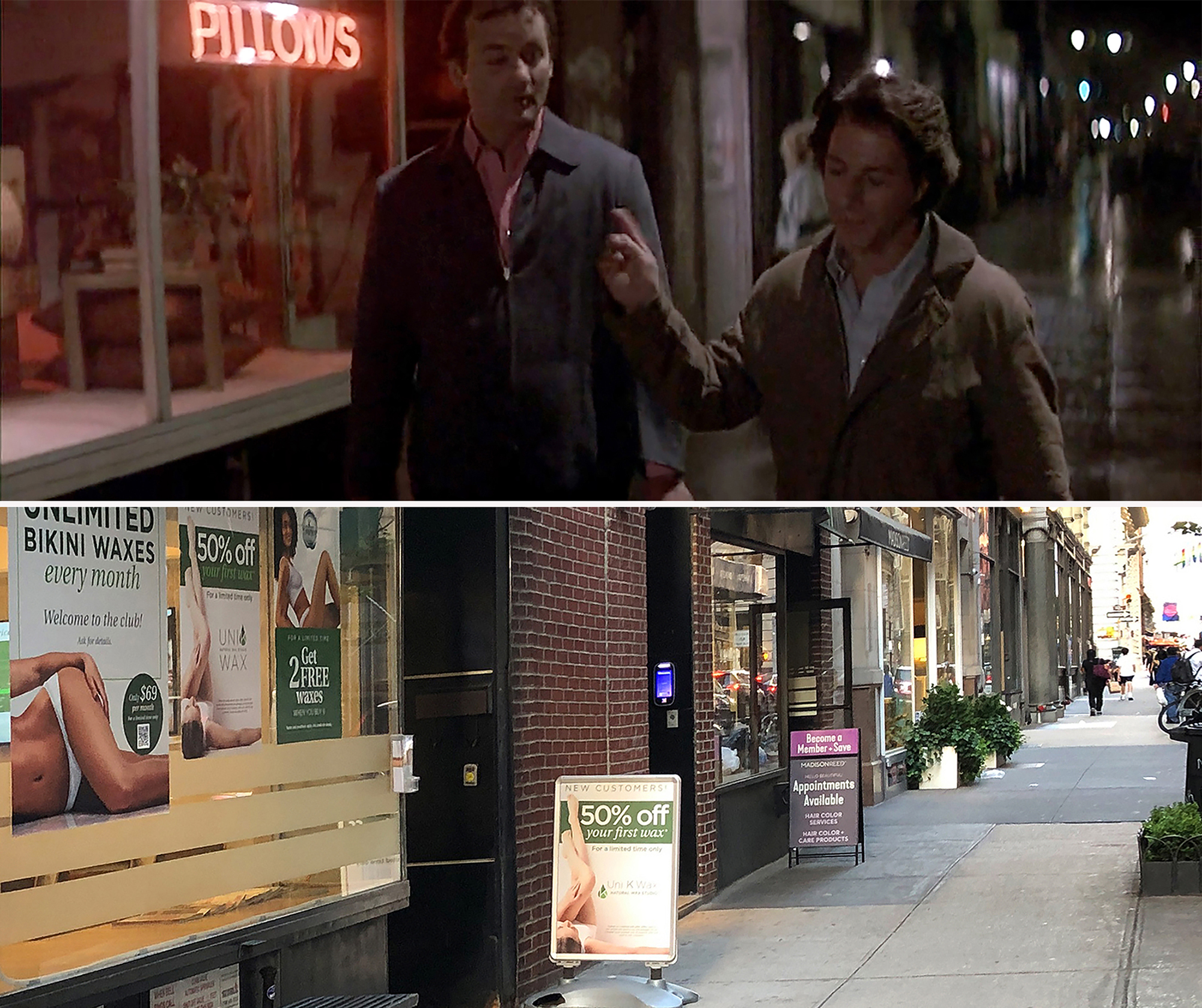
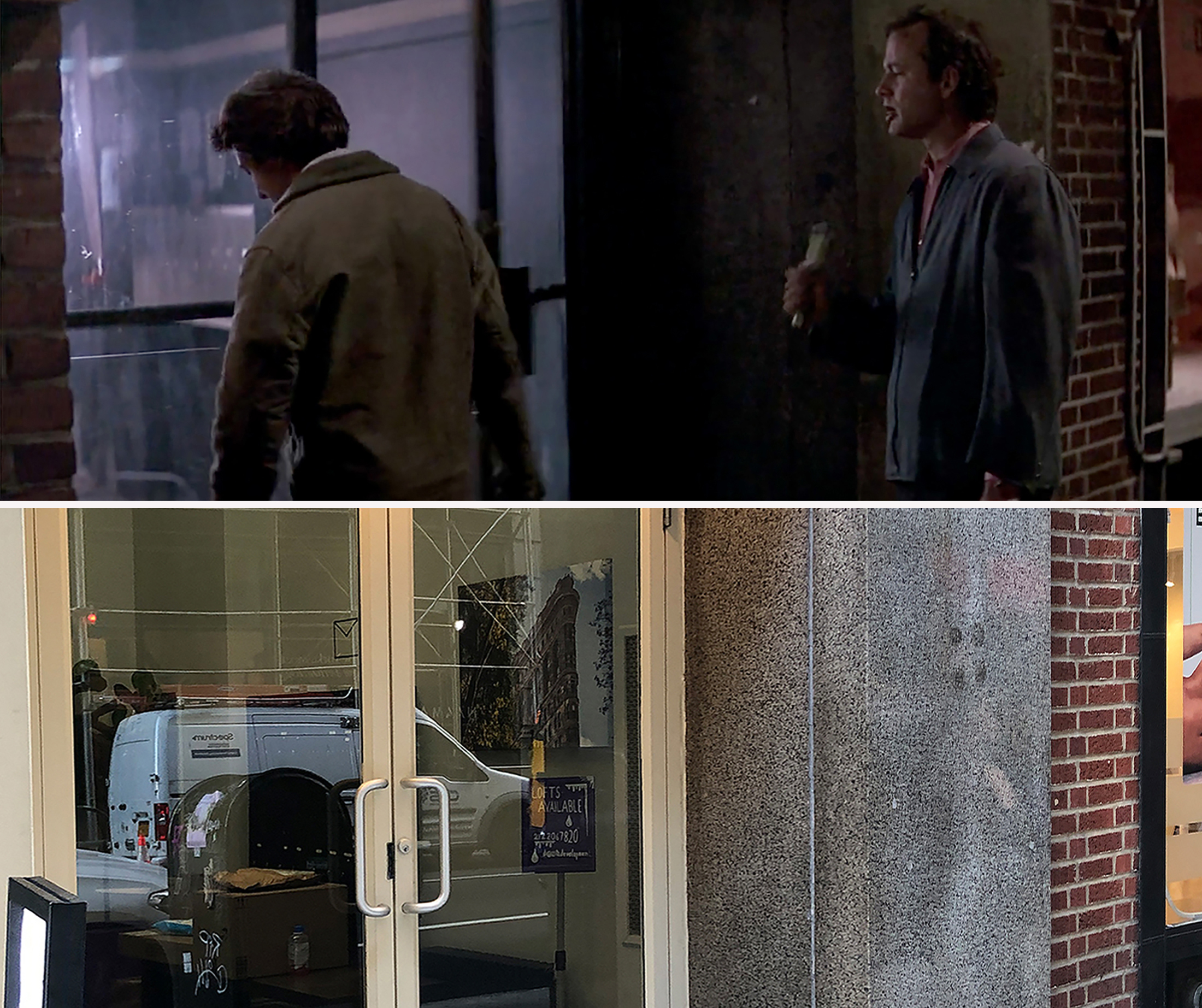
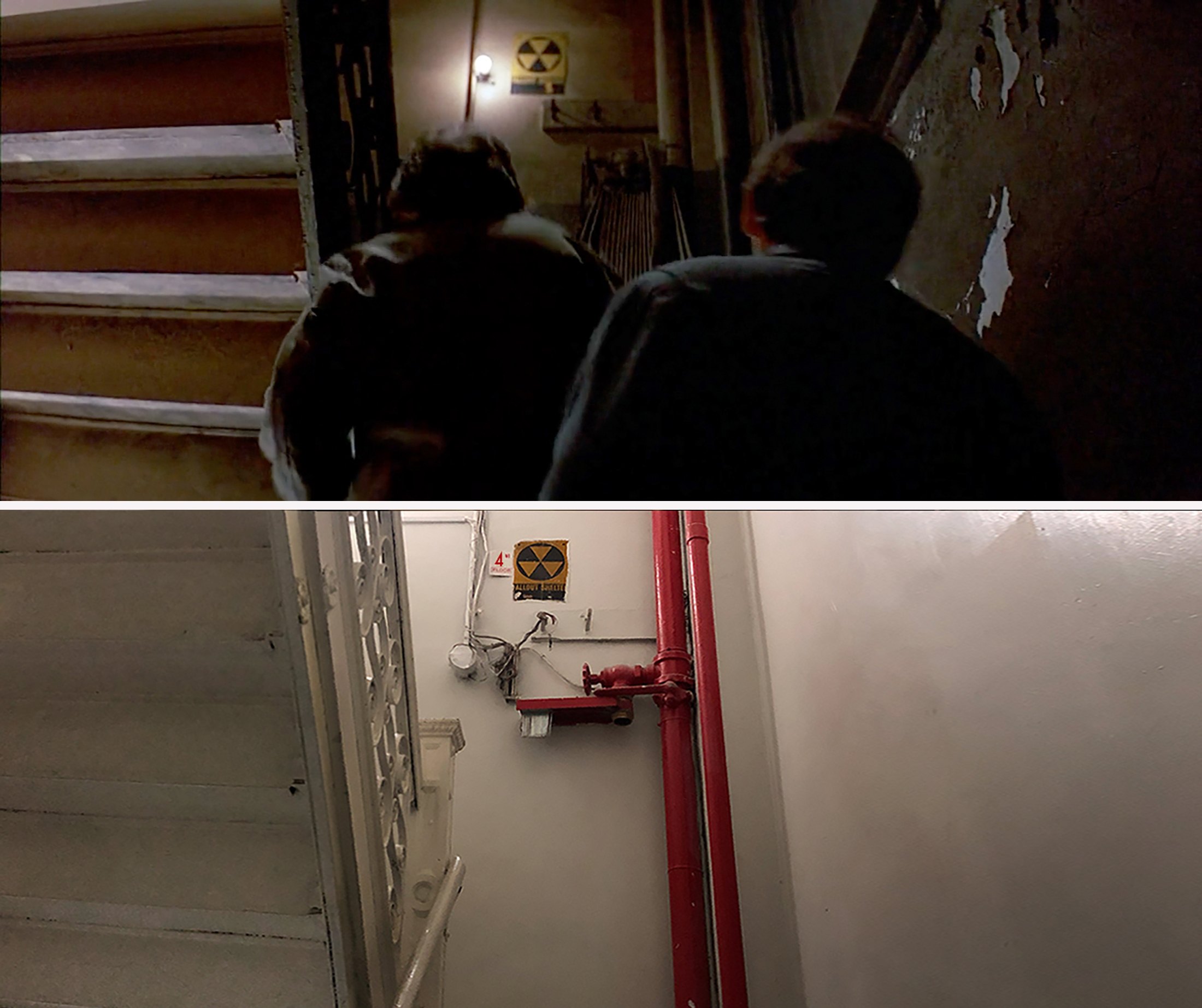
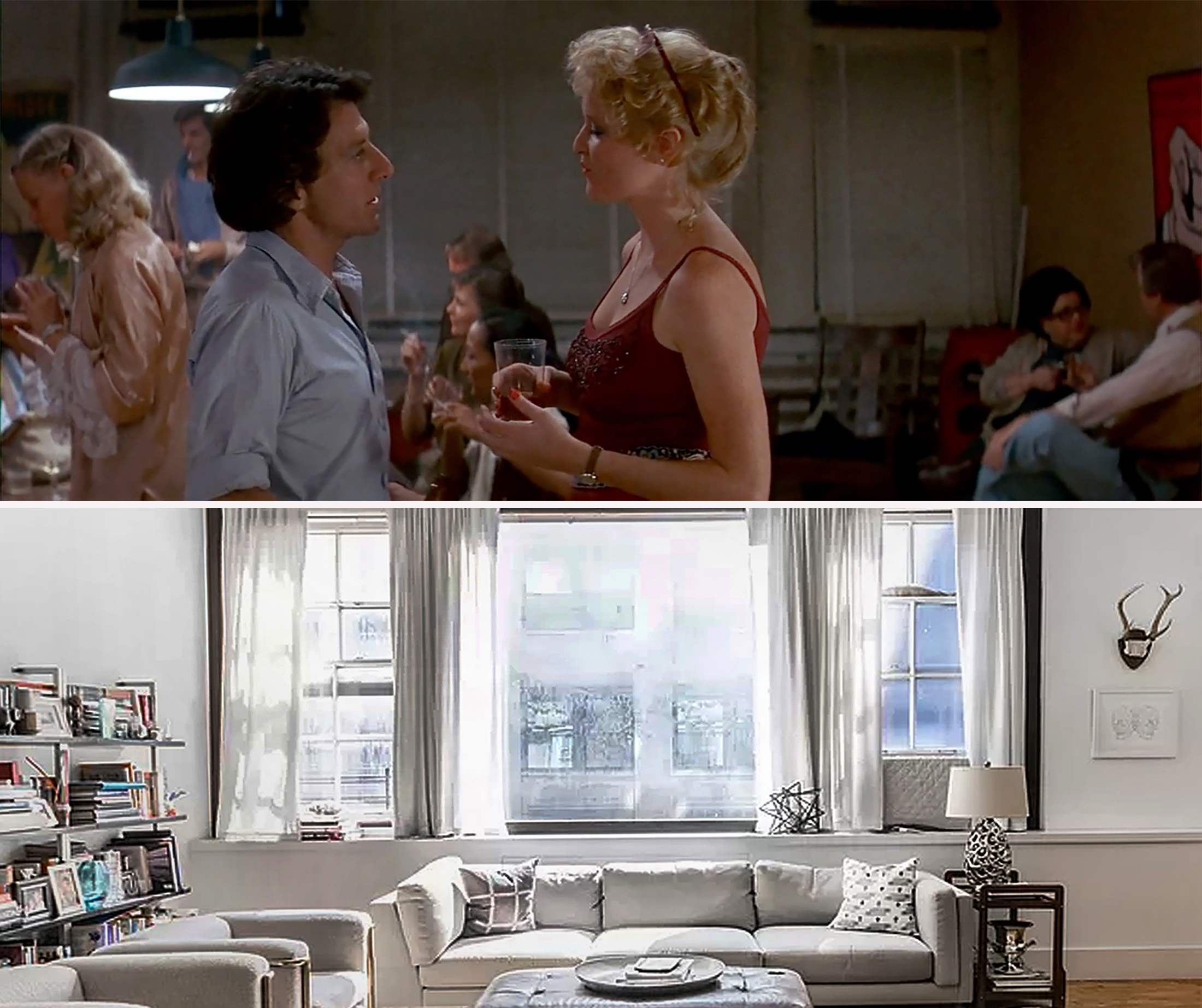
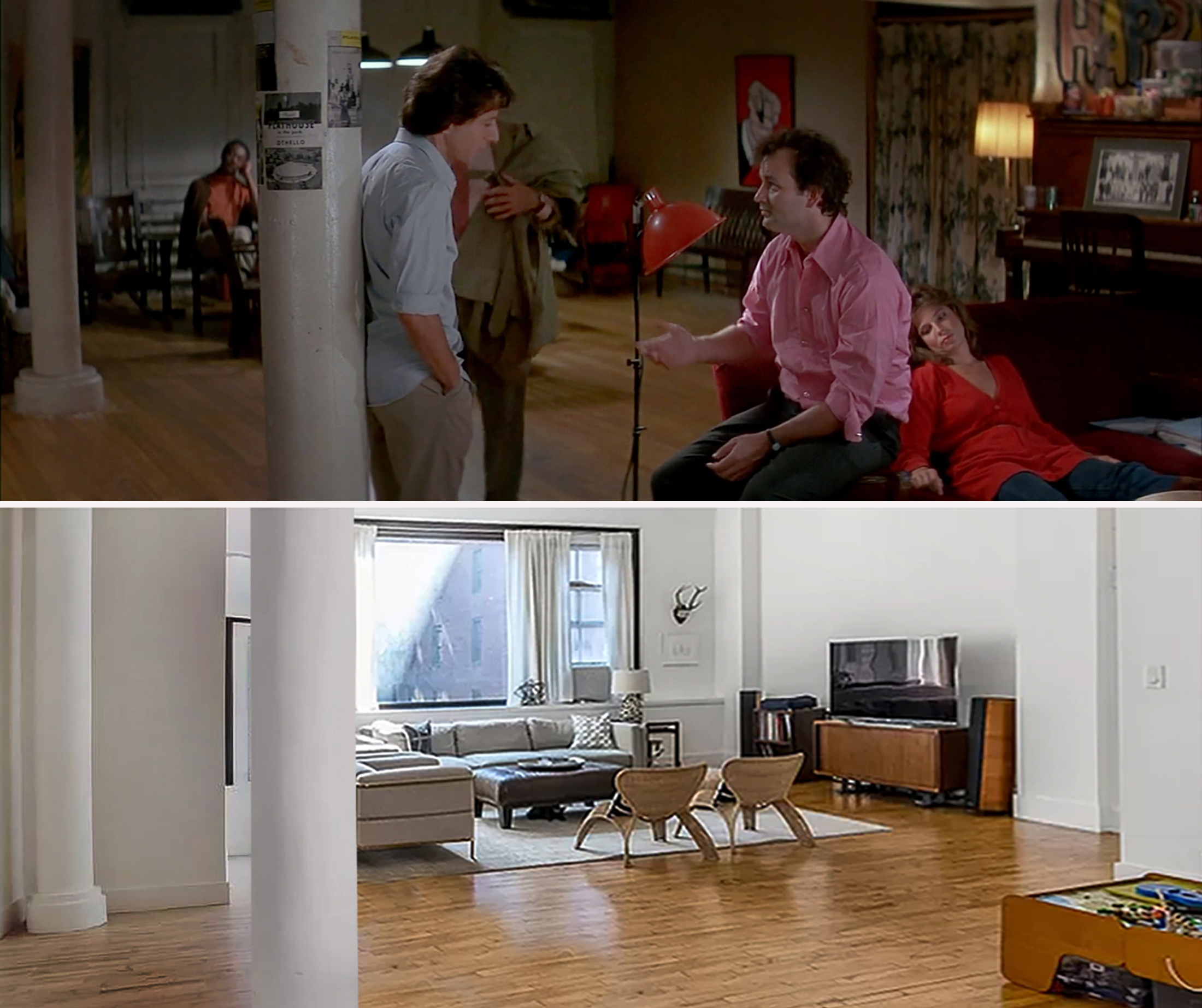
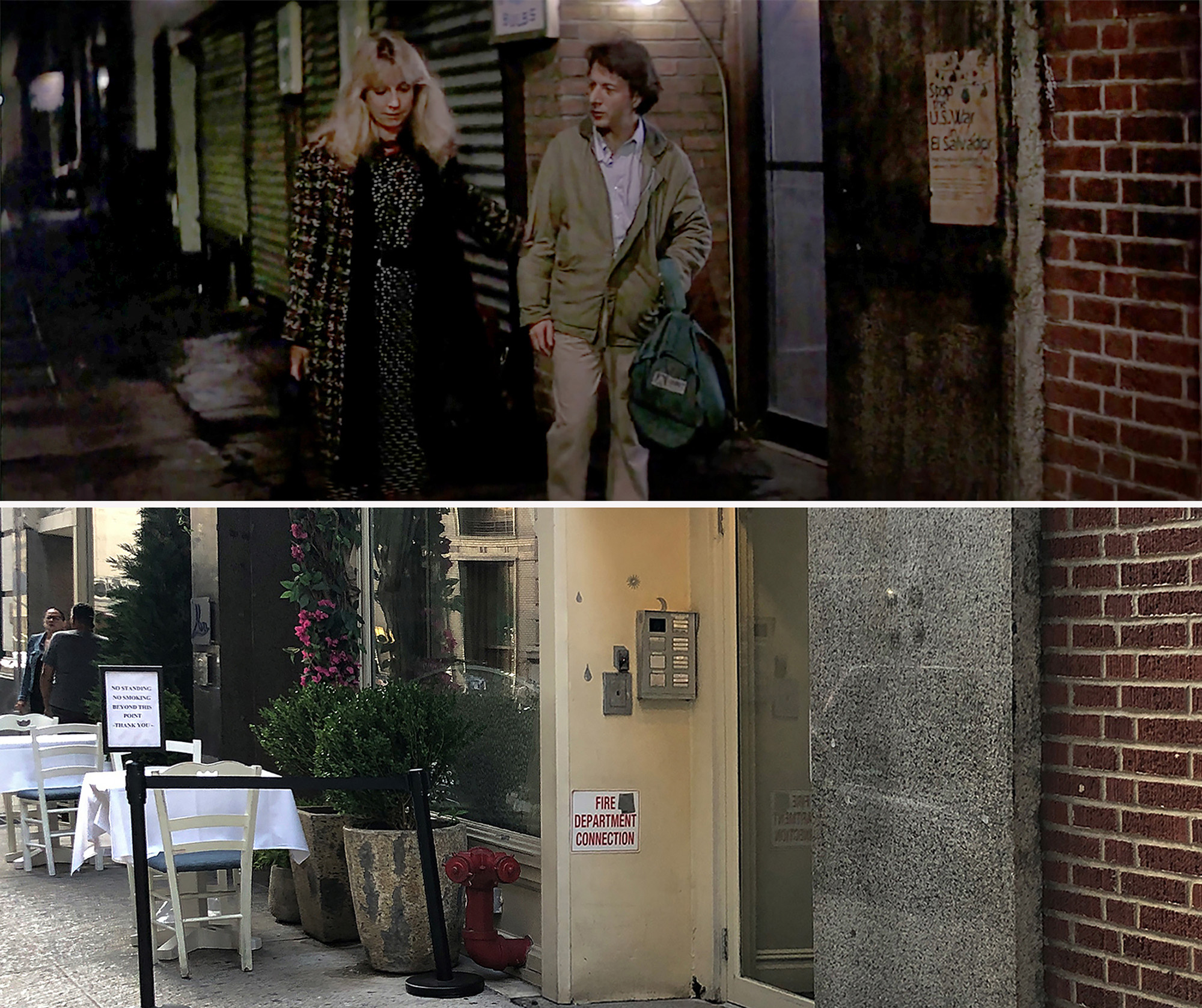
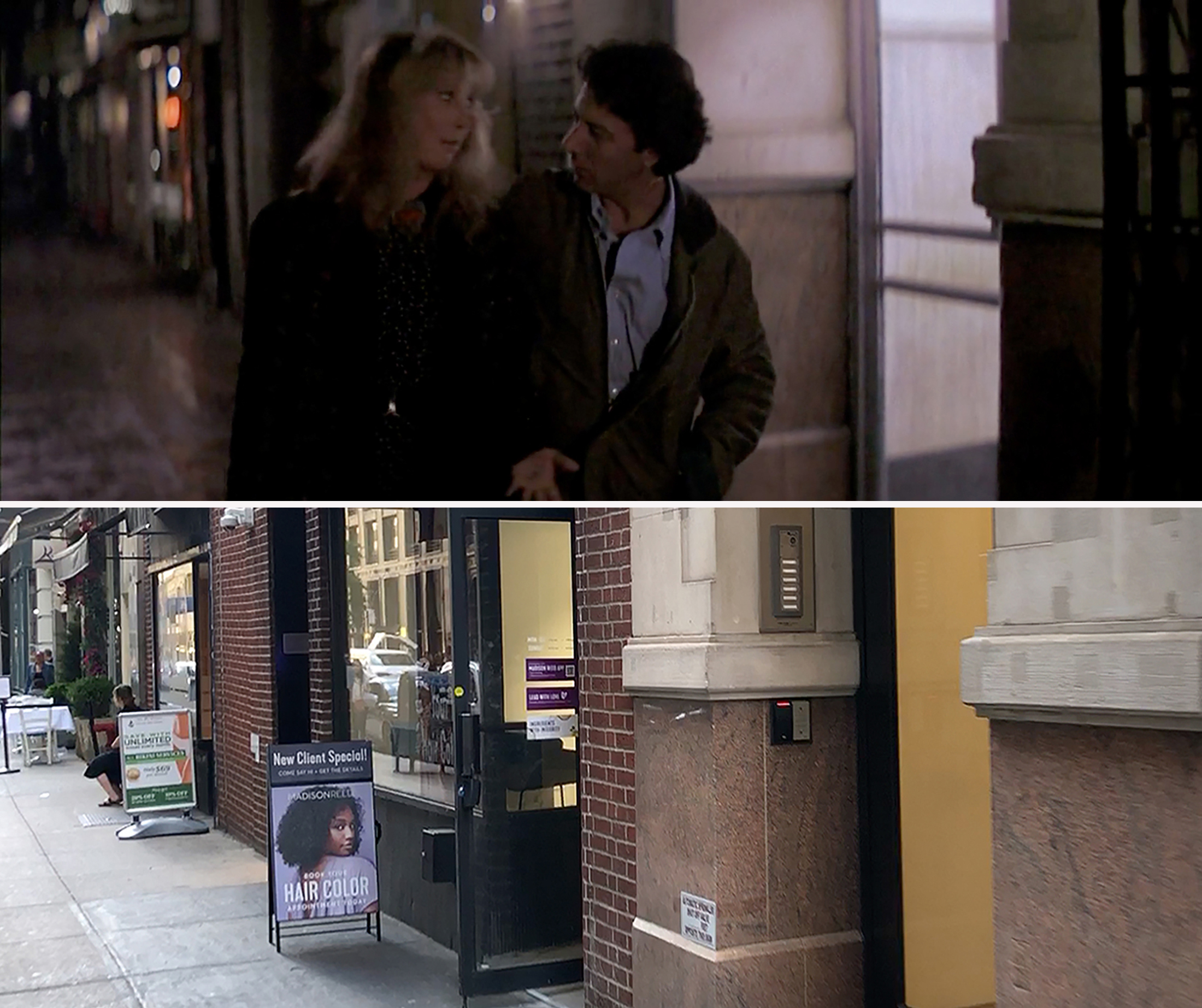
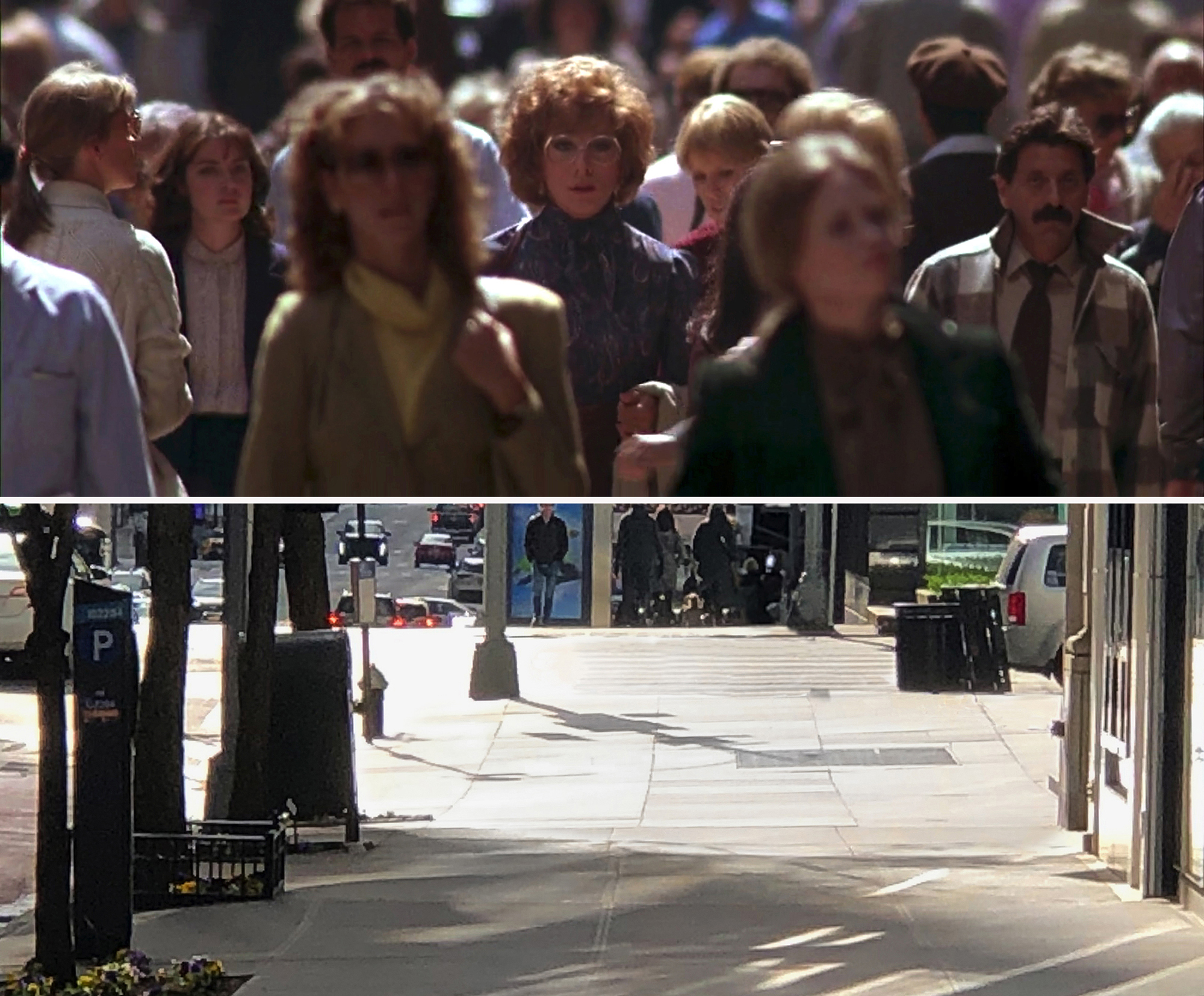
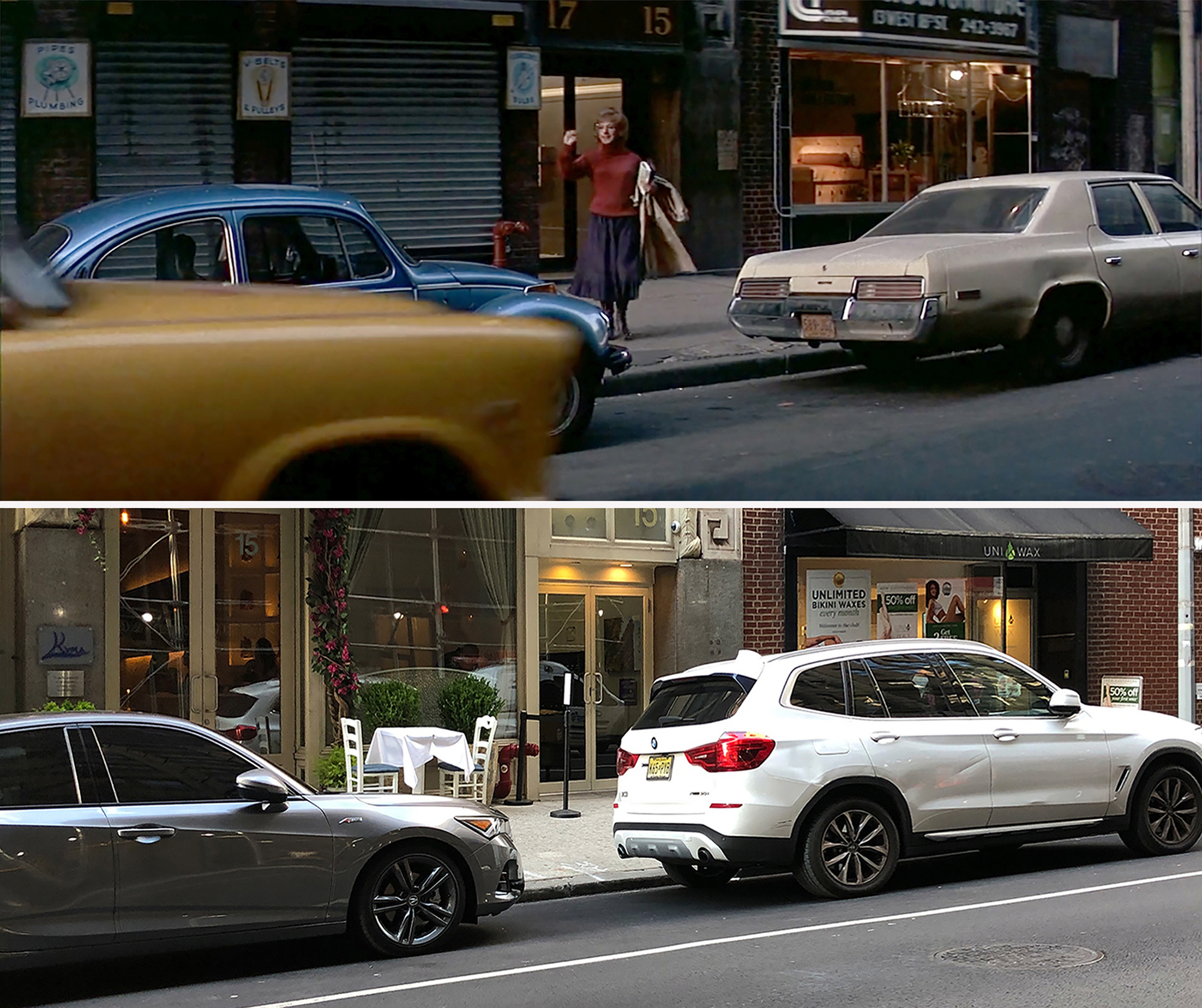
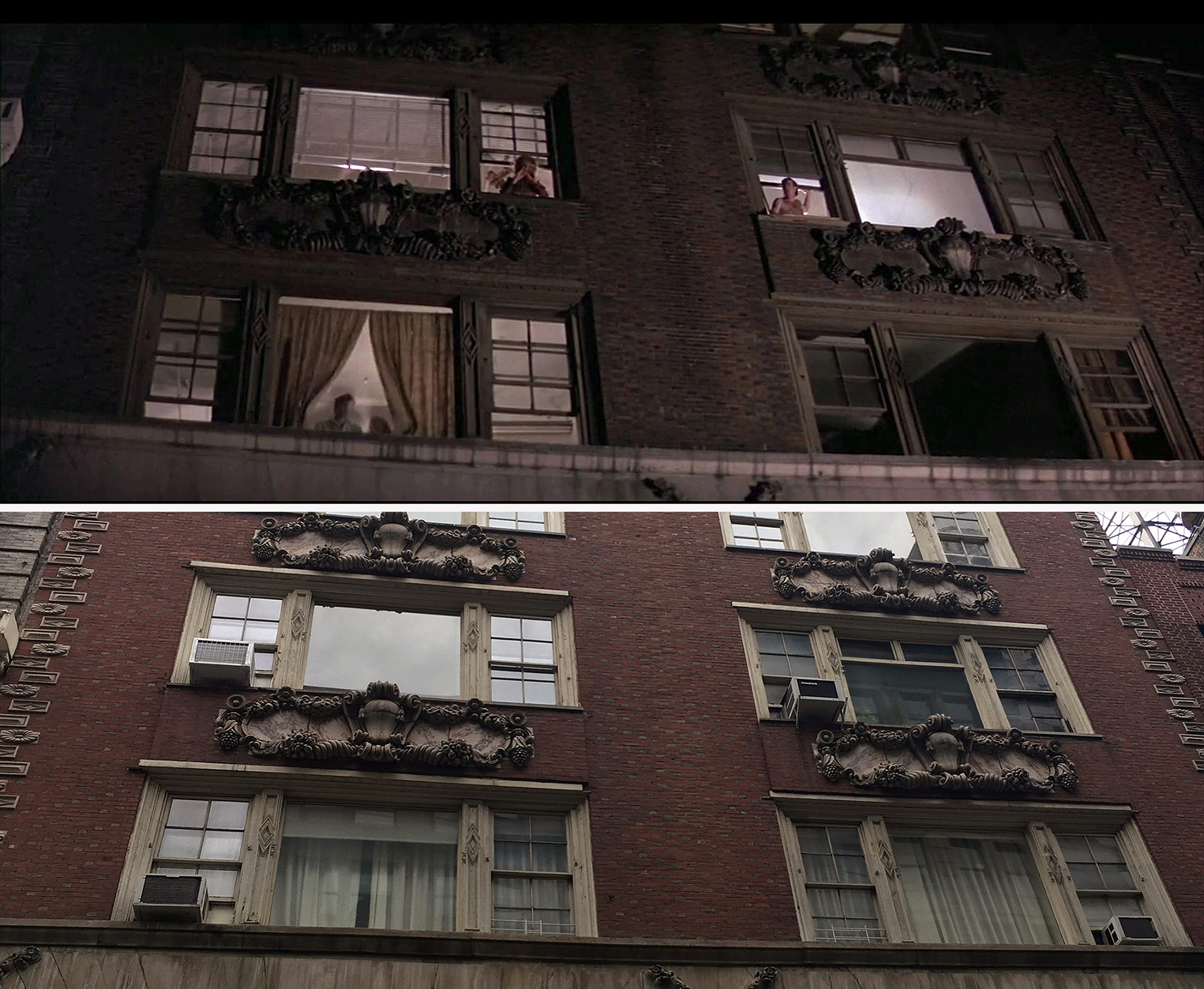
When I began researching Tootsie around 2017, there was a decent amount of websites that listed this apartment building on W 18th Street as a filming location. So, there wasn’t much research needed other than confirming the information was correct by matching up some of the architectural elements. While the facade on the ground floor has changed quite a bit since 1982, the upper levels (which are showcased in a later scene) look exactly the same.
A lot of the buildings the actors pass as they walk to and from the apartment have remained the same as well, and I was able to match them up quite easily.
Apparently, these walking and talking scenes on W 18th Street ended up being the most problematic for the cast and crew to film. The biggest issue was the crowds of people that would form along the street, often refusing to be quiet or refraining from taking flash pictures. According to an account by Murray, one hulking fellow actually walked up to Hoffman in the middle of a scene to get an autograph, unfazed by the throngs of crew members and film equipment.
Just one of the hazards of filming on the streets of NYC in the 1980s.
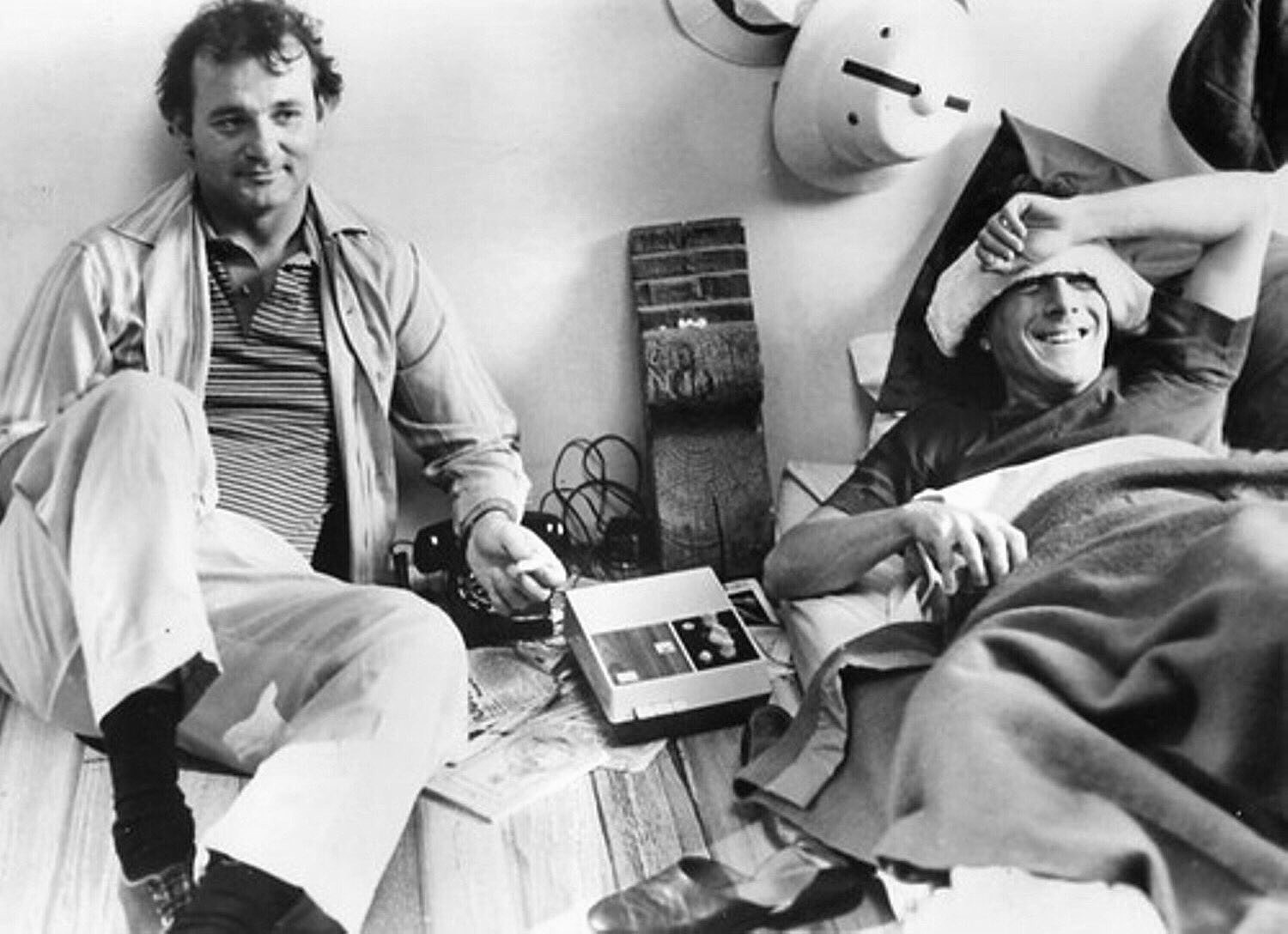
Generally speaking, when it comes to interiors, movies will primarily use sets, but in Tootsie, almost all the interiors appear to have been real locations. This partly had to with the fact New York City didn’t really have a full soundstage infrastructure during this period. So, when it came to Michael and Jeff’s apartment, production used both the inside and outside of 15-17 W 18th Street.
Thanks to the fantastic book, Making Tootsie by Susan Dworkin, I learned that they used a former ballet studio space on the fifth floor for the apartment interiors. Production ended up embellishing the studio with walls, doors and other furnishings to make it look more like a residential space, but the industrial-looking support columns were left exposed. Today, those columns and the distinct window arrangement are the only things that resemble anything seen in the film.
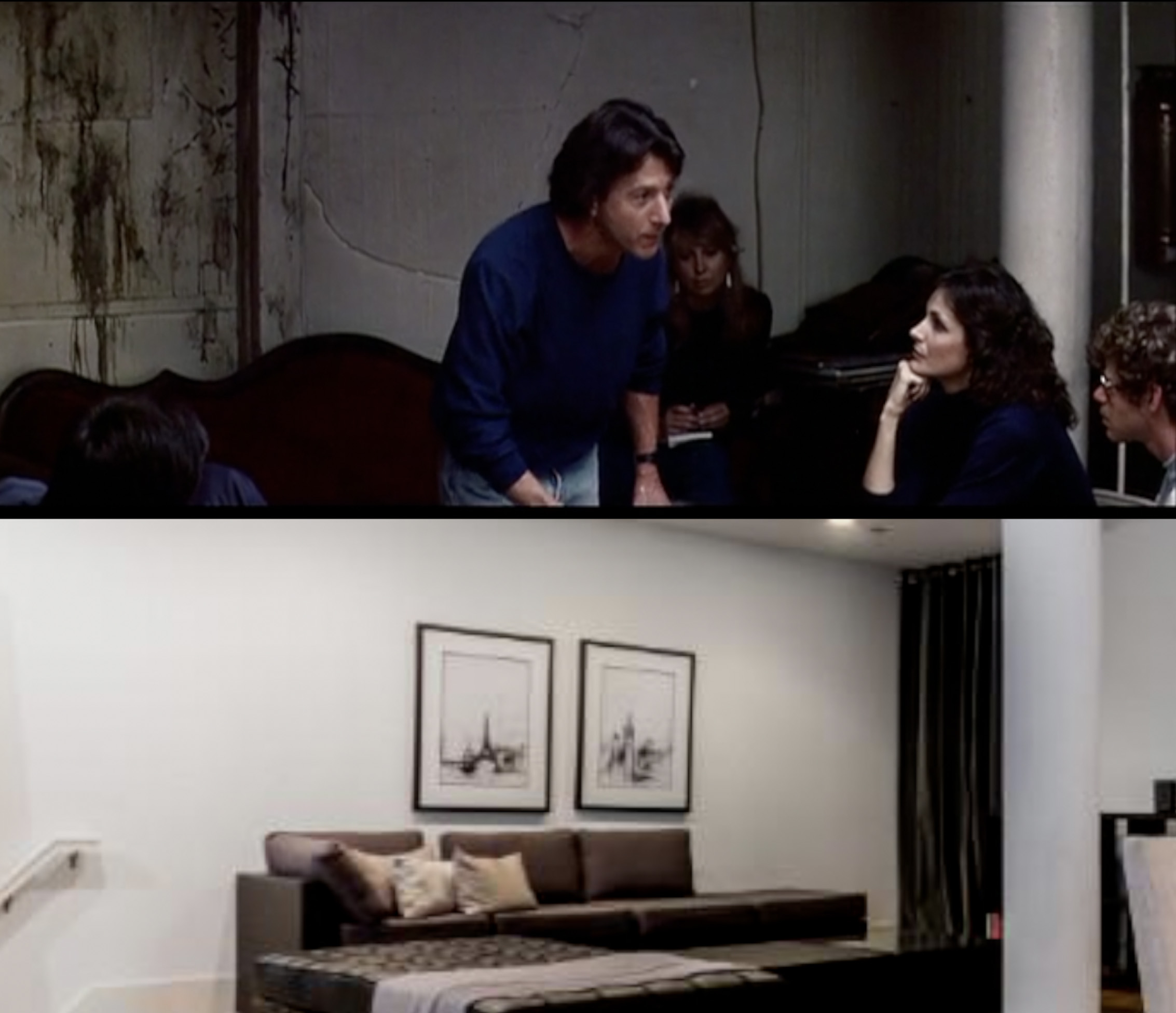
They apparently utilized other parts of the building for other uses as well. On the third floor was a holding area for the crew and background actors. It was also used as a filming space for at least a couple other scenes — the acting classes scenes and the montage of Dorthy being photographed for various magazine covers.
Sandy’s Apartment
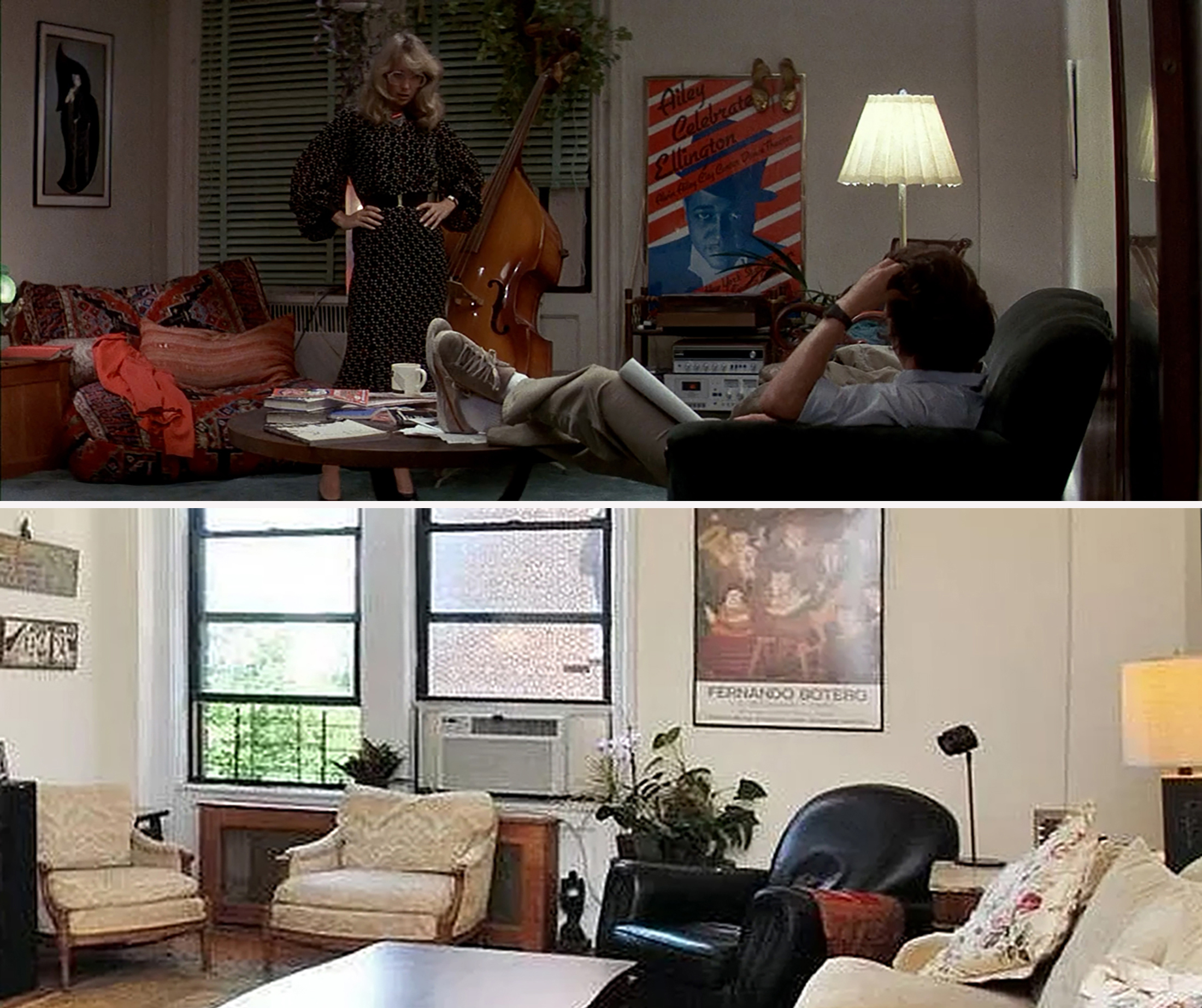
This is a location I never would have discovered if not for Dworkin’s detailed behind-the-scenes book, Making Tootsie. When it came to the filming locations, they were often casually inserted into the broader story about the making of the film, sometimes without giving an exact address.
That was the case with this location; the book simply mentioned that the Sandy apartment scenes were filmed on an upper floor inside a building at 100th and Riverside. After checking out the intersection in Google Street View, I figured the author was talking about one of the two corner buildings. Then, after digging up some real estate photos of different apartments, I determined that they filmed these Sandy scenes at 276 Riverside Drive.
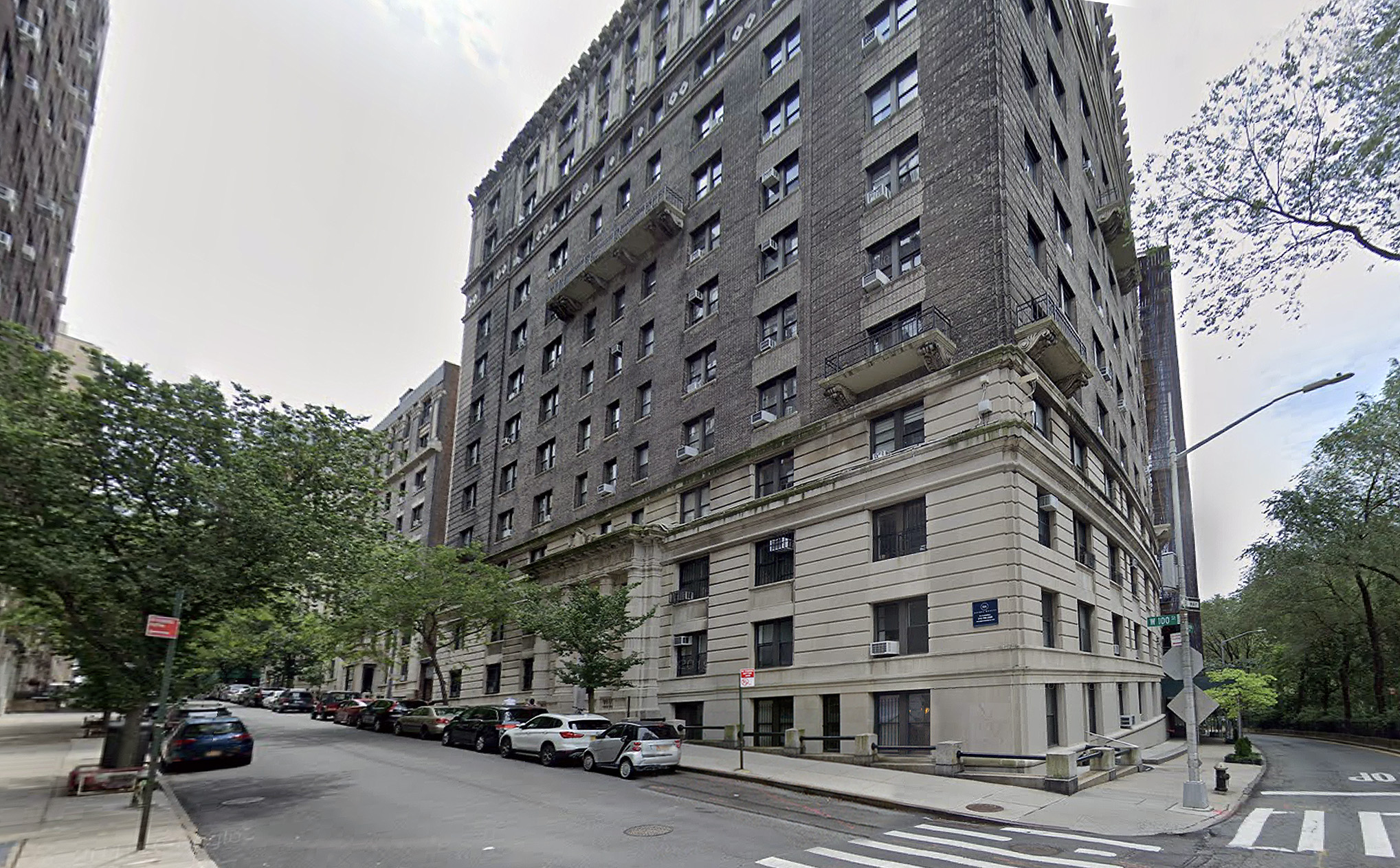
While not one hundred percent certain, I’m pretty sure they filmed in unit 12H. There were a couple clues that led me there. First, in one scene, you can see a 12 on Sandy’s front door, which I assumed was not set dressing. Second, after studying the layouts of various apartments in the building, the only ones that matched the movie were on the H line.
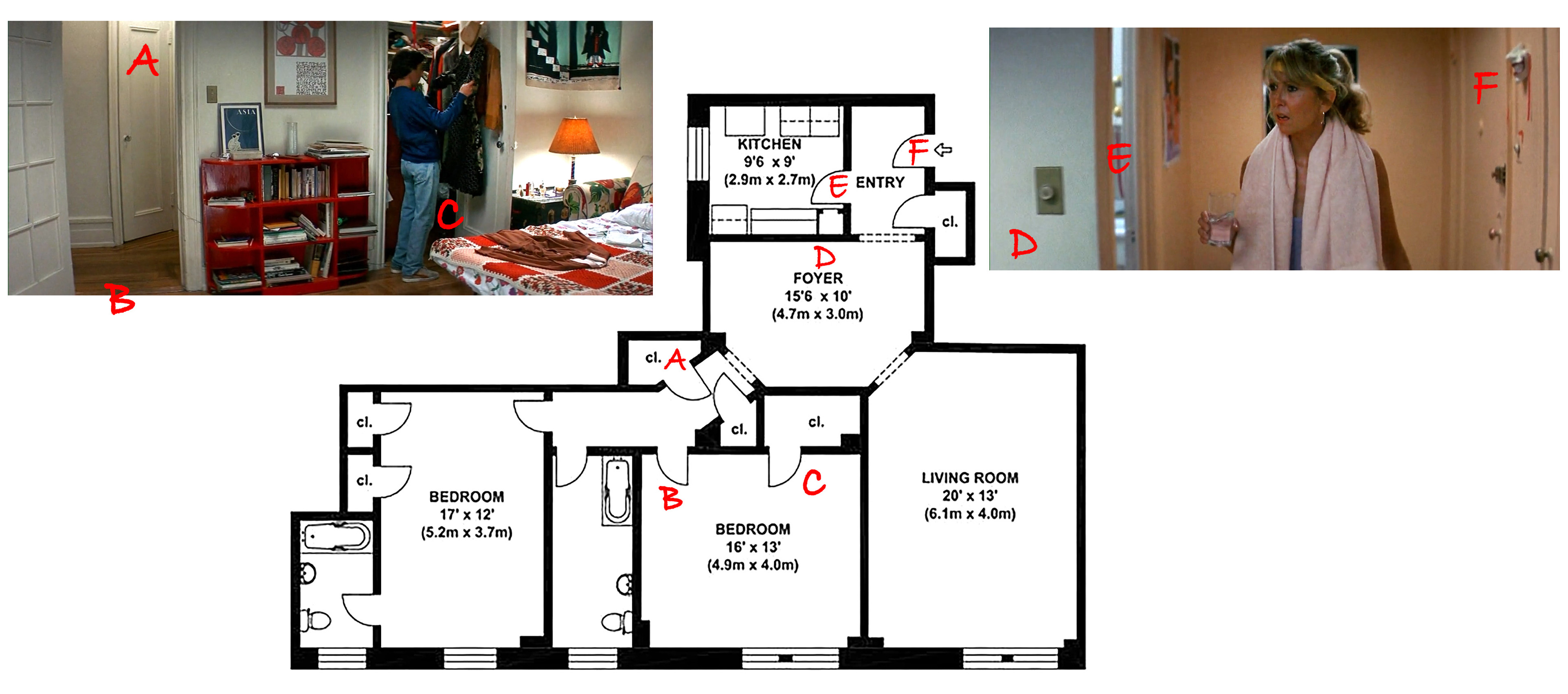
It’s a bit surprising that they decided to film in a real apartment, especially one that is fairly narrow and on a high floor. Unless it’s a super low budget movie, apartment interiors in movies are usually sets, mainly because they’re fairly easy to replicate and they offer more flexibility for the camera/lighting crew. But shooting in a real space is almost always preferable for the actors, giving them a better chance to absorb themselves into the atmosphere.
Michael’s Agent
The Big Reveal
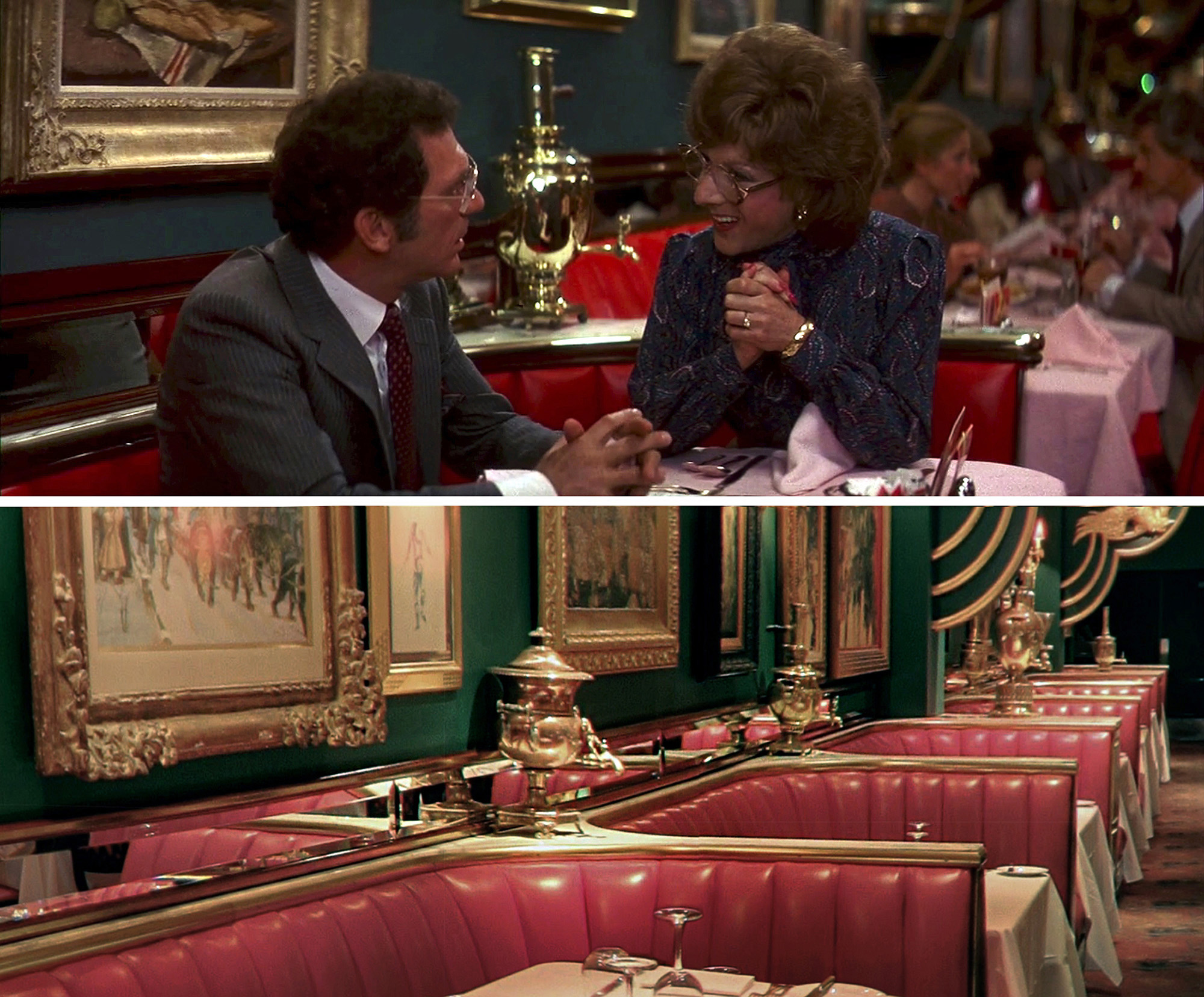
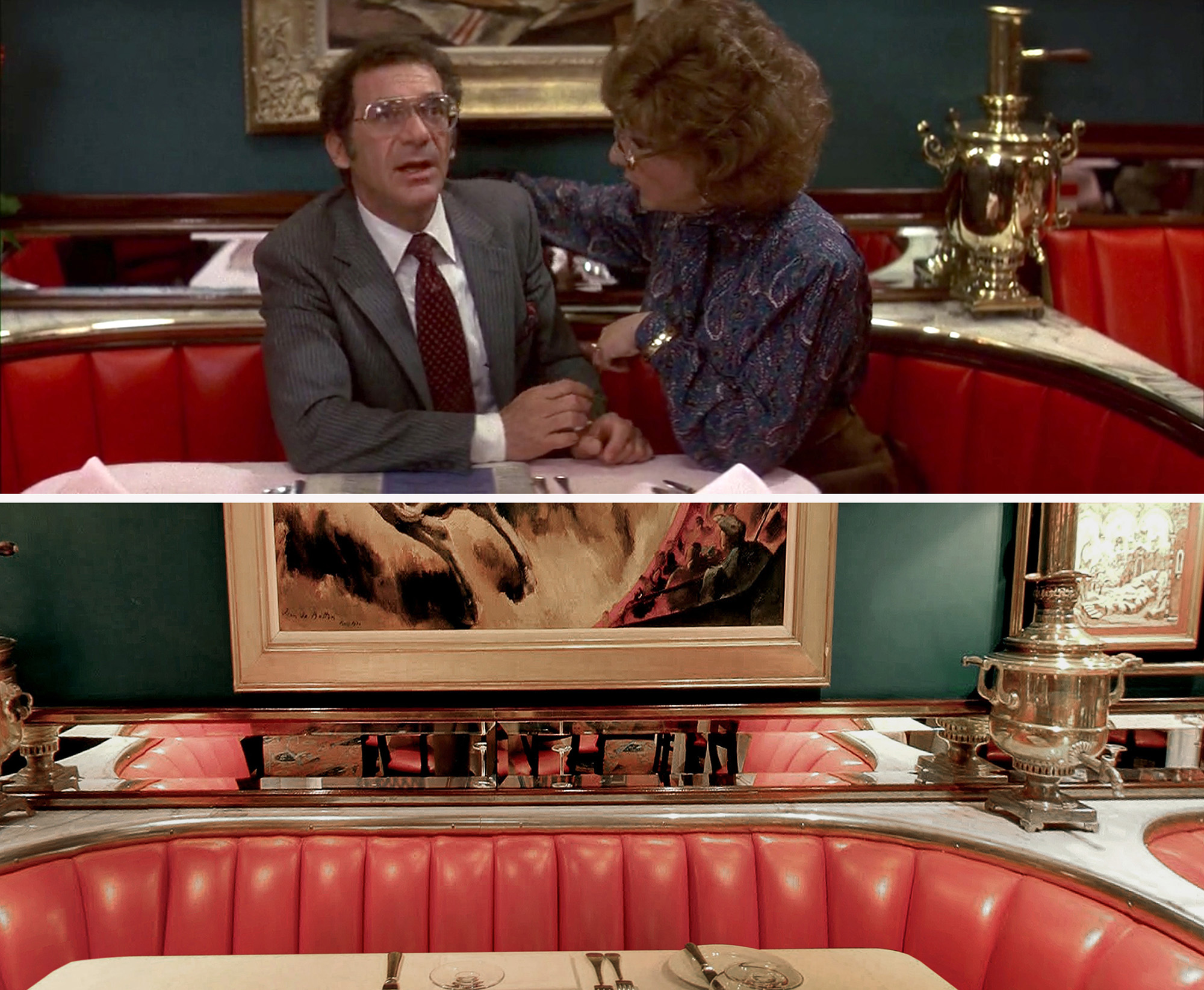
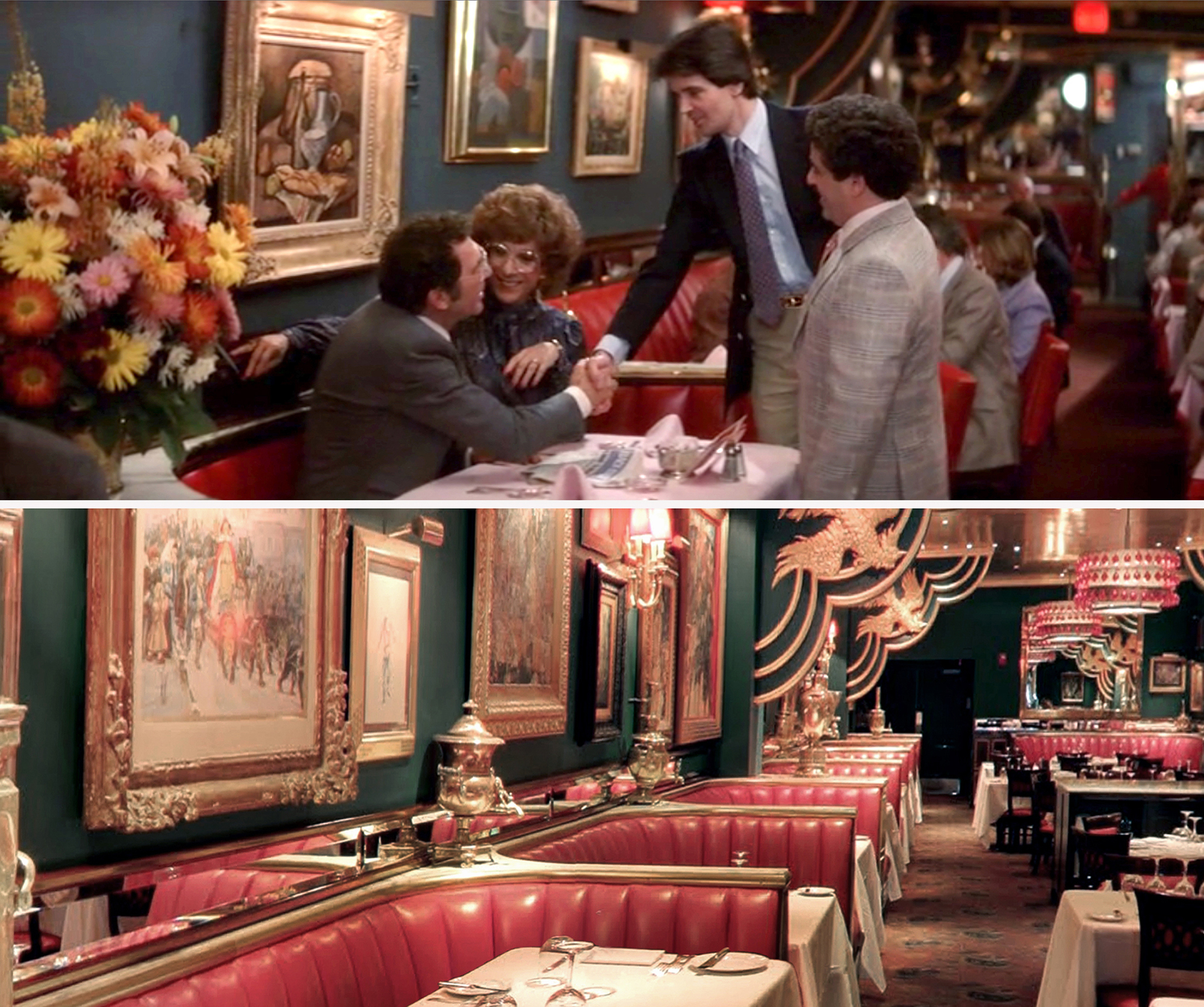
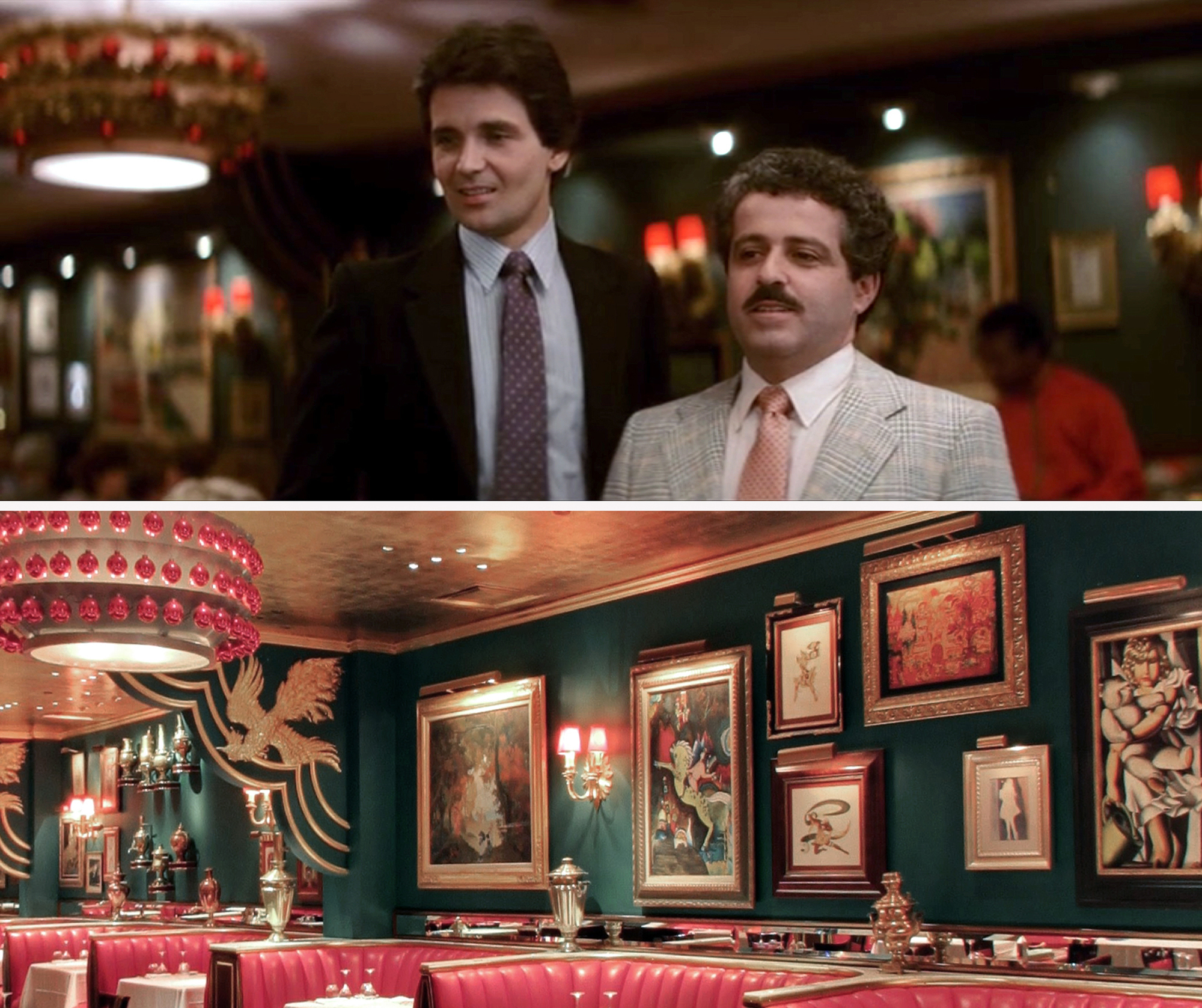
Russian Tea Room
Shopping
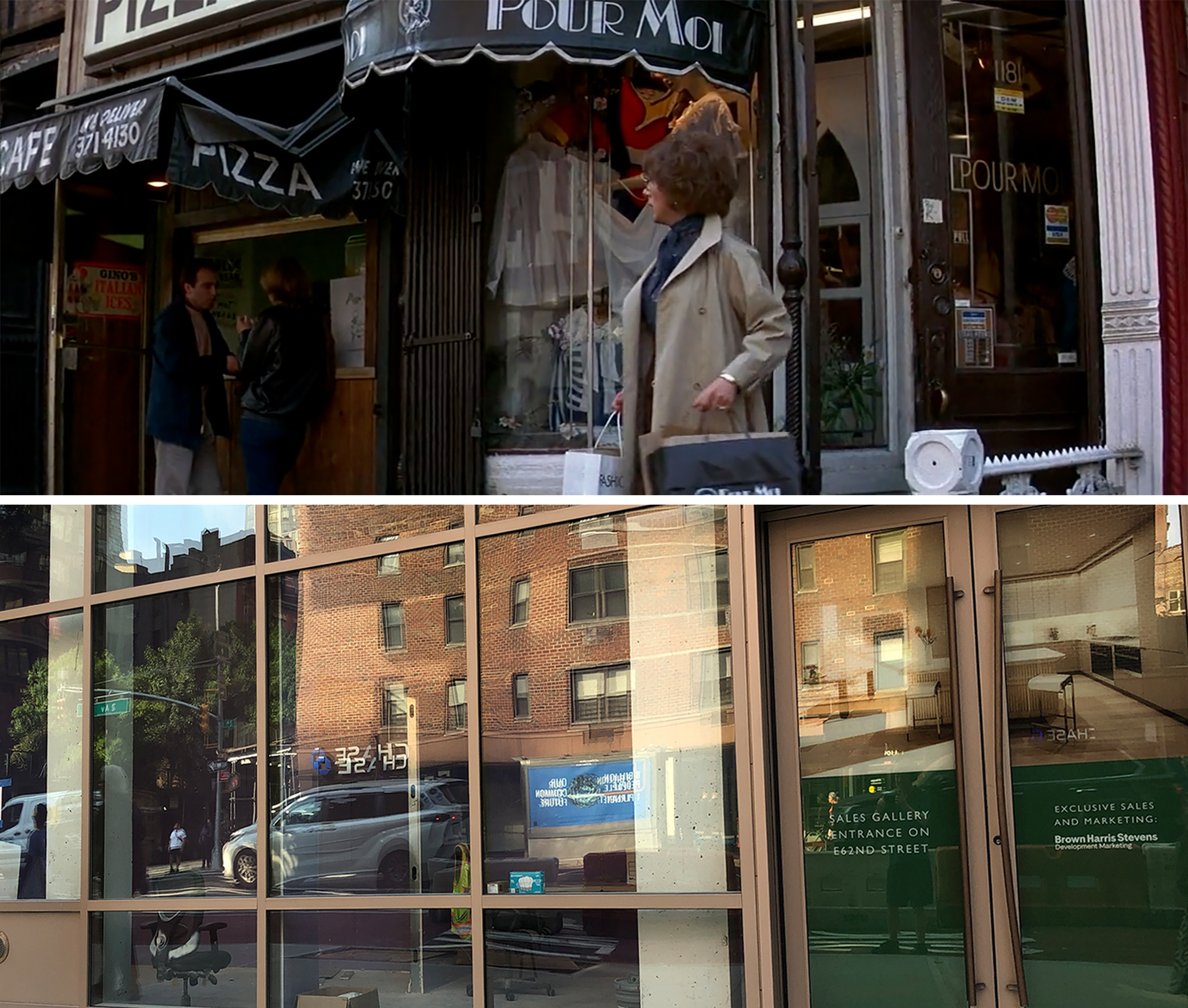
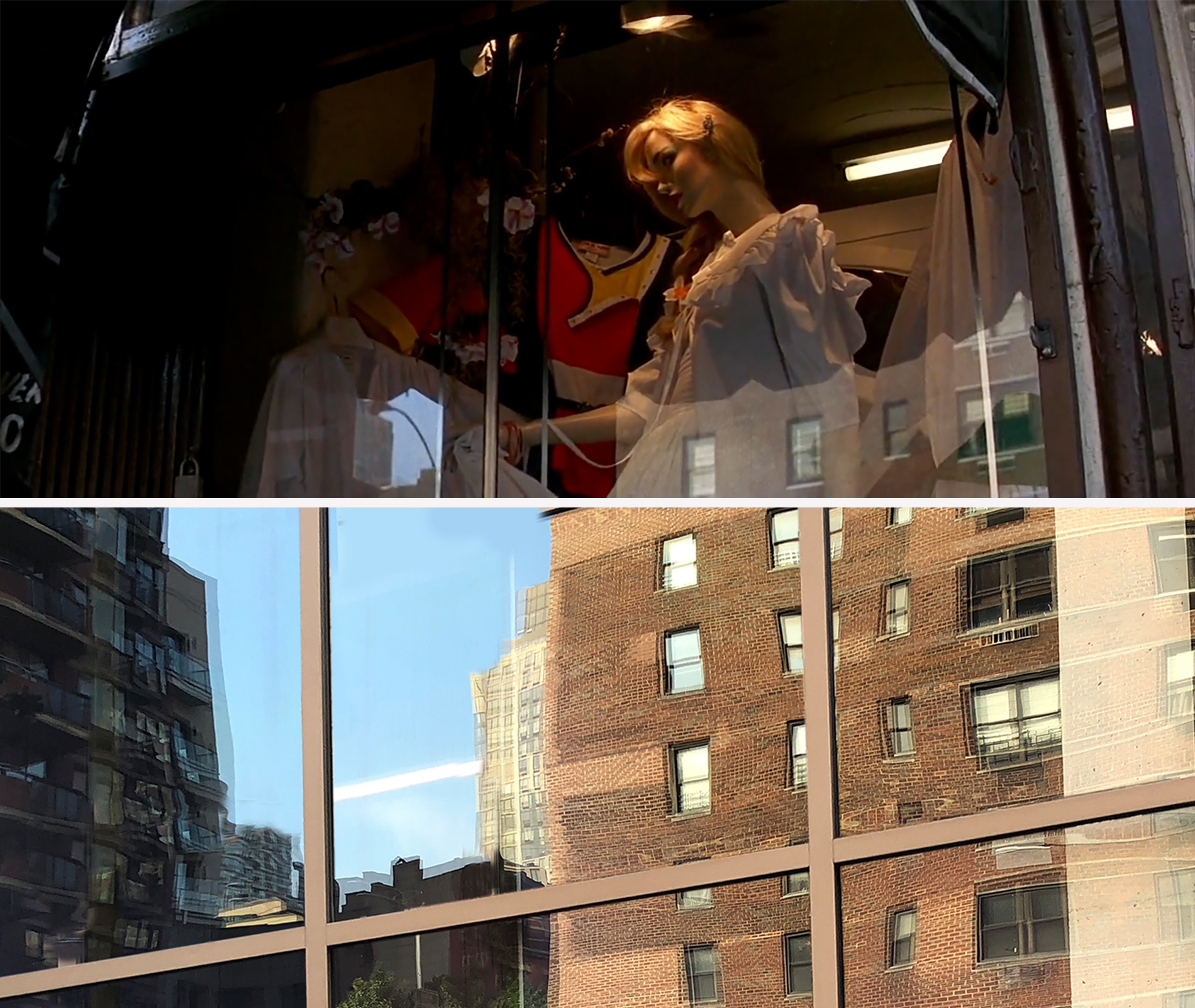
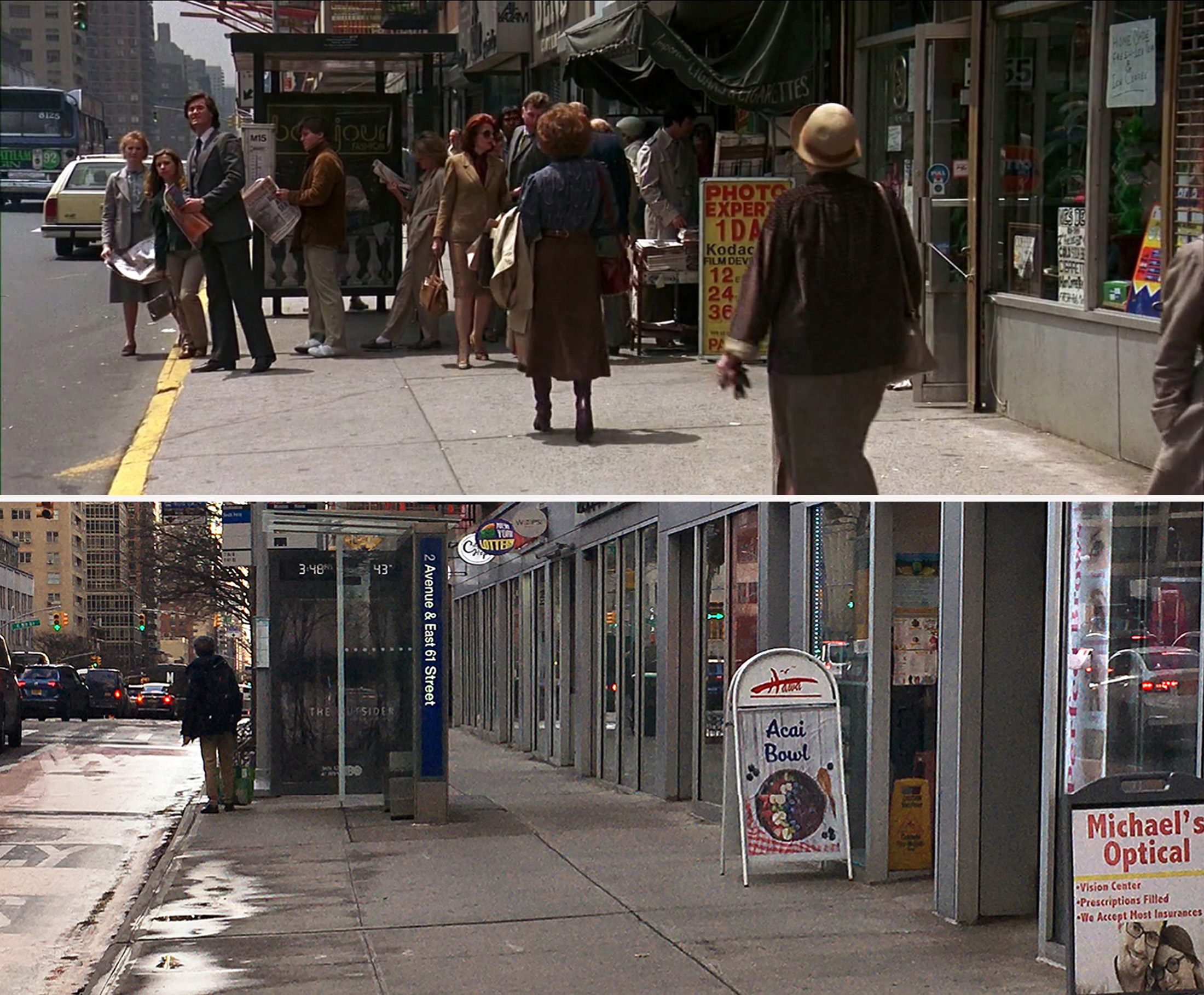
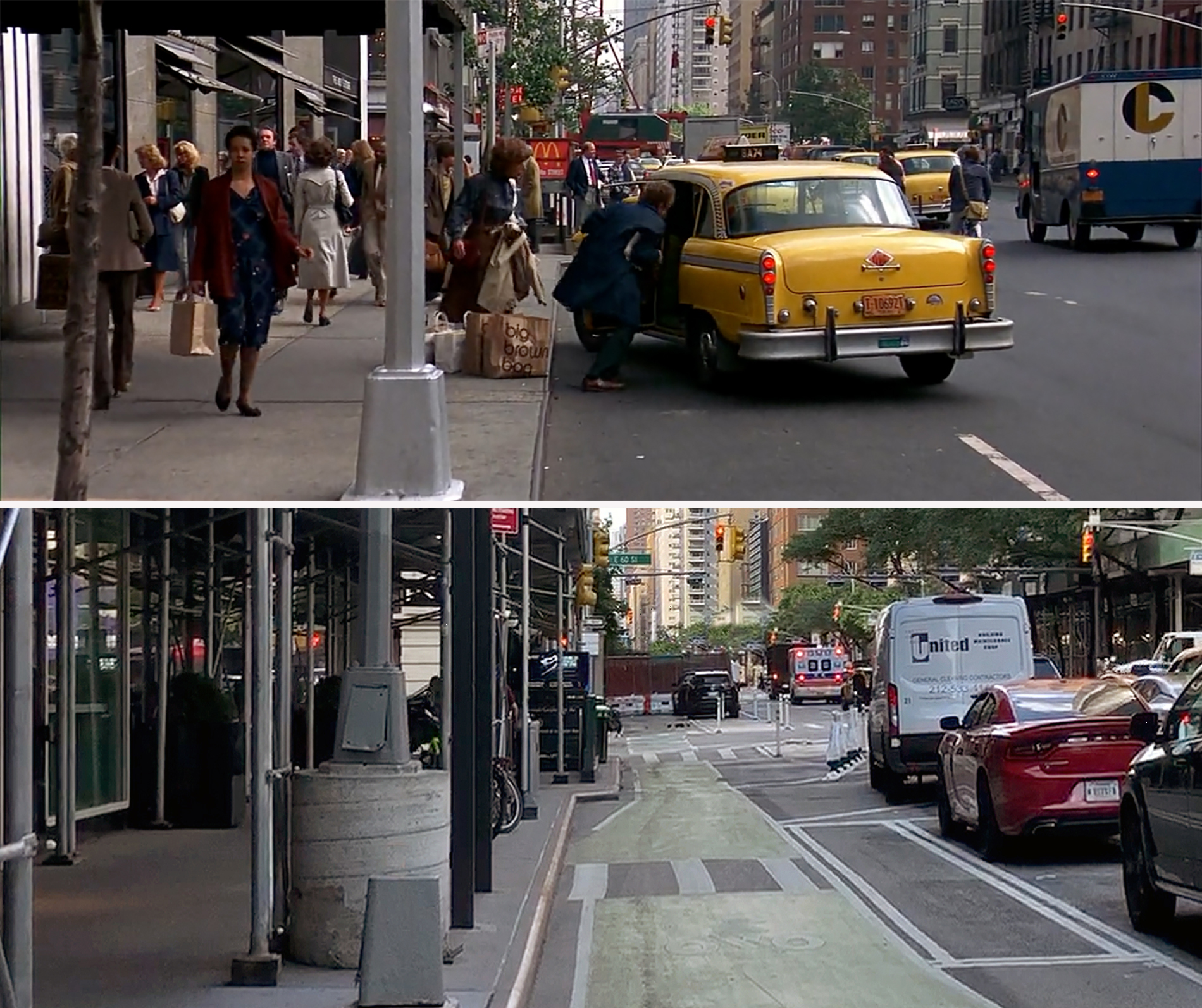
First Day Working
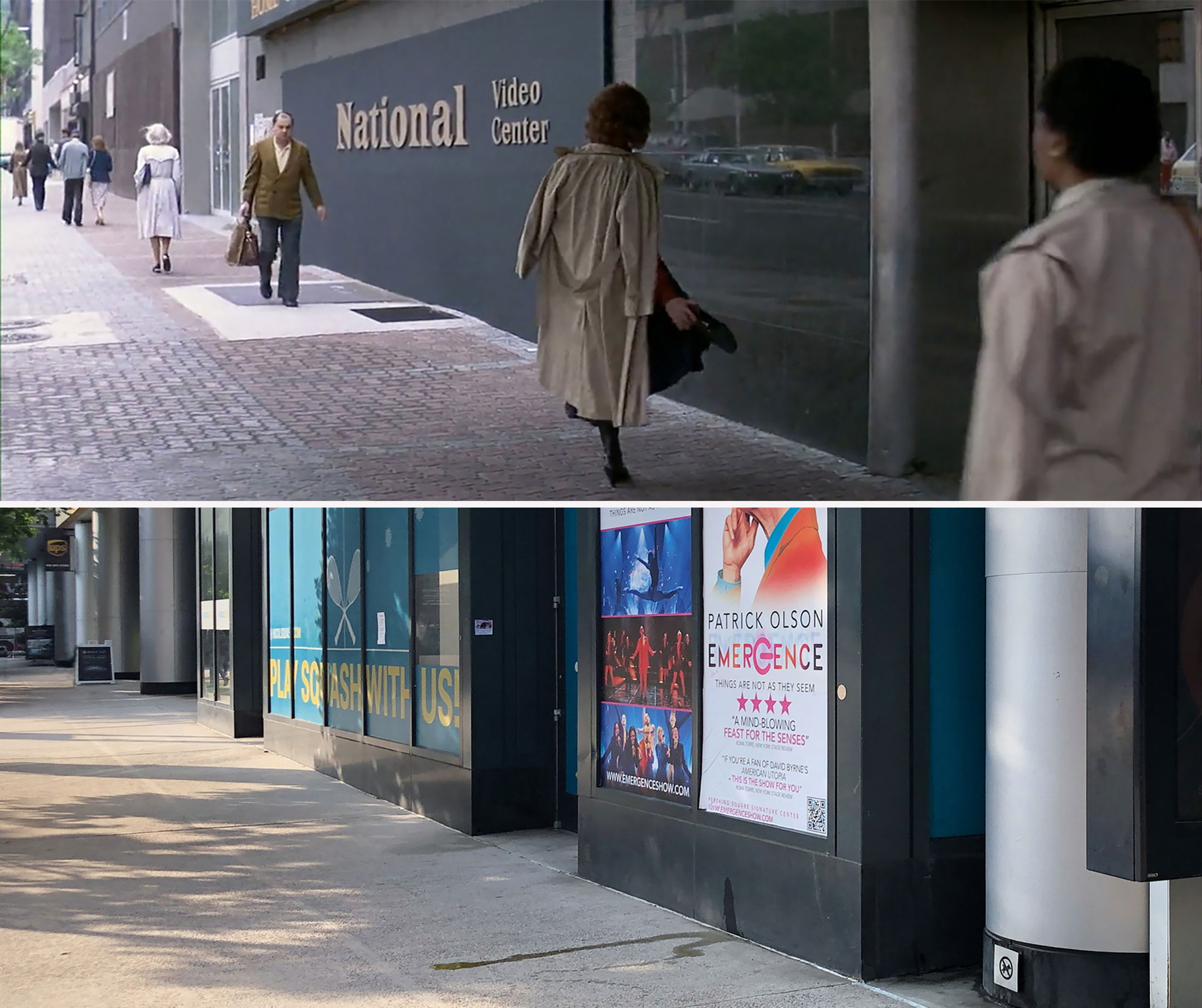
Michael Spots Julie
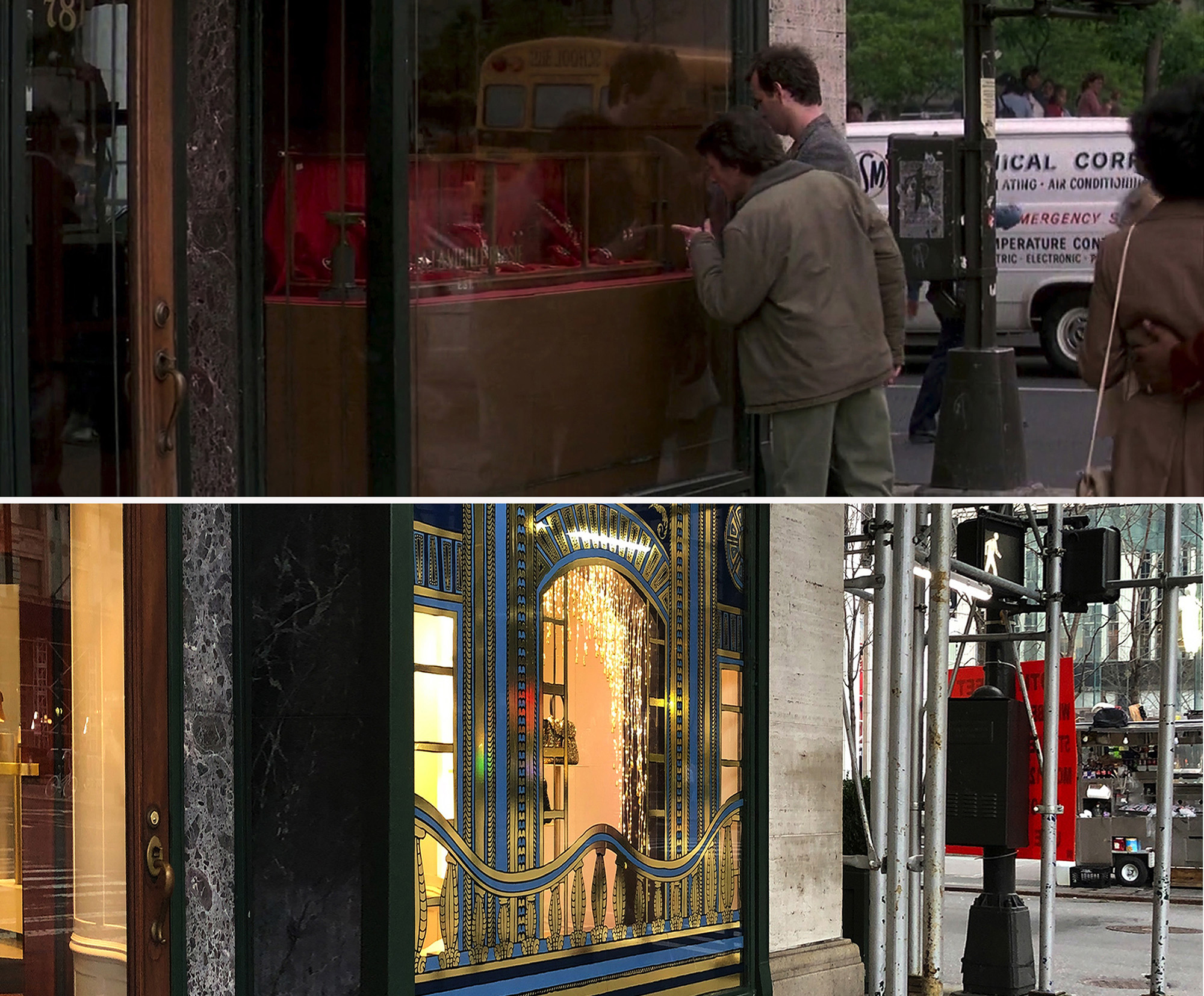
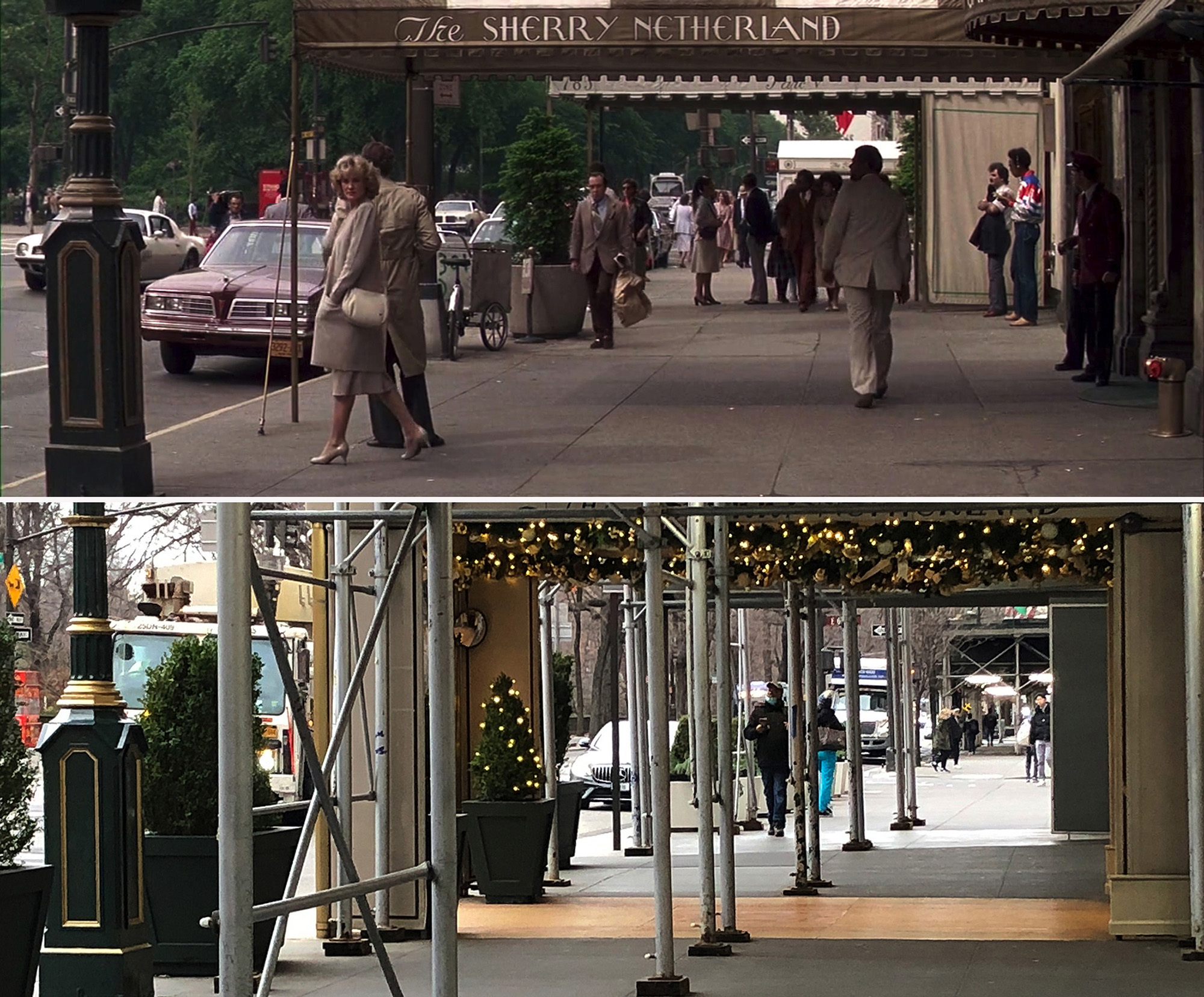
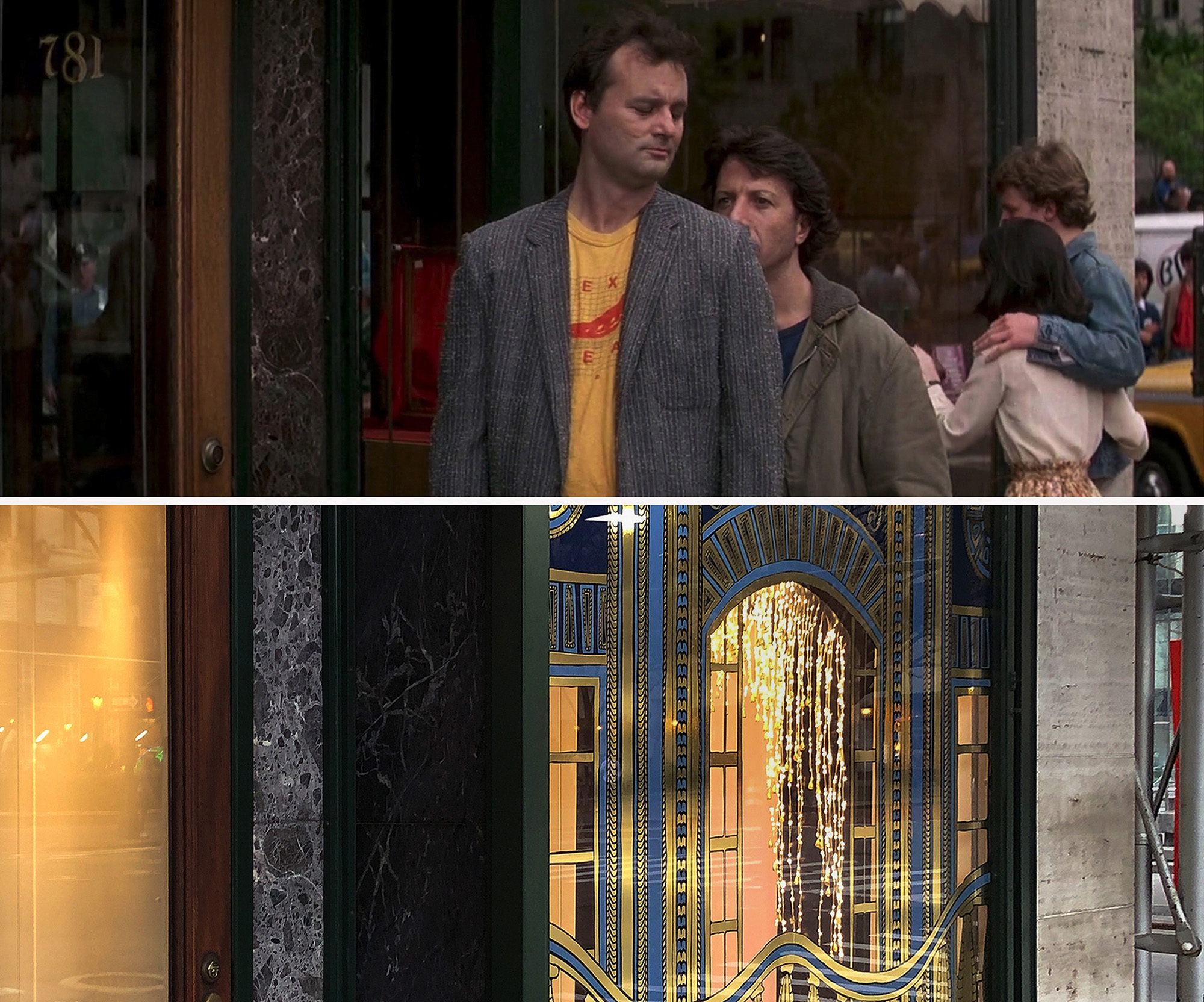
Sandy’s Dinner Date
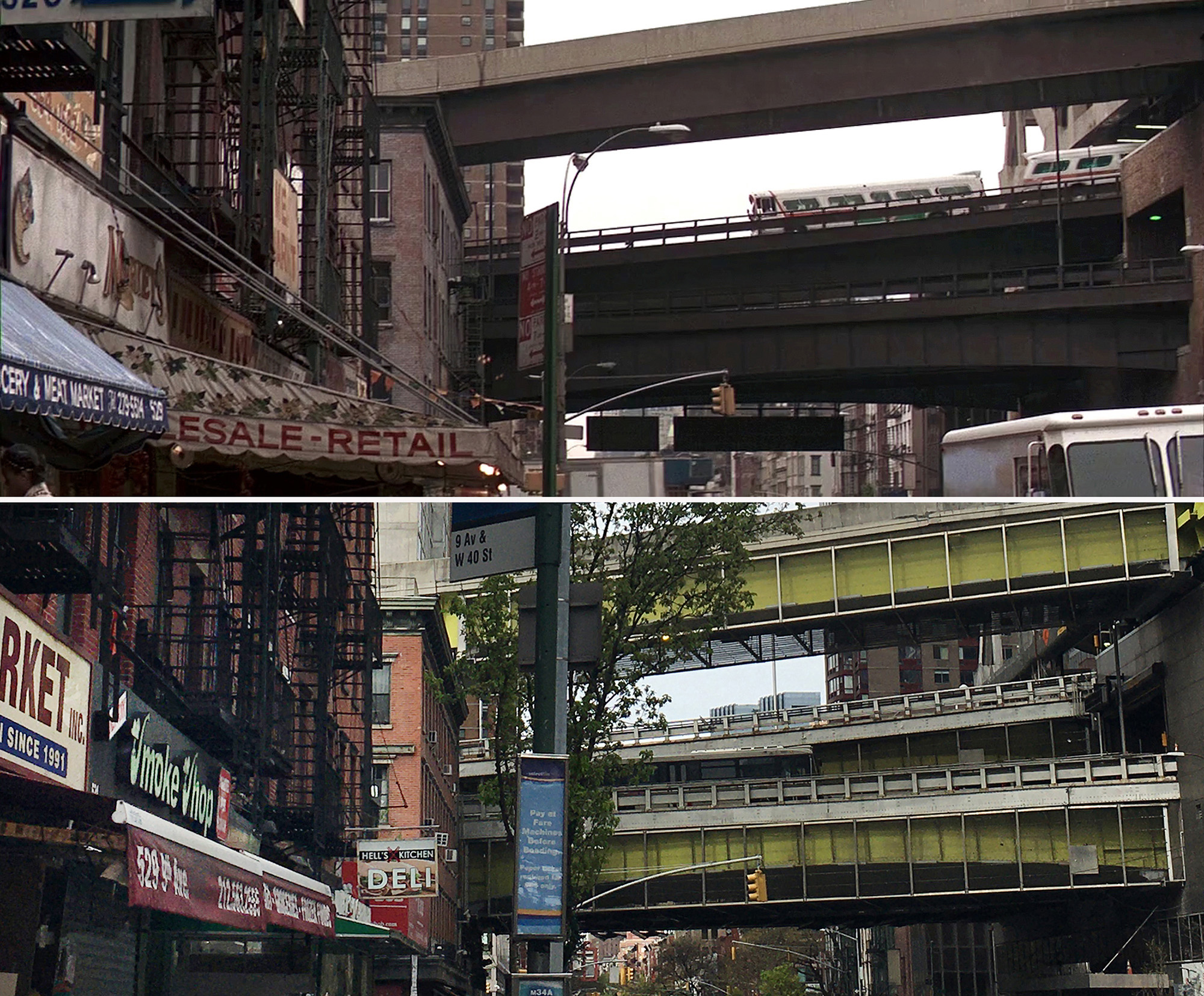
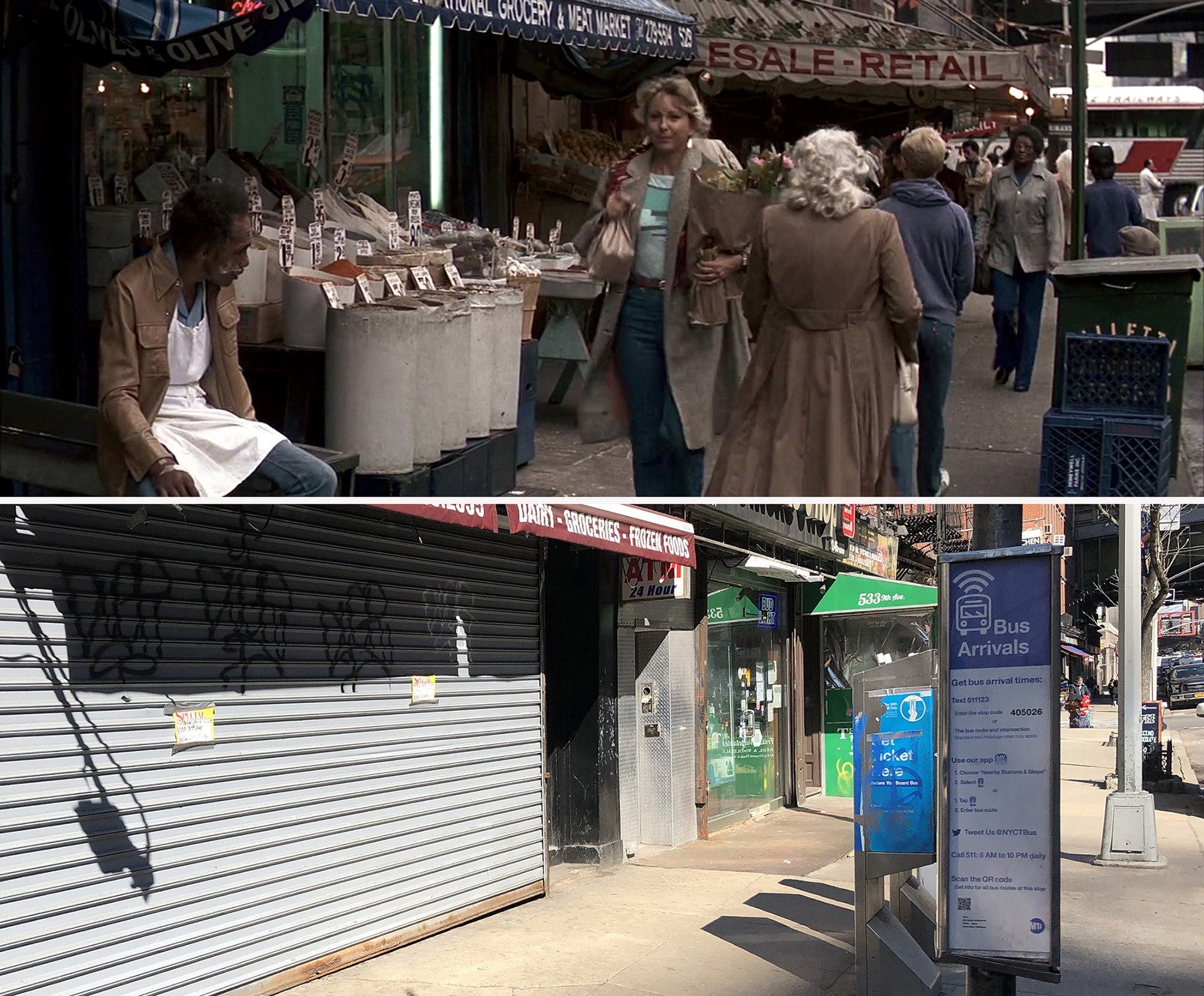
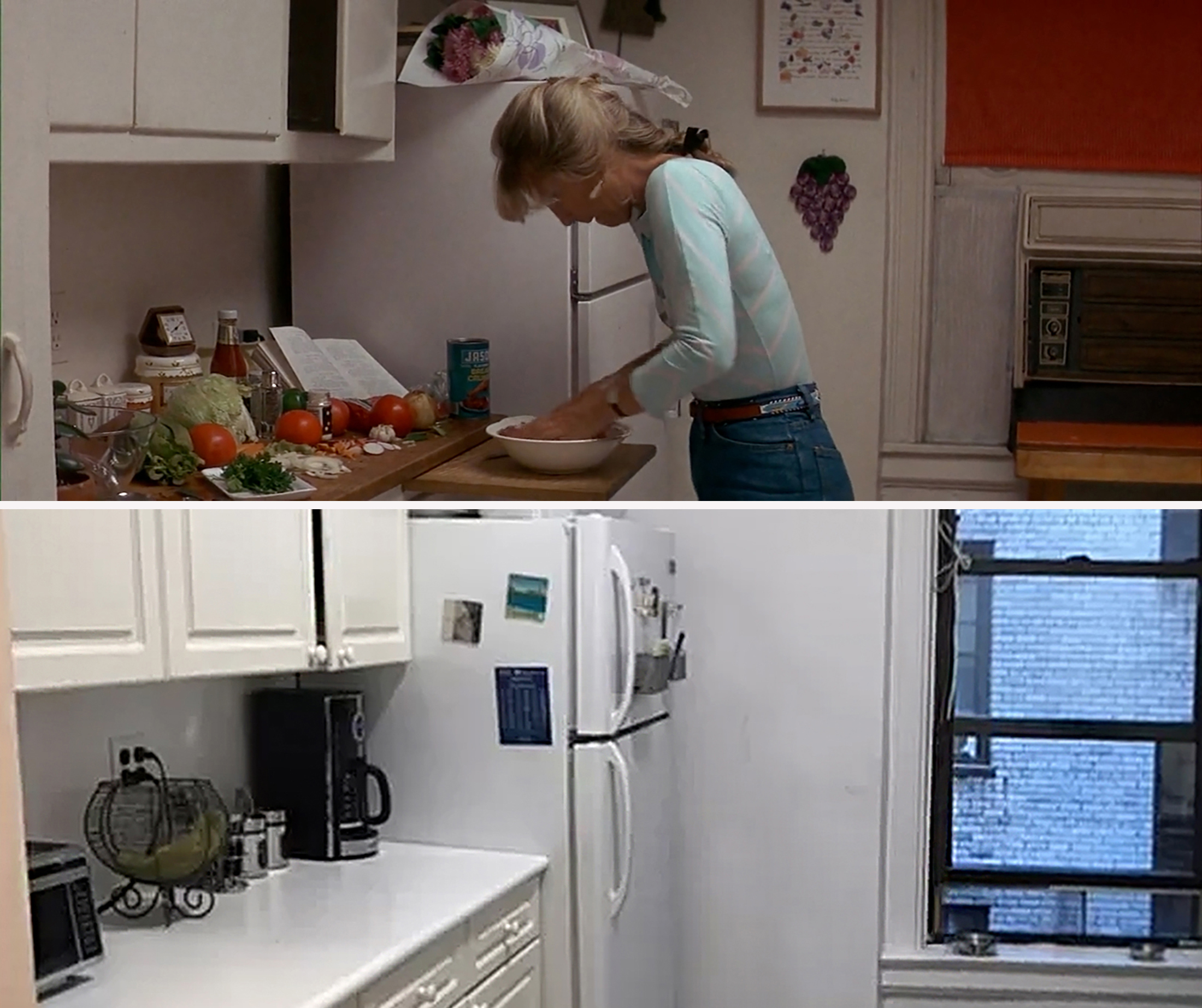
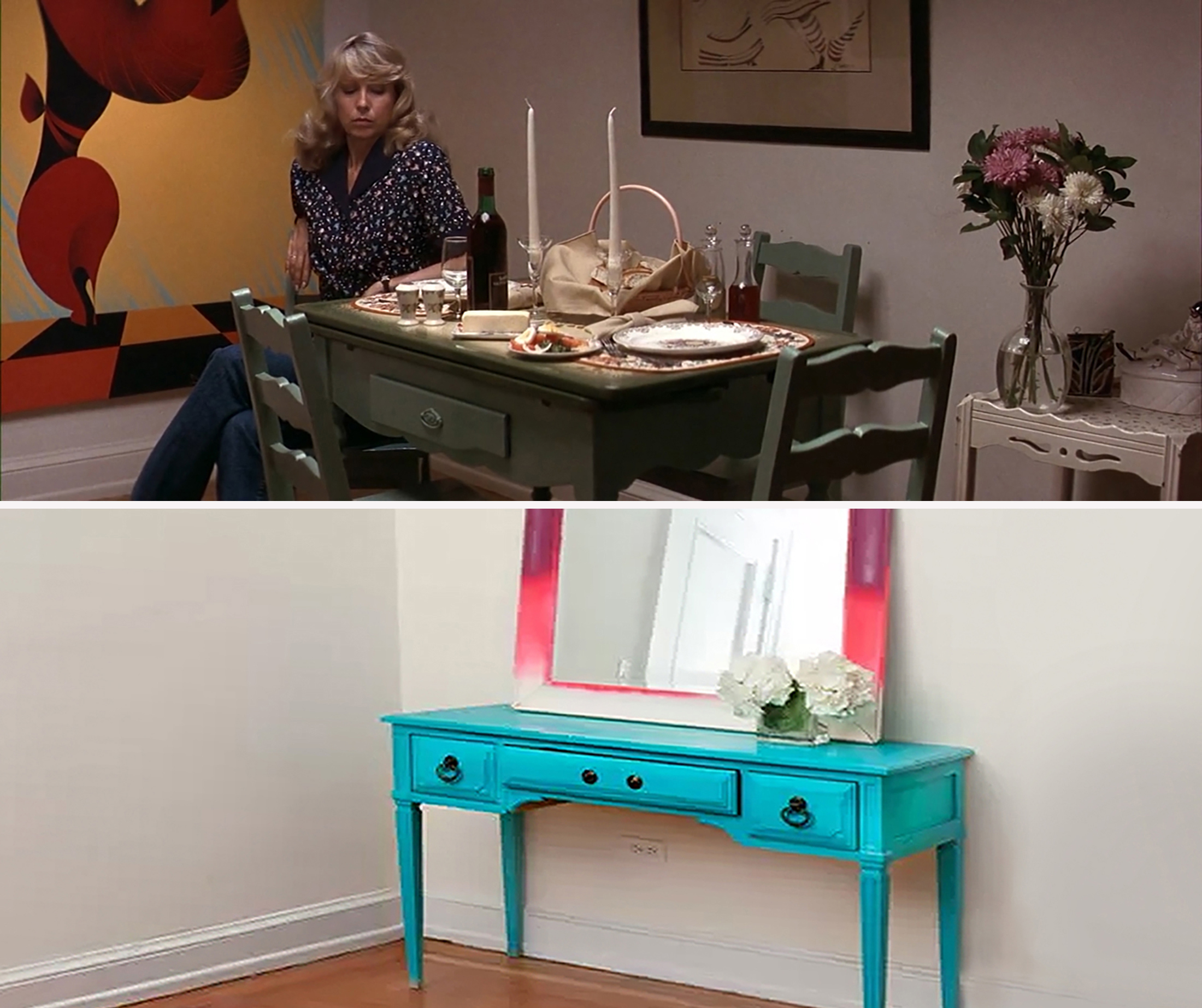
Dorthy Becomes Popular
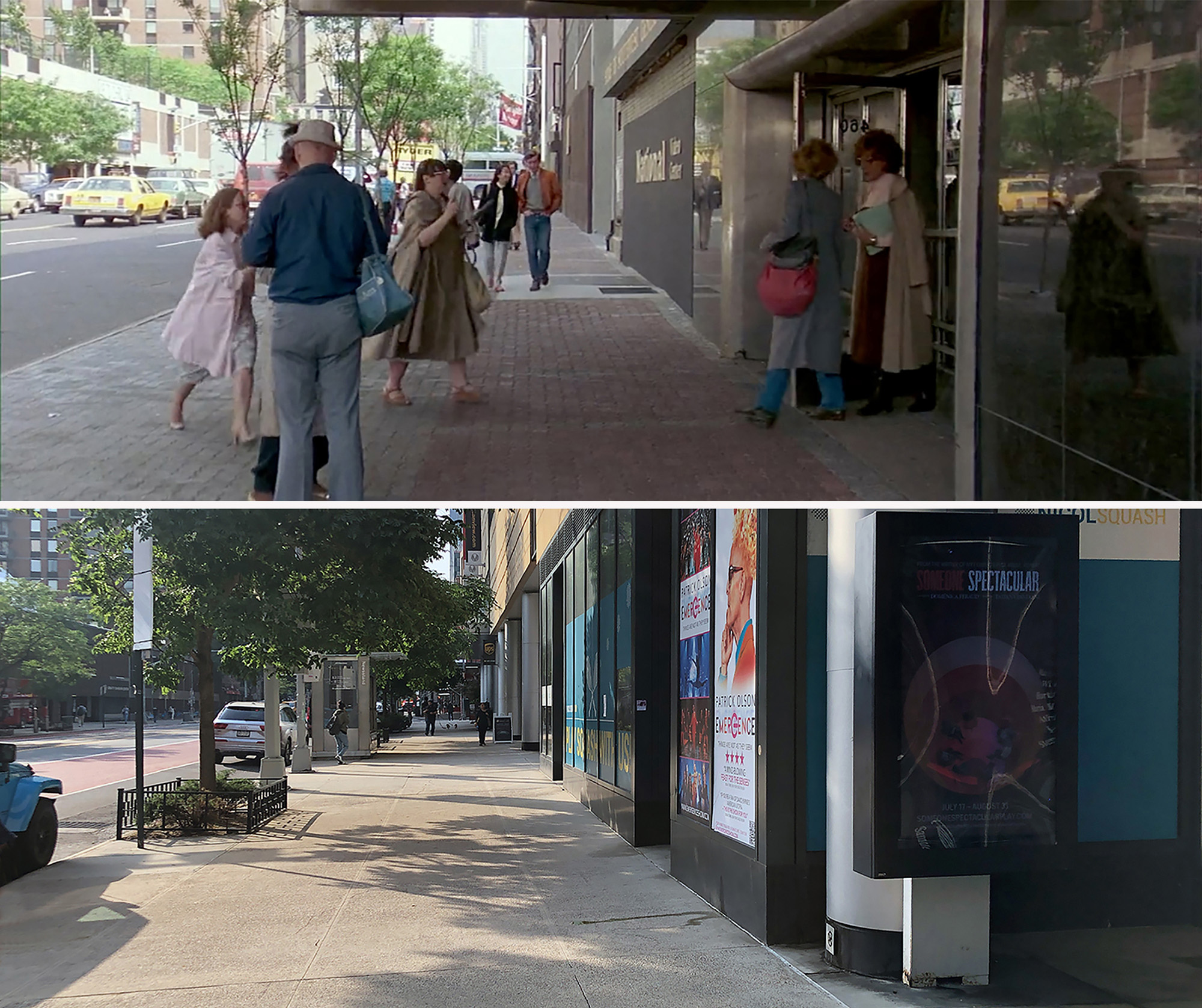
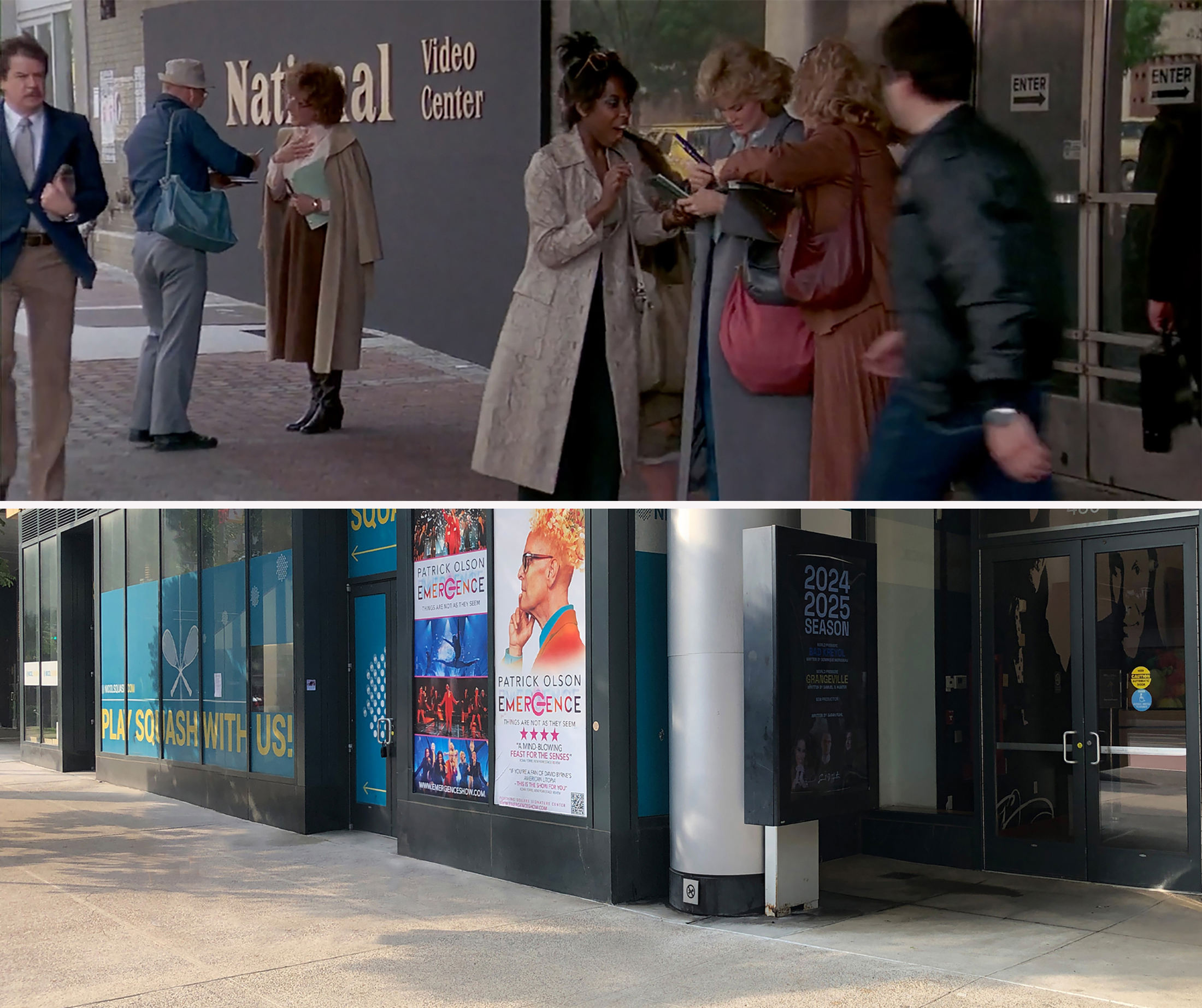
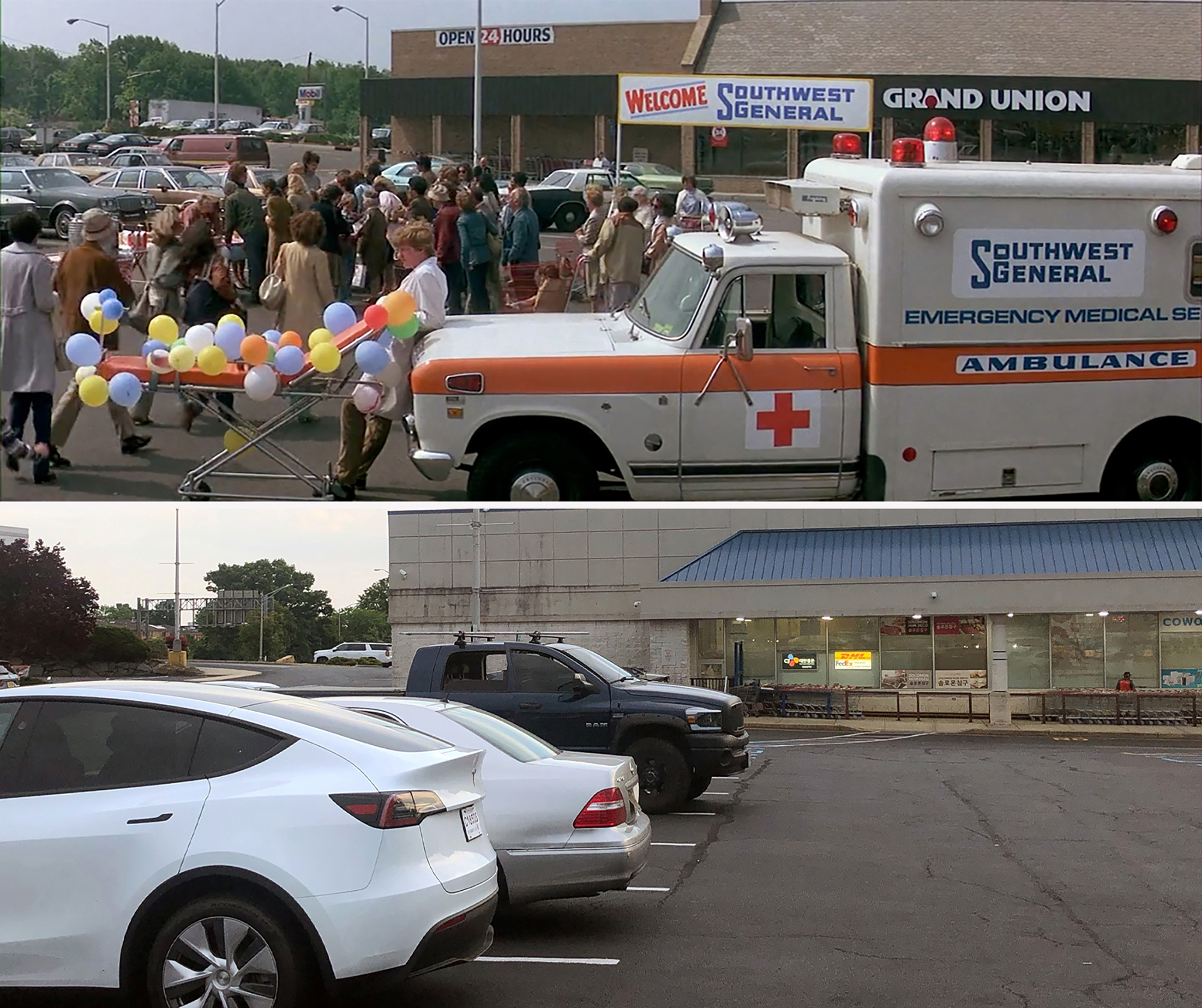
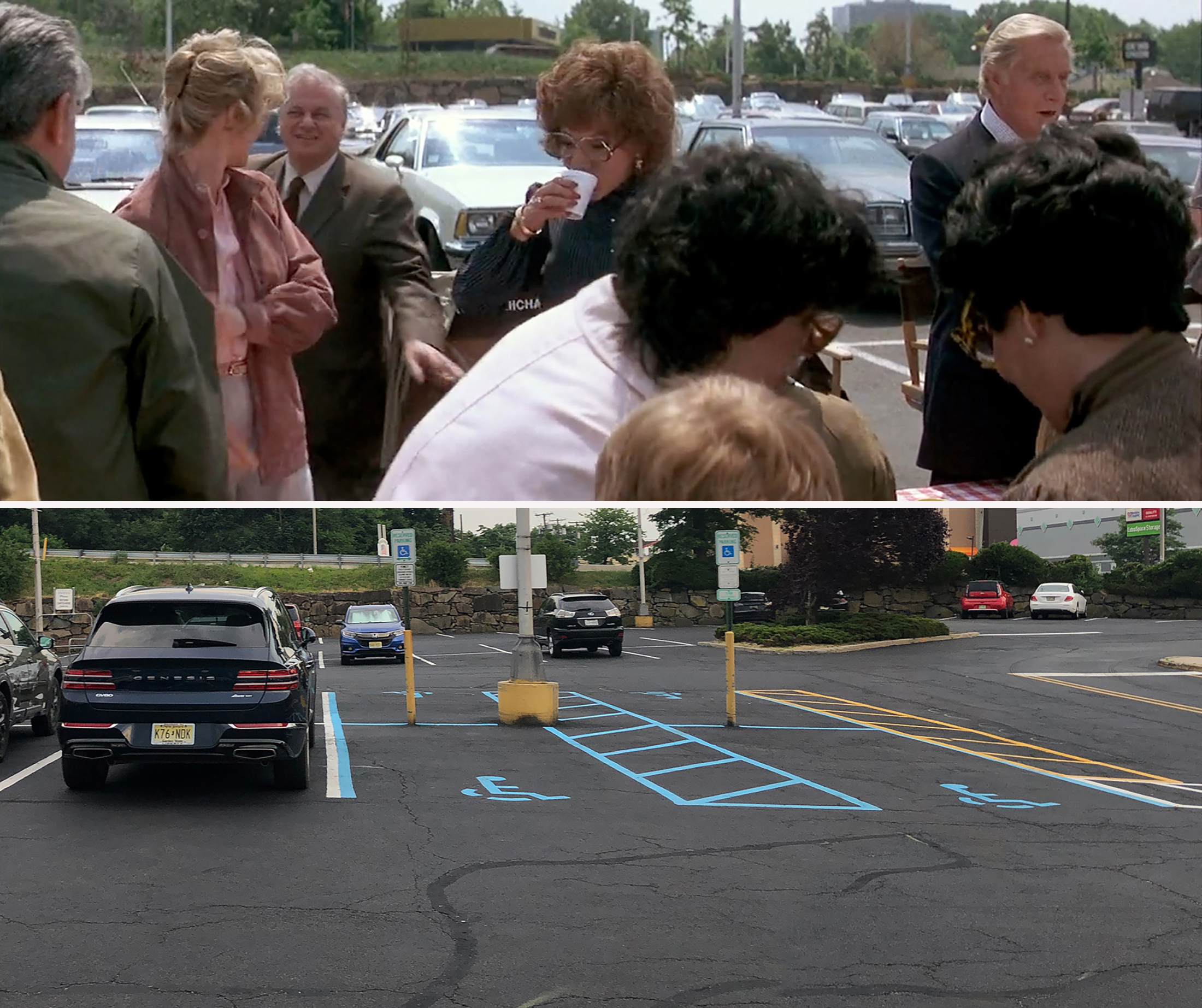
Michael and George Walk
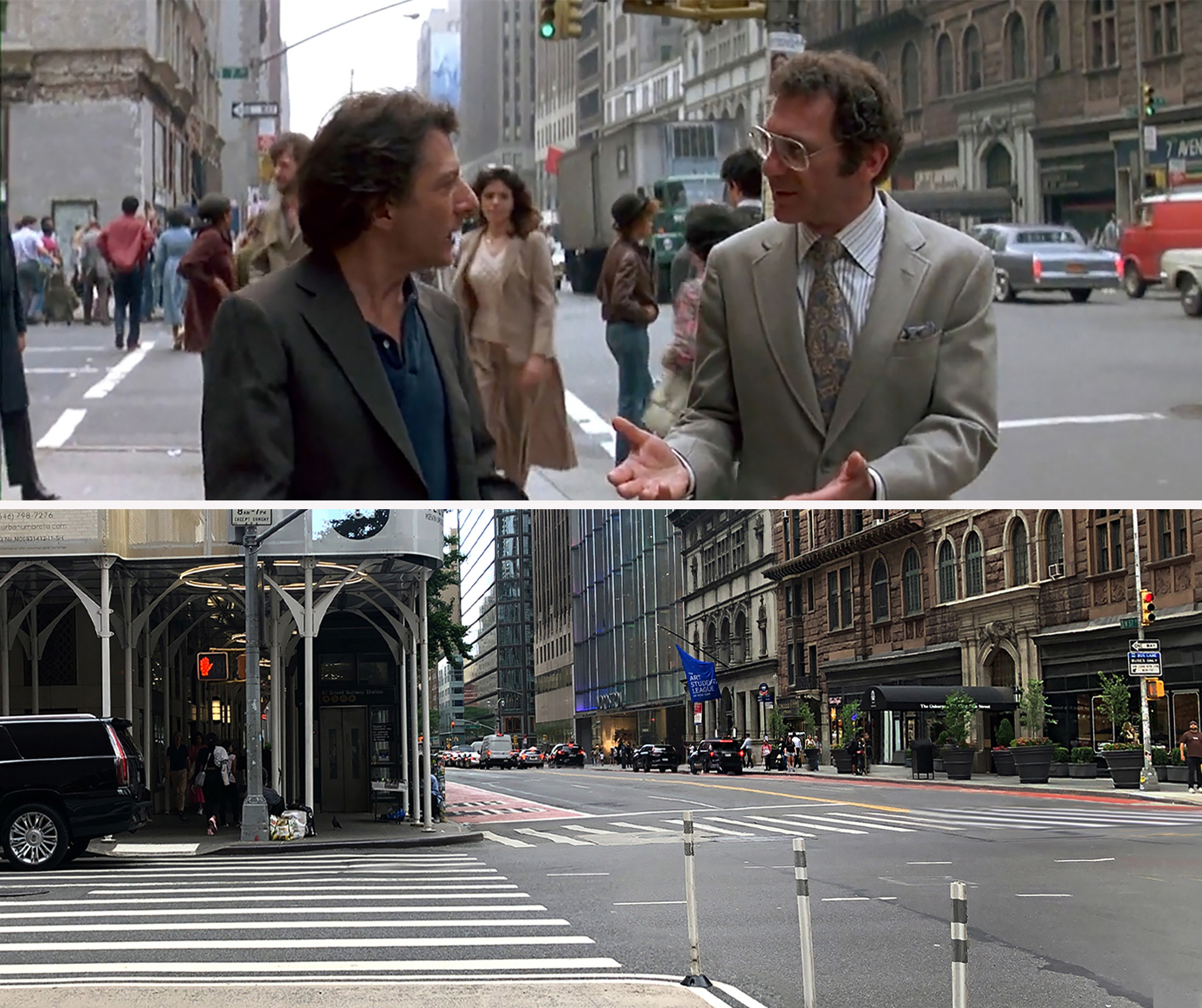
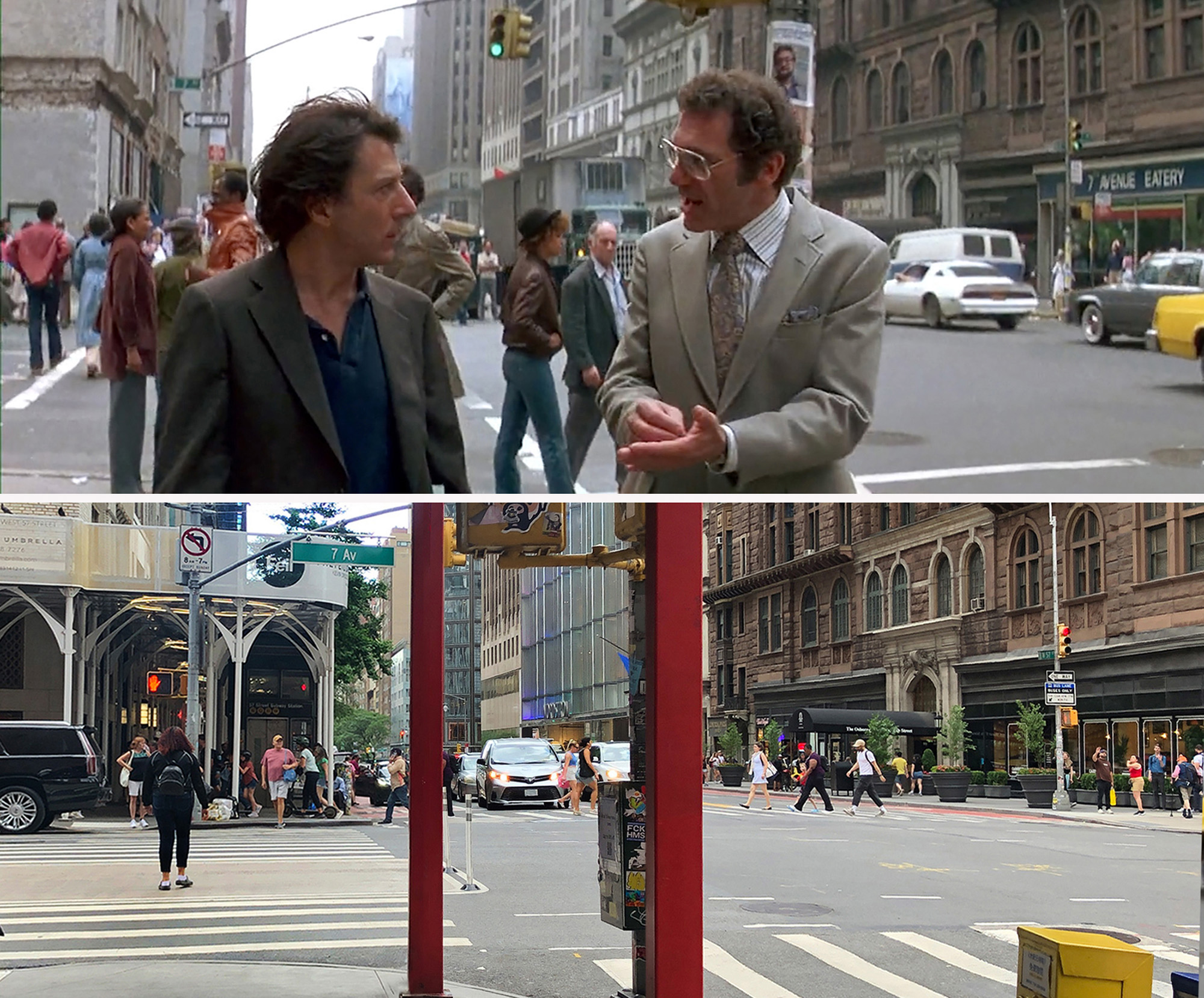
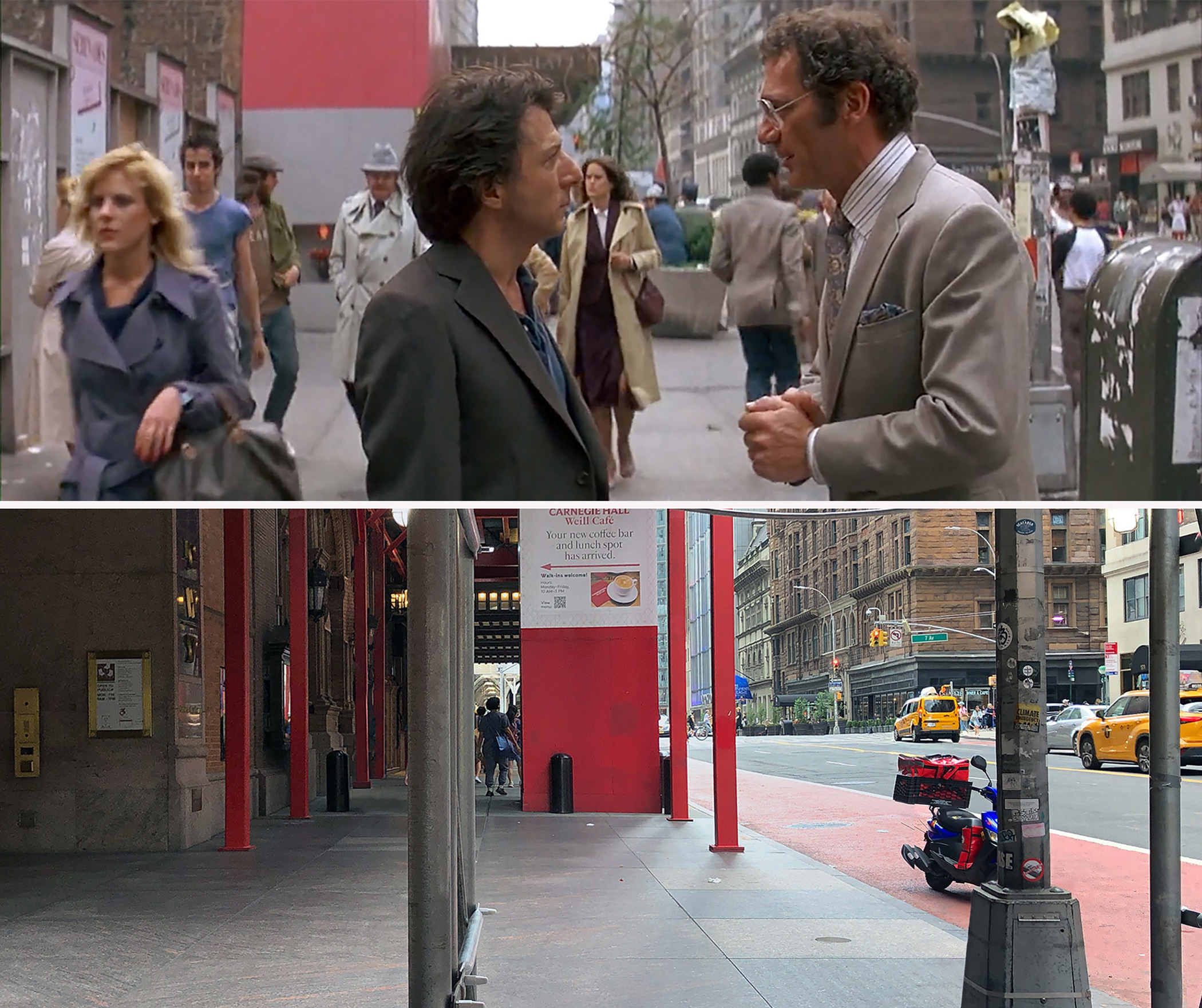
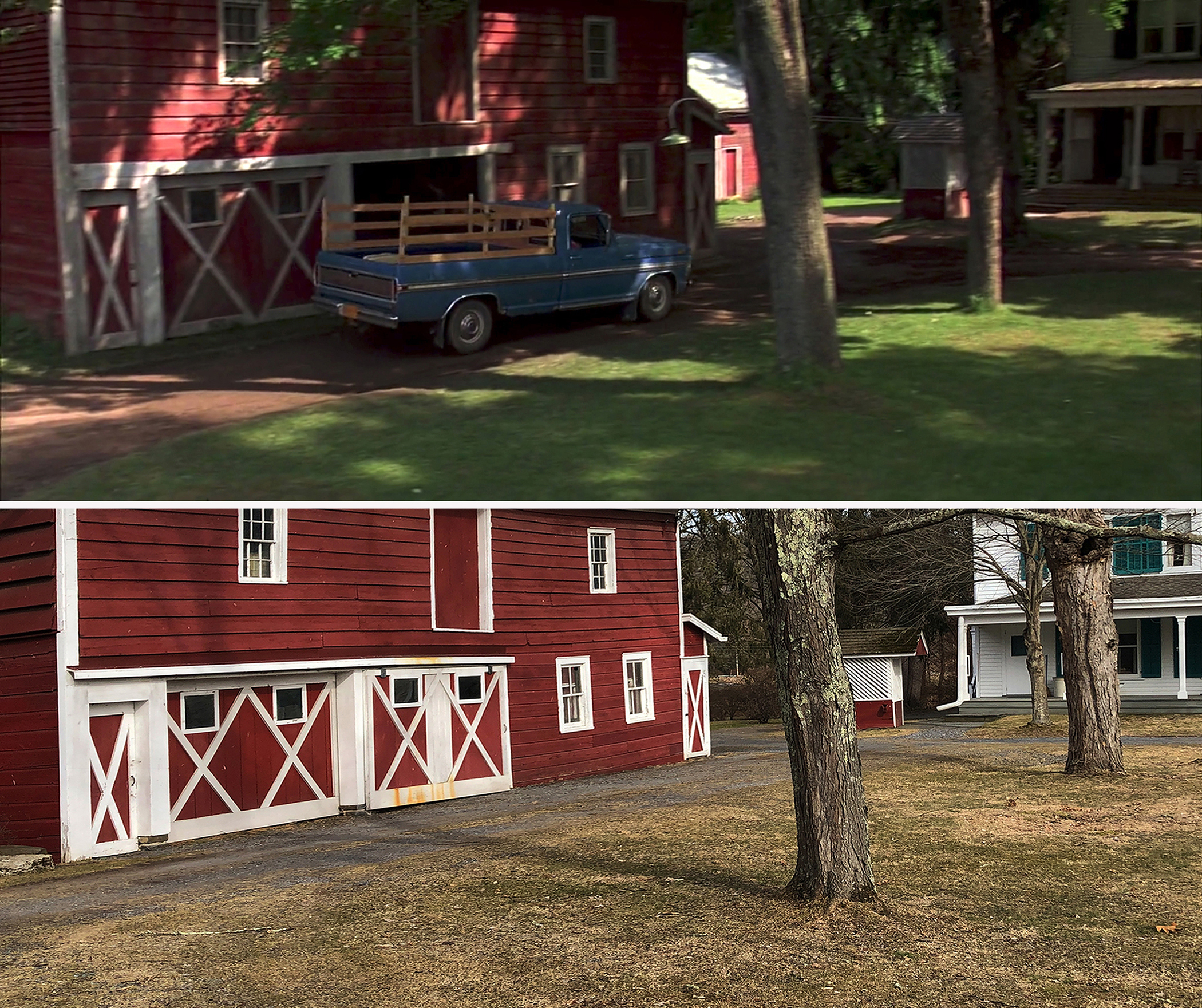
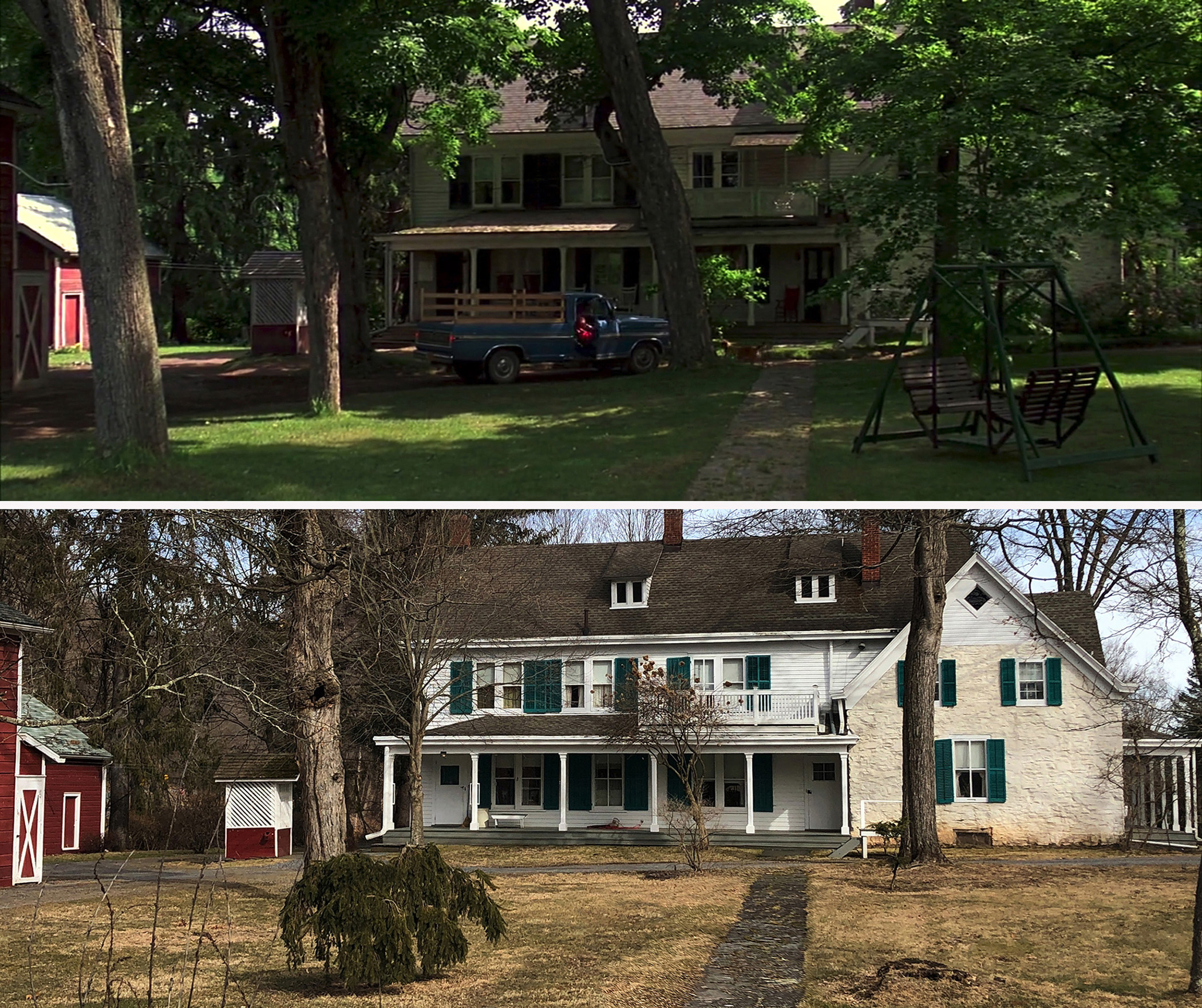
Upstate Farm
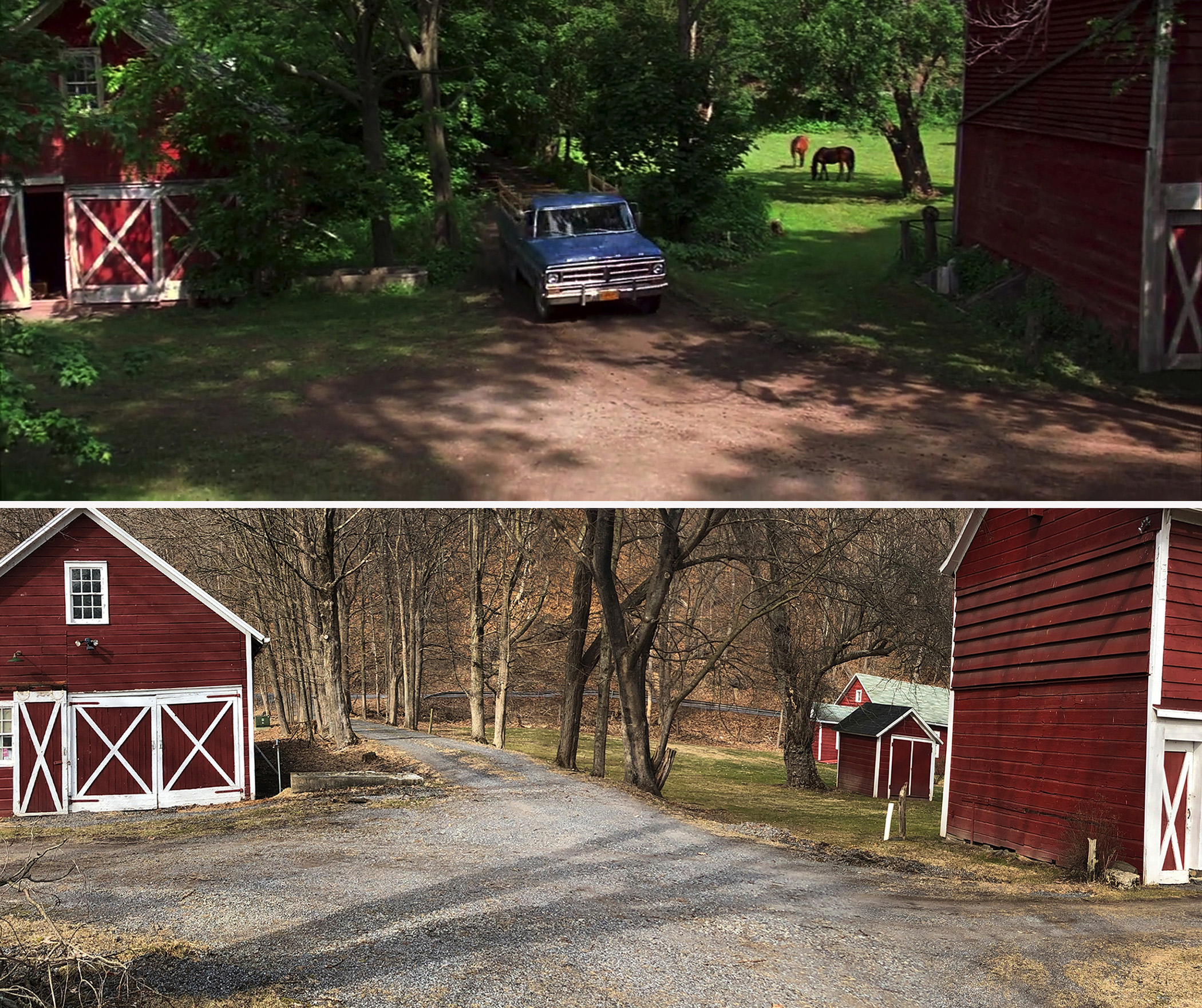
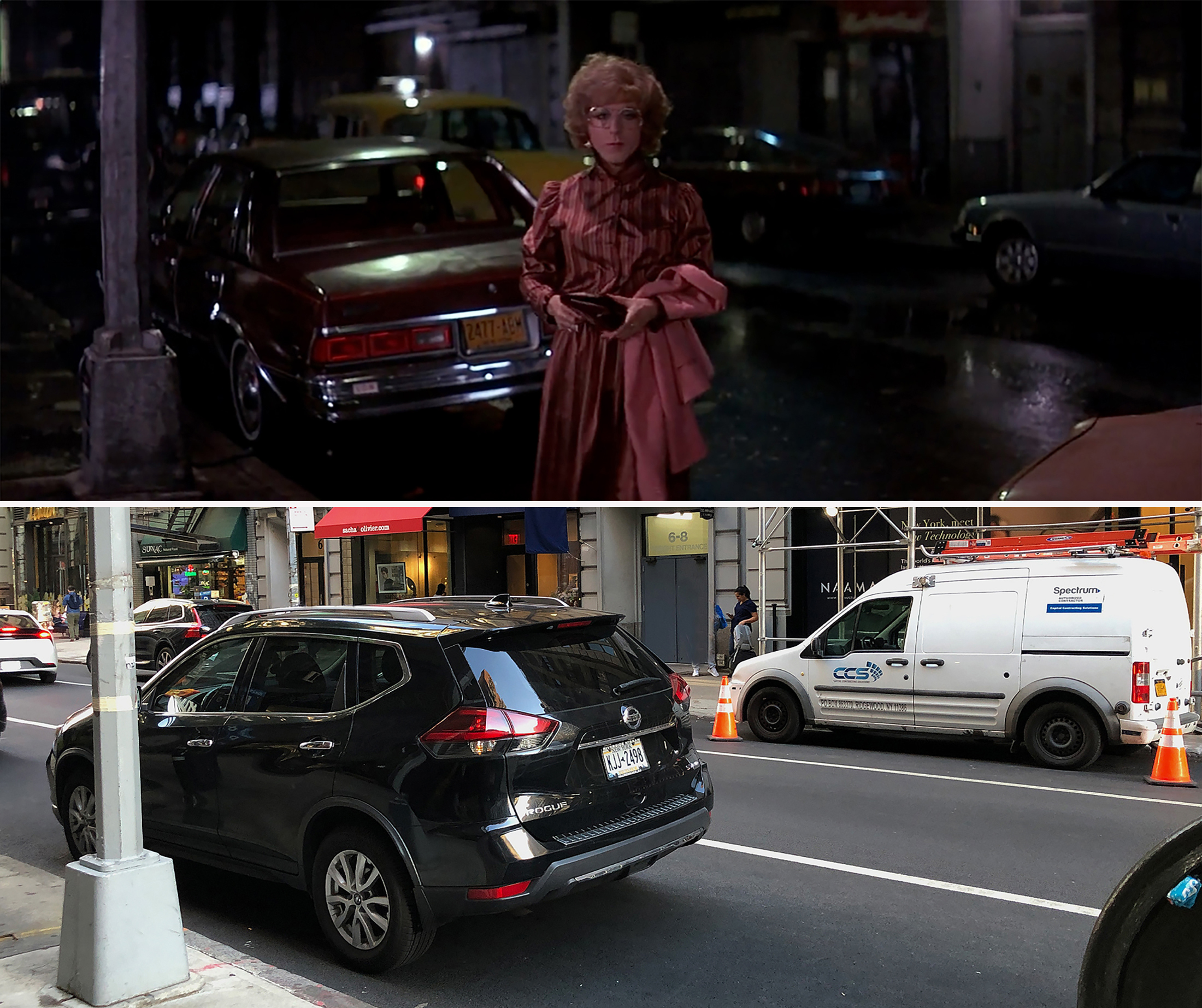
Van Horn Stalks Dorthy
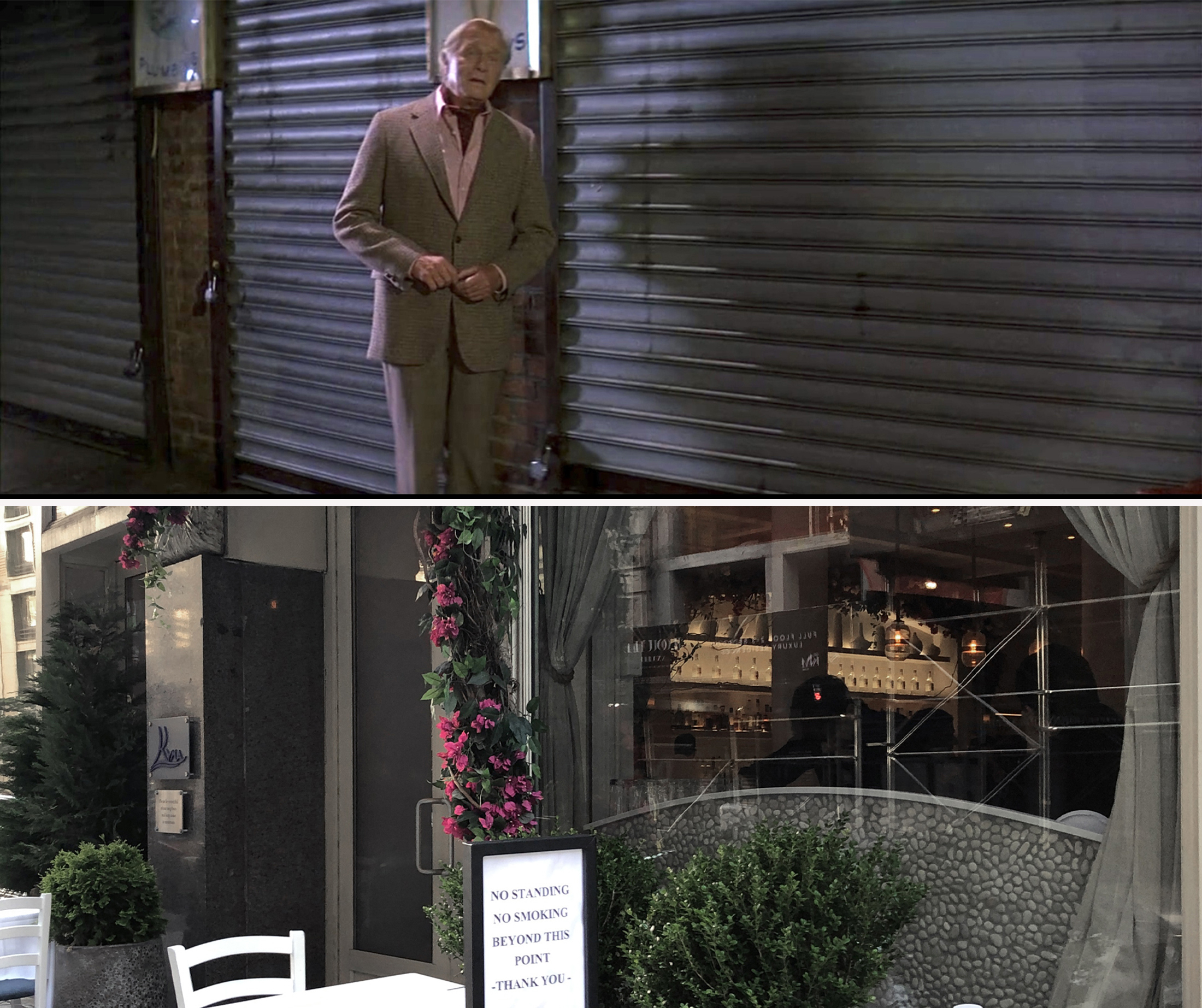
Central Park
Meeting Les
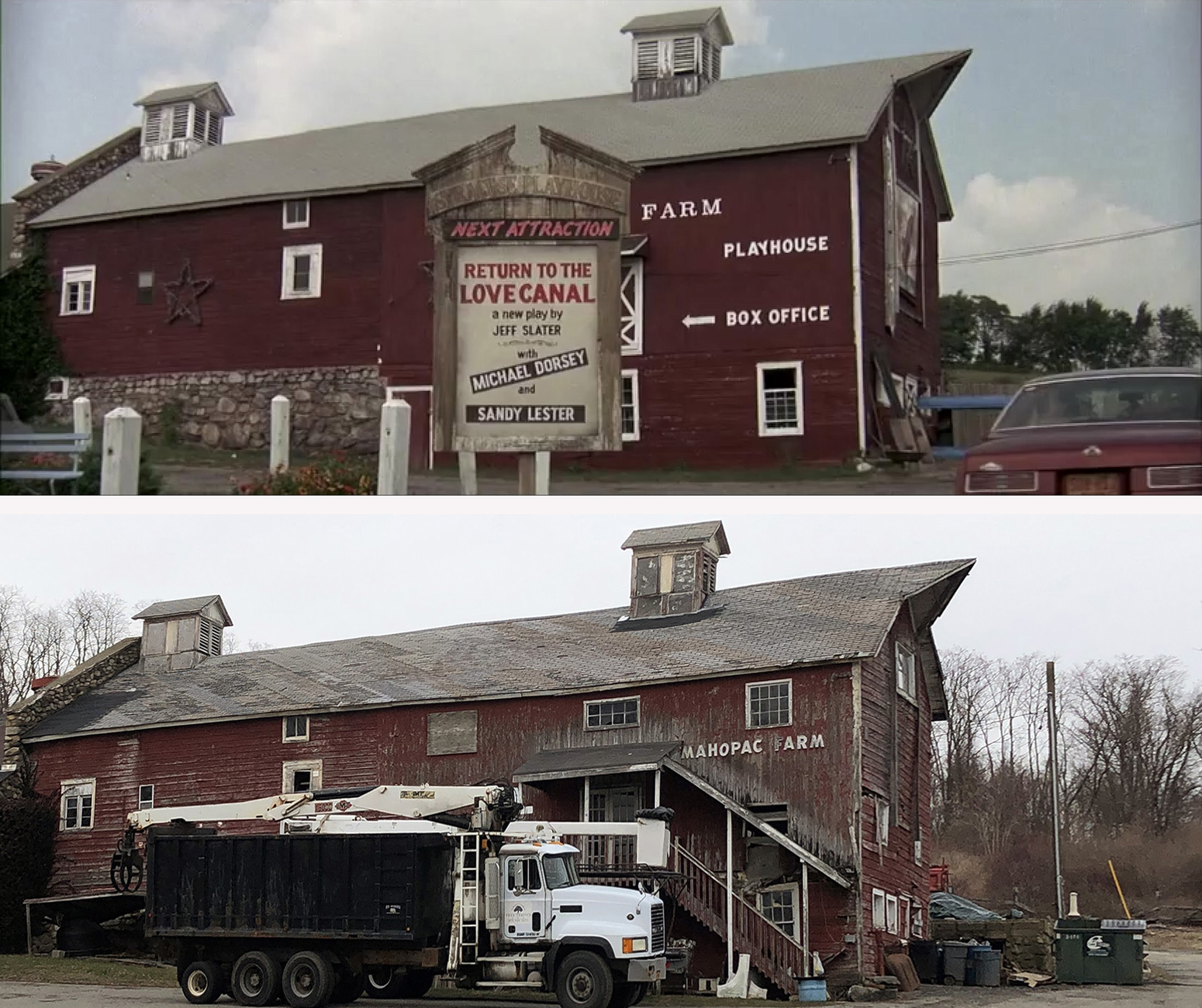
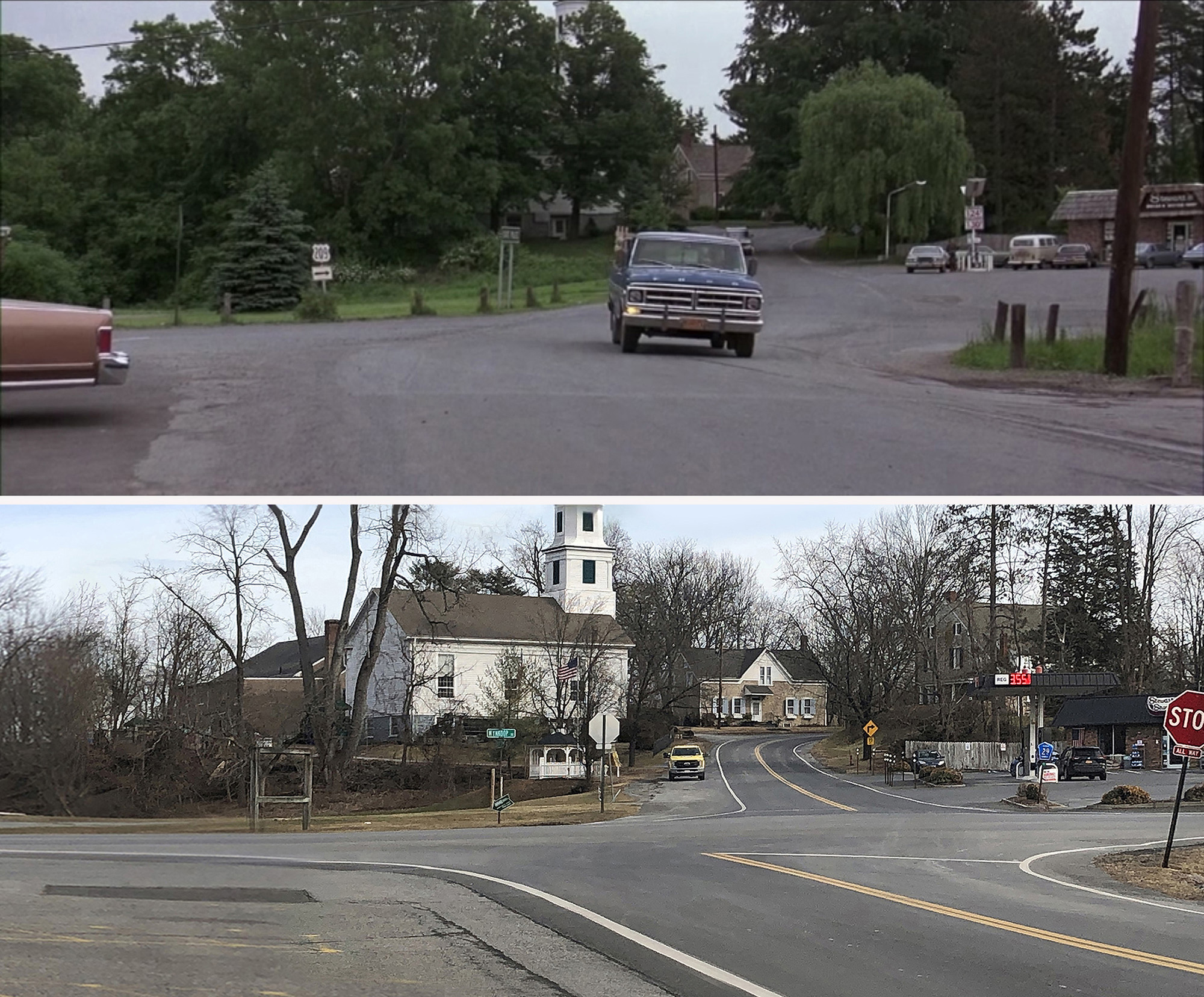
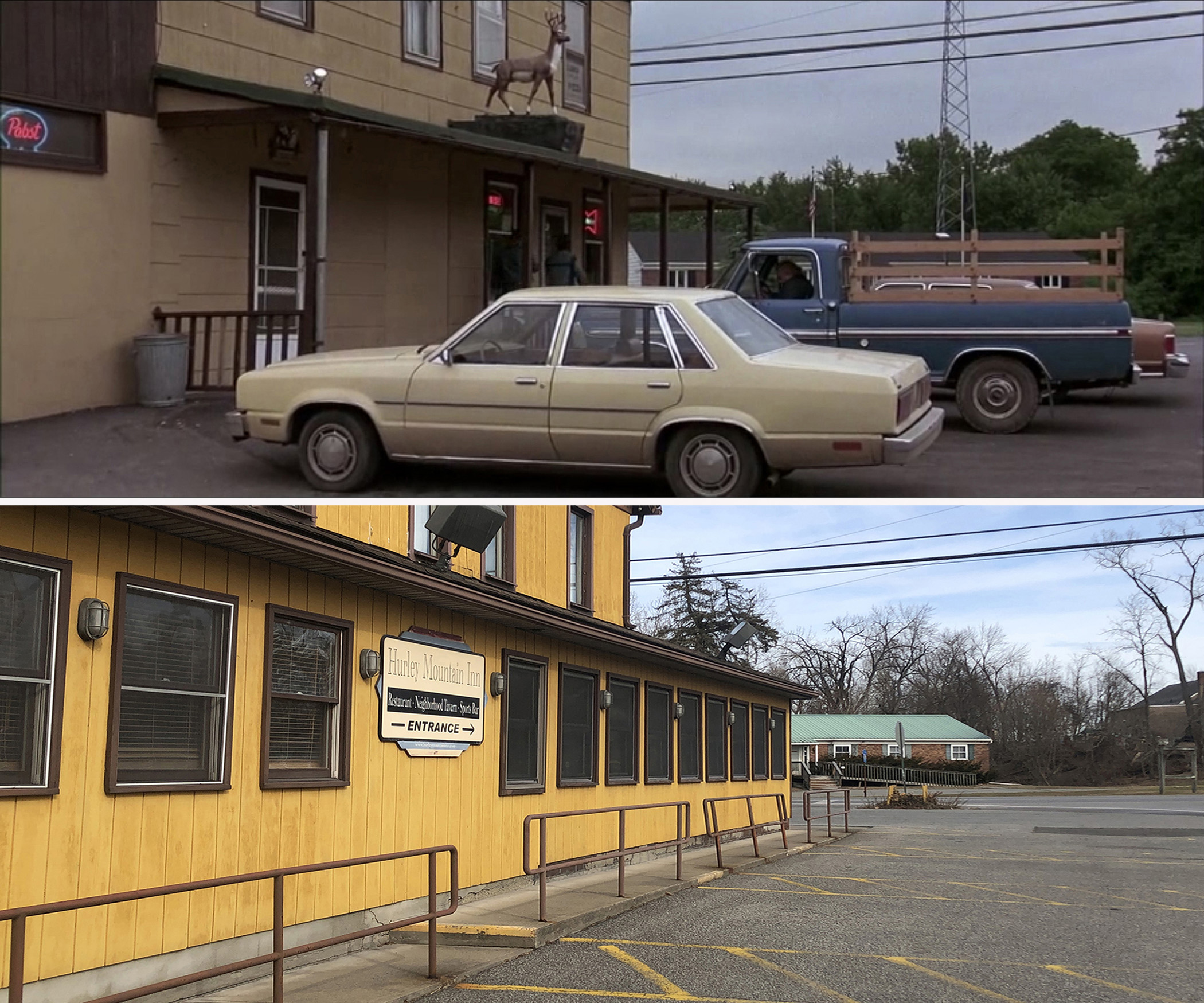
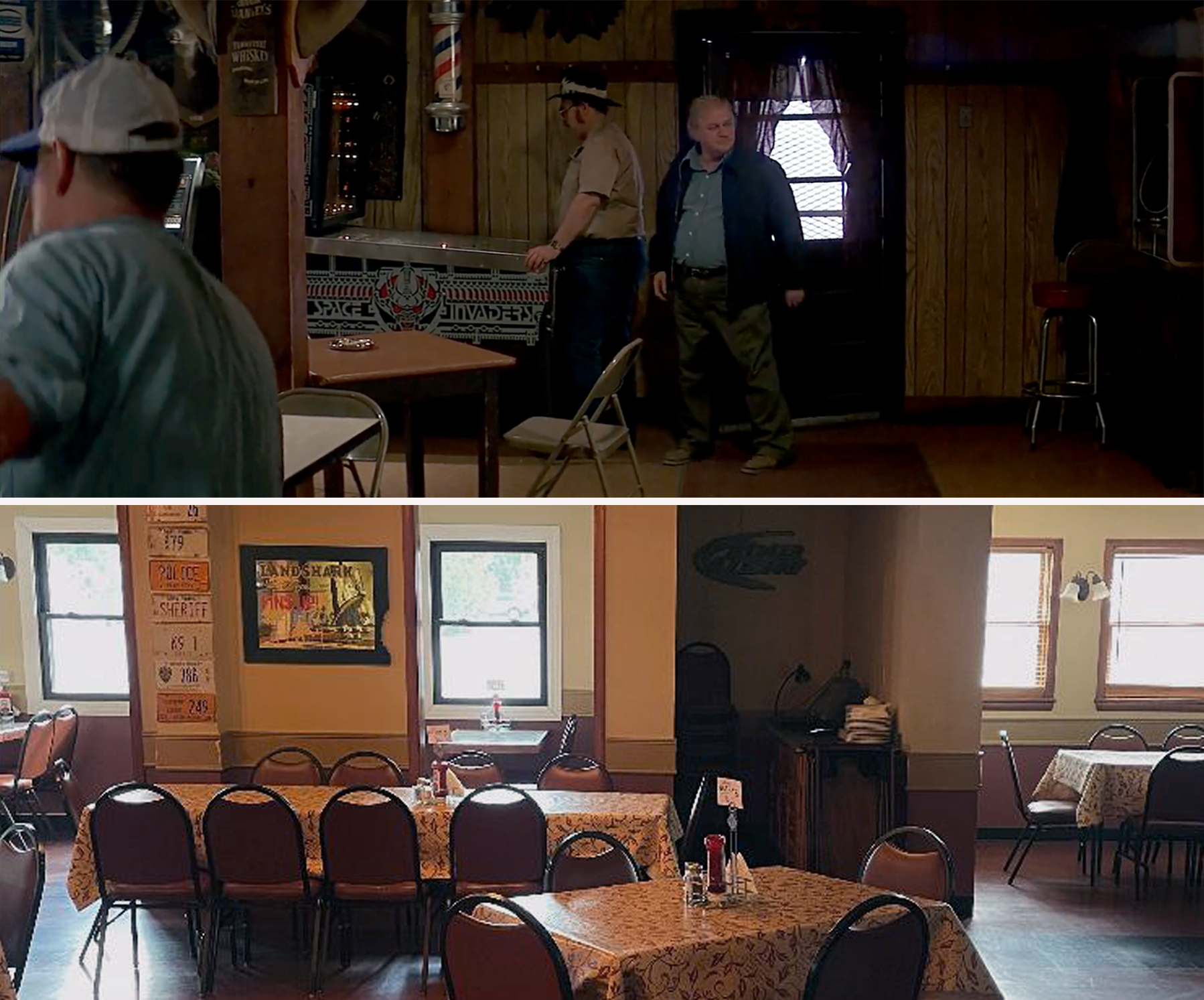
Michael Apologizes to Julie
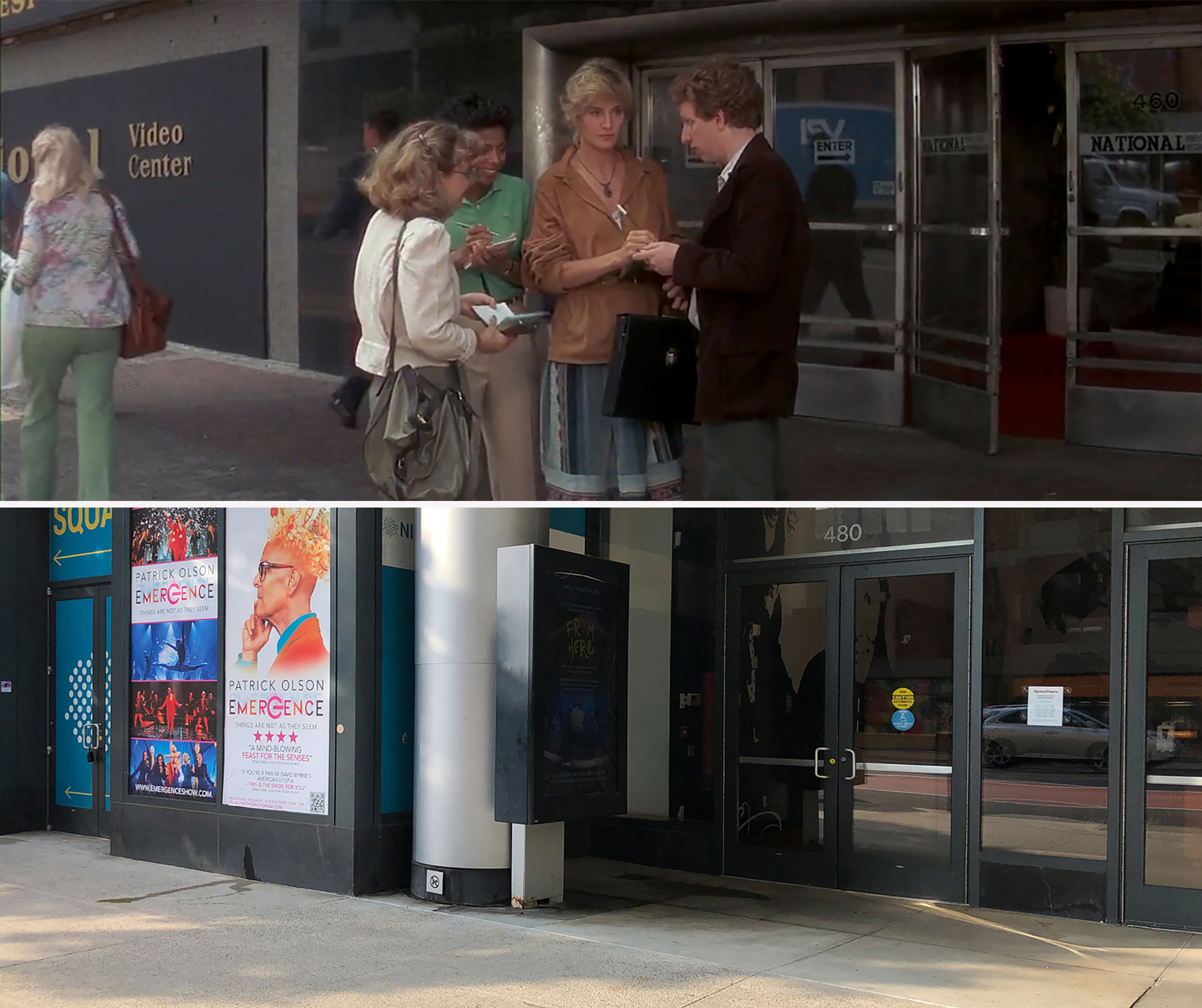
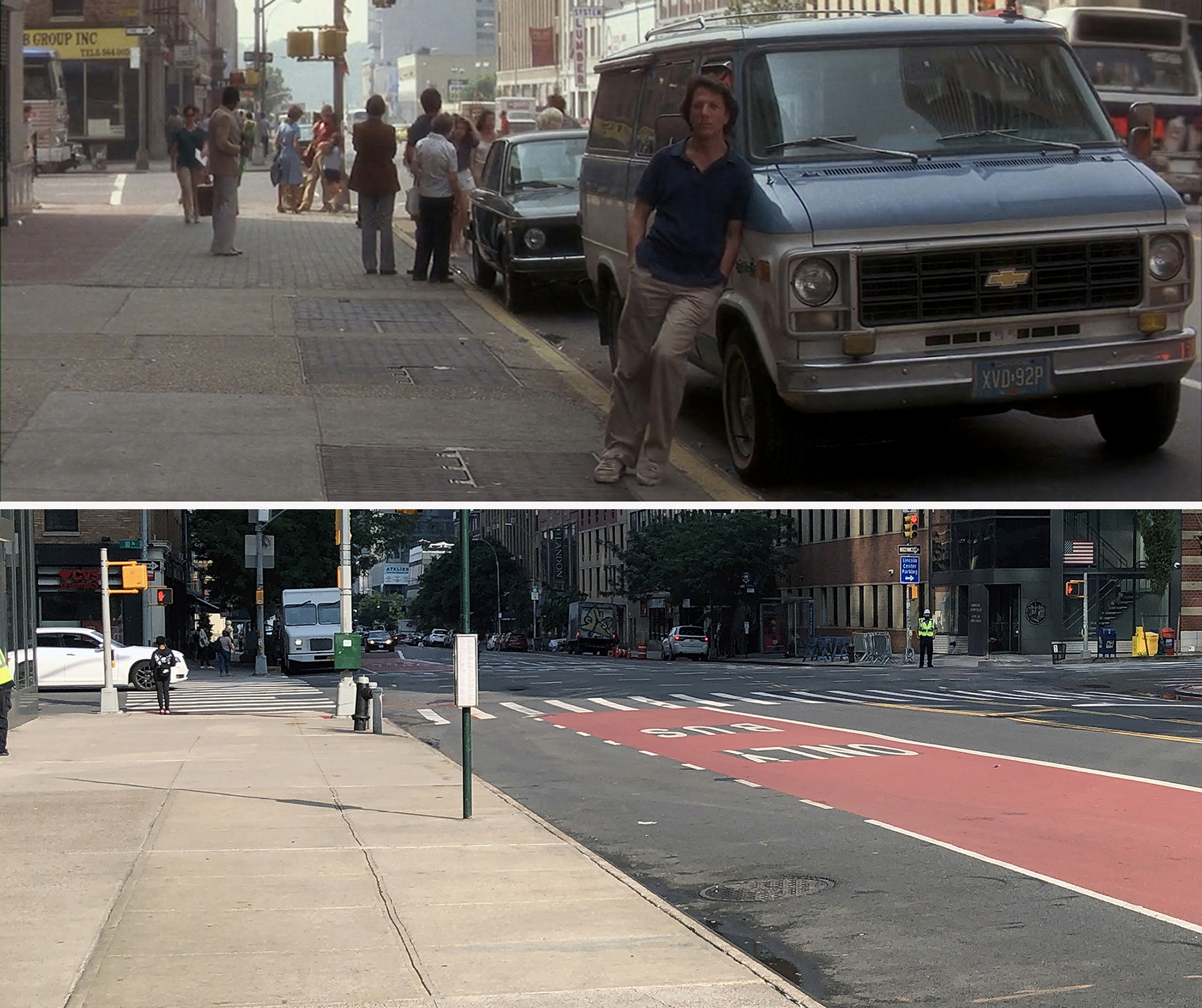
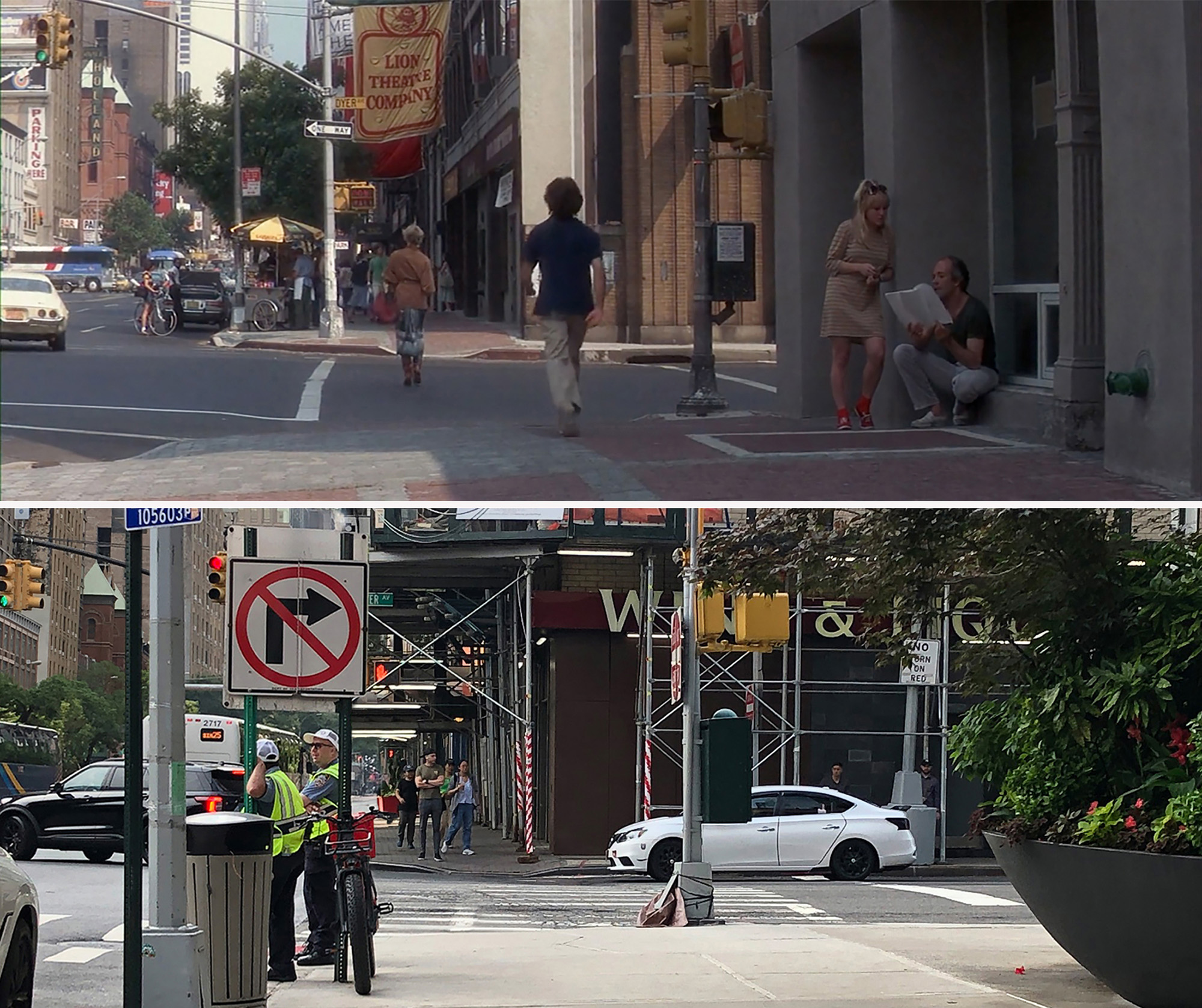
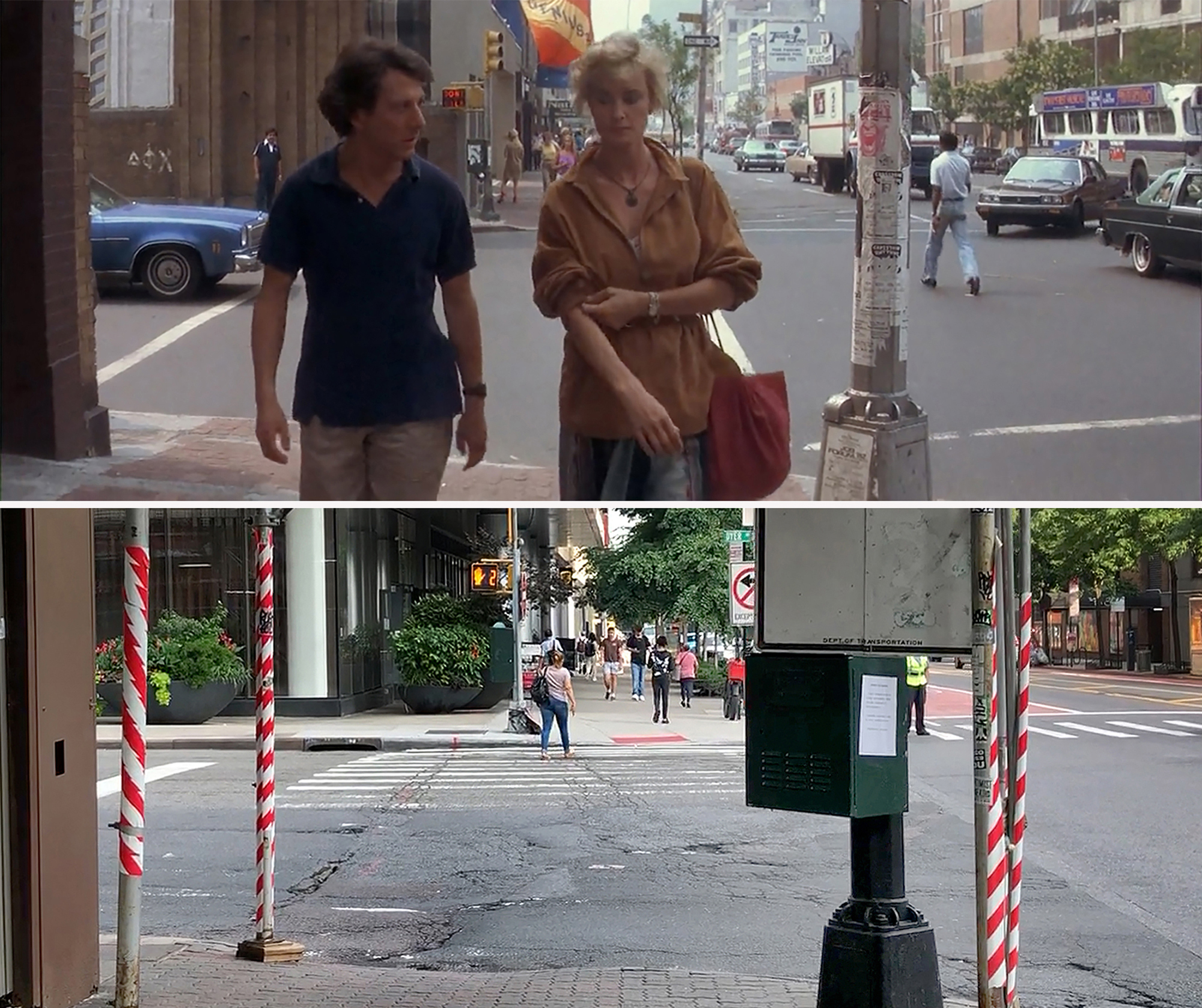
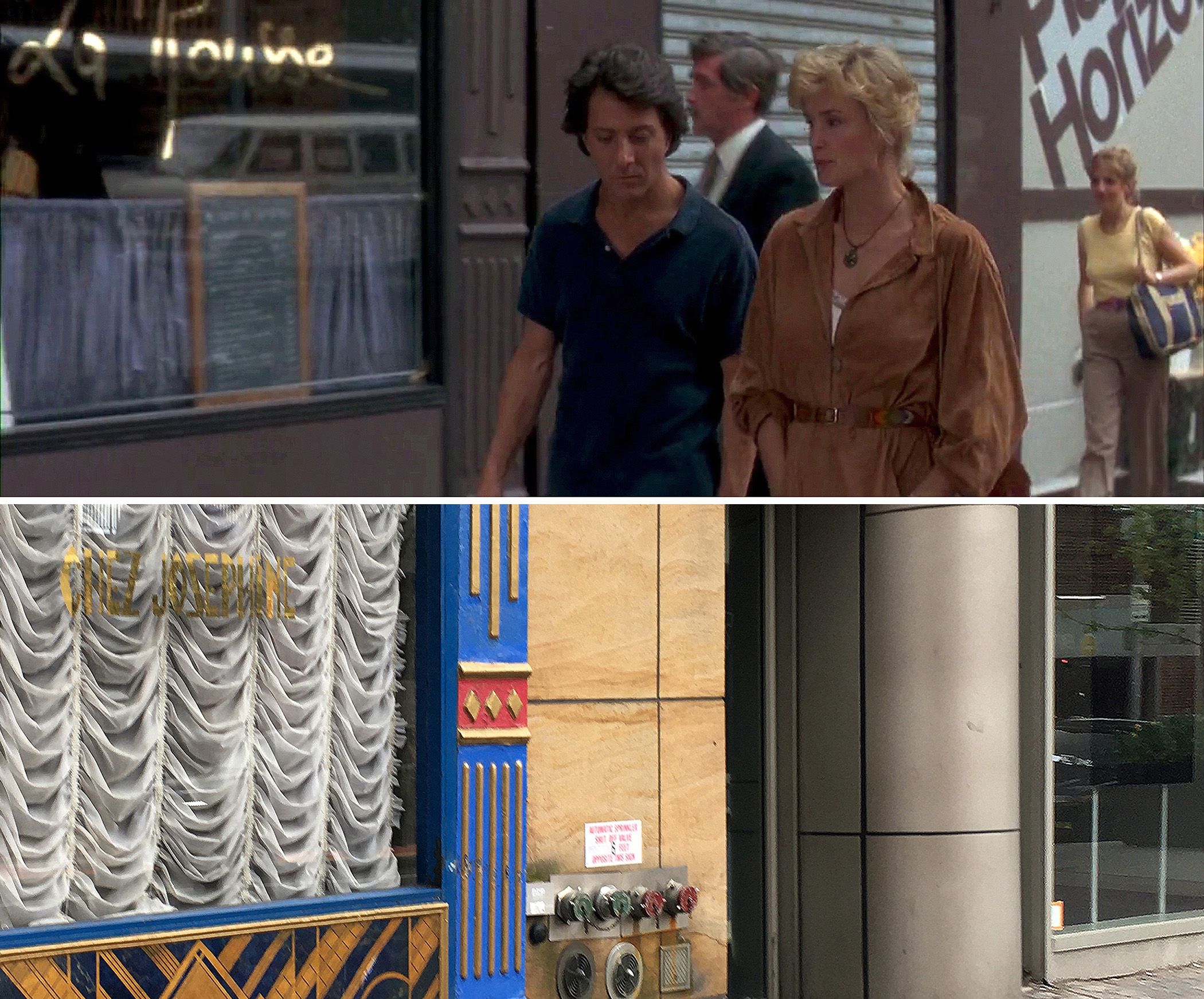
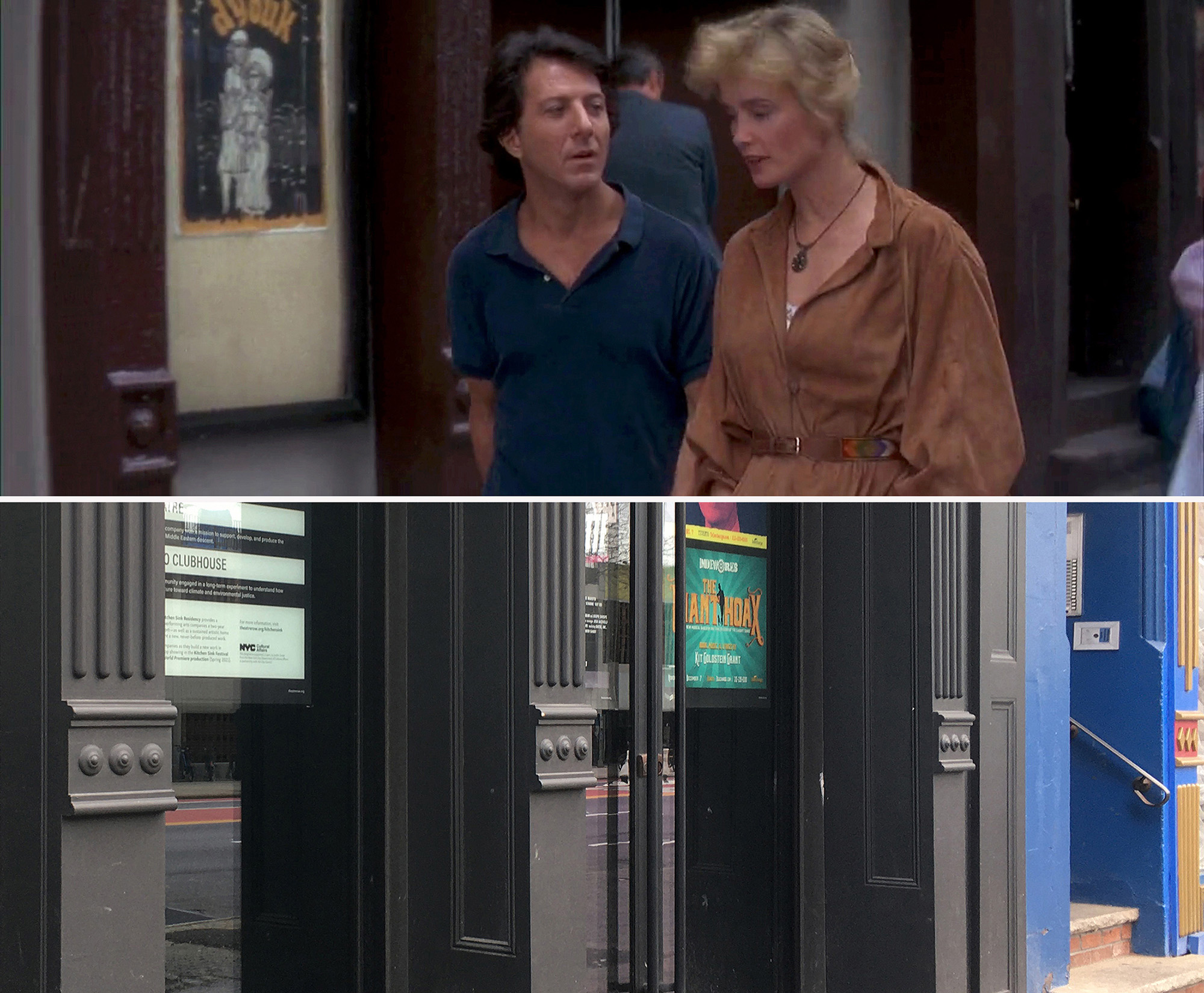
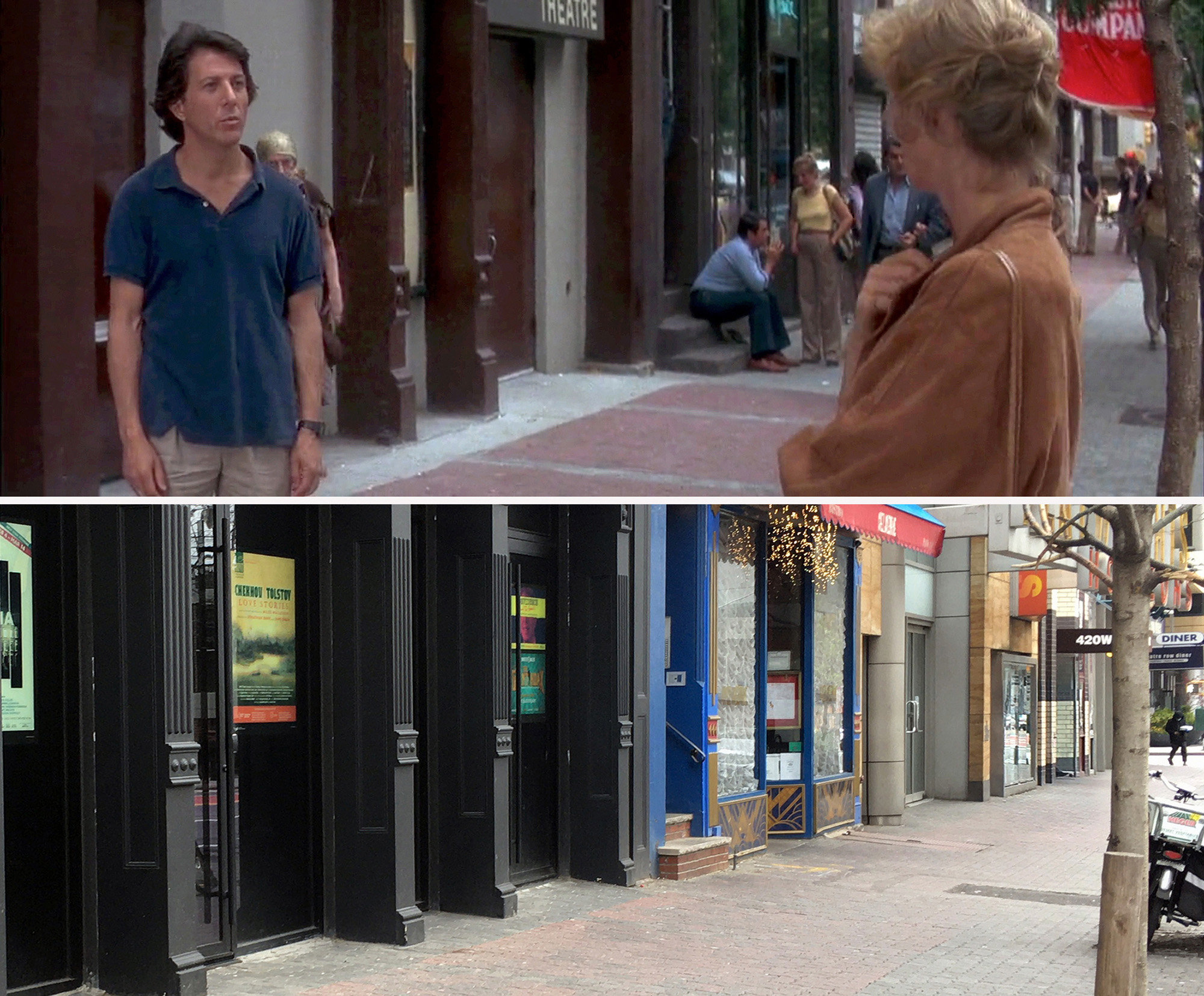
vicissitudes
There are a myriad of reasons to love this movie. It’s filled with both large and small comical moments that amass into one of the greatest comedies of all time, but one with a significant sensibility. Underneath all the crazy shenanigans is the central message of a man learning to be a better man by being a woman – a much loftier idea than what would appear in a Some Like It Hot scenario. But never do you feel the movie is preaching to you, trying to hammer some overarching social criticism. Anytime the movie touches upon the themes of feminism, gender identity or self-improvement, it always makes sure to top off the scene with a wonderful humorous moment, undercutting any gravity to the situation.
Never once do the filmmakers sacrifice the comedy in service of the themes. But by the same token, they never sacrifice reality in service of the comedy.
The cast is flawless, all the way down to the smallest of characters, such as the soap opera’s producer or cameraman. While I’m generally not a huge Jessica Lange fan, her character Julie Nichols possesses a fragile, breathy, and slightly spaced-out vulnerability that makes her feel beautifully unanchored. Dabney Coleman covers familiar territory playing the misogynistic TV director, but nonetheless plays it perfectly with a nice hint of vulnerability that was lacking in his stint on 9-to-5. Charles Durning is also wonderful as Julie’s dad, stripped of any maliciousness that usually associated with his roles. Teri Garr is also spot-on as the self-loathing struggling actress who is unable to take control of her emotions, playing an essential part in the building farcical circumstances. And of course, Bill Murray as the uncredited roommate is in top comedic form, serving up a hearty helping of wry humor, as well as serving as the perfect confidant for Dustin’s scheming character.
However, by far, my favorite performance is by director Sydney Pollack as Michael’s agent. He delivers his lines with such ease and sincerity that every time he’s onscreen, my attention is 100% locked in on him (which is a pretty amazing feat when sharing the stage with someone like Hoffman).
The cast is flawless, all the way down to the smallest roles, such as the soap opera’s producer or cameraman. While I’m generally not a huge Jessica Lange fan, her character, Julie Nichols, possesses a fragile, breathy, and slightly spaced-out vulnerability that makes her feel beautifully unanchored. Dabney Coleman covers familiar territory playing the misogynistic TV director, but he plays it perfectly, adding a nice hint of precariousness that was lacking in 9 to 5. Charles Durning is also wonderful as Julie’s forlorn dad, stripped of the usual maliciousness typically associated with his roles. Teri Garr is also spot-on as the self-loathing, struggling actress unable to take control of her emotions, playing an essential part in the building farcical circumstances. And of course, Bill Murray, as the uncredited roommate, is in top comedic form, serving up a hearty helping of wry humor while acting as the perfect confidant for Dustin’s scheming character.
However, by far my favorite performance is by director Sydney Pollack as Michael’s agent. He delivers his lines with such ease and sincerity that every time he’s onscreen, my attention is 100% locked on him—a pretty amazing feat when sharing the stage with someone like Hoffman.

